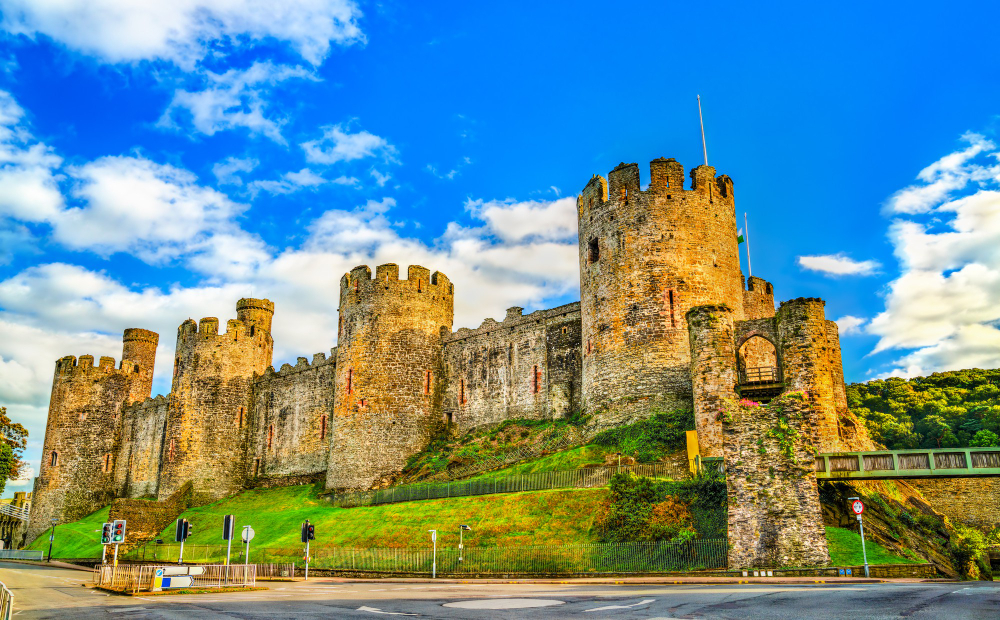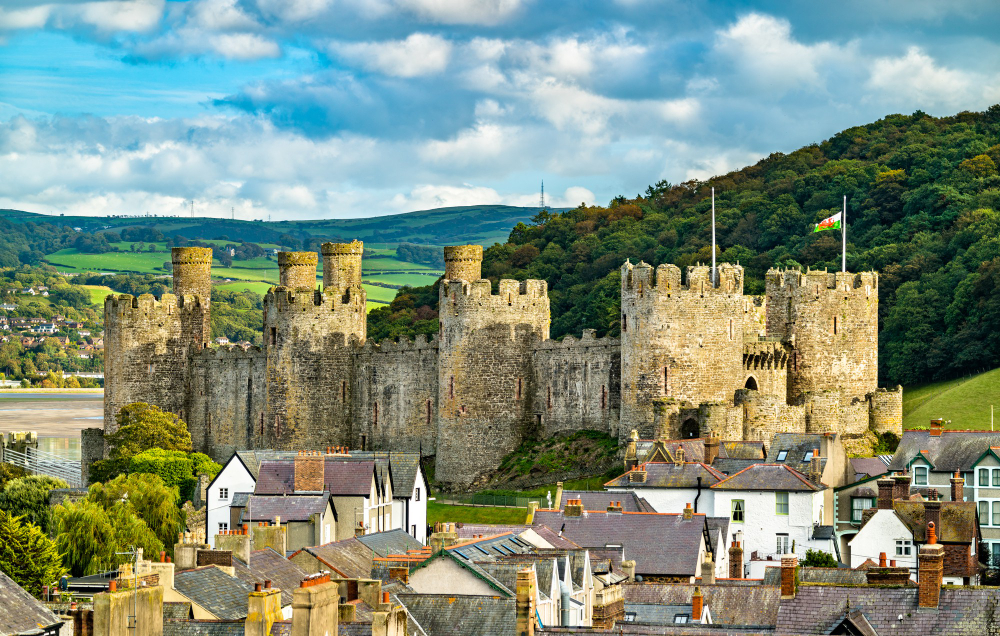

Conwy Castle, also known as Conway Castle, is far more than just a ruin. It towers majestically over the mouth of the River Conwy, and its imposing silhouette marks the entrance to the small town of Conwy in the county of Gwynedd. Built between 1283 and 1287, this medieval fortress bears witness to a turbulent past filled with conquests, intrigues, and architectural masterpieces. Thanks to its historical and cultural significance, it has been a UNESCO World Heritage Site since 1986. But what makes Conwy Castle so special, and what legends surround its massive walls?
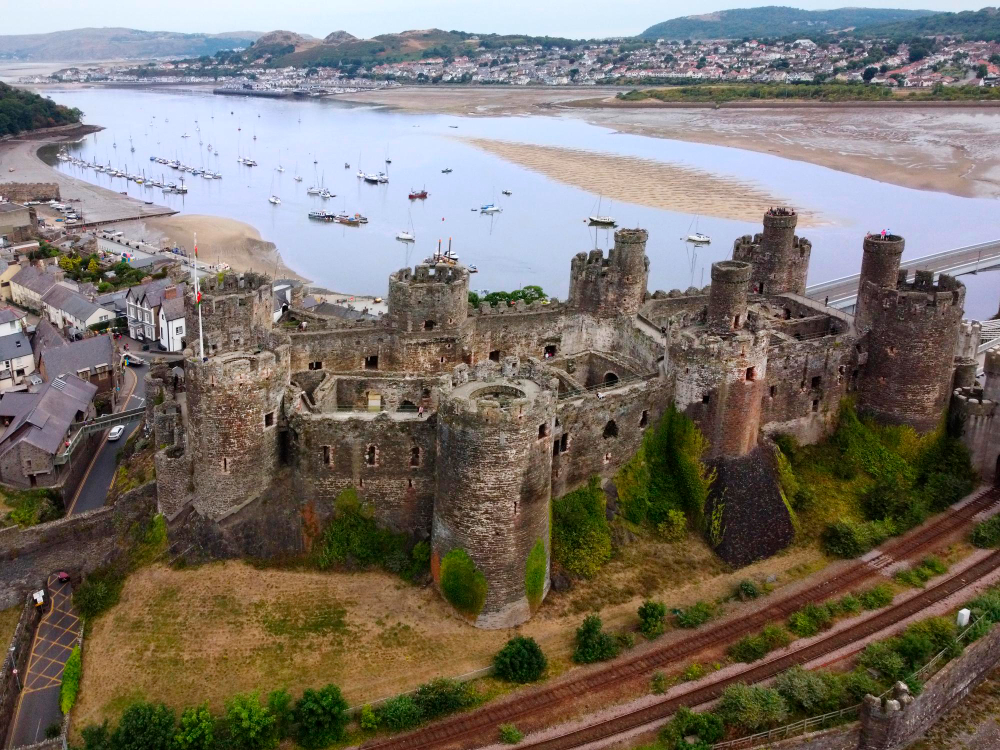
The Rise of a Castle – Power and Control – Conwy Castle is not merely a structure, but an expression of political power and military strategy. Edward I, King of England, had the fortress built during his conquest of Wales. It was part of a comprehensive system of defensive works aimed at subjugating the rebellious Welsh princes and securing English rule over Wales. In total, Edward I had nine castles built, of which Conwy was one of the first. Responsible for the planning and construction was James of St. George, arguably the most talented architect of his time, who specialized in fortress construction. The strategic location of Conwy Castle was no accident. The castle was built on a natural hill that offered both protection and a view of the surrounding area. Its location directly on the river made it ideal not only for military purposes but also for controlling trade and shipping in the region—a decisive advantage for securing English power.
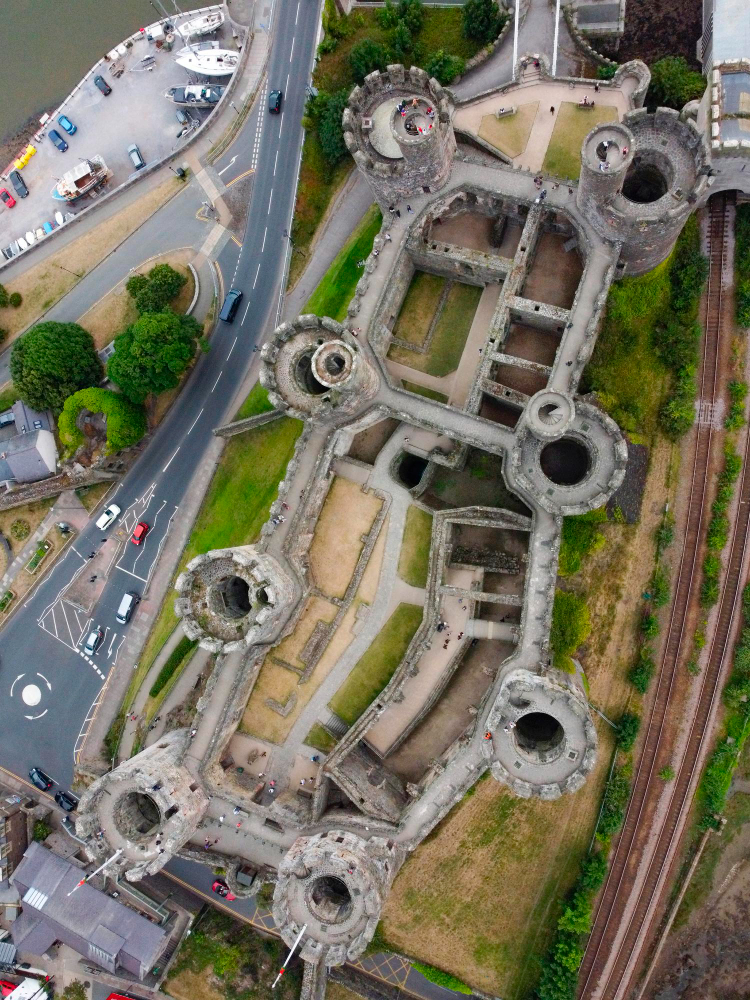
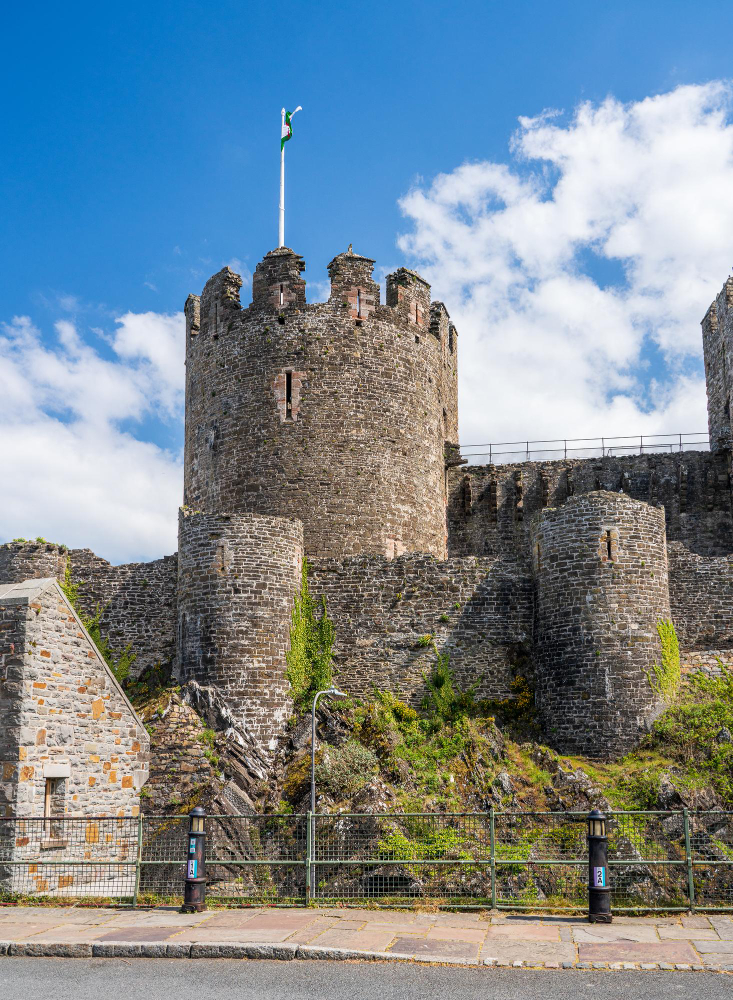
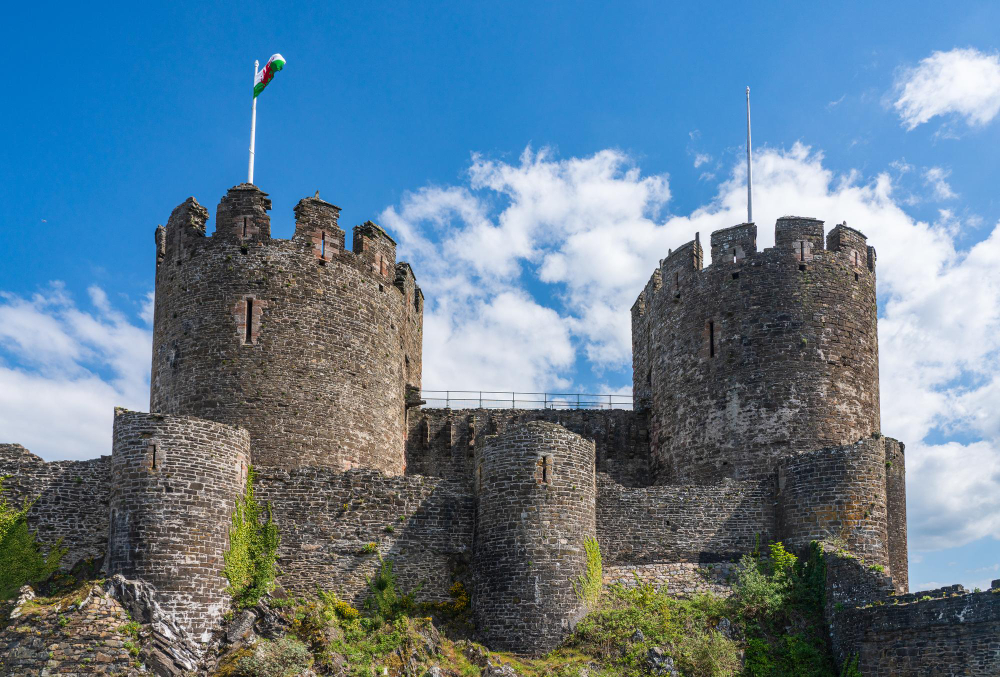
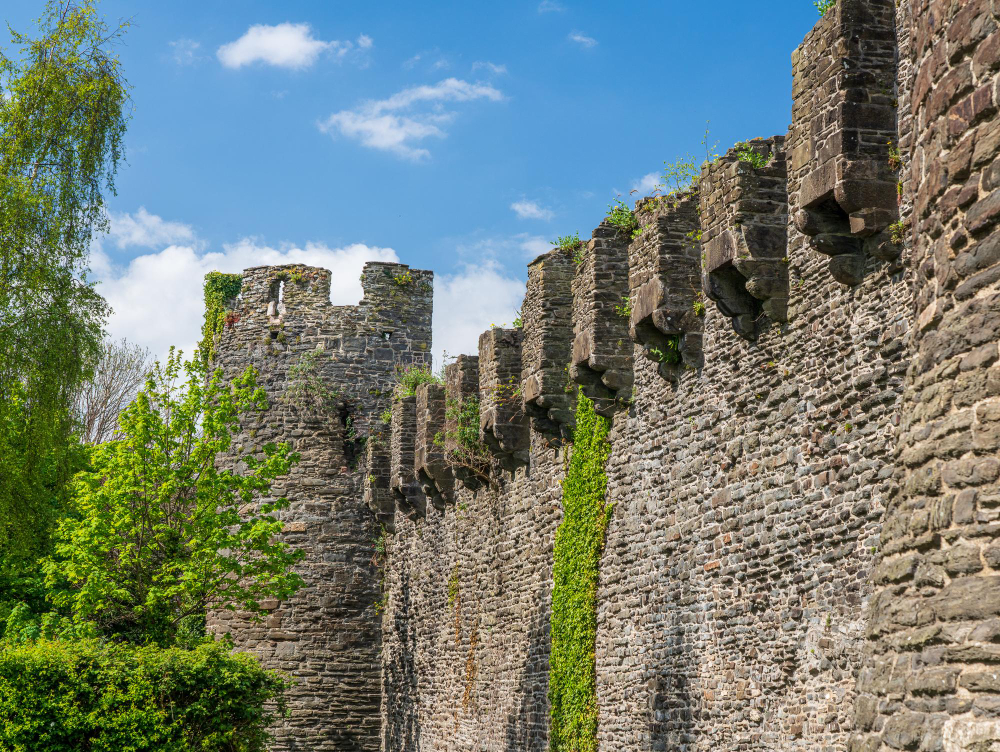
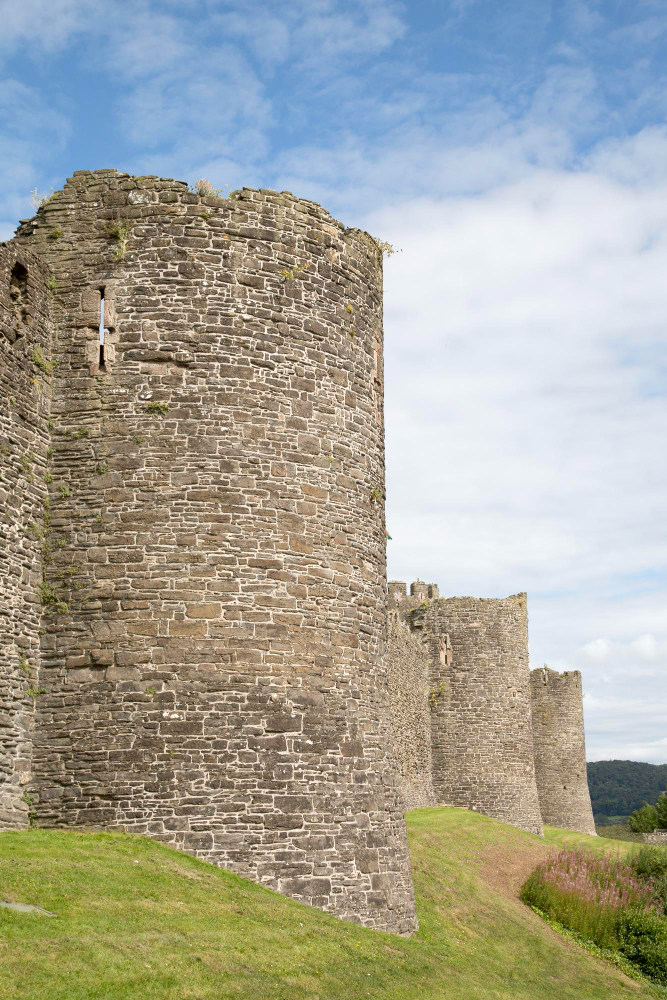
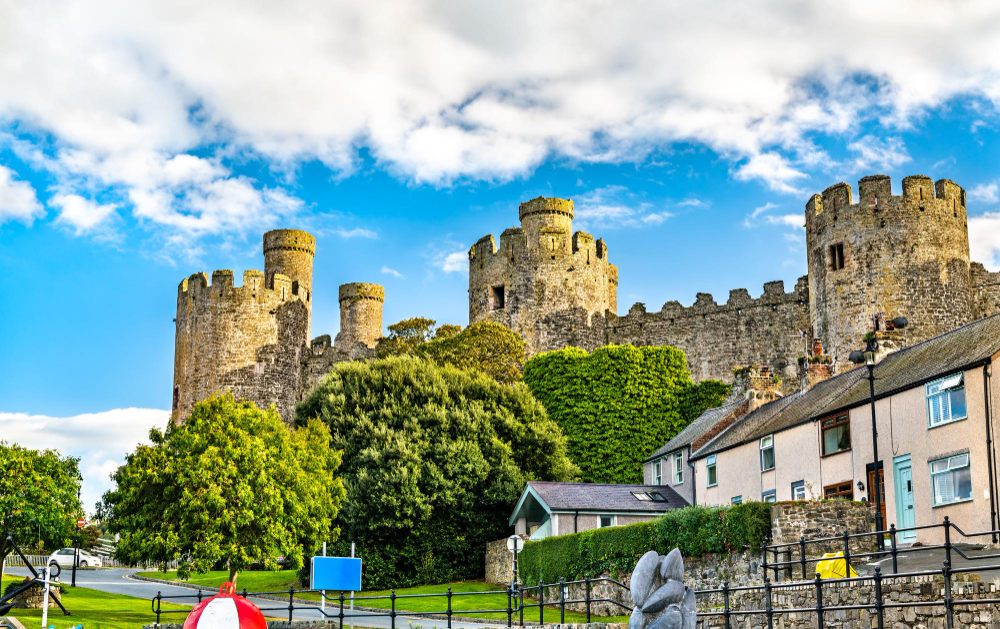
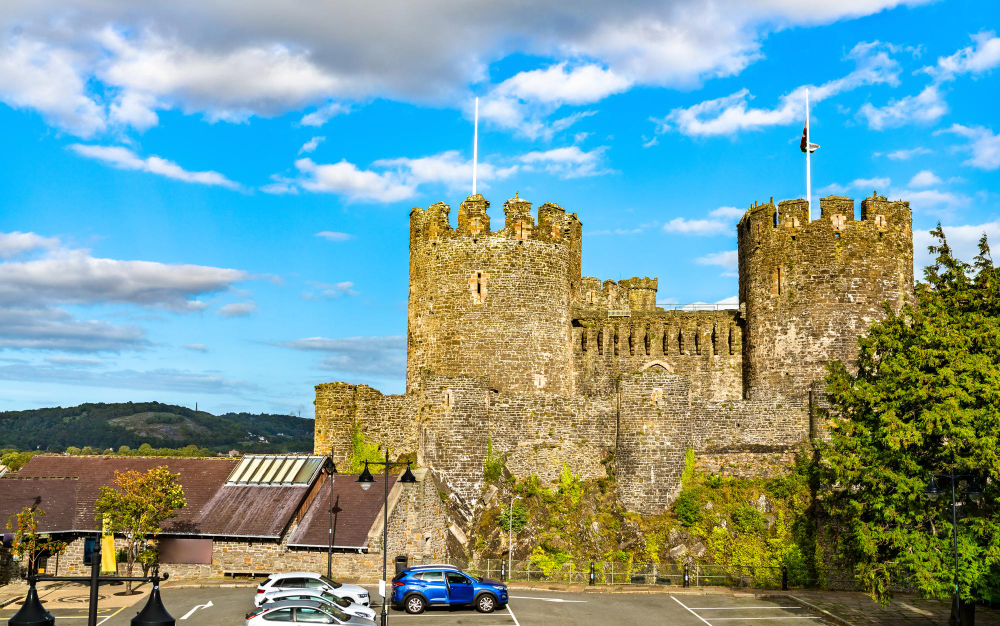
The Architecture – A Medieval Masterpiece – Conwy Castle impresses not only with its sheer size but also with its sophisticated construction. Measuring approximately 90 meters in length and 30 meters in width, it is one of the largest castles in Wales. Its curtain wall, punctuated by eight massive defensive towers, is almost entirely preserved and conveys an impression of the structure’s former fortifications. The castle complex follows the natural contours of the terrain, giving it an irregular, elongated shape. Inside, the courtyard is divided into two sections by a wall—a construction that is brilliant both functionally and architecturally. Compared to other works by the architect James of St. George, such as Harlech Castle or Beaumaris Castle, Conwy is distinguished by the absence of a concentric forecourt. This was a deliberate decision that took into account the demands of the hilly terrain. Despite these differences, the castle also shares parallels with other structures such as Caernarfon Castle, which were also part of Edward I’s extensive defensive system. The gatehouses in front of the main gate and the postern—a secret side gate—demonstrate that the defenses here were planned down to the smallest detail.
A Turbulent History – The history of Conwy Castle is one of rise and fall—a typical pattern for medieval castles. It was built on the ruins of Deganwy Castle, an older fortress that had been destroyed in 1263 by Llywelyn ap Gruffydd, the last Prince of Wales. By building Conwy Castle, Edward I sought to create a replacement that would underscore his dominance in the region both militarily and symbolically. The castle played a central role during the medieval conflicts in Wales and England. Despite its sturdy construction, it was conquered, damaged, and rebuilt several times over the centuries. Its walls sustained particularly severe damage during the English Civil War in the 17th century. Afterward, it lost its military significance and later its strategic function as well. Today, it stands as a fascinating testament to past claims to power and attracts thousands of tourists annually.
Legends and Myths – The Mysterious Side of the Castle – As with many historic structures, numerous legends and stories that spark the imagination surround Conwy Castle. One of the best-known tales concerns a hidden treasure said to be buried deep within the castle’s walls. According to an old tradition, Edward I is said to have hidden part of his fortune there after the castle’s completion to protect it from enemy attacks. To this day, treasure hunters and historians have found no evidence of this alleged treasure chamber—yet the very idea alone ensures that the castle enjoys a mystical reputation. Another legend revolves around the so-called “Ghosts of Conwy.” Visitors repeatedly report strange noises, cold drafts, and apparent apparitions at night. It is said that the souls of those who lost their lives during construction or in bloody battles still wander through the castle’s halls. The connection to nature also contributes to the castle’s mystical aura. The River Conwy, on whose banks the fortress stands, plays a significant role in Celtic mythology. It is often associated with stories of elves and other supernatural beings said to haunt the castle’s surroundings.
Conwy Castle Today – A Place Full of Fascination and Significance – Today, Conwy Castle is not just a historic site but a living museum that blends history and legend. Tourists from all over the world come here to climb the impressive defensive towers, stroll along the fortress walls, and immerse themselves in the fascinating past. From the castle’s highest points, visitors can enjoy a breathtaking view of the River Conwy and the surrounding landscape—a panorama that reveals why this location was once so strategically important. Today, the castle also serves as a venue for cultural events that bring the medieval atmosphere back to life. Jousting tournaments, candlelit tours, and historical reenactments delight history buffs and families alike. But Conwy Castle is more than just a tourist attraction. As a UNESCO World Heritage Site, the complex contributes to the preservation of European history by reminding us how closely power, architecture, and culture are intertwined.
A Journey Through Time in Stone – Conwy Castle is far more than a medieval ruin. It tells the story of an era marked by conflict, of King Edward’s quest for power, and of the architectural genius of master builder James of St. George. Yet it is also a source of legends and myths that lend it an air of mystique. Whether you reflect on its history or let your imagination run wild—this impressive castle remains a place that leaves a lasting impression on the hearts and minds of its visitors.