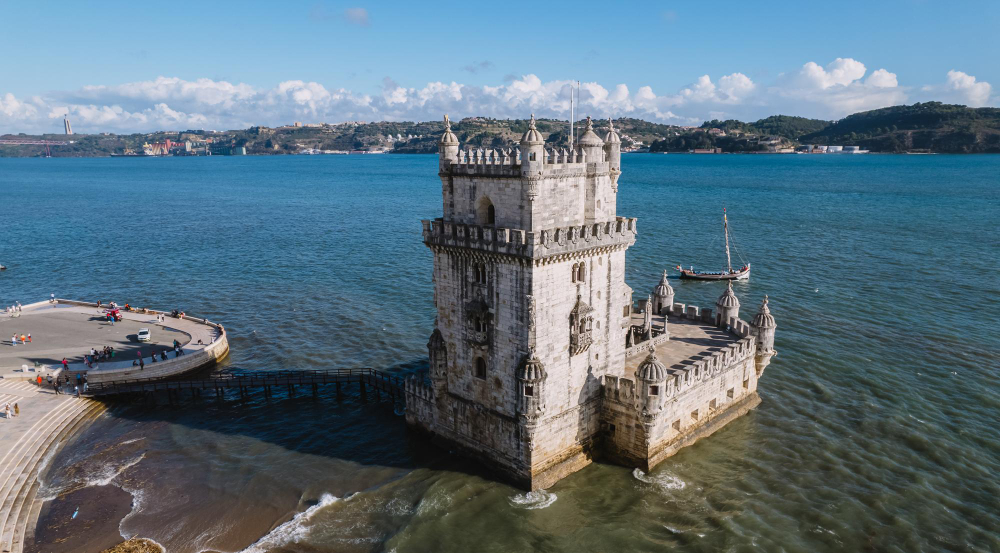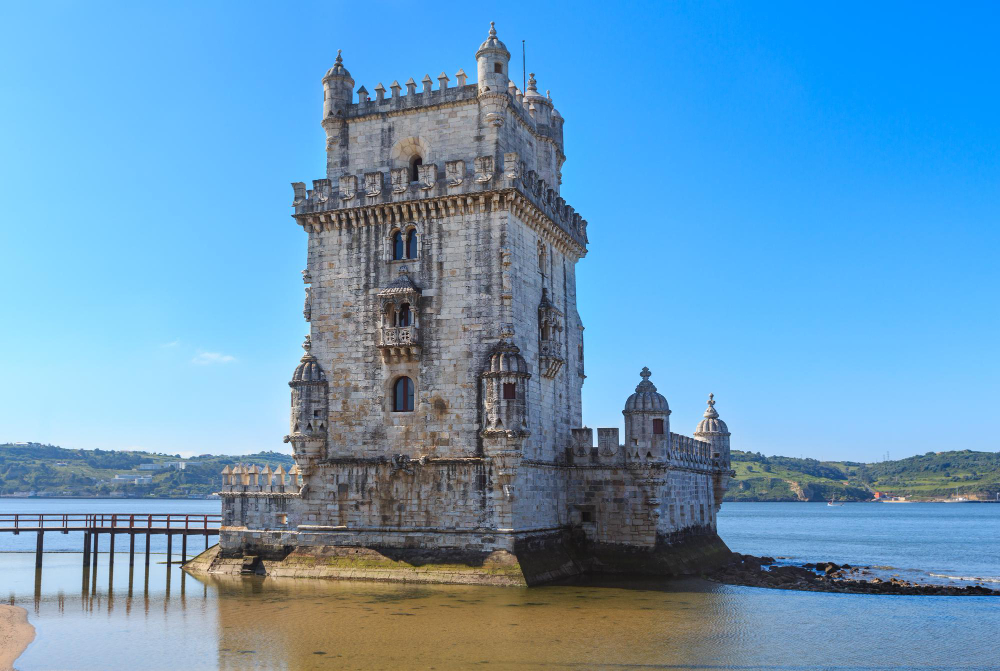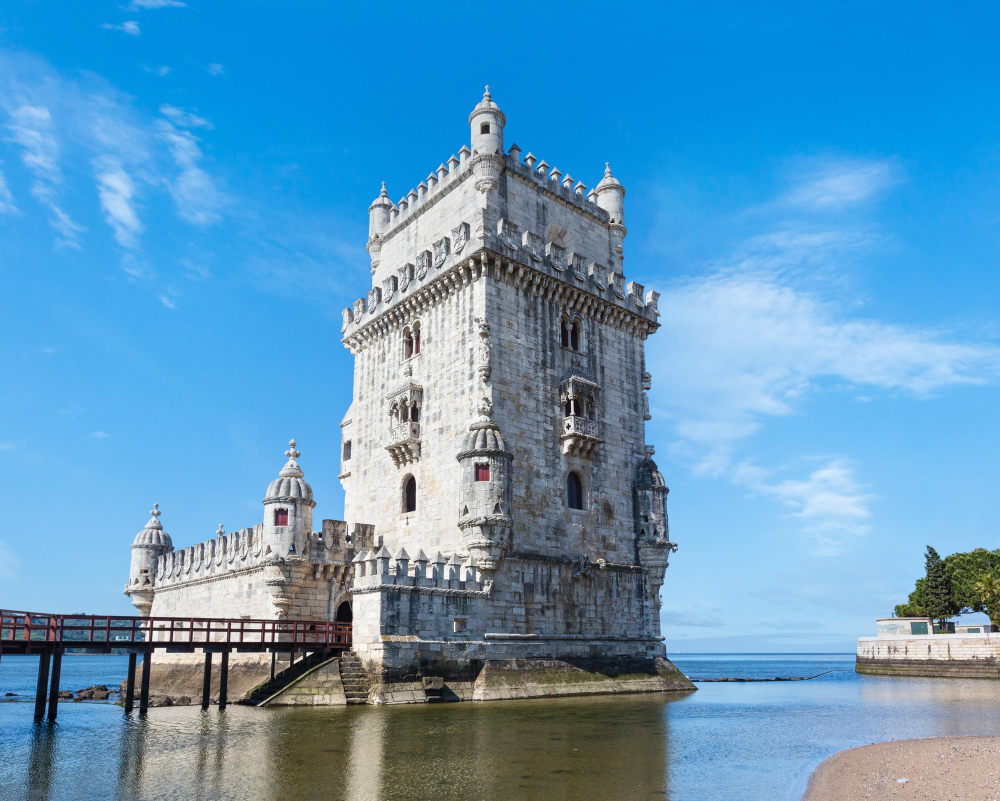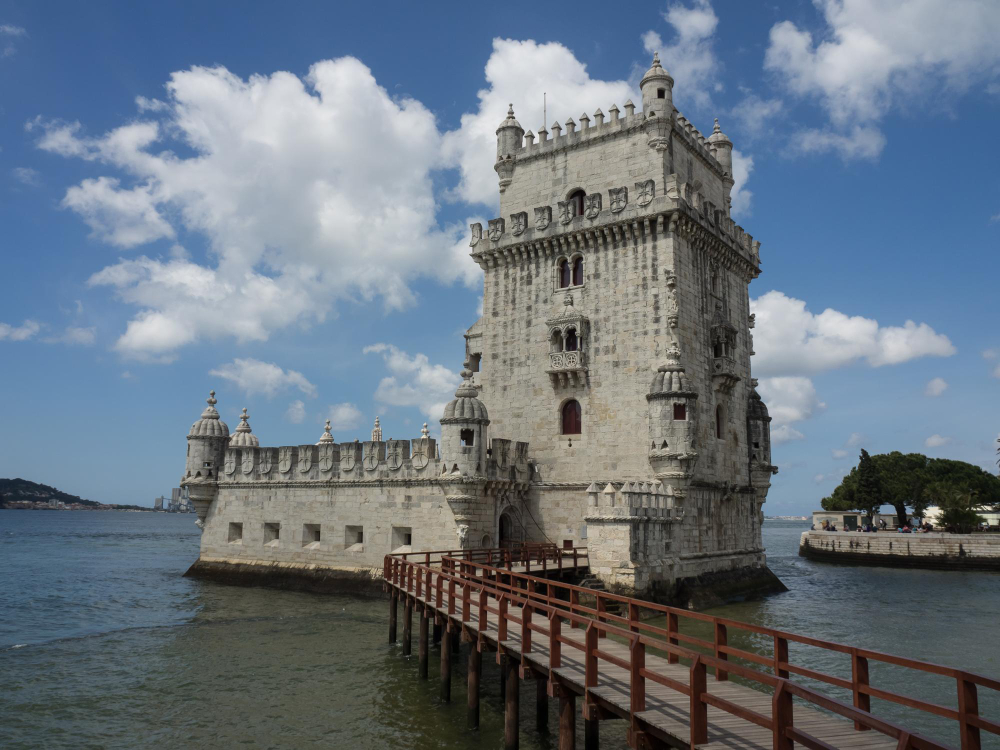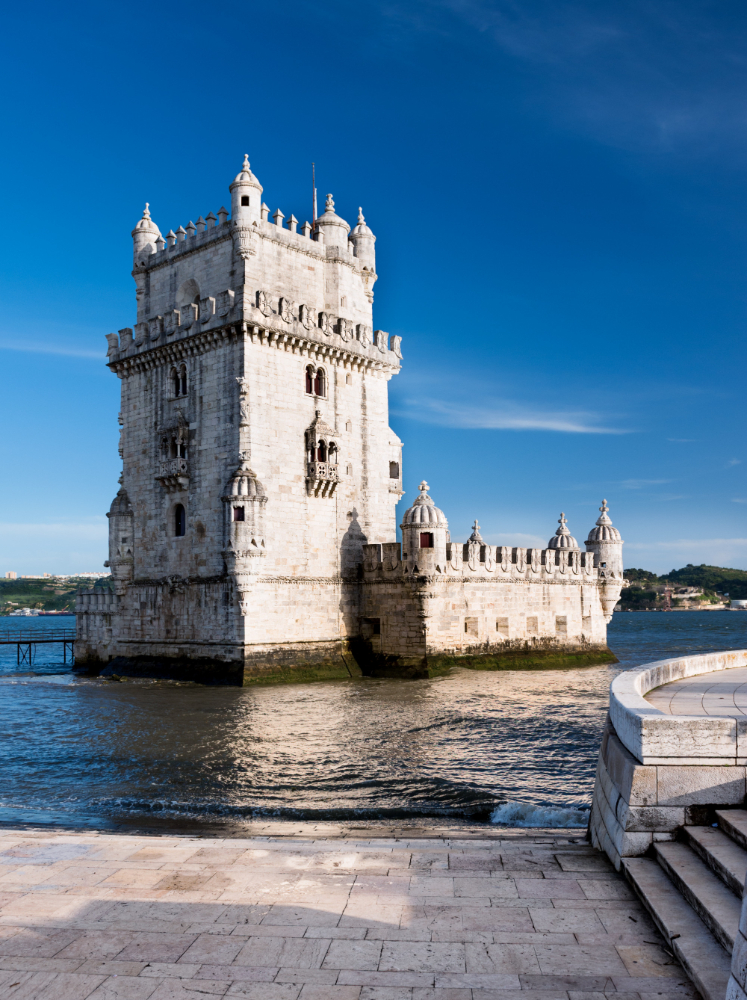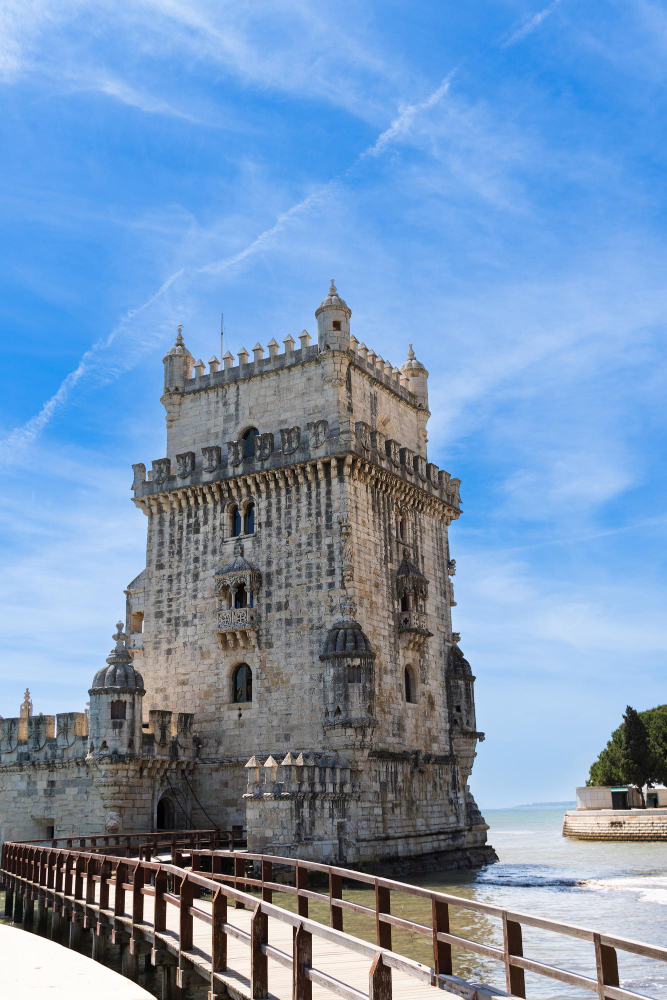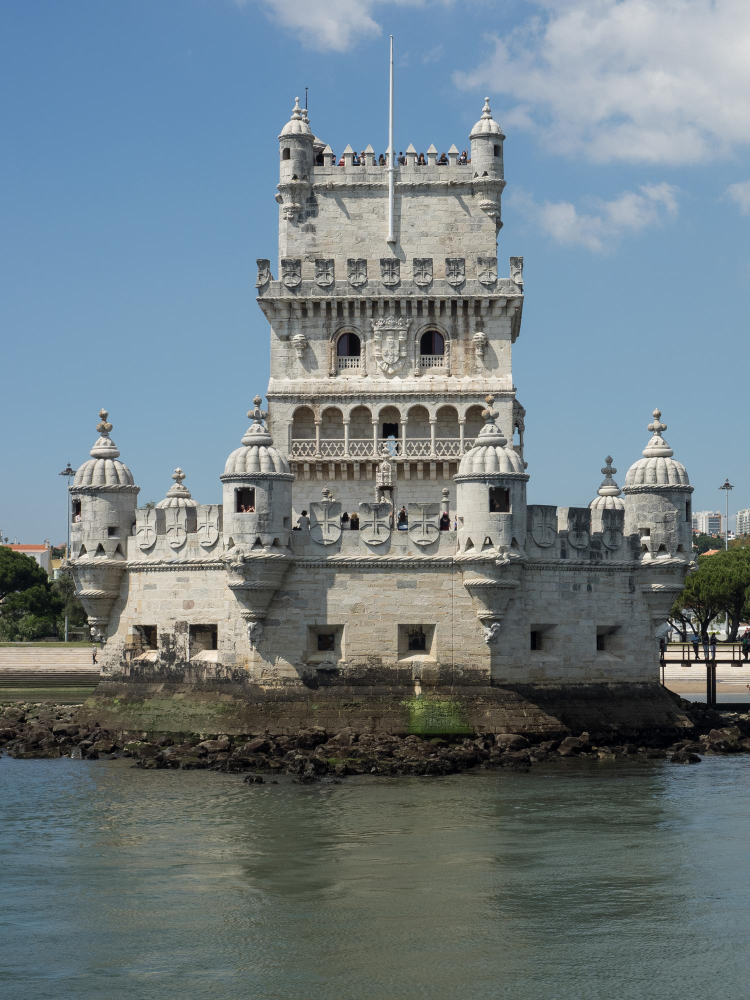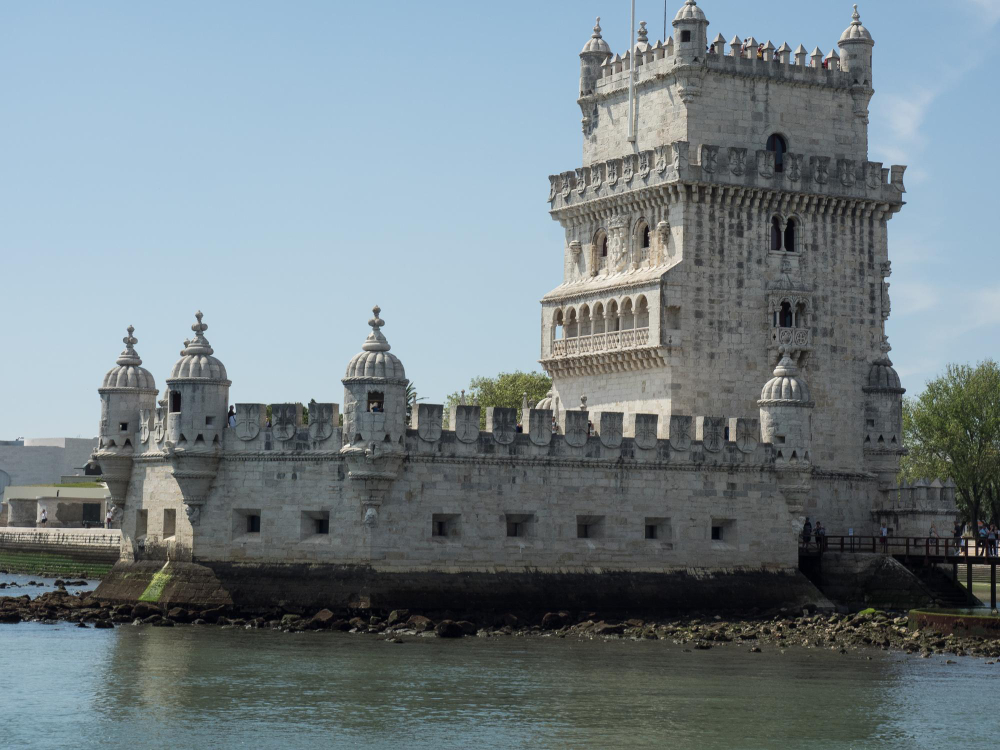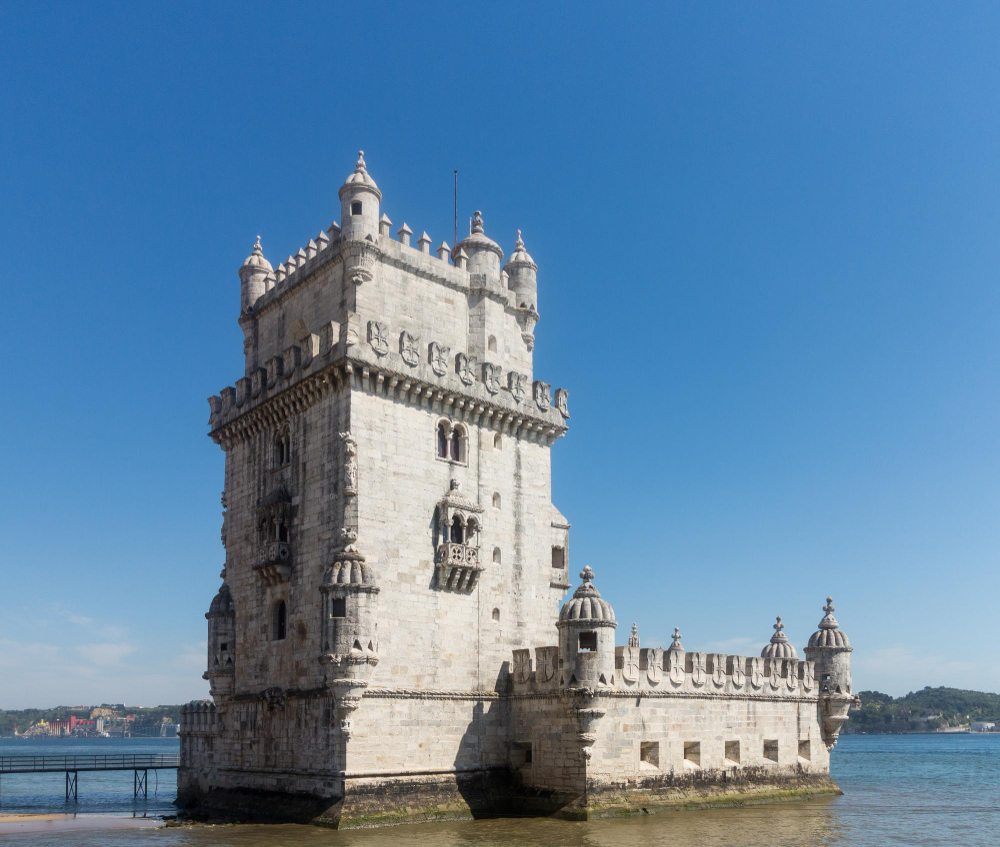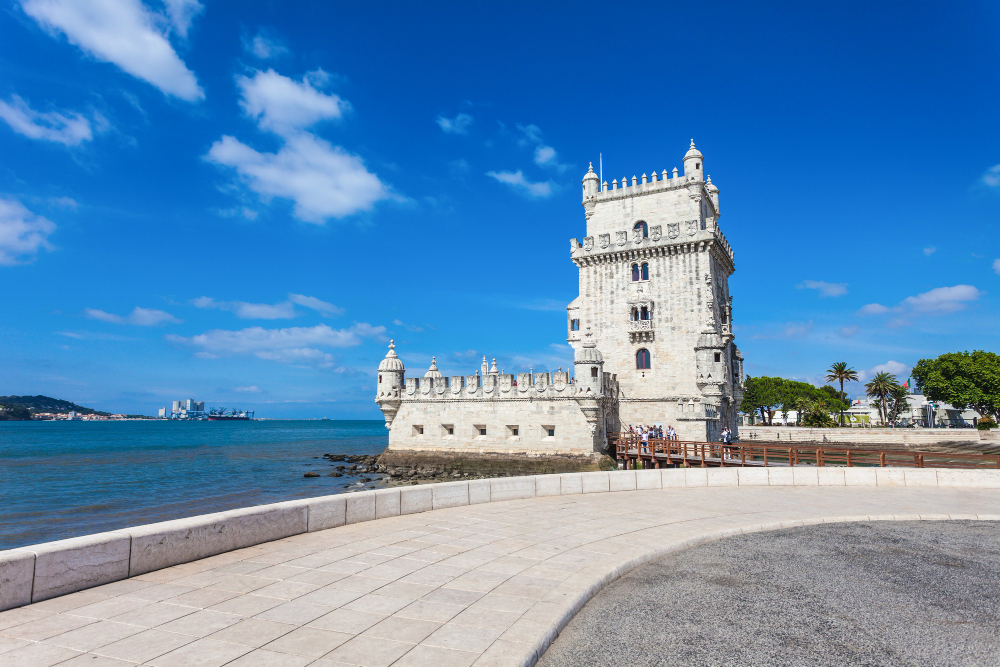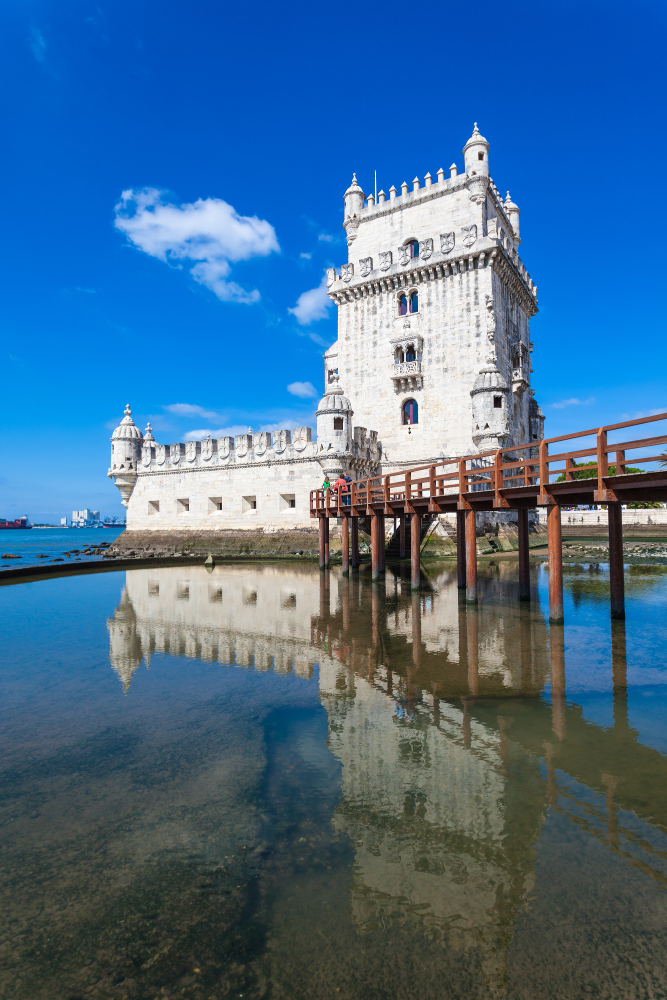

The Tower of Belém, now a UNESCO World Heritage Site and one of Portugal’s most famous landmarks, is far more than just an imposing limestone structure standing proudly on the banks of the Tagus River in Lisbon. Its walls tell stories of heroic voyages of discovery, mythological figures, and political intrigues—a fascinating blend of history and legend that makes the tower a mythical monument. But what makes this tower so special? Let’s dive into a chapter full of wonders, secrets, and stories surrounding this Portuguese masterpiece, which once symbolized the departure to distant lands.
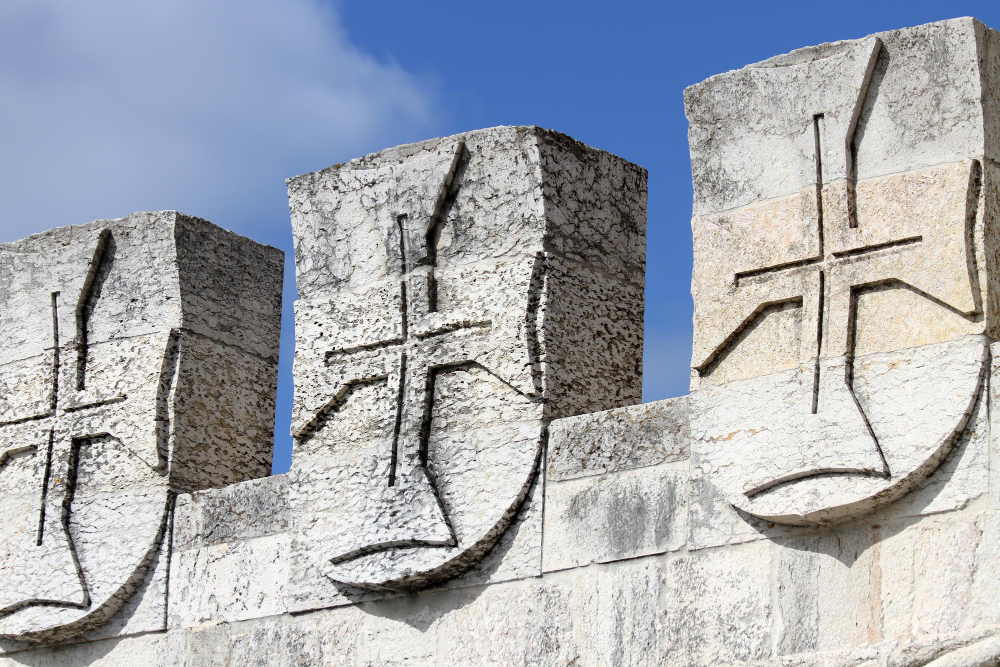
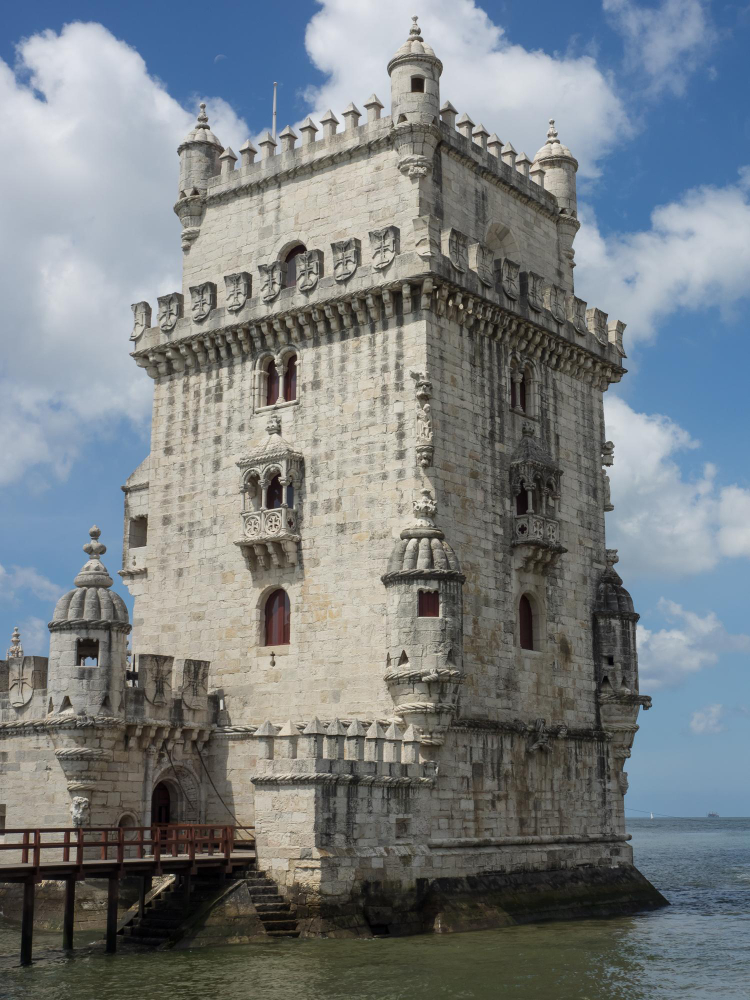
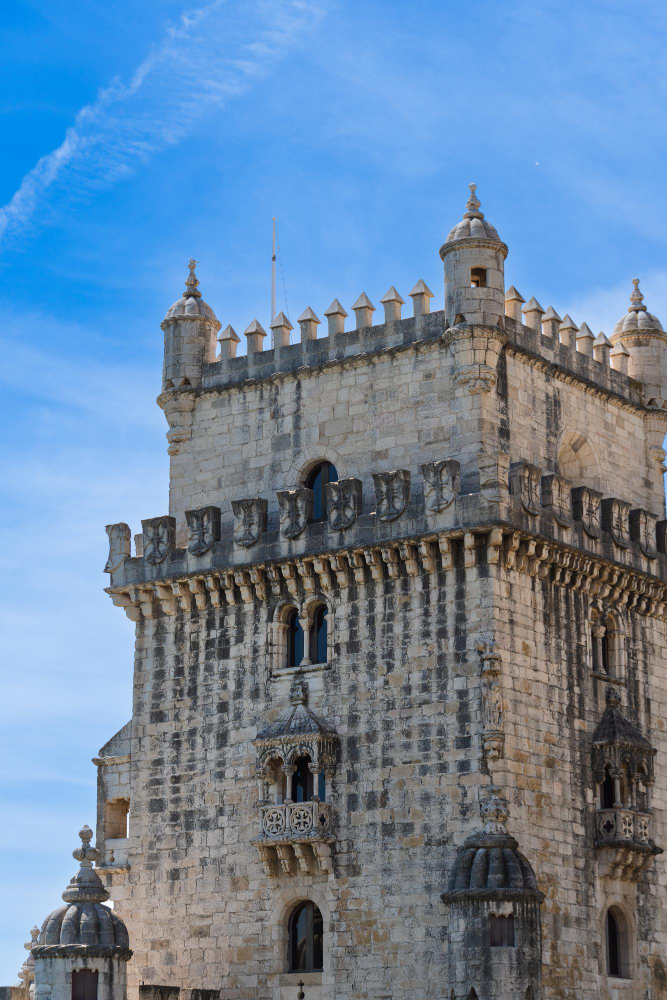
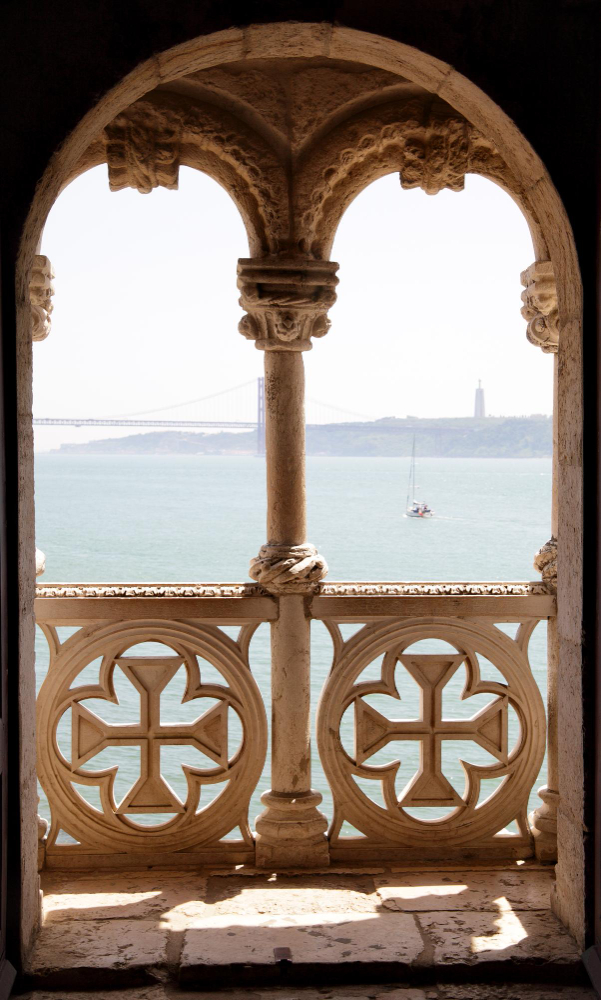
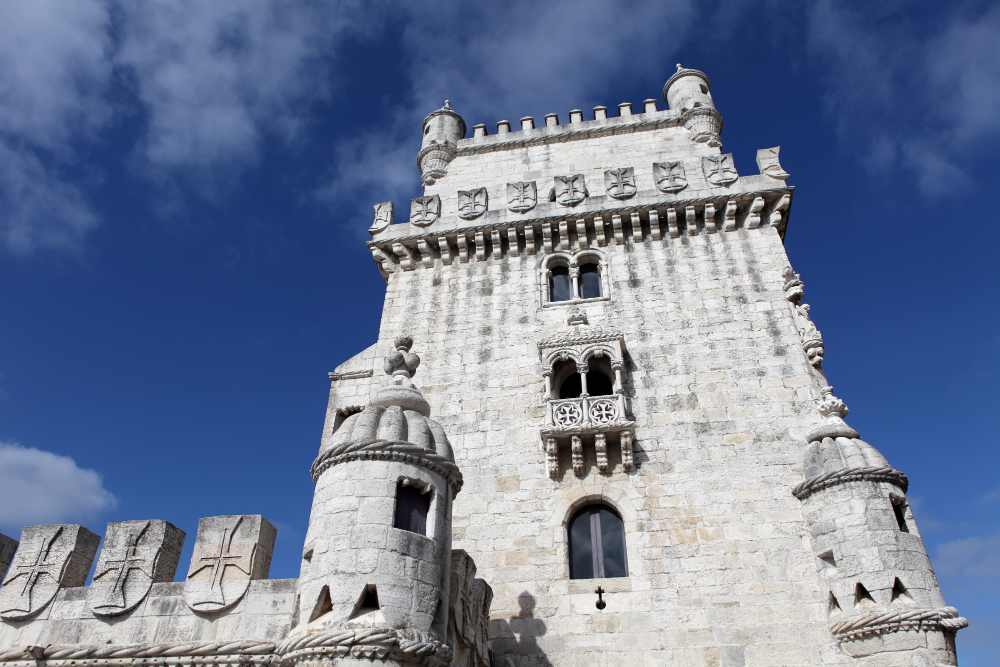
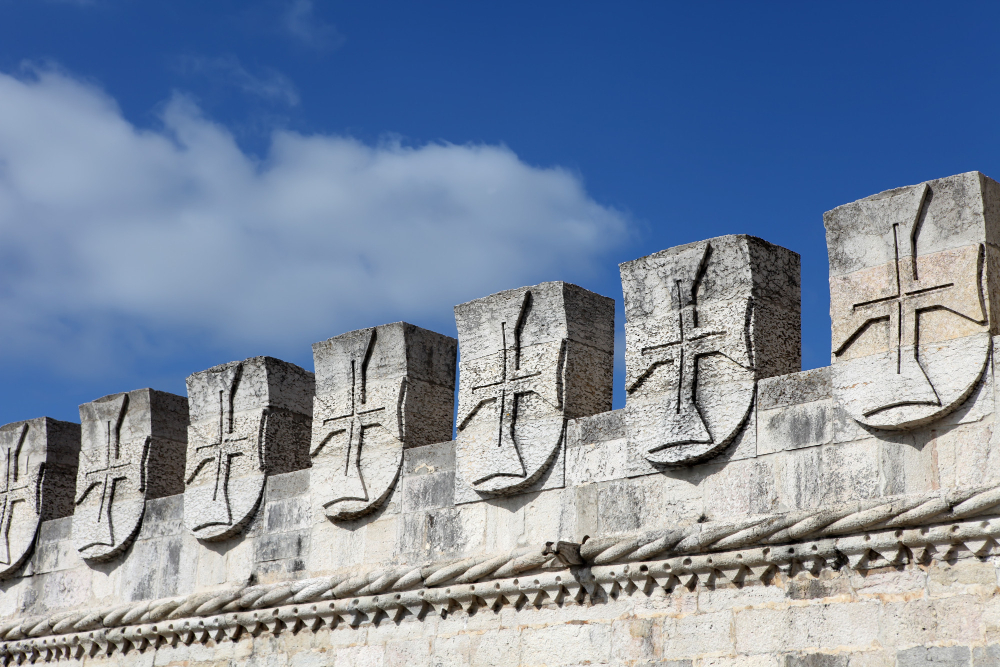
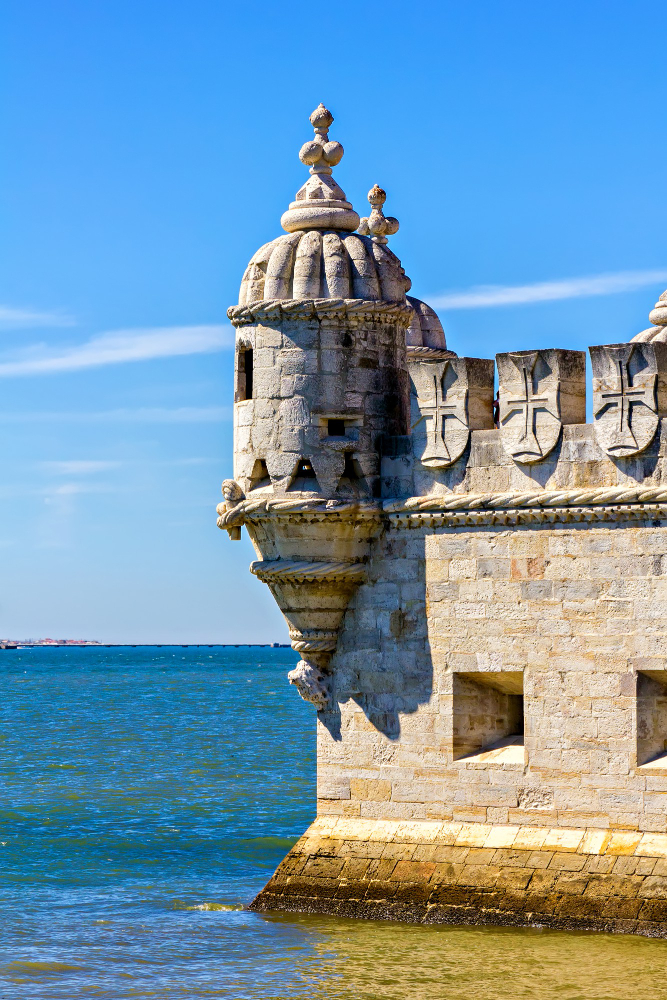
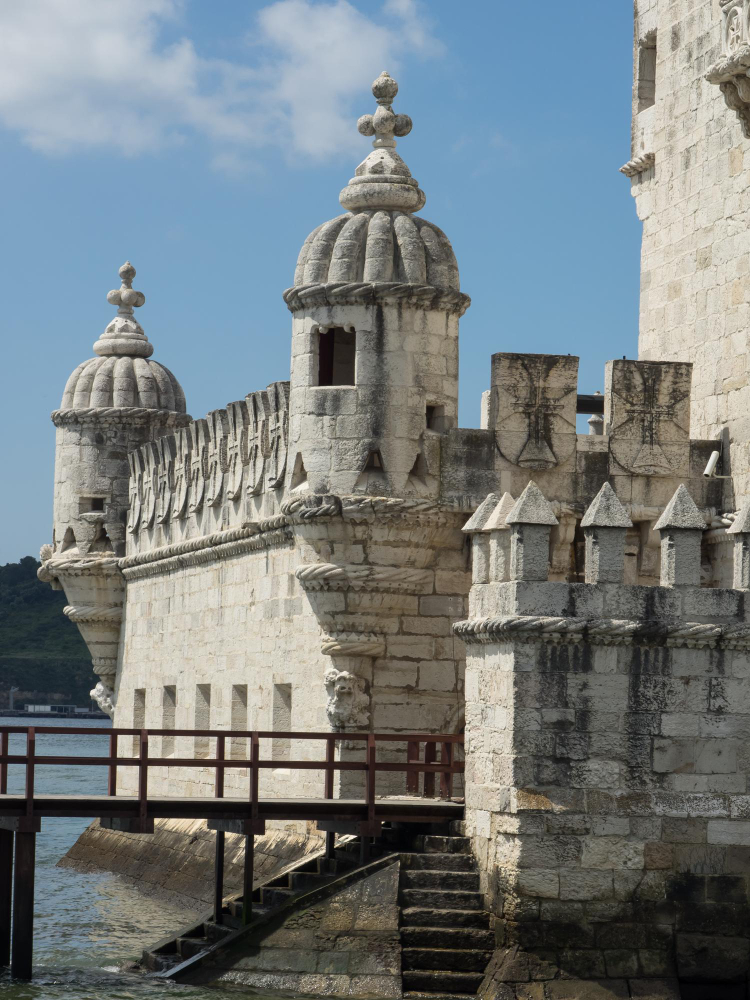
A monumental symbol of power and courage – Built between 1514 and 1519 by order of King Manuel I, the Torre de Belém was originally intended to serve as a coastal fortification to repel enemy ships at the mouth of the Tagus. But it soon became far more than just a military fortress—its ornate decorations, including typical Manueline motifs such as twisted ropes, armillary spheres, and the crosses of the Order of Christ, symbolized Portugal’s naval power and evoked memories of the glorious Age of Discovery. With its strategic location at the river’s mouth, the Tower of Belém welcomed fleets returning from the New World and bid farewell to those setting out into the unknown. Some even claim that the tower is a kind of architectural reflection of these adventures; its viewing platforms evoked the decks of Portuguese ships, while the filigree ornaments were inspired by the beauty of distant cultures. Thus, the Torre de Belém combined practical utility with symbolic significance as a gateway to new horizons.
Of Naval Heroes and Exotic Animals: The Secrets of the Rhinoceros Sculpture – A particularly fascinating detail on the tower’s façade is the stone sculpture of a rhinoceros that adorns the base of one of the towers. This rhinoceros, the first of its kind in European art, tells a captivating story. The animal was a gift from an Indian ruler to King Manuel I, who intended to send it to Rome as a symbol of Portugal’s success. The journey ended tragically: the rhinoceros drowned when the ship capsized. Nevertheless, the animal became a legend, immortalized by the German artist Albrecht Dürer in his famous drawings and carved in stone by the tower’s sculptor. Today, the sculpture stands as a symbol of cultural fusion and the influence that Portuguese expeditions had on the world of that time. It serves as a reminder that the voyages of discovery not only brought land and wealth but also transported animals, plants, and ideas across continents.
The Tower and the Myth of the Tagus – A persistent legend claims that the Torre de Belém was originally built in the middle of the Tagus and only moved closer to the shore due to the shifting of the riverbed following the devastating earthquake of 1755. But the truth is quite different. The tower was actually built on a small island near the coast. Over the centuries, the coastline shifted due to human intervention and natural changes, so that today the Torre de Belém is directly connected to the mainland. Even though this correction clears up a misunderstanding, the legend still fits wonderfully with the tower’s mystical aura. After all, the true story—a structure rising from the sea—serves just as well as a symbol of how Portugal once ruled the world’s oceans.
Golden Ages and Dark Chapters: Prison and Fortress – Not every chapter in the tower’s history is a shining one. After the heyday of its maritime role, the Torre de Belém also served as a prison. Especially during the reign of King Miguel I in the early 19th century, political opponents were imprisoned here. The tower’s dark, cold chambers, once intended for storing cannonballs, became cramped cells for liberal thinkers and freedom fighters. Some of the stories whispered within these walls remain undocumented to this day—perhaps because they are too painful to tell. And yet it is precisely this dark past that is part of the Torre de Belém’s charm. It serves as a reminder that even the most beautiful structures hold both light and shadow within them—just like the history of Portugal itself.
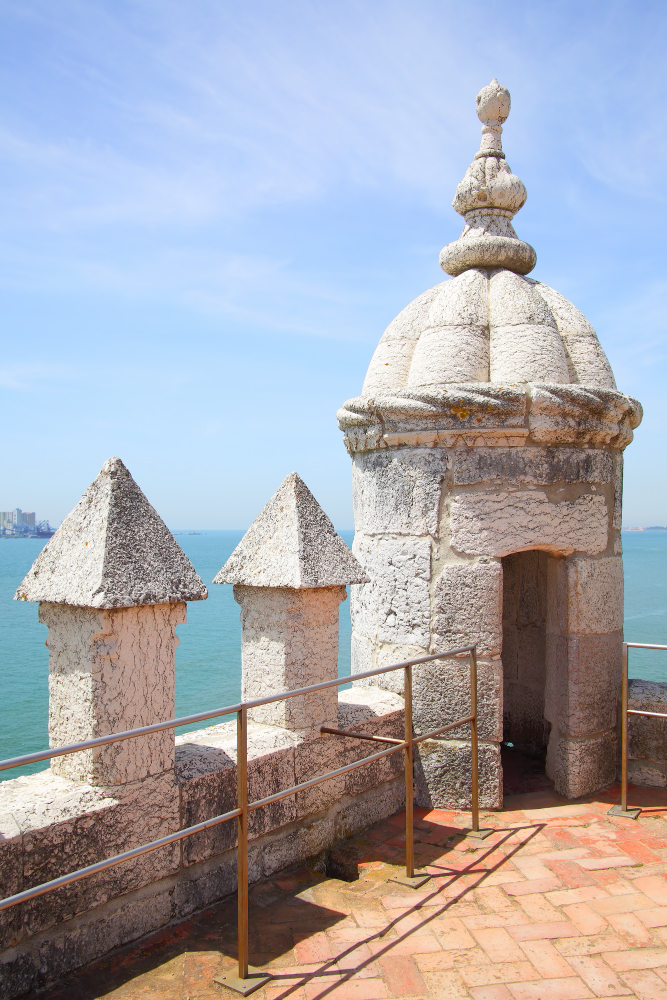
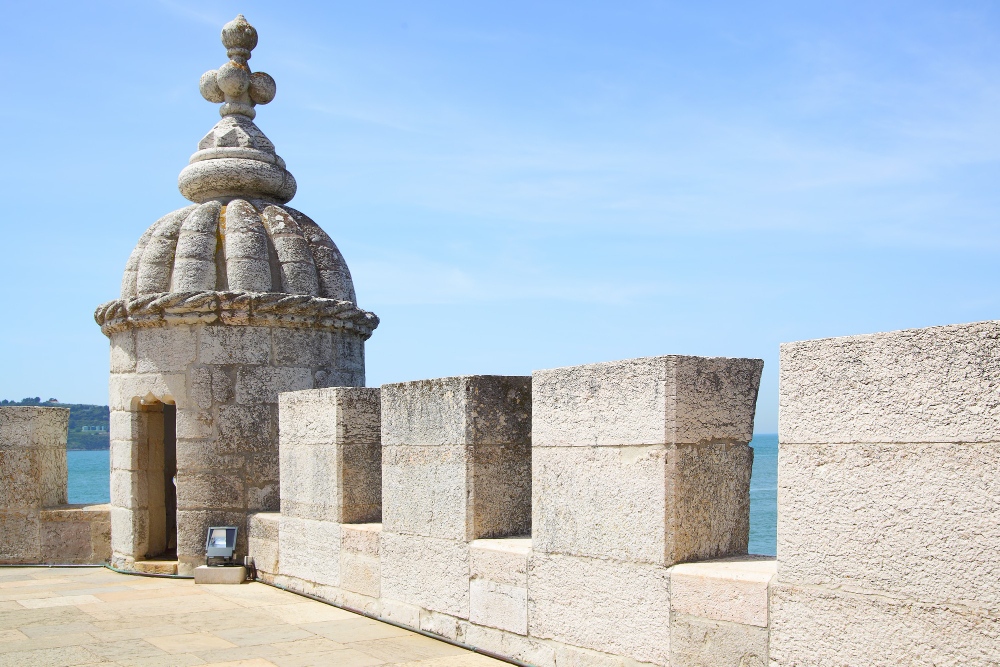
Moorish Influence and an Architectural Journey Through Time – The design of the Torre de Belém is a fascinating blend of Portuguese styles and Moorish influence. The architect Francisco de Arruda had previously worked on fortresses in Morocco, and his experiences are reflected in the tower’s details: The delicately ribbed domes of the barbicans (the small round towers at the corners), the elegant arcades, and the use of geometric patterns show a clear connection to Islamic art. Yet the tower never remained static; it was repeatedly adapted to changing circumstances, expanded, and renovated. From a simple defensive fortress, it evolved into a true work of art. Especially in the 19th century, the tower acquired romantic elements that emphasized the Manueline style and propelled it into a new era. Today, it resembles an architectural journey through time, connecting various eras and influences.
One of the “Seven Wonders of Portugal” – In 2007, the Torre de Belém was officially designated one of the “Seven Wonders of Portugal”—a well-deserved recognition for a monument that is not only historically significant but also stands out artistically and symbolically. Its presence in Lisbon attracts thousands of tourists every year, who are captivated by its picturesque appearance and climb to the top to enjoy the breathtaking view over the Tagus. Interestingly, however, despite its fame, many stories surrounding the tower remain relatively unknown to the general public. It is precisely the legends and myths that surround it that make it an endlessly fascinating subject—not only for historians, but also for romantics and adventurers.
The Torre de Belém as a Time Capsule – It is said that the Torre de Belém is a time capsule that preserves the soul of Portugal. From the dawn of the Age of Discovery through dark chapters of captivity to its iconic role as a UNESCO World Heritage Site, the tower has witnessed all the highs and lows. It remains a symbol of courage, innovation, and the longing to explore the unknown—qualities that once made Portugal one of the world’s leading maritime powers. Those who step within its walls may feel as though time has stood still here; the sounds of the Tagus and the wind blow through the hollow chambers, carrying echoes of centuries past. And yet the tower remains alive, a reminder of a nation that has secured its place in the world despite all challenges.
A Journey into the Soul of Portugal – The Torre de Belém is more than just a building—it is a gateway to the past, a source of countless stories, and a symbol of the spirit of adventure of a country that crossed the boundaries of its world to discover new horizons. Whether you’re a history buff, an architecture enthusiast, or simply curious about the wonders of Portugal, this monumental gem is sure to take your breath away. The legends and stories whispered by its walls are proof that the past is never truly lost—it’s just waiting to be rediscovered.