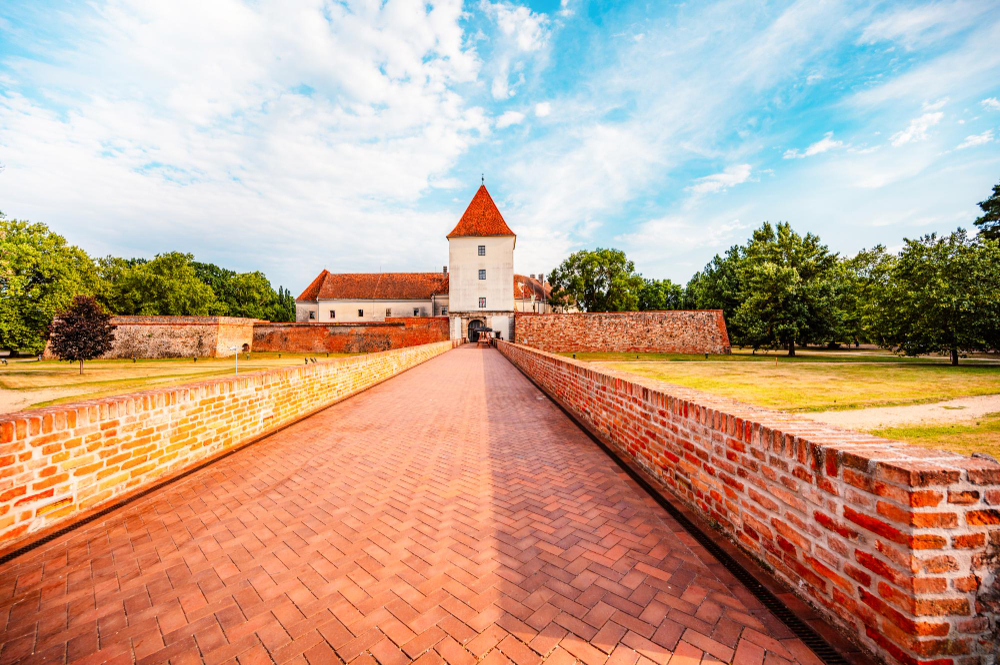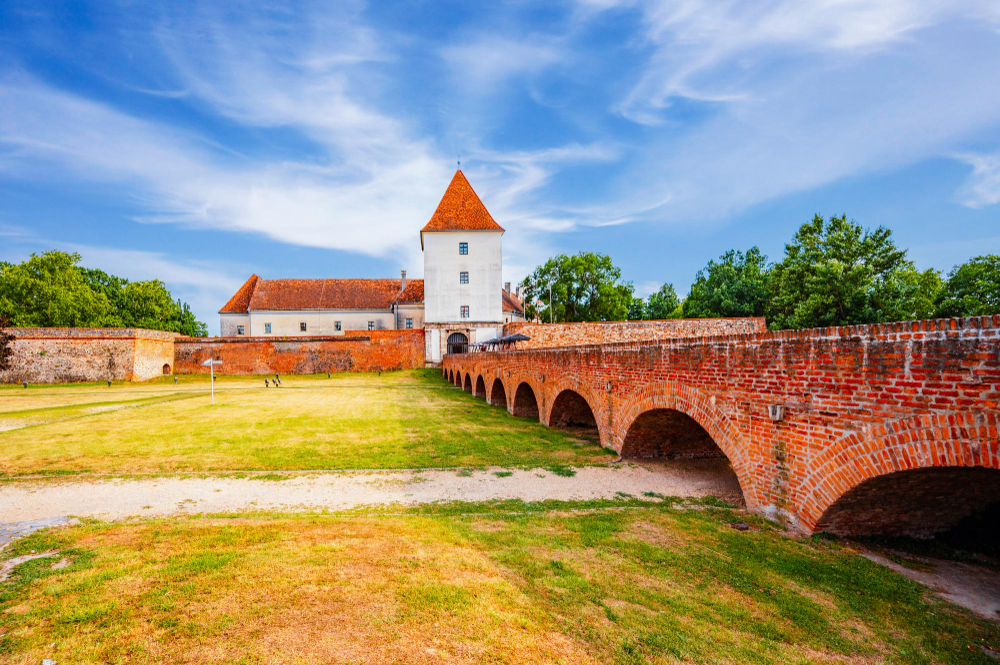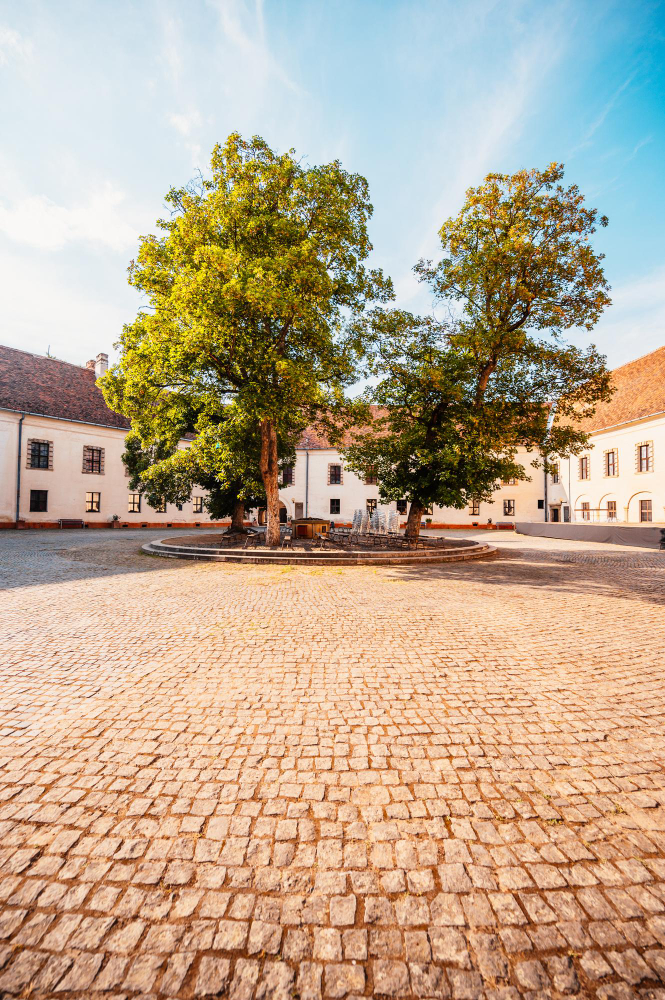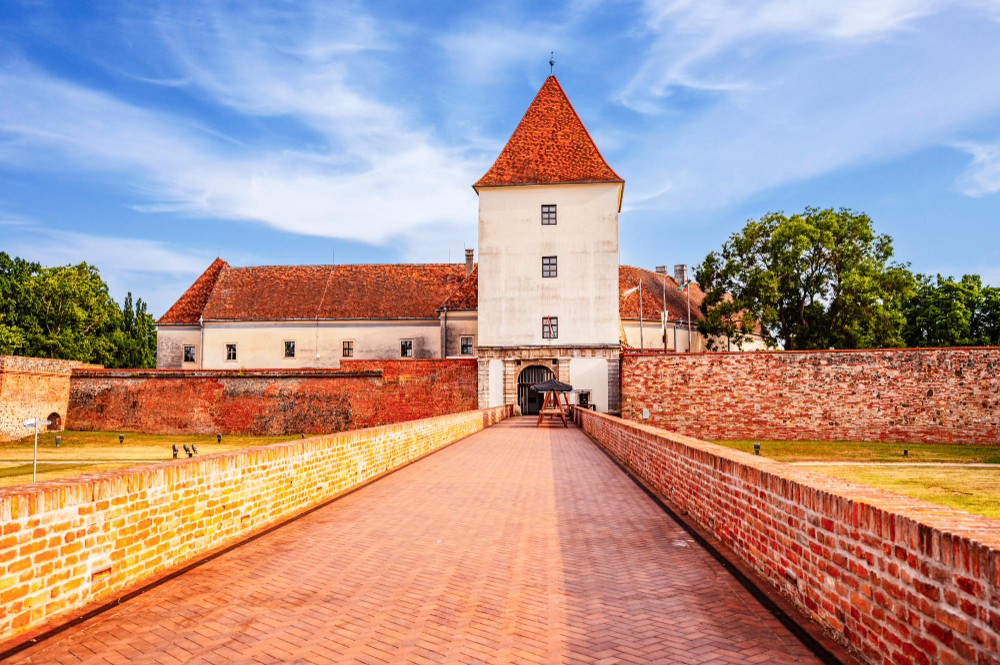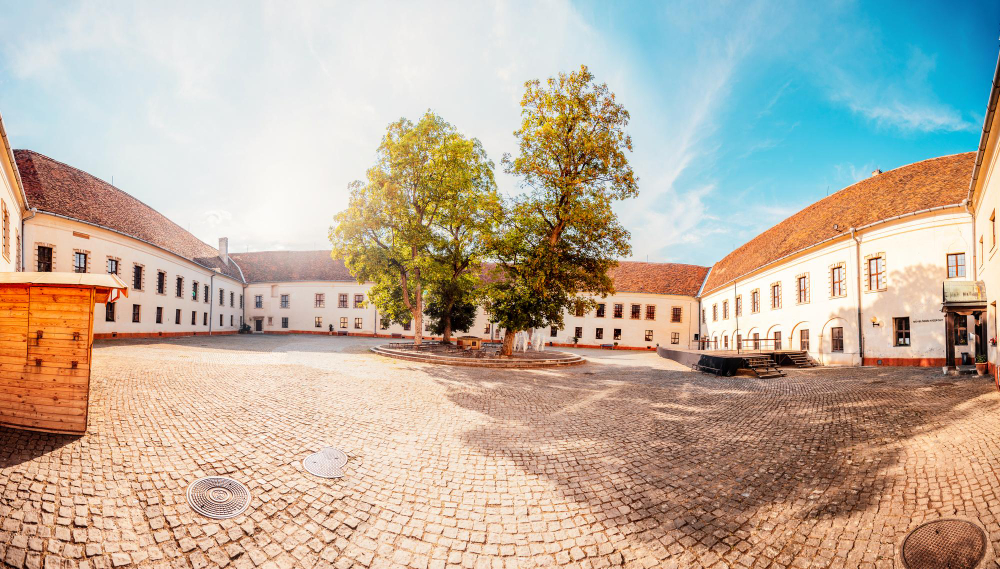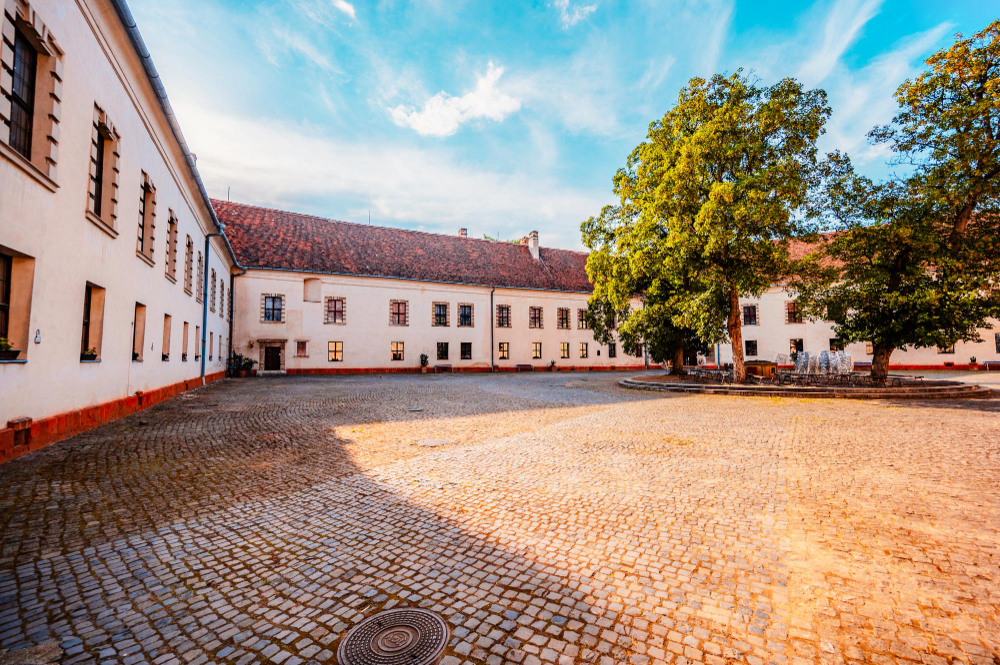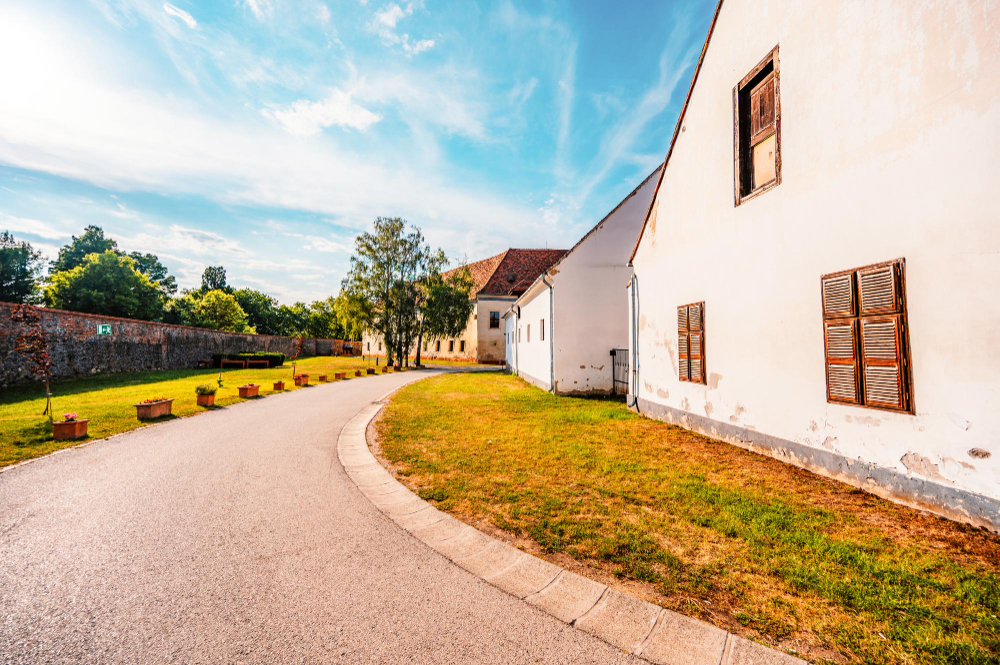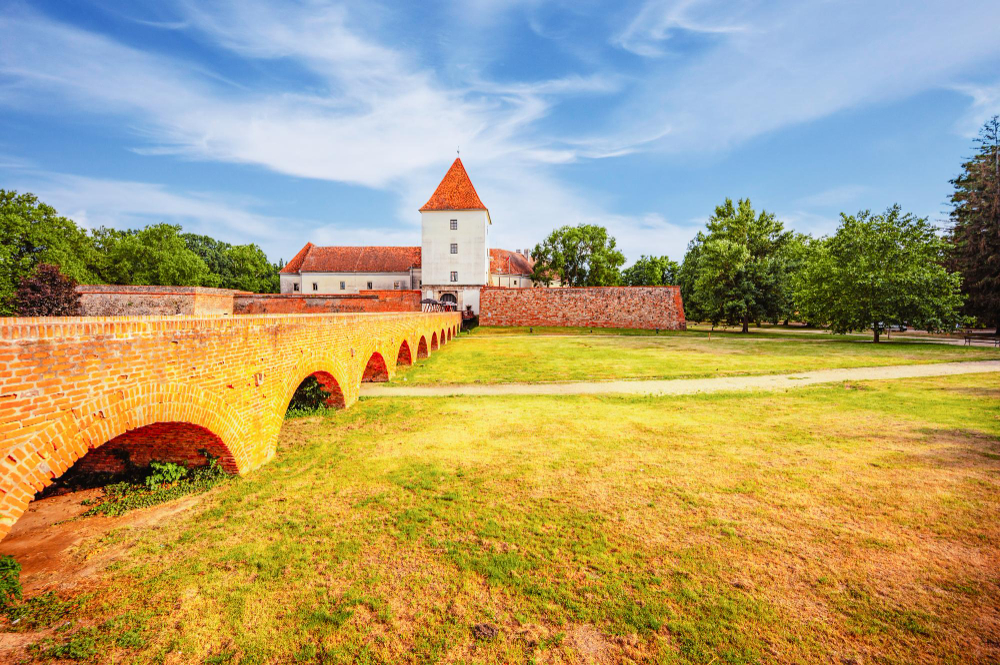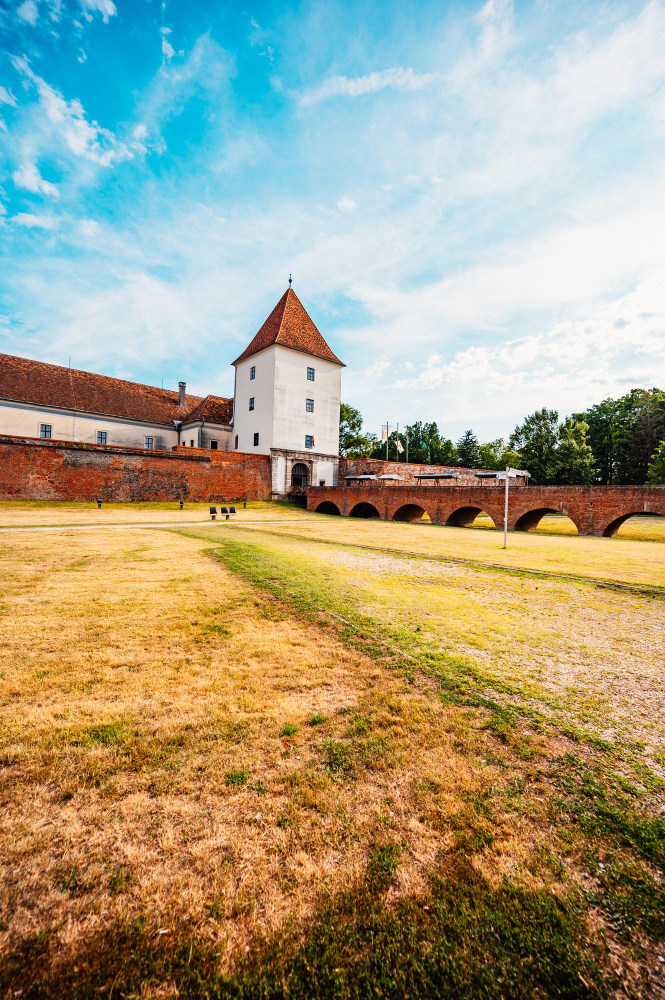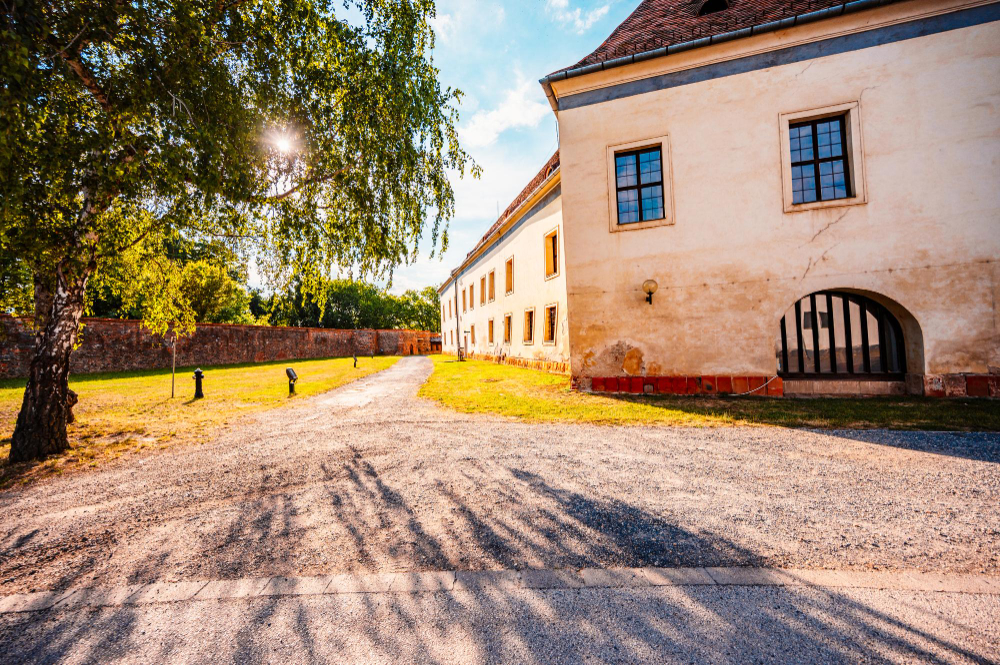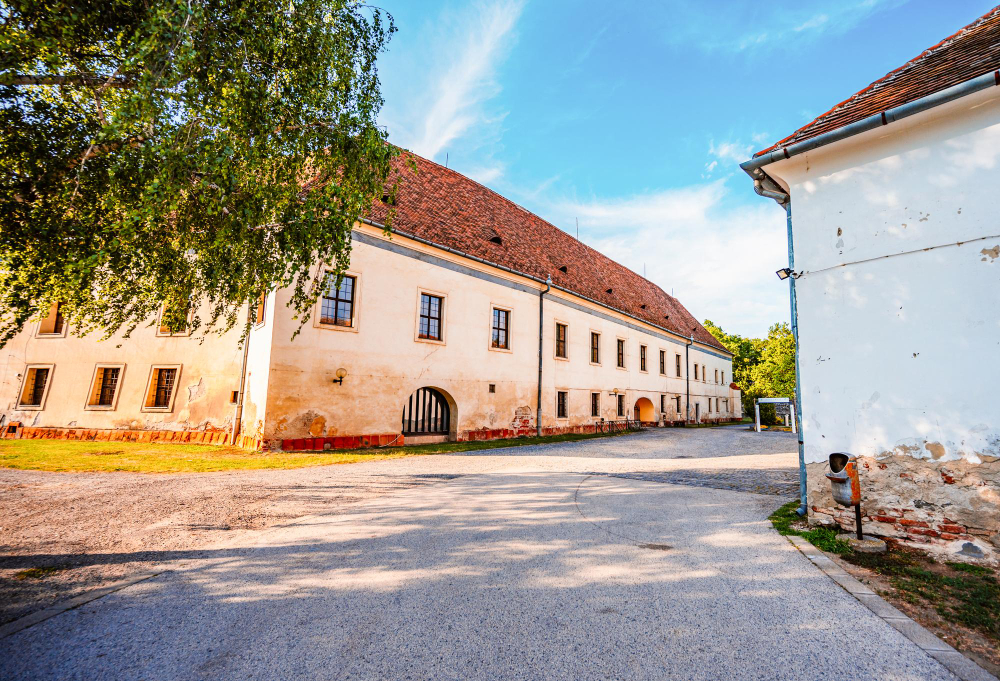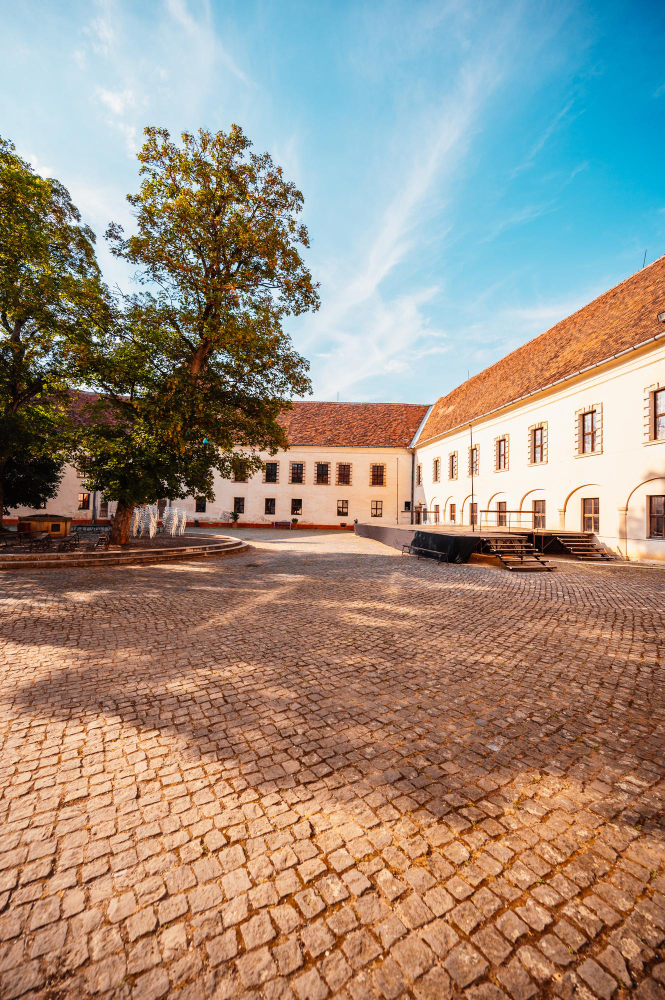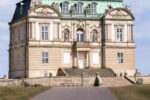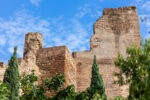

Nádasdy Castle stands majestically in the town of Sárvár, in the heart of Hungary, and tells a fascinating story marked by power, intrigue, bloody battles and medieval splendour. This impressive structure, whose origins date back to the early Middle Ages, has witnessed the course of history over the centuries and still bears the marks of numerous alterations and changes of ownership. Yet it is not only its architectural beauty – but also the dark legends surrounding the castle and the people who lived here – that make it a unique place.
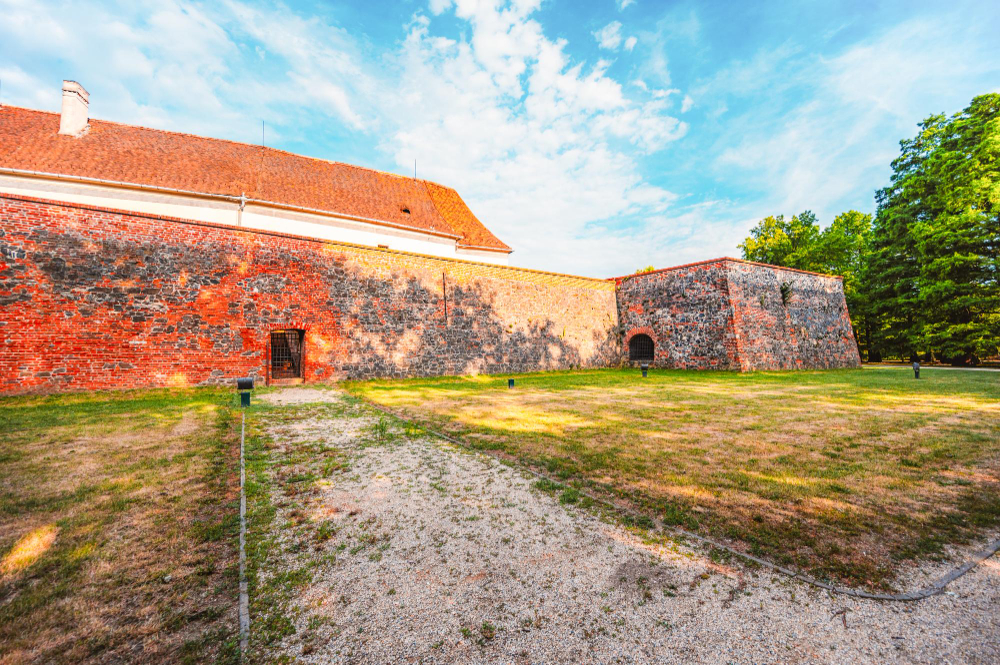
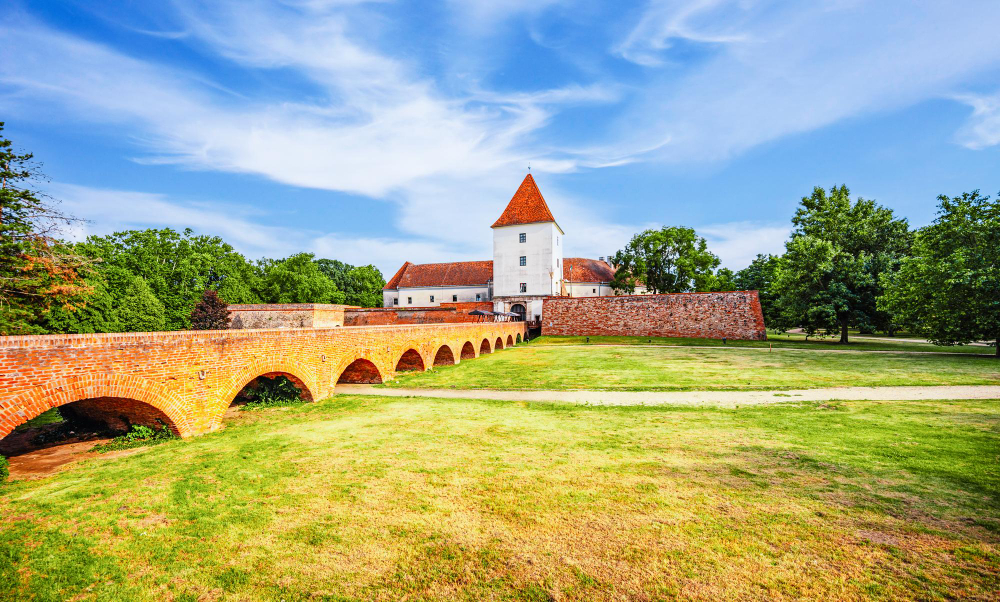
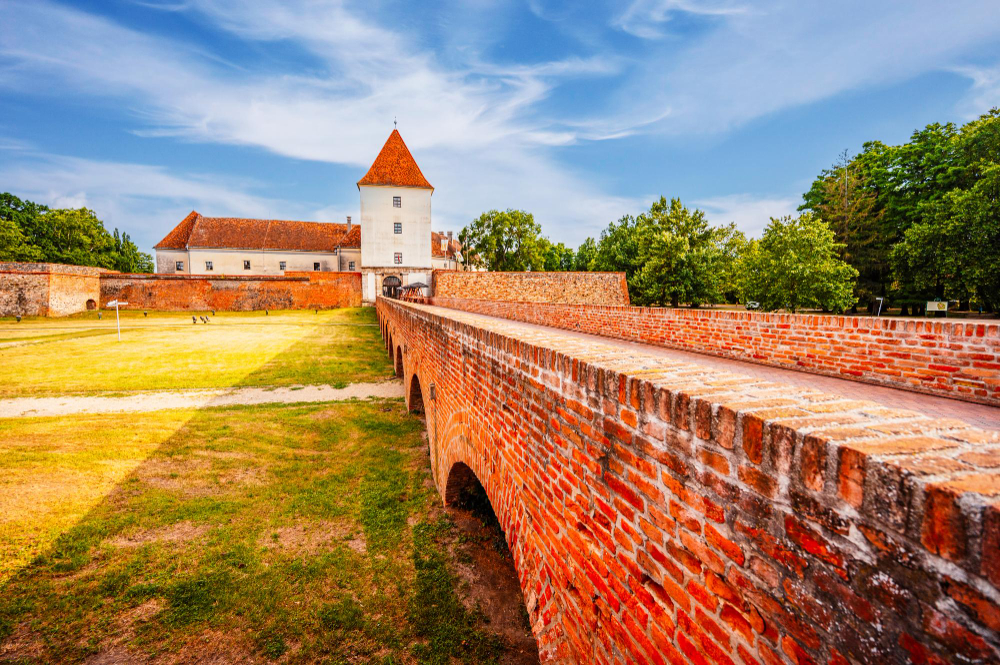
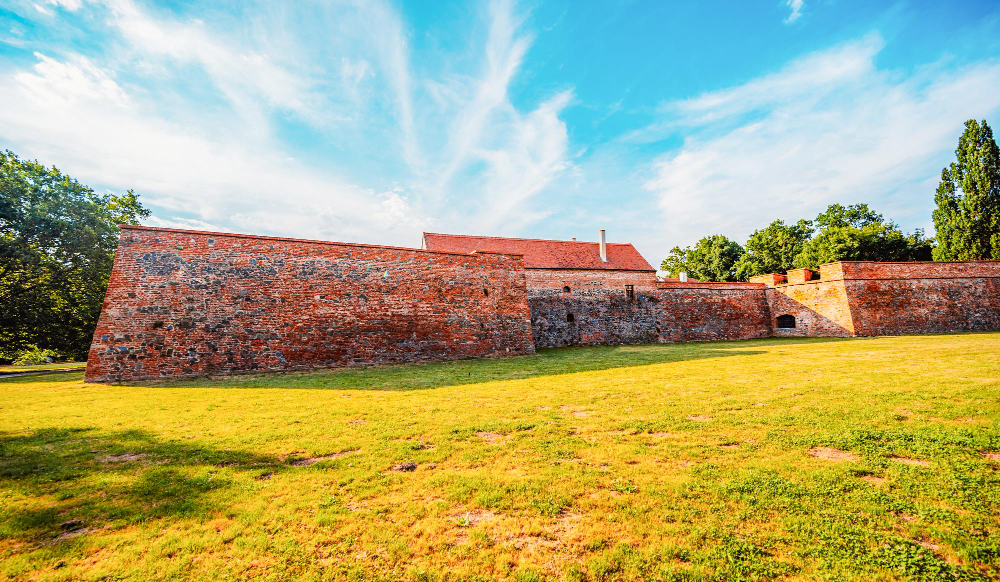
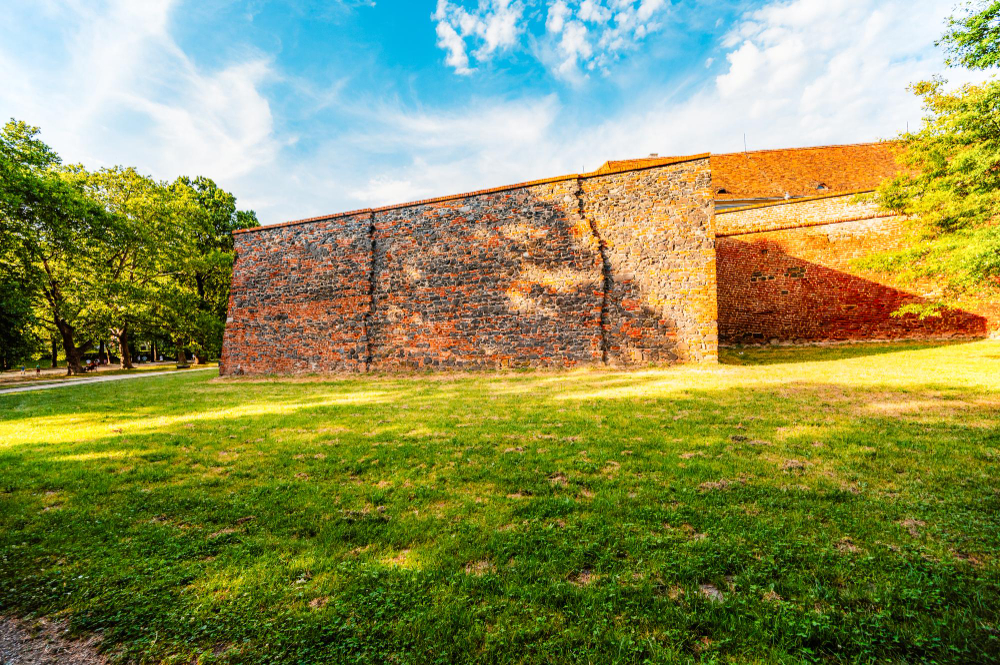
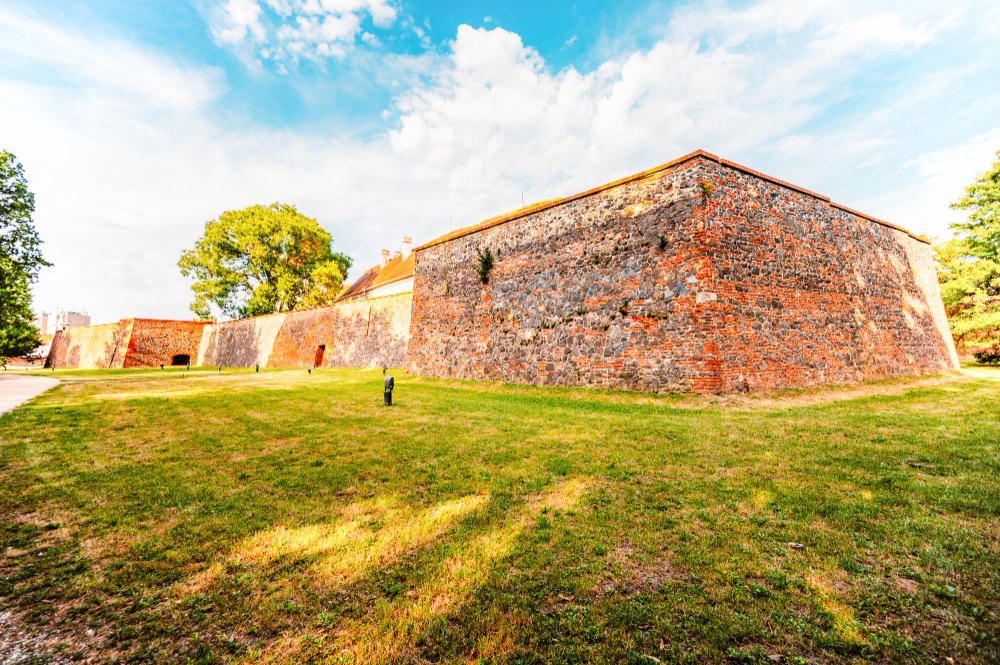
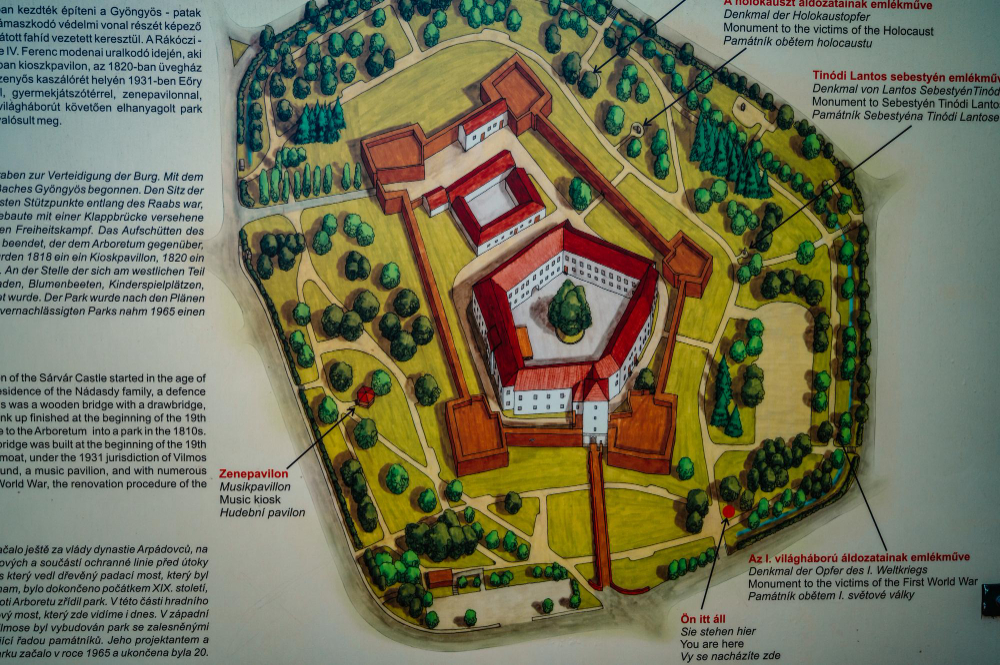
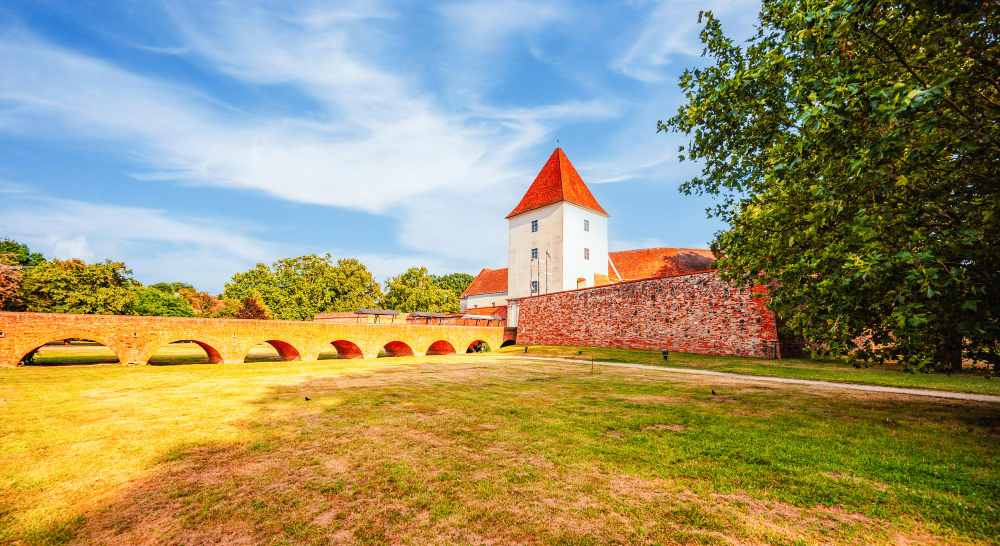
The Beginnings: From a Mud-Brick Fortress to a Renaissance Castle – The origins of Nádasdy Castle lie in a modest mud-brick fortress built by the Magyars as they settled the land. However, this sprawling complex was situated several hundred metres from its present location and was designed to meet the defensive needs of the early Middle Ages. It was not until the mid-16th century, around the year 1560, that the present-day castle was built to replace this older fortress. At that time, the new complex was designed in the Renaissance style – a style that combined elegance with functionality. With its palatial features, it heralded a new era in architecture, moving away from the austere fortifications of bygone eras towards comfort and aesthetic refinement. The moat, which was once filled with water and provided the castle with additional protection, still bears witness today to its original role as a fortified moated castle.
Dark Shadows: The Legend of Countess Elisabeth Báthory – One of the most famous figures associated with Nádasdy Castle is Countess Elisabeth Báthory. She lived on the estate at the beginning of the 17th century, and her story still evokes chilling memories to this day. Elisabeth Báthory is regarded as one of the most notorious female serial killers in history. She is accused of having killed more than 600 young women, allegedly to bathe in their blood and thus preserve her youth. Whether this claim is historically accurate remains a matter of debate. Some historians suspect that the accusations against her were politically motivated and aimed at diminishing her influence and wealth. Whatever the truth may be, the dark legend surrounding Elisabeth Báthory has shrouded Nádasdy Castle in a mystical veil that continues to fascinate many visitors to this day, whilst at the same time sending a shiver down their spines.
The ‘Black Knight’ and magnificent triumphal paintings – Equally impressive as it is unsettling is the story of Ferenc Nádasdy, the husband of the infamous Countess Elisabeth. Ferenc was not only a noble landowner but also a brave warrior who became known as the ‘Black Knight’. His nickname stems from his fearsome armour and his reputation for having fiercely resisted the Ottoman threat. His military triumphs against the Turks have been immortalised in the castle’s ballroom. There, a series of masterfully painted scenes by the Viennese artist Hans Rudolf Müller, dating from 1653, depict the knight’s glorious battles. Each scene brims with dynamism and rich detail, as if seeking to draw the viewer directly into the carnage and strategy of a war long past. For visitors, this room is a living history lesson and, at the same time, a glimpse into the splendour and power of that era.
Baroque elegance: art and stories in frescoes – The palace’s magnificent ballroom and the tower room were redesigned in 1769 by Stephan Dorfmeister and adorned with Baroque frescoes depicting biblical scenes. Here, visitors encounter stories from the Old Testament: Judith and Holofernes, Samson and Delilah, David and Goliath – the figures seem to literally emerge from the walls, lending the rooms an almost sacred atmosphere. These artistic depictions reflect not only the religious significance of that era, but also the cultural ambitions of the castle’s owners, who wished to document their influence through works of art. Any visitor to the castle could spend hours marvelling at the details of these frescoes and unravelling their stories.
The influence of the Wittelsbachs and a royal end – In 1875, the castle changed hands once more and became part of the Wittelsbach estate. Duke Franz V of Modena transferred the property to the Bavarian royal family, who retained it until its expropriation after the Second World War. A particularly tragic chapter in the castle’s history is the death of Ludwig III, the last King of Bavaria, who died there in 1921 whilst on a trip. His younger son, Prince Franz, inherited the estate and maintained the Wittelsbach family’s connection to Sárvár. Particularly in the years leading up to and during the Second World War, the castle became a meeting place for Albrecht of Bavaria and his relatives, who were living in exile in Budapest.
Decline and Reconstruction – After the Second World War, Soviet troops occupied the castle and used the complex as quarters. These years took a heavy toll on the castle’s structural condition, and it was not until 1949 that the building, which had by then fallen into disrepair, passed into the ownership of the town of Sárvár. Initially, the castle was put to practical use: flats were fitted out, and an agricultural college moved in. However, in the 1960s and 1970s, a shift in thinking took hold, which ultimately led to extensive restoration work. Today, the castle has been restored to its former glory and serves as a cultural centre, municipal library and museum.
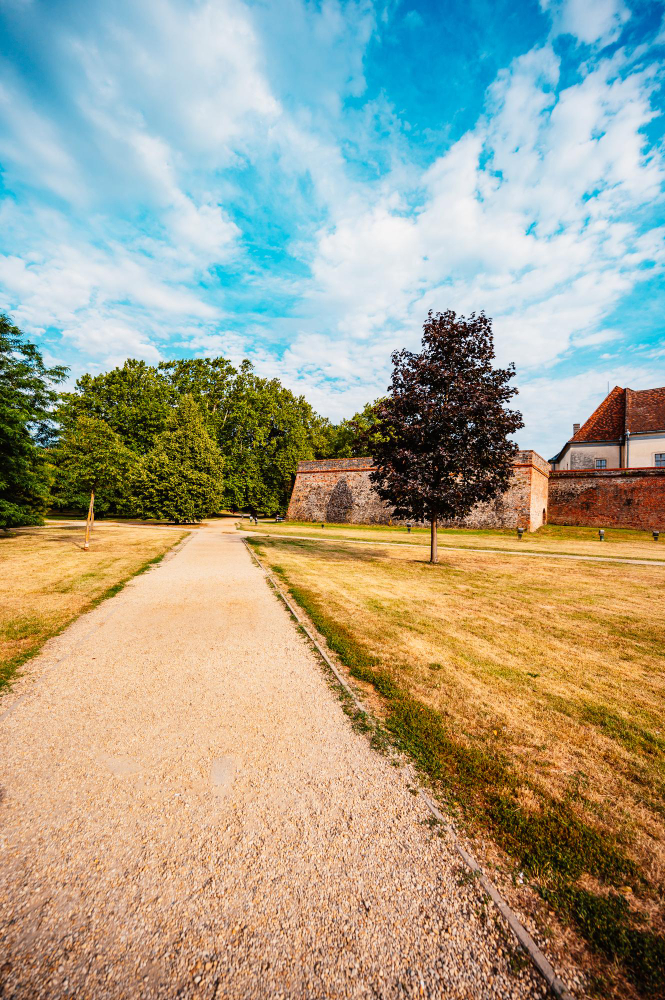
A living monument – The former moat has since been drained and transformed into a peaceful park, offering a place of tranquillity for both tourists and locals alike. The castle houses the Ferenc Nádasdy Museum, which displays historical artefacts and exhibitions documenting the eventful history of the building and its former inhabitants. For history enthusiasts and the curious, Nádasdy Castle is a living monument that offers deep insights into Hungarian history and culture. At the same time, it remains a place of legends that captivates every visitor – from the terrible deeds of the ‘Blood Countess’ to the heroic battles of the ‘Black Knight’.
Nádasdy Castle is far more than just an architectural masterpiece – it is a place full of stories and secrets that tell of both glorious heights and dark depths. Its connection to significant historical figures and events makes it a magnet for history buffs and lovers of thrilling legends. Visitors to the castle embark on a journey through time that sheds light not only on Hungary’s past, but also on the legacy of those who have shaped this impressive structure.