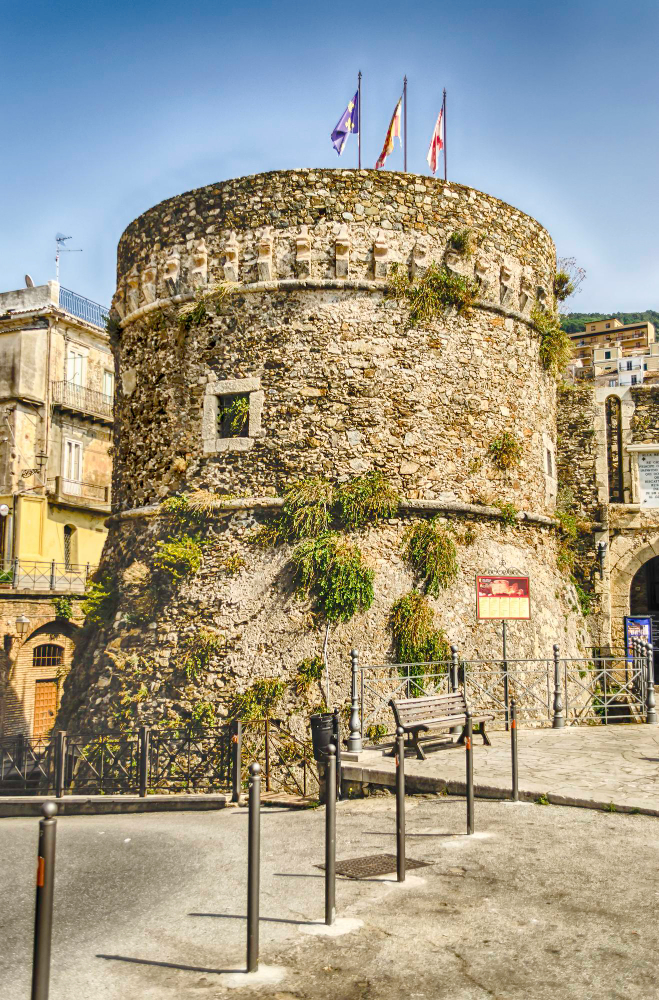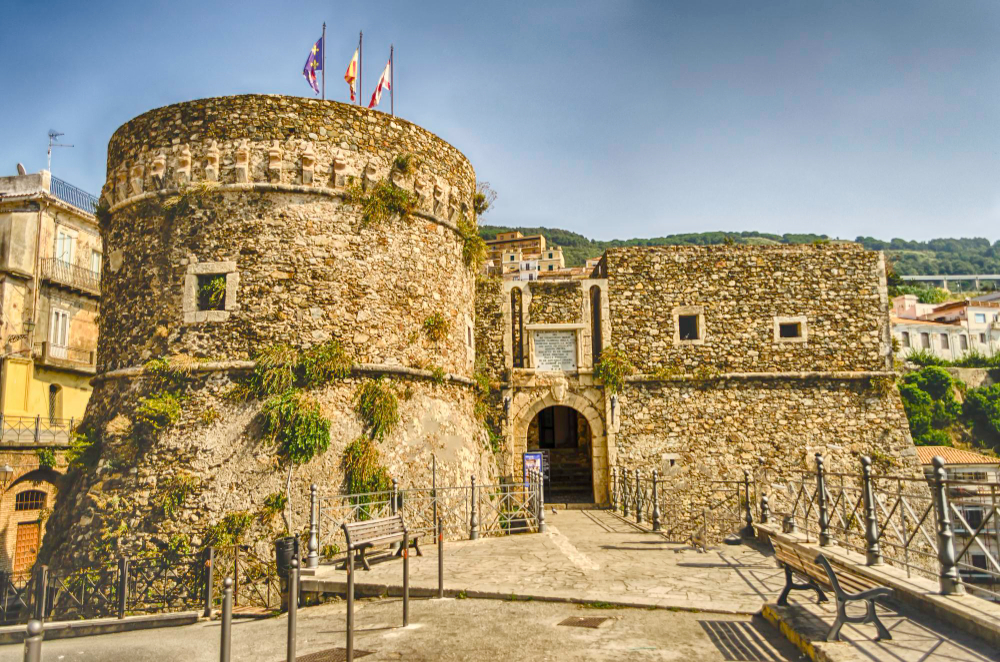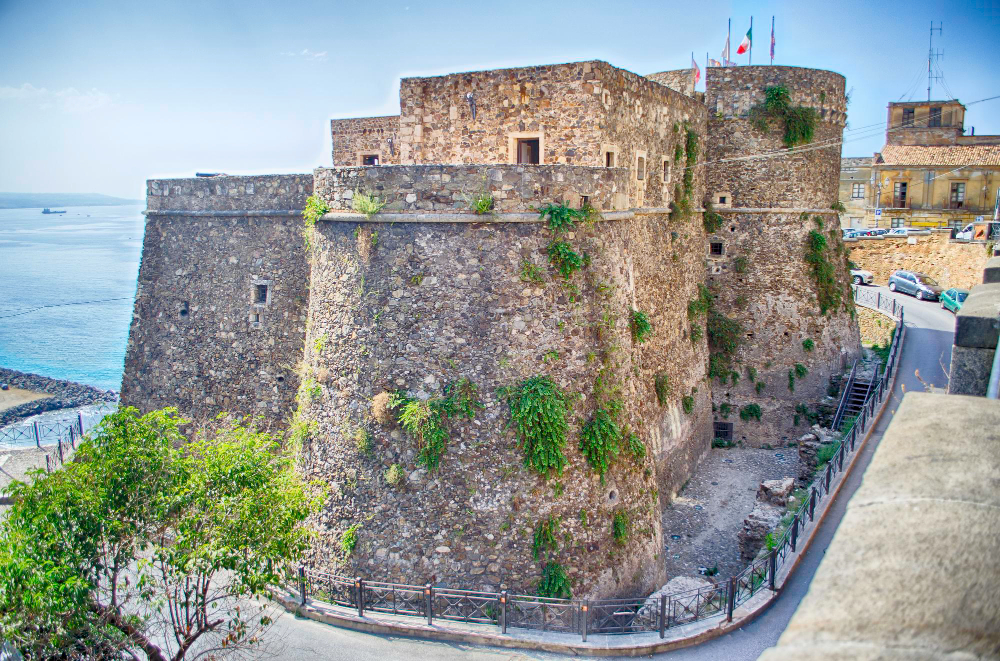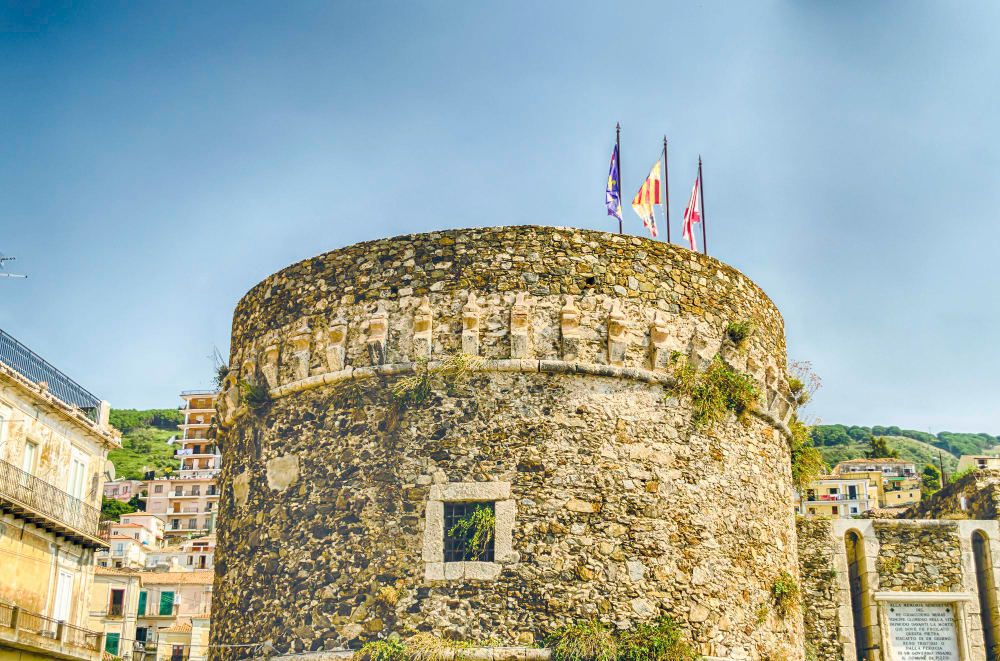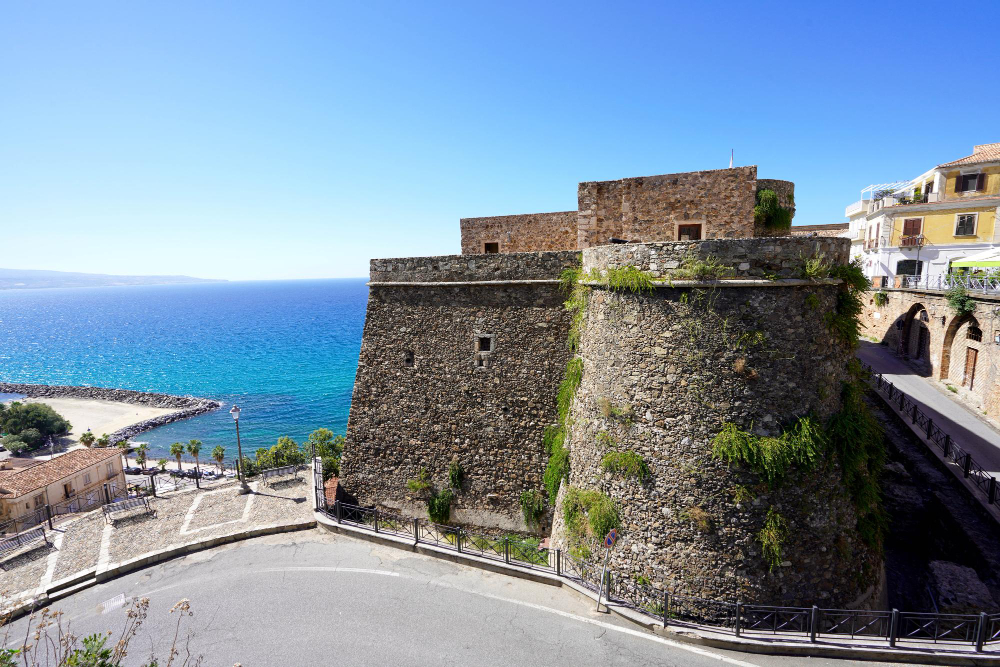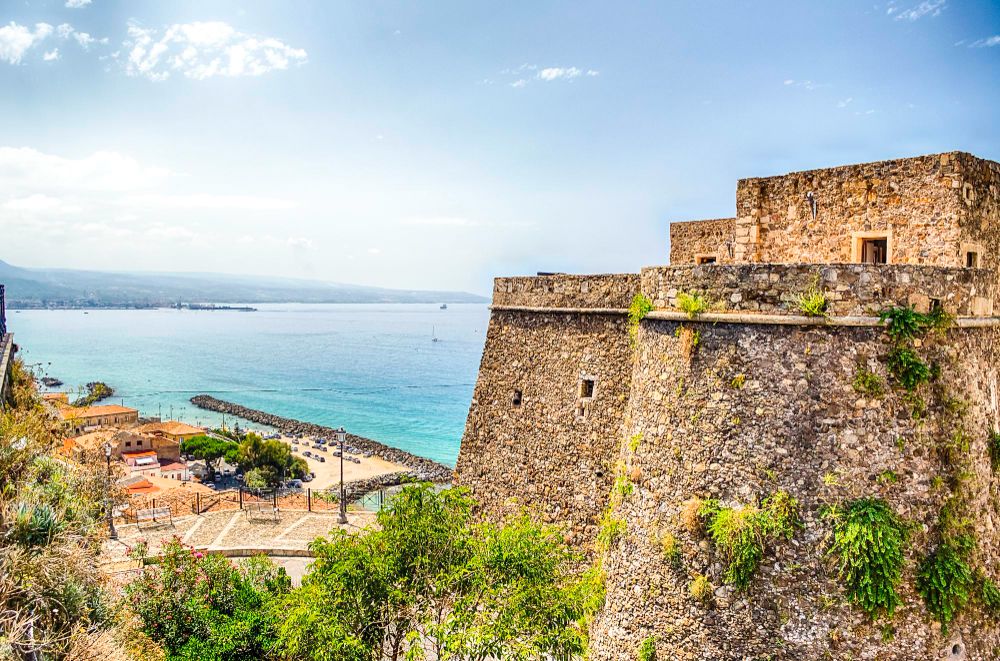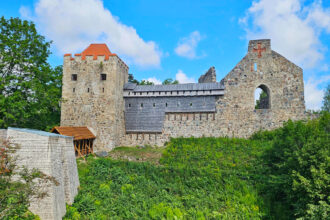

Nestled in the heart of Calabria, Italy, the town of Pizzo is home to an extraordinary architectural marvel that stands as a silent witness to centuries of turbulent history: Castello Murat. This medieval fortress, dramatically perched above the Tyrrhenian Sea, is more than just an impressive structure—it is a treasure trove of stories, legends, and historical echoes that captivate locals and visitors alike. From its beginnings in the 15th century to the fateful final days of Joachim Murat, the castle stands as a testament to triumph, tragedy, and human resilience.
The Beginnings: A Fortress in Turbulent Times – Construction of Castello Murat began in the late 15th century under Ferdinand I of Naples, a monarch determined to defend his realm against external threats. Strategically situated on a rocky promontory, the castle served as a military outpost designed to protect Pizzo from pirate raids and advancing foreign armies. Its thick stone walls and commanding view of the coast made it a formidable fortress capable of repelling enemies and offering refuge to the townspeople in times of crisis. Although the castle initially fulfilled its role as a defensive bastion, it gradually evolved into something far more significant—a stage for dramatic events that wove history and mythology into a living tapestry.
Joachim Murat: The Fallen King and His Final Days – The most famous chapter in the castle’s history undoubtedly revolves around Joachim Murat, one of Napoleon Bonaparte’s loyal marshals and King of Naples from 1808 to 1815. Murat was no stranger to ambition; his rise to kingship came through his marriage to Napoleon’s sister, Caroline Bonaparte, and his bold leadership on the battlefield. But with the collapse of Napoleon’s empire, Murat’s star fell, prompting him to seek refuge in Calabria, where he hoped to gain support for the reconquest of his lost throne. What he found instead were betrayal and a tragic fate. In October 1815, Murat arrived in Pizzo, unaware that his trust in the local population would seal his fate. Murat was arrested upon his arrival and swiftly condemned by a tribunal loyal to the Bourbon monarchy. He spent his final hours within the humble walls of Castello Murat—which was now no longer a place of refuge, but an inescapable trap. On October 13, 1815, he was executed by a firing squad in the castle’s courtyard; his bravery was immortalized by his alleged last words: “Soldiers! Do your duty!” Murat’s death marked a turning point in European history and symbolized the end of the Napoleonic era as well as the fragility of loyalty in the face of shifting political currents. To this day, his life and death serve as a reminder of the precarious balance between ambition and ruin.
Legends and Secrets: Whispers from the Past – The story of Joachim Murat has inspired countless myths and conspiracy theories over the centuries. Some speculate that Murat’s execution may have been staged by secret factions seeking to secure the dominance of the Bourbon regime. Others claim that ghostly apparitions of the fallen king still roam the halls of Castello Murat, doomed to relive his final moments within its shadowy stone walls over and over again. Locals tell eerie tales of ghostly footsteps echoing through the castle corridors, especially in the quiet hours of the night. Some even claim to have seen the figure of a man in royal attire standing solemnly at the site of Murat’s execution. These supernatural tales lend the fortress an air of mysticism, blending historical reality with mythological intrigue.
Architectural Charm: A Time Capsule of History – Visitors to Castello Murat are often struck by the juxtaposition of its timeless beauty and its somber atmosphere. The castle’s architecture tells a story of transformation—from a military fortress to a symbol of historical reflection. While its stone facade reflects the fortifications necessary to repel attackers, its smaller rooms and central courtyard offer glimpses into everyday life in the Middle Ages. One of the most striking features is the dungeon where Murat was held before his execution. Although the cell is modest in size, a palpable heaviness hangs over it, as if the walls themselves remember the torments of those imprisoned there. Today’s visitors can walk through these rooms and feel the echoes of history reverberating in every stone. The panoramic view from the castle’s battlements adds another layer of wonder. Gazing out over the azure expanse of the Tyrrhenian Sea, visitors can get a sense of Pizzo’s strategic importance and see how its geography has shaped its historical significance.
Beyond the Castle: Pizzo and Its Cultural Riches – Exploring Castello Murat is just one part of the adventure. Pizzo itself offers a vibrant cultural experience that complements the historical charm of its famous fortress. Known for its picturesque charm, the town captivates with narrow cobblestone streets, bustling piazzas, and ancient churches that exude authenticity. Pizzo is also known for its culinary traditions, foremost among them the decadent “Tartufo di Pizzo,” a signature gelato dessert made of creamy layers of chocolate and hazelnut. This culinary masterpiece serves as a reminder that history and food are often intertwined, with every bite offering a taste of the region’s enduring spirit.
The Castle Today: A Living Monument – Today, the Castello Murat is more than just a relic of the past—it is a living monument that continues to educate and inspire. The castle has been transformed into a museum dedicated to Joachim Murat and his era, showcasing artifacts, clothing, and documents that bring his story to life. Interactive exhibits and guided tours ensure that visitors leave the castle with a deeper understanding of the complexity of Calabrian heritage. Local festivals and events are frequently held around the castle, attracting tourists and scholars eager to immerse themselves in its fascinating history. The combination of cultural preservation and modern storytelling makes Castello Murat a premier destination for visitors seeking more than just picturesque views—it offers the opportunity to step back in time and connect with the people behind the historical events.
Why Castello Murat Matters Today – The significance of Castello Murat extends beyond its physical presence or historical anecdotes. In a world that often seems disconnected from its roots, the castle serves as a reminder of our shared heritage and the lessons hidden within the stories of our ancestors. Whether through the courage of a king doomed to failure, the ingenuity of medieval architects, or the whispers of legends—Castello Murat invites us to reflect on our own legacy and the choices we make. As you stroll through its halls and gaze out at the endless sea, you inevitably feel the weight of the past gently pressing down on the present—a sensation that transforms history from something distant and abstract into something tangible and deeply personal.
A Beacon of Memory – Castello Murat remains a beacon of memory, its walls steeped in tales of heroism, betrayal, and unwavering loyalty. It is more than a fortress—it is a storyteller that weaves together threads of fact and fiction, history and legend, to create a narrative that transcends time. As visitors explore its depths, they embark on a unique journey that connects them to the lives of those who shaped Calabria’s destiny.
So the next time you gaze out at the horizon from the Rock of Pizzo, let the silhouette of Castello Murat remind you that every place has a story, every stone has witnessed history, and every legend holds a kernel of truth just waiting to be discovered.