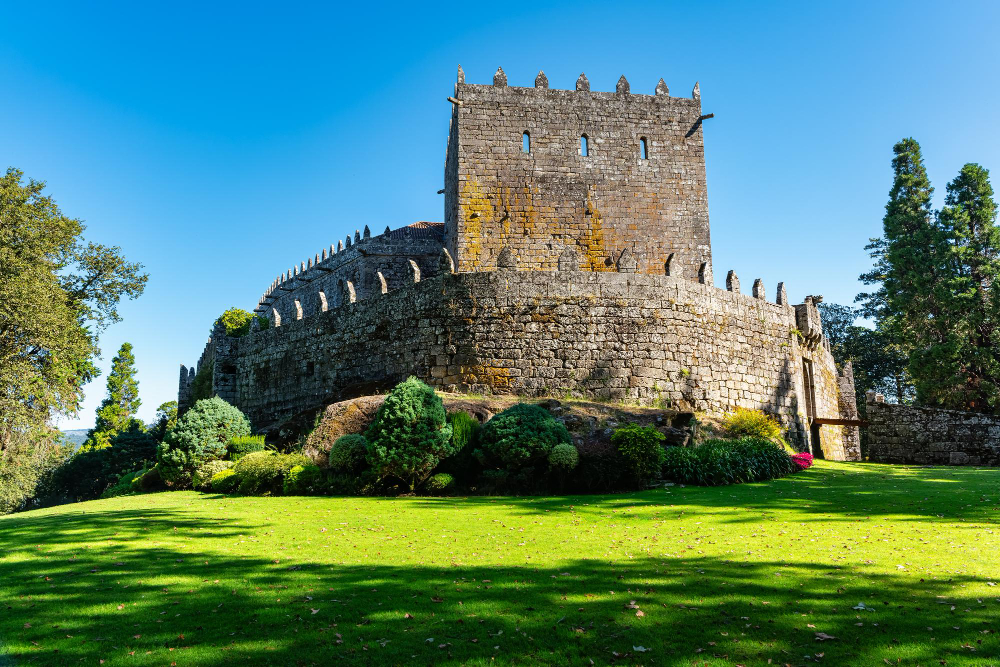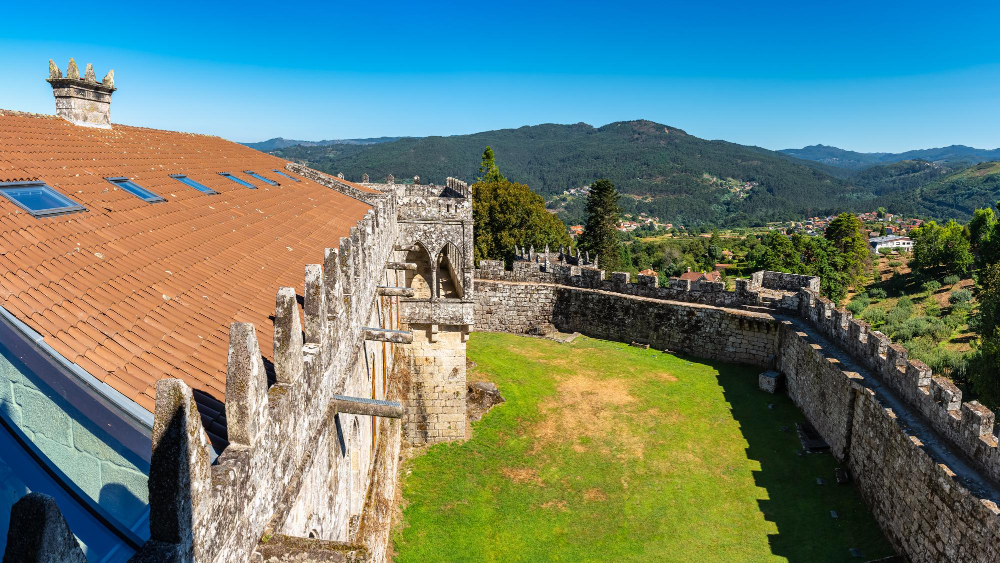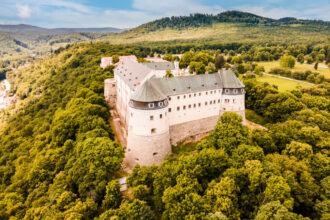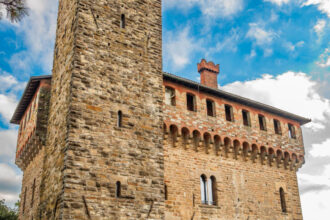

A picturesque place that promises many visitors a journey into the past—Castillo de Sotomayor, perched high on Monte Viso in Galicia, is a fortress steeped in stories, legends, and intrigue. Yet behind the neo-Gothic facades and magnificent gardens lies a dark and at times tragic past that casts a shadow over the splendor of this place. From political power struggles and bloody uprisings to the personal tragedies of its former inhabitants: the “curse of the walls” surrounds this fortress like an invisible veil, lending it an almost mystical character.
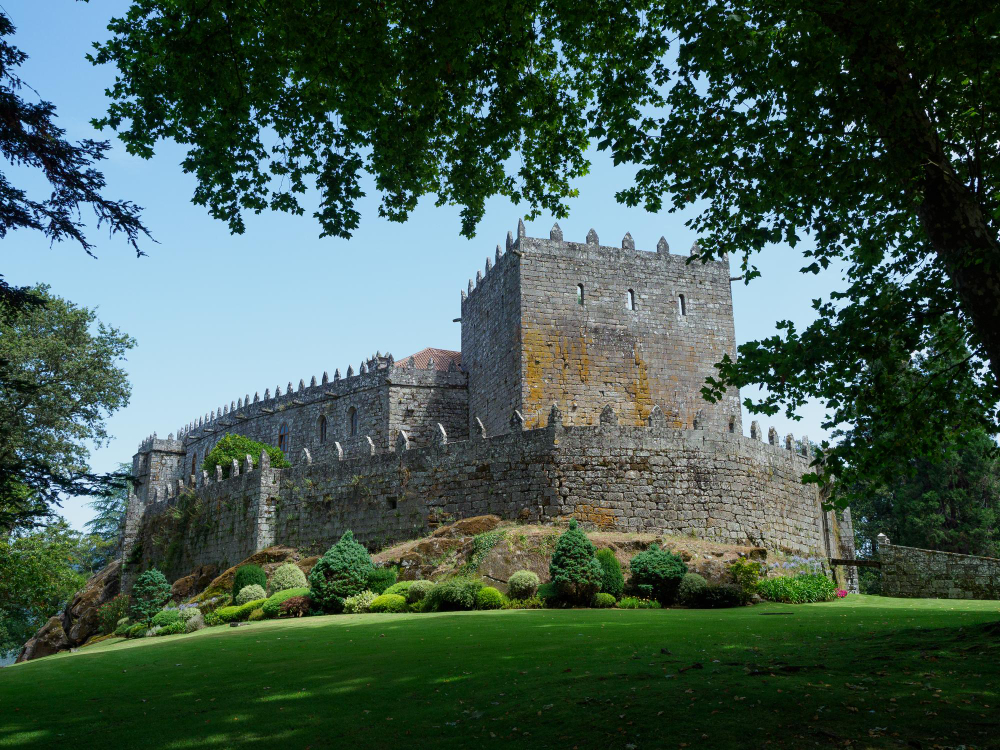
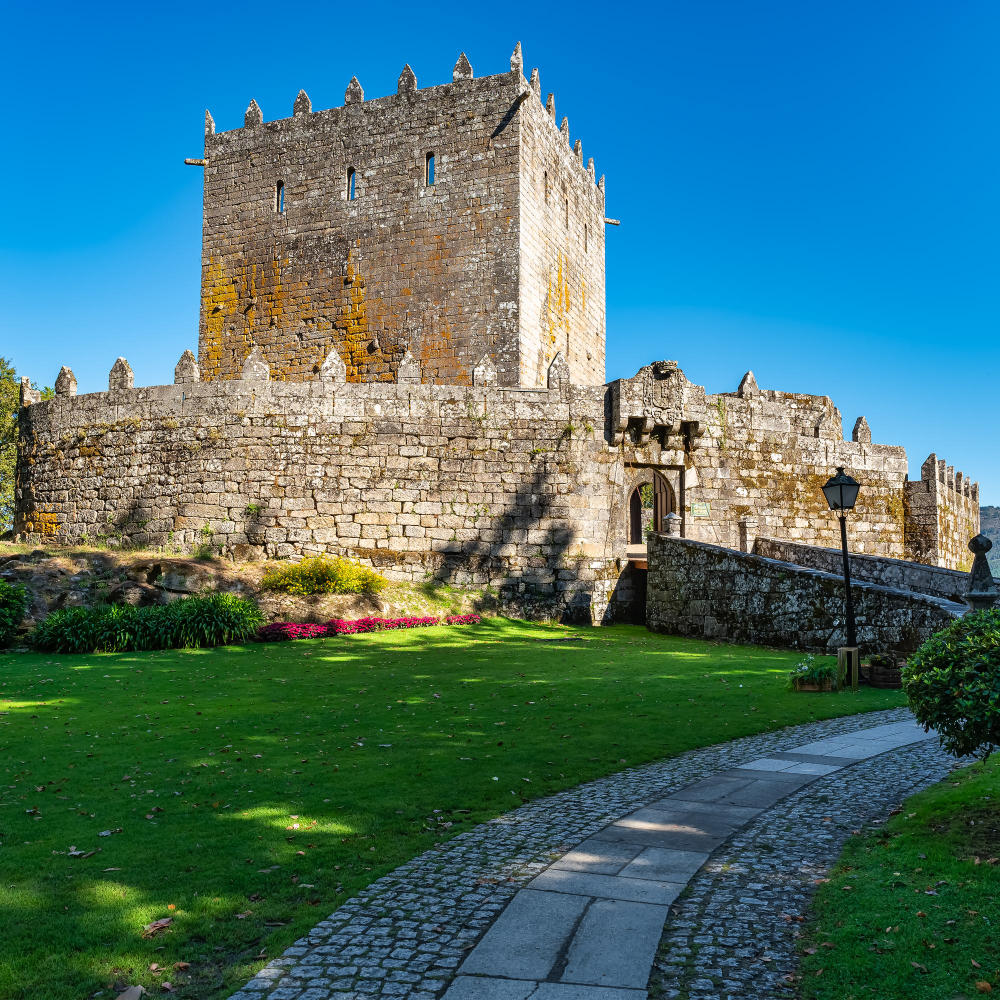
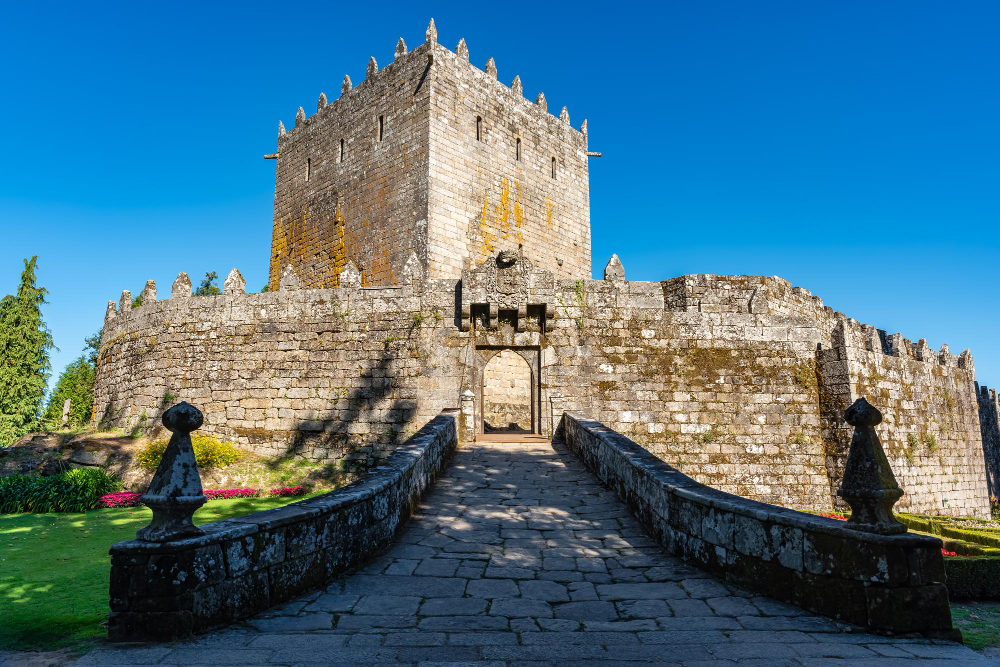
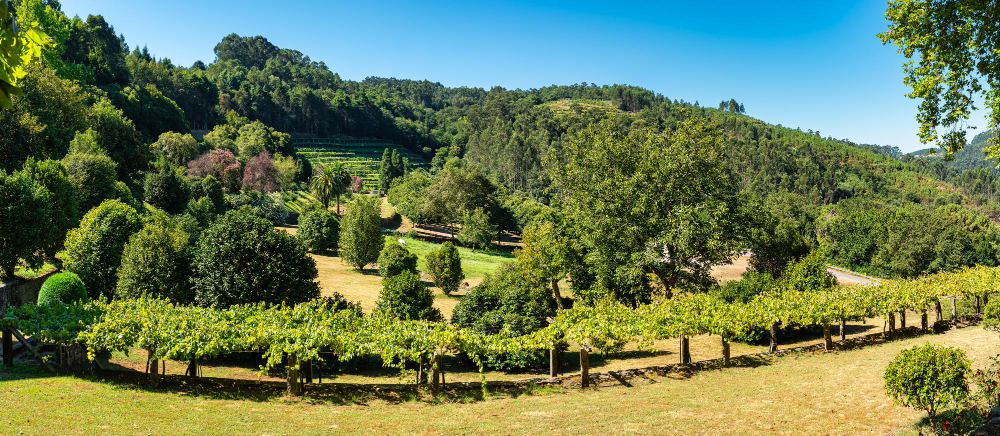
The Origin of a Legend: Medieval Beginnings and Political Upheavals – No structure is built without a reason, and the Castillo de Sotomayor is no exception. Its origins date back to the 12th century, when Paio Méndez Sorrede, a local nobleman, had the fortress built under the reign of Alfonso VII. The name “Souto Maior,” roughly translated as “greatest grove,” refers to the fertile surroundings that flourished at that time. Although there are no exact records, legends suggest that the first construction took place even before the Muslim conquest of the Iberian Peninsula. This is where the castle’s history begins, steeped in myths and speculation. But the castle’s true rise began in the 15th century. During this period, the Soutomaior family was not only one of the most powerful noble families in Galicia but also a pivotal figure in many political and military conflicts. Pedro Álvarez de Sotomayor, better known as “Pedro Madruga,” achieved particular fame. This enigmatic figure brought both innovation and terror by introducing the use of firearms such as arquebuses and cannons to Galicia, often rendering his enemies powerless. Pedro Madruga expanded the fortress, reinforced its defenses, and led the family to the pinnacle of Galician society—albeit often at the expense of other noble houses.
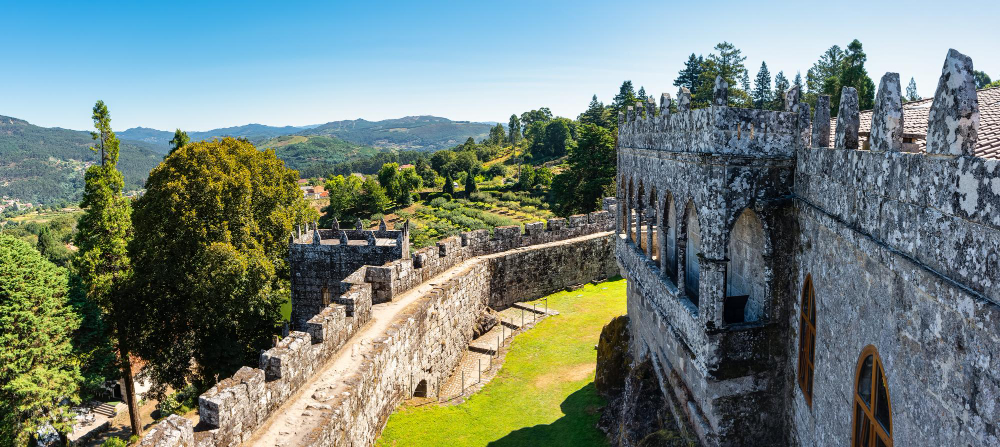
The Shadow of the Irmandiña Revolt: Bloody Battles and Betrayed Ideals – The walls of the Castillo bear witness to the battles fought at its gates. It was the scene of one of the bloodiest episodes in Galician history: the Irmandiña Revolts (1467–1469). These popular uprisings, led by peasants and artisans against the dominance of the nobility, forced Pedro Madruga and other landlords to temporarily abandon their fortresses. Yet the castle’s walls would once again be drenched in blood—upon his return, Pedro Madruga crushed the rebellion with brutal force to reclaim his power. He reinforced the castle’s defenses and added a second wall, a symbol of his determination never to be driven out again. However, the tragedy does not end here. After his death in 1486, a bitter dispute over his inheritance broke out, shaking the Soutomaior family to its core. A once-powerful lineage faded into obscurity, while the fortress slowly lost its luster and sank into insignificance.
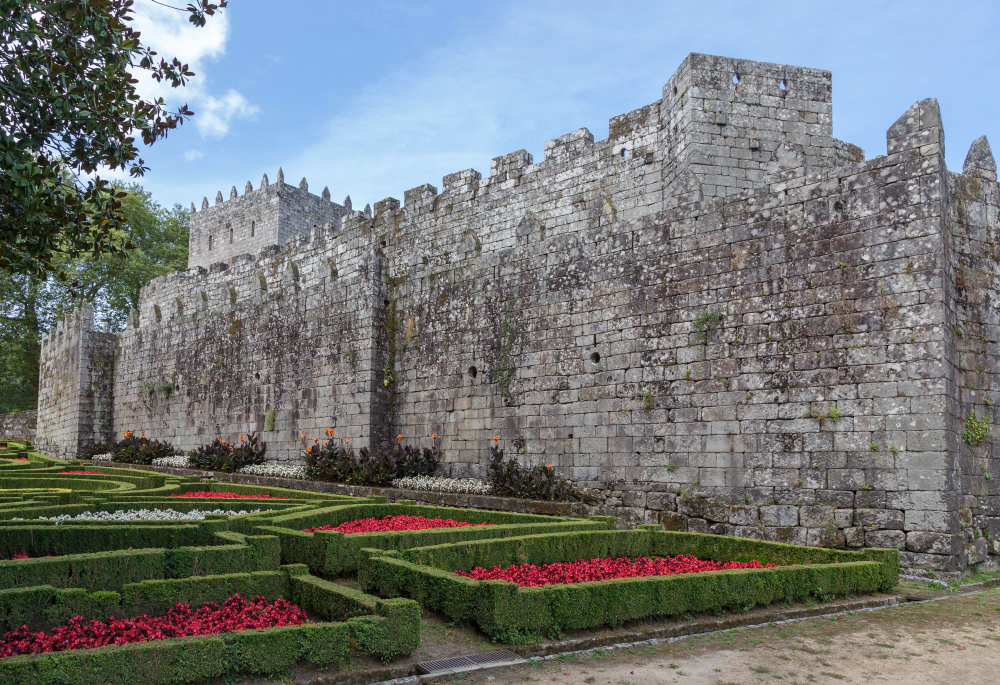
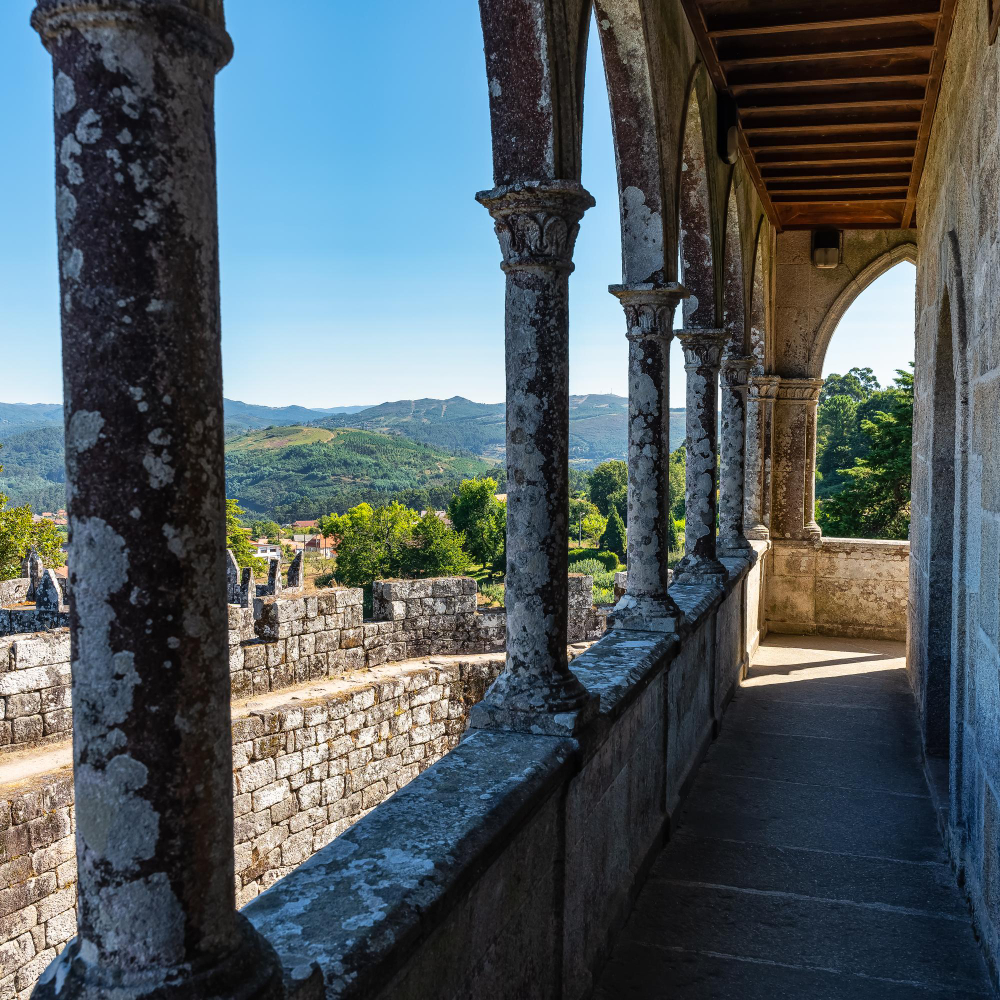
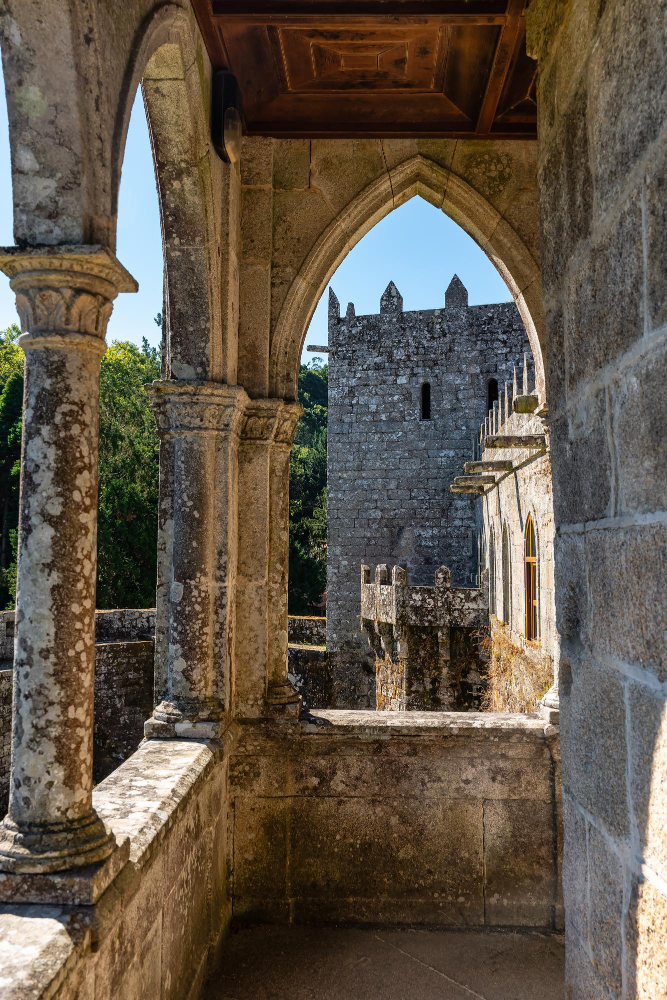
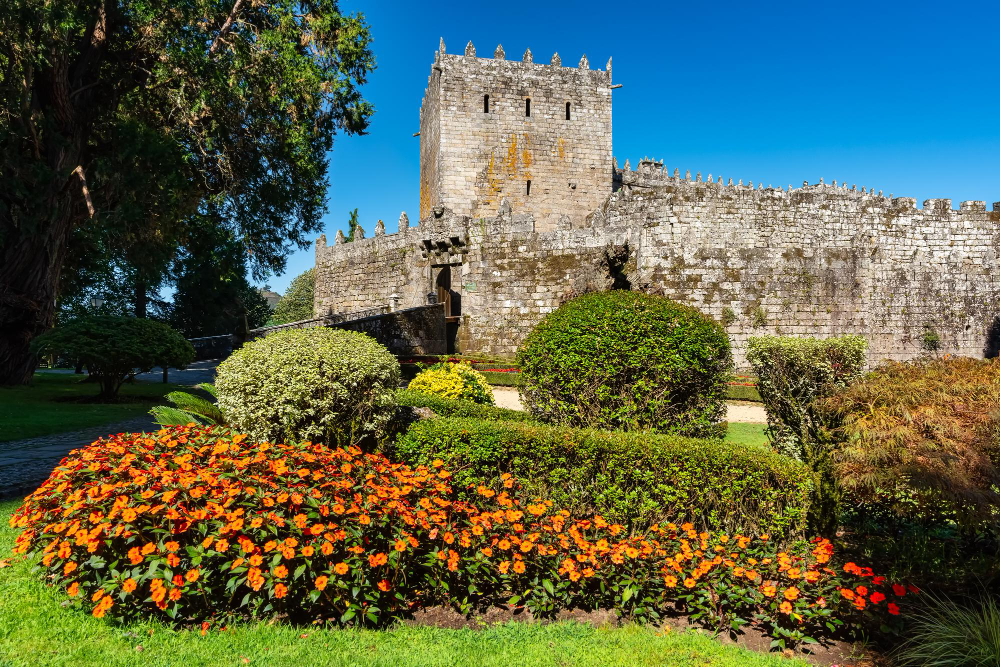
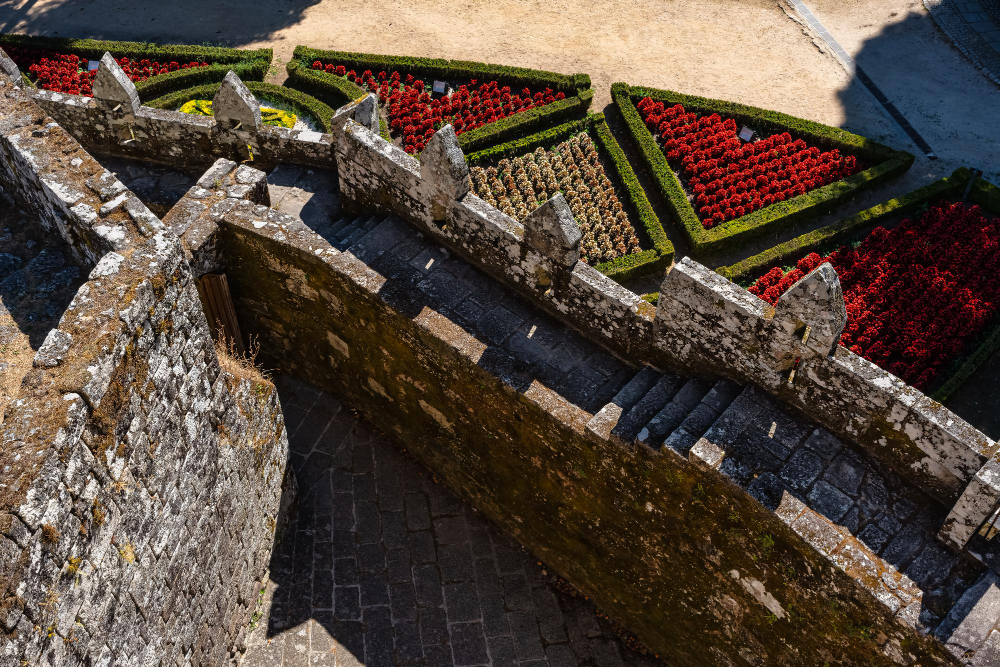
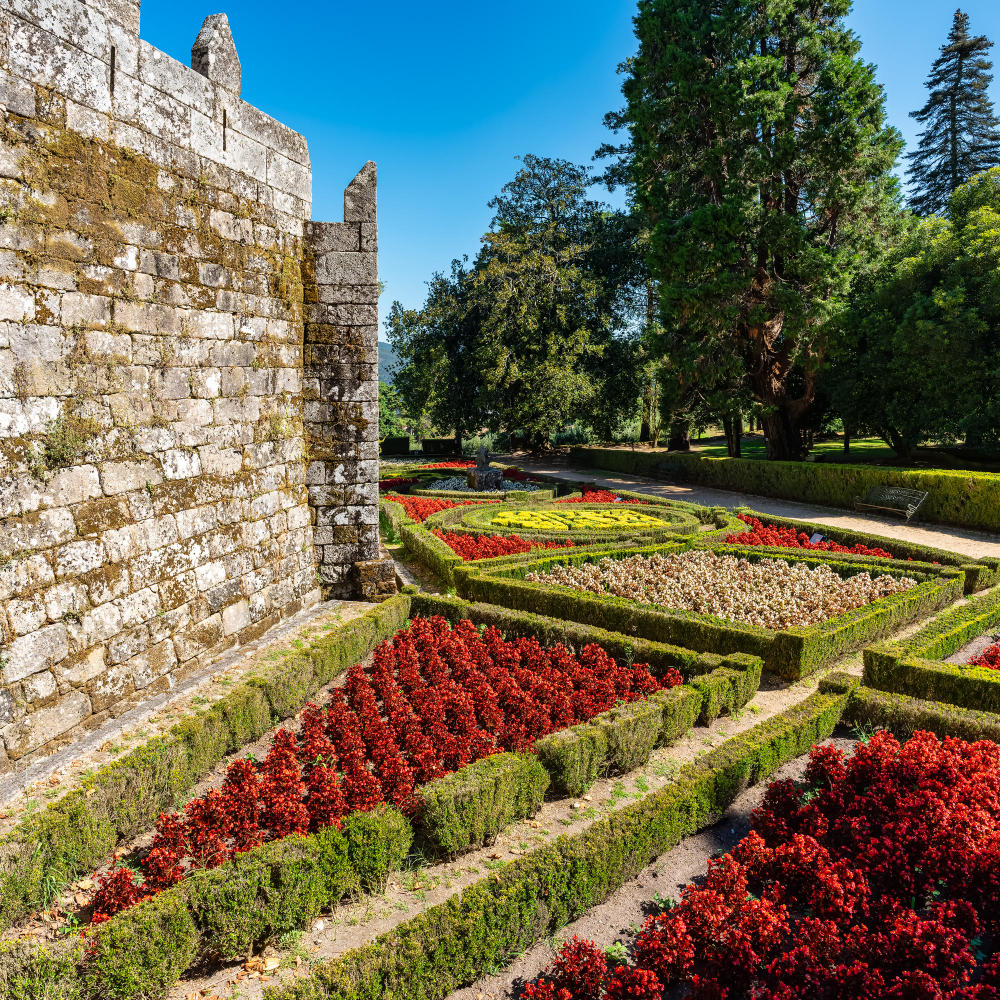
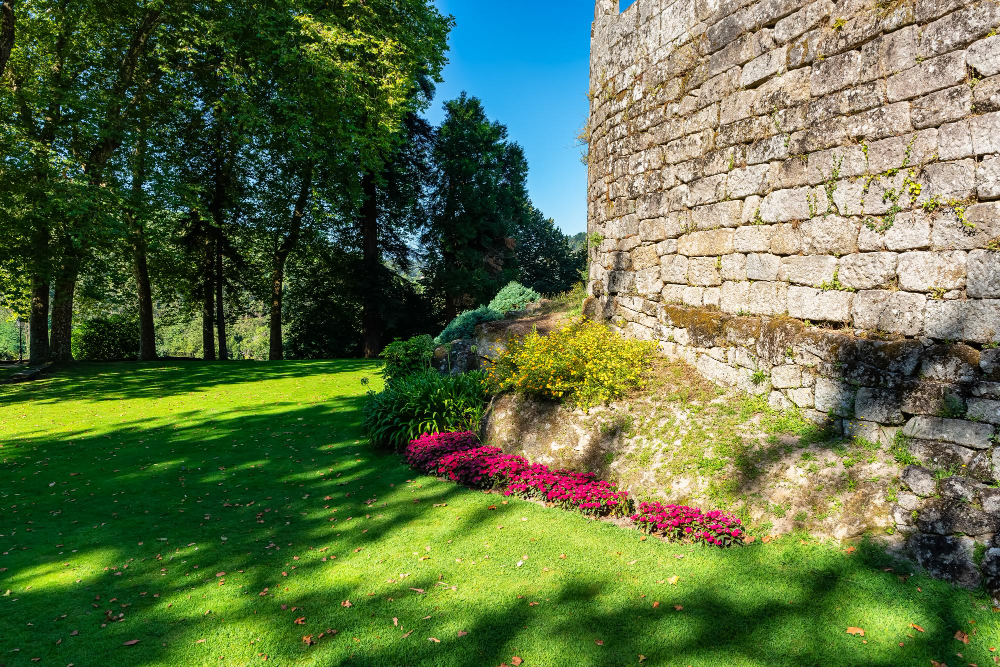
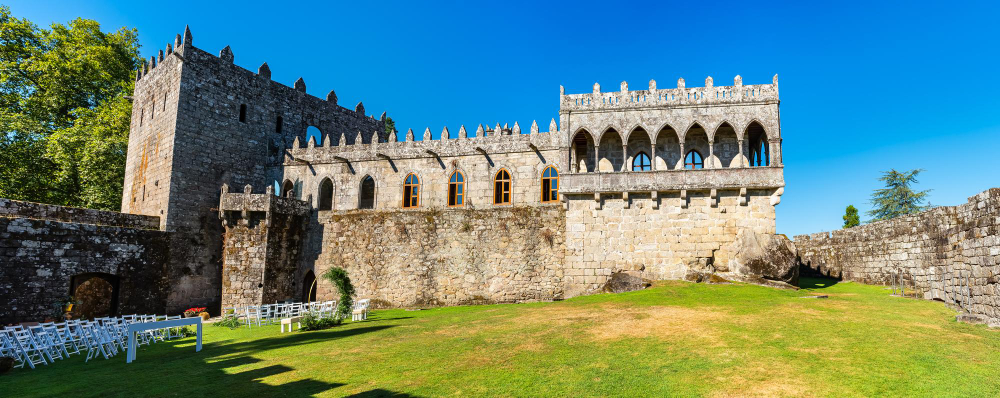
Neo-Gothic and New Hope: The Rebirth in the 19th Century – Despite its decline, the Castillo de Sotomayor stood firm—until the 19th century brought an unexpected turn of events. Antonio Aguilar y Correa, a prominent politician and holder of the title “Marqués de la Vega de Armijo,” fell in love with the ruins and began transforming the castle into a luxurious summer palace. Together with his wife Zenobia Vinyals, he breathed new life into the castle, transforming it in a romantic Neo-Gothic style that emphasized the building’s medieval past. Yet here, too, shadows mingle with light. Zenobia died young, and her tomb in the castle chapel stands as a silent reminder of the human losses that weighed heavily even in times of peace. Nevertheless, the family’s renovation efforts took shape: magnificent gardens inspired by French designs were laid out, and the castle became the setting for glamorous parties and visits by prominent guests, including King Alfonso XII. It was a time of leisure and celebration, yet the walls continued to serve as a silent reminder of the bloody days of centuries long past.
The “Red Countess”: Feminism, Activism, and Tragedy – Hardly any figure has left such a mark on the castle as María Vinyals, the niece of Antonio Aguilar. The writer and activist, who became known as the “Red Countess,” inherited the castle and transformed it into a gathering place for artists, thinkers, and feminists. Her commitment to women’s emancipation brought María recognition, but also enemies. She founded schools, promoted education, and fought for social change—a cause that did not exactly fit her aristocratic background. Yet life in the castle was also marked by difficulties for María. After the death of her first husband, she married Enrique Lluria, a renowned physician, and opened a sanatorium in the castle gardens in 1913. But the dream of progress came to an abrupt end: debts and political intrigues forced the family to sell the castle in 1917. Her own story mirrors the tragedy of a building that, while inspiring women like María to embrace revolutionary ideas, ultimately fell victim to its own legacy.
Modern Times: From Museum to School of Equality – The 20th and 21st centuries gave the Castillo de Sotomayor a new role as a cultural and historical monument. The restoration work begun in the 1980s transformed the fortress into a museum that today brings the history of Galicia to life for both tourists and students. Since 2016, the Castillo has also served as the headquarters of the “School of Equality,” named after María Vinyals—a symbolic return to her ideals. Yet although the Neo-Gothic architecture and the impressive botanical garden are admired today, the curse of the walls remains palpable. The conflict between splendor and misery, power and decay, reminds visitors that the Castillo is more than just a building. It is a living testament to history, carrying the missteps of its former inhabitants as well as their visions and hopes into the present.
A Place Full of Contradictions – The Castillo de Sotomayor is not only an architectural masterpiece but also a symbol of human ambivalence. Its walls tell tales of power, betrayal, progress, and tragedy. Despite its modern restoration and its role as a tourist destination, the question remains: Can a place that has been the scene of bloodshed and intrigue for centuries ever truly find peace? Perhaps the true curse of the Castillo lies not in its walls, but in the human history that continues to shape it to this day.