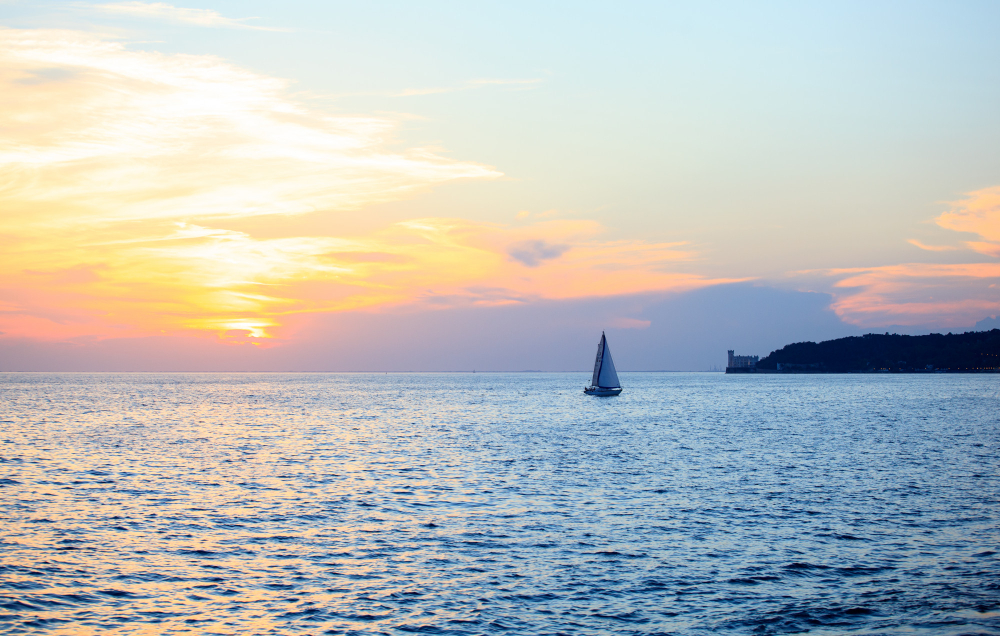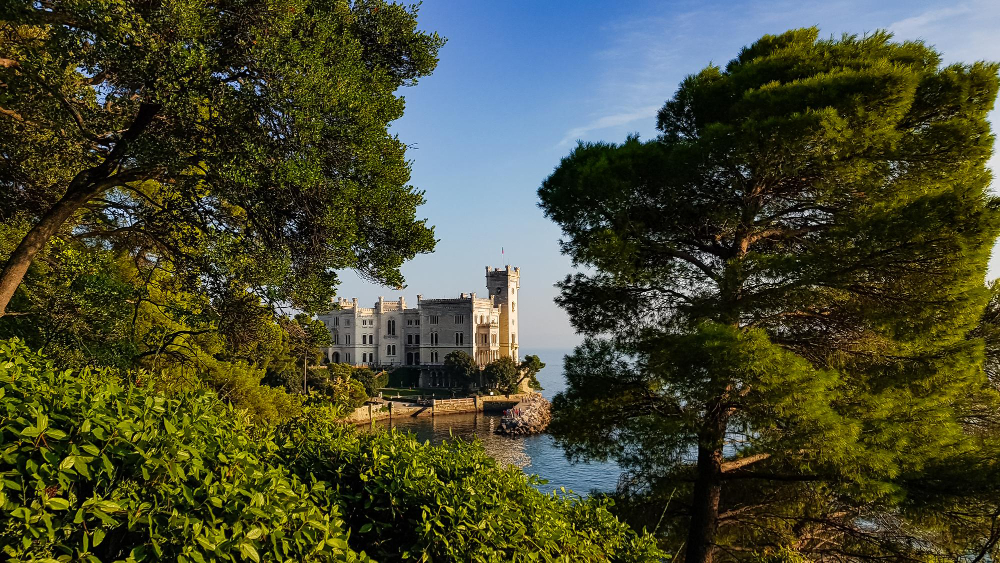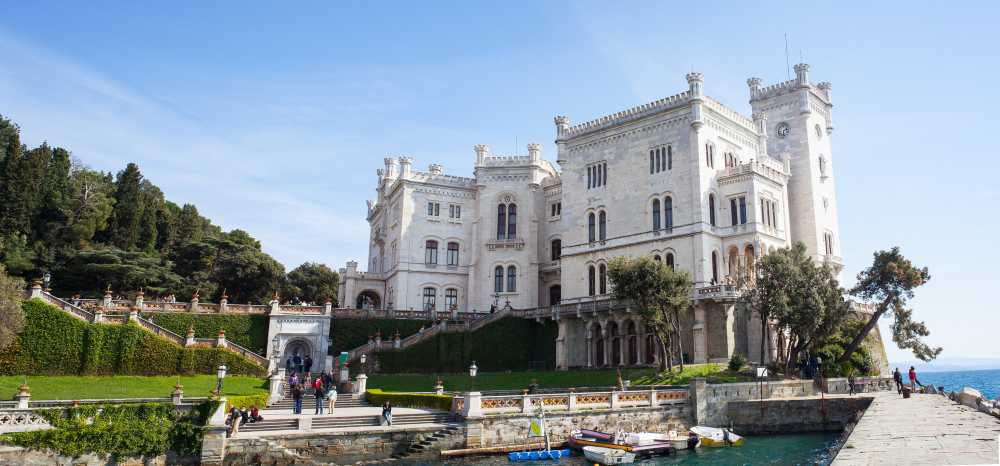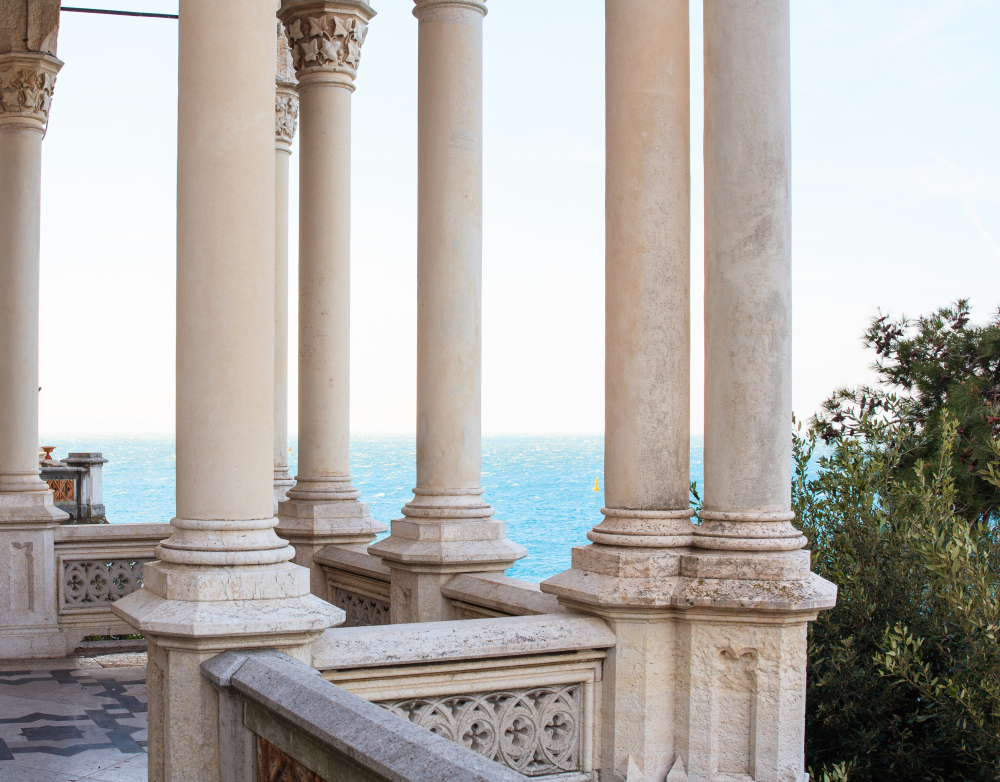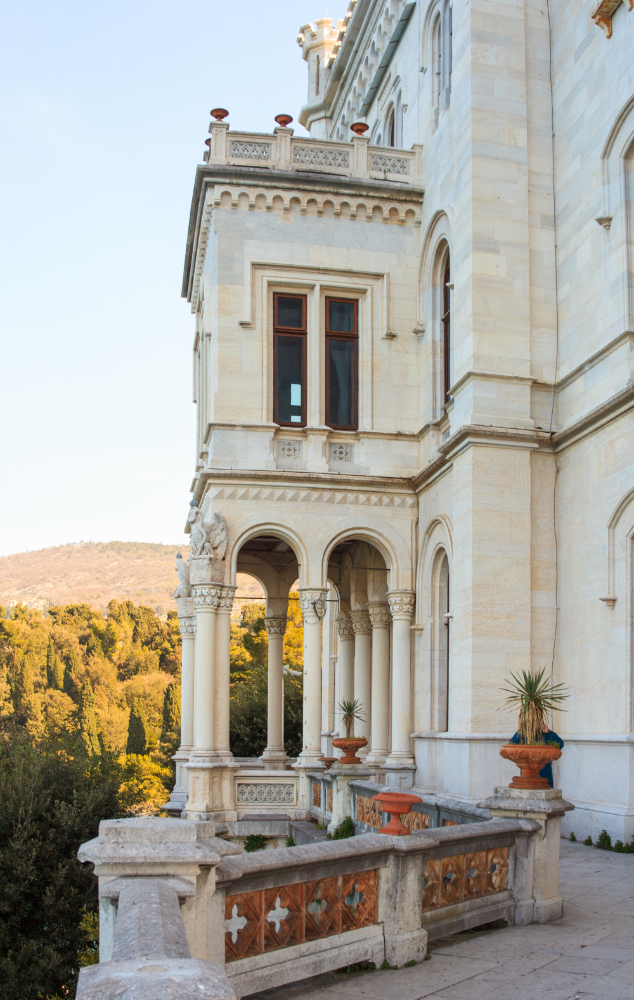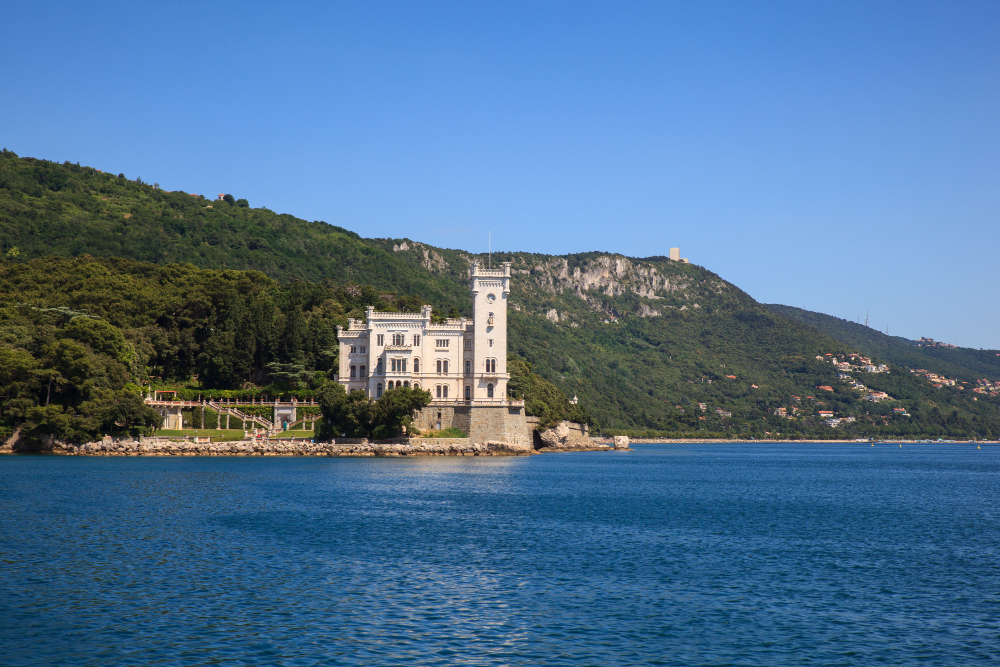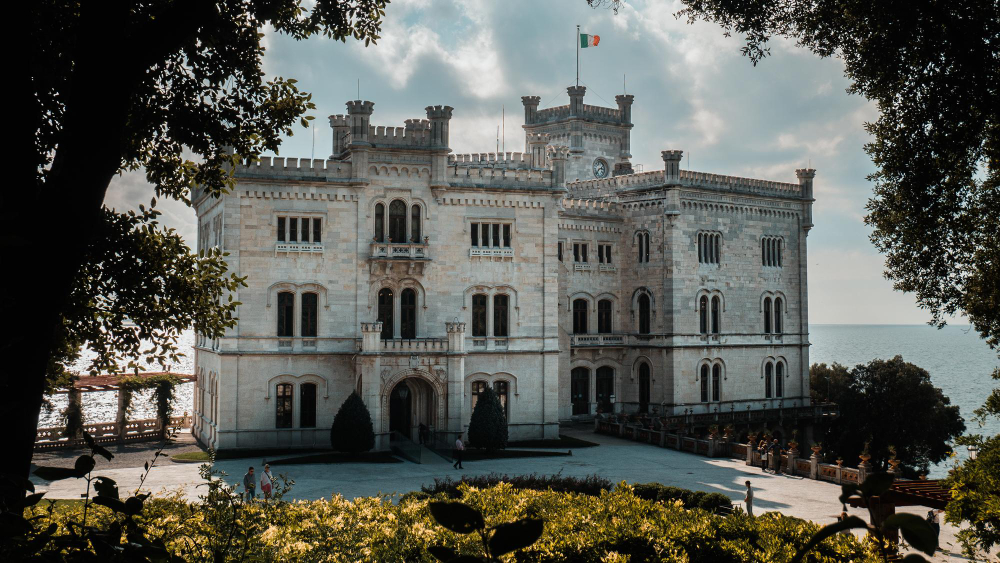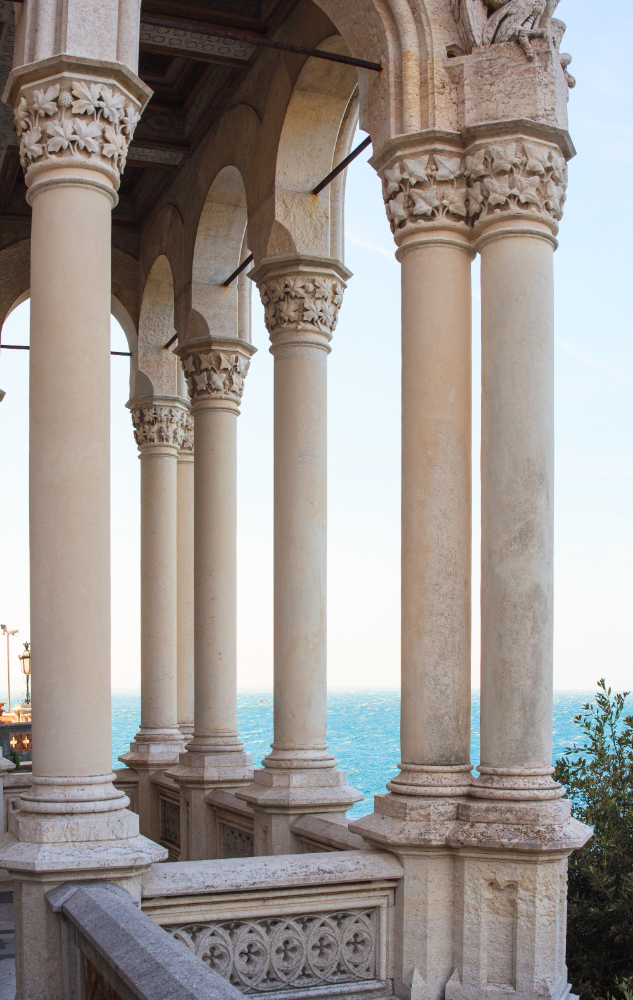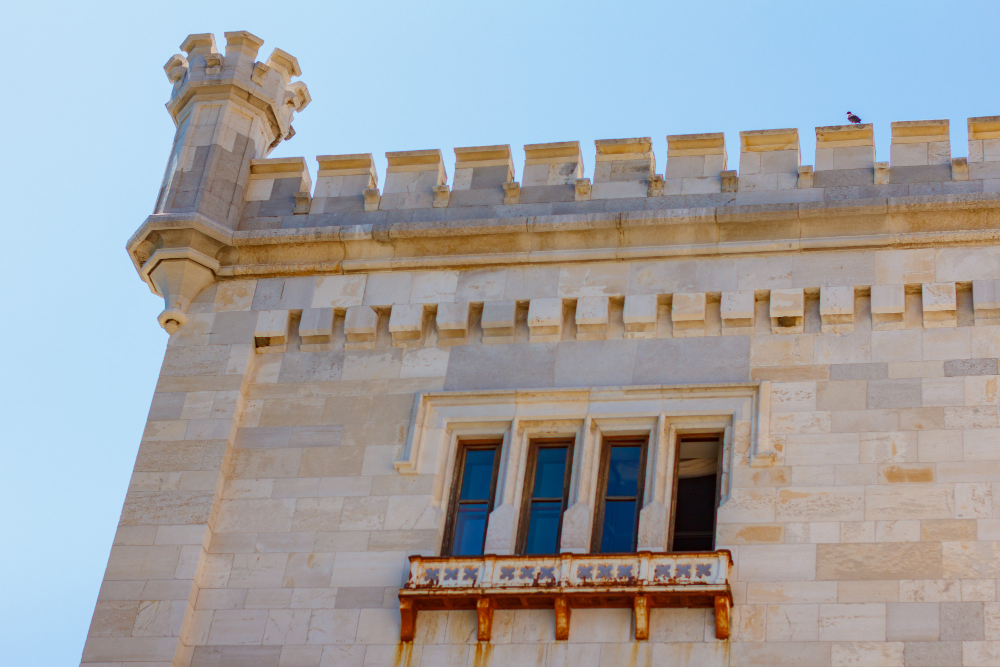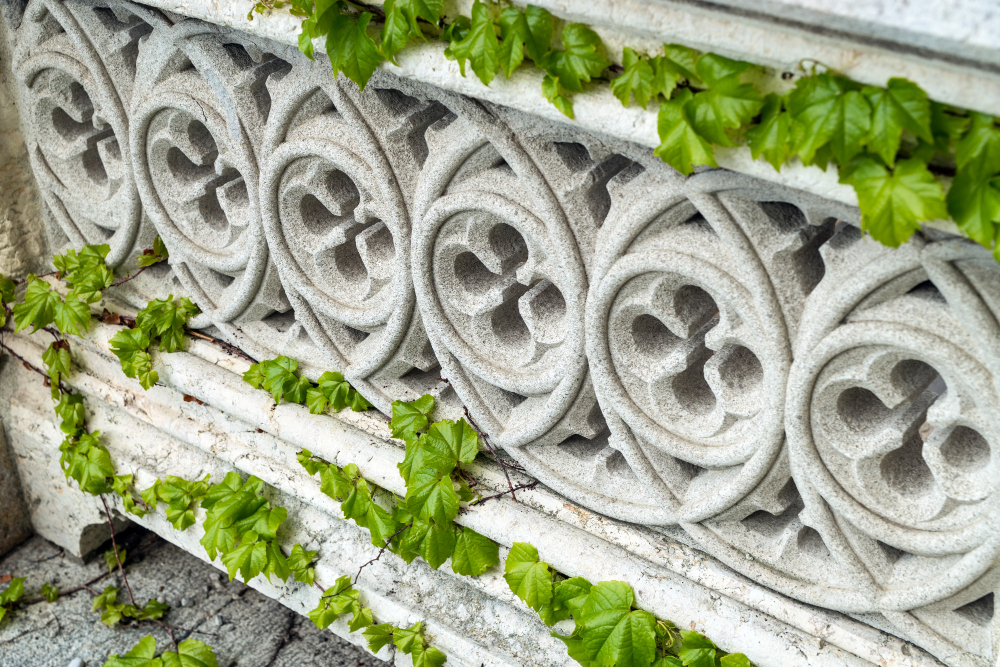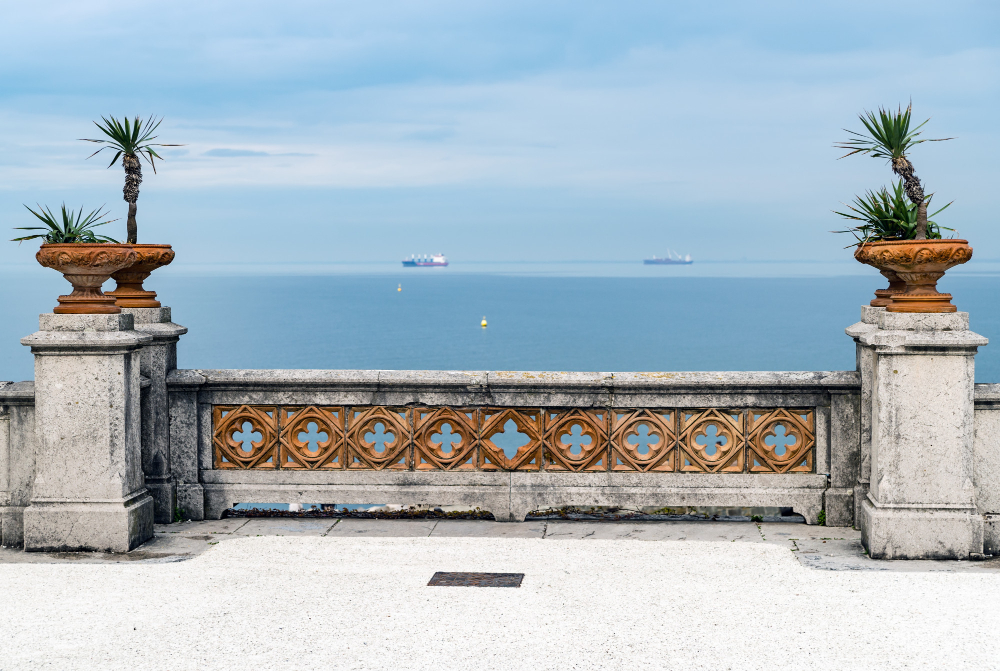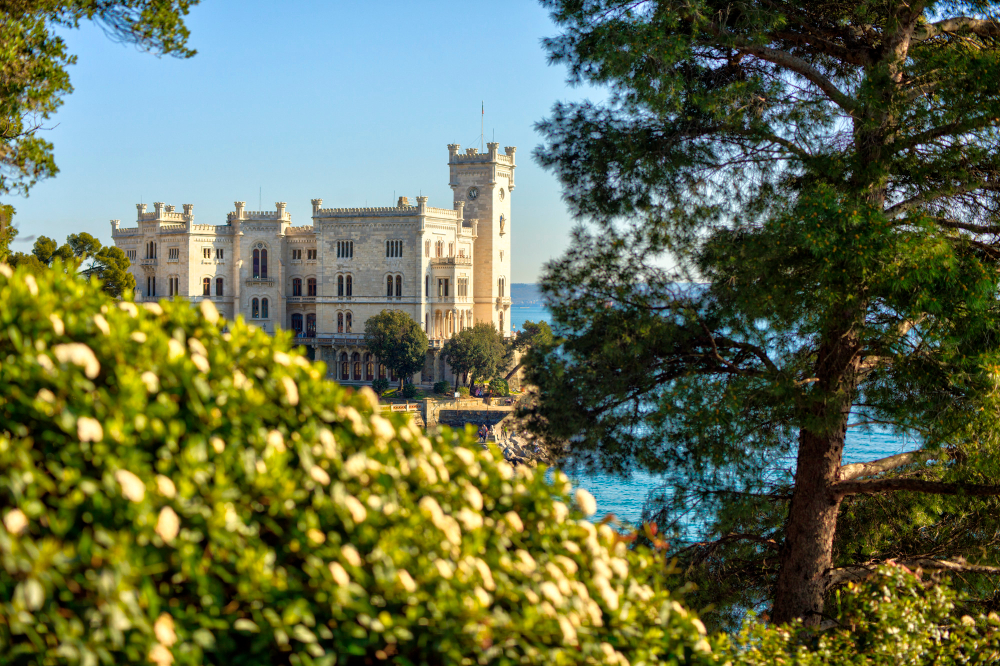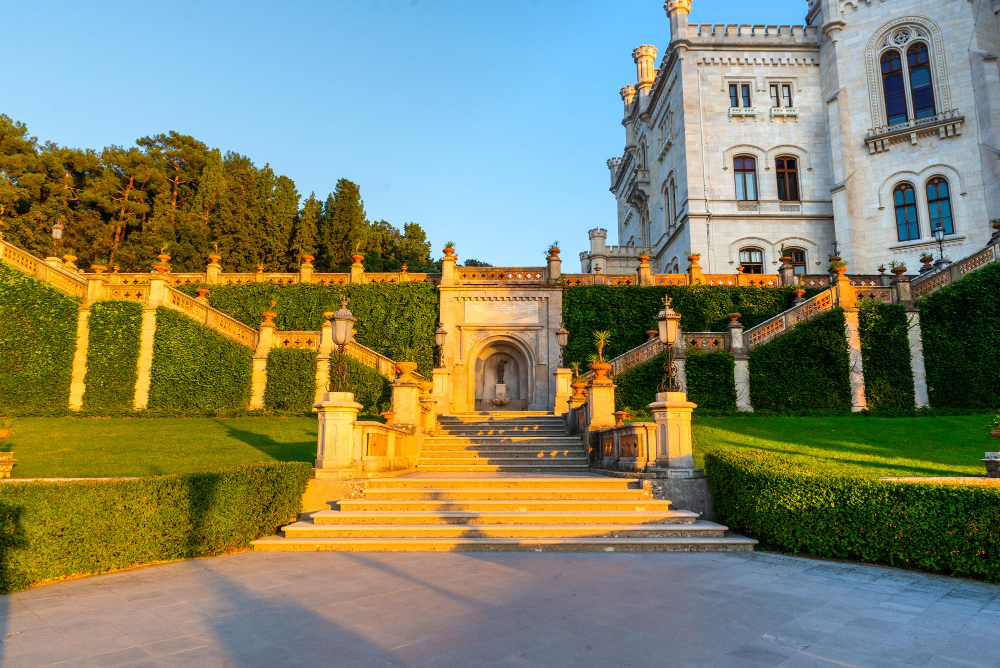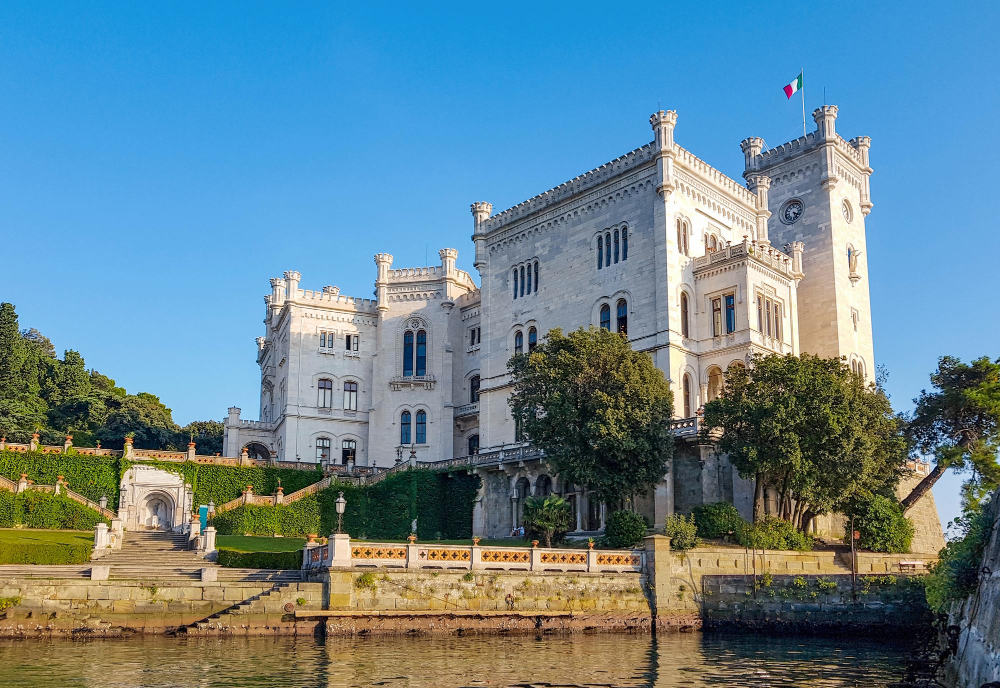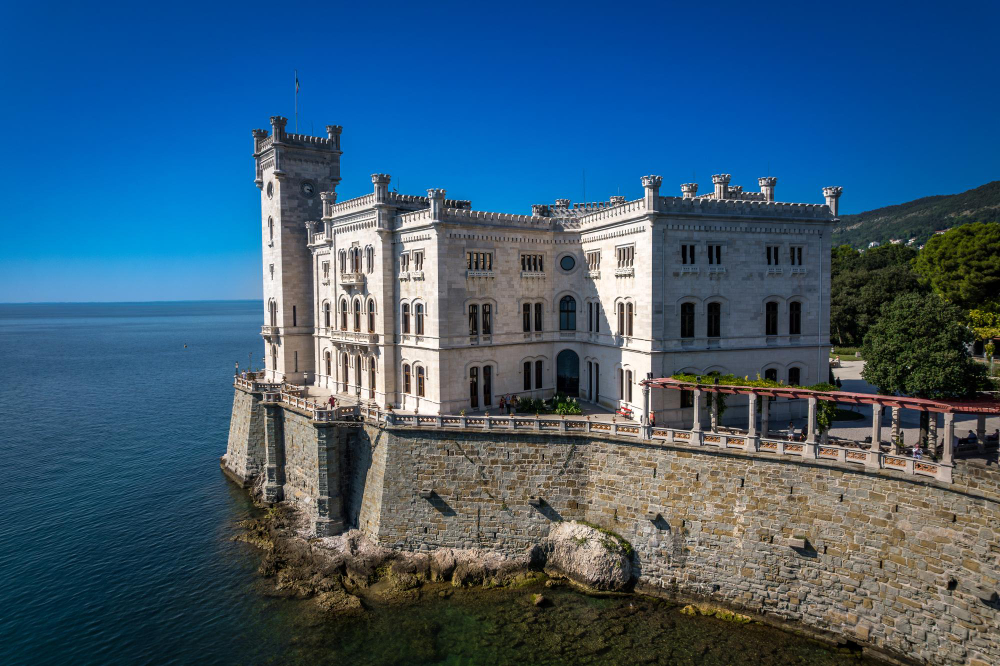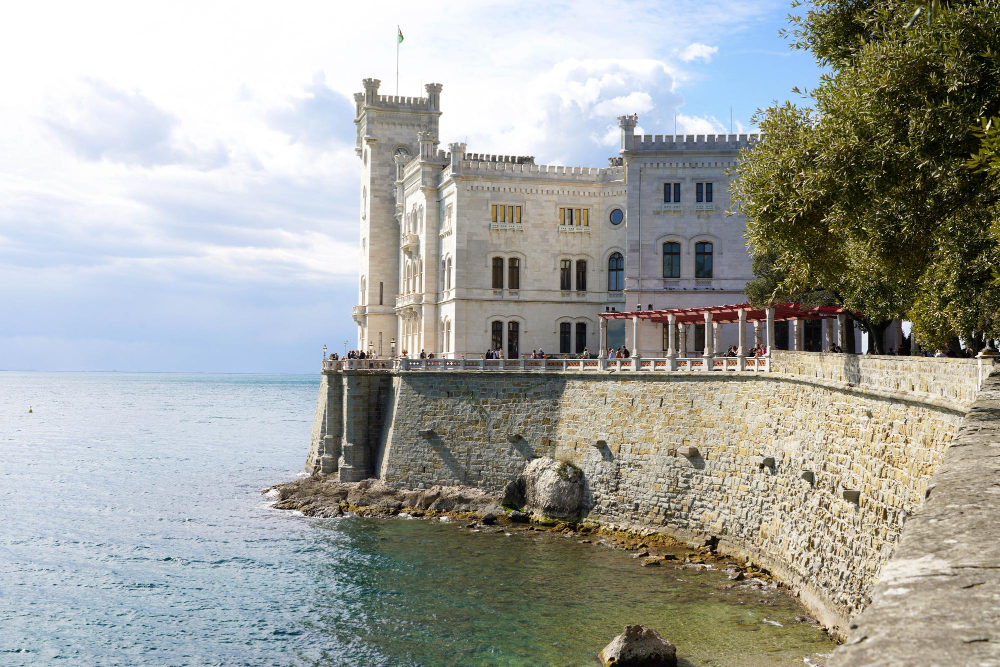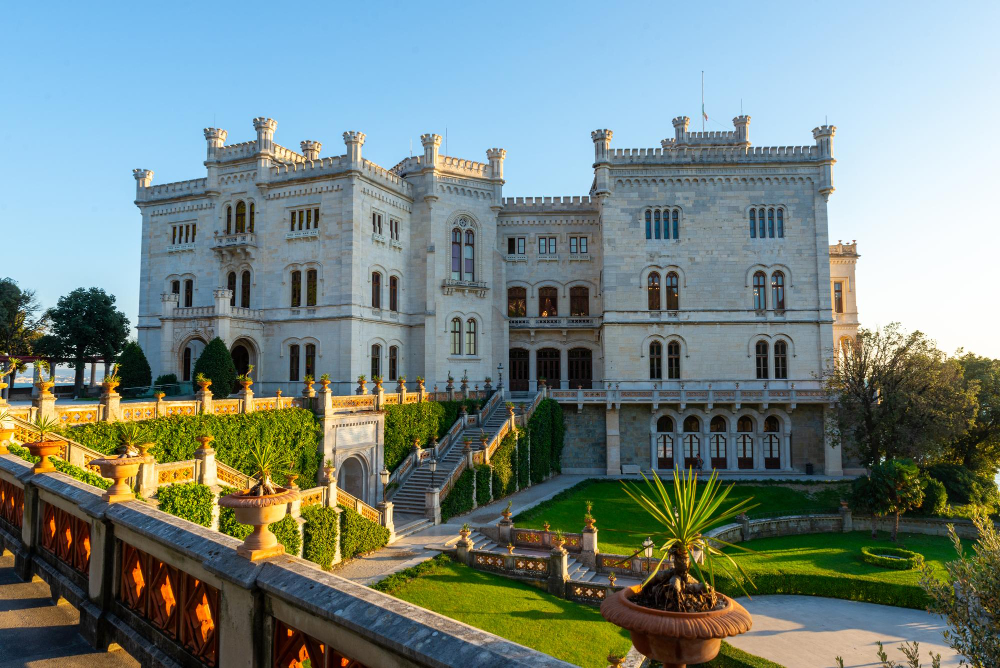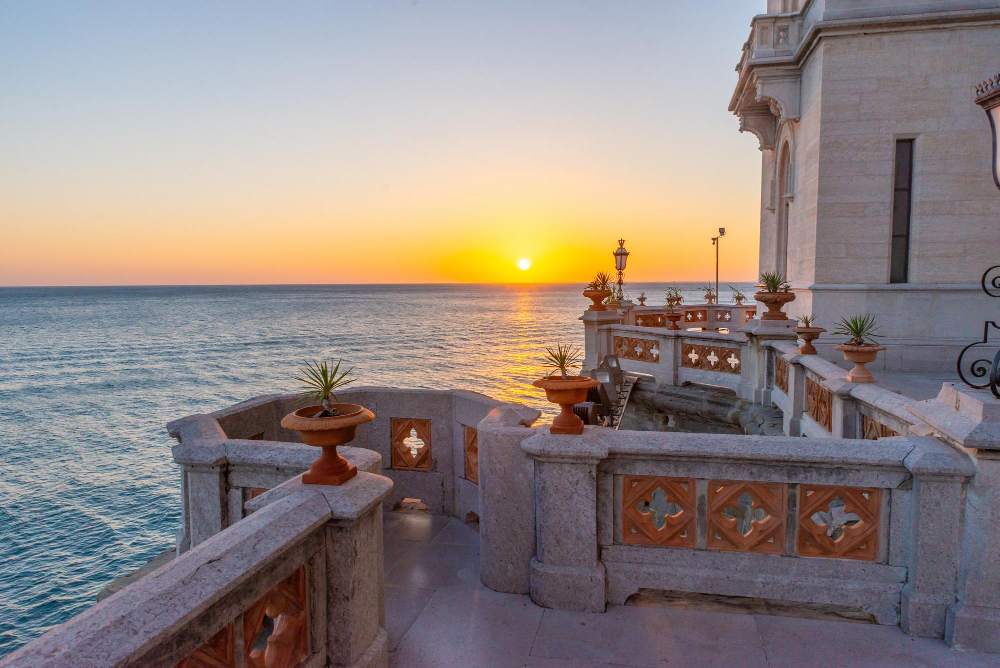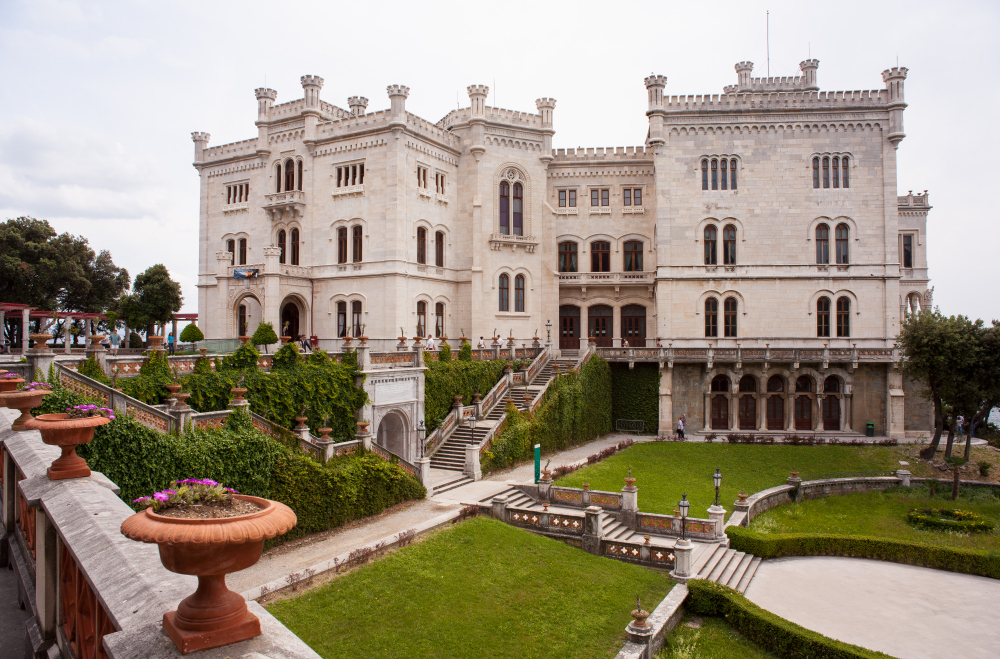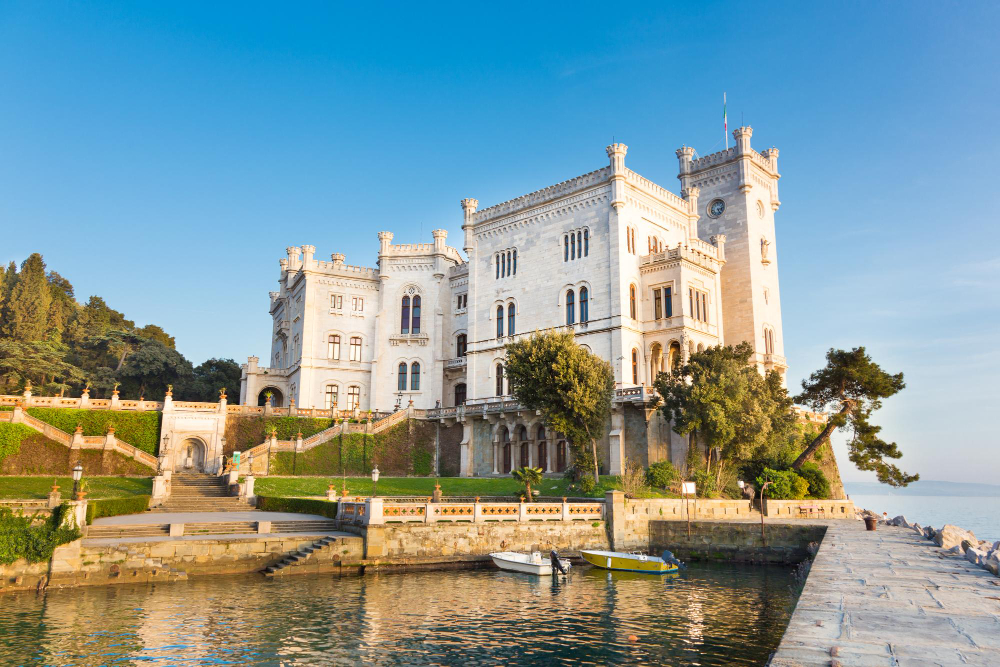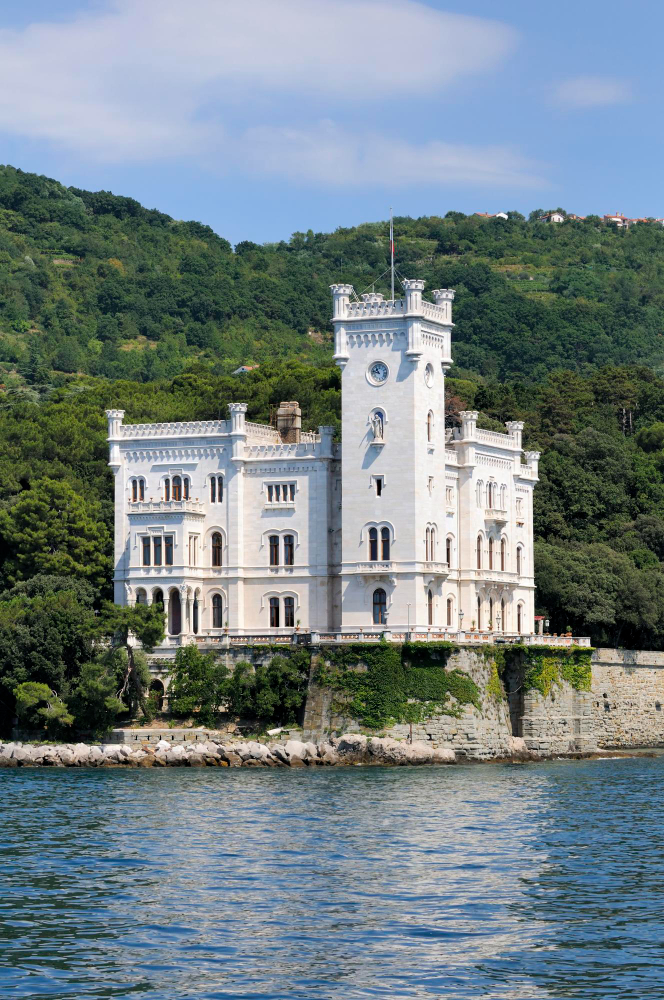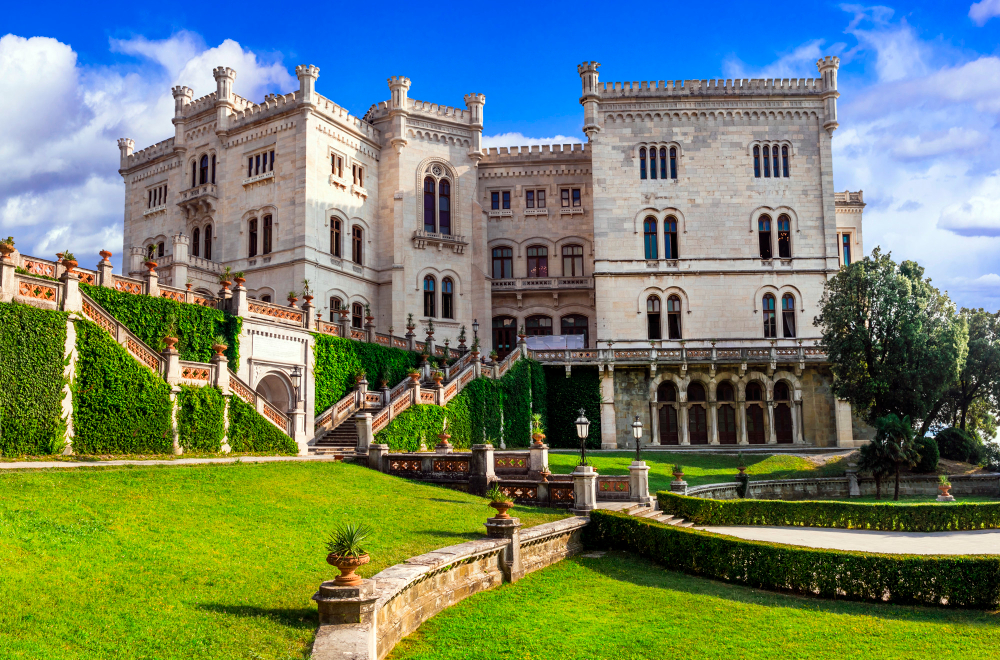

Located on the Gulf of Trieste, Miramare Castle is a magnificent 19th-century structure that captivates visitors not only with its impressive architecture but also with the fascinating history of its builder, Archduke Ferdinand Maximilian of Austria. The castle is situated between the coastal towns of Barcola and Grignano, rising majestically above the sea and attracting thousands of visitors each year. It offers a unique view of the Adriatic Sea and is surrounded by a sprawling park that enchants with a variety of exotic plants—an incomparable combination of nature, art, and history.
The Origins of the Castle – A Dream by the Sea – The history of the castle begins in 1856, when Archduke Ferdinand Maximilian decided to settle in Trieste. The younger brother of Emperor Franz Joseph was fascinated by life at sea and had already gained extensive experience as a commander in the Austrian Navy. During a sea voyage, he encountered a violent storm and found refuge in the port of Grignano. This is said to have inspired him to choose the rocky promontory with its breathtaking view as the site for his future residence. The palace likely received its name “Miramare” in reference to the Portuguese “Miramar,” the residence of Prince Ferdinand of Saxe-Coburg and Gotha in Pena. The design was by the Austrian architect Carl Junker, who oversaw construction and worked closely with Maximilian. Construction was completed in 1860, and the palace’s design reflects Maximilian’s diverse artistic interests, drawing on architectural traditions from Austria, Germany, and England.
Maximilian’s Tragic Journey – From Trieste to Mexico – Maximilian’s time in the palace, however, was short-lived. In 1864, he left Italy to assume the office of Emperor of Mexico—a decision that ultimately proved his undoing. After a brief reign, he was executed in 1867 during political unrest in Mexico. His death marked a tragic turning point in the castle’s history and imbued it with a mystical aura that persists to this day. Interestingly, many details inside the castle, such as the decorations featuring the eagle of the Mexican Empire, serve as reminders of this pivotal era of his life. Charlotte of Belgium, Maximilian’s wife, also shared her husband’s tragic fate. After his execution, she returned to Europe, where she fell seriously ill and became mentally unstable. She spent her final months in Trieste in the small “Castelletto,” a miniature version of Miramare Castle. This building originally served as Maximilian’s temporary residence during the construction of the main castle. Today, the Castelletto stands as a significant testament to her difficult life story.
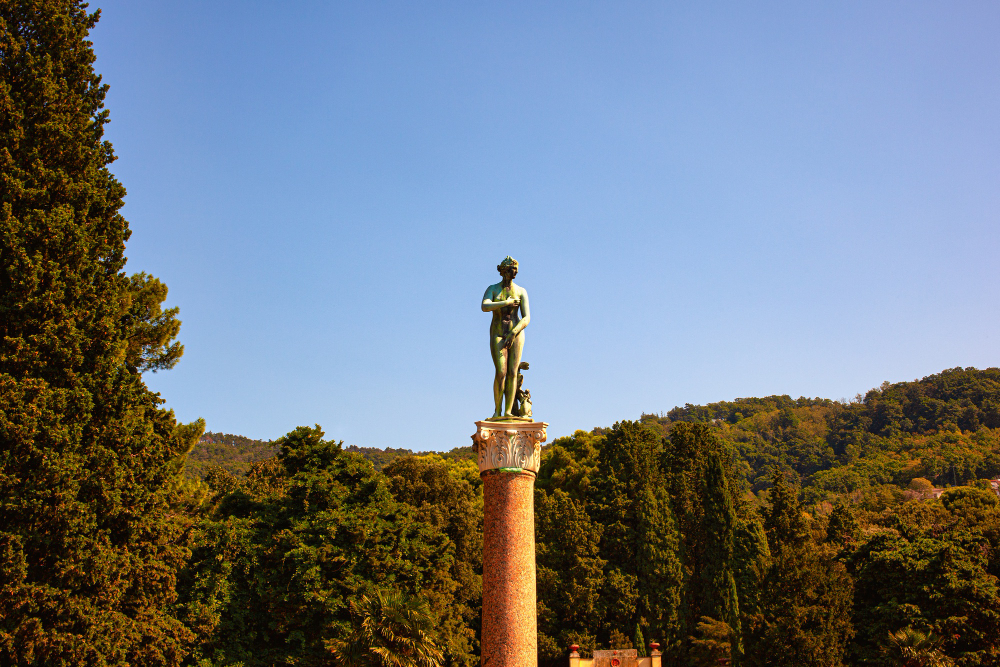
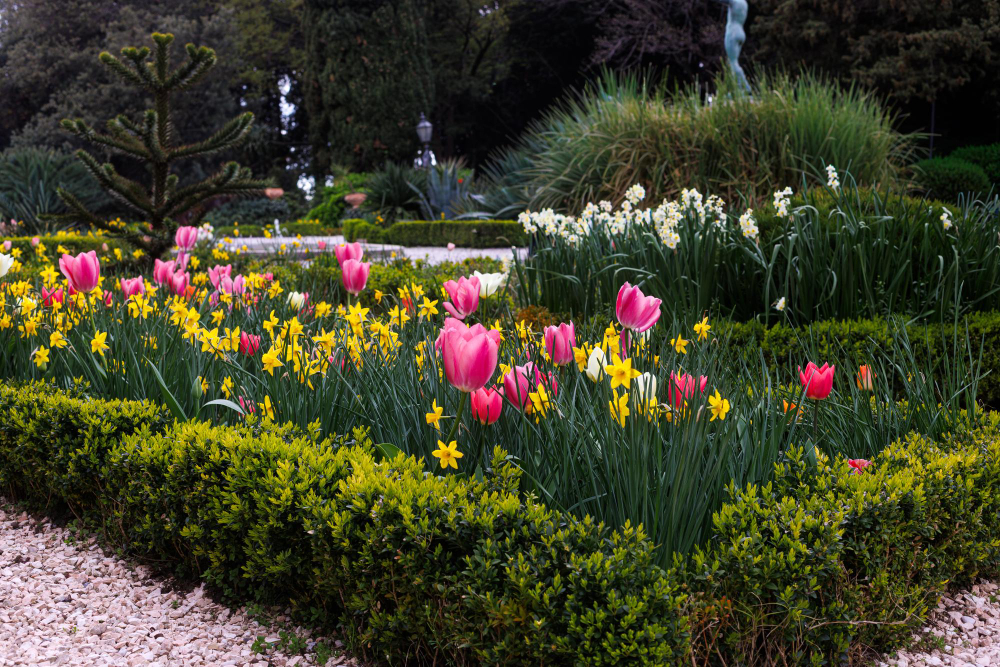
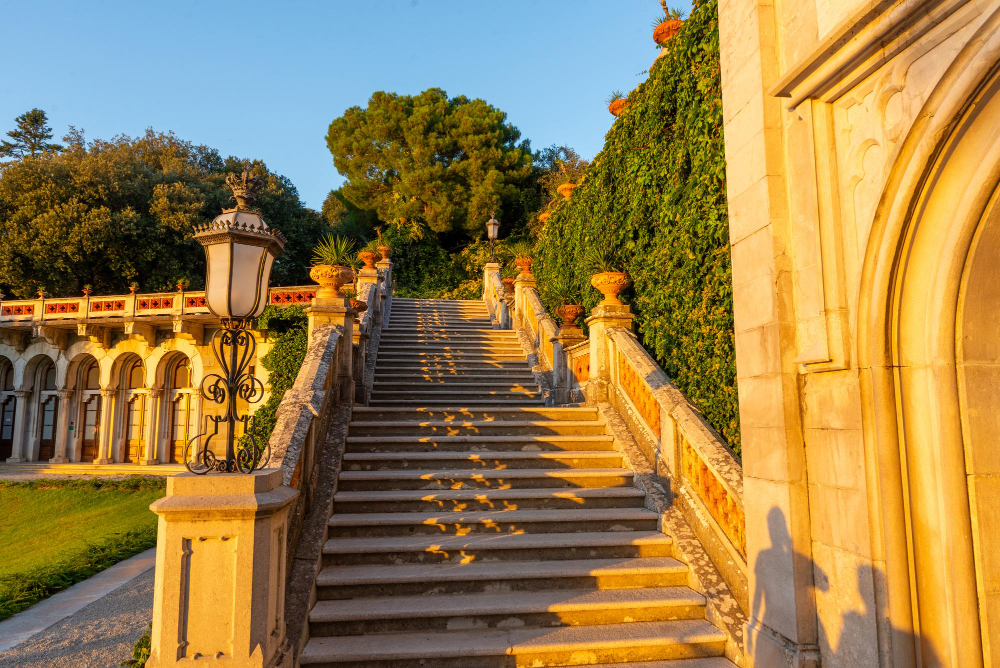
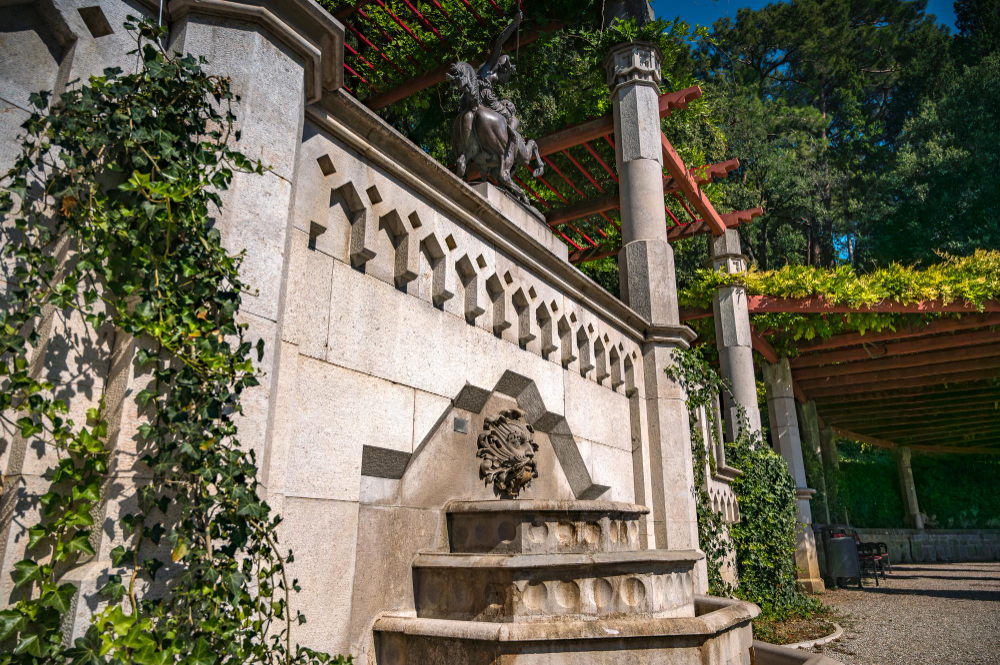
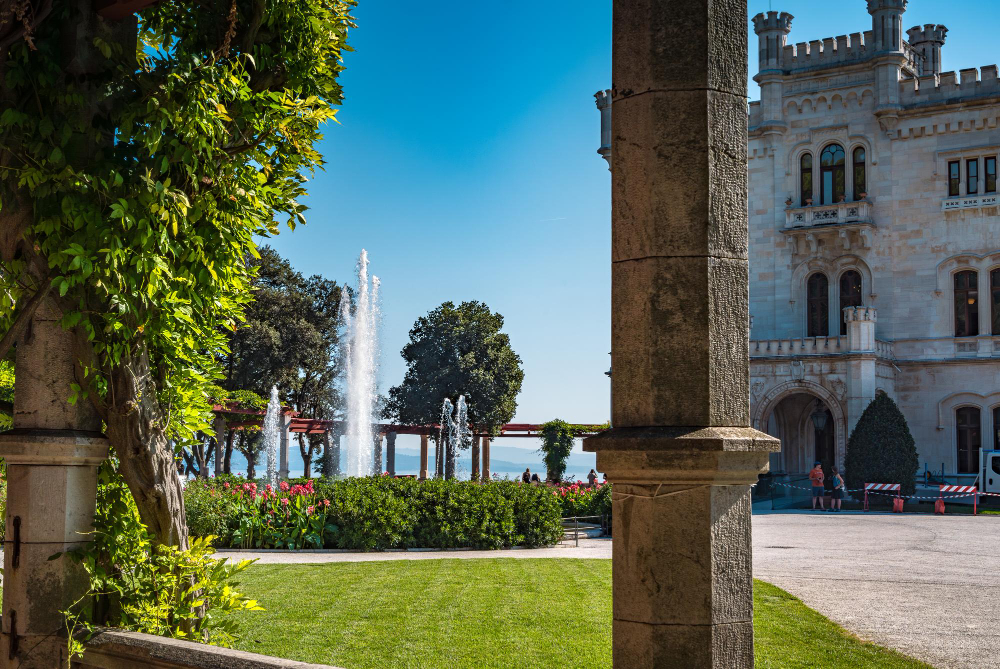
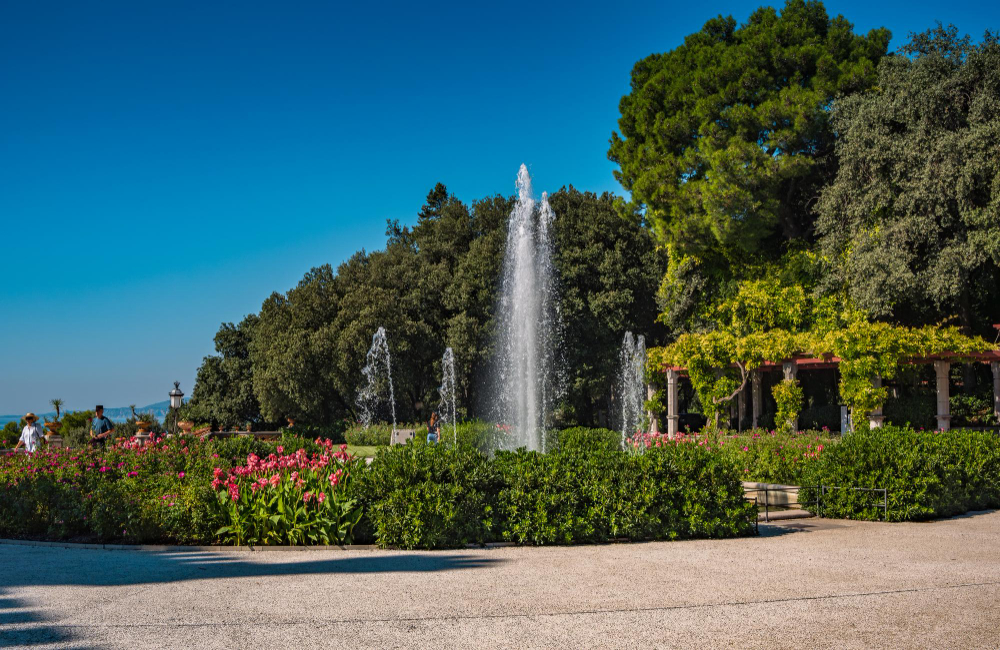
A Tribute to Beauty and Nature – The Miramare Park – The 22-hectare park surrounding the castle is just as fascinating as the architecture itself. Before 1856, the terrain was barren and rocky, but Maximilian dreamed of a blooming oasis that would transform the rugged coastal cliffs into a vibrant landscape. Under the direction of the experienced gardener Josef Laube and later Anton Jelinek, a botanical masterpiece was created, home to exotic trees from all over the world—including Lebanese cedars, California cypresses, Mexican pines, and even a rare species of giant sequoia. In contrast to Baroque gardens, which are characterized by symmetrical structures, the park was designed according to the principles of an English garden. The irregularly laid-out paths, water features, and natural landscapes reflect Maximilian’s romantic connection to nature. It is noteworthy that the grounds were originally intended as a private garden, but Maximilian made them accessible to the public several days a week. Within the park are other interesting structures, including greenhouses, the Chapel of St. Cancian, and the charming “Swiss Cottage,” which is now used as a café. Particularly impressive is the wooden chapel, whose altar was crafted from the wood of the frigate Novara—the very ship on which Maximilian once sailed around the world.
A Museum of European History – After Maximilian’s death and Charlotte’s withdrawal from public life, Miramare remained an important place for the Habsburg dynasty. Members of the family regularly used the castle as a retreat, and it served both private and ceremonial purposes. The famous Empress Elisabeth (“Sisi”) stayed here on several occasions, and the heir to the throne, Archduke Franz Ferdinand, also visited Miramare shortly before his assassination in 1914, which triggered World War I. During World War I, the castle was looted and its furnishings taken to Vienna. It was not until after the war that the furnishings were fully returned and the castle restored as a museum. Miramare has been open to the public since 1929 and displays original furniture, works of art, and personal belongings of Maximilian and Charlotte. In the mid-20th century, the castle experienced turbulent times: During World War II, it was occupied by German troops and later used by New Zealanders, British, and Americans. It was not until 1955 that the estate returned to civilian use and was opened as a historical museum.
An enchanted place that tells stories – Today, Miramare Castle is a popular destination for visitors from all over the world, who can immerse themselves in a bygone era here. The richly detailed furnishings of the rooms, including Maximilian’s bedroom and Charlotte’s music room, bring the atmosphere of the 19th century to life. Particularly moving are the paintings by the Italian artist Cesare Dell’Acqua, which depict the history of the castle as well as key moments in Maximilian’s life. The castle and its sprawling park exude a fairy-tale elegance and are a symbol of the longing for beauty and perfection. At the same time, however, they are also imbued with elements of melancholy and tragedy, shaped by the fate of their inhabitants. Miramare is not only an architectural masterpiece but also a historical monument that tells the story of the duality of splendor and transience.
Miramare Castle is more than just a magnificent building—it is a place of legends, tragedies, and dreams. Every corner of the castle, every detail of the sprawling park, and every story of the people who lived here contributes to preserving the fascination of this place. It remains a reminder of how art, nature, and history can be harmoniously interwoven to create something truly unique.