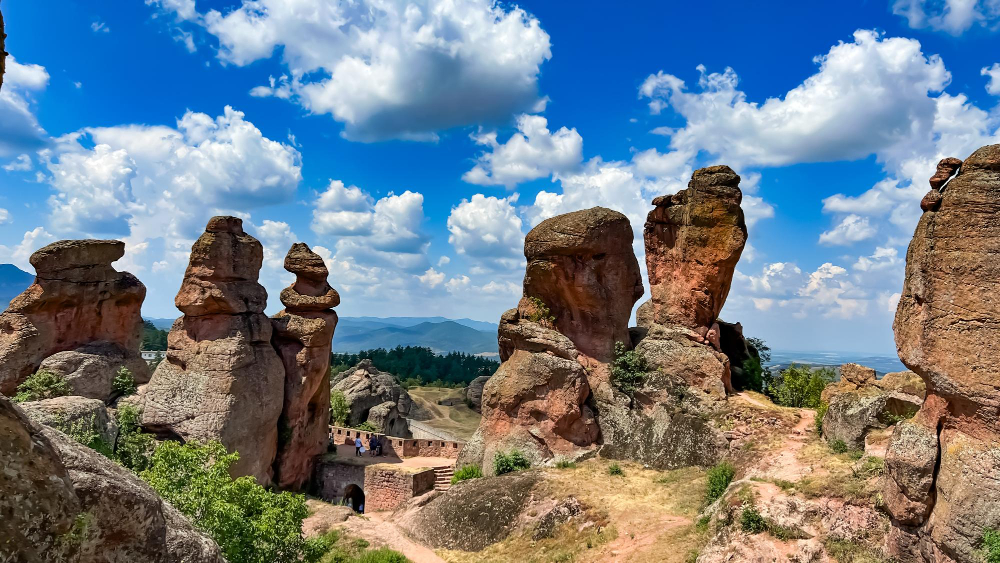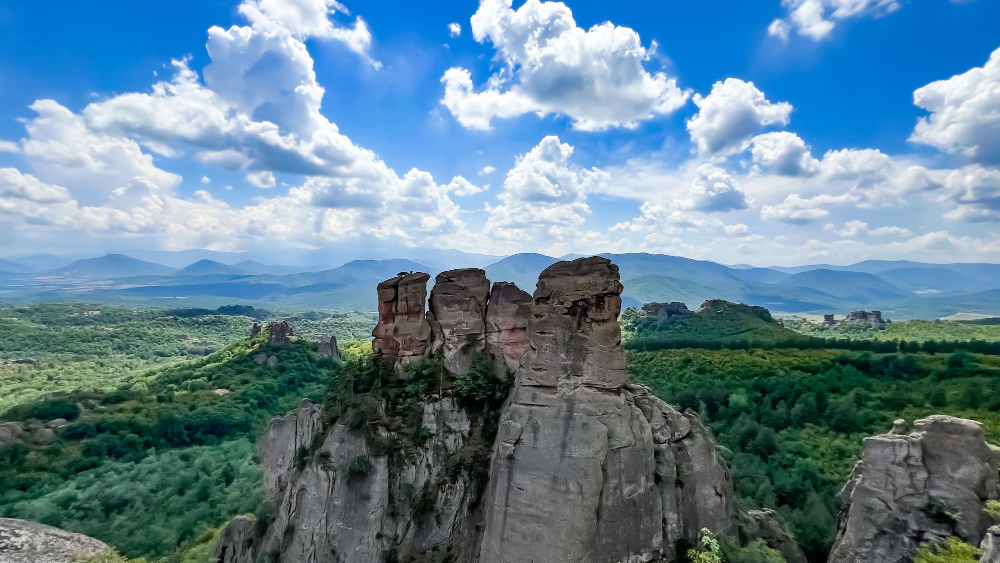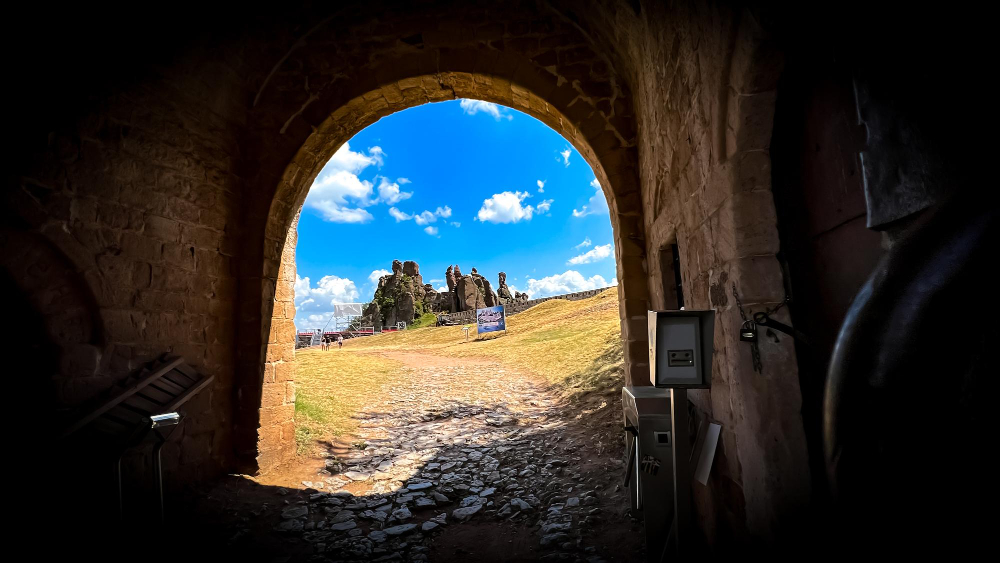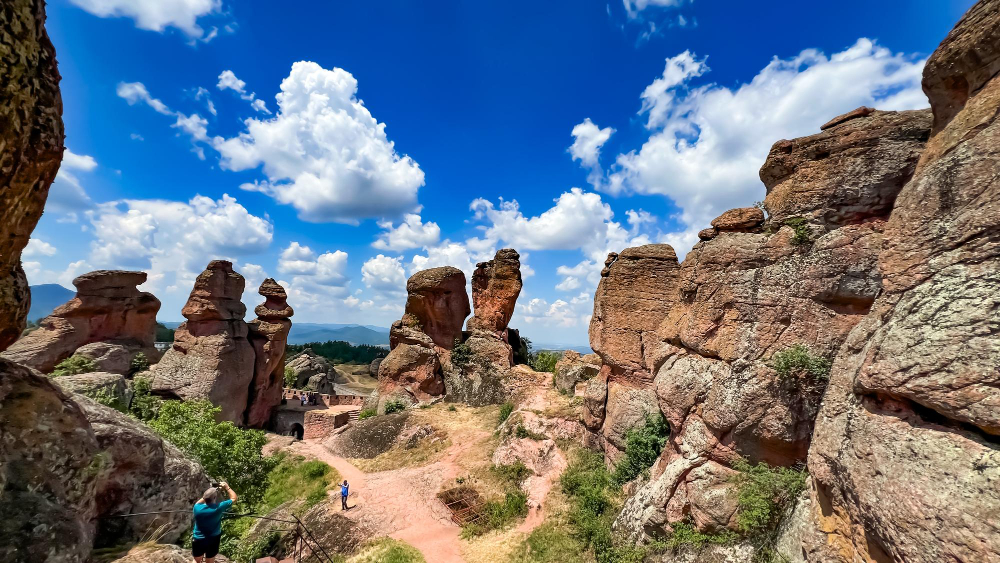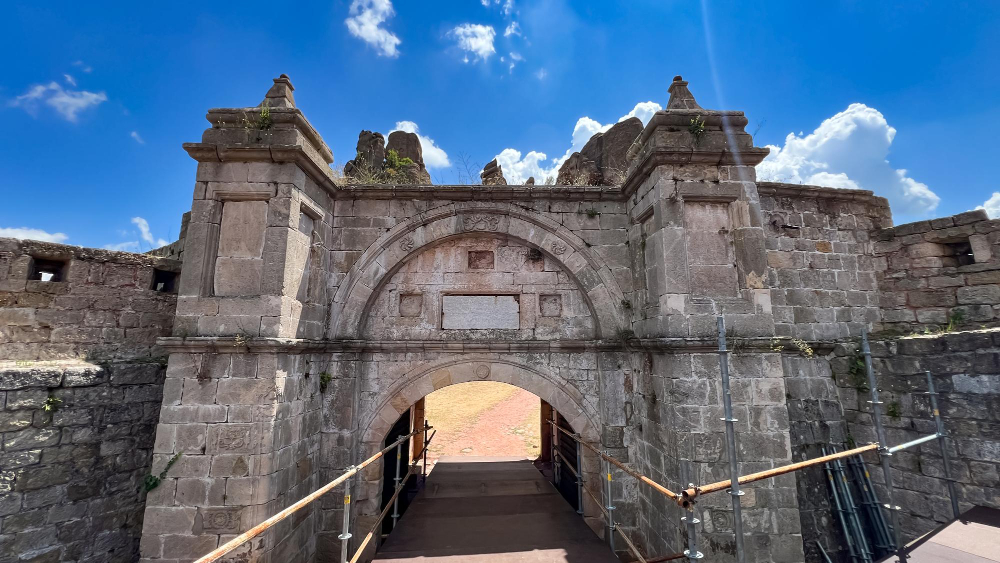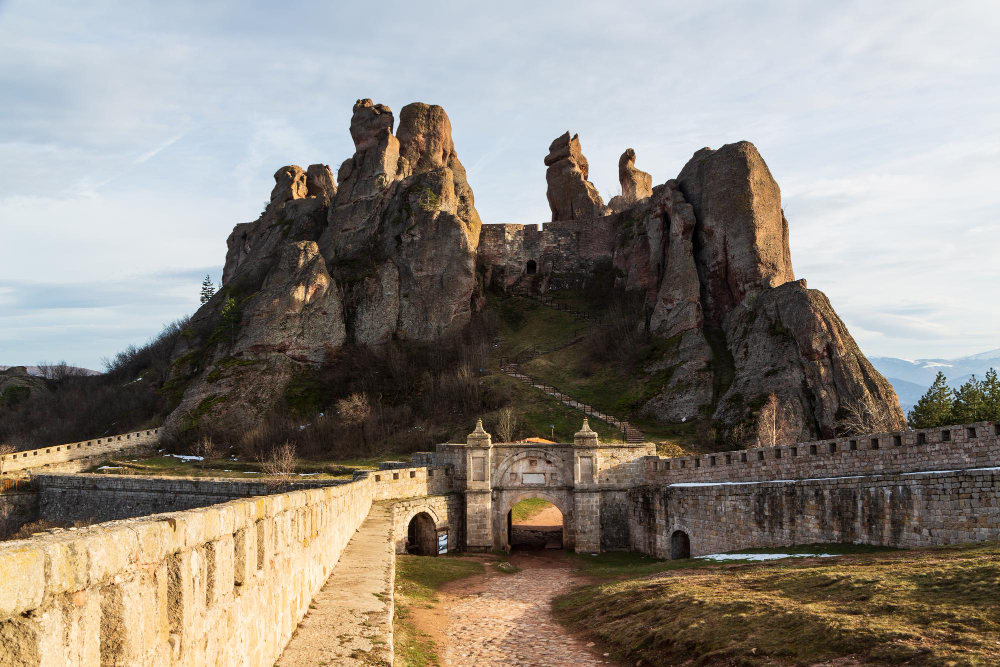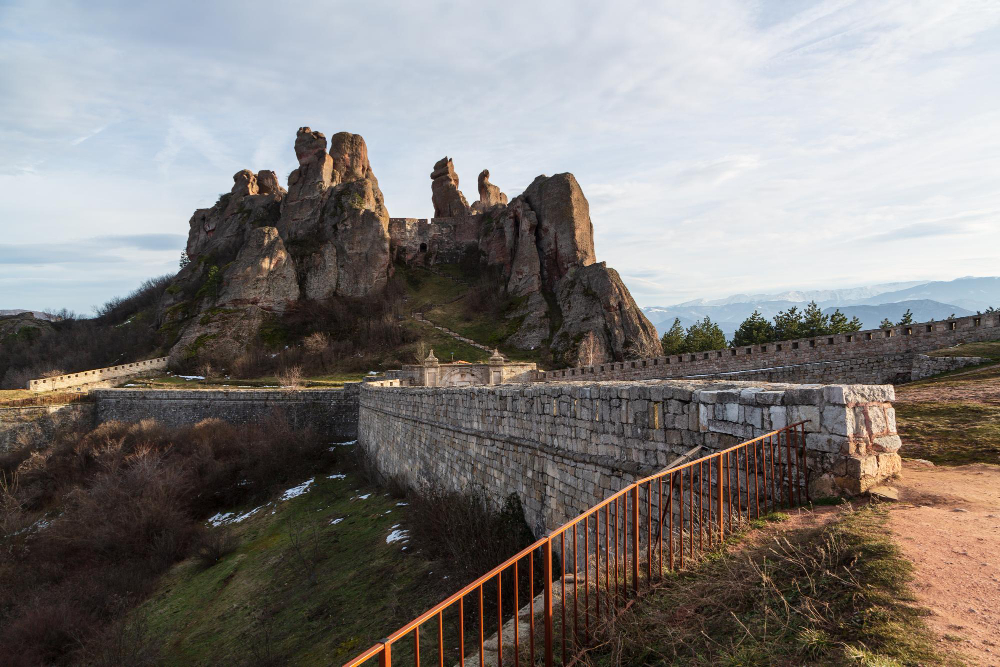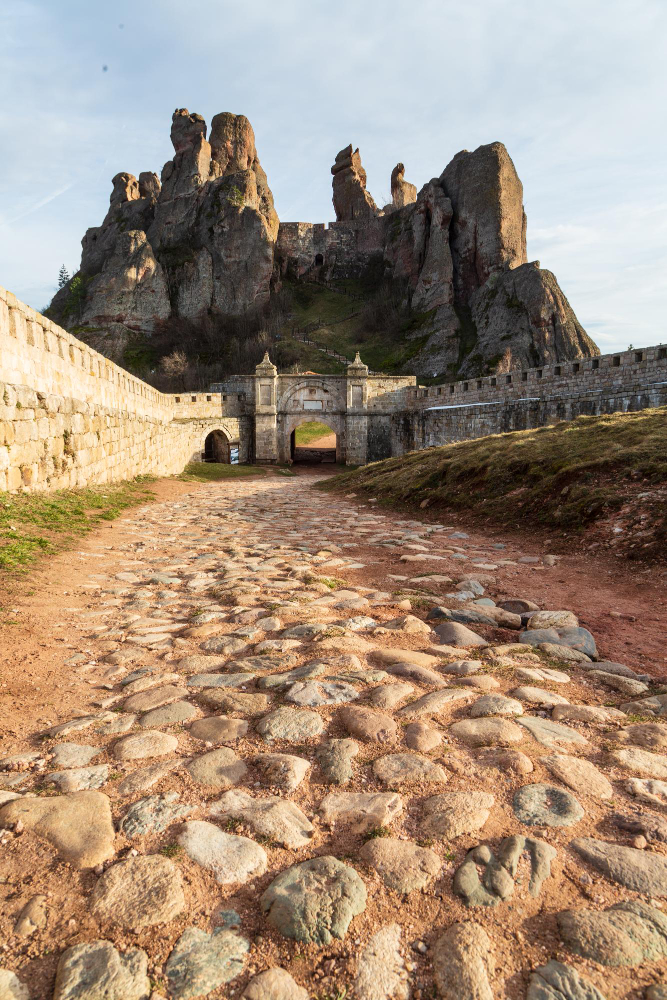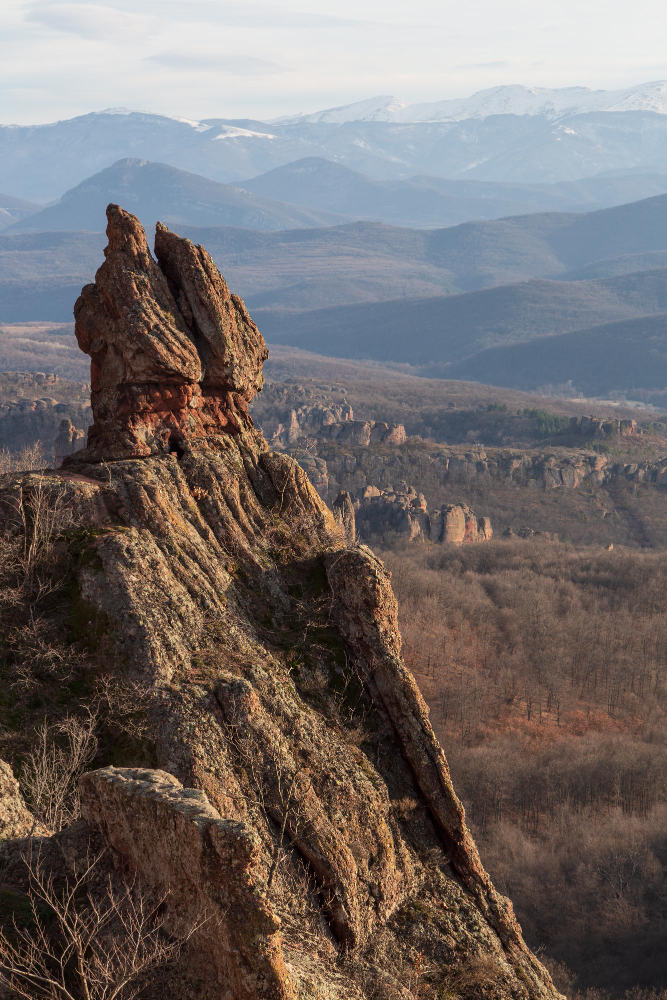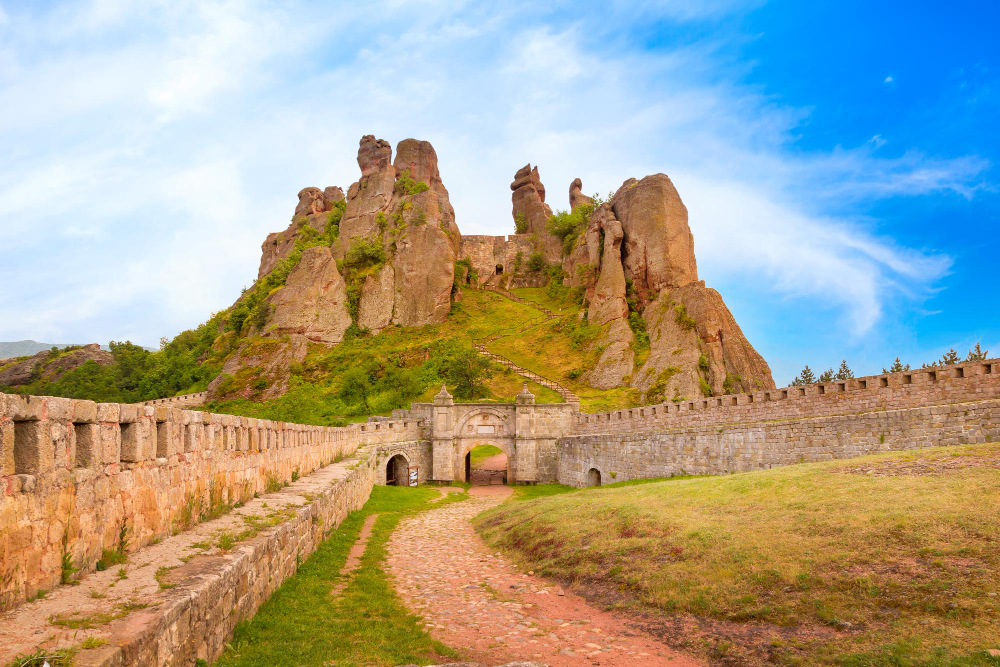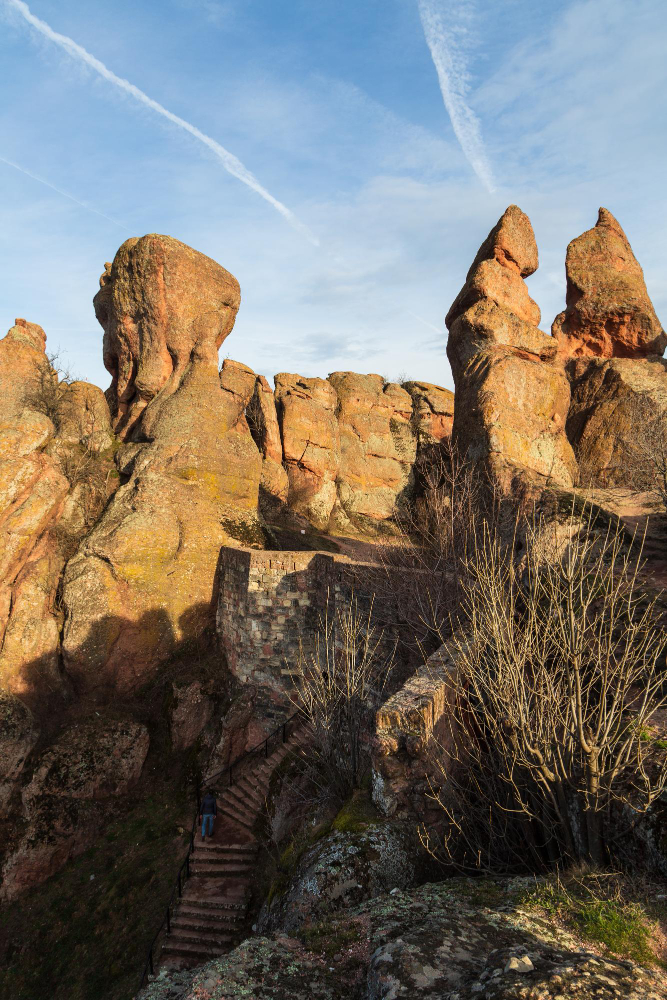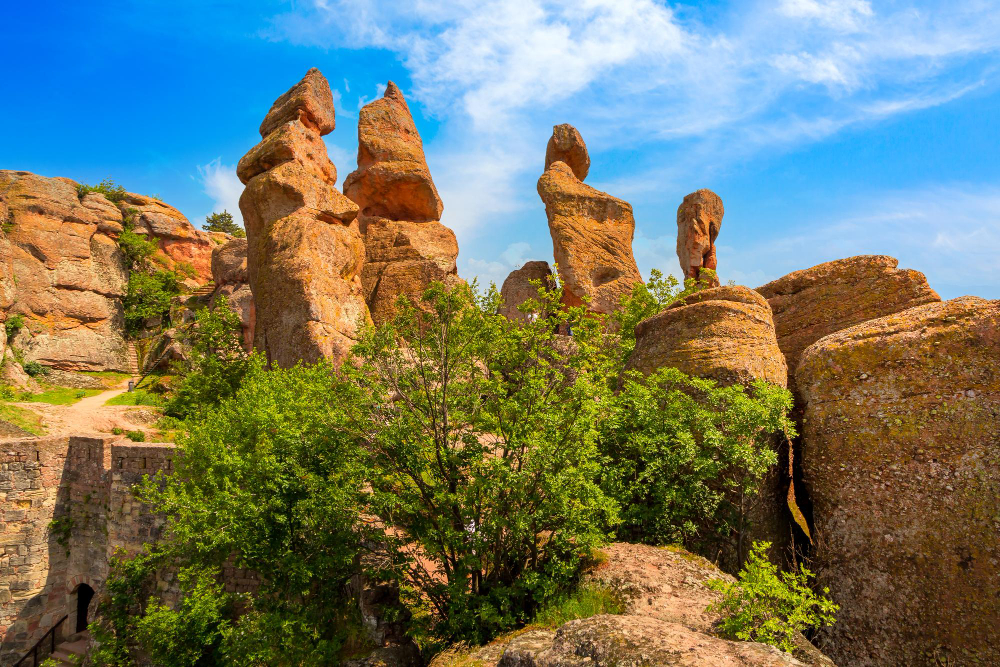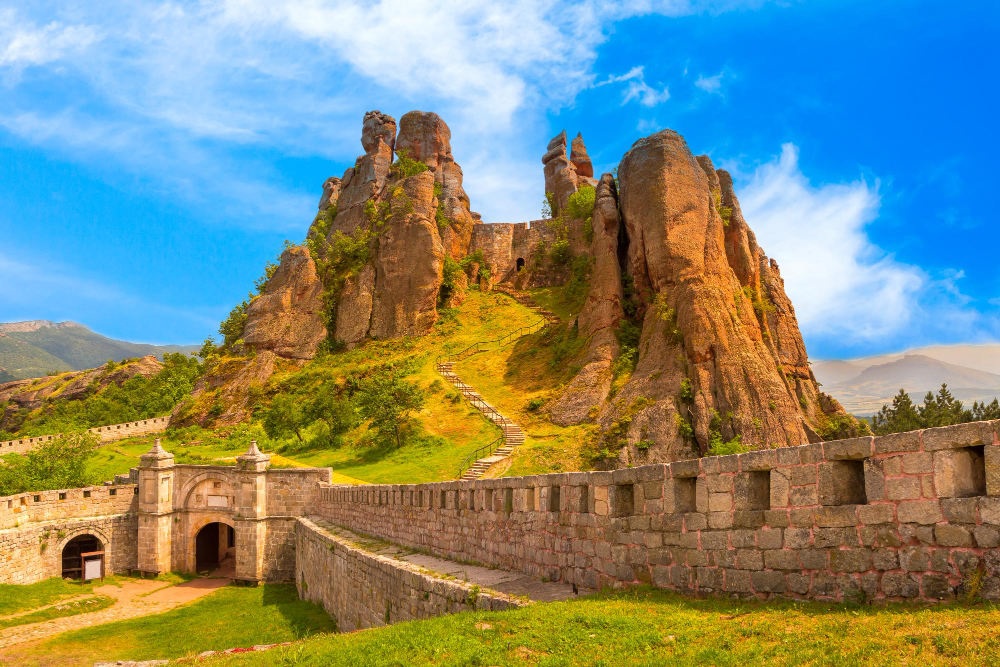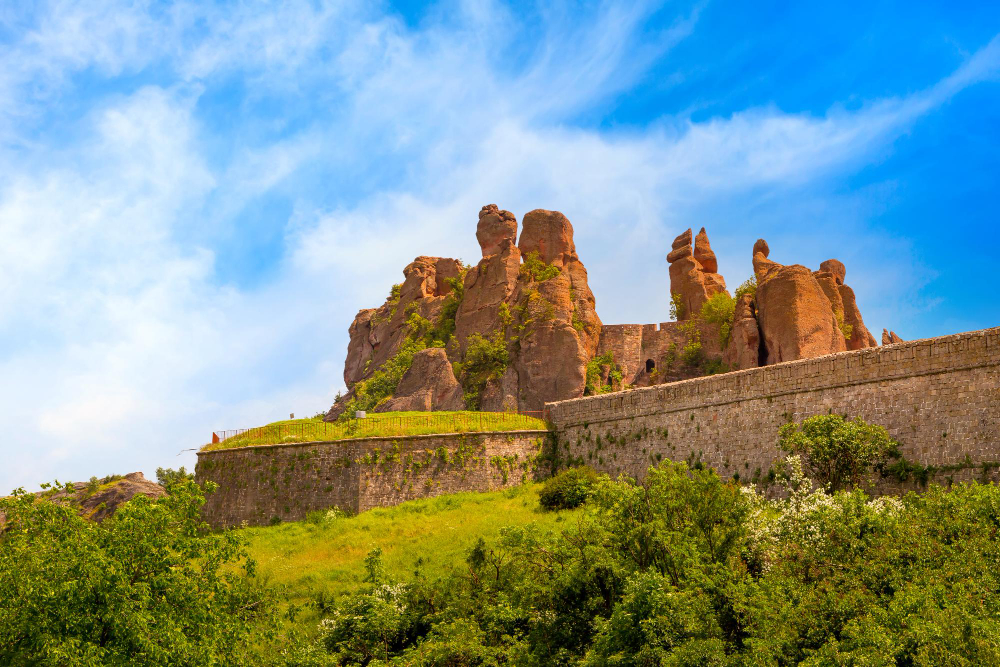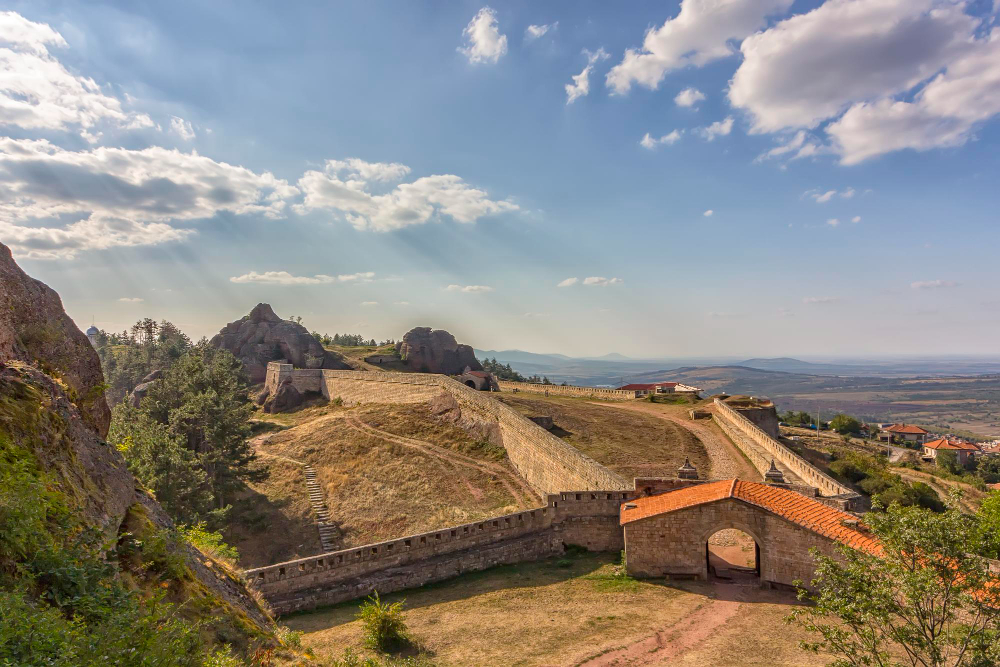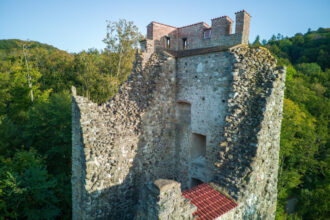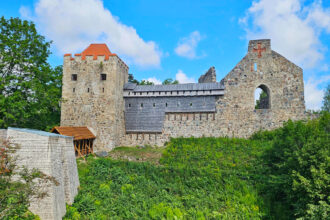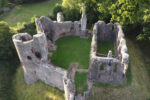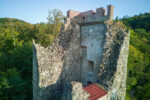

Not far from the northwestern Bulgarian town of Belogradchik stands the majestic Belogradchik Fortress, also known as Kaleto—a name of Turkish origin that simply means “the fortress.” Nestled among the fascinating rock formations of the Balkan Mountains, this cultural and historical gem attracts numerous visitors year after year. The imposing fortress complex is not only considered one of Bulgaria’s best-preserved fortresses but also a national cultural monument that bears witness to an eventful past.
Humble Beginnings: The Roman Era – The history of Belogradchik Fortress dates back to the 1st to 3rd centuries AD, when the region was part of the Roman Empire. Originally, the complex—which at that time was still in its rudimentary form—served primarily for surveillance rather than defense. The natural terrain of the cliffs, which rise up to 70 meters high, provided effective protection against attackers on its own, so fortified walls were erected only at the strategically vulnerable points in the northwest and southeast. Passages from historical sources suggest that the Romans had already built the first structures to use the rock formations as military observation posts. The foundation for what would later become Belogradchik Fortress was laid during this period.
The Bulgarian Renaissance: Ivan Strazimir and the Medieval Expansion – In the 14th century, the fortress underwent a significant expansion under the Bulgarian Tsar Ivan Strazimir. During his reign over the Tsardom of Vidin, he transformed the original Roman complex and adapted it to the needs of his time. Newly built garrisons, as well as wooden bridges and stone staircases, were added to the existing rock formations, improving access to the site. Under Strazimir’s leadership, the fortress developed into one of the region’s most important defensive structures—surpassed in strategic importance only by Baba Vida Fortress in the tsar’s capital, Vidin. A Hungarian chronicler first mentioned the fortress’s name in his annals: He described how Louis of Anjou, during his campaign in 1365—three months after the conquest of Vidin—also besieged Belogradchik and eventually captured it. It did not take long, however, for the Bulgarians to drive out the garrison and recapture the fortress.
Ottoman Influence: Destruction and Reconstruction – With the Ottoman conquest of Bulgaria in 1396, a new chapter began in the history of Belogradchik Fortress. Although the complex was initially destroyed, its strategic location compelled the new rulers to rebuild and even expand it. Especially after 1805, extensive structural changes gave the fortress its current appearance. European architects, including experts from France and Italy, introduced new ideas into the complex’s design, resulting in an interesting fusion of Ottoman and European architectural styles. Massive stone walls made of mortar and rectangular blocks were erected, providing additional protection. Three gun emplacements, each with three cannons, bolstered the fortress’s firepower, while underground storage rooms for ammunition and supplies increased its resilience during sieges. Additionally, a water supply system was installed: rainwater and meltwater were collected in two cisterns, and a well was also available. Within the inner courtyards, granaries, mills, and stables were built to ensure the fortress’s self-sufficiency. These changes gave Belogradchik a distinctive architectural diversity and turned it into a bulwark against potential attackers.
Struggle and Resistance: The Uprisings and Wars of Belogradchik -Political instability and numerous uprisings in the 19th century wrote another dramatic chapter in the fortress’s history. In 1850, it played a decisive role in the Ottomans’ suppression of the Belogradchik Uprising. Even earlier, in 1809, it had briefly fallen into the hands of the Hajduks under Hajduk Velko before they were repelled. In 1862, the western section was expanded to include the so-called Suleiman Fortress in order to further strengthen the defensive works. Yet despite these measures, Russian and Romanian troops succeeded in besieging and capturing the fortress during the Russo-Ottoman War (1877–1878). After the armistice, it was ultimately handed over to the Allies. Its last military use took place during the Serbian-Bulgarian War of 1885—after which it slowly lost its strategic importance and became a historical monument.
The Secrets of Archaeology: A Window into the Past – Archaeological excavations within the fortress have provided fascinating insights into its long history. Foundations, ceramic fragments, iron spear and arrowheads, and coins from the Roman era bear witness to a deep connection to antiquity. Particularly noteworthy are the water cisterns, whose technical sophistication remains impressive to this day: rainwater was efficiently collected and stored via channels and gutters—a system that benefited the fortress during times of siege.
Legends and Myths: Stories from Another World – In addition to its historical significance, numerous legends surround the fortress and the impressive rocks of Belogradchik. One of the best-known tells of a young nun named Vitanya who lived in a nearby monastery. When she fell in love with a horseman and had a child by him, she was cast out. Full of grief and despair, she sought refuge at the fortress, where she was eventually turned to stone as if by magic. To this day, her silhouette is said to be visible in the rocks—a symbol of forbidden love and human suffering. Another story tells of a girl who was in love with a simple shepherd. Her father, a powerful nobleman, however, opposed this union and had the fortress built to protect her from her lover. Nevertheless, the two lovers found their way to each other—a miracle that lives on in people’s hearts to this day.
A Symbol of Bulgarian History – Belogradchik Fortress is more than just a structure of stone and mortar. It is a living testament to Bulgaria’s turbulent history, a place where past and present converge, and a source of numerous myths and legends that capture the imagination of visitors. From its humble beginnings in Roman times to its role in the great wars of the 19th century, it preserves within its walls all those stories that speak of triumph and tragedy. Today, Belogradchik Fortress is a popular destination for tourists from all over the world, drawn not only by its history but also by its impressive landscape and mystical atmosphere. Those who visit the fortress not only discover a piece of Bulgarian culture but also come into contact with the deeply rooted soul of a country shaped by its history.