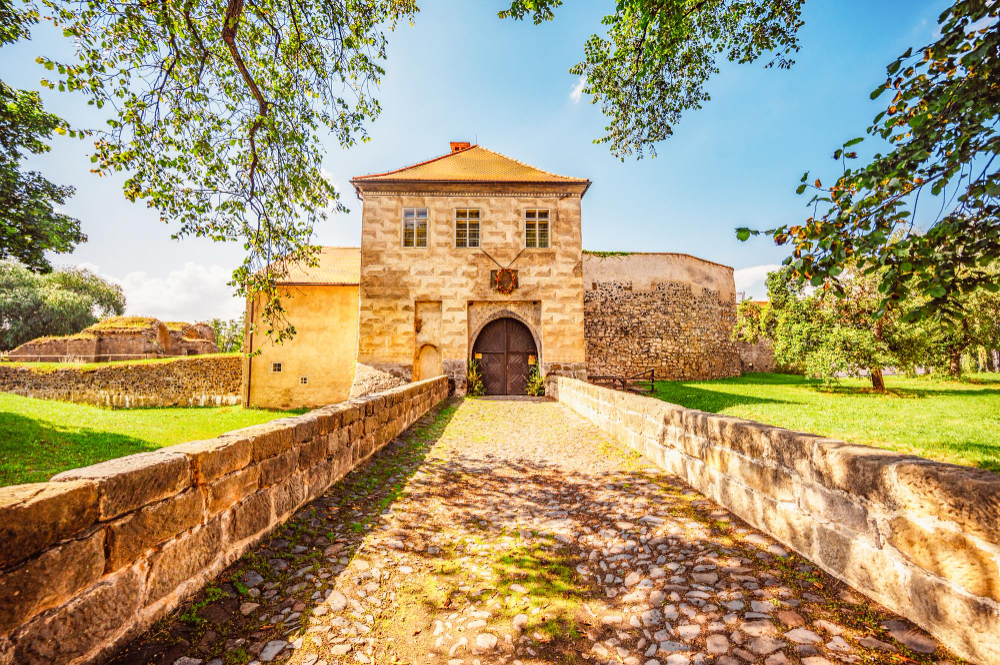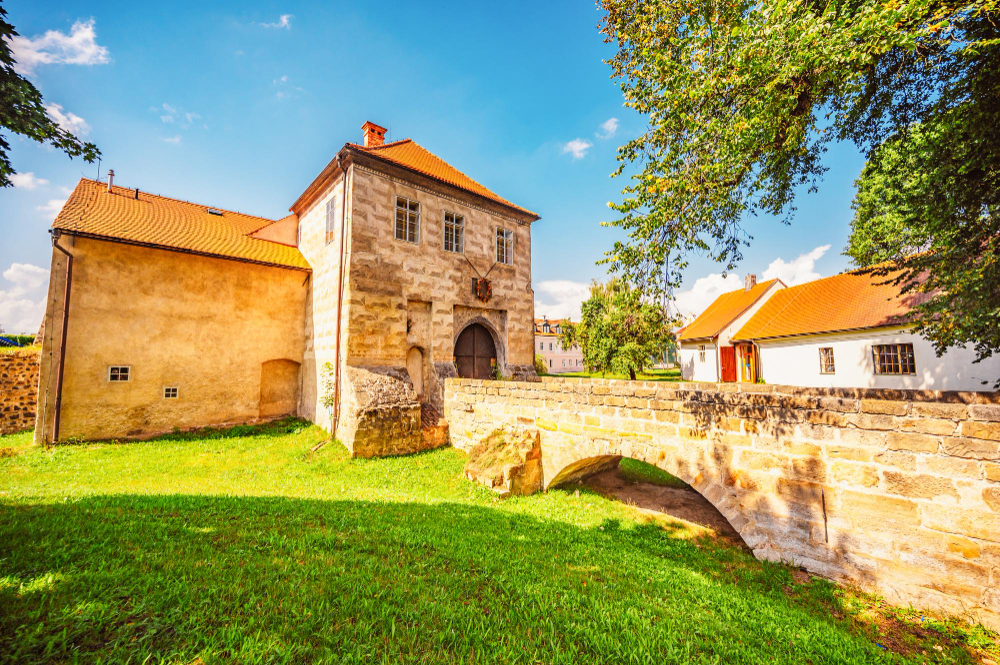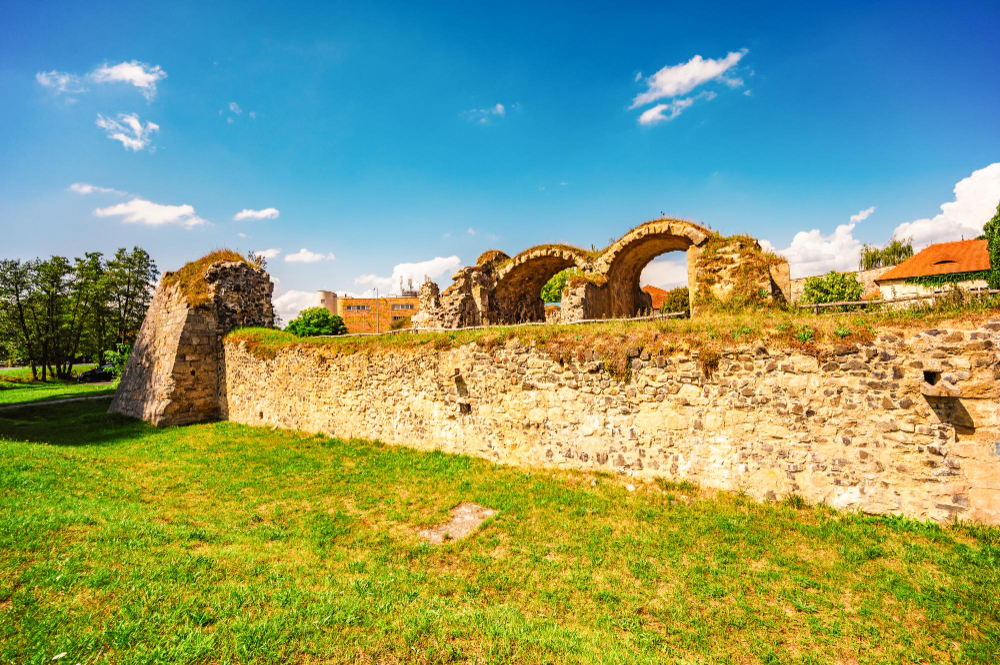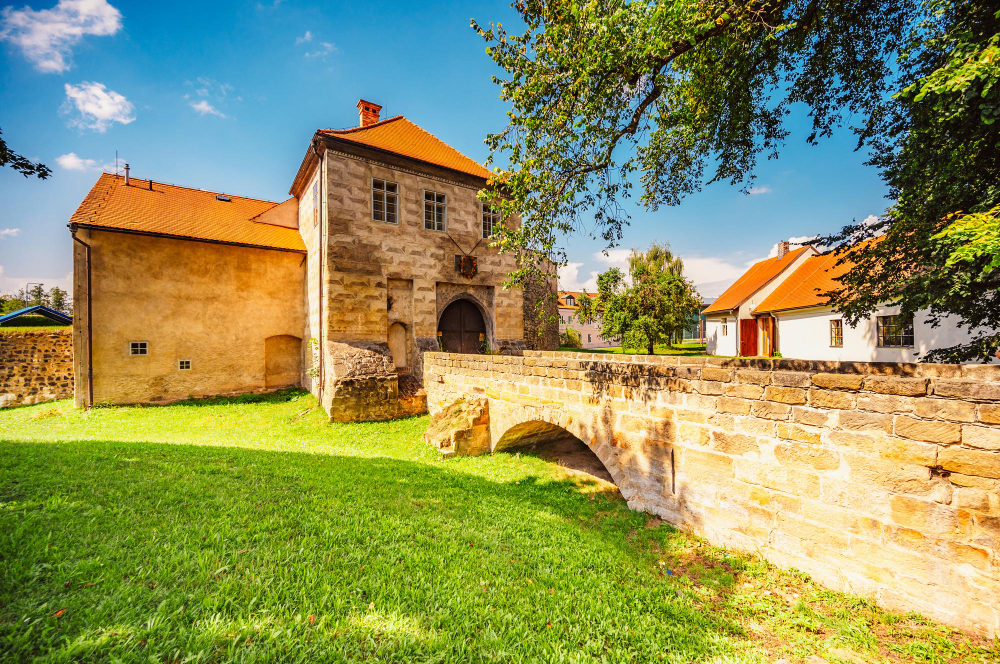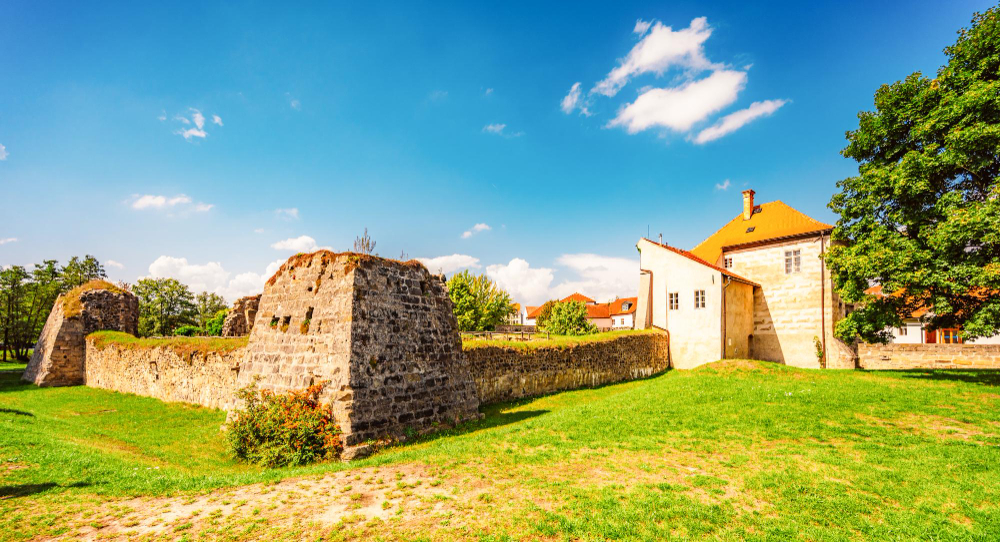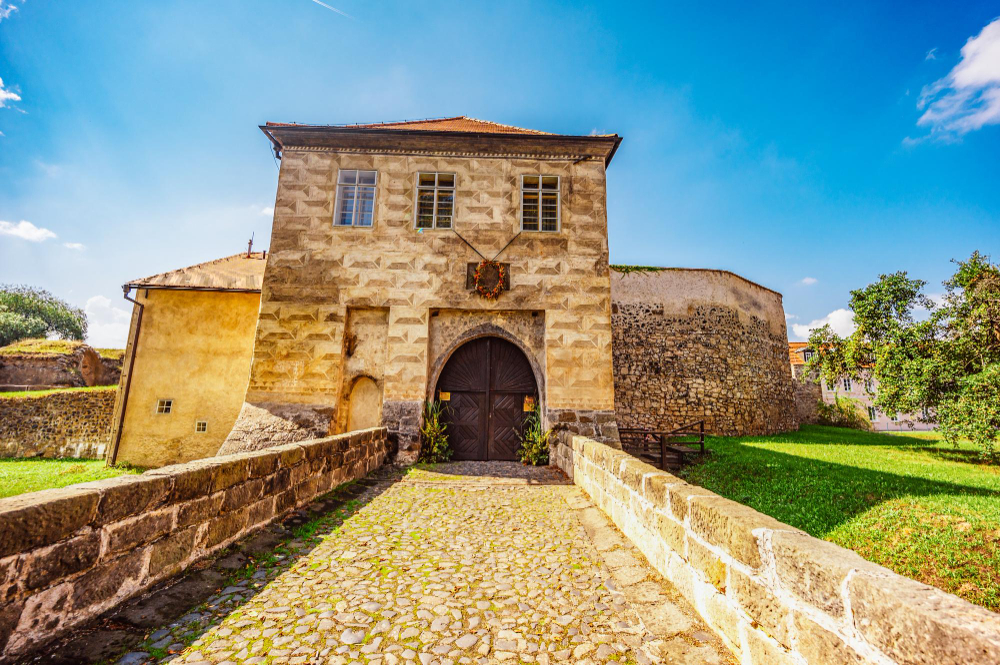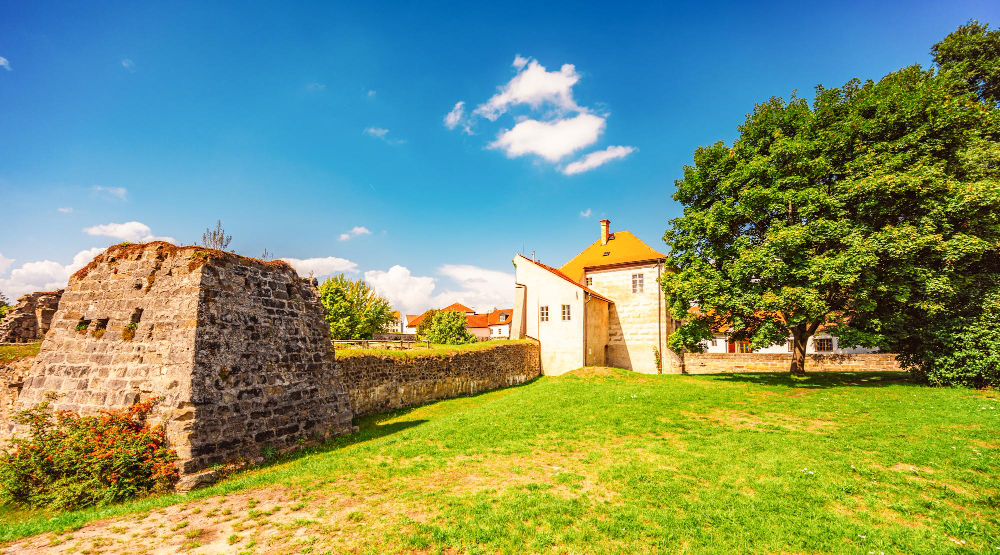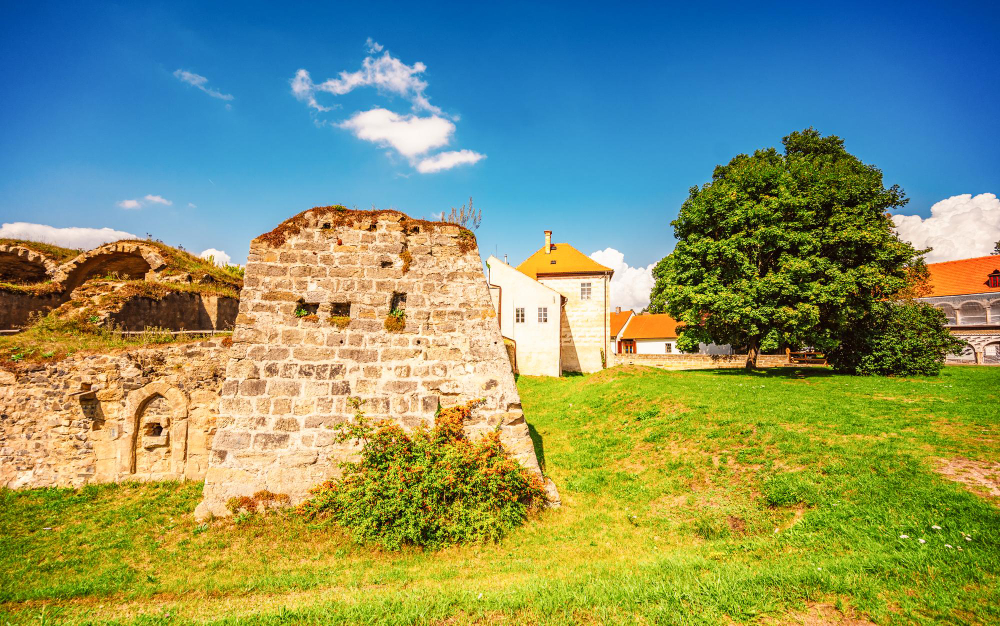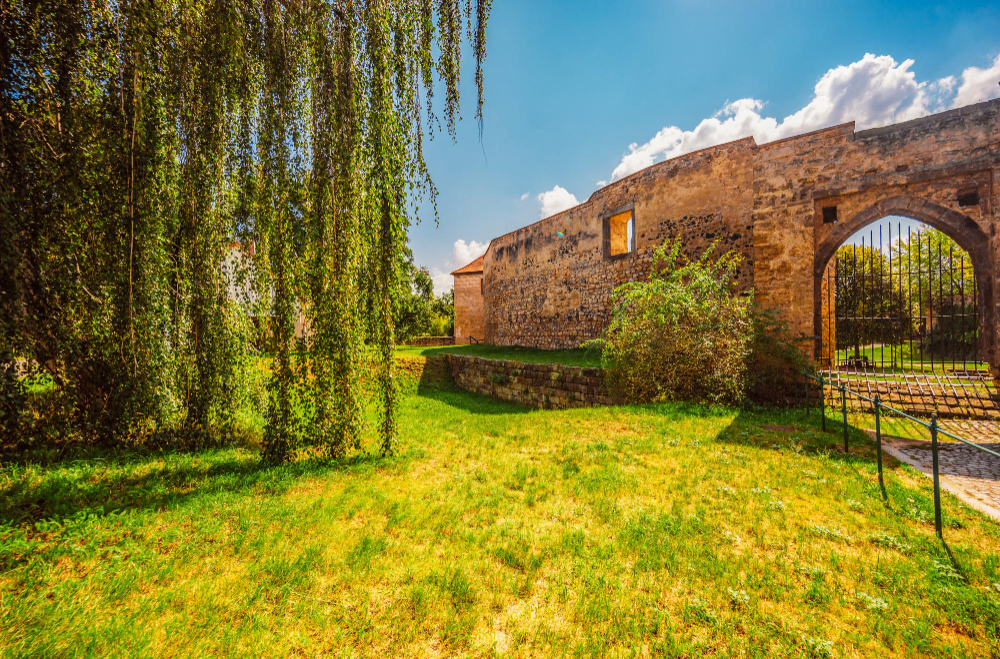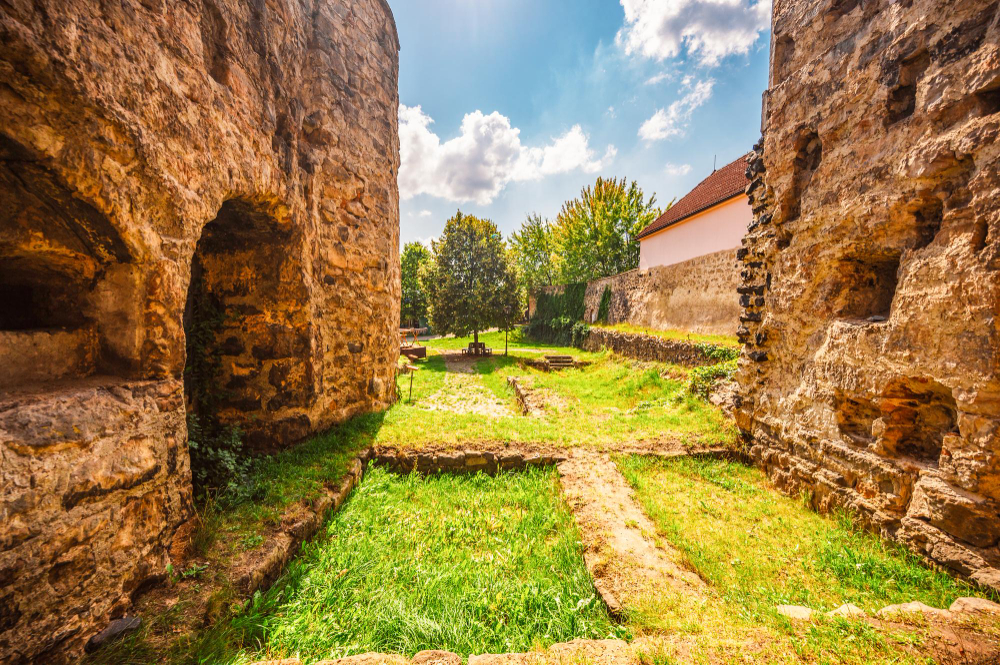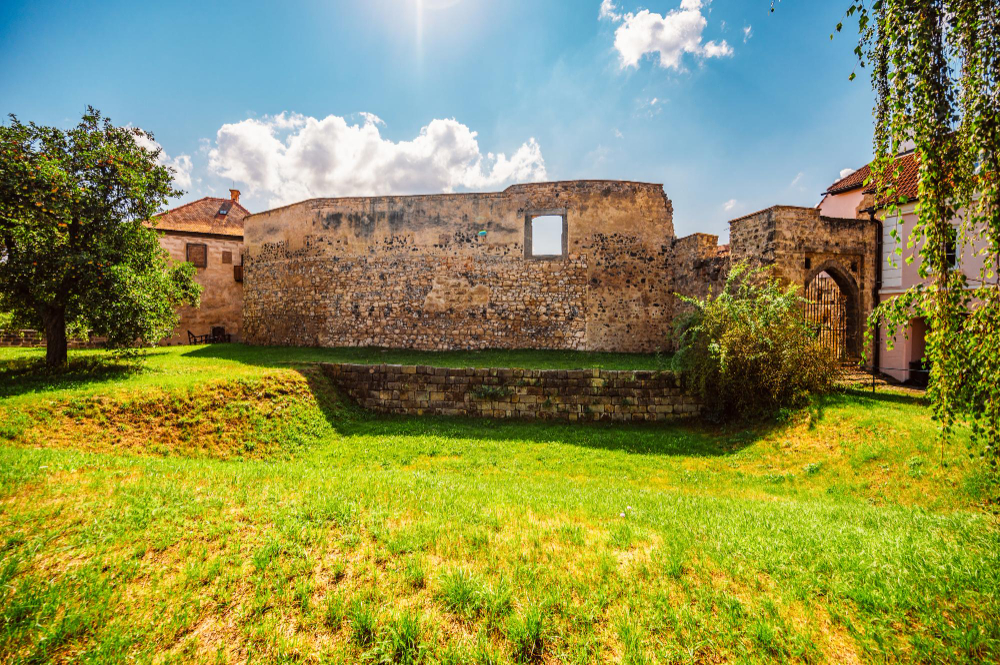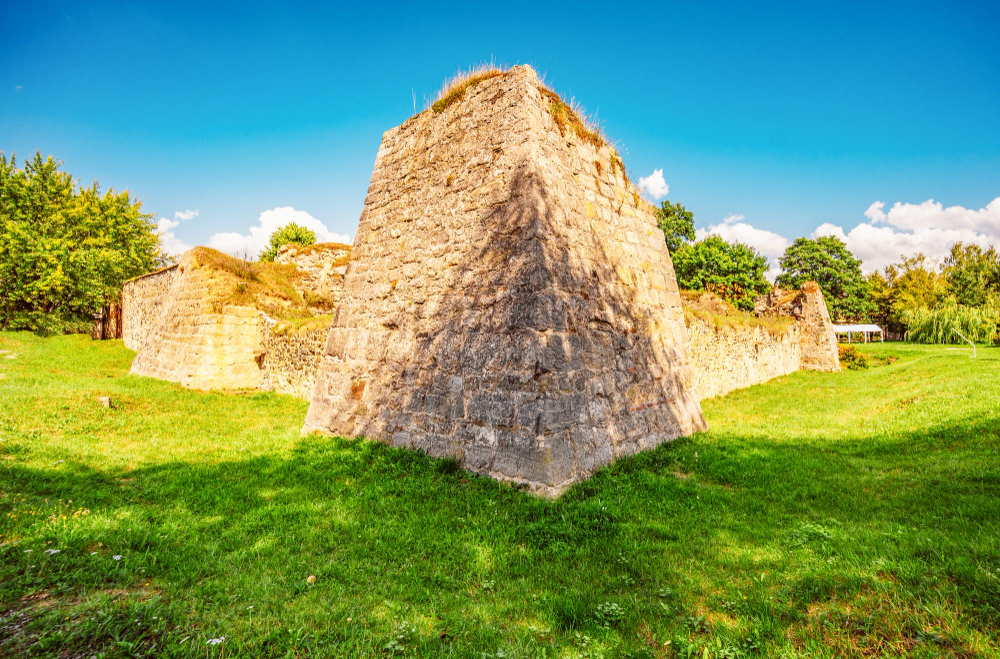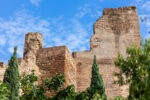

In the heart of the town of Česká Lípa, nestled within the picturesque countryside of the Liberec district, lie the ruins of the once-imposing moated castle of Lipý. A place characterised not only by architectural mastery, but also by myths, tragedies and legends. Today, the castle serves as the town’s cultural centre and, through its preserved walls, tells a story spanning more than seven centuries.
he Beginnings – The Rise of a Fortress – The history of Lipý Castle begins in 1268, when a nobleman named Chval of the Ronovec family had a wooden manor house built on an island between what were then the two arms of the River Ploučnice. Some historians believe, however, that it was his son Čeněk who initiated the construction and later adopted the name ‘von Lipý’. Following Čeněk’s death at the Battle of Marchfeld in 1278, his son Heinrich von Lipé inherited the castle, which had by then been fortified. Heinrich was not only a skilful politician but also a visionary builder. Between 1305 and 1319, he developed the surrounding area, thereby laying the foundations for the town of Česká Lípa as we know it today. The original complex consisted of a wooden residential building. Surrounded by a moat and a palisade, it was protected from intruders. However, the castle soon took on a more substantial form: to the north, a massive round stone tower, known as the keep, was erected. This served not only as a storehouse and shelter, but also as a last refuge in the event of attacks.
The Transition to a Stone Castle – Alterations and Extensions – From 1300 onwards, Heinrich von Lipé carried out a fundamental modernisation of the castle. The wooden palisades were replaced by sturdy, crenellated stone walls, and a stone palace was built in the south-west of the complex. Over the course of the 14th century, the new owners – including members of the influential noble family Berka von Dubá – expanded the fortress with further buildings, such as a second palace and a sanitary tower complex that rose directly above the moat. The Berka von Dubá family not only invested in the architectural development of the castle but also helped it gain new political significance. In particular, the eastern main gate area, which has survived to this day, and the extensive cellar systems bear witness to their influence. During their rule, Lipý became a strategically important fortress and a symbol of the family’s power.
Destruction and Reconstruction – The Hussite Wars – However, the tranquillity and splendour of the castle were shattered by the unrest of the 15th century. In May 1426, the fortress fell to the Hussites under the command of Jan Roháč of Dubé. It was plundered and burnt to the ground before being used briefly as a military base. After the war ended, the castle returned to the possession of the Berka family. Yet the conflicts left lasting scars, and the once-proud complex increasingly lost its military and symbolic significance.
From Renaissance Palace to Ruin – The Kounic Family Era – The 16th century heralded a new phase for the castle. The Berkas decided to transform the medieval walls into a Renaissance palace. A new palace was built, and ornate details such as decorated arches and a picturesque stone fountain impressed visitors. Yet the complex’s political and economic significance gradually waned. With the extinction of the original owners, the palace passed into the hands of various families until it was finally taken over by the Kounic family in the 18th century. The Kounics endeavoured to preserve the complex, but a devastating fire in 1820 destroyed large parts of the castle as well as the neighbouring town. This marked the beginning of its final decline. In the decades that followed, the building was almost entirely stripped for building materials or used for other purposes. Towards the end of the 19th century, a sugar refinery was even built on the site, causing further damage to the already badly affected building.
Dark Days – Its Use in the 20th Century – In the 20th century, the castle’s history was no less tragic. During the Second World War, the ruins were used as storage areas and accommodation for prisoners of war and forced labourers, including many French and Russian citizens. After the war, the site remained in a deplorable state. Attempts to partially restore or secure the complex, however, frequently failed due to a lack of financial resources or a lack of interest. A particularly harrowing episode occurred in 1957, when the city council decided to completely demolish the southern palace complex. Instead of properly preserving the remaining structures, they were simply blown up. What remained was little more than a pile of rubble and the memory of a glorious past.
Hope and Culture – The Renaissance of the Ruins – In the 1990s, hope for the revival of the ruins finally began to emerge. Between 1995 and 2003, a comprehensive archaeological survey was carried out, and restoration work began. By the end of 2008, around 35 million crowns had been invested to secure the remaining parts of the castle and make them accessible to visitors. Some rooms have been fitted out with exhibition materials that vividly illustrate the history of the castle and the region. Today, the ruins serve as a venue for cultural and social events, including the popular ‘Českolipské slavnosti’ and the Passion Plays. Guided tours are also offered regularly, taking guests through the rich and eventful history of the site.
A symbol of change and continuity – Lipý is more than just a picturesque tourist attraction. It is a living monument to the traces left by history and the passage of time in our surroundings. It tells not only of knights and nobles, but also of the dark chapters of war, the highs and lows of human ingenuity, and the challenges of decay and rebirth. With the support of local organisations and the Institute of National Cultural Heritage, this centuries-old site has not only been saved but also transformed into a vibrant part of the community. The establishment of a textile printing centre and regular cultural events demonstrate how historical sites can be successfully integrated into modern society.
The ruins of Lipý remain a fascinating window into the past of the Česká Lípa region. Their walls tell stories of wars and intrigues, of architects and visionaries. At the same time, they symbolise the power of human commitment, which can save even seemingly dilapidated buildings and breathe new life into them. Today, Lipý invites visitors to immerse themselves in history and experience the atmosphere of a bygone era – a must-see for history buffs and culture enthusiasts alike.