
The Château de Montsoreau, a Renaissance architectural masterpiece and a historic landmark, stands majestically on the banks of the Loire. Yet this château is more than just a testament to times gone by – it tells a story of intrigue, art and legends that have made its reputation known far beyond the Pays de la Loire region. Let us delve into a history full of twists and discoveries that have shaped this unique building.
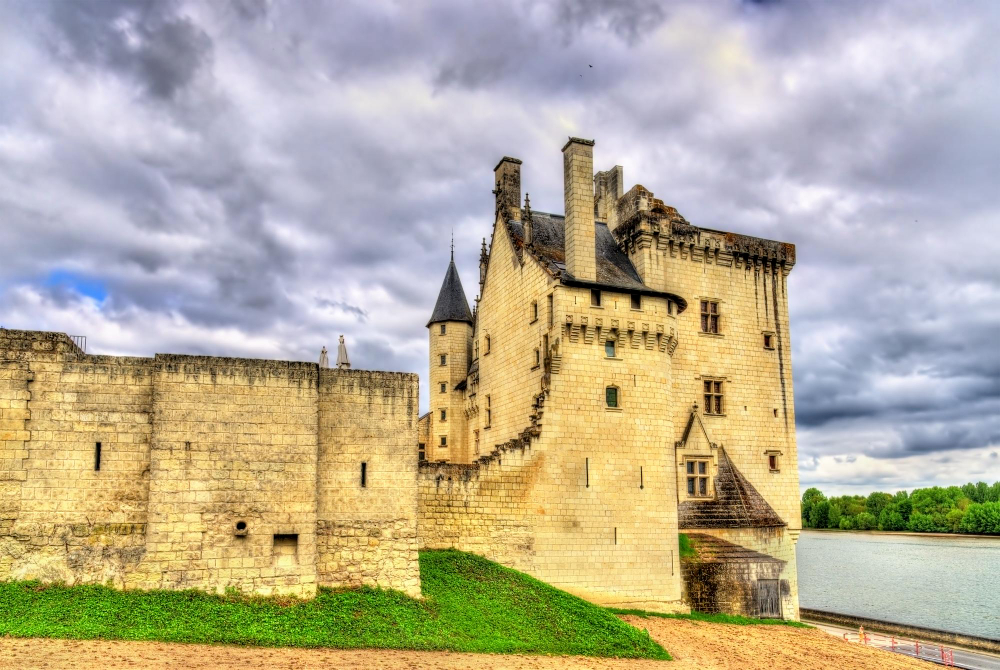
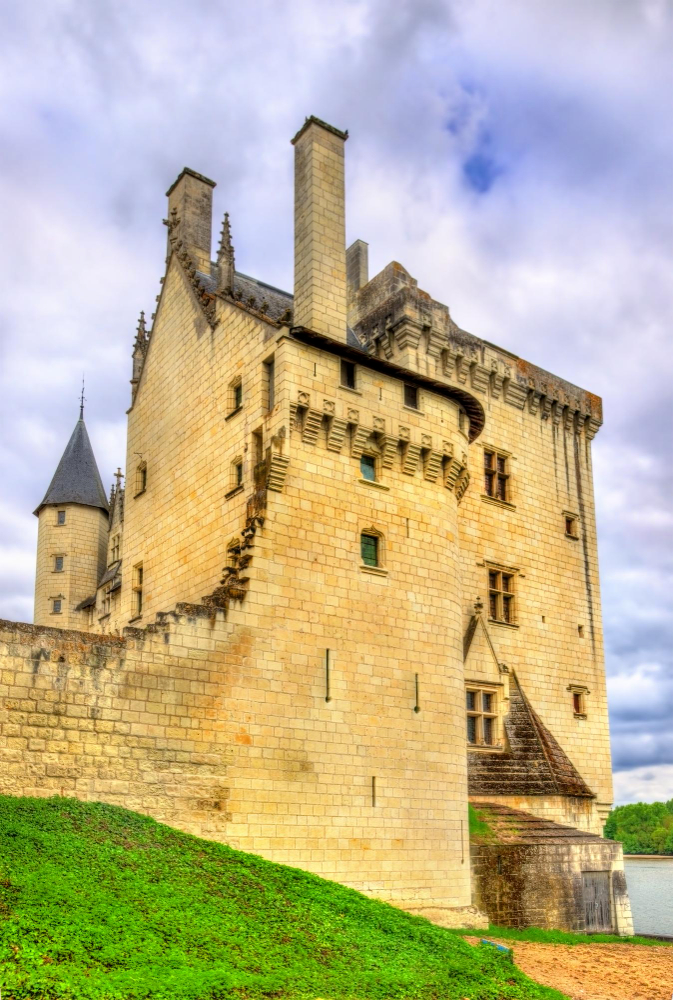
A castle on the water: an architectural gem – Montsoreau Castle is the only one of the famous Loire castles to have been built directly in the riverbed of the Loire. This rare location on the water’s edge not only makes it an imposing sight, but also gave it a key role in the defence and control of strategic trade routes. The castle stands in the charming little village of Montsoreau, not far from other cultural centres such as Saumur, Chinon and Fontevraud-l’Abbaye. The château was built in the mid-15th century by Jean II de Chambes, a close confidant and diplomat of the French King Charles VII. It replaced an older building that stood on this significant site and served both as a fortress and as a residence for the elite of the time. Its strategic position along the road between Chinon and Saumur made it indispensable for controlling the region. The castle’s architecture combines elements of medieval fortifications with elegant Renaissance details. Whilst the outer walls give the impression of fortification at first glance, the inner courtyard reveals a more refined style: the eastern stair tower with its ornate decorations, as well as the embellished roofline of the main wing, bear witness to the artistic ambition of its builders. Particularly impressive are the original beamed ceilings and the monumental fireplaces, which still adorn the interior today.
From its heyday to decay: the castle’s eventful history – Following the French Revolution, Montsoreau Castle went through a period of decline. It was divided amongst several owners, and its magnificent rooms eventually served only as storage spaces or dwellings for ordinary people. Neither the passage of time nor neglect, however, could prevent its ultimate decline. Despite its waning significance in the real world, the château remained alive in the imagination of many people – above all thanks to Alexandre Dumas’ famous novel The Lady of Monsoreau. The work, which tells a dramatic story of love, jealousy and betrayal, played a significant part in preserving the château in the collective memory. It was this literary connection that sustained interest in the building over the centuries. In the late 1990s, the Maine-et-Loire department recognised the building’s cultural and historical value and took it over to carry out extensive restoration work. In 2001, the renovated château was reopened under the theme Les imaginaires de Loire (The Imaginary Worlds of the Loire), with the aim of reviving the region’s magic.
A New Era: Art and Culture at Montsoreau Castle – A turning point in the castle’s recent history came in 2015, when the French art collector Philippe Méaille took a 25-year lease on the property. Méaille, known for his extraordinary collection of radical conceptual art, established the Montsoreau Castle – Museum of Contemporary Art here. Since its opening in 2016, it has become a magnet for art lovers from all over the world. The decision to create a museum of modern and contemporary art in such a historic building may seem unusual at first. Yet it is precisely this combination that gives the château its special character: here, the past and the present converge in a fascinating way. Artistic contributions, multimedia installations and temporary exhibitions transform the ancient walls into a vibrant hub of cultural exchange.
Mysticism and Legends: The Name Montsoreau and Its Origins – The etymological origin of the name Montsoreau, first documented in Latin form in 1086, also holds a special appeal. The term “Mons” (mountain) refers to the rocky promontory that rises in the middle of the Loire riverbed, upon which the original fortress was built. The second part of the name, “Sorello” or “Sorel”, is less clear-cut and gives rise to speculation. Some historians suggest a connection to a person, whilst others believe it may allude to the geographical features of the surrounding area. These linguistic mysteries contribute just as much to the castle’s mystical aura as the stories associated with it. It is said that the Loire once lapped directly against the castle walls and was channelled around the central courtyard via man-made moats. This moat, now dry, stands as a silent testament to the close connection between the castle and the river. Furthermore, the castle’s battlement still offers a spectacular view of the surrounding landscape: the glistening Loire winding its way through the vineyards, and the picturesque rooftops of the village of Montsoreau. This vantage point is not only a photographic highlight, but also striking evidence of just how much this castle has shaped its surroundings – and vice versa.
A UNESCO World Heritage Site with enduring splendour – Montsoreau Castle has been officially recognised as a historic monument since 1862 and became part of the UNESCO World Heritage Site ‘Loire Valley’ in 2000. This distinction highlights the inestimable value of the region and its buildings, which exemplify the cultural development and landscape design of the Renaissance. Today, the château serves not only as a museum and monument, but also as a meeting place for artists, historians and travellers drawn to its beauty and versatility. With regular events, cultural programmes and workshops, it remains a vibrant place of learning and inspiration.
A place between the past and the future – Montsoreau Castle is more than just a historical monument – it is a symbol of the symbiosis between art and history, nature and culture. Through its restoration and its visionary use as a museum, it has found a new identity without forgetting its roots. Whether as a setting for romantic literature, a refuge in times of uncertainty or a modern centre for contemporary art: at Montsoreau, the traces of the past are skilfully woven together with the possibilities of the present. Anyone with a passion for history, architecture or art will experience a fascinating journey here – through the centuries, along the Loire and right into the heart of French culture.