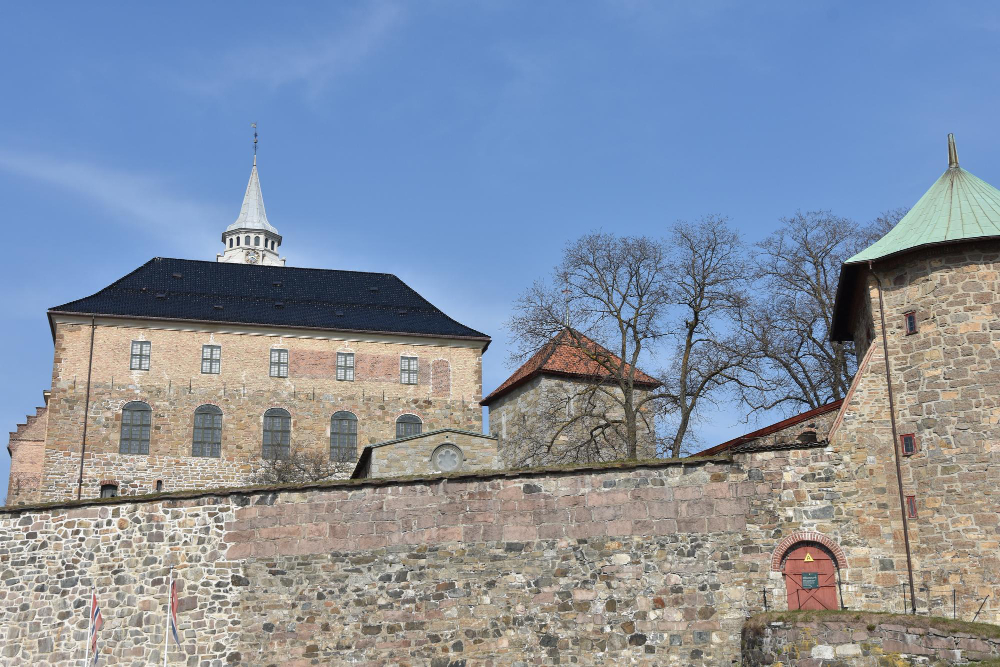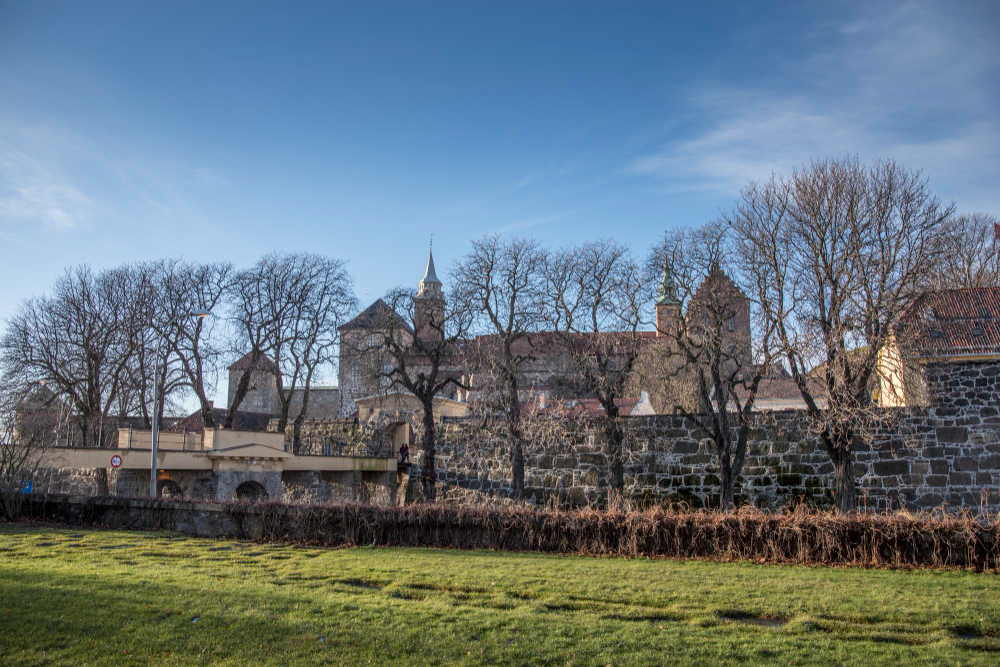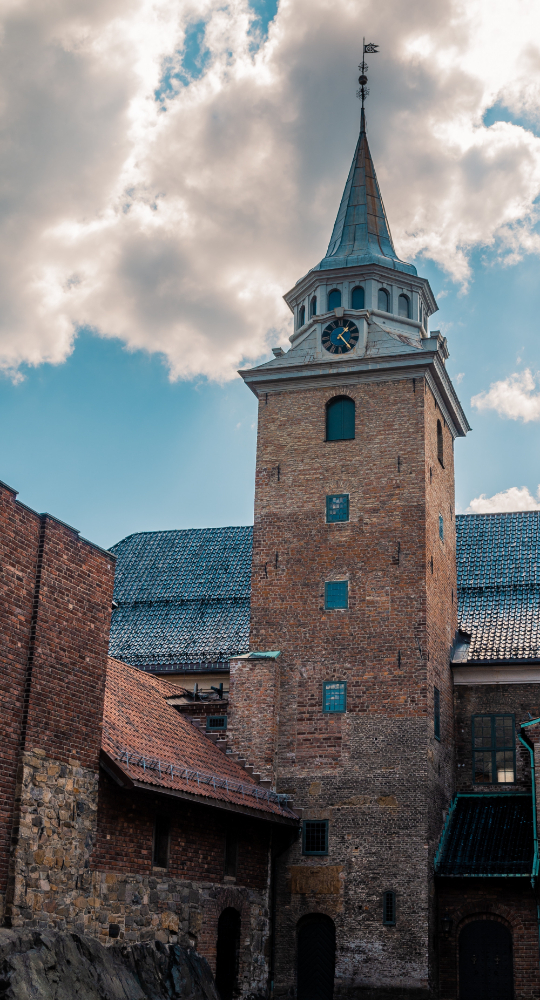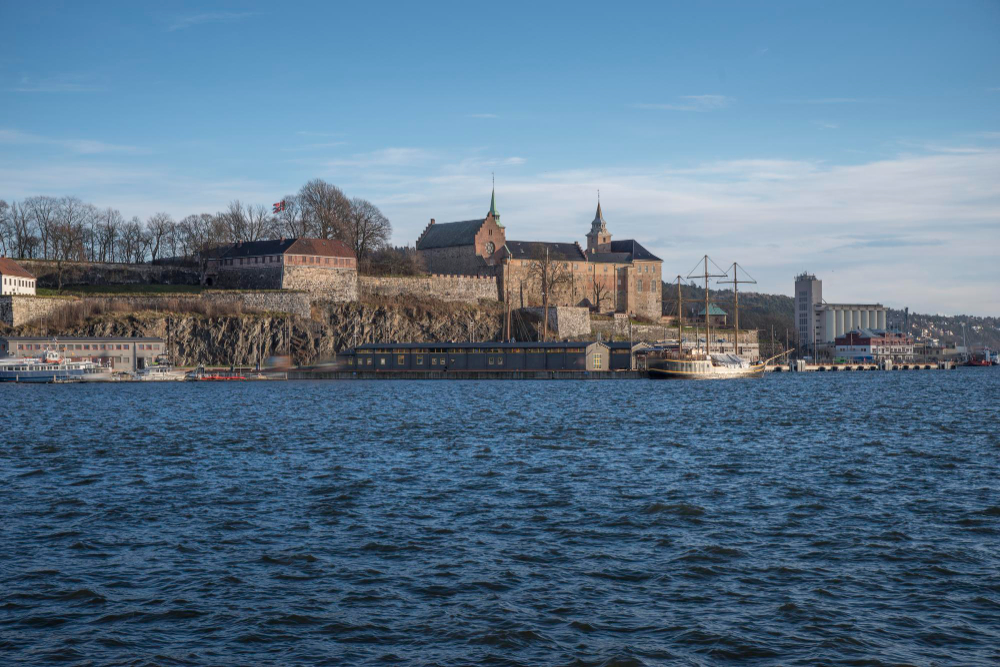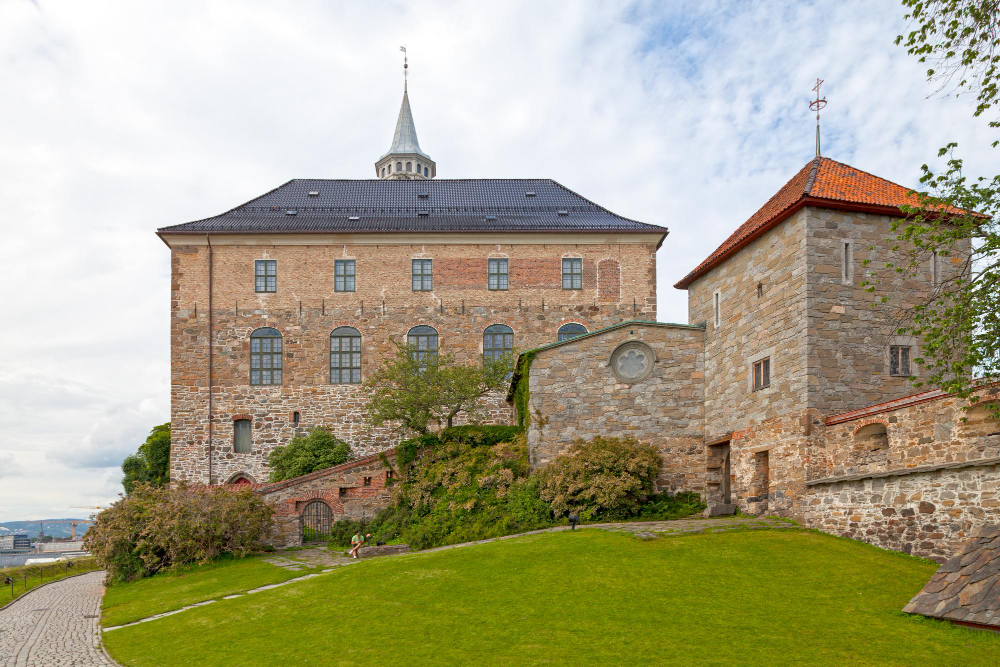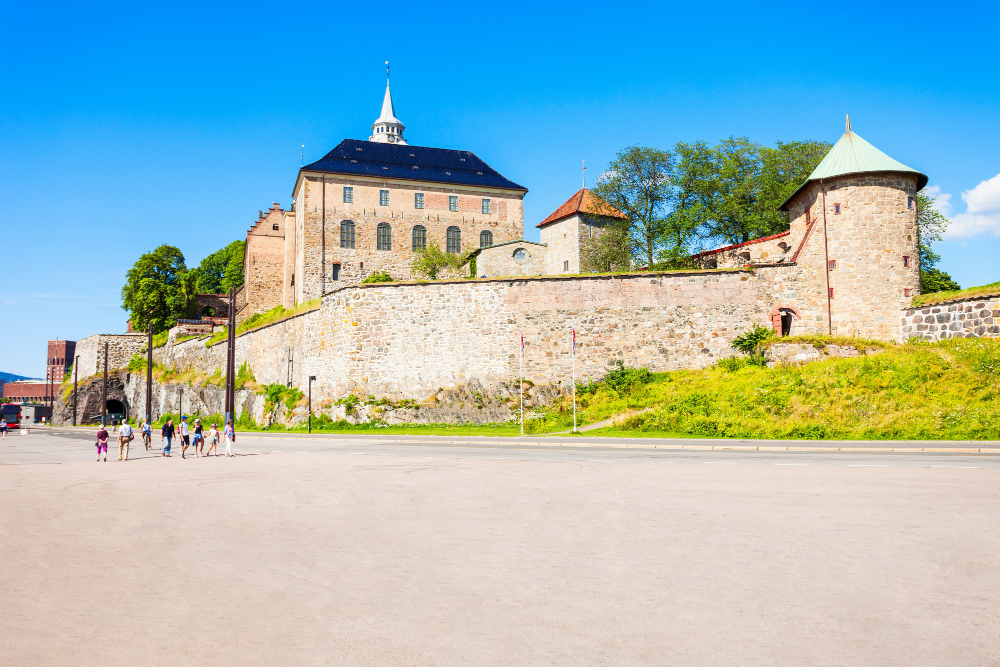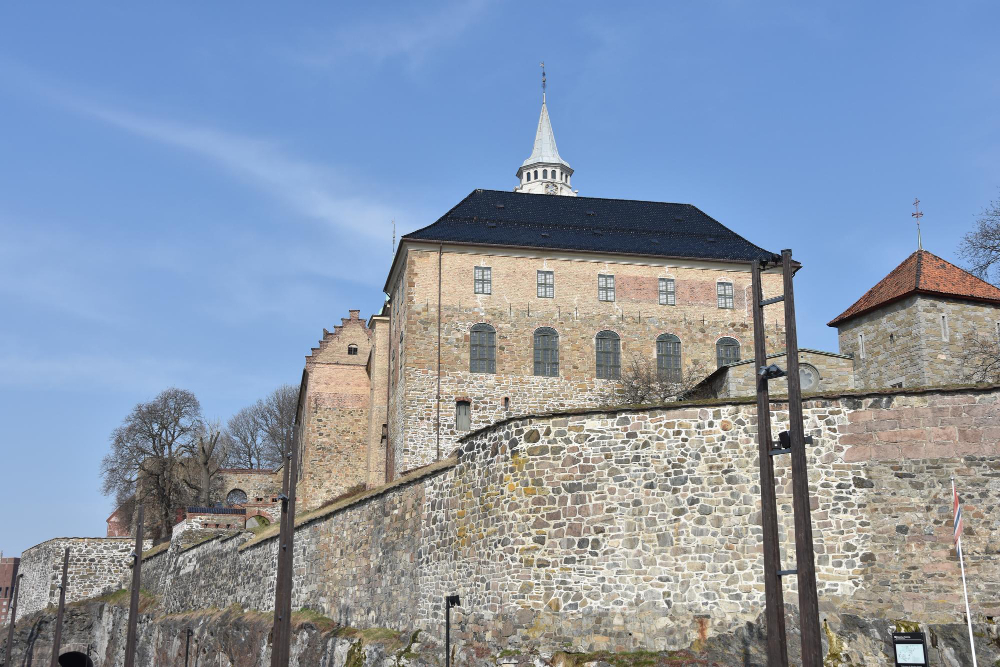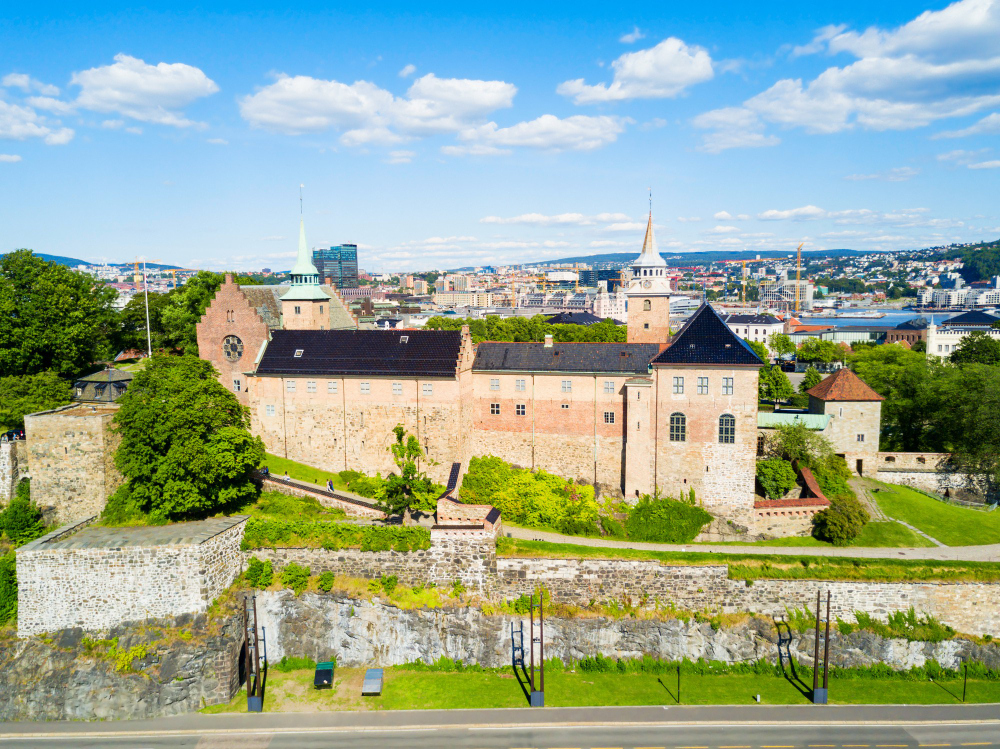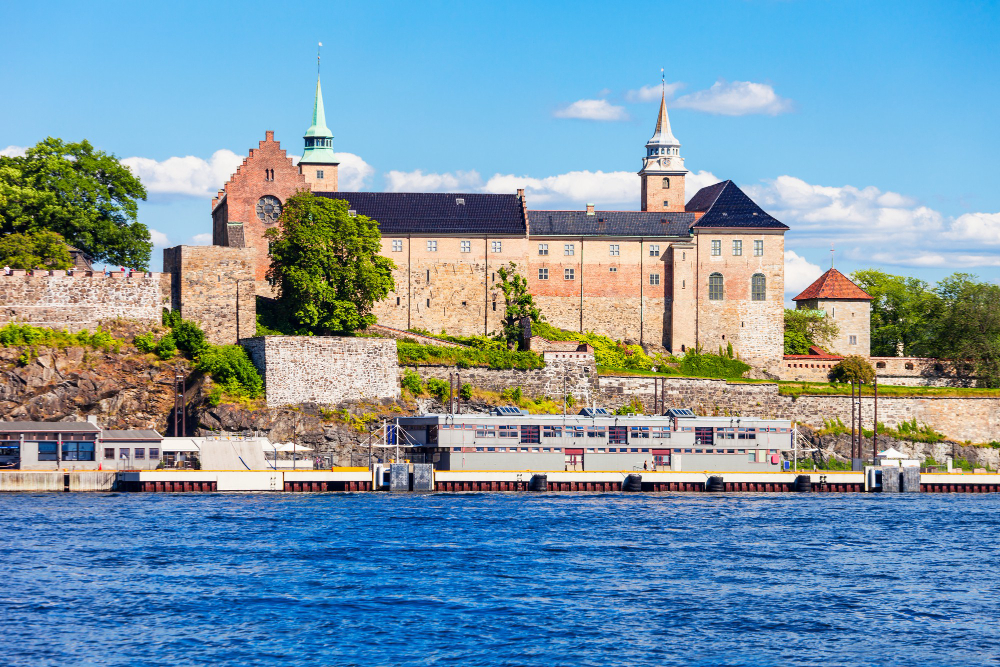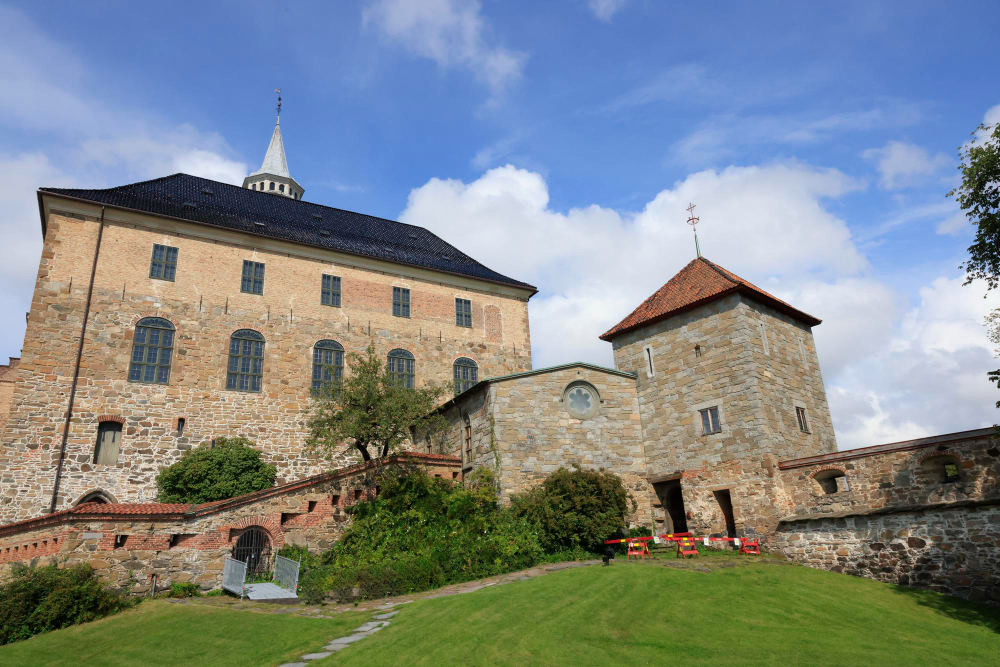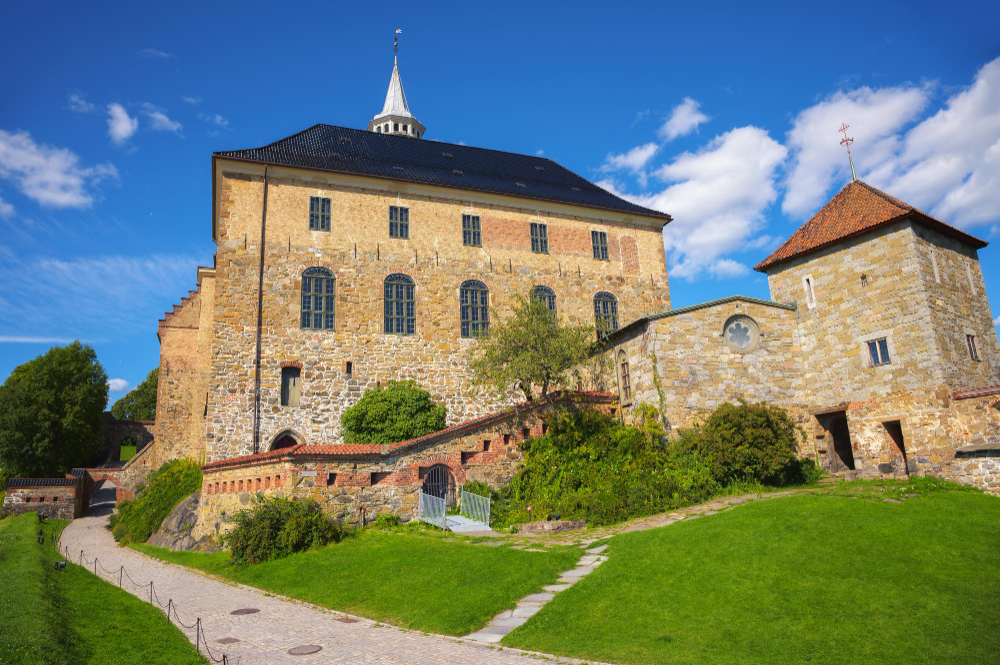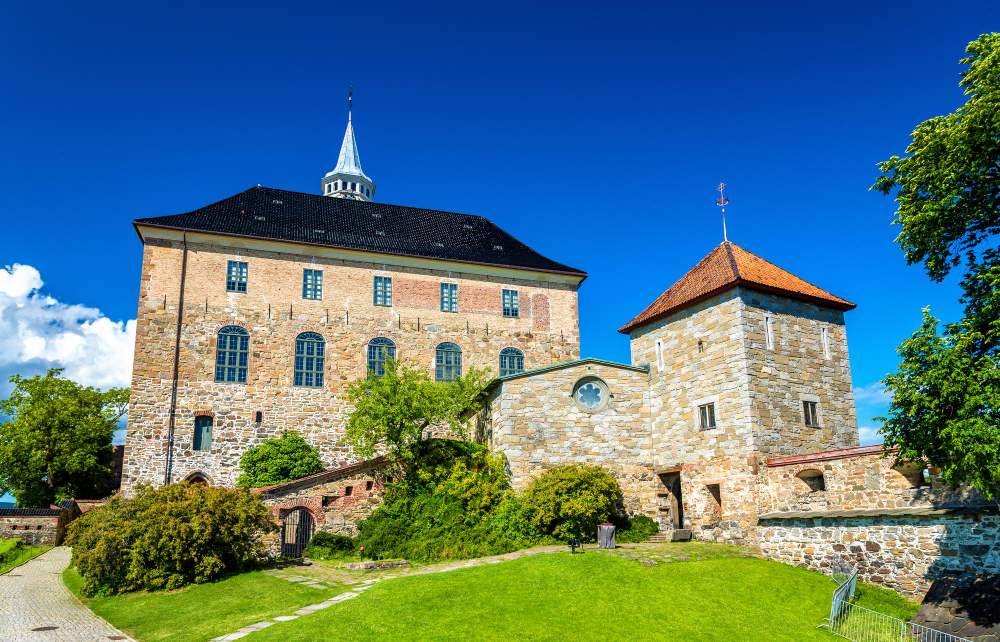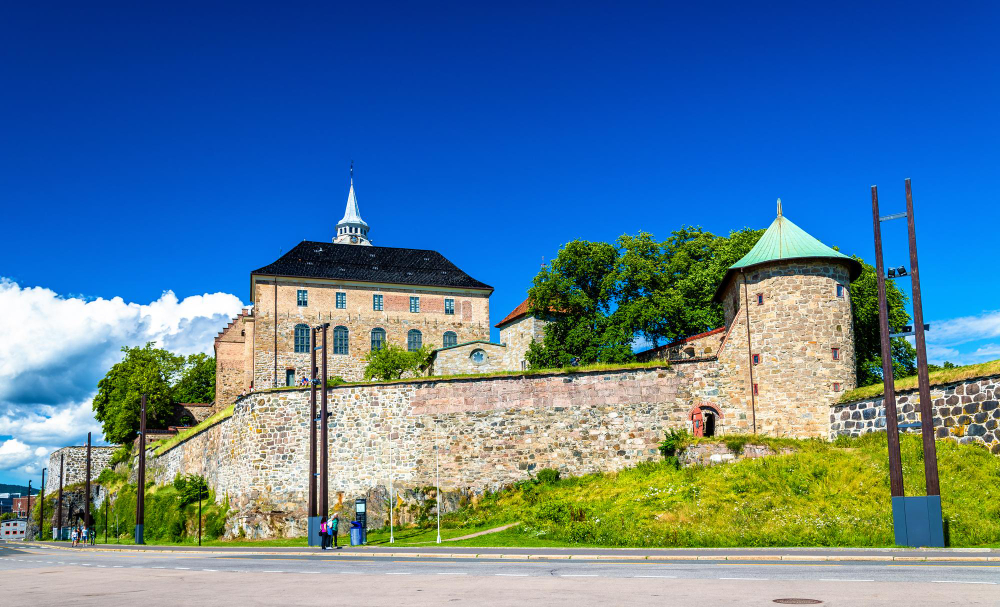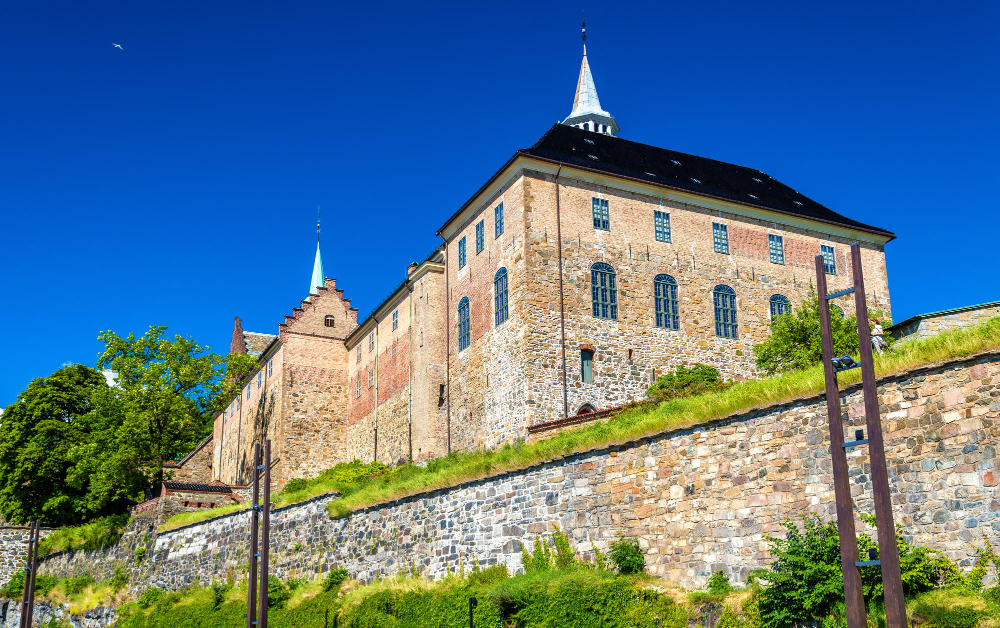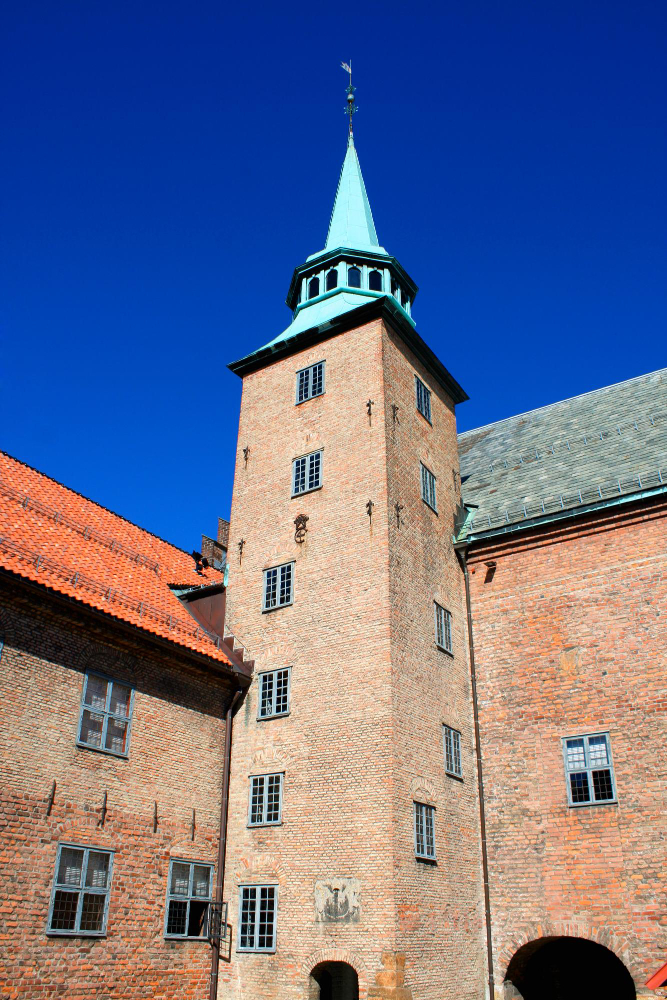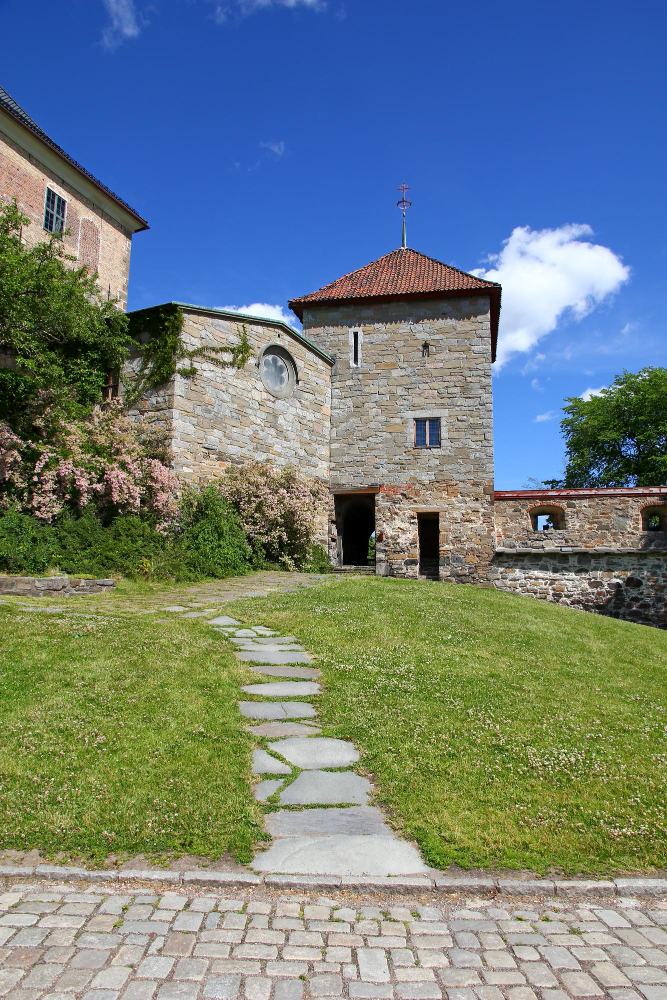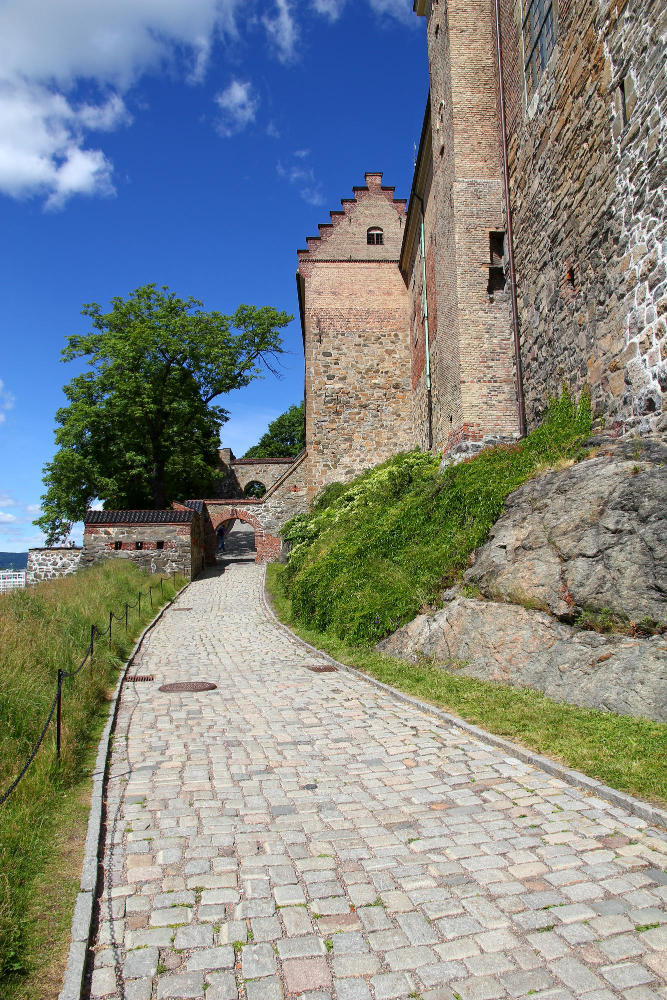

With its mighty walls, strategic location, and a history spanning more than seven centuries, Akershus Fortress towers majestically over the city of Oslo. This historic complex, which once provided protection against enemy attacks, is today a significant symbol of Norwegian identity and culture. The fortress has weathered battles, housed kings, and endured dark times as a feared state prison. Yet behind its stone facade lie not only stories of glory and suffering, but also myths and legends that have been part of Norwegian folklore for centuries.
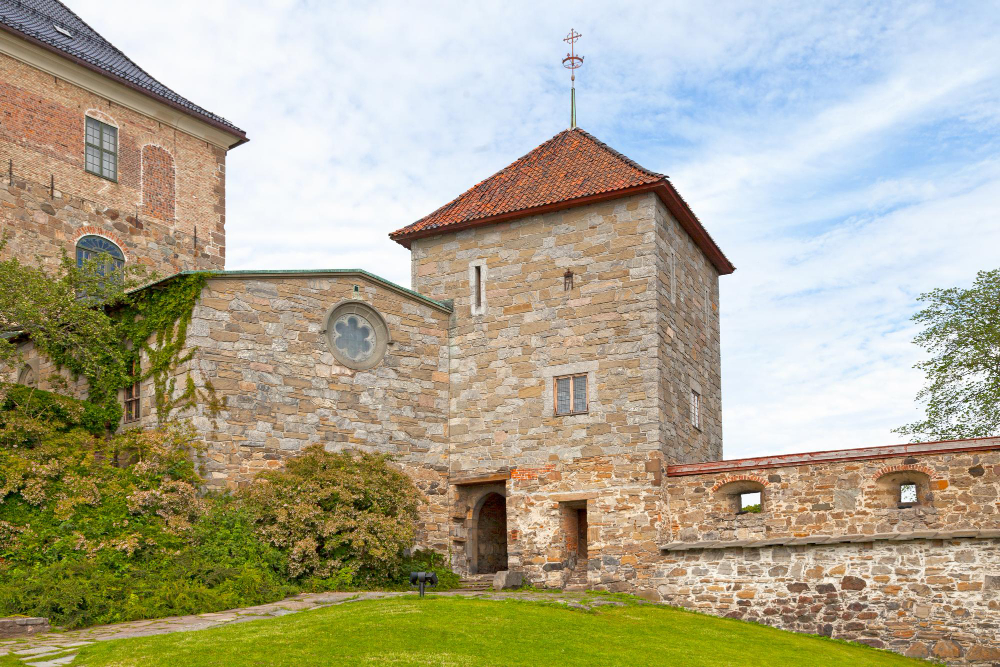
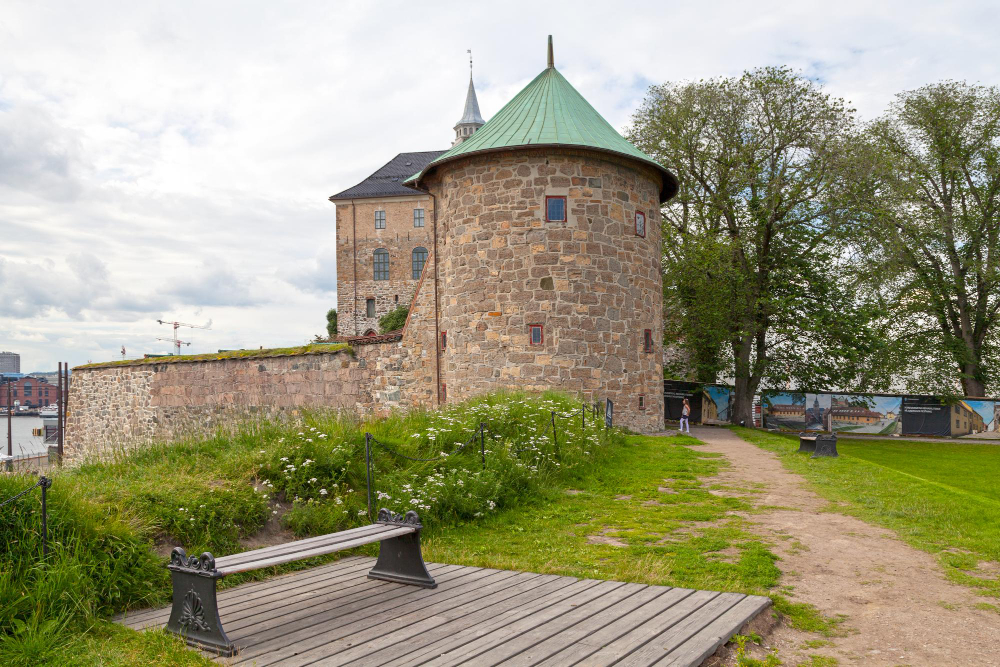
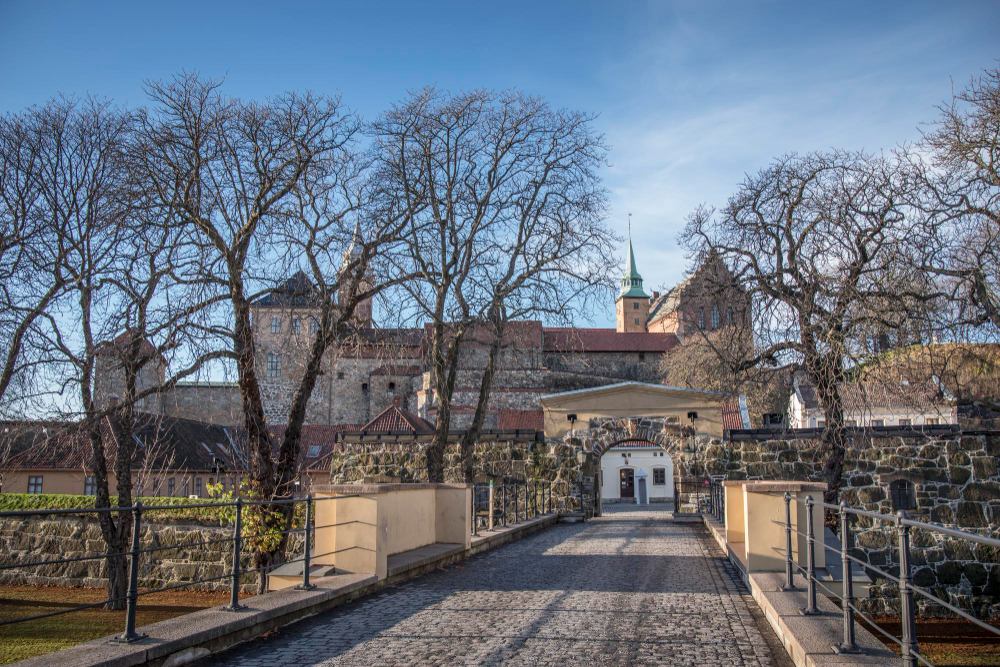
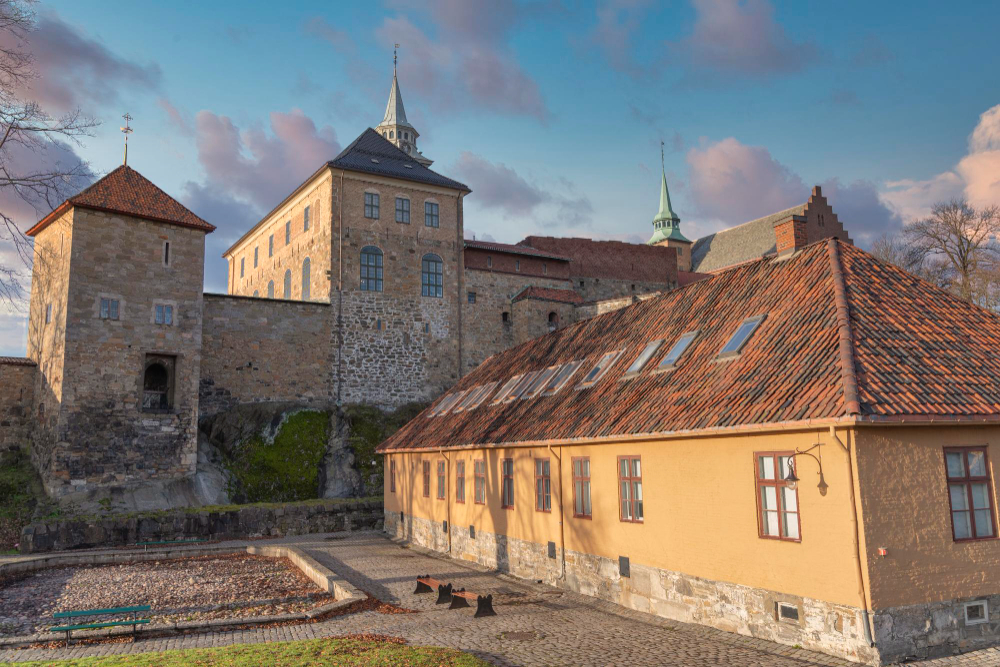
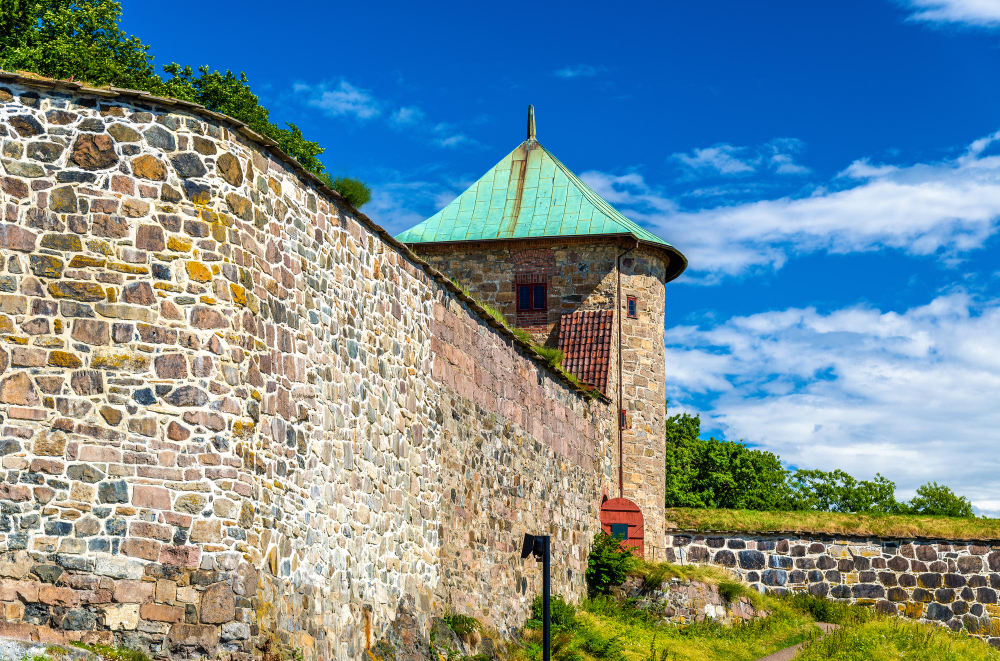
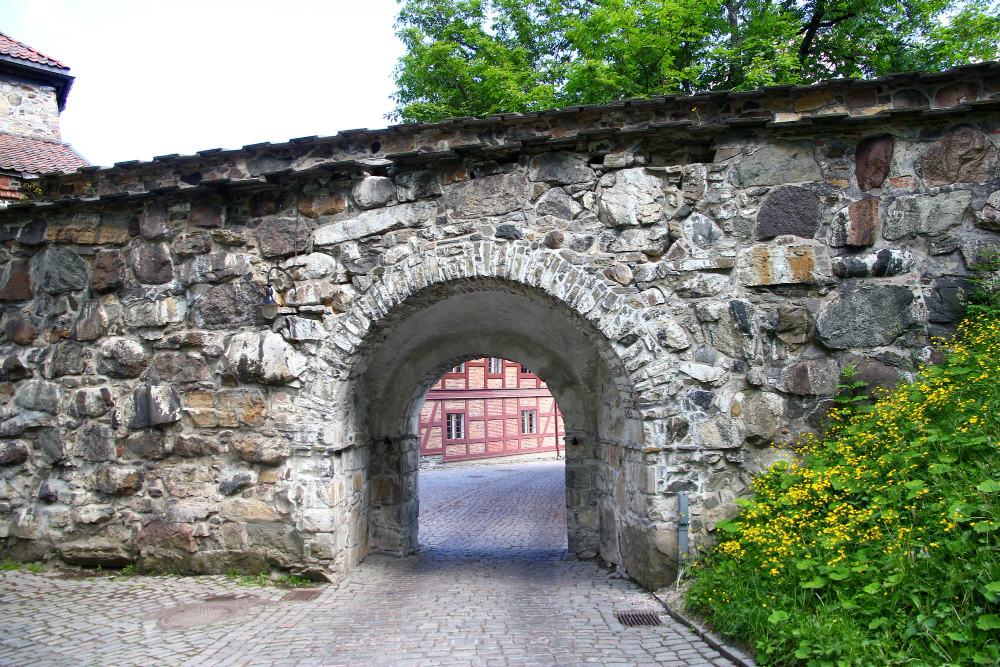
The Beginnings: From Raids to Royal Residence – The origins of Akershus Fortress stretch far back to a time of uncertainty and conflict. Although the exact year of construction is unknown, historians date the start of construction to the years between 1287 and 1300. The young Duke Håkon V Magnusson, who later became King of Norway, plays a key role in the fortress’s history. Following a devastating raid on Oslo by Jarl Alv Erlingsson in 1287, the need to build a better-fortified structure to protect the city became clear. The fortress, situated on a rocky promontory overlooking the Oslofjord, made clever use of the natural topography. Surrounded by steep cliffs and massive walls, it offered tactical advantages to the defenders. The massive complex consisted of several towers and wings, including the imposing Vågehalstårnet. Entrances such as the Mørkegang and the Lønngang—cleverly placed passageways, some of which ran underground—served not only for communication but also made it difficult for enemies to breach the defenses. It is particularly interesting that these architectural refinements rendered obstacles such as battering rams virtually ineffective. Thanks to its strong defensive works, the fortress withstood several attacks, including the Swedish sieges in the early 14th century. Håkon V eventually made Akershus Fortress the royal residence, thereby replacing Bergen as the seat of the Norwegian monarchy. Under his rule, the complex was further expanded and gained increasing political significance.
Myths and Legends: The “Bloody Tower” – Like any ancient fortress, Akershus has its own dark stories and legends. One of the best known concerns the so-called “Knutstårnet,” originally known as Karnniketårnet. Knut Alvsson, a rebellious Norwegian nobleman, was imprisoned in this tower after a failed uprising against the Danish king and is said to have lain there unburied for twelve years. His tragic story served as a warning to all who turned against the crown. Since then, the tower has been known only as “Knut’s Tower.” Another legend surrounding the fortress tells of the White Ghost—a woman who is said to wander through the fortress’s dark corridors. According to reports, she is a noblewoman who is said to have died there and now searches restlessly for her children. Some visitors claim to have heard footsteps or quiet sobbing, especially near the old dungeon.
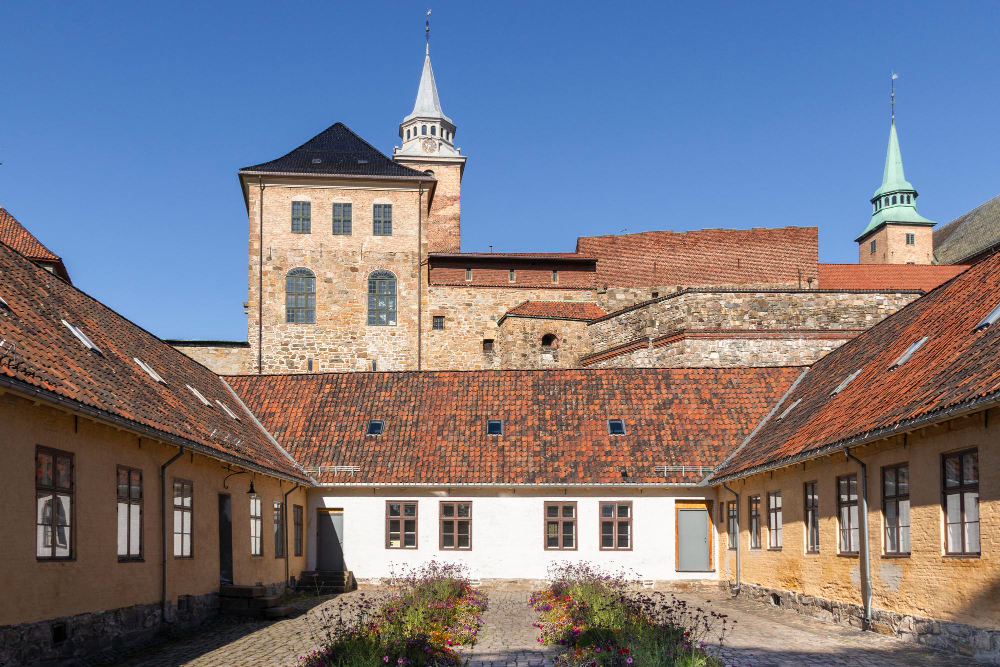
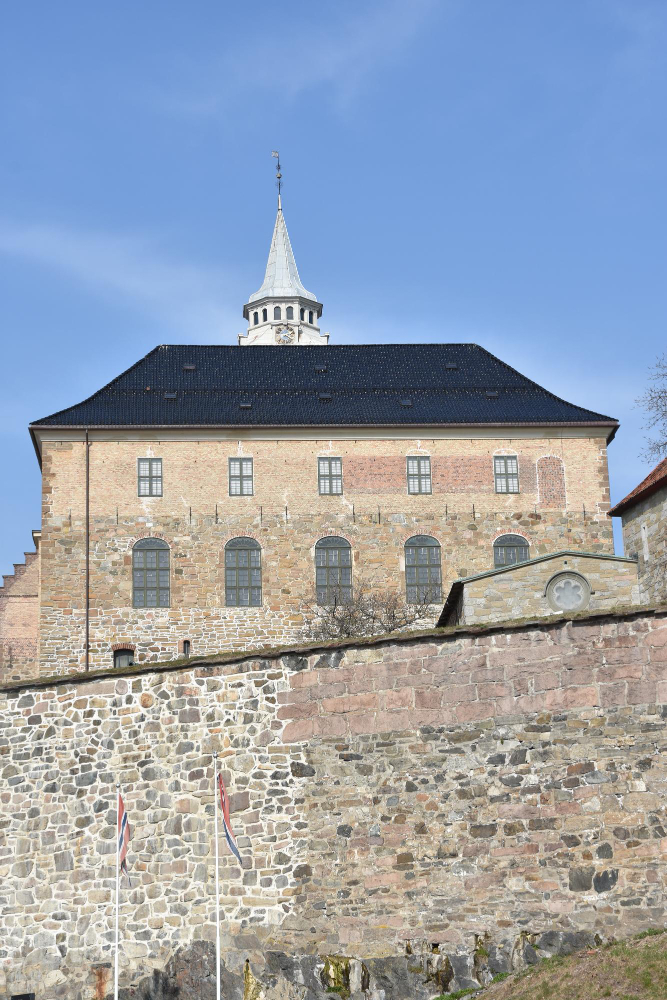
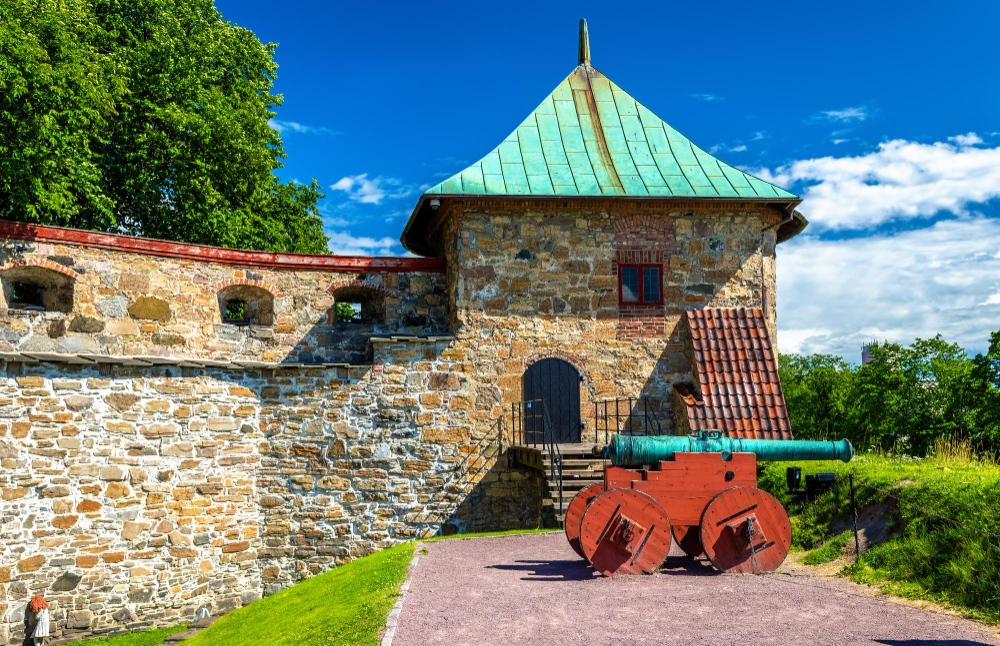
Renaissance and Warfare: The Fortress in Transition – Over the centuries, Akershus Fortress was repeatedly renovated and expanded to meet the demands of modern warfare. During the reign of Christian IV in the early 17th century, the complex was given a new look. The king had the fortress converted into a magnificent Renaissance palace. Marble fireplaces, gold-leaf-decorated wallpaper, and opulent halls such as the “Kongens sal” bore witness to Norway’s new political and cultural heyday. Despite these developments, the fortress retained its military function. Its strategic location on the Oslofjord made it an important bulwark against Swedish attacks during the War of the Three Crowns (1563–1570) and later conflicts. However, the constant advancement of artillery technology required that the fortress’s medieval walls be reinforced with new bastion-like structures. These were designed by Dutch architects and blended seamlessly into the existing architecture without destroying its historical character.
From Military Base to Symbol of Freedom – The fortress’s decline as a military hub began with the union between Norway and Sweden in 1814. Border conflicts were a thing of the past, and the fortress was temporarily decommissioned. Many of its outer fortifications were demolished, but both Norwegian citizens and artists such as Christian Krohg fought for their preservation. In the late 19th century, extensive restoration and expansion work began. It was a time of national revival, and Akershus Fortress became a symbol of Norway’s struggle for autonomy and identity.
Dark Times: The Fortress During World War II – During the German occupation of Norway (1940–1945), Akershus played a grim role. It served not only as a prison for political prisoners but also as the site of numerous executions. After the war, the trials and executions of war criminals and Norwegian collaborators such as Vidkun Quisling took place here. These events represent a dark chapter in the fortress’s history, yet they also underscore its significance as a symbol of resistance.
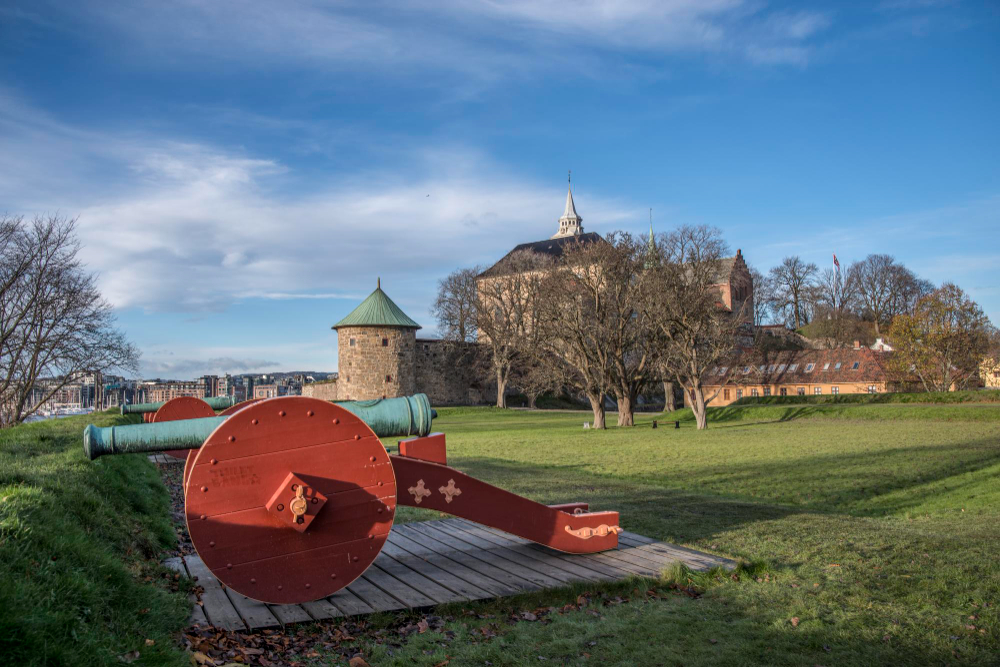
Modern Use and Green Oasis – Today, Akershus Fortress serves as a living link between the past and the present. The magnificent halls of the Renaissance palace are used for state occasions, including receptions for international guests and celebrations honoring Norwegian monarchs. However, the fortress grounds are not only used for ceremonial purposes: they are also a publicly accessible park and a popular spot for walks along the Oslofjord. Within the fortress walls are two museums: the Norges Hjemmefrontmuseum (Museum of the Norwegian Resistance) and the Forsvarsmuseet (Defense Museum). Here, visitors can learn more about Norway’s military history, from the battles against the Swedes to the resistance movements during World War II.
A Place Full of Life and History – Akershus Fortress is more than just a stone building; it is a living testament to Norwegian history and the myths that shape the country. From royal weddings and political intrigues to tragic legends and heroic tales of resistance—every stone of the fortress tells a story. It is a place where past and present merge, offering a glimpse into the soul of Norway. A visit to Akershus Fortress is not only a journey through history but also an encounter with the secrets and legends that this fascinating structure has preserved for generations.