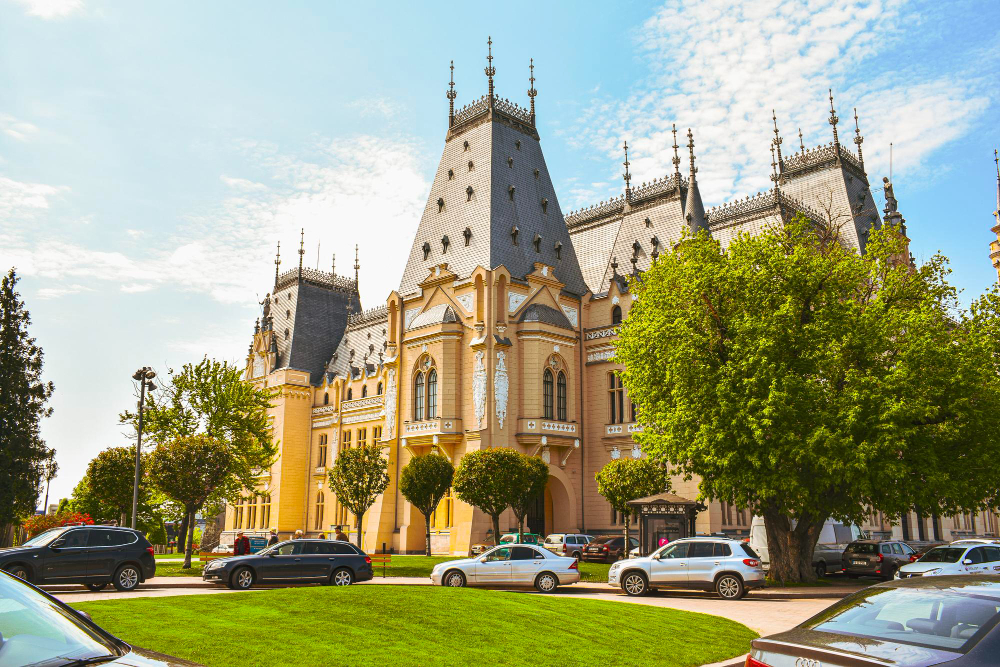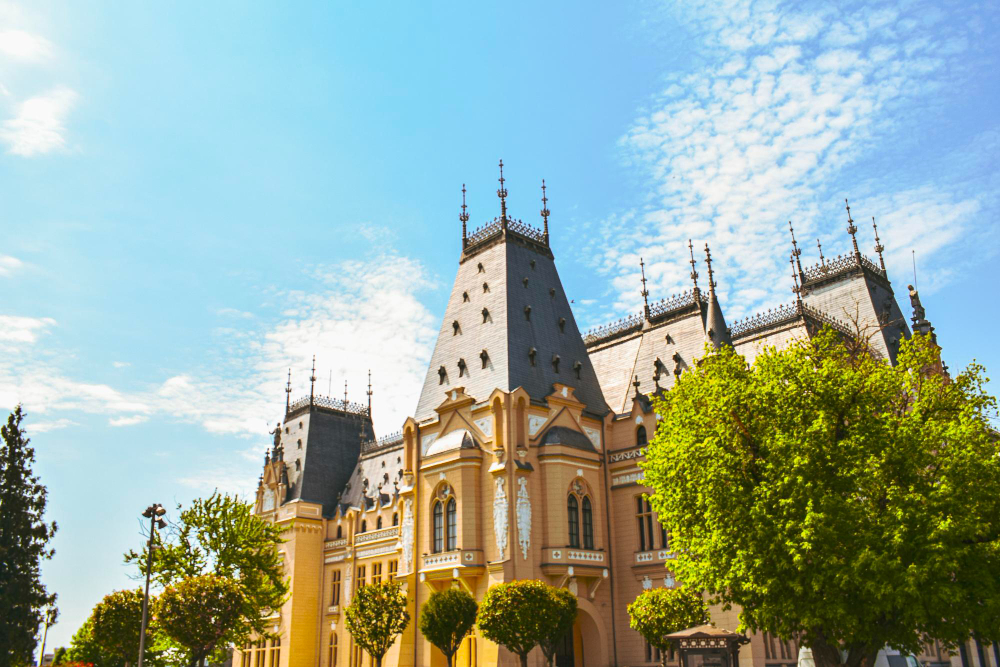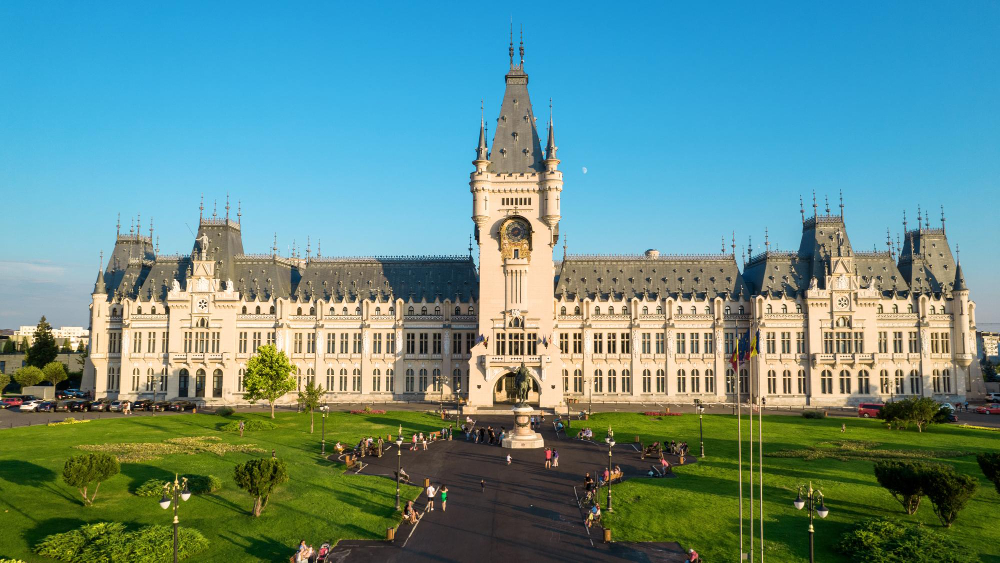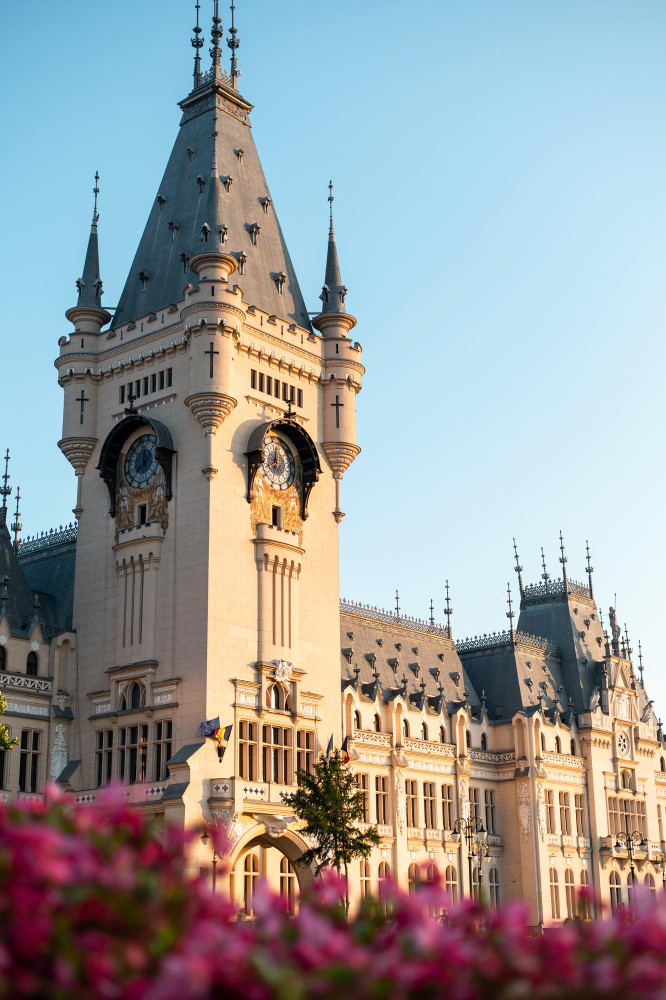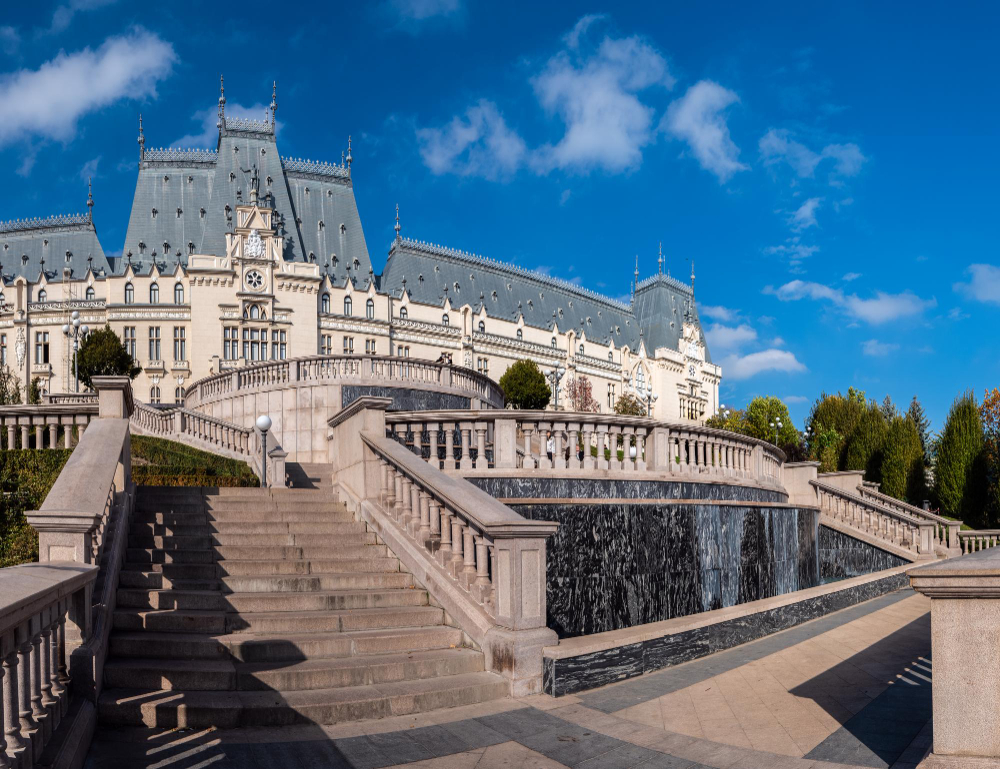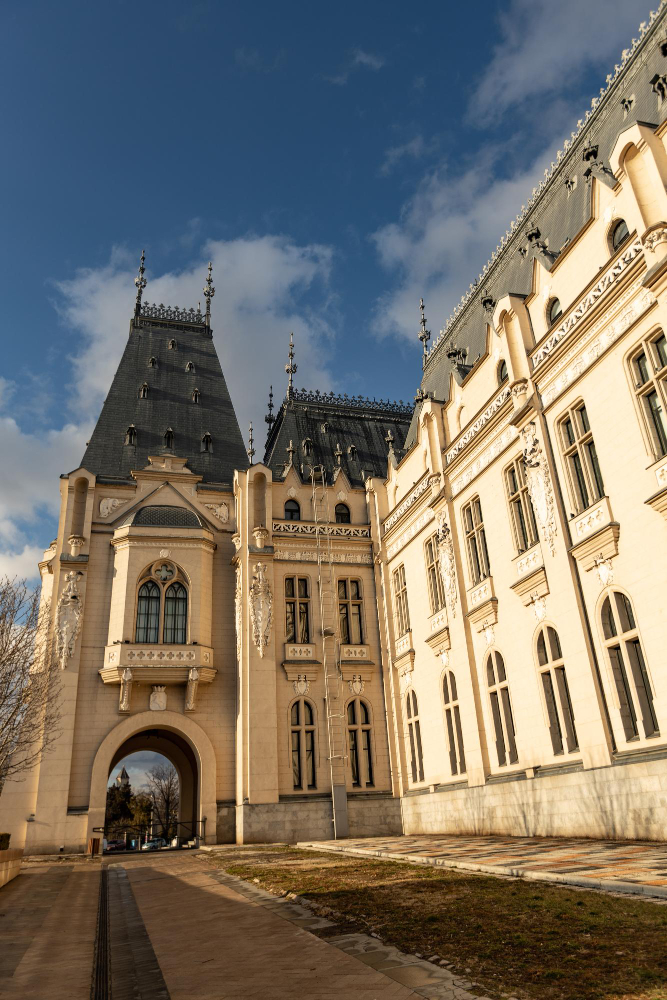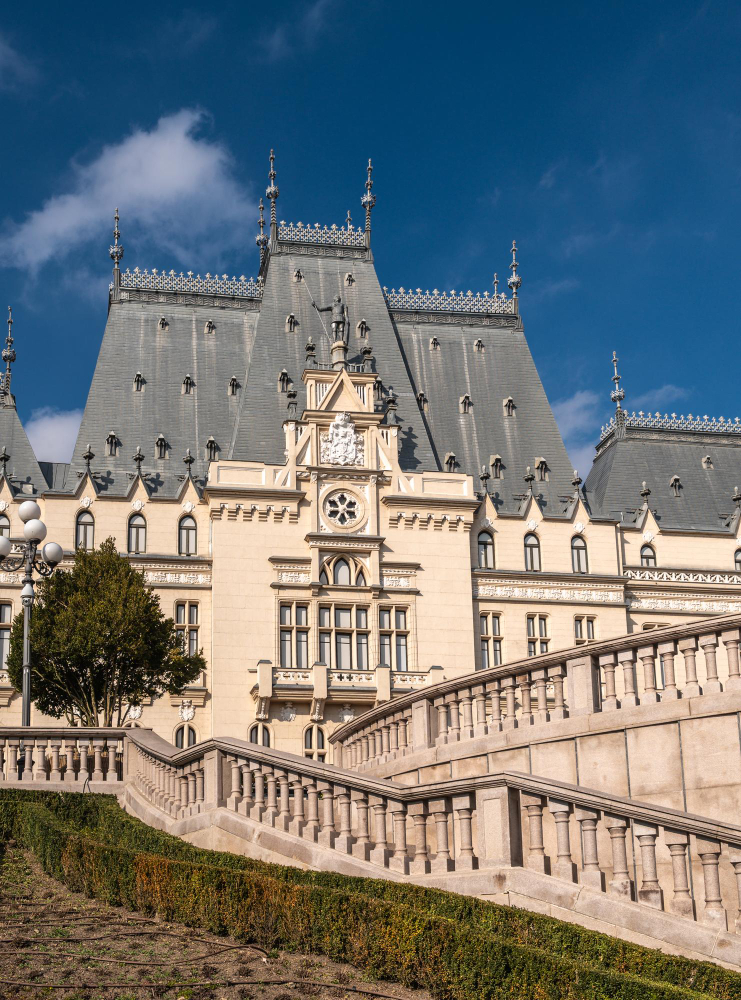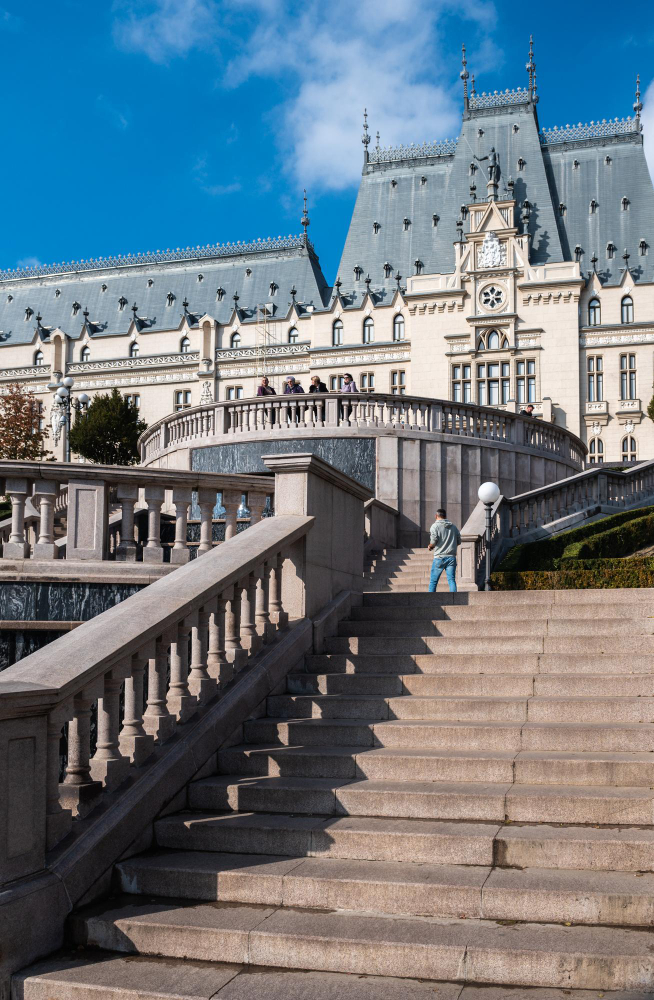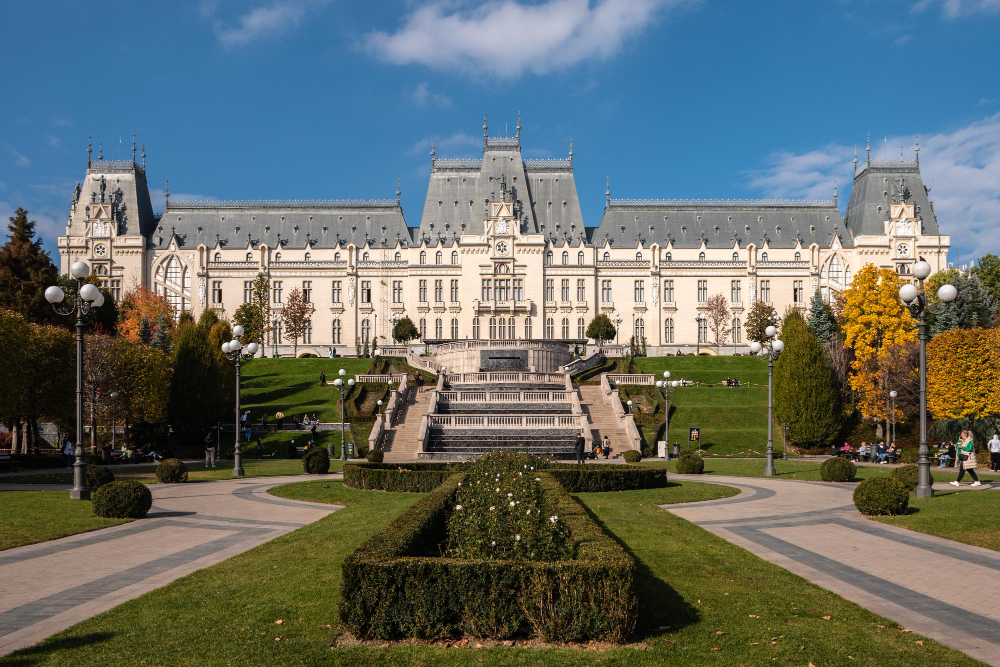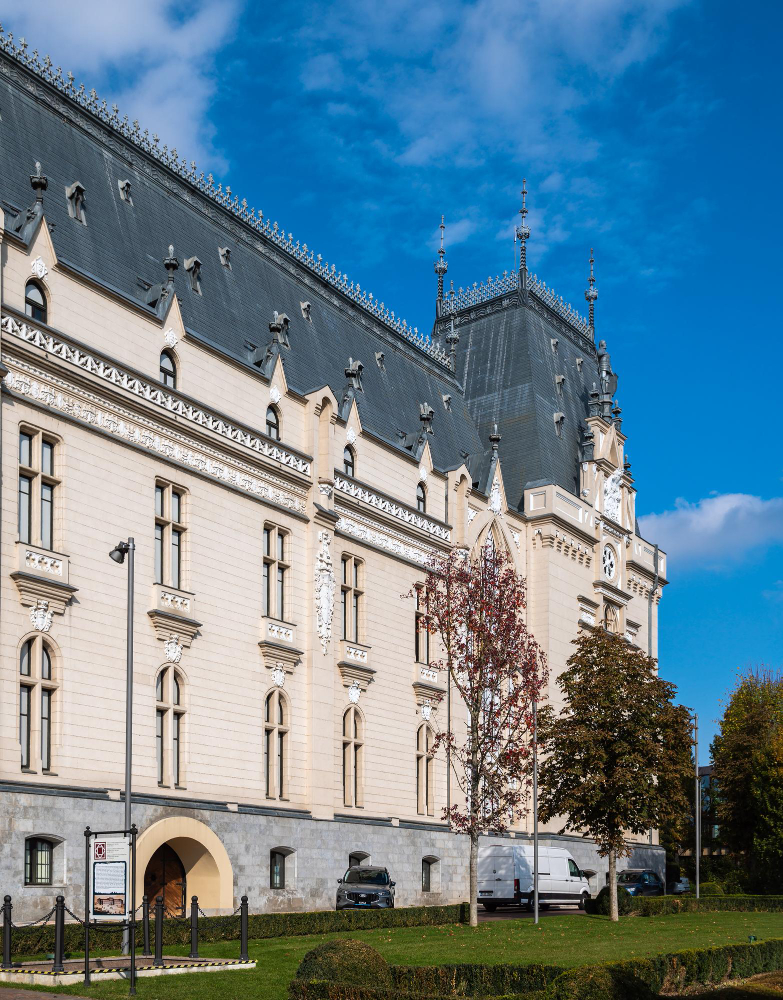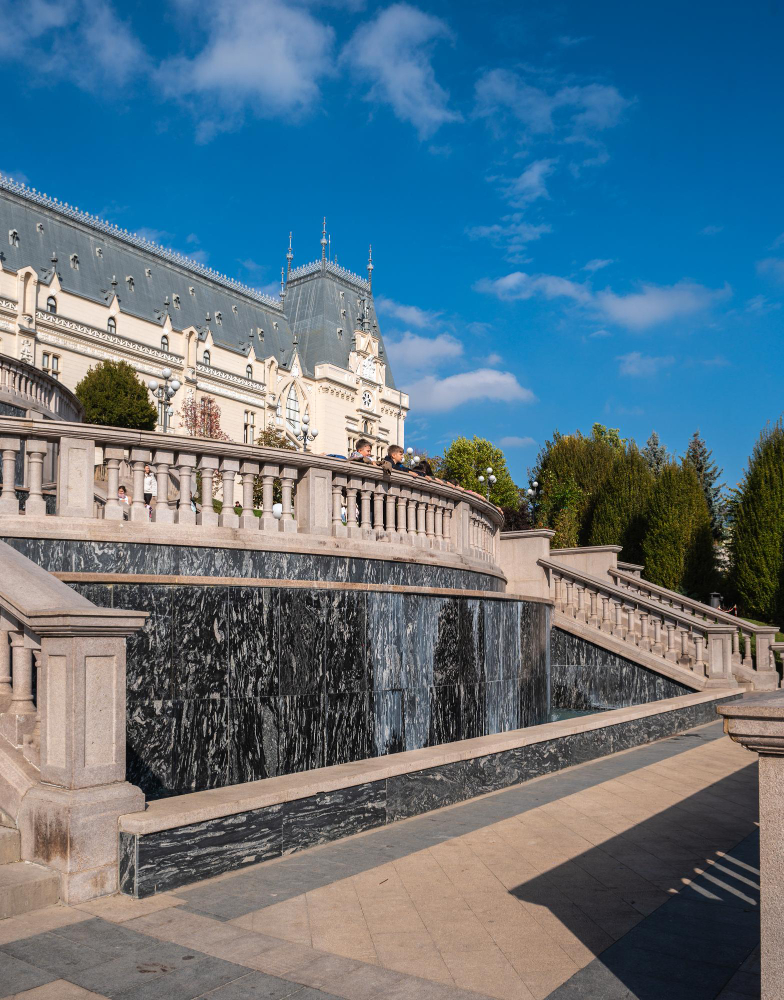

With its majestic towers, ornate decorations and the aura of bygone eras, the Palace of Culture in Iași is not only a symbol of Romanian history, but also a testament to the fusion of architecture, art and culture. This impressive building has served many purposes and witnessed countless stories throughout its long history – from royal residences and administrative buildings to today’s centre of cultural life. A building that harbours legends yet remains modern deserves special attention.
The origins of the palace: From princely residence to place of worship – The history of the Palace of Culture begins in the 15th century with the construction of the Moldavian princely court under the leadership of Alexander the Good. Over the centuries, the court underwent many changes, and eventually, under the rule of Prince Alexandru Moruzi between 1803 and 1806, a neoclassical residence was built, the plans for which were drawn up by the architect Johann Freywald. Following several further renovations by Prince Mihail Sturdza, the building gradually took on the form we know today. The legend of the ‘365 rooms’, said to be as numerous as the days of the year, is one of the mythical tales surrounding the building. The building returned to the limelight at the beginning of the 20th century when the renowned Romanian architect I.D. Berindei was commissioned to extend and completely redesign the existing building. Berindei rejected the previous Neoclassical style and opted instead for a spectacular Neo-Gothic style. It was an ambitious project that began in 1906 but was interrupted by the First World War. During this period, the unfinished building was used by soldiers and public institutions. It was not until 11 October 1925 that the palace was completed and officially inaugurated a year later by King Ferdinand I.
Changes over time – The Palace of Culture looks back on an eventful history. Originally used as an administrative building and the seat of the court, it took on a completely different function during the Second World War. Initially occupied by German troops, it was later used by Soviet soldiers. However, the actual transformation of the building took place from 1955 onwards, when it was dedicated exclusively to cultural purposes. In this new role, the Palace developed into a centre for exhibitions, museums and events, thereby reflecting the cultural diversity and artistic heritage of the region. From 1975 to 1977, the building underwent extensive renovation; during this process, the original wooden roof truss was replaced by a sturdy concrete structure designed to protect the building from the frequent earthquakes in the region. A further extensive restoration began in 2008 and lasted until 2016. This work not only restored the Palace to its former glory but also ensured its long-term preservation.
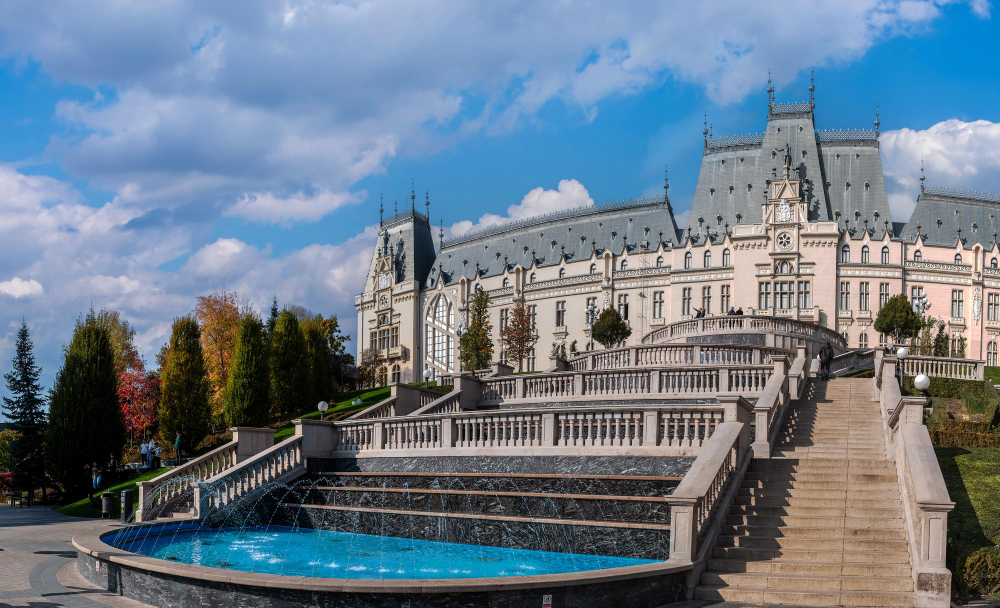
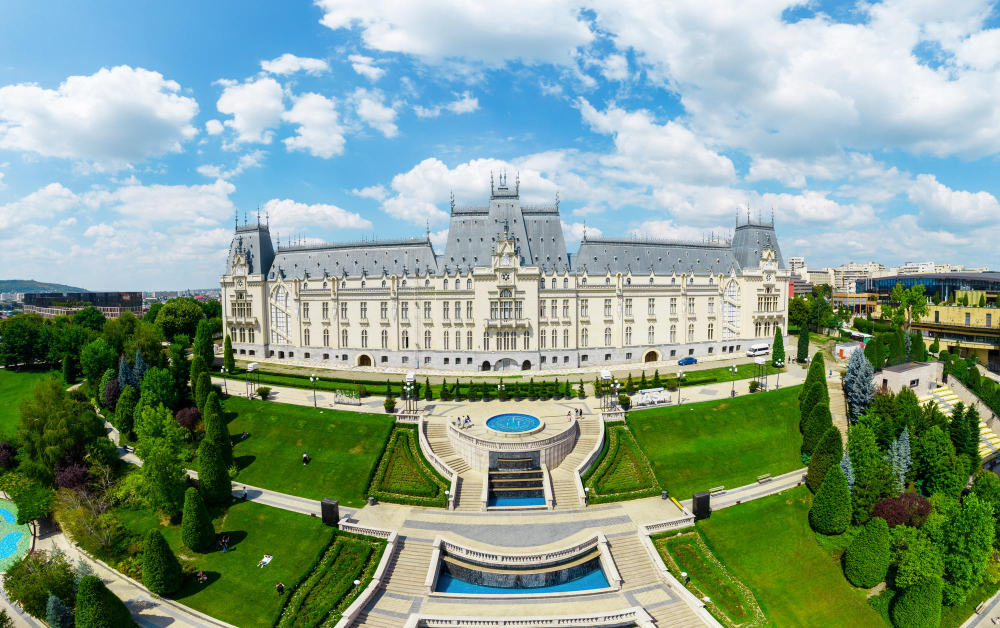
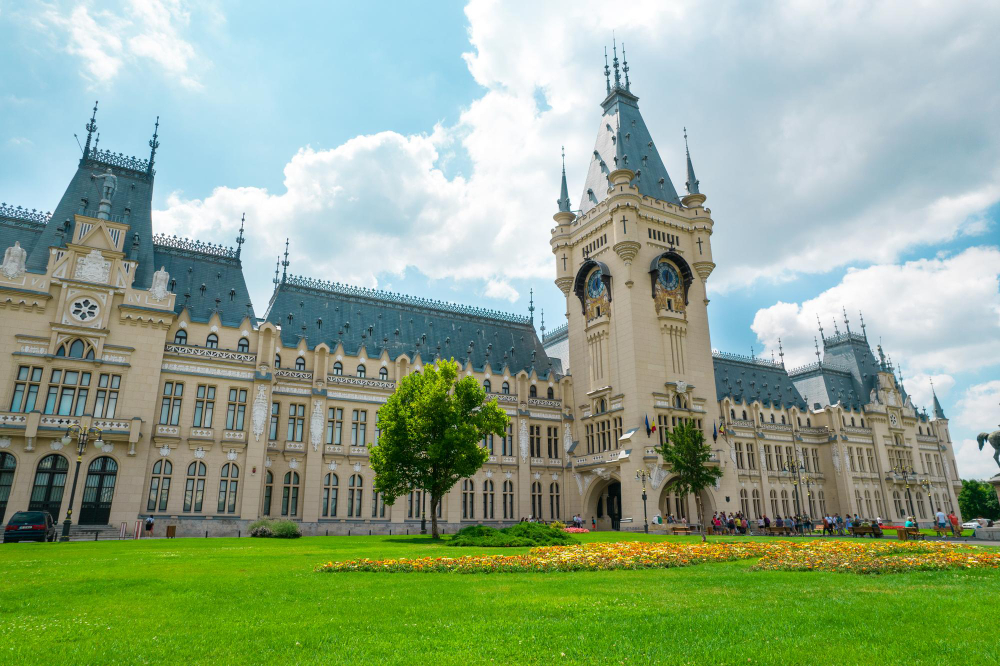
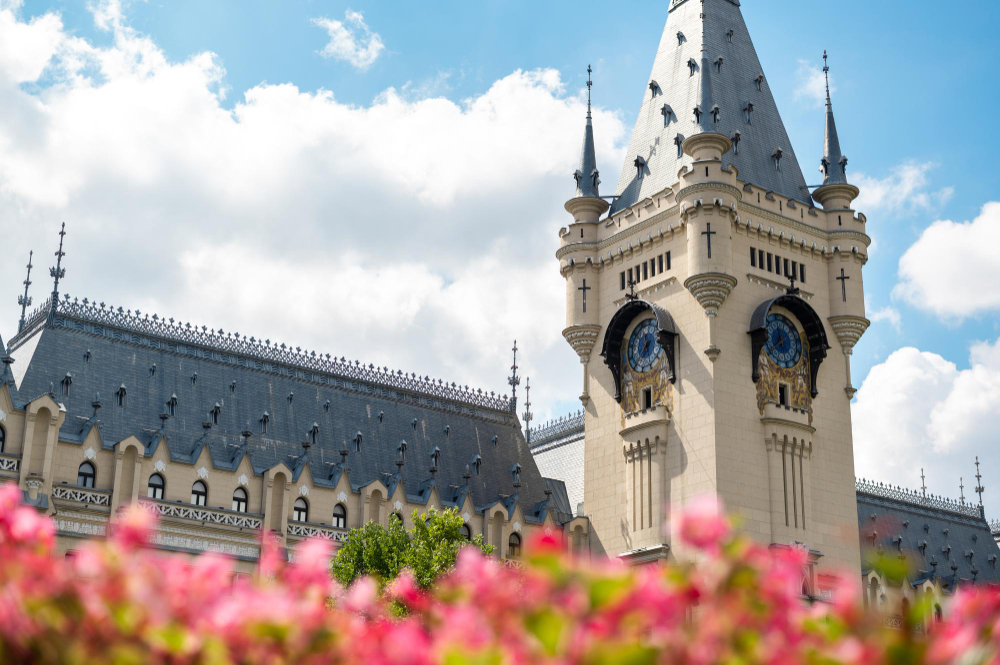
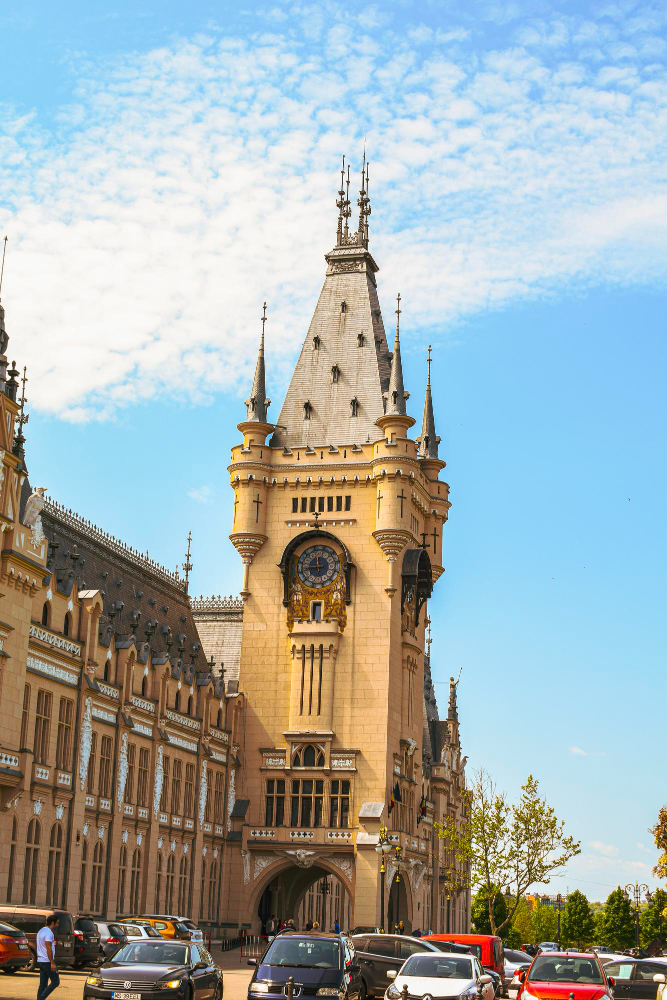
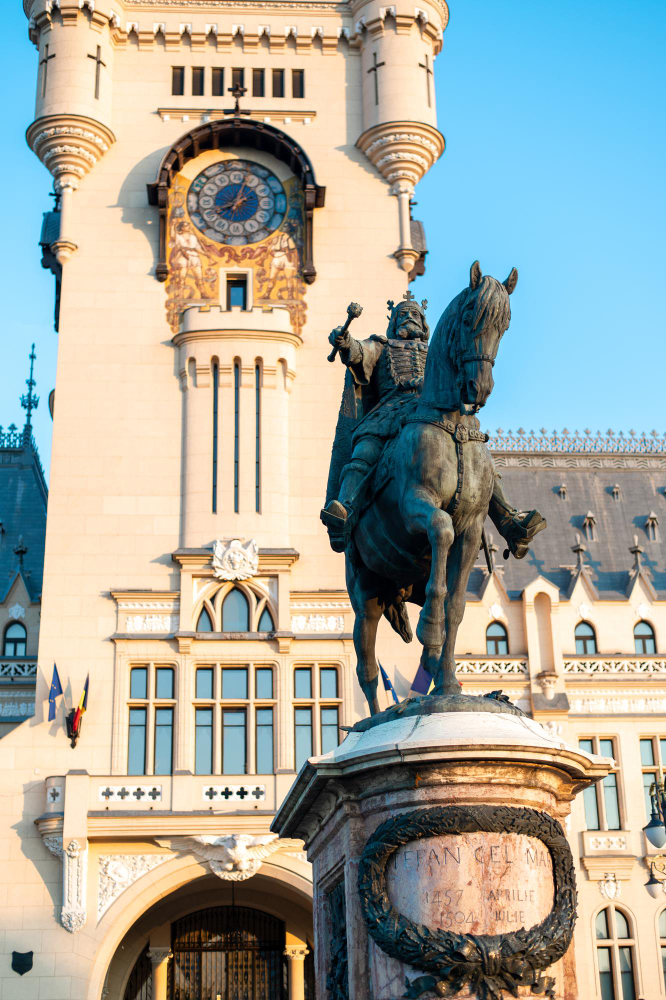
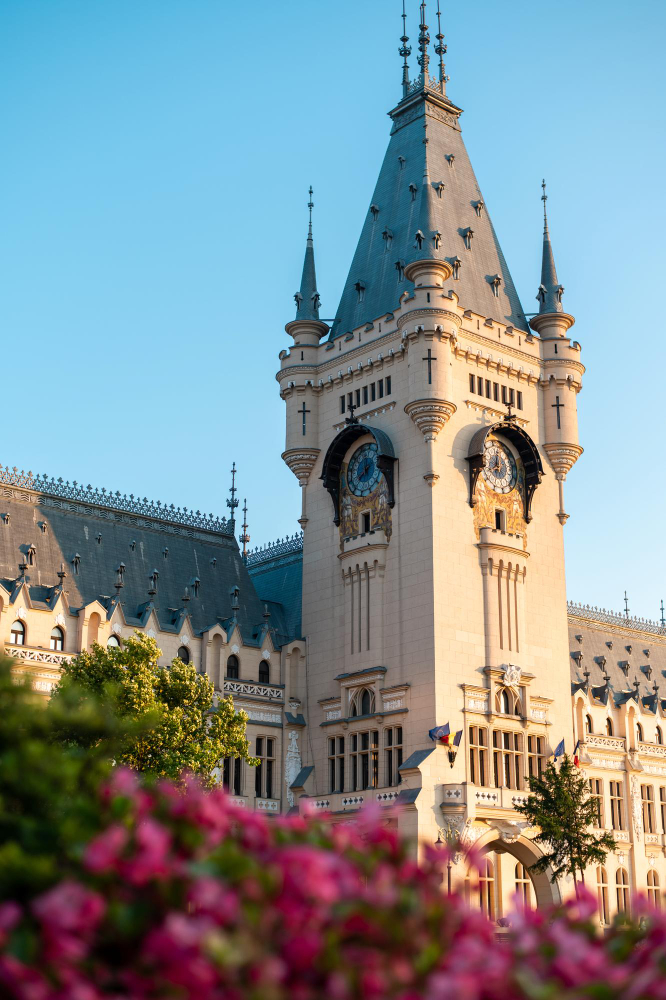
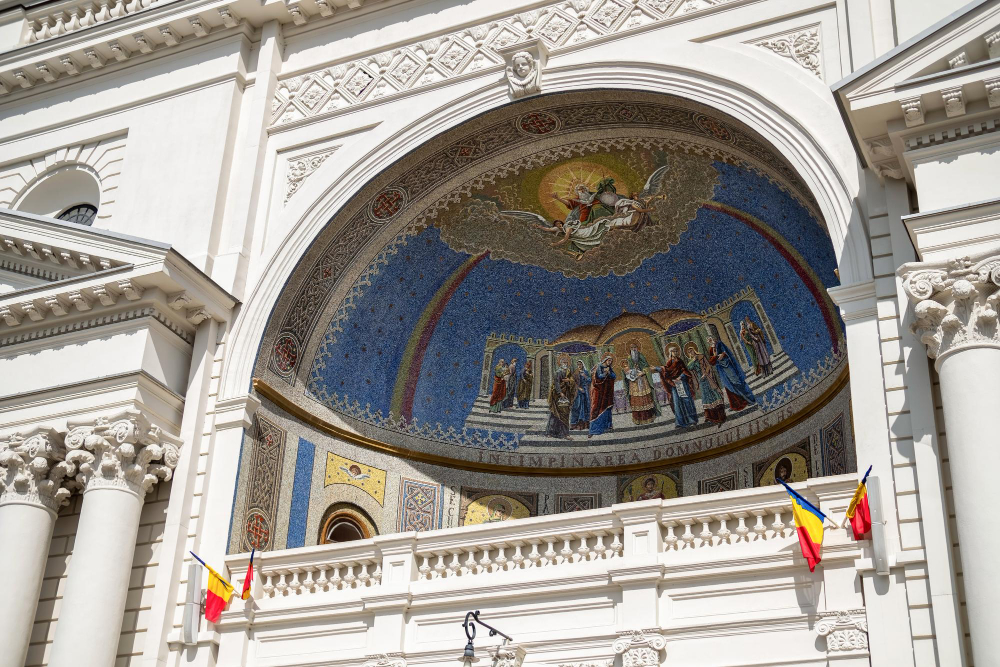
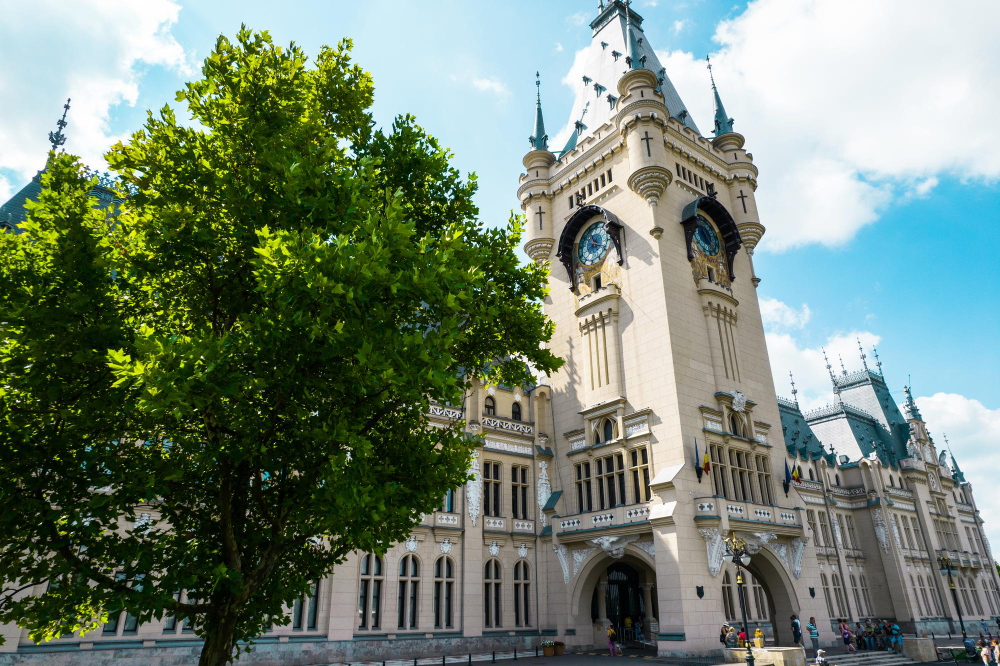
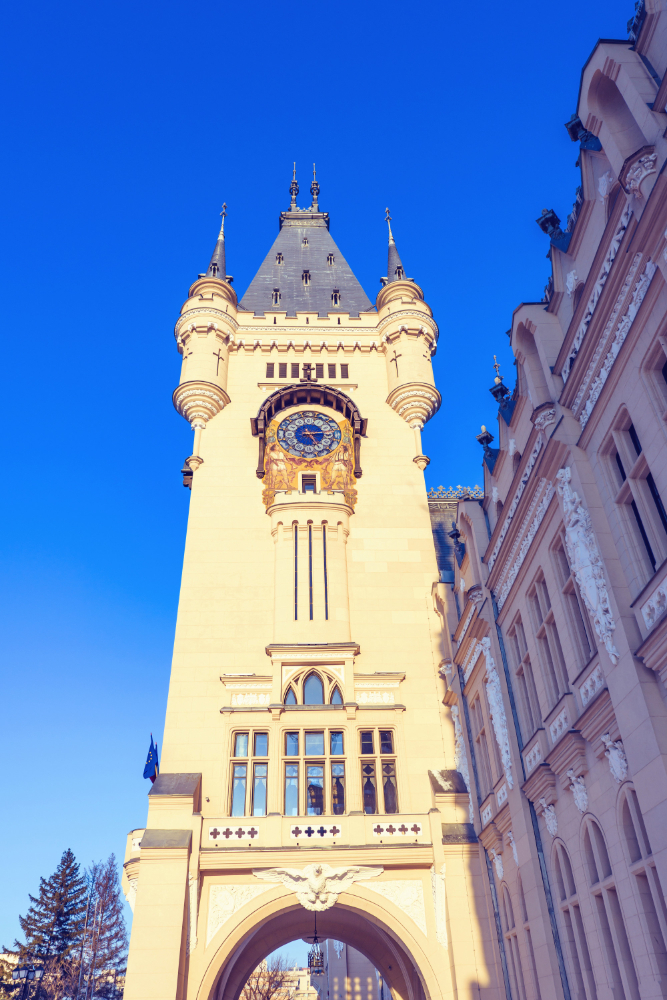
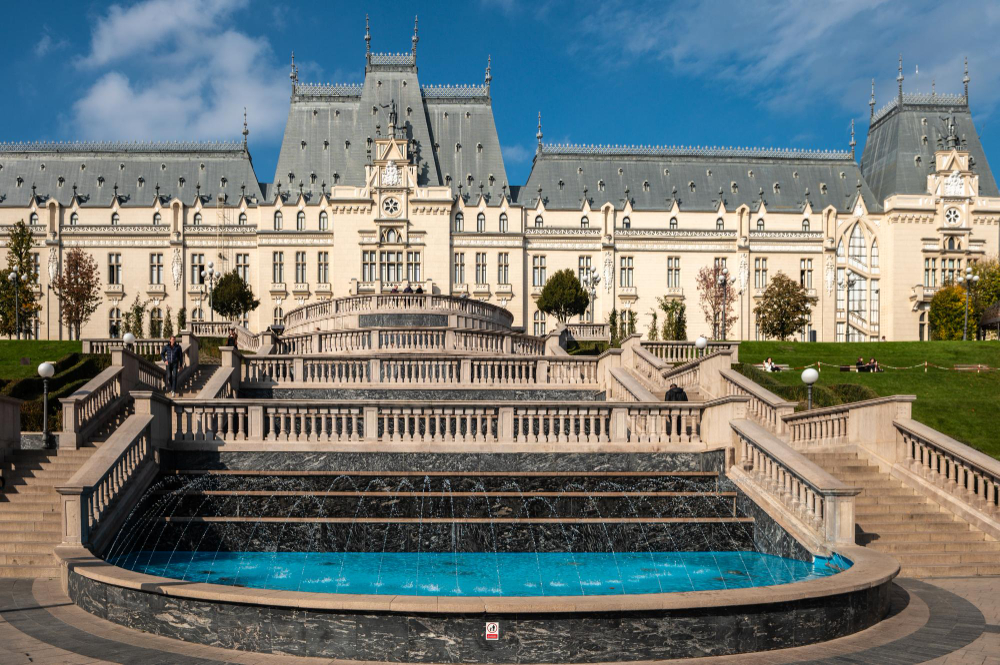
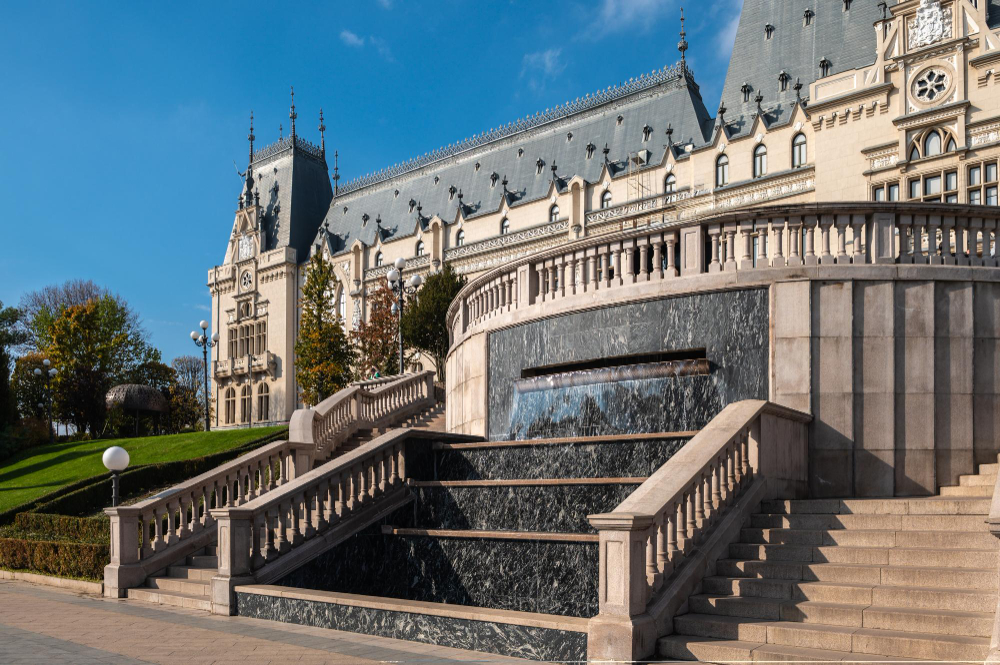
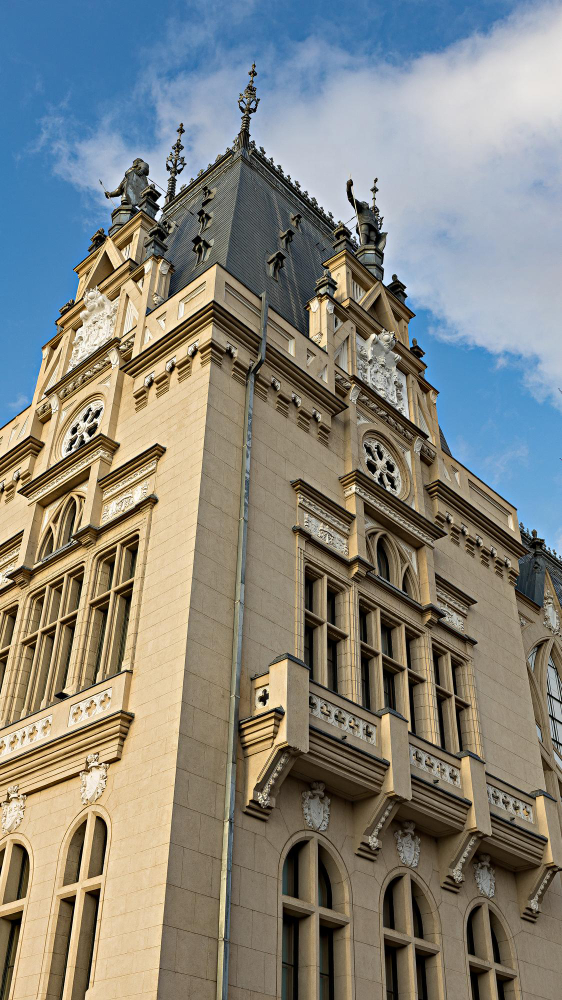
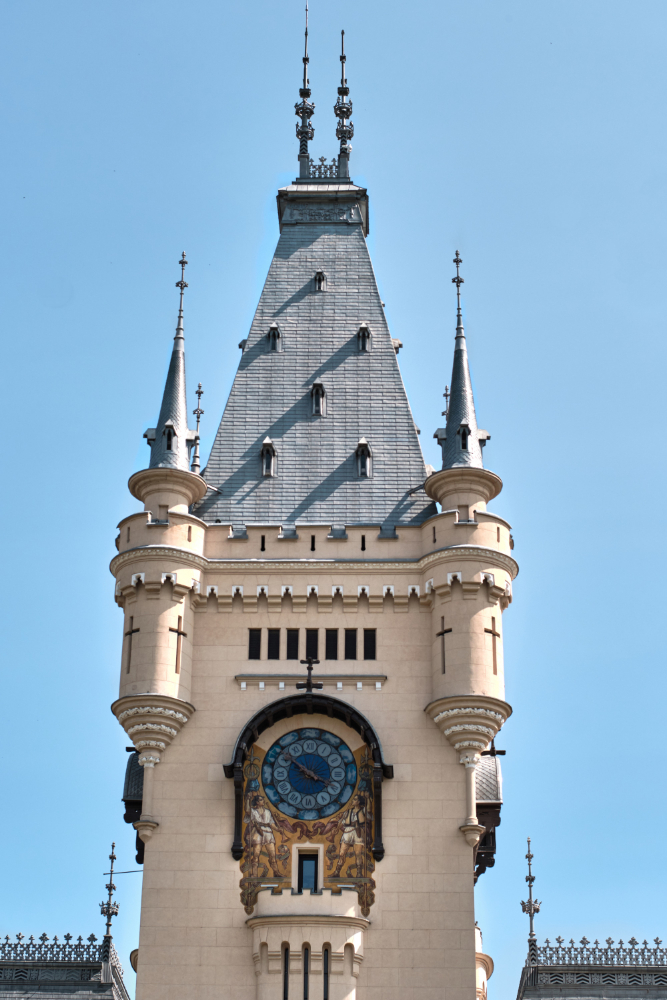
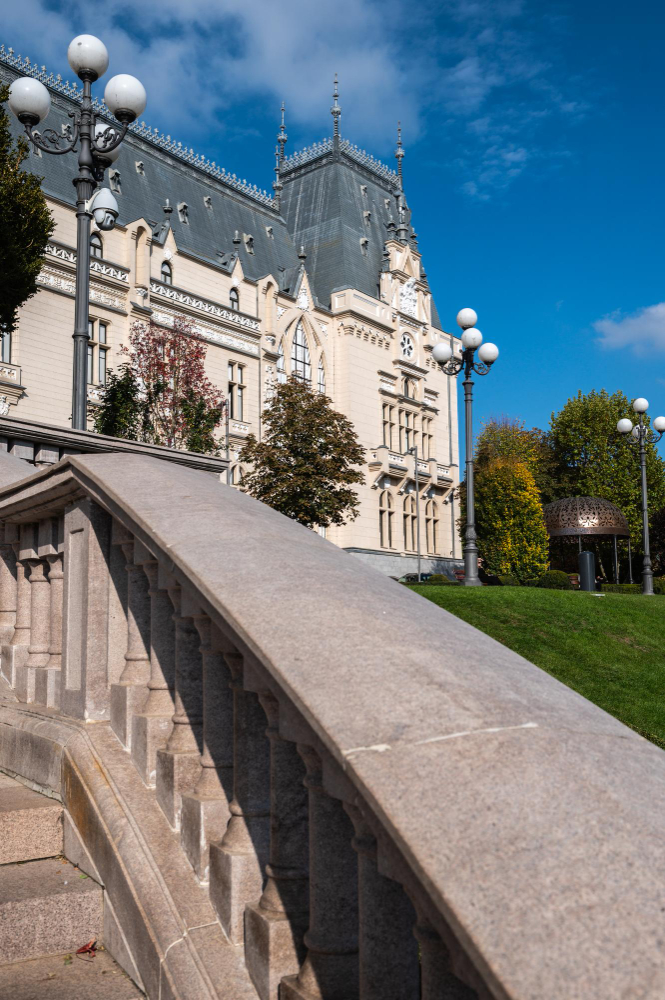
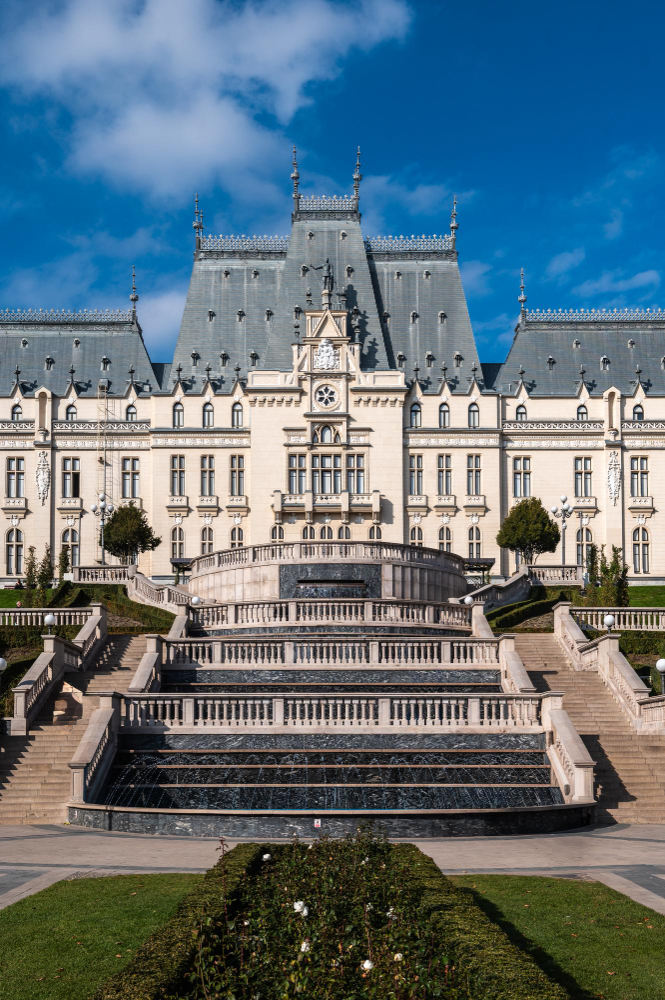
An architectural masterpiece – A single glance at the Palace of Culture is enough to appreciate its splendour. With 298 rooms, 92 windows on the façade and a further 36 windows inside, the building covers an area of more than 34,000 square metres. Particularly noteworthy is the central hall with its figurative mosaic depicting a variety of mythological creatures – dragons, griffins, lions and double-headed eagles are artfully portrayed here. Despite its antique appearance, the palace was technologically extremely advanced at the time of its construction. Electric lighting, a modern heating and ventilation system, and vacuum cleaners were among the innovative features incorporated at the time. The architect Berindei also used special materials such as ‘Bois-Ciment’, a material licensed by Henri Coandă that could imitate oak, and treated the wooden structures of the roof truss with fire-retardant substances. One of the most striking architectural features of the Palace of Culture is its clock tower. The tower, which dominates the entrance façade, is fitted with three large clock faces, each decorated with colourful stained glass and astrological symbols. Every hour on the hour, eight bells ring out, playing the song “Hora Unirii”, a symbol of national unity.
The four museums of the Palace of Culture – Inside the Palace of Culture are four major museums, which together form the “Moldavian National Museum Complex” and present a wide range of art, history and science.
1. Art Museum
The Art Museum is the oldest of its kind in Romania and houses over 8,700 works by artists such as Caravaggio, Anthony van Dyck and Bartolomé Esteban Murillo. The permanent exhibitions are divided into three main galleries: World Art, Modern Romanian Art and Contemporary Art.
2. Moldavian History Museum
The History Museum displays more than 48,000 exhibits, including a 70,000-year-old mammoth skull and artefacts from the Cucuteni culture. It documents the history of the region from the Stone Age to the Second World War.
3. Ethnographic Museum
With over 13,000 objects, this museum showcases the traditional way of life of the people of Moldova – including agricultural tools, traditional costumes and handcrafted masks.
4. Museum of Science and Technology
Named after the physicist Ștefan Procopiu, the museum focuses on the fields of energy, acoustics, communication and computer science. Among other things, it displays historical sound recording equipment and computer technology.
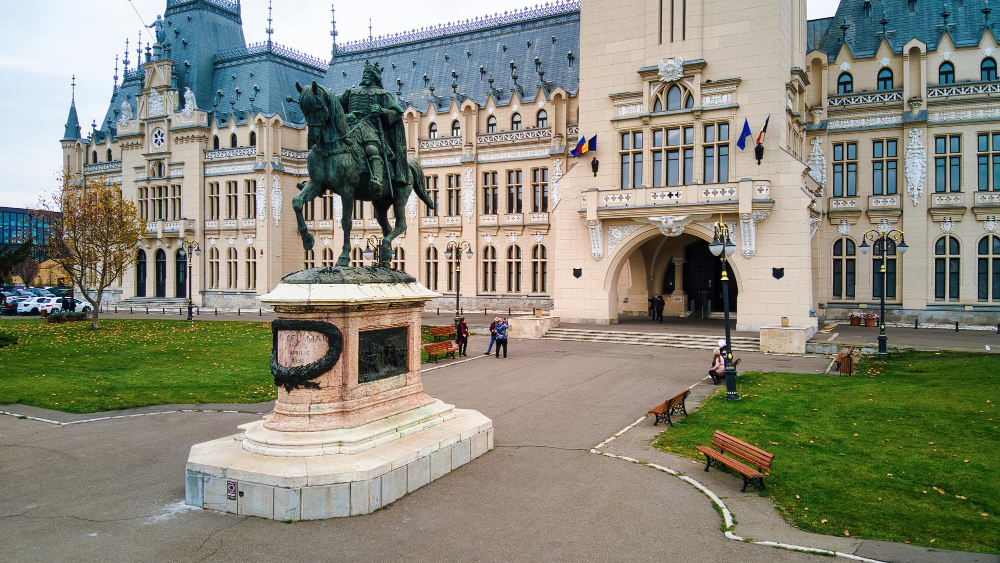
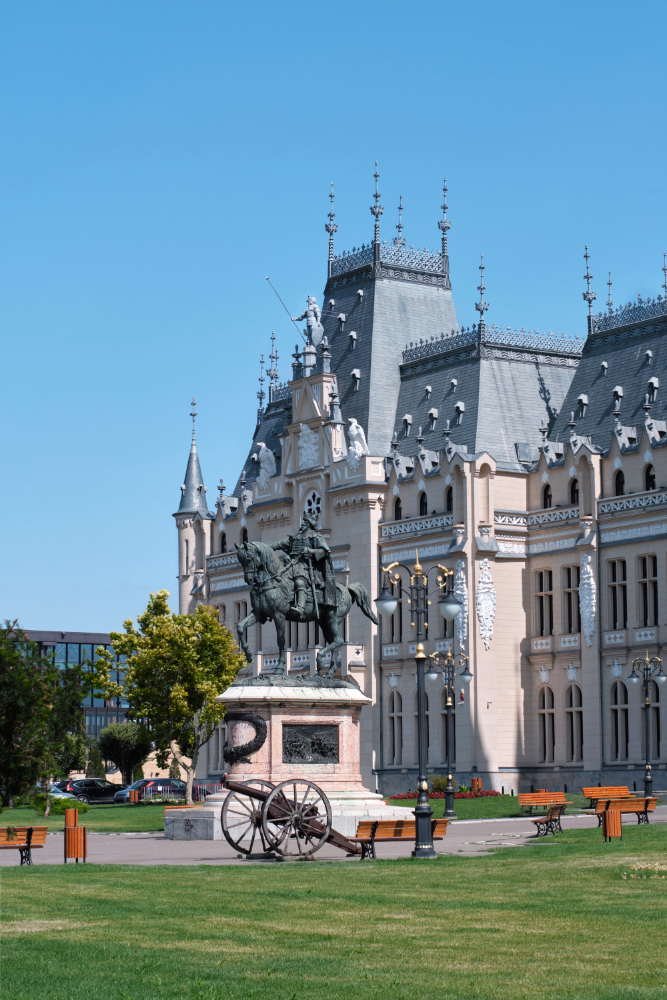
Secrets and Legends – In addition to the museums, the Palace of Culture offers further attractions such as the ‘Gothic Hall’, the ‘Voivode Hall’ with portraits of historical rulers, and the ‘Henri Coandă Hall’. Beneath the building lie the remains of an ancient watchtower and archaeological galleries. In front of the Palace stands the imposing equestrian statue of Stephen the Great, surrounded by cannons from the era of independence – a further symbol of the region’s turbulent history.
A living monument – The Palace of Culture in Iași is more than just a building; it is a bridge between the past and the present, a treasure trove of cultural memories and a symbol of enduring Moldovan identity. Whether as an architectural gem, a historical monument or a cultural centre – its fascination remains undiminished and attracts visitors from all over the world.