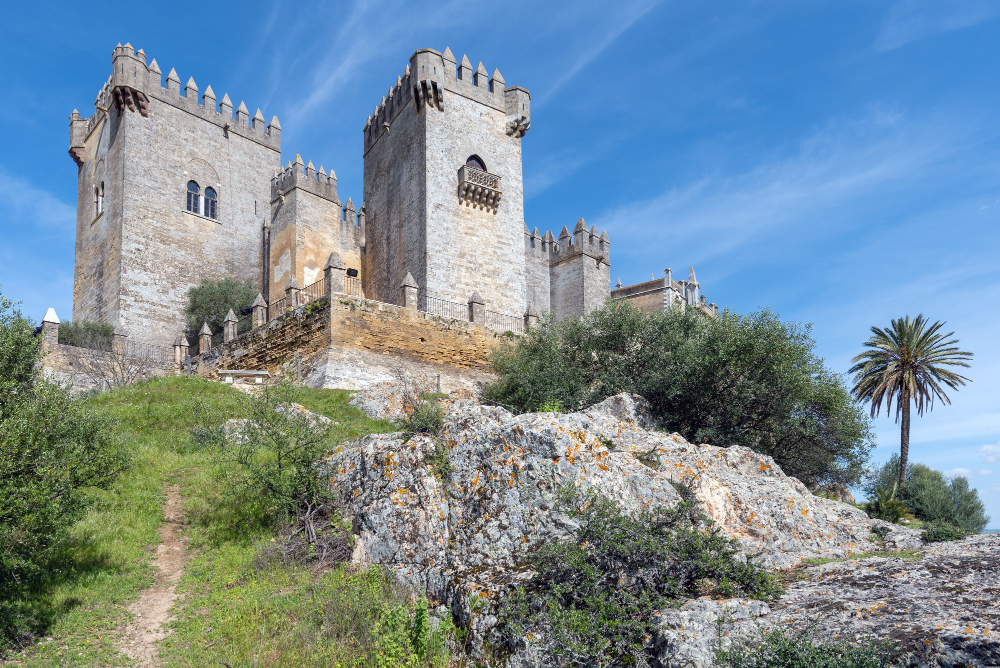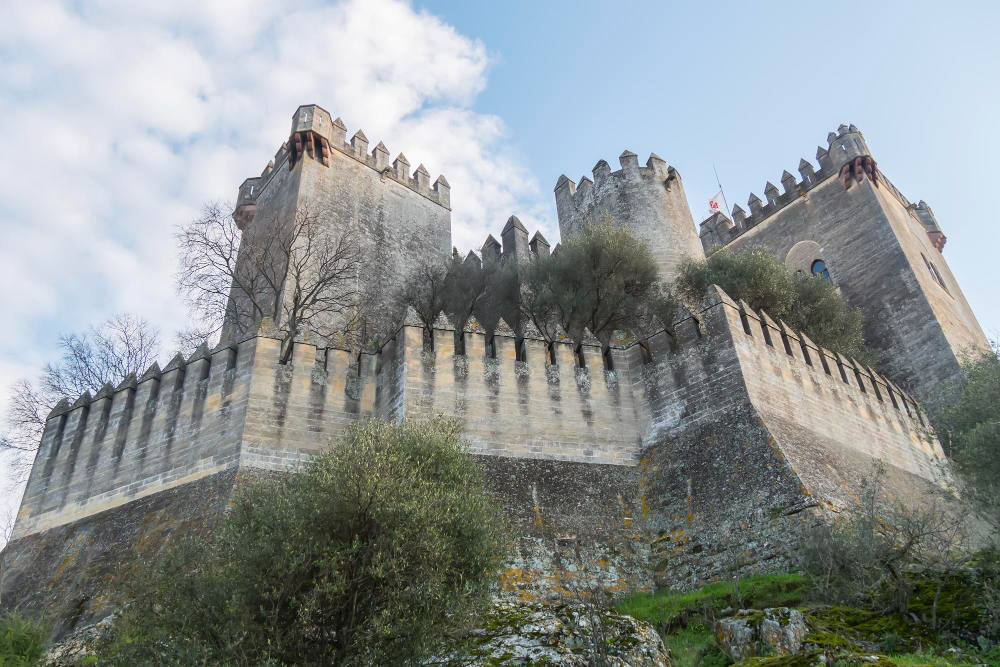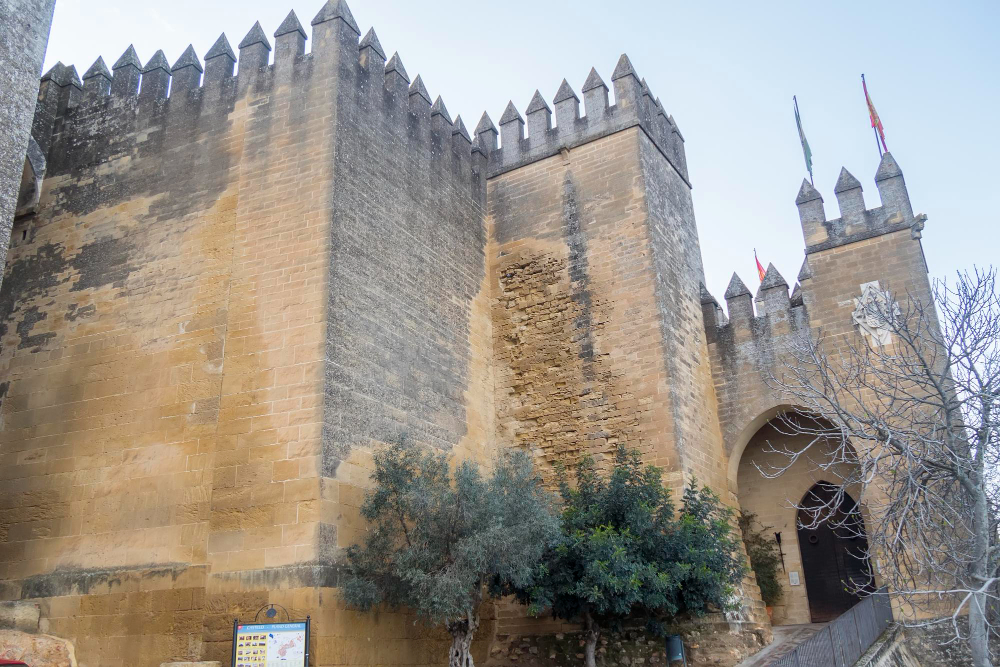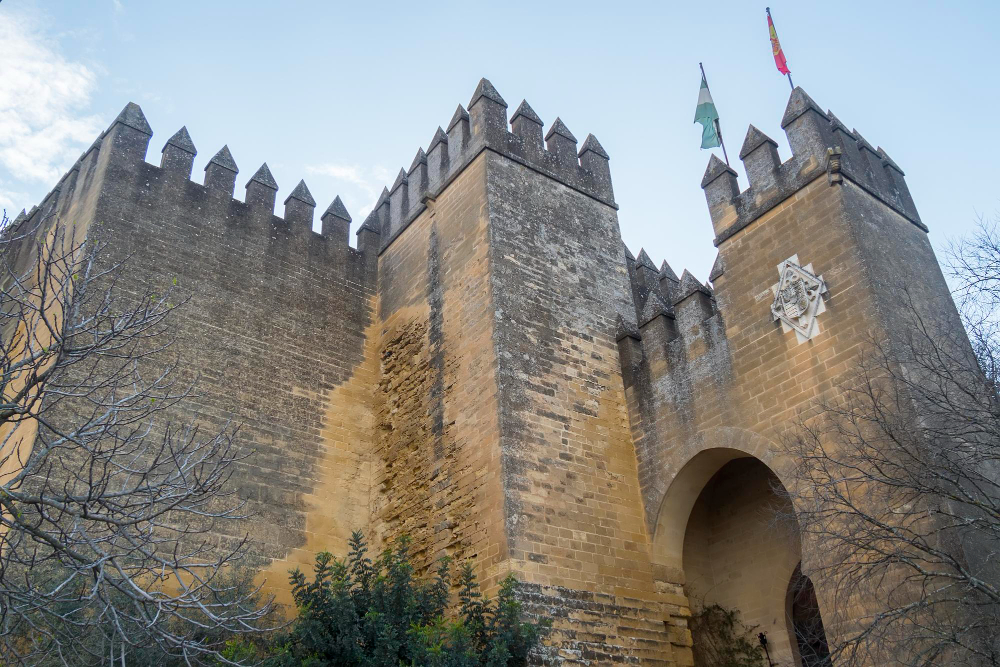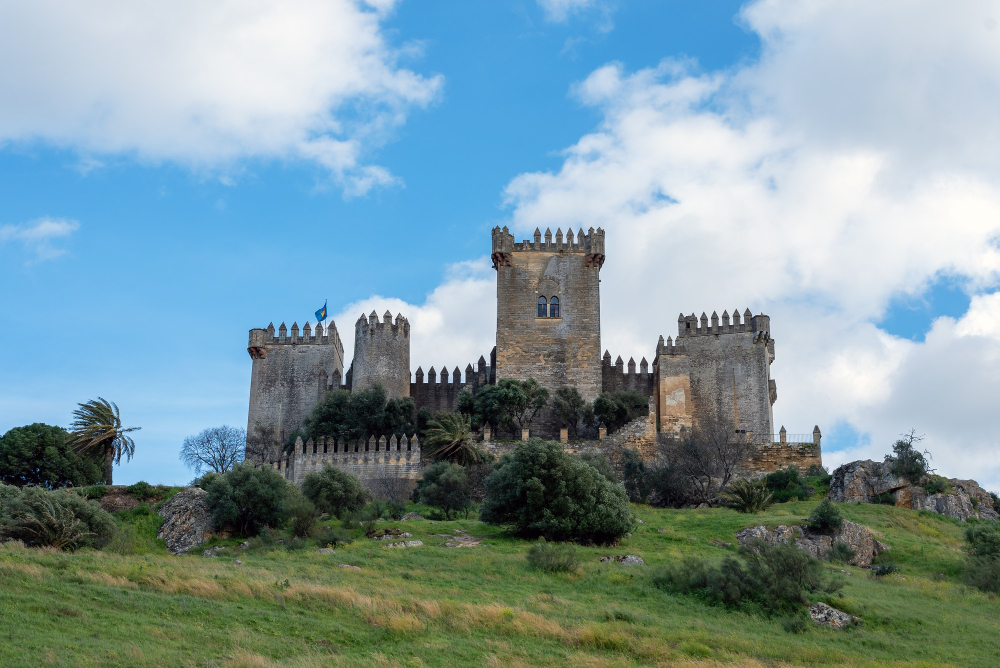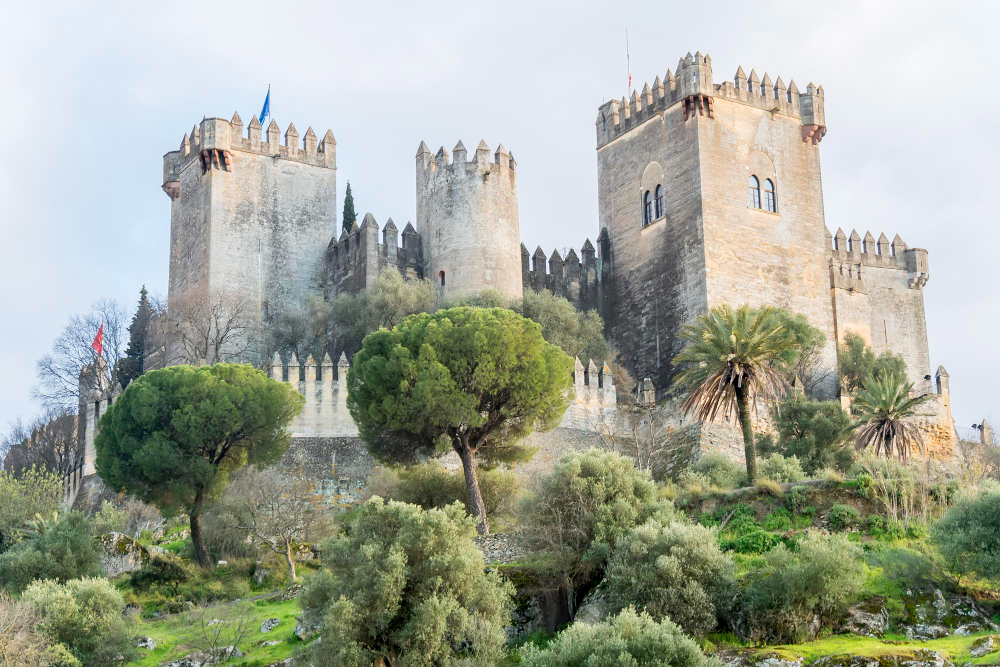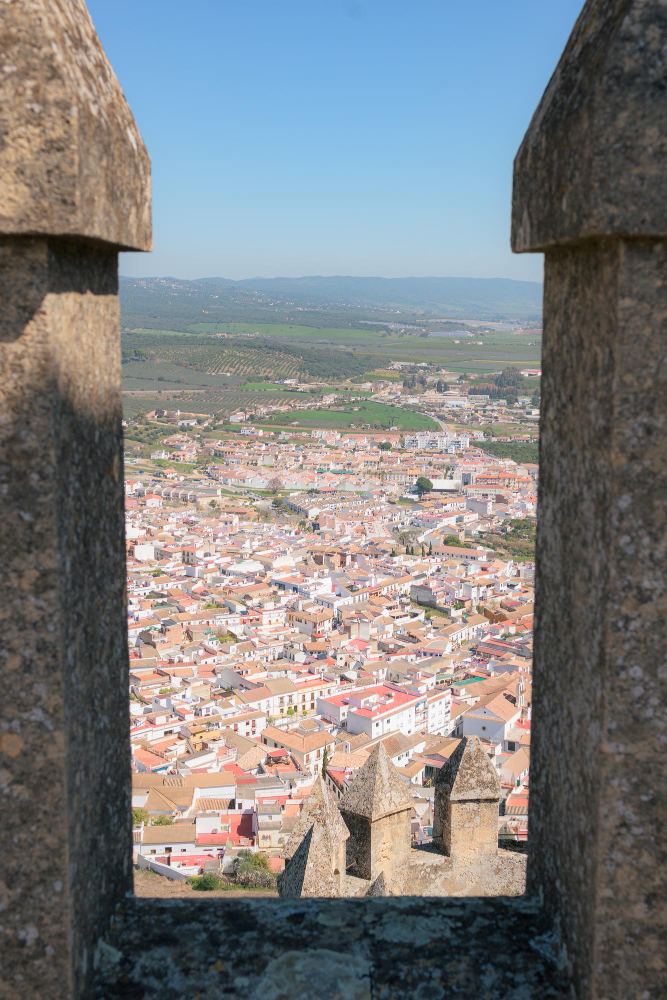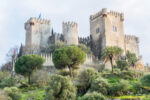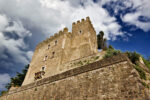

High above the vast fields of the Andalusian province of Córdoba stands one of Spain’s most impressive and best-preserved castles: the Castillo de Almodóvar del Río, also known as the Castillo de la Floresta. This mighty fortress, standing on the striking hill known as ‘El Redondo’ – which means ‘The Round One’ or ‘The Safe One’ – is an architectural testament to various eras, cultures and rulers. Its history stretches from antiquity to the present day and tells of Romans, Moors, Christian kings and modern restorers.
A historical mosaic: from the Iberians to the Romans – Before the castle as we know it today took on its characteristic form, this strategically important site was likely home to a settlement of the Turdetani, an Iberian people who lived in southern Spain. This early settlement is identified as the ‘Cárbula’, an oppidum – that is, a fortified village – which was already mentioned by the Roman scholar Pliny the Elder. Archaeological finds show that this settlement served as an important trading centre for agricultural produce such as oil and grain. In addition, a pottery industry flourished here that was significant for the region, and there is evidence of nearby silver mines, which presumably led to the minting of the settlement’s own coins in the 2nd century BC. This early economic prosperity means that the site was of great importance long before the medieval fortress was built.
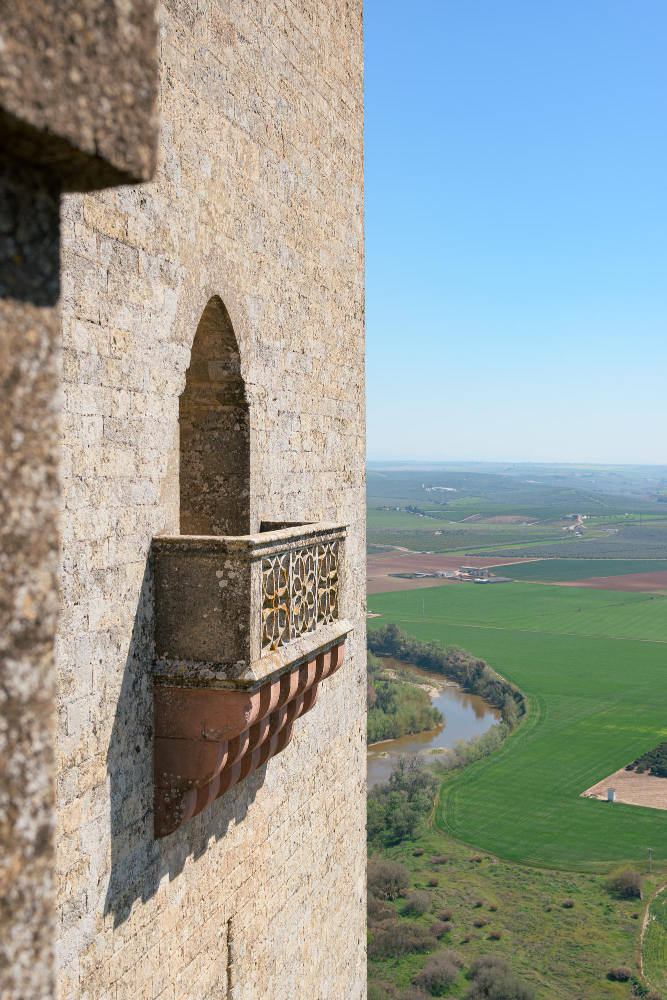
The Moorish era: Origin of the name and the castle – With the arrival of the Moors in the 8th century, a new era began for this place. In 740, the Umayyads built a new fortress on the hill, which they called ‘al-Mudawwar’ – meaning ‘the Round One’ or ‘the Protected One’. Over time, this name evolved phonetically into the present-day ‘Almodóvar’. The castle became part of the Emirate and later the Caliphate of Córdoba, making it an important military and administrative centre during the centuries between the 8th and 10th centuries. Following the collapse of the Caliphate in the 11th century, the fortress initially belonged to the Taifa of Carmona and later to the Taifa of Seville. During the subsequent Almoravid and Almohad dynasties, control changed hands several times, yet the castle always retained its strategic role. Its location on ‘El Redondo’ in particular, with its unobstructed view over the surrounding countryside and the nearby Guadalquivir, made it a coveted stronghold.
Medieval power struggles and the Christian conquest – The Reconquista, the Christian reconquest of the Iberian Peninsula, led to another decisive change in the 13th century. In 1240, the castle came under the control of the Crown of Castile through a treaty. Three years later, King Ferdinand III handed the fortress over to the City Council of Córdoba, marking its integration into the Christian system of rule. Under King Alfonso X, also known as ‘the Wise’, the boundaries between Almodóvar and the neighbouring municipality of Posadas were established in 1267. It is also significant that, in the 14th century, both King Pedro I and his half-brother Henry II used the castle as a residence from time to time, which underlines its political importance. In the 15th century, the castle passed into the hands of powerful noble families such as the Houses of Baena and Cabra, who used this fortress to secure their spheres of influence. In the early 16th century, the Almodóvar estate was even used as collateral for the purchase of the neighbouring town of Fuente Obejuna. Shortly afterwards, however, the castle reverted to the Crown. As late as the 17th century – in 1629, to be precise – Almodóvar was put up for sale by King Philip IV. The title of nobility and the lordship passed to Francisco del Corral y Guzmán, a Knight of the Order of Santiago, thereby turning the town into a fiefdom.
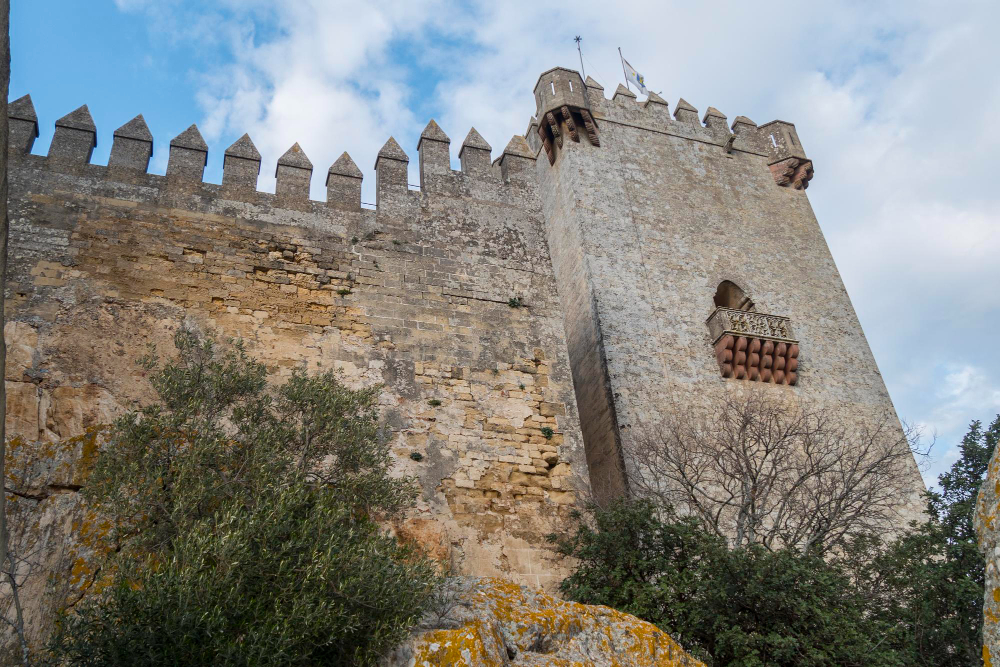
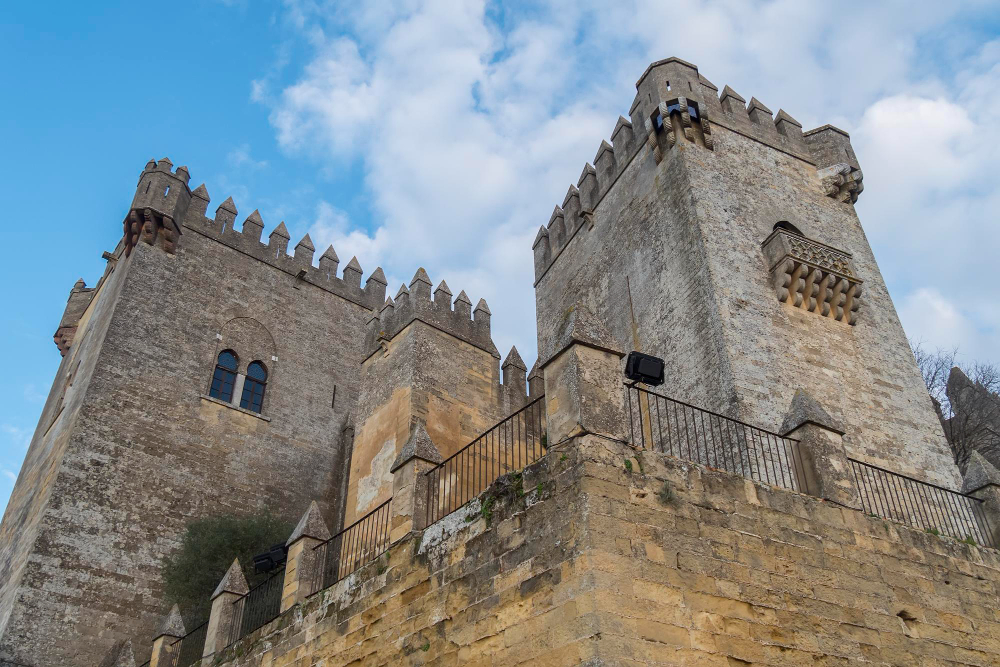
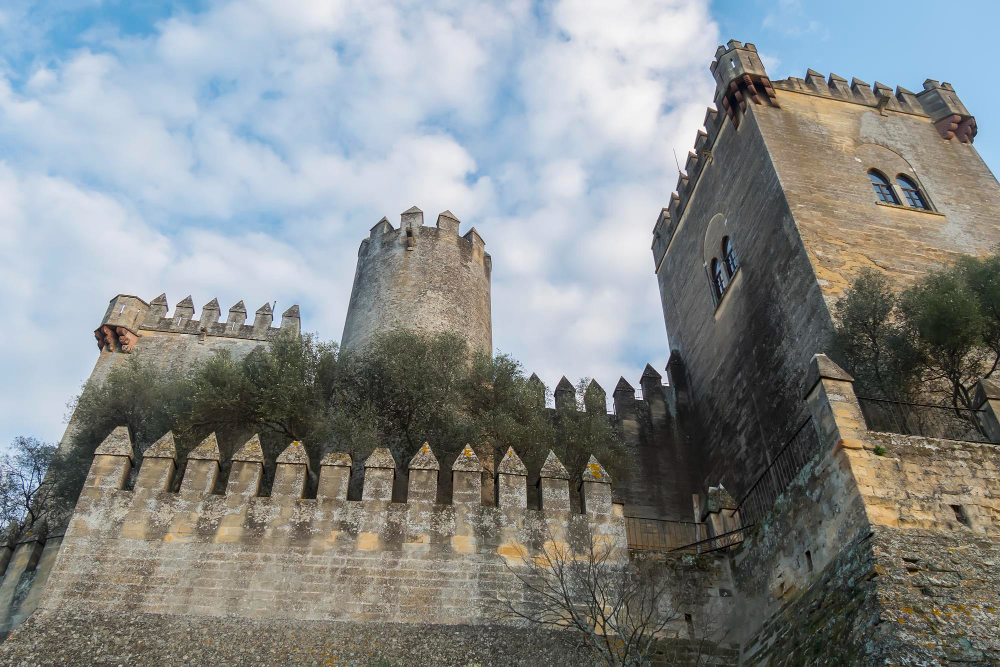
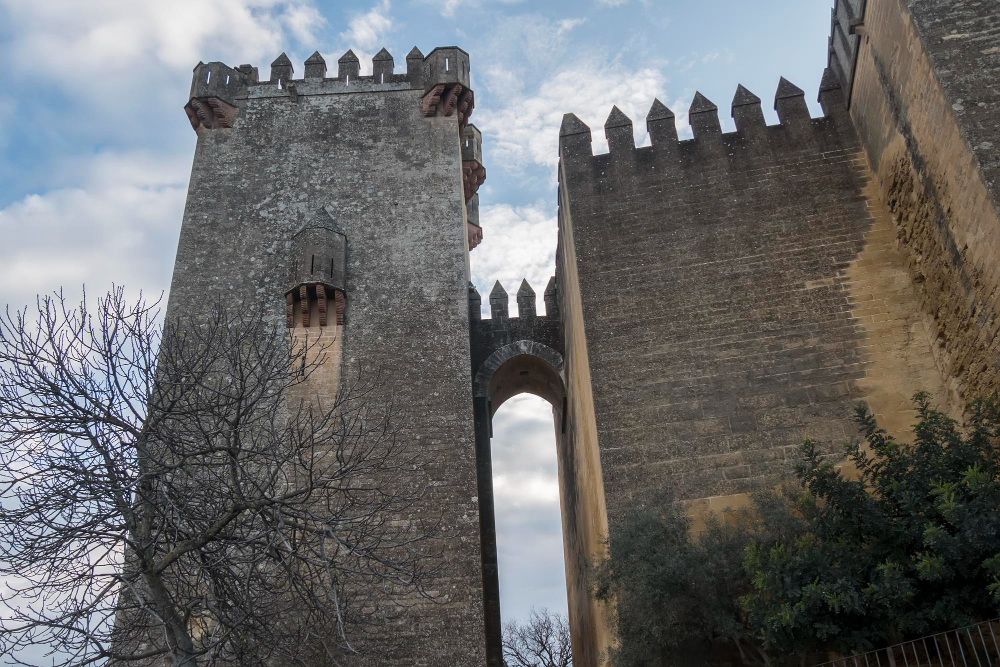
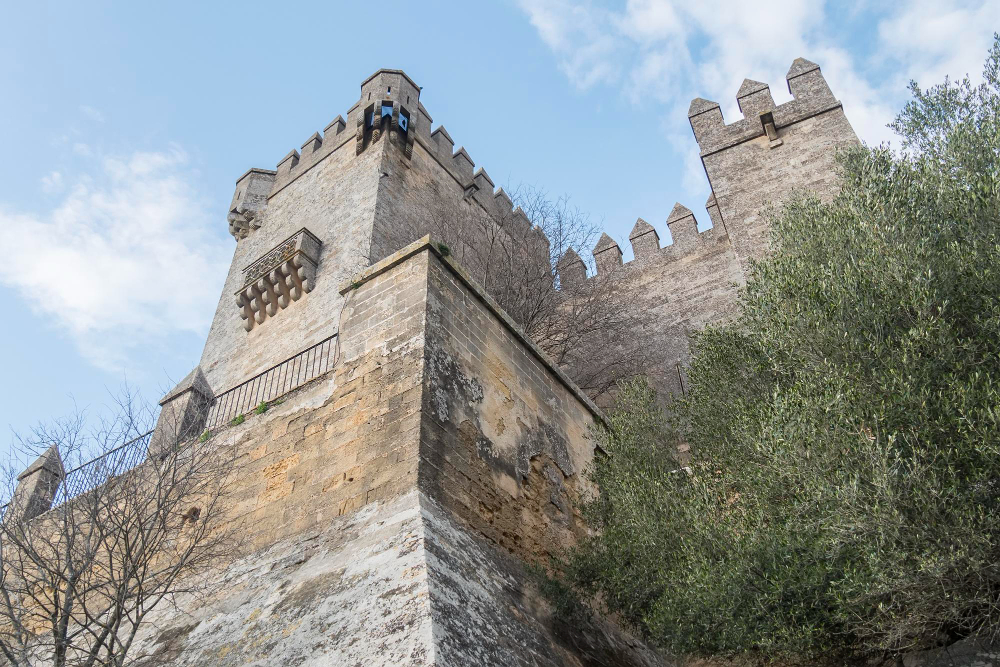
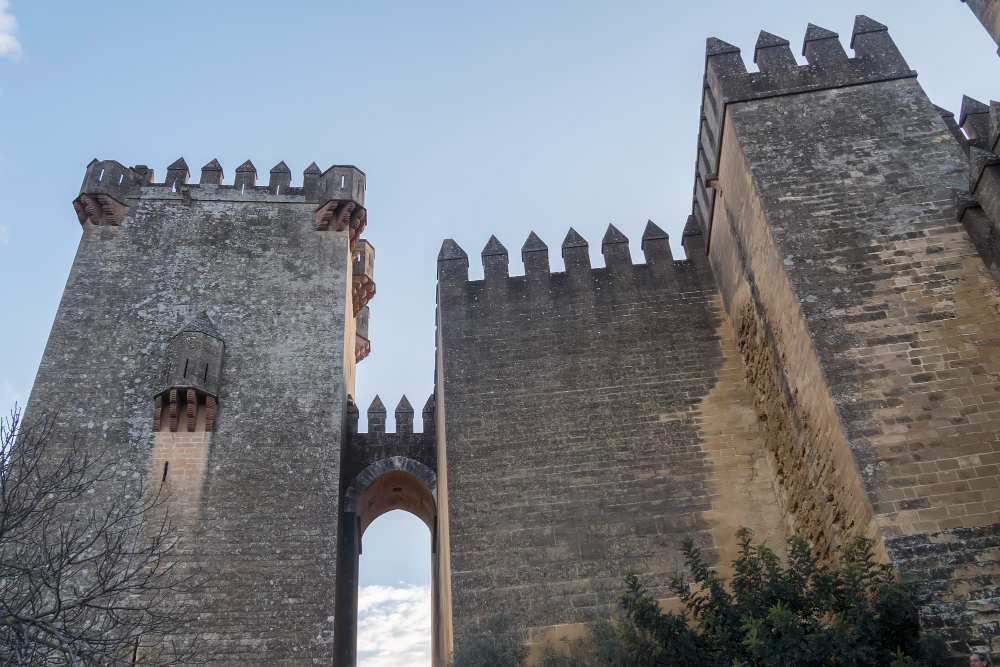
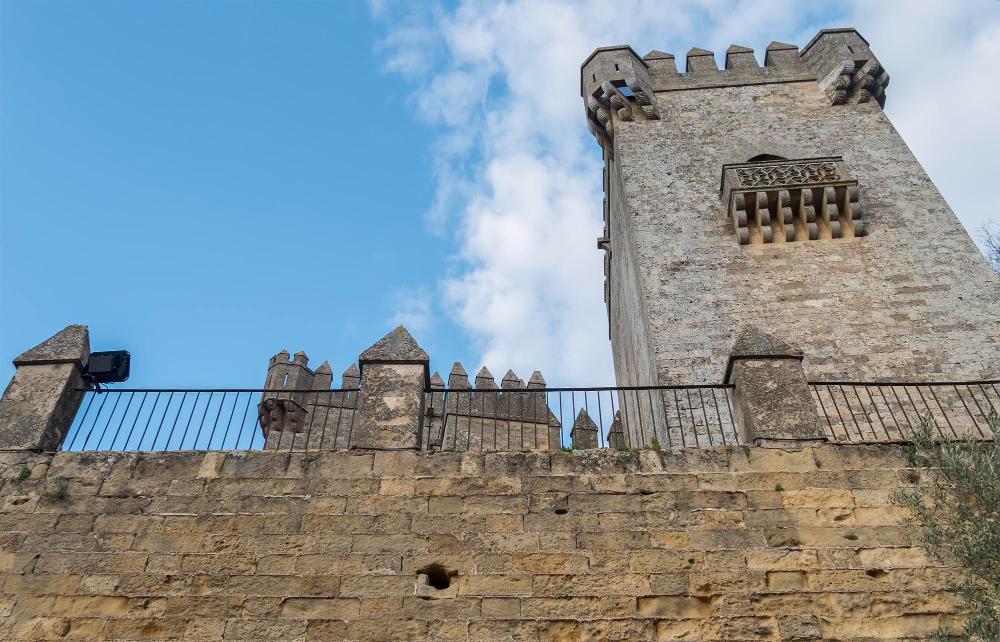
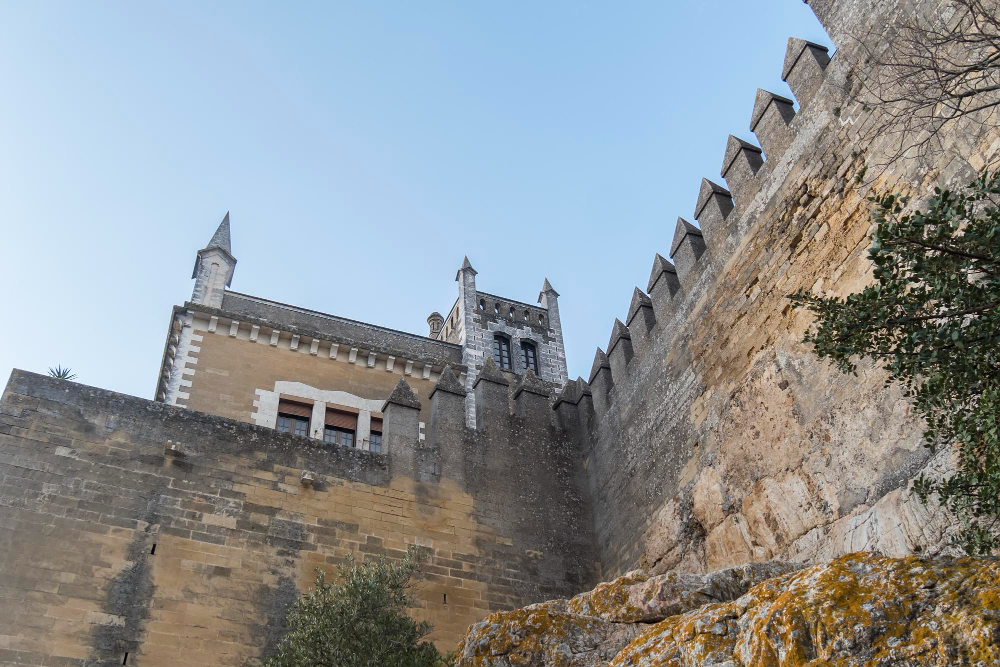
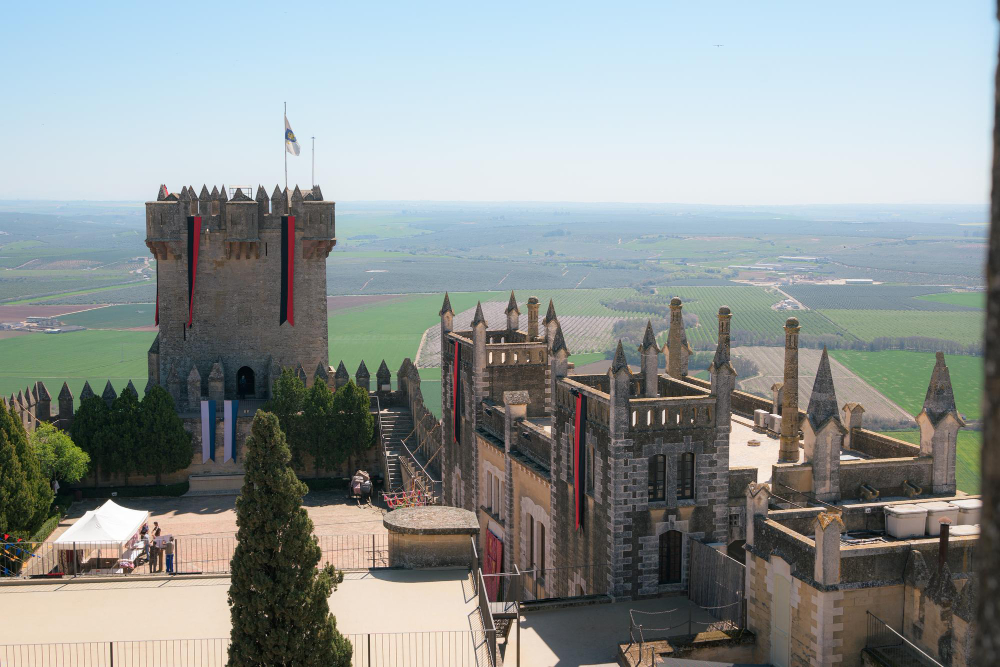
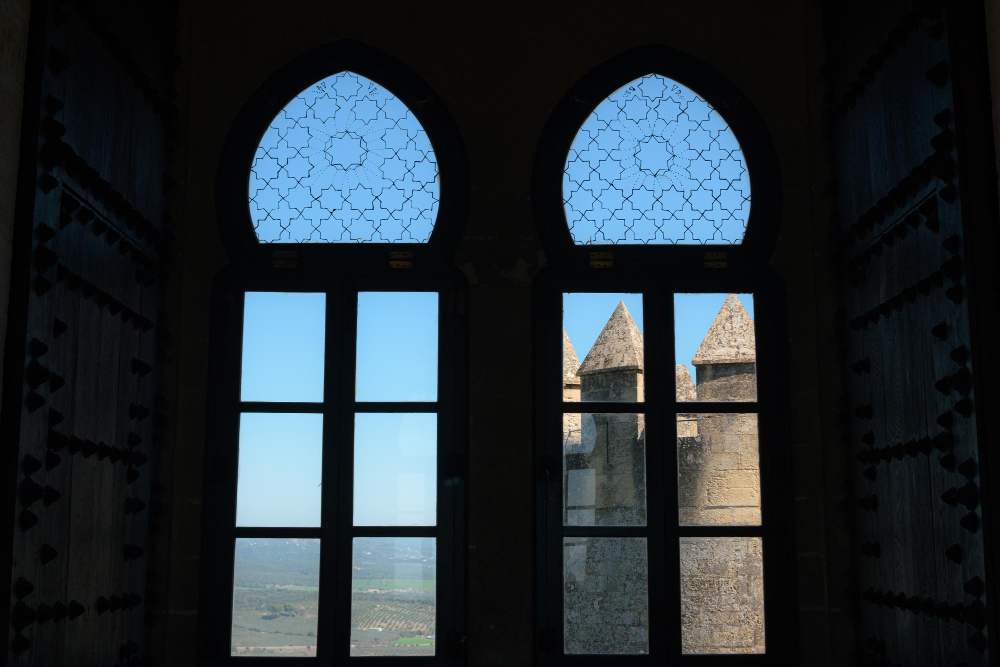
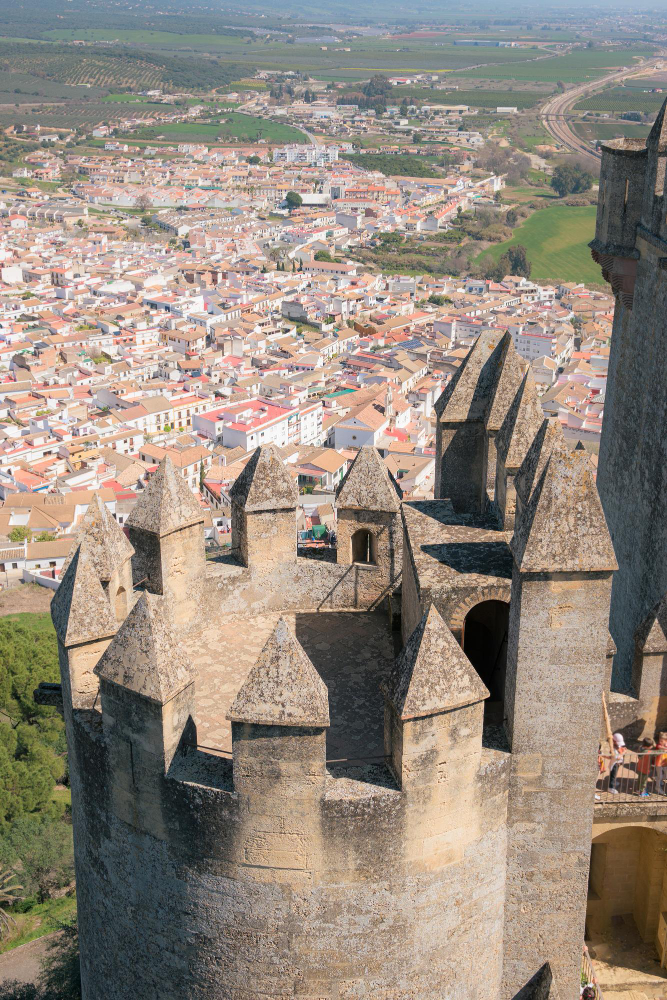
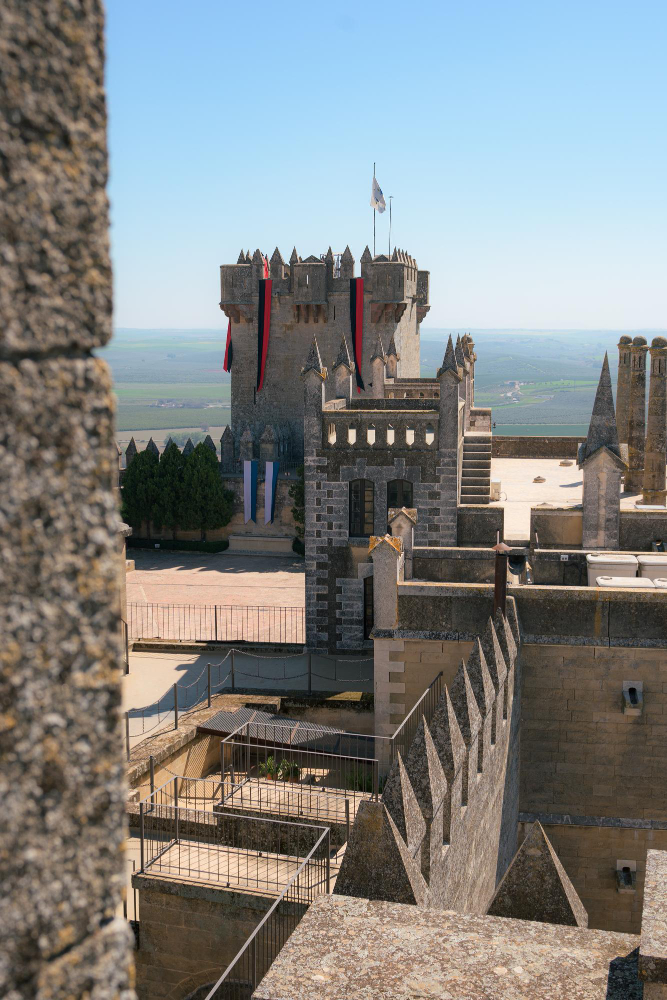
Architecture and structural developments – The current structure of the Castillo de Almodóvar reflects the complex history of its changing rulers. There are several distinctive towers, each embodying unique functions and styles. Particularly noteworthy are the ‘Cuadrada’ (rectangular) tower, the ‘Redonda’ (round) tower and the ‘Torre del Homenaje’ (keep or main tower), which forms the centrepiece of the defensive complex. The fortress was rebuilt and reinforced on numerous occasions, particularly during the Middle Ages, as military technologies and tactics evolved. Walls were widened, loopholes added and inner courtyards created, which served both defensive purposes and the rulers’ comfort. Moorish architecture is interwoven here with Gothic and, later, early modern elements, making the Castillo a unique testament to Spanish architectural history.
Rediscovery and Restoration in the 20th Century – Until the early 20th century, the Castillo de Almodóvar del Río had fallen into disrepair and was partly in ruins. This changed from 1901 onwards, when Rafael Desmaissières y Farina, the 12th Count of Torralva, took the initiative and launched an extensive restoration of the castle. Under the direction of the renowned architect Adolfo Fernández Casanova, efforts were made to restore the building’s medieval character with meticulous attention to detail. The work dragged on for decades, spanning the lifetimes of the Count and his architect, and effectively came to an end in 1936 with the outbreak of the Spanish Civil War. Despite the interruptions, the restoration continues to shape the appearance of the Castillo to this day. Since the 2000s, the castle has once again been in private ownership; it is currently owned by Miguel Ángel de Solís y Martínez Campos, the 11th Marqués de la Motilla, who preserves and promotes the castle’s cultural and historical significance.
The Castillo today: tourism, culture and legends – The Castillo de Almodóvar del Río is now one of the most visited historical attractions in the province of Córdoba. The castle is not only a tourist highlight but also a popular venue for cultural events, historical festivals and even film productions – parts of the series ‘Game of Thrones’ were filmed here. Alongside the documented historical facts, numerous legends surround the castle. Some tell of hidden treasure chambers and secret passages that once served as escape routes for the rulers. Others recount nocturnal apparitions and ancient Moorish tales of curses, which lend the castle a mystical aura and capture the imagination of visitors.
A living monument to the history of Andalusia – The Castillo de Almodóvar del Río is far more than just an old fortress on a hill. It is the visible legacy of millennia of history – from the Turdetani through Roman antiquity and the Moors to the Christian kings of Spain. Its walls tell tales of political power struggles, architectural creativity and the constant transformation of a region lying at the heart of Andalusia. Its restoration in the 20th century and its current status as a cultural landmark make the Castillo a symbol of the preservation and appreciation of historical cultural heritage. Anyone who makes their way to Almodóvar del Río today steps into a fascinating chapter of Spanish history, experiences the traces of bygone worlds and immerses themselves in the atmosphere of a castle that was once called ‘al-Mudawwar’ – ‘the Round One’, ‘the Secure One’ – and still stands proudly enthroned on its red hill.