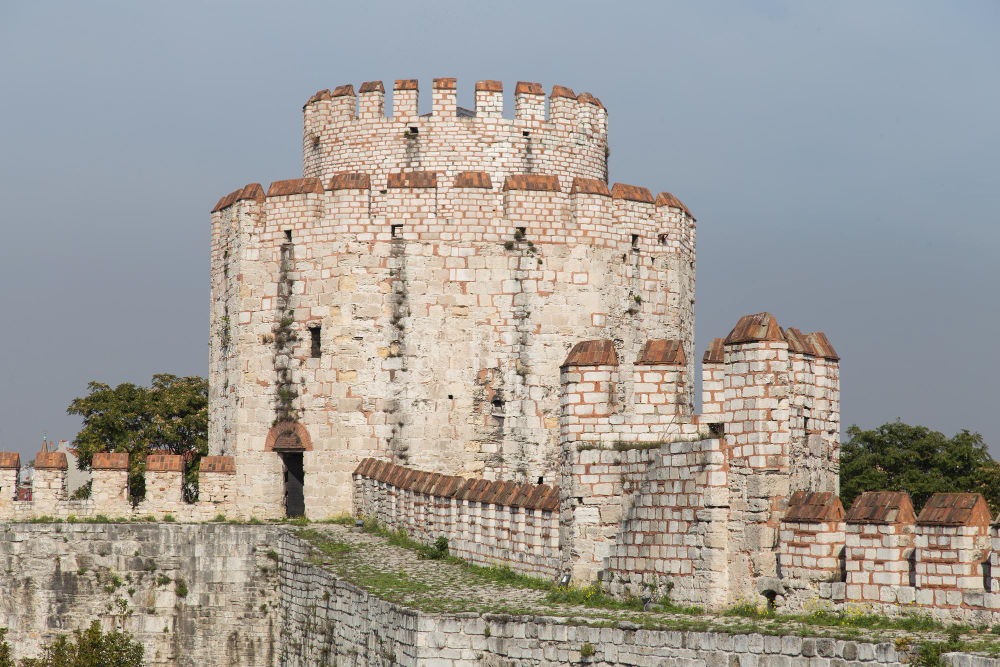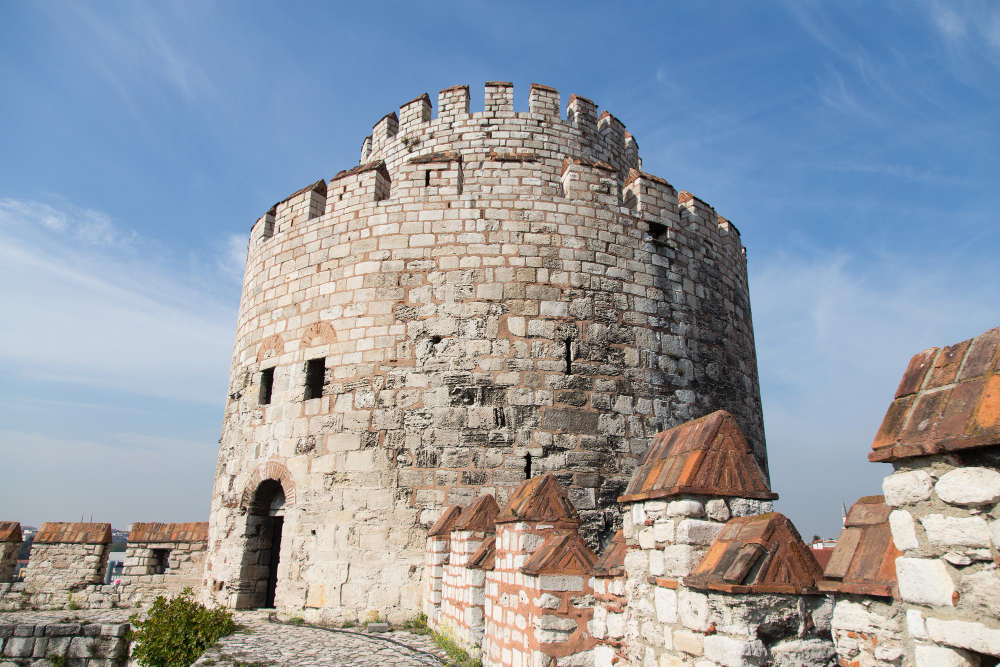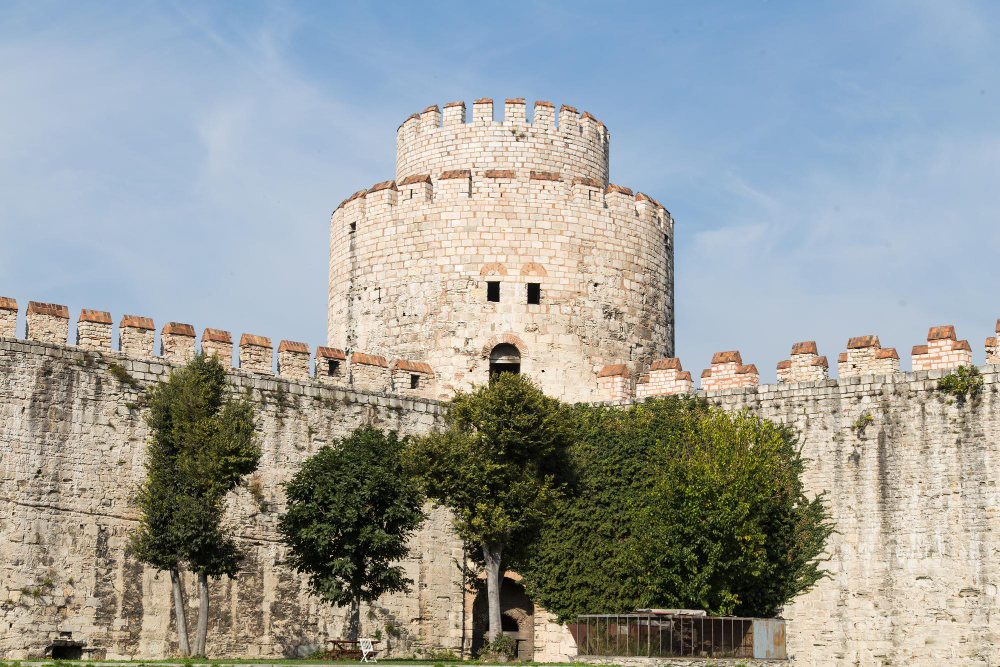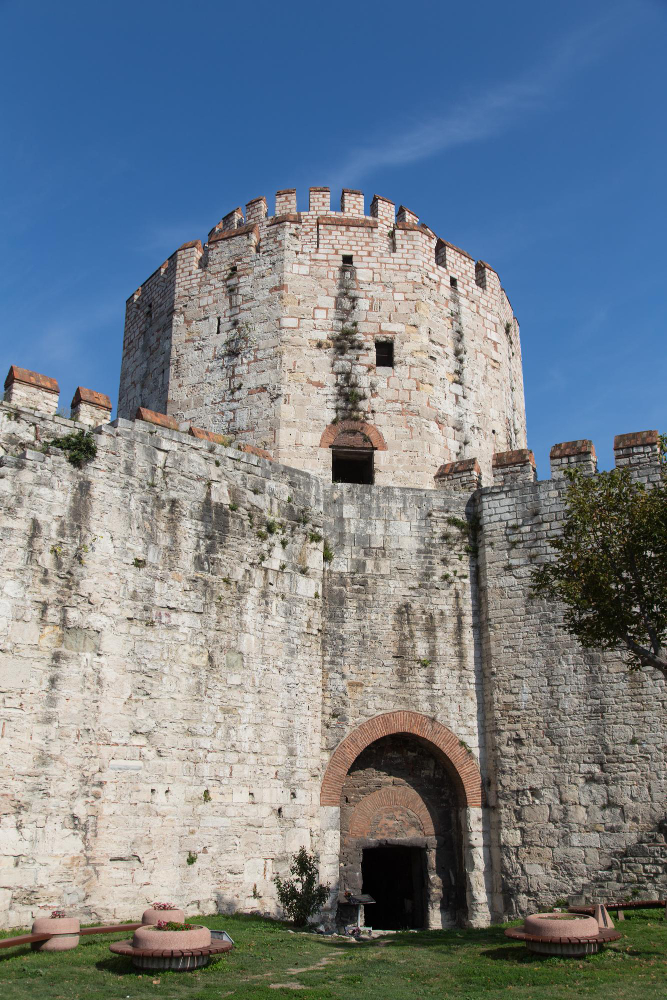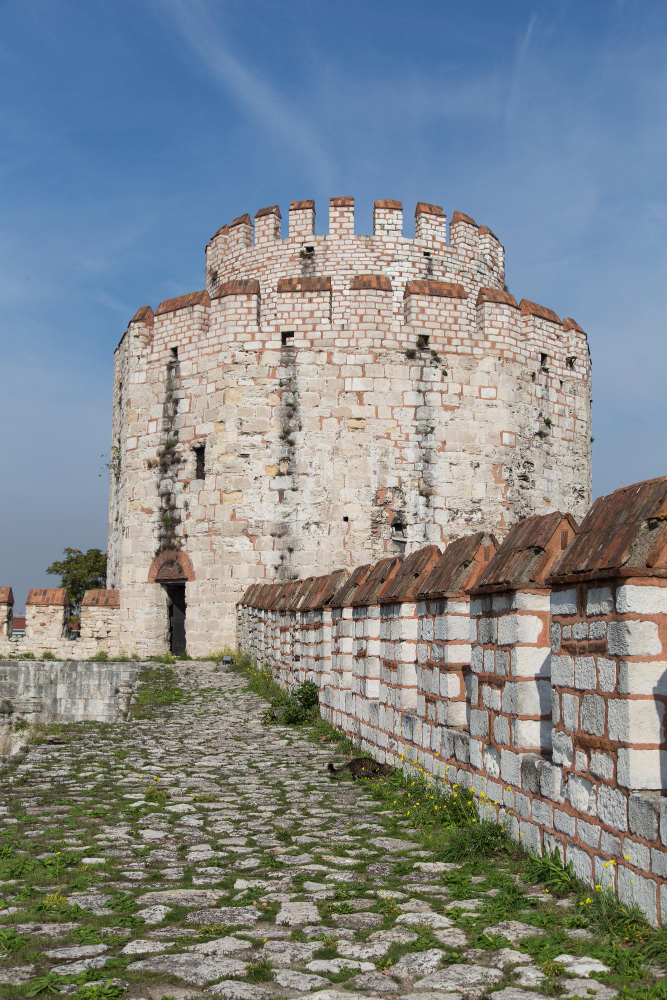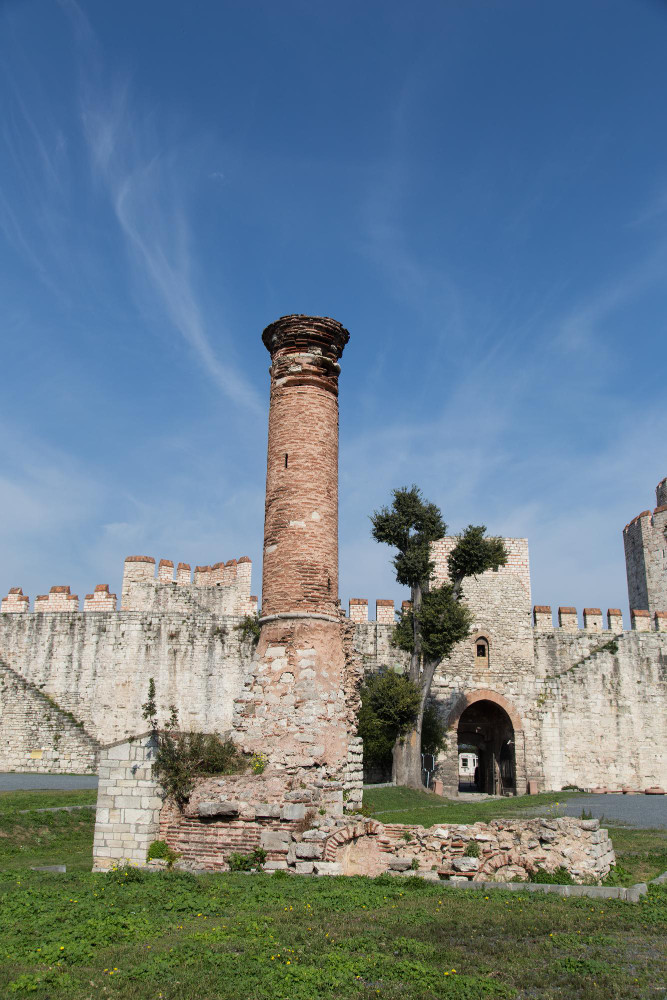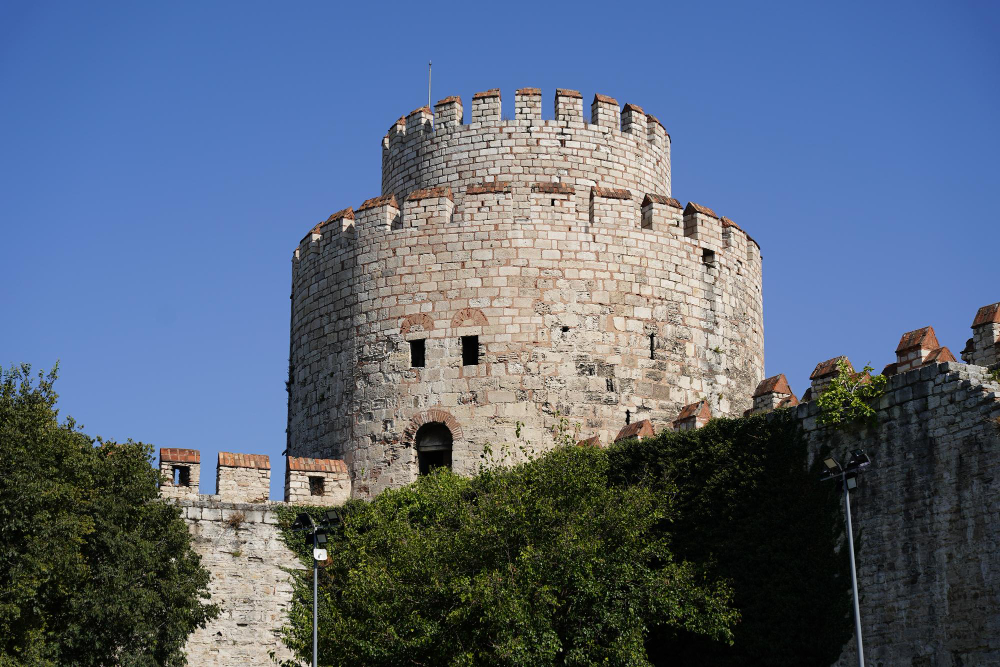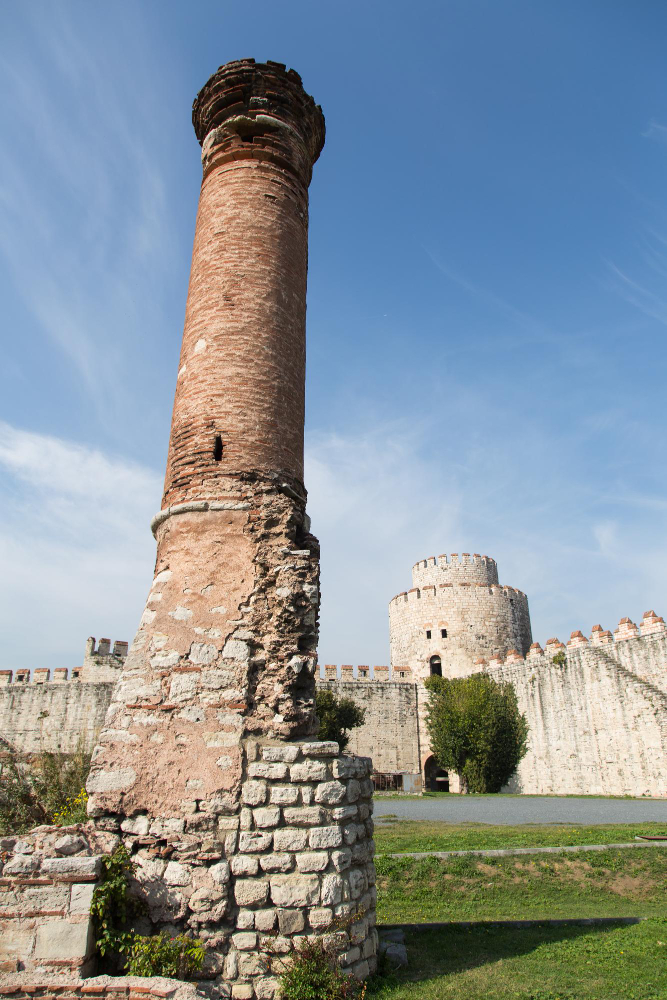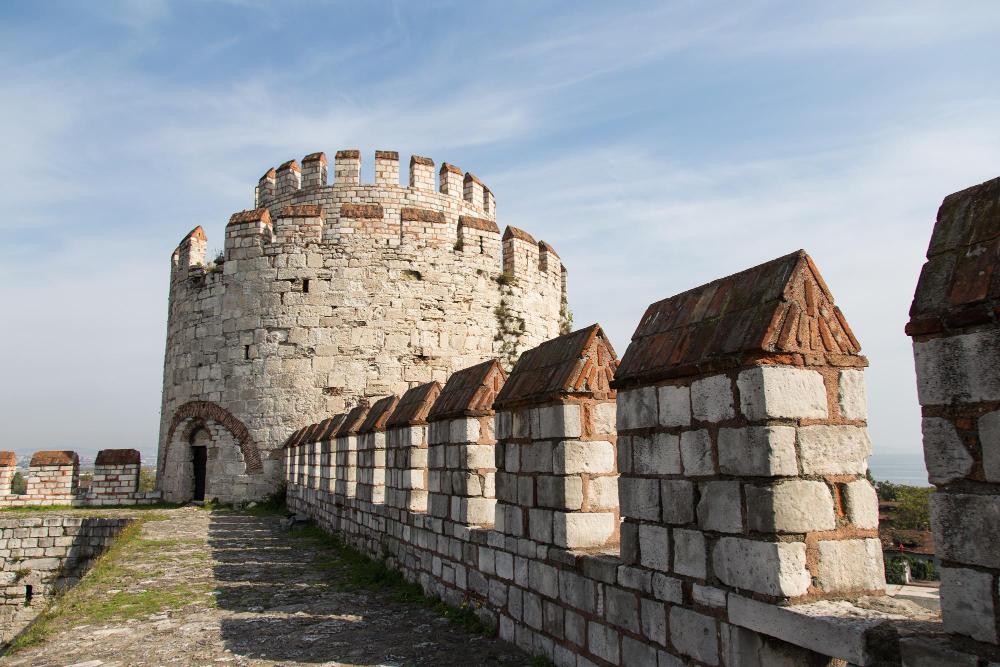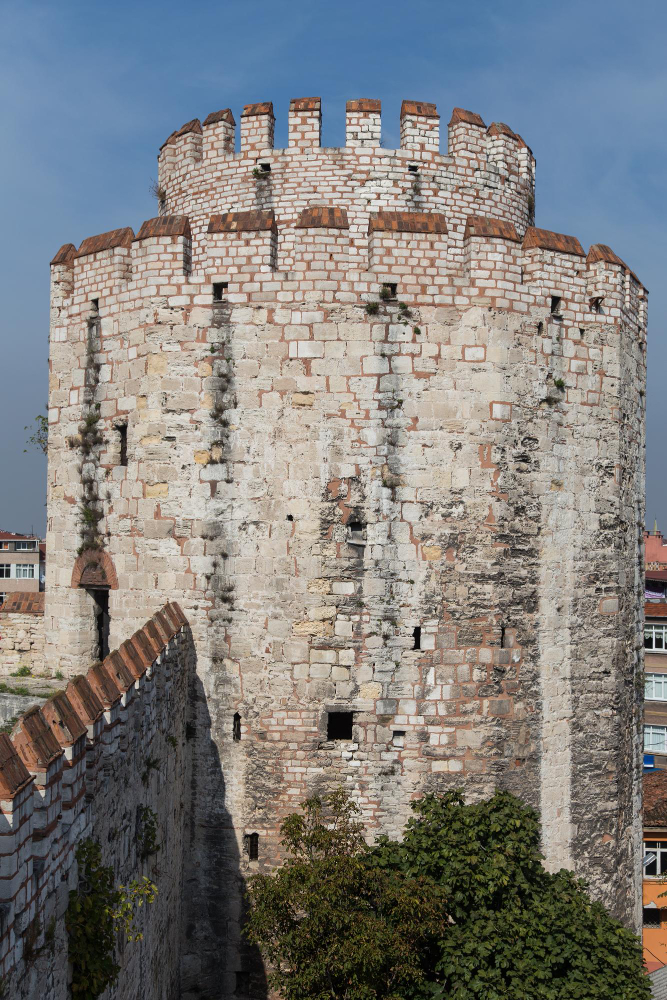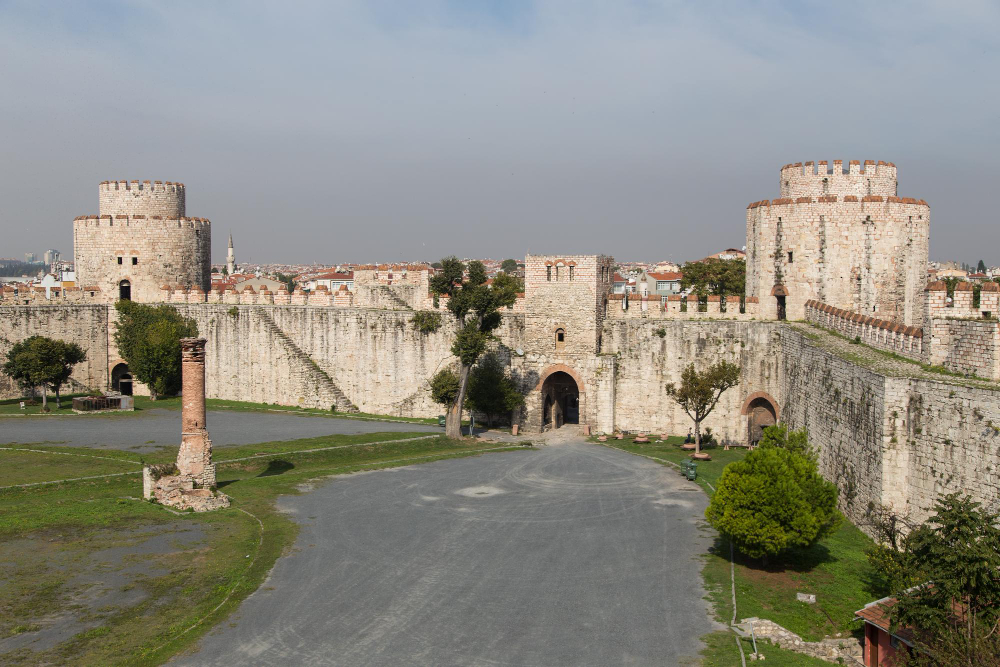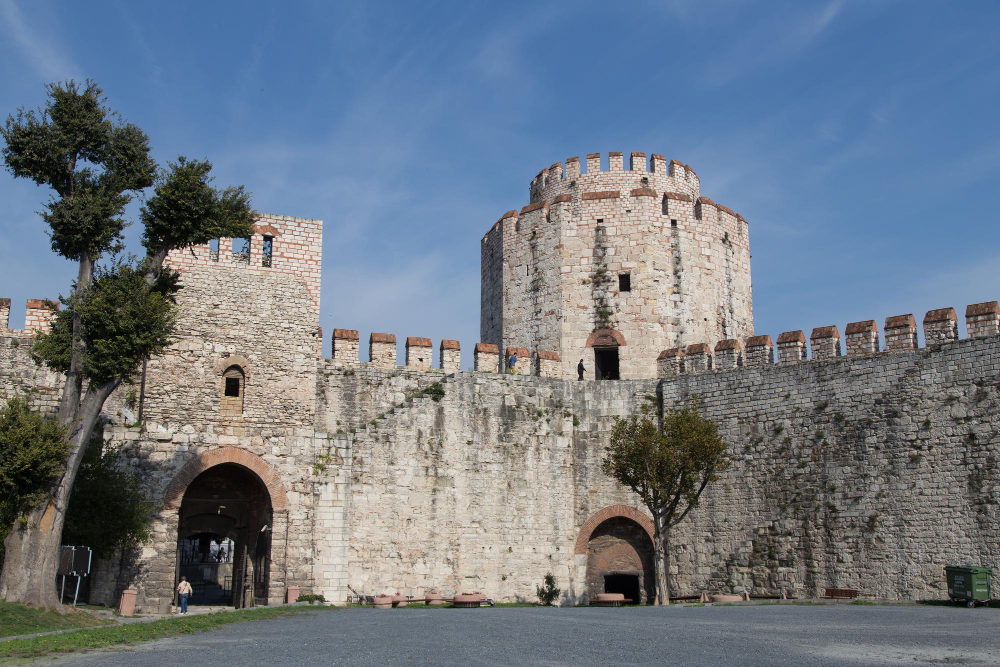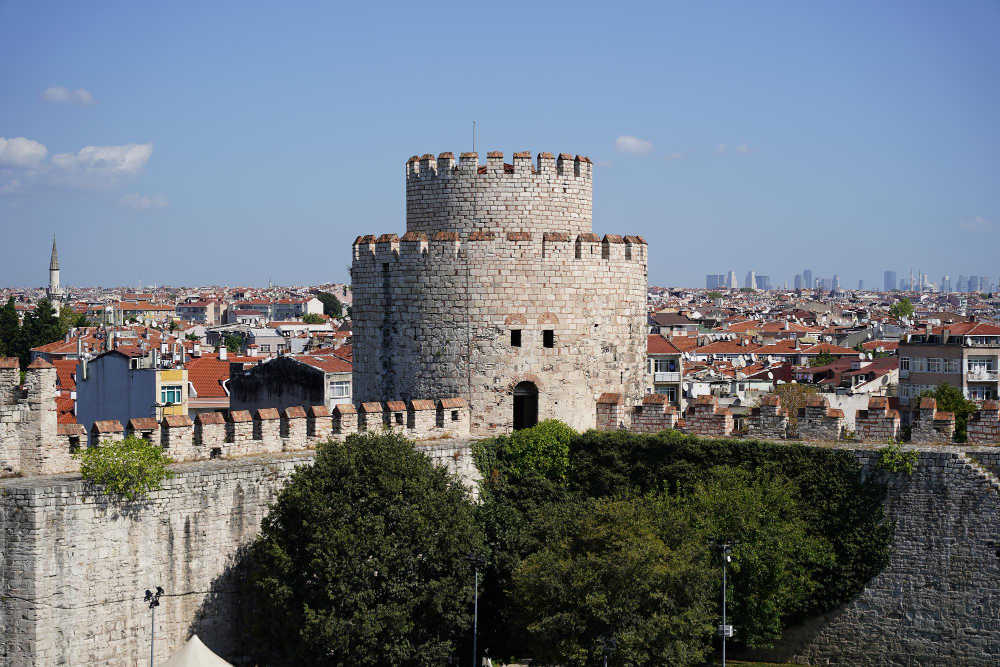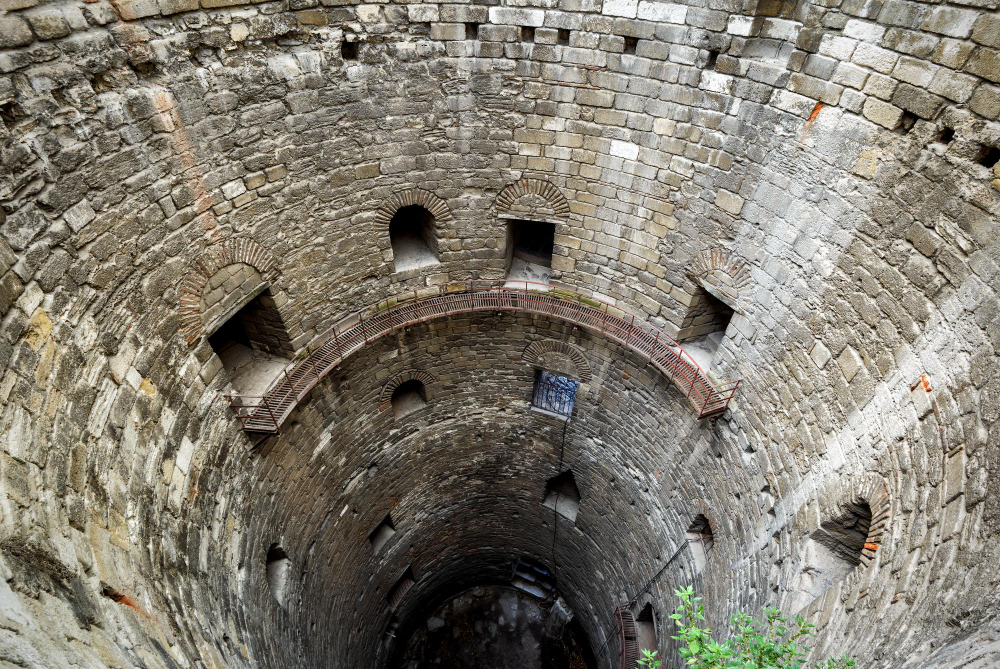

On the southern edge of Istanbul’s historic peninsula, where the mighty land walls of the former imperial city of Constantinople meet the Sea of Marmara, stands a complex that embodies the city’s eventful history like almost no other: the Yedikule Fortress, the ‘Fortress of the Seven Towers’. It is still known today by the names “Yedikule Hisarı” and “Yedikule Zindanları” – ‘Fortress’ and ‘Dungeons of the Seven Towers’ respectively – it remains known to this day. Its walls combine Roman ceremonial architecture, Byzantine urban defences and Ottoman political power. At the same time, tales of deposed rulers, imprisoned envoys, executions and hidden treasures are woven into the fabric of the site. Yedikule, however, is far more than a setting for grim legends. Based on archaeological findings, Ottoman sources and travel accounts, the surviving complex can be understood as a structure that took on new functions time and again over the centuries: it served as a triumphal arch, a city gate, an imperial treasury fortress, a military base, a prison, a powder magazine and, finally, a museum.
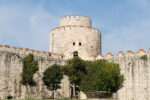
From the Golden Gate to the Ottoman Fortress – The oldest part of Yedikule dates back to late antiquity. This was the site of the “Porta Aurea”, the Golden Gate of Constantinople. It was not just any passageway in the city wall, but a monumental triumphal arch. The Roman emperors Theodosius I and Theodosius II are associated with its construction and decoration respectively. Rulers would make a ceremonial entry into the capital through this gate following successful military campaigns. The Golden Gate was thus a symbol of imperial power, military glory and the political order of the Eastern Roman Empire. The location was deliberately chosen: the structure stood on the important land route to the west and on the edge of the Theodosian fortifications. The gate originally consisted of two massive towers and monumental pillars. During the Byzantine period, although it gradually lost its former role as a regularly used triumphal arch, it remained an extraordinary site due to its symbolic significance. Following the Ottoman conquest of Constantinople in 1453, Sultan Mehmed II, later known as Mehmed the Conqueror, recognised the strategic and ceremonial value of the structure. Just a few years after the city’s capture, he had the ancient and Byzantine structures incorporated into a new fortification. The construction of Yedikule is generally dated to 1457 or 1458. In doing so, the Ottomans utilised the existing walls and towers of the Golden Gate. Three new round towers were added, giving the complex its name: seven towers. The ground plan is roughly pentagonal. The old Roman-Byzantine structures and the Ottoman additions do not form a haphazard mixture, but rather an impressive architectural programme: the new rulers visibly inscribed themselves into the history of the conquered city.
A treasure trove of the young Ottoman Empire – In its early phase, Yedikule was apparently not primarily intended as a prison. Historical research, including studies on Ottoman architectural and administrative history, describes the fortress as a secure repository for the empire’s most valuable assets. Precious objects, coins, gold and silver ingots, weapons and state documents were kept in the towers and within the fortified complex. For Mehmed II, such a fortress held particular significance. After 1453, the Ottoman Empire had entered a new political era: Constantinople became the capital of an expanding empire. Securing financial reserves, documents and military equipment was therefore not a mere administrative matter, but a matter of state stability. Yedikule served simultaneously as a treasury, an arsenal and a militarily protected administrative centre. Contemporary observers even described the complex in a way that was reminiscent of a royal palace. This is not surprising: in the 15th century, the treasury, military security and monarchical representation were closely intertwined. Whoever controlled the state treasury held a central part of the power. At the centre of the courtyard stood a small mosque, often referred to as the Fatih Mosque or the Mosque of the Conqueror. Its location emphasises the symmetrical layout of the complex. There was also a well and living quarters for the garrison. Yedikule was therefore not merely an isolated fortification, but at times a separate, strictly guarded microcosm within the city. In the 16th century, the central treasury administration was relocated to the inner quarters of Topkapı Palace. As a result, Yedikule lost its former role as the empire’s most important treasury – yet its secluded location, thick walls and control by the state made the fortress particularly suitable for another function.
Dungeons for envoys, dignitaries and rulers – Over time, Yedikule became one of the most notorious state prisons in the Ottoman Empire. It was not ordinary criminals who were imprisoned here, but political prisoners, high-ranking officials, rival rulers and foreign diplomats. The fortress was therefore a place where international conflicts and internal Ottoman power struggles became immediately apparent. The treatment of ambassadors from hostile states is particularly revealing. When the Sublime Porte entered into a war, representatives of the opposing country could be detained. In 1768, for example, the Russian envoy Alexei Mikhailovich Obreskov and members of his delegation were imprisoned in Yedikule. This detention was linked to the Ottoman declaration of war on Russia. It was not merely a security measure, but a demonstrative diplomatic act. The fortress also served as a prison during the Napoleonic Wars. The French diplomat and writer François Charles Hugues Laurent Pouqueville was imprisoned there from 1799 to 1801. In his travelogue, he described the complex and the conditions of his imprisonment in detail. Such accounts are particularly valuable for historical research because they depict Yedikule not merely as a building, but as a vibrant and feared centre of politics at that time. Other notable prisoners and victims include David Megas Komnenos, the last Emperor of Trebizond, the Georgian King Simon I of Kartli, and several Ottoman pashas. Their fates demonstrate that, in times of crisis, Yedikule could become an instrument of political elimination. The most famous name is arguably Sultan Osman II. In 1622, the young ruler became embroiled in a conflict with the Janissaries, the empire’s influential elite military corps. Following his deposition, Osman II was held captive in Yedikule and killed there. His death marked a profound turning point in Ottoman history: a reigning sultan had been overthrown and murdered by a revolt of his own soldiers. Yedikule thus came to symbolise not only imprisonment, but also the vulnerability of absolute rule.
Legends, literature and the dark aura of the towers – The term ‘Zindanları’, meaning dungeons, continues to shape the image of Yedikule to this day. Against this backdrop, it is understandable that numerous stories have developed concerning secret passages, hidden treasures and cruel conditions of imprisonment. Nevertheless, a distinction must be made between verifiable history and later embellishments. The fortress was undoubtedly a place of imprisonment, political violence and, in some cases, execution. However, many popular details that appear in oral traditions or tourist narratives cannot always be clearly substantiated by sources. It is precisely this tension between the documented past and the collective imagination that has made Yedikule a literary symbol. The architecture itself also contributes to this atmosphere. The tall towers, thick walls and limited access points still convey a sense of isolation today. Where triumphal processions were once expected, cells and detention areas were later built. Hardly any other place in Istanbul illustrates so vividly how the significance of a building can change over the centuries.
From a military structure to a place of remembrance – In the 19th century, its use changed once again. The garrison’s residential buildings inside were demolished; a girls’ school was built in their place. Following the reopening of an outer gate in 1838, parts of the towers were used temporarily as powder magazines. The last known prisoner is said to have been held at Yedikule as late as 1837. In 1895, the complex was finally converted into a museum. This marked the beginning of a new chapter: Yedikule transformed from a functional instrument of power into a historical monument. More recently, an open-air theatre was also built within the complex, which has been used for cultural events. Today, there is also a Muslim cemetery in front of the Golden Gate – a further sign of how many layers of history overlap at this site. Yedikule is therefore not merely a tourist attraction with spectacular walls. The fortress tells the story of Istanbul’s continuity and ruptures: of Roman imperial ideology, Byzantine defensive architecture, the formation of the Ottoman state and modern forms of cultural remembrance. Its seven towers are stone witnesses to a history in which splendour and violence, administration and myth, rule and captivity are closely intertwined.