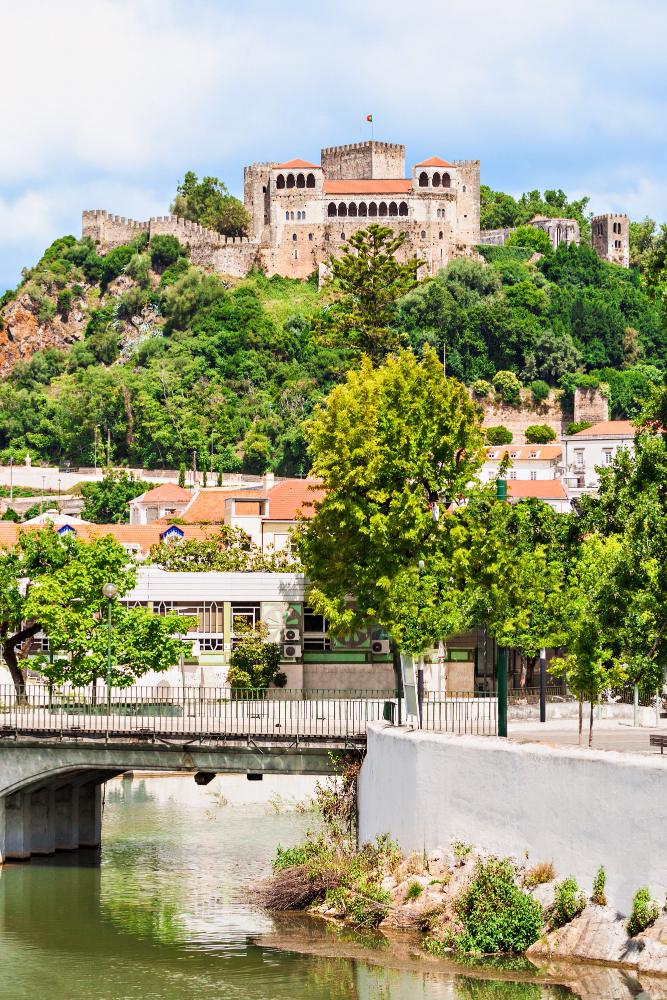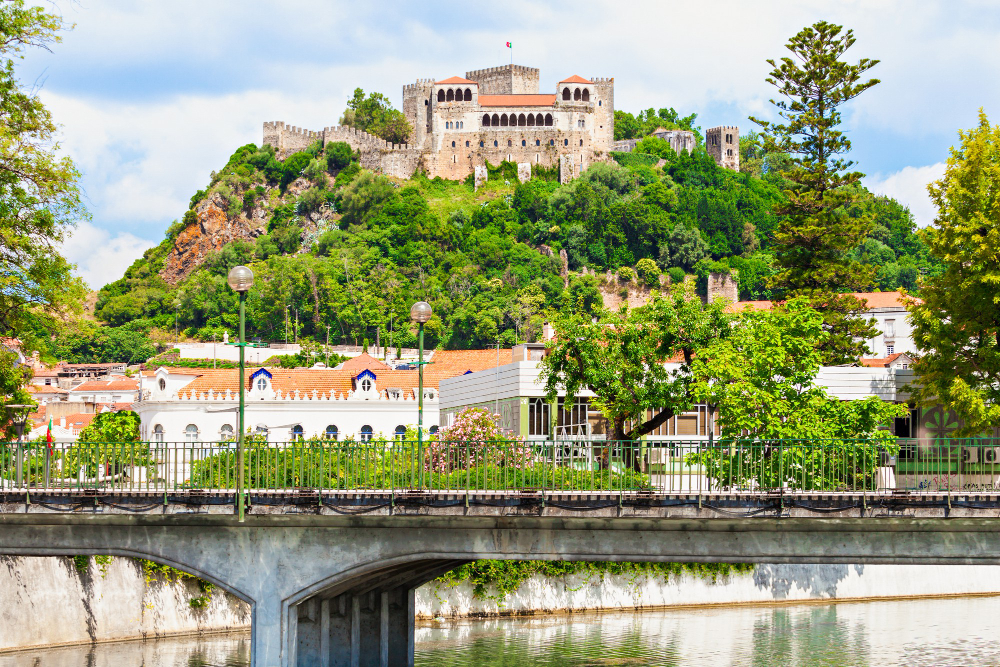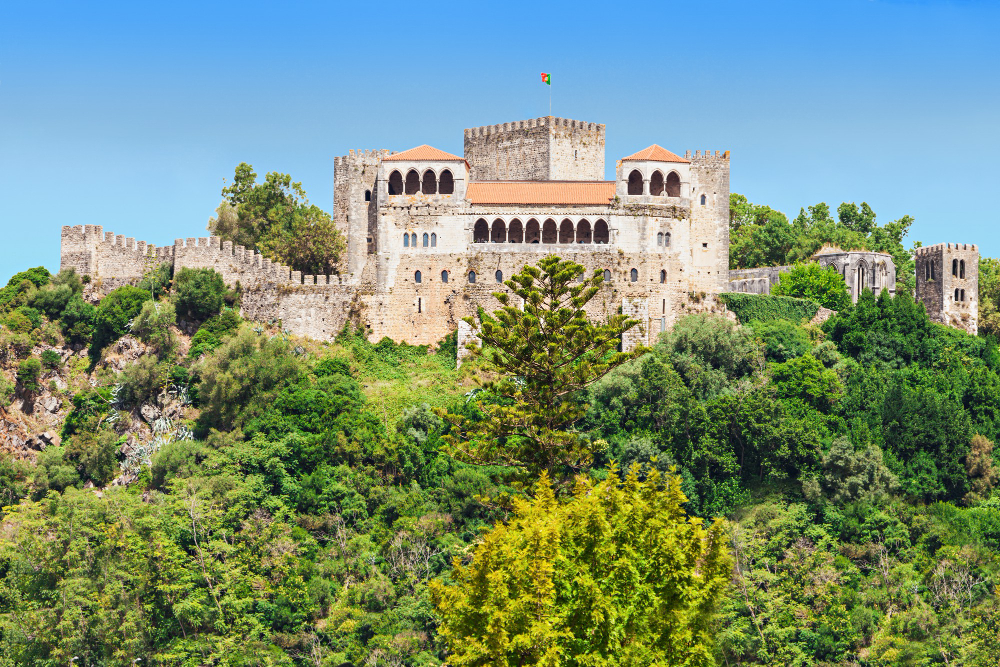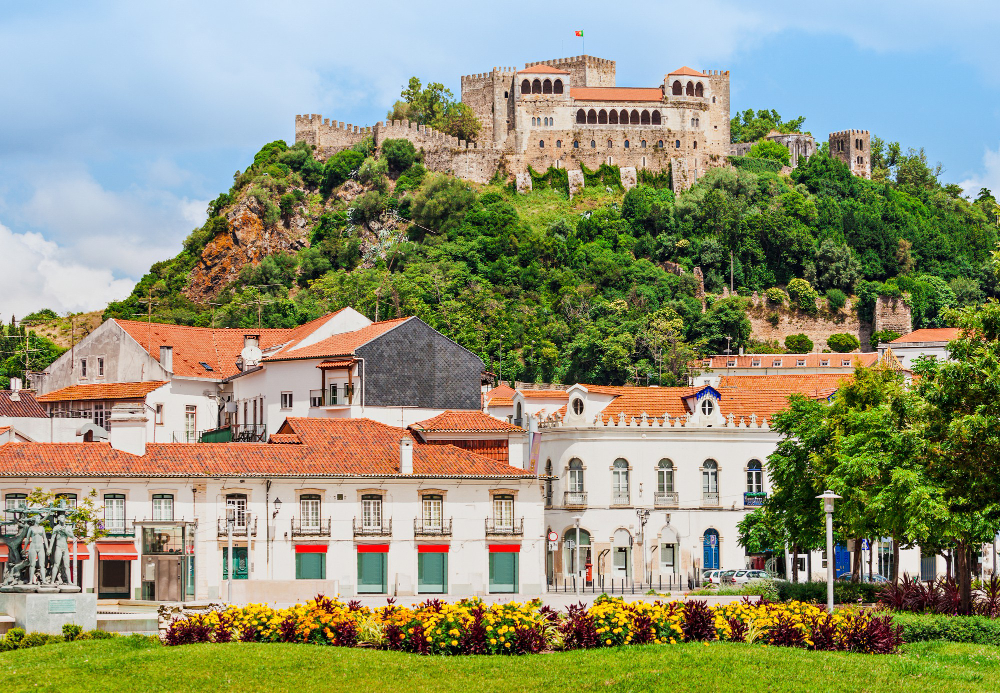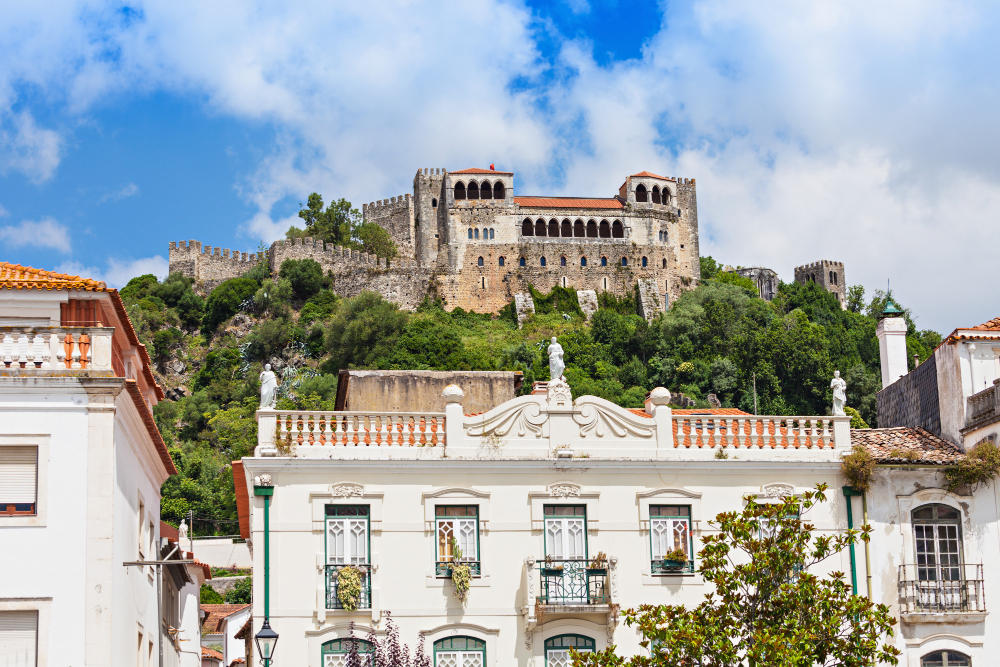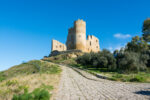

Castelo de Leiria, which towers majestically over the city of the same name, is not only an architectural landmark of Portugal but also a place where history and legends converge. Its walls tell tales of glorious battles, royal intrigues, and the ravages of nature. Yet behind the visible stones lies a fascinating history spanning centuries—a tapestry of power, faith, and the challenges of time.
The Castle’s Origins – The origins of Castelo de Leiria date back to the 12th century, when Portugal was still fighting for its independence and control over the land. It was D. Afonso Henriques, Portugal’s first king, who recognized that Leiria’s strategic location could play a significant role in defending against Arab invaders. In 1142, he had the castle built and its fortifications reinforced after Christian troops had recaptured the area. The construction was part of a broader strategy to create a line of fortifications intended to serve as a shield against Moorish attacks. Yet the castle’s history was far more than just a military challenge. Under the reign of King Sancho I, additional perimeter walls were erected in 1195, further strengthening the complex and laying the foundation for its expansion into a royal residence. These architectural expansions transformed the castle not only into a fortress but also into a symbol of power.
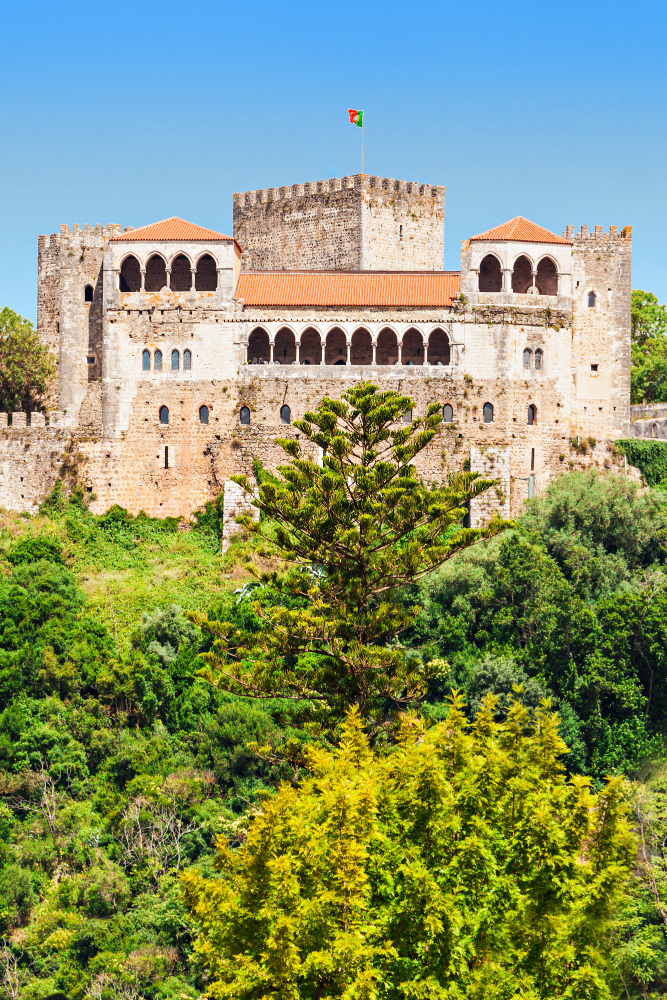
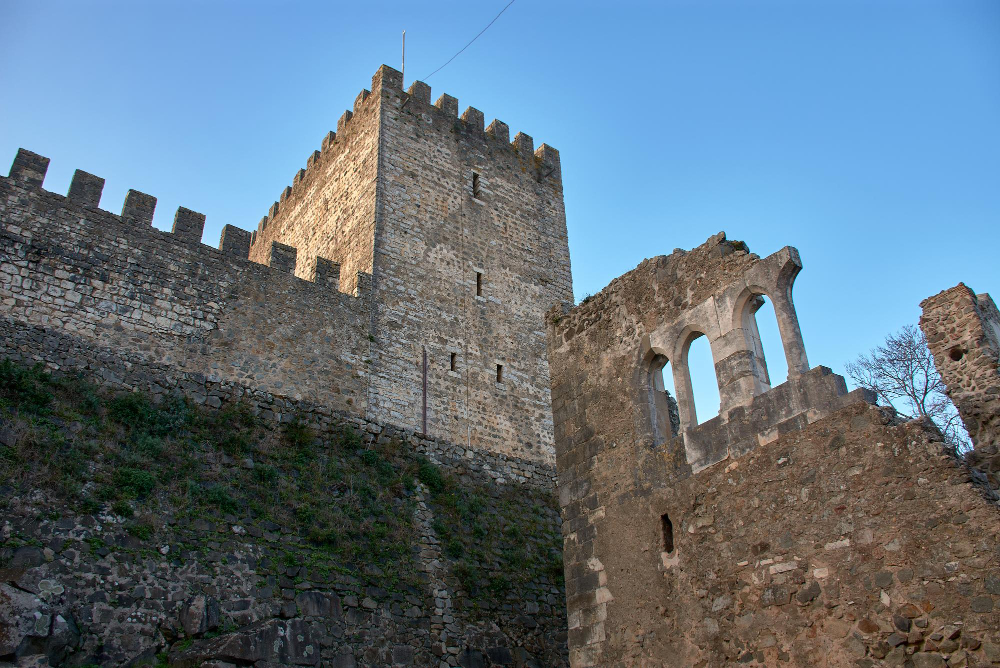
Of Kings and Queens: A Royal Residence – Over the centuries, the Castelo de Leiria served as a refuge and residence for Portuguese monarchs. The era of King Dinis and his wife, Saint Queen Isabel, holds particular significance. The two spent much of their reign at the castle and enriched it with numerous architectural additions. In 1324, King Dinis ordered the construction of a new keep, the so-called Torre de Menagem. This tower was not only a symbol of royal power but also an important addition to the castle’s defensive structure. Also of interest is the castle’s role as a political meeting place. During the reign of King Afonso III, the first official sessions of the Portuguese Cortes—a type of parliamentary assembly—were held here. Later, under King Fernando I, the castle was renovated and used as the seat of the royal courts.
The Slow Decline and Revival – Over the centuries, Castelo de Leiria gradually lost its military value—a fate shared by many medieval fortresses. With the advancement of warfare technologies and changes in the political landscape, the castle took on an increasingly symbolic character and lost its practical functionality. A decisive event was the French invasion at the beginning of the 19th century, during which the castle was significantly damaged. Yet the people’s love for history and culture saved the structure from complete ruin. As early as the late 19th century, dedicated civic initiatives, particularly the Liga dos Amigos do Castelo, launched an ambitious restoration project. This endeavor was led by renowned architects such as Ernesto Korrodi and later Baltazar de Vastro, who sought to preserve the castle’s original character while employing modern renovation techniques. Since 1910, the Castelo de Leiria has been a listed building and was thus officially recognized as a national cultural heritage site. Nevertheless, the castle was not spared from natural disasters; for example, the 1969 earthquake caused significant damage to parts of the building. However, the historic site was hit hardest in 2026 by Storm “Kristin,” which caused ten million euros in damage.
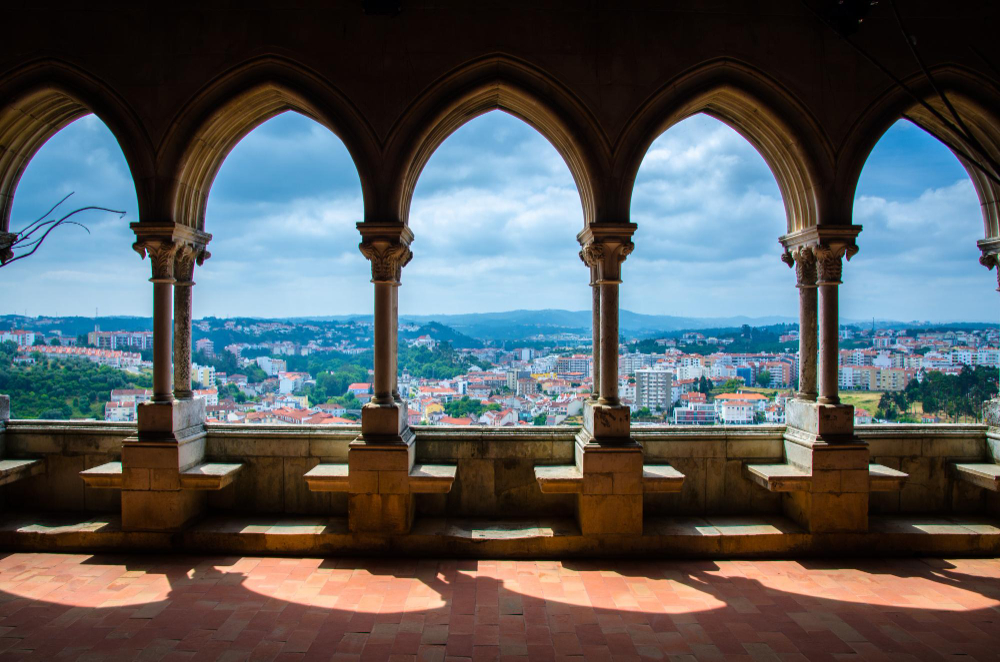
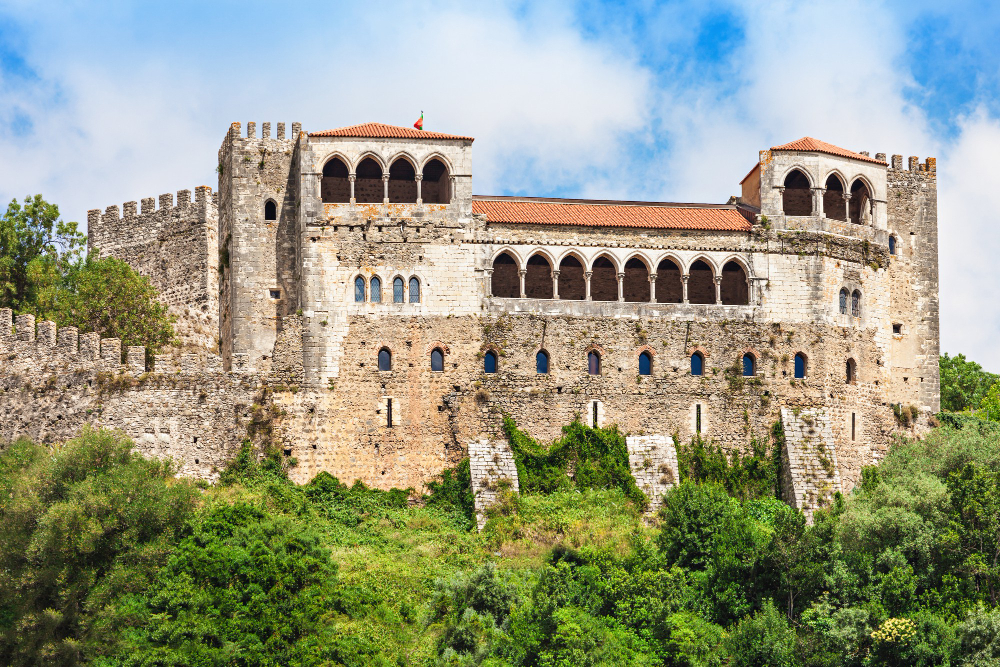
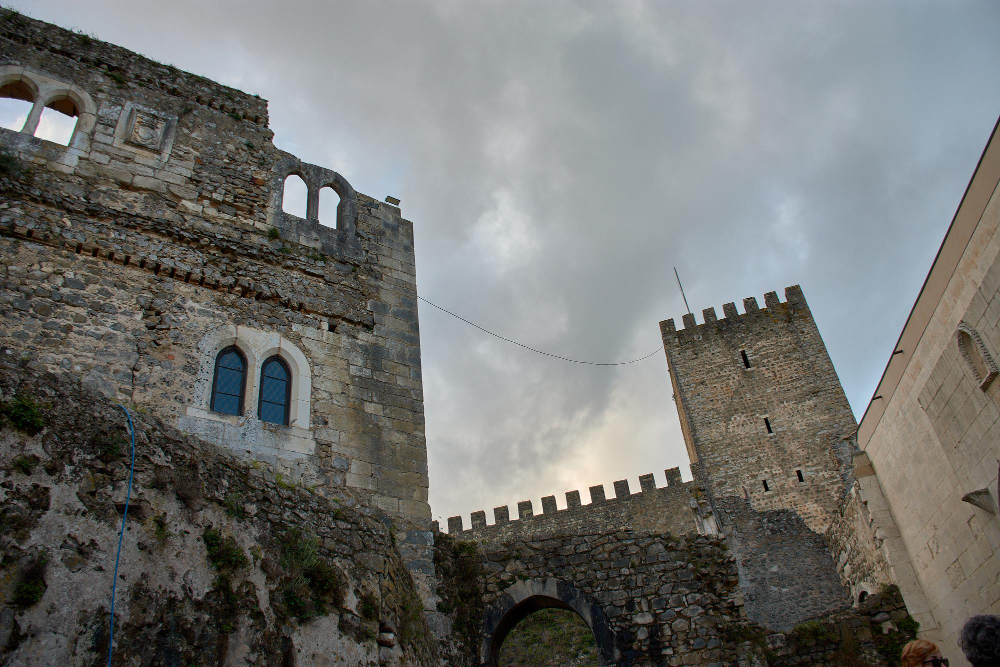
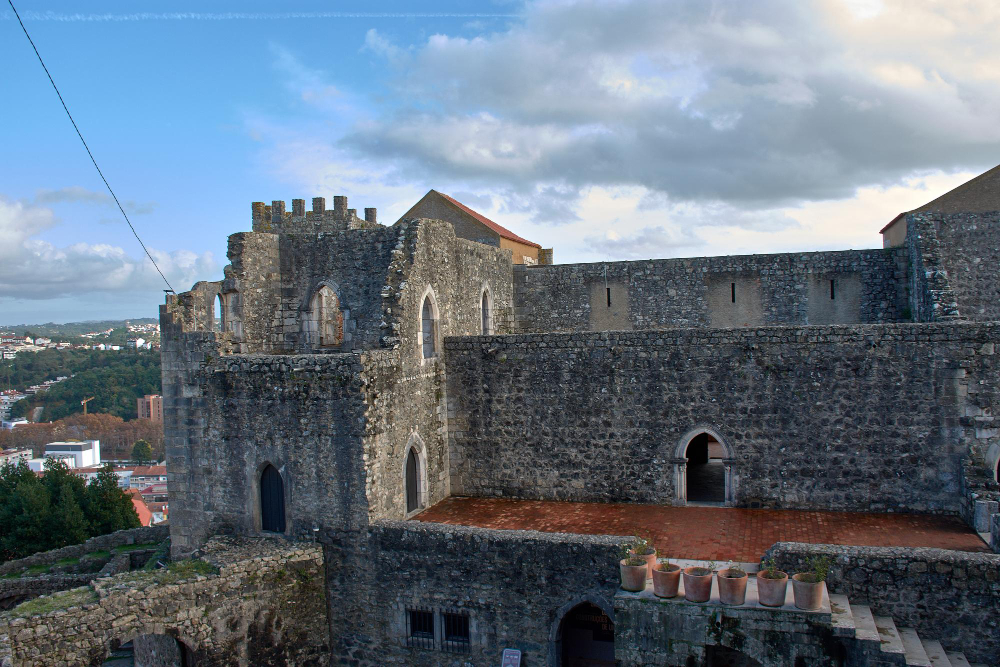
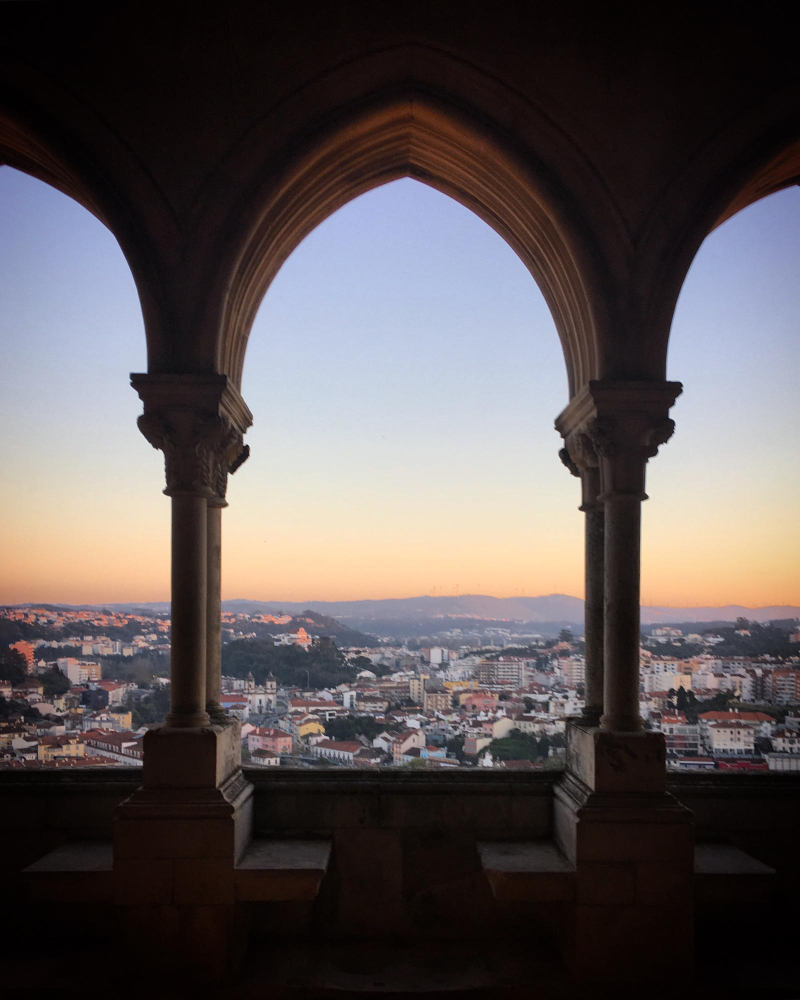
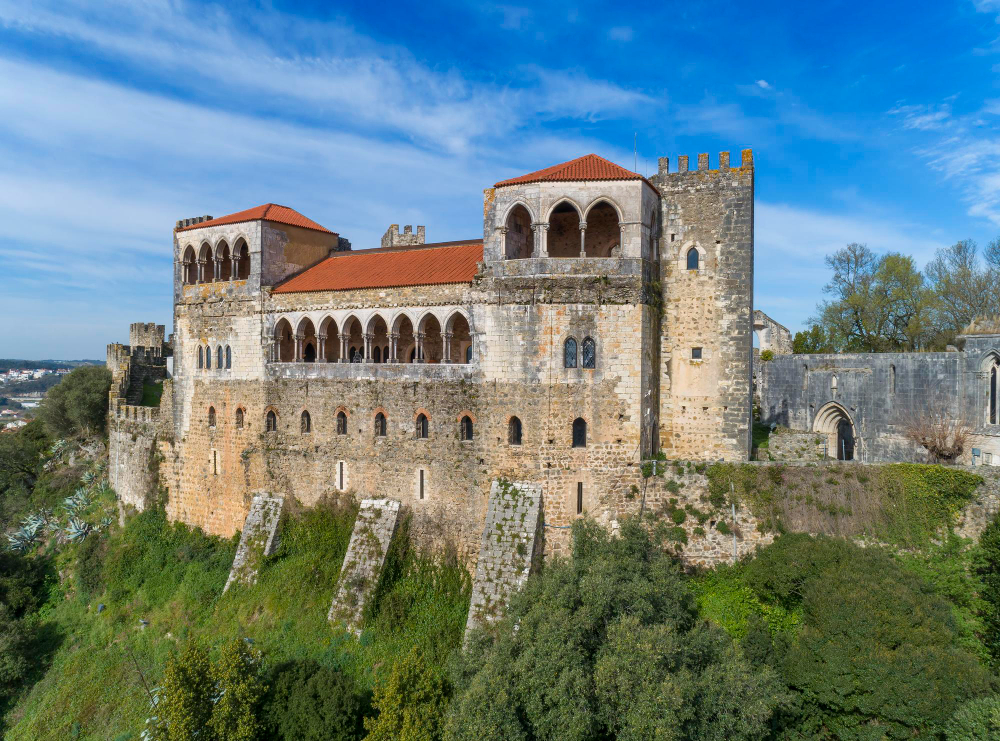
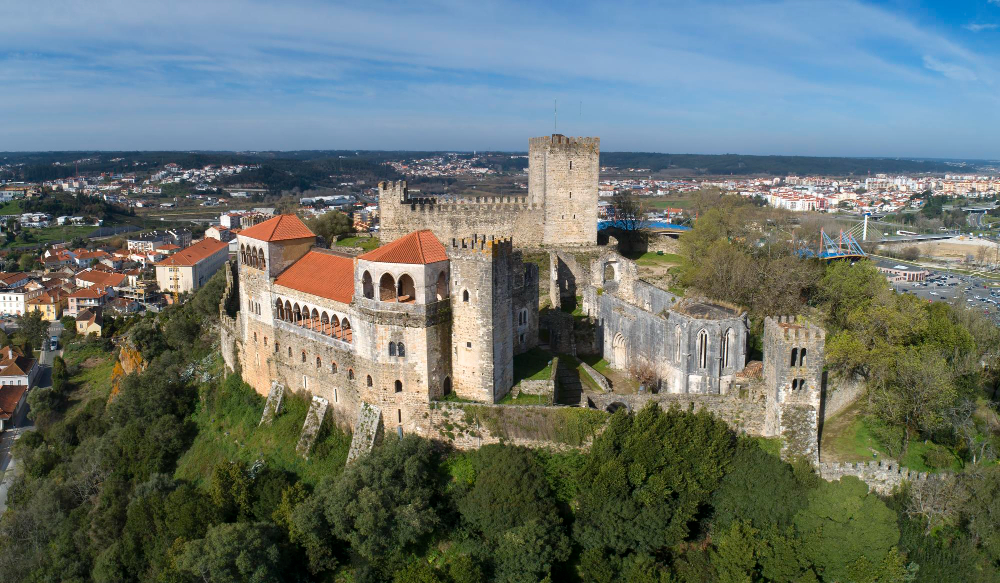
Architectural Diversity and Secrets – What makes the Castelo de Leiria architecturally unique are the various architectural styles that blend together in its structure. The castle’s current appearance is the result of four major construction phases: the Romanesque style of the 12th century, the Gothic Dionysian style of the 14th century, the Johannine Gothic of the early 15th century, and the restorations of the late 19th and early 20th centuries. The castle has an irregular polygonal shape characterized by massive walls and towers. Within the complex are notable structures such as the Paços Reais (Royal Palace), the Church of Nossa Senhora da Pena, the Menagem Tower, as well as medieval storehouses and former collegiate buildings. Particularly impressive is the so-called Loggia, a large terrace with eight arches and double capitals that offers a breathtaking view of the city of Leiria. This Loggia once served as a place for royal leisure and social gatherings. Another highlight is the so-called Royal Hall or Hall of Nobility, a 130-square-meter room that was used for royal receptions. The size and design of this room attest to the castle’s significance as a royal residence.
Legends Echoing Through the Walls – In addition to its documented history, many legends surround Castelo de Leiria. One of the most famous stories is about Saint Queen Isabel, who was known for her peace missions and charitable work. It is said that she often retreated to the castle’s chambers to offer silent prayers and make decisions that would have a lasting impact on the country. Another mystery concerns the castle’s secret escape route. According to tradition, there is said to be an underground tunnel leading from the castle down into the city. This tunnel allegedly served as an escape route for the monarchs in the event that the castle was besieged. To this day, there is no clear archaeological evidence of this tunnel’s existence, yet the story persists and sparks the imagination of visitors.
A Place Between Past and Present Today, Castelo de Leiria is not only a historical monument but also a popular destination for tourists and locals alike. Festivals, cultural events, and guided tours breathe new life into the castle, making it a vibrant part of the city’s community life. At the same time, the castle remains a monument to Portugal’s resilience and cultural identity.
Although the walls of Castelo de Leiria bear many traces of time, they also symbolize humanity’s ability to preserve the past and keep the connection to its own history alive. Anyone who has the opportunity to visit this impressive fortress not only experiences the beauty of its architecture but also immerses themselves in a world full of legends and secrets.