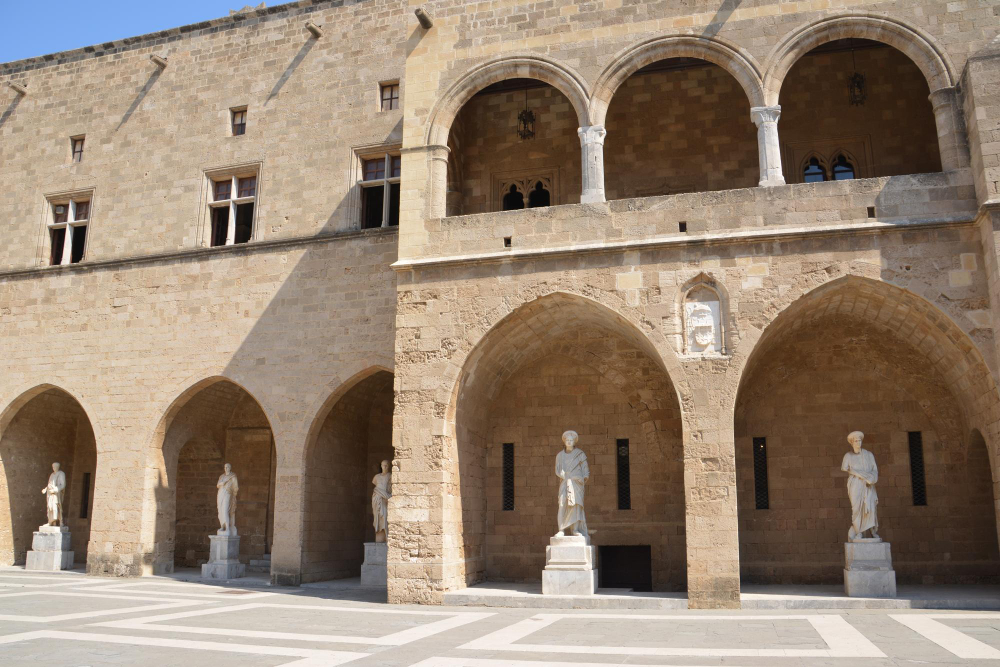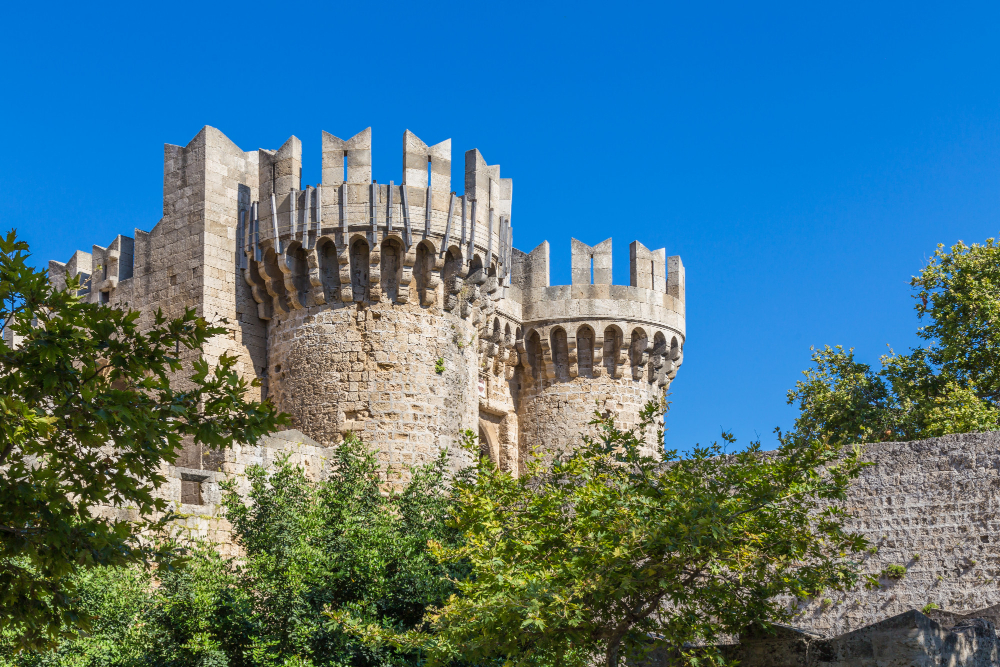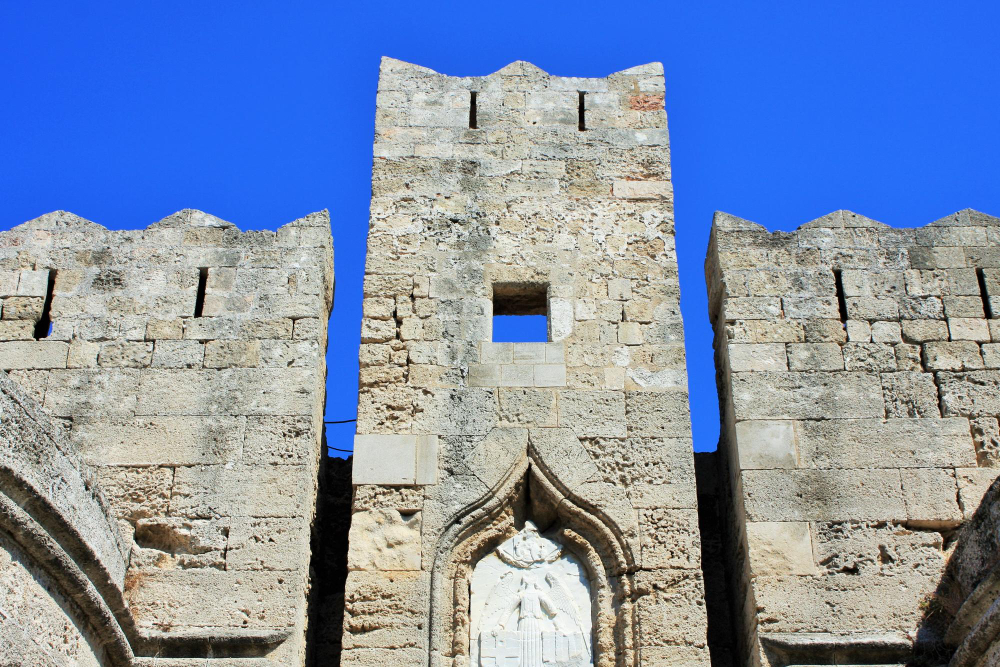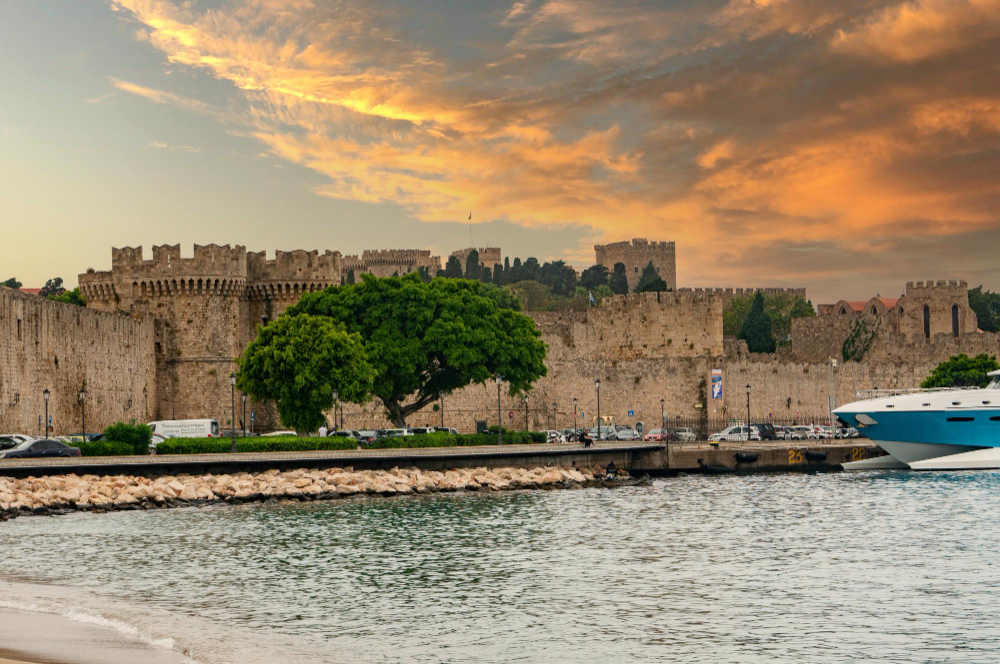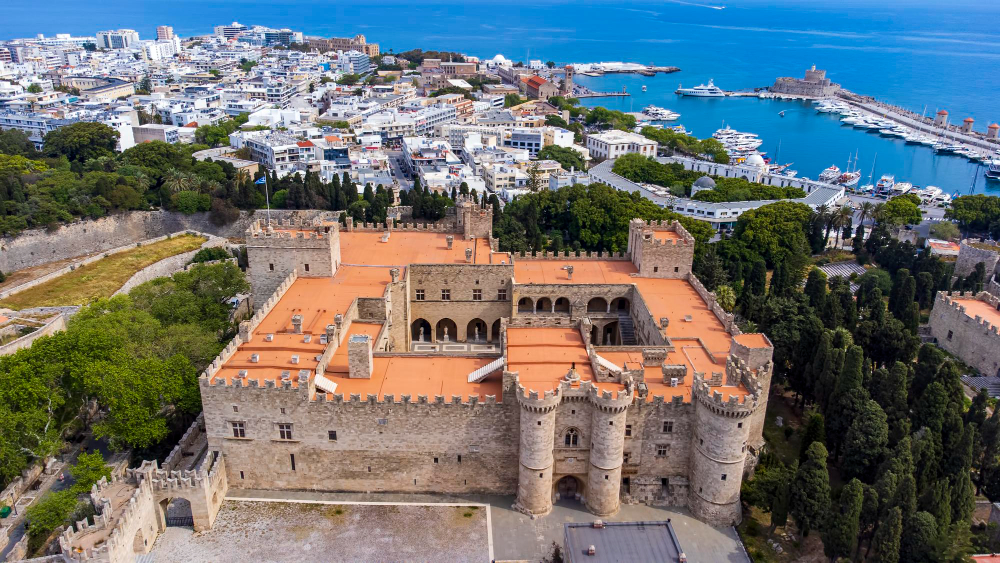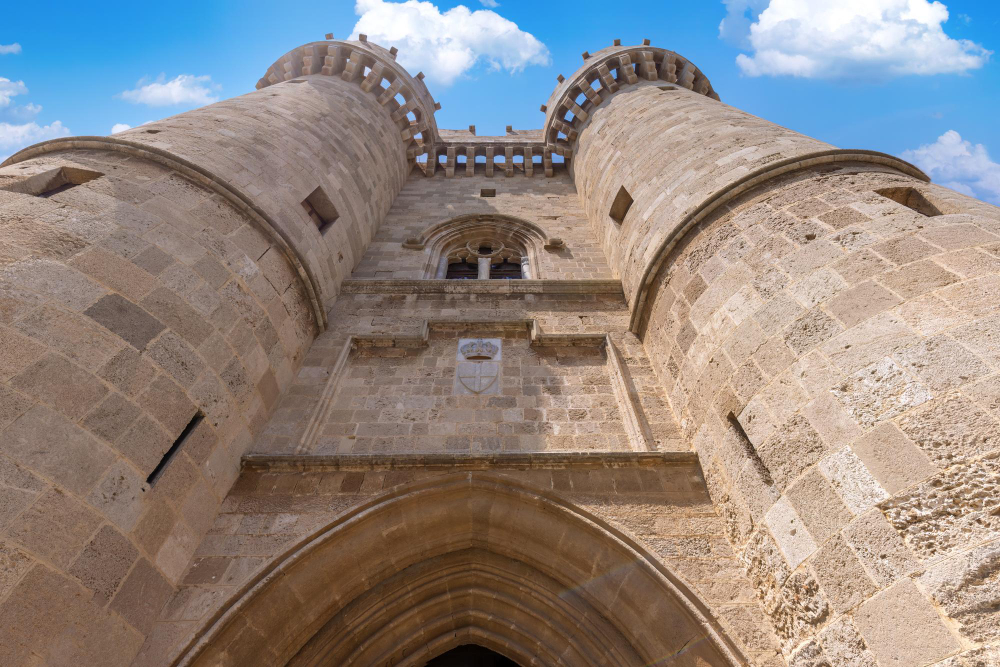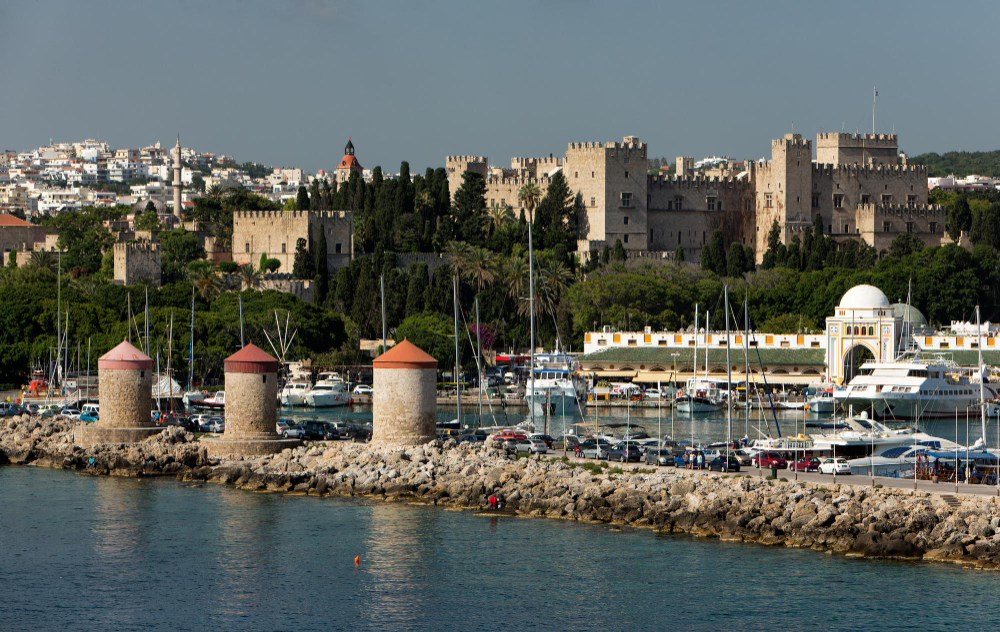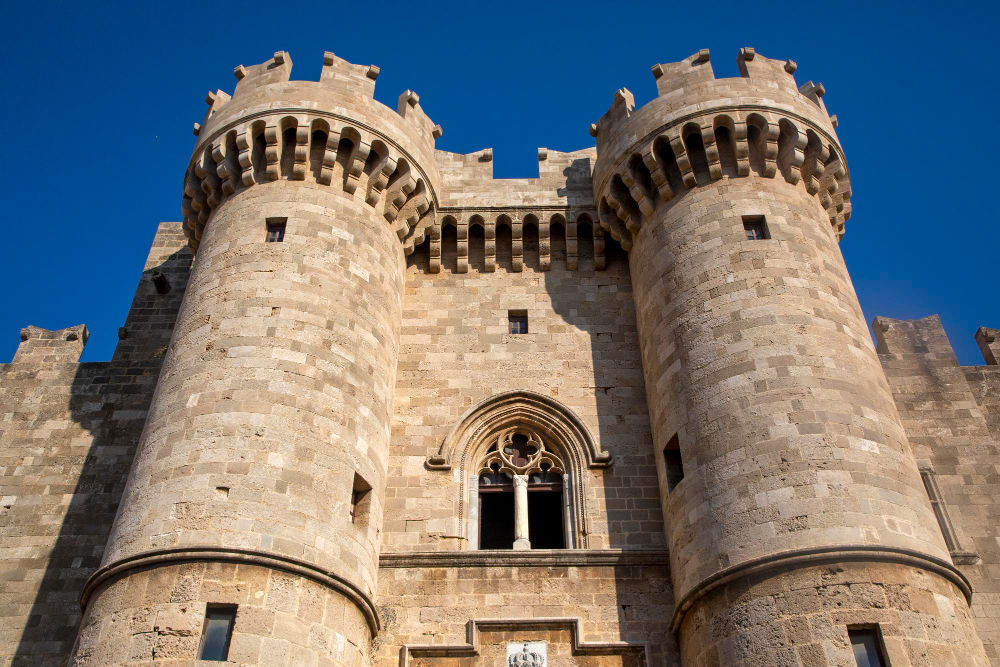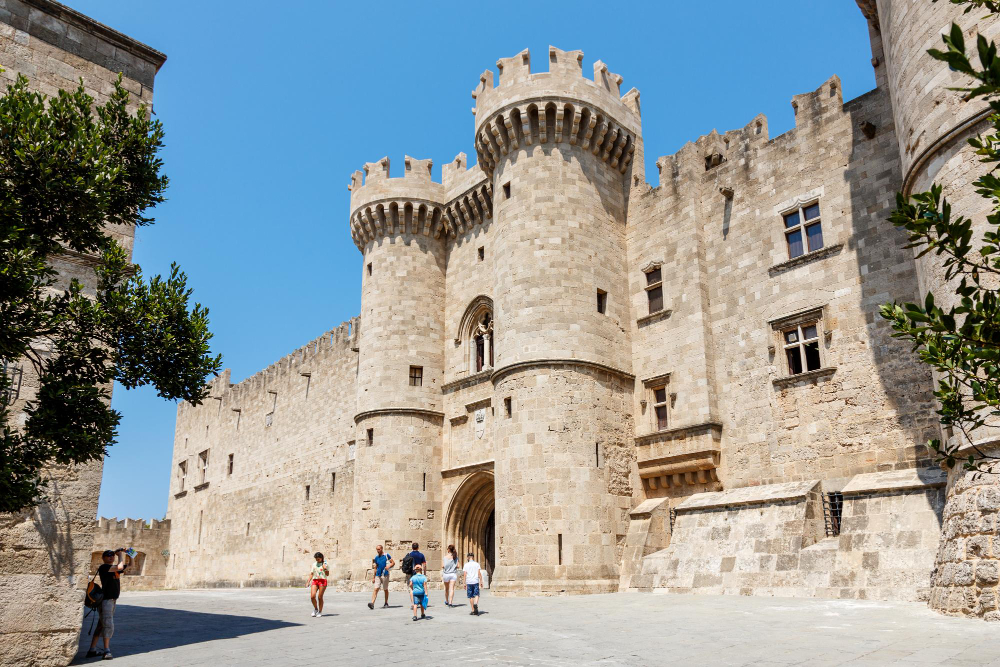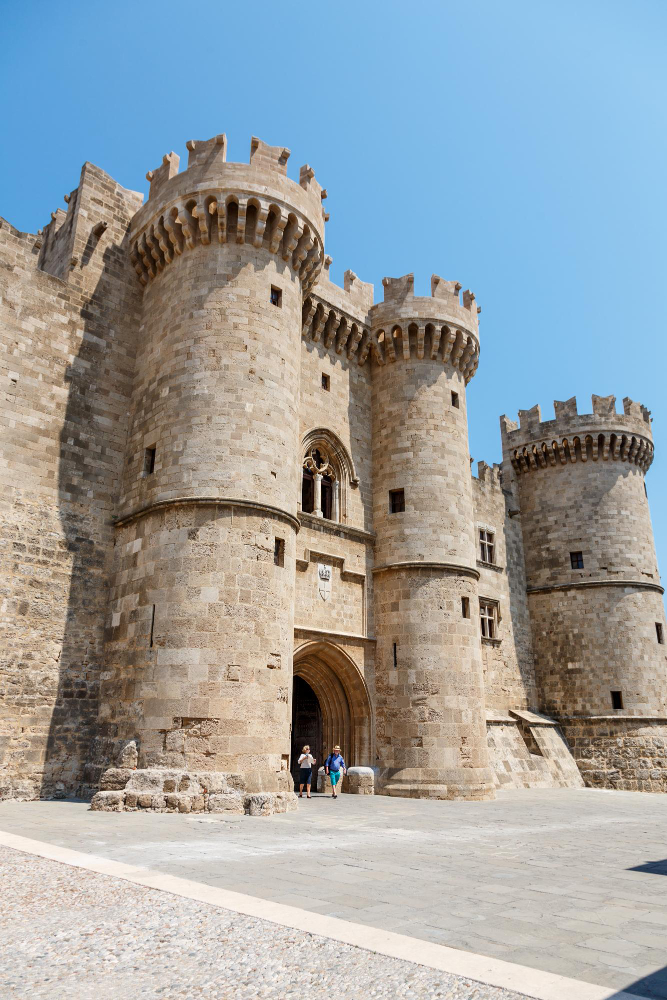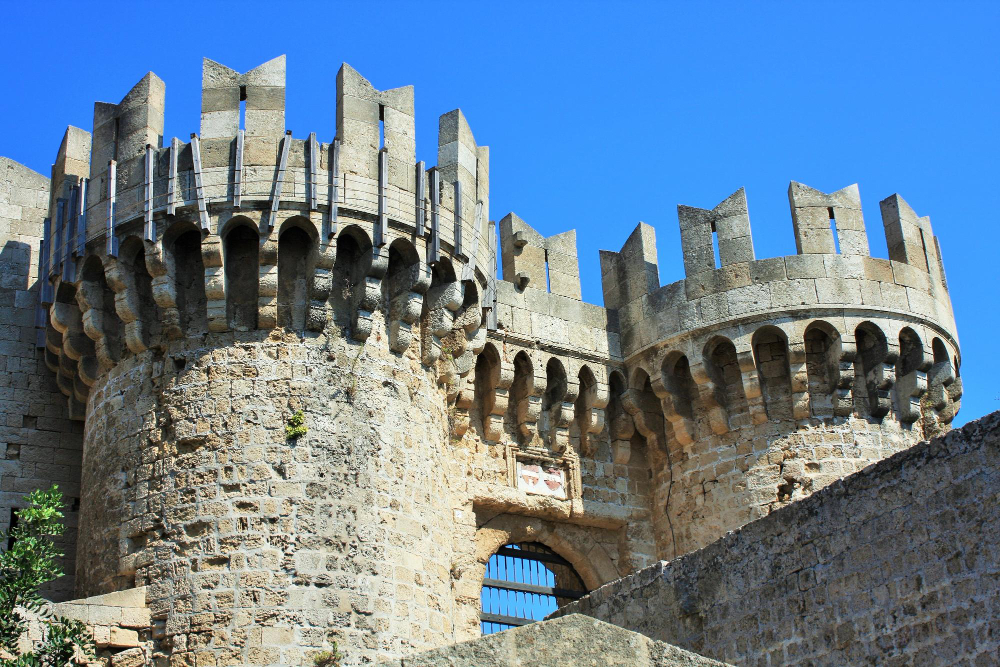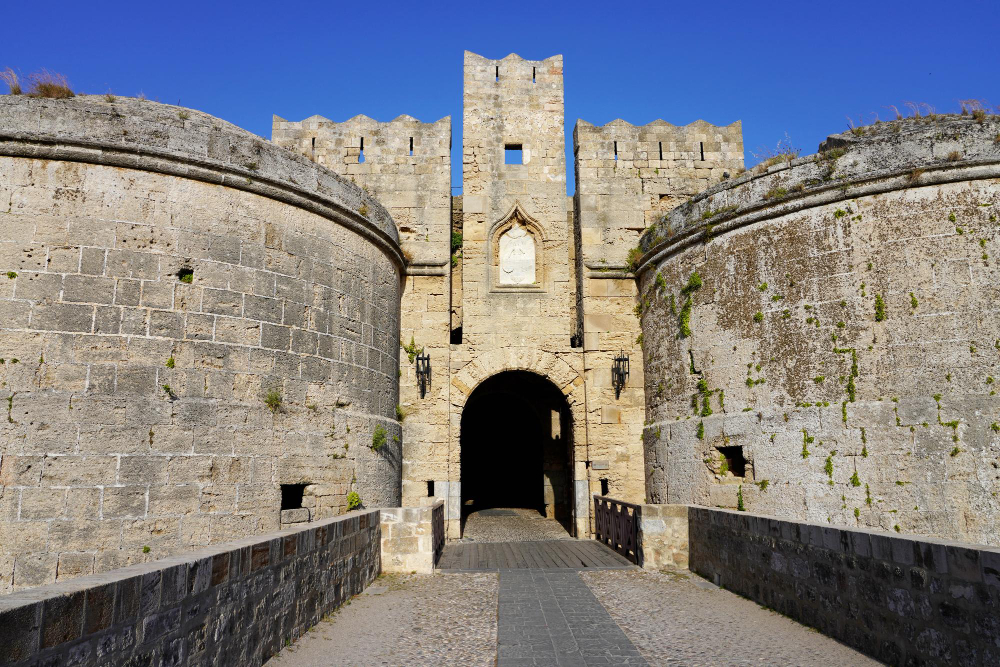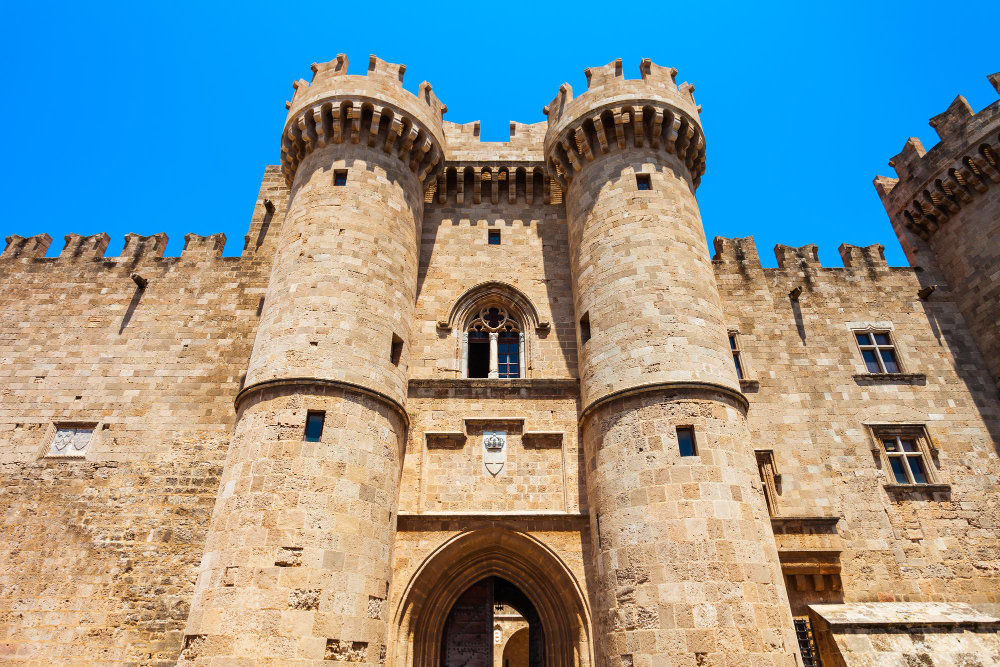

In the heart of Rhodes’ Old Town, surrounded by the impressive medieval fortress walls, stands one of the island’s most significant historical landmarks: the Palace of the Grand Master of the Order of St John. This imposing structure tells tales of power, sieges, new beginnings and tragic destruction – a place that, like few others, embodies the island’s turbulent history and still harbours secrets and legends to this day.
From Antiquity to the Byzantine Era: The Origins of the Site – Long before the Grand Master’s Palace was built, the hill on which it stands was a central location for the inhabitants of Rhodes. In antiquity, this was the site of the so-called ‘Lower Acropolis’, on which stood the famous Temple of Helios, dedicated to the sun god Helios. Helios played an important role in Greek mythology, and the island of Rhodes was considered his favourite abode. Later, during the Byzantine period, the religious complex was replaced by a castle built in the typical architectural style of the Byzantine Empire. This fortress was intended both to provide protection against external enemies and to serve as the island’s central seat of power. The transformation from a sacred place of worship to a military fortress illustrates how the site changed over the centuries and was constantly adapted to the demands of political and social developments.
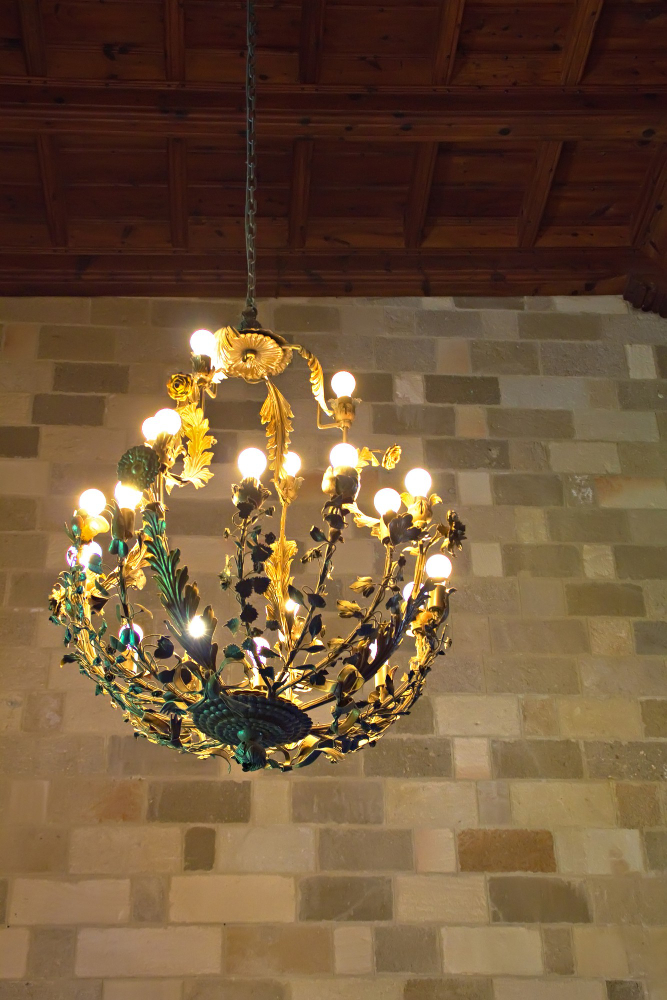
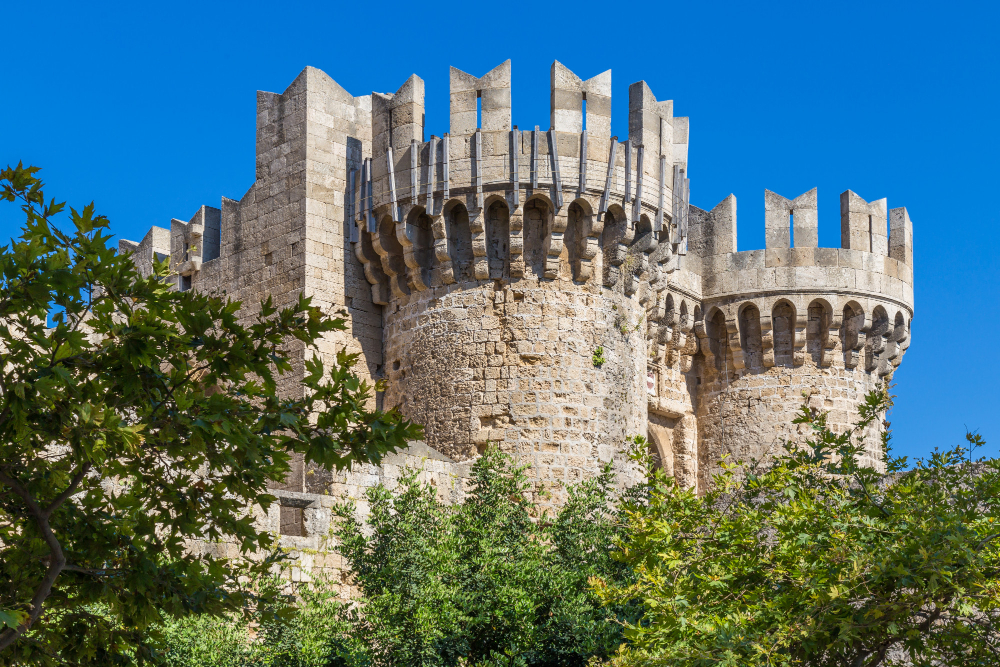
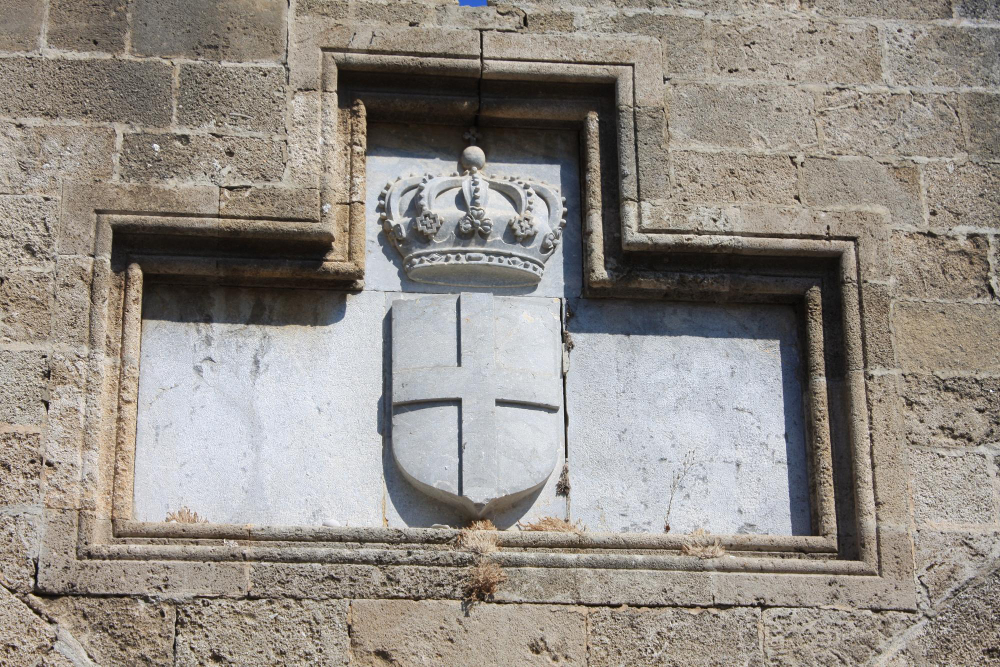
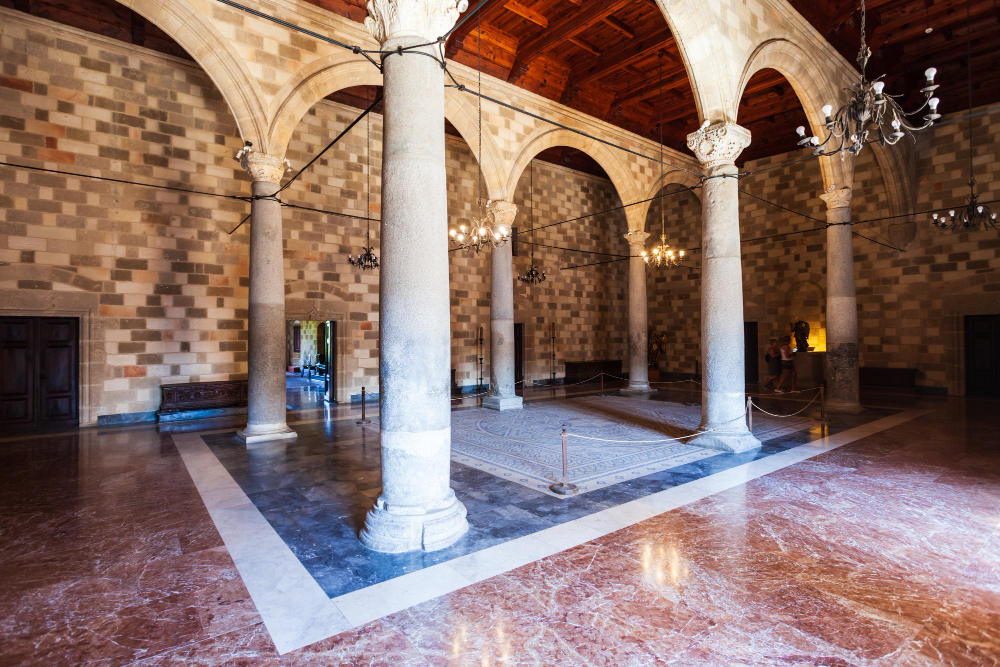
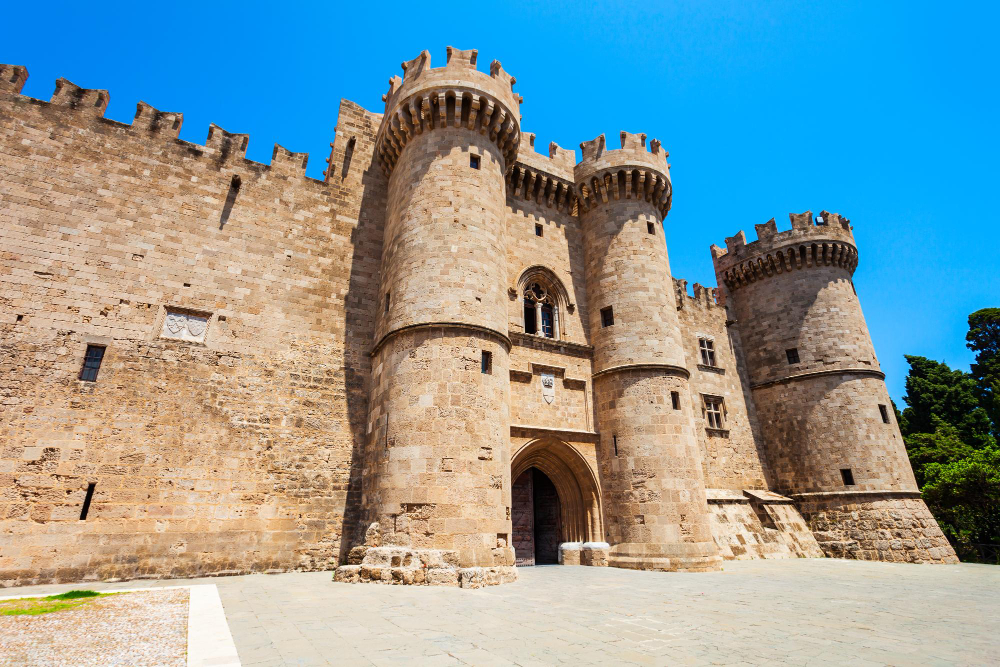
The Golden Age under the Order of St John – However, the true history of the Grand Master’s Palace only begins in the 14th century, when the Order of St John conquered the island of Rhodes in 1309. The knights of the Order, also known as the ‘Hospitallers’, set about massively expanding the city and its defences in order to be prepared against potential attackers – in particular the expanding powers of the Ottoman Empire. The Order’s second Grand Master, Helion de Villeneuve, eventually commissioned the construction of the palace, which from then on served as the official residence of the Grand Masters and as the administrative headquarters of the Order. The massive walls and towers gave the building the appearance of an impregnable fortress, whilst its interior exuded opulent luxury. The palace was not only a military fortress but also a symbol of the power and influence of the Order of St John.
The Siege of Rhodes and the End of an Era – A turning point in the palace’s history occurred in 1522, when the Ottomans, under Sultan Suleiman the Magnificent, laid siege to the island. After an intense battle lasting several months, the Knights of St John were forced to surrender and hand Rhodes over to the Ottomans. This marked the end of the Order’s rule on the island. Under Ottoman rule, the palace lost its original function and was relegated to use as a prison and powder magazine. Consequently, the building gradually fell into oblivion, and its condition deteriorated rapidly. A particularly tragic event occurred in 1856, when an explosion in the powder magazine destroyed large parts of the complex. The ground floor of the building collapsed completely, leaving only a ruin behind, which fell into increasing disrepair over the decades.
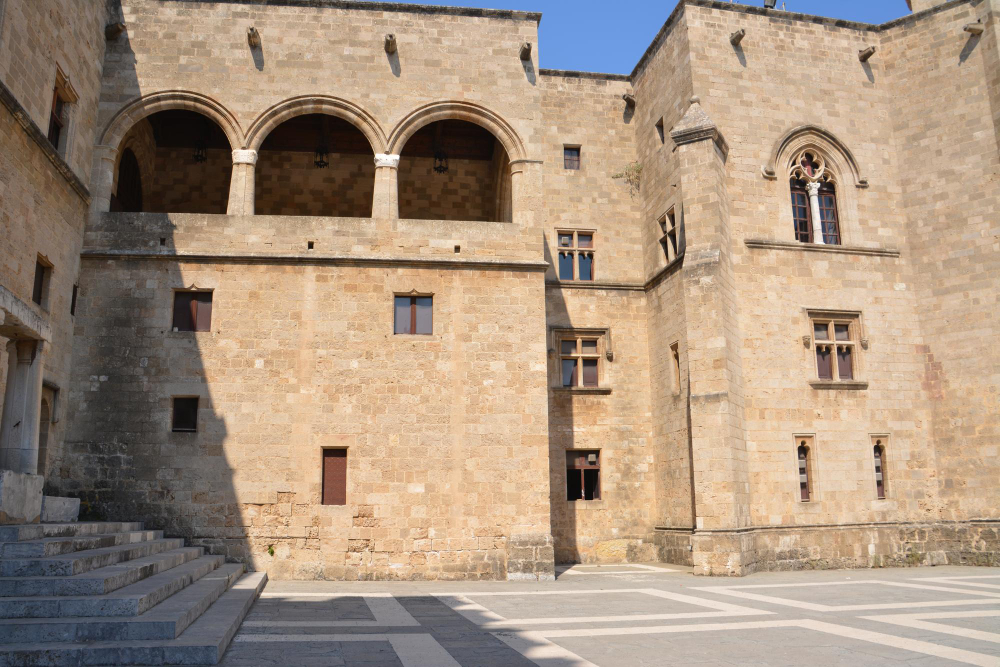
Reconstruction under Italian rule – It was not until the 1930s that the Grand Master’s Palace came to the fore again – albeit under completely different circumstances. The Italians had occupied Rhodes following the Italo-Turkish War of 1912, and between 1937 and 1940, Fascist architects undertook the project to restore the palace to its former glory. The reconstruction was politically motivated: Benito Mussolini wanted to emphasise the significance of the Fascist regime through monumental building projects.
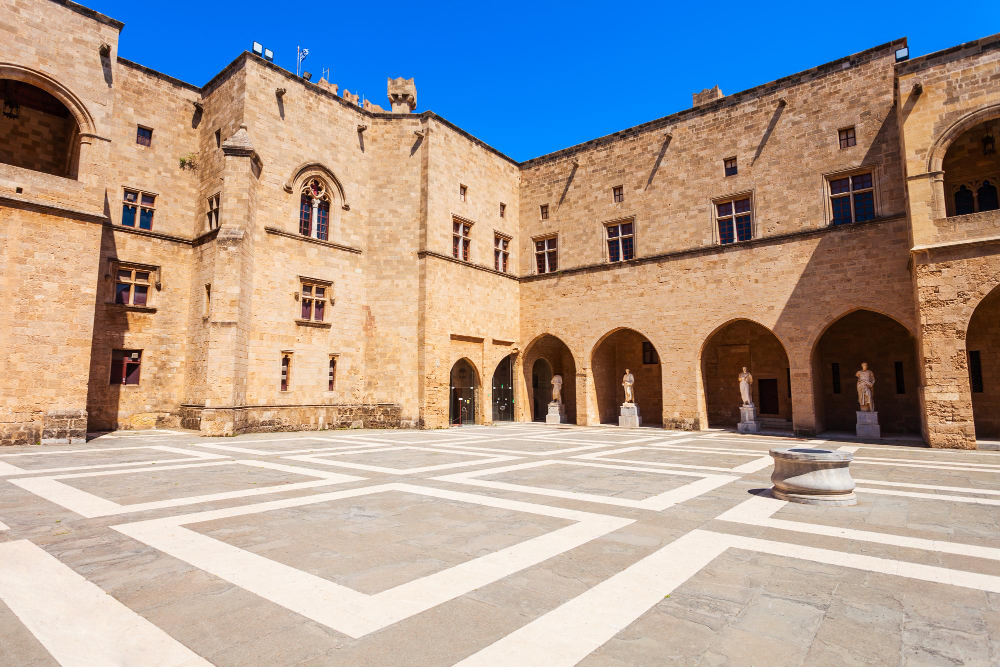
However, the reconstruction of the palace was by no means a faithful replica of the medieval building. Rather, the architects drew inspiration from the spirit of the age and created a modernised version of the palace that served the representational needs of the Italian rulers rather than doing full justice to its history. The original plan was to use the palace as a residence for the Italian governor and later even as a holiday home for Mussolini himself. Ironically, none of the Italian leaders ever got to use the building for this purpose. From today’s perspective, the reconstruction is viewed critically in some quarters. Some historians see it as an ideologically motivated distortion of Rhodes’s historical heritage, whilst others emphasise that the work at least helped to save the building from complete ruin.
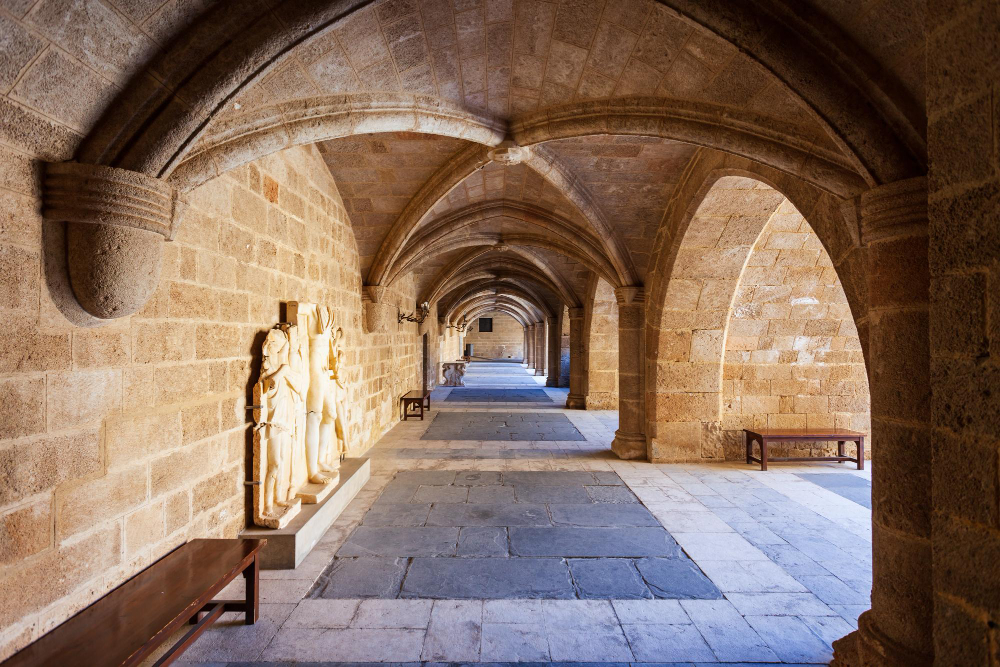
The Grand Master’s Palace as a modern museum – Today, the Grand Master’s Palace has found a new role: it serves as a museum and is one of the island’s most important tourist attractions. Here, visitors can immerse themselves in times gone by and admire both the impressive architecture and the exhibits on display, which tell the story of the rich history and culture of the Knights of St John and the island of Rhodes. In addition to the permanent exhibitions, there are changing special exhibitions that offer a deeper insight into the history of the region and the various cultural influences that have shaped Rhodes. For many tourists, a visit to the palace is a highlight of their trip, and it remains a fascinating place for history enthusiasts too.
The List of Grand Masters – Names that have made history – The rule of the Knights of St John on Rhodes was marked by 44 Grand Masters who led the Order from 1309 to 1522. These men were not only military leaders but also diplomatic strategists and spiritual guides. Particularly well-known are figures such as Helion de Villeneuve, who initiated the construction of the palace, and Philippe de Villiers de l’Isle-Adam, who ultimately defended the island and negotiated its handover to the Ottomans. Each of these Grand Masters contributed to the history of Rhodes and shaped the island’s development. Their legends and achievements are still passed down today through historical treatises and oral traditions, and form an important part of the island’s culture and identity.
A place steeped in history and mystery – The Grand Master’s Palace of Rhodes is far more than just an architectural masterpiece. It stands as a testament to the island’s turbulent history, a symbol of power and rule, and a place where different eras converge. From its ancient past, through the glorious era of the Order of St John, to the controversies of the Italian reconstruction, the palace reflects the political and cultural upheavals that have shaped Rhodes. Today, the Palace serves as a bridge between the past and the present – a place that inspires both admiration and critical reflection. Whether as a museum, a historic site or a monument to the stories that have unfolded here, the Grand Master’s Palace remains a fascinating attraction for anyone wishing to discover the rich culture and history of Rhodes.