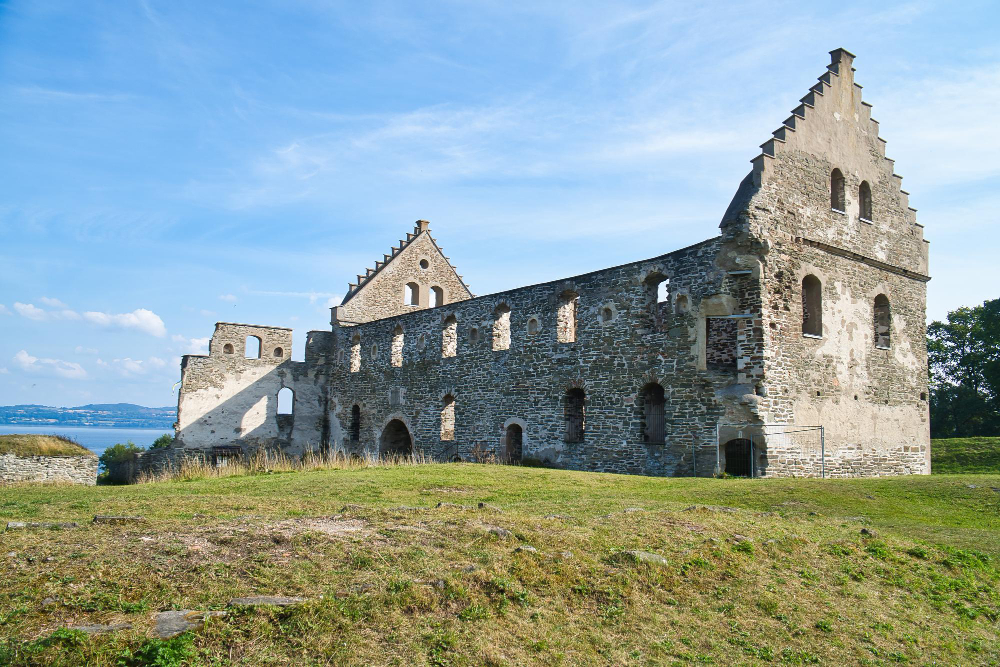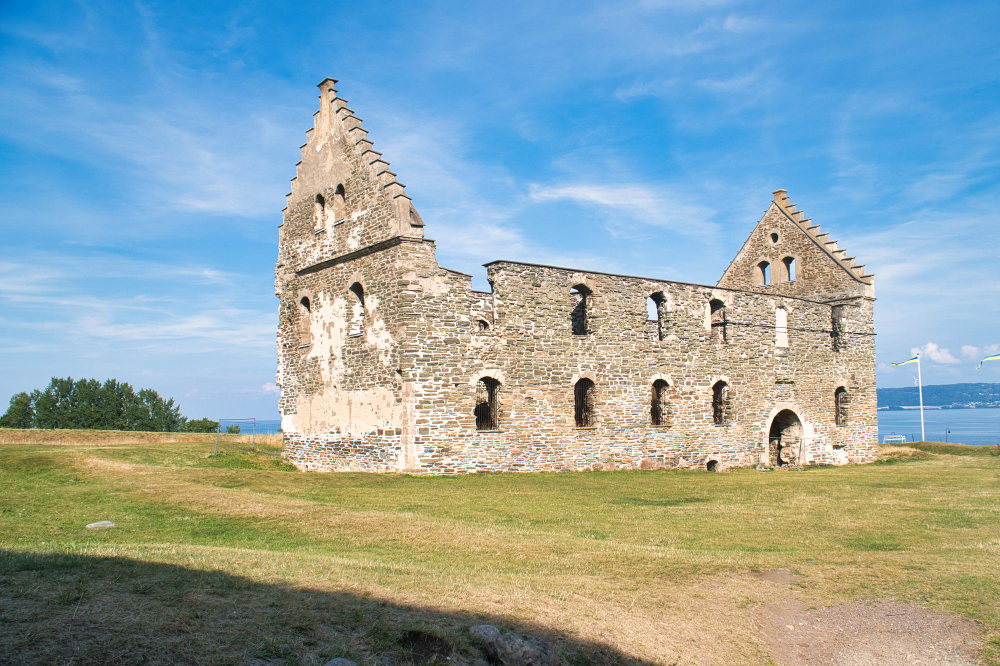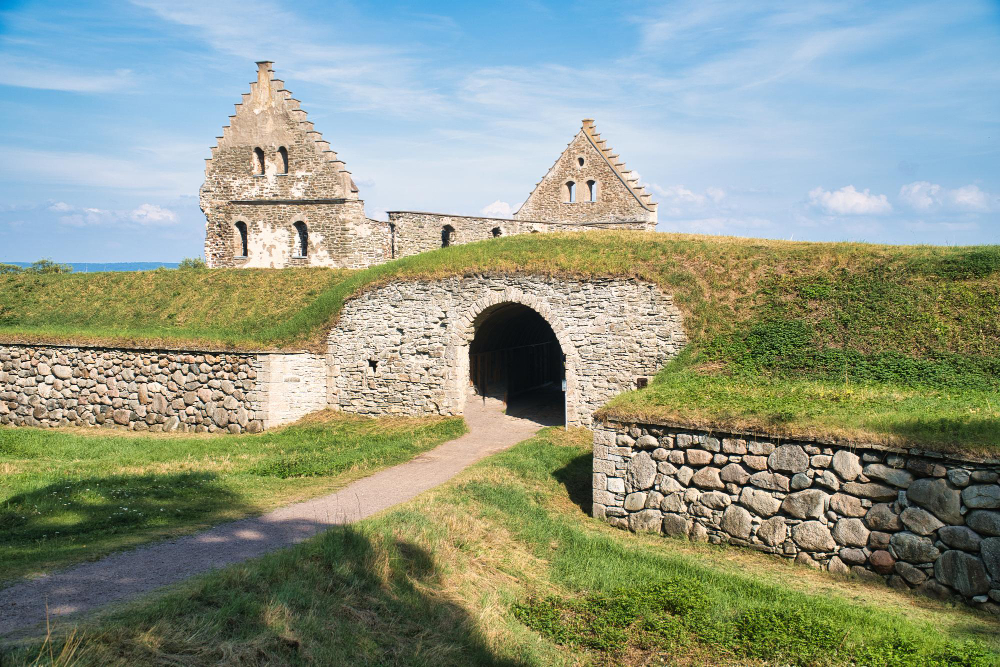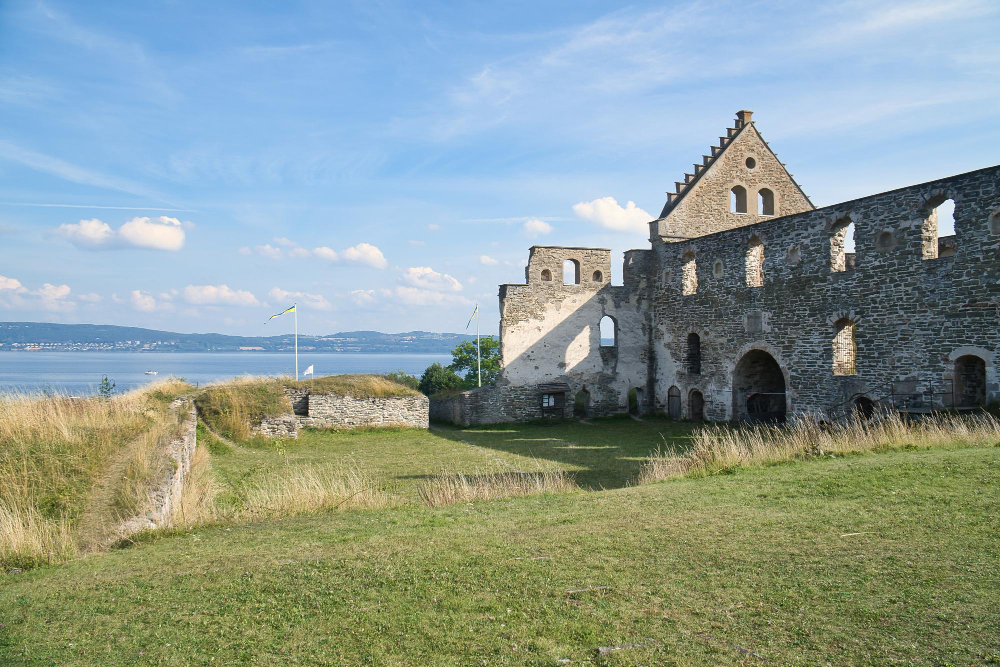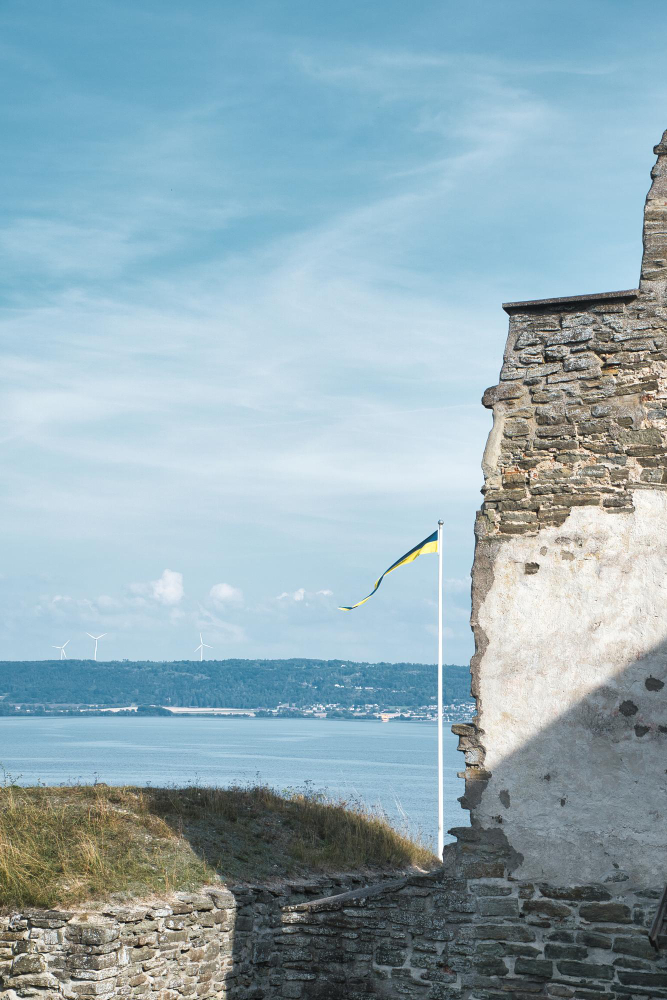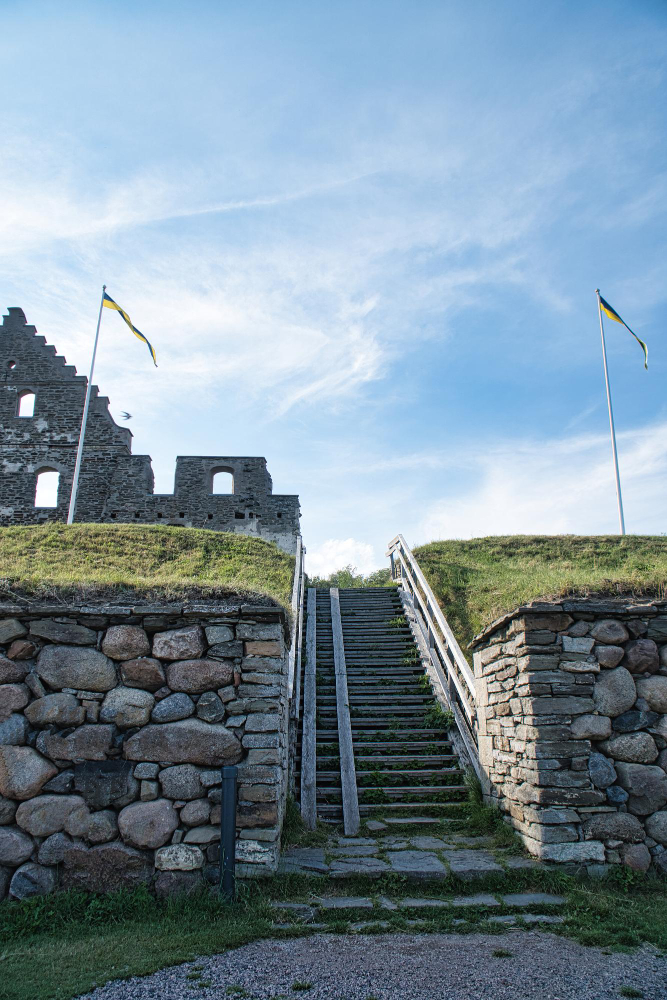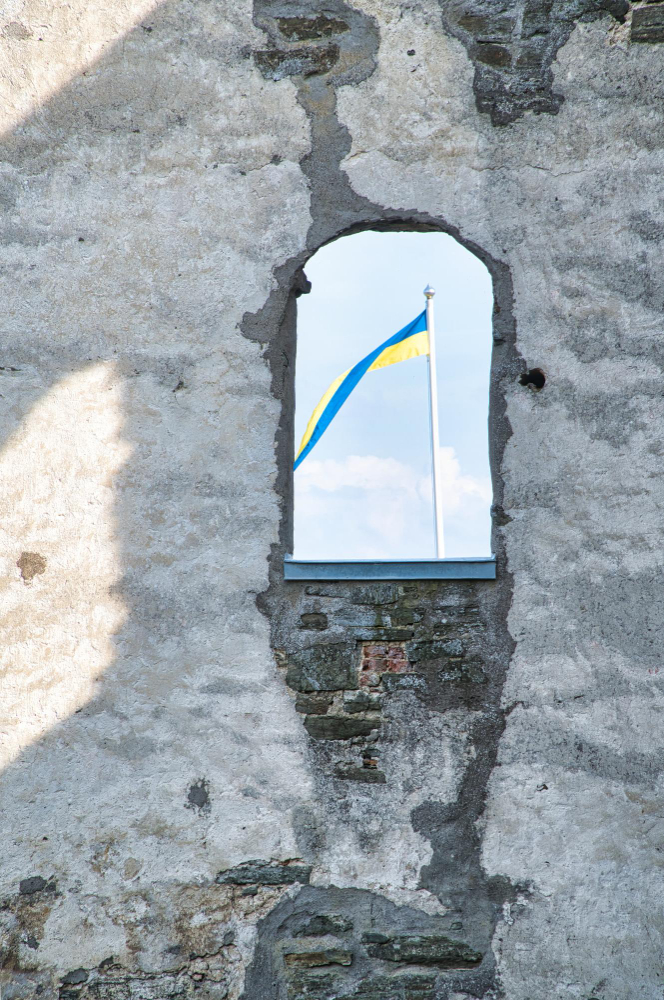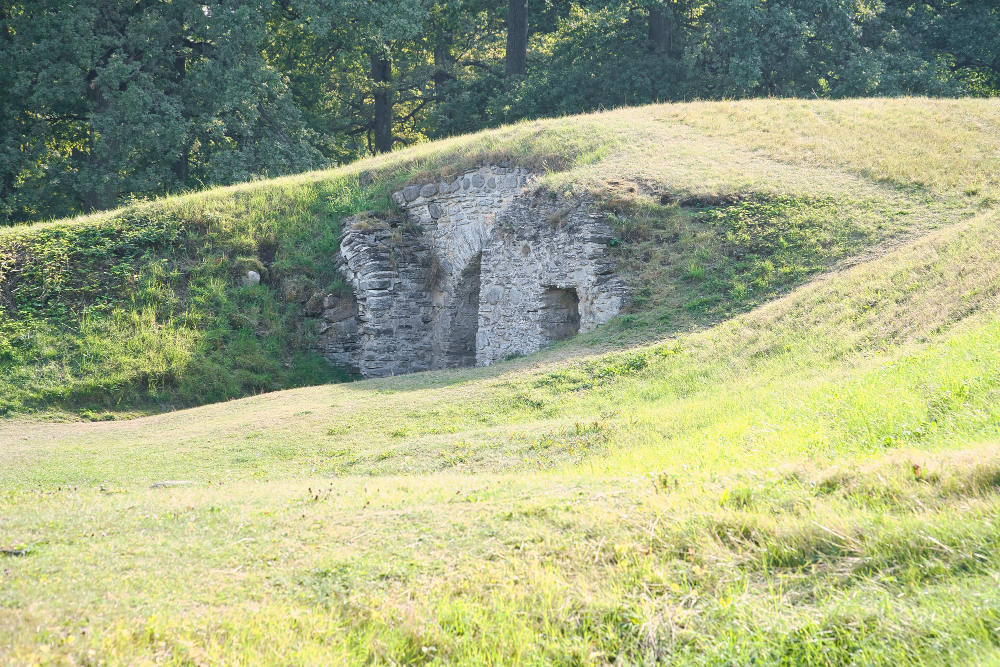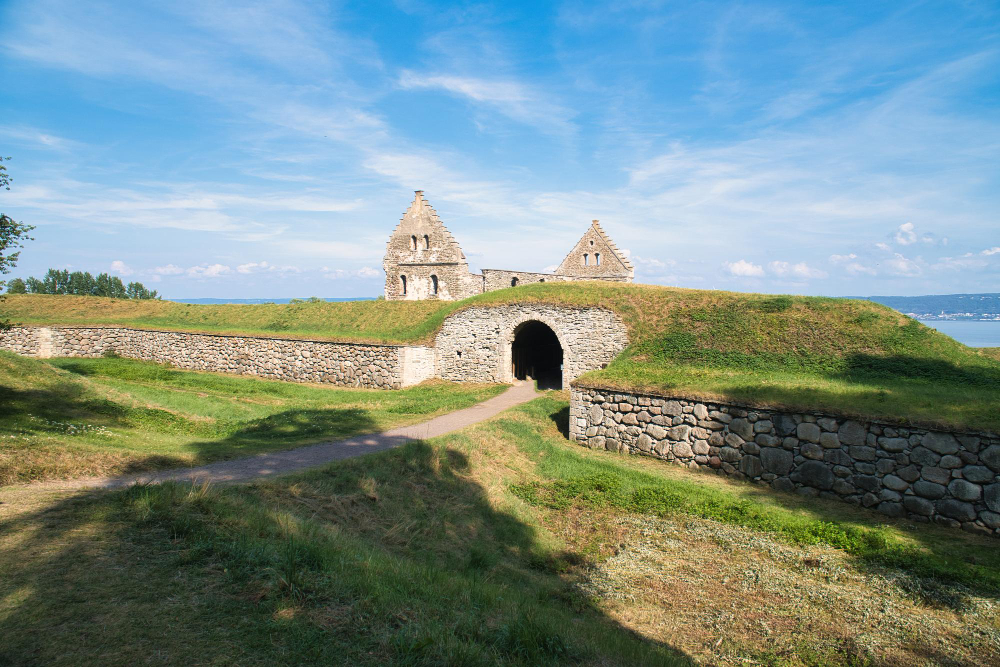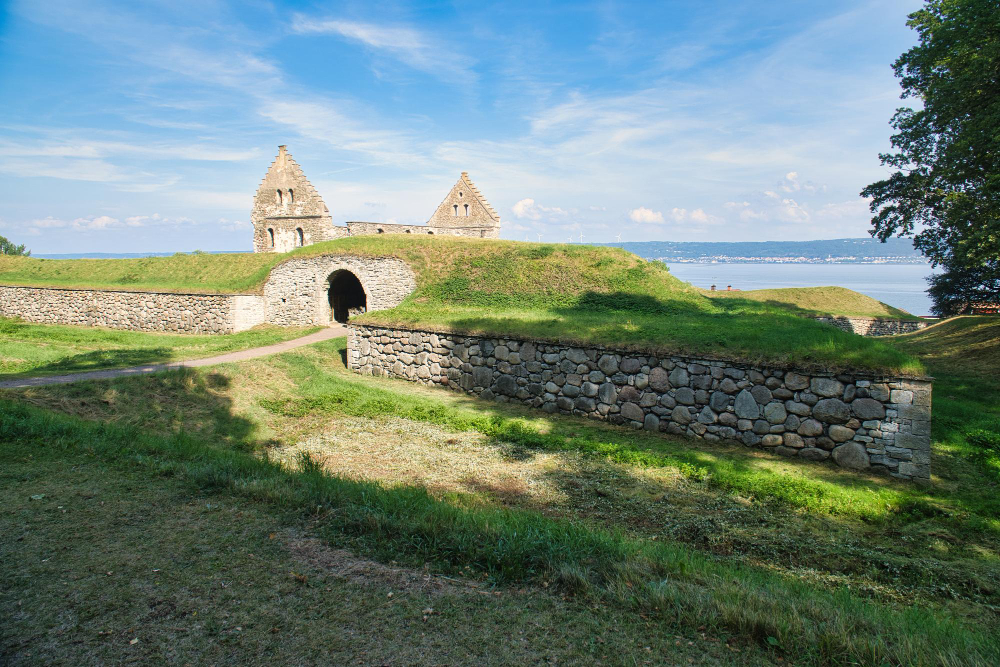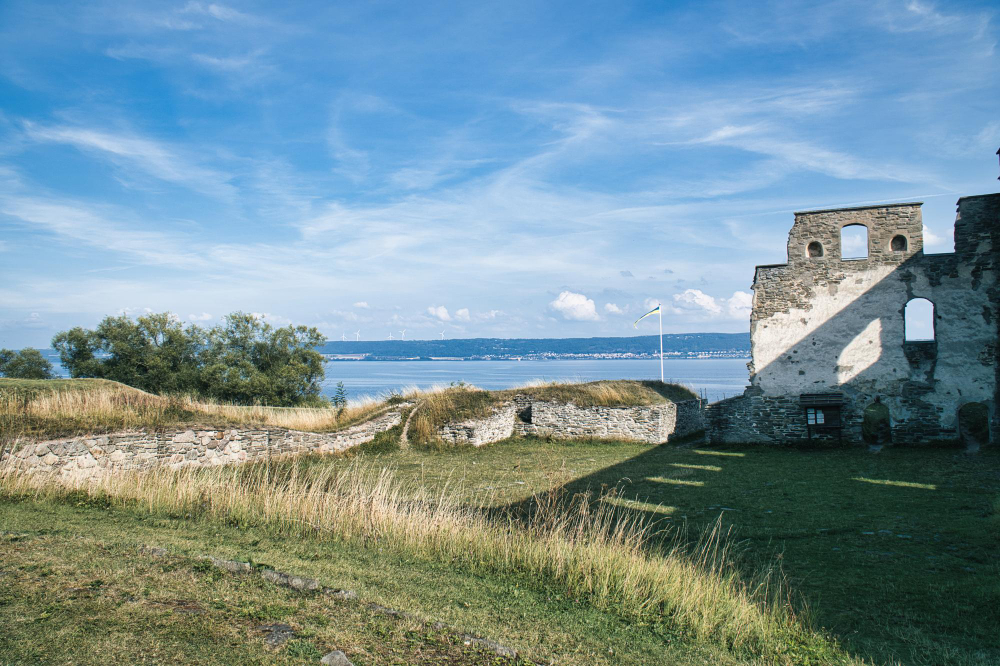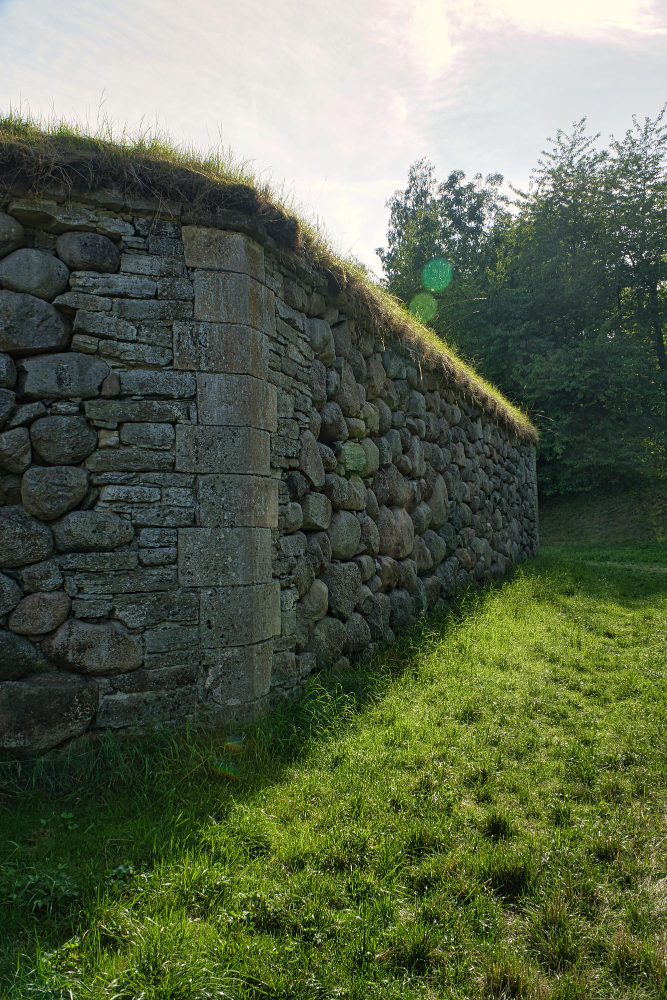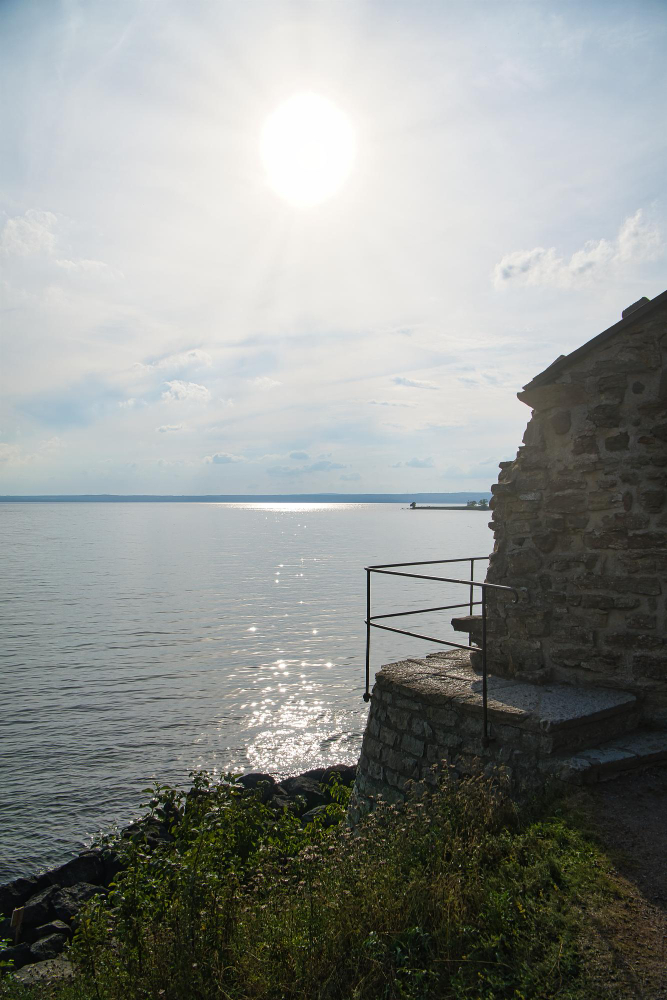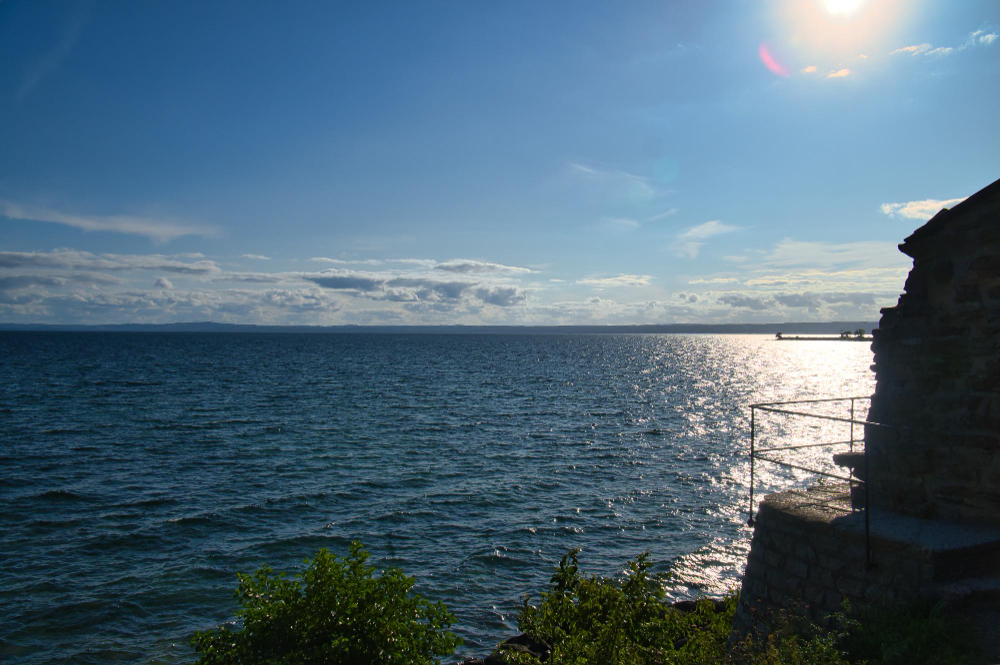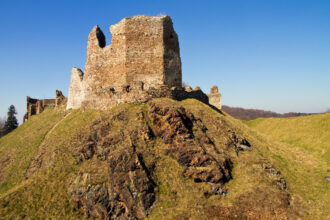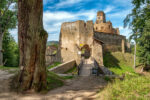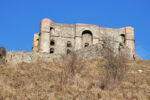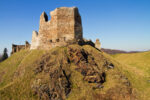

On the picturesque eastern shore of the island of Visingsö, nestled on Lake Vättern in Sweden, stand the ruins of a once-magnificent fortress—Visingsborg. The castle, closely associated with the powerful Brahe family, tells stories of prosperity, intrigue, and legends that continue to capture the imagination to this day. But what made Visingsborg so special, and what secrets surround its past?
The Origins of the Castle and the County – The history of Visingsborg begins in the 16th century, when the Brahe family, one of Sweden’s most influential noble families, consolidated its power. The County of Visingsborg extended not only over the villages on the island of Visingsö but also over areas in neighboring Småland and Västergötland. In 1569, the county comprised 468 farms—an impressive number that continued to grow in the decades that followed. The castle itself was built in the 1560s and was characterized by an imposing square layout with four towers, surrounded by a moat. Among the building materials used were stones from Alvastra Abbey, which had been deconsecrated nearby during the Reformation. Visingsborg thus became not only a symbol of power and influence, but also a testament to the political and religious upheavals of that era. Interestingly, the castle’s construction was closely linked to the history of an existing fortress. The original castle on Visingsö, known as Näs slott, was already in ruins by that time and had lost its significance. Visingsborg thus set new standards for the architecture and strategic importance of the region.
The Builders and Their Visions – Behind every great fortress are people with visions, and in the case of Visingsborg, it was three generations of the Brahe family who shaped the castle’s history.
– Per Brahe the Elder, the castle’s first significant architect and builder, had the west wing constructed, thereby laying the foundation for the future complex. His goal was not only to create a residence for the family but also a political and military center of regional importance.
– Magnus Brahe, son of Per Brahe the Elder, added the magnificent south wing, which soon became the heart of the castle. With its elegant halls and ornately decorated chambers, this section embodied the splendor and prosperity of the Brahe family.
– Per Brahe the Younger had the most far-reaching influence on Visingsborg. He expanded the castle with a north wing, which served primarily as quarters for the servants, and also had a harbor built. Under his leadership, Visingsborg gained its six iconic towers with gilded battlements, and the castle became a defensive fortress equipped with cannons and a small army of 200 men.
In addition, despite opposition from the church, Per Brahe founded a school housed in the church at Kumlaby—a rare and progressive undertaking for that time. But Per Brahe was not only a man of responsibility; at heart, he was also a romantic. For his wife, he had Brahehus Castle built as a widow’s residence, which overlooks Lake Vättern majestically. His influence on the region and its cultural development is still felt today.
Glory and Shadow: The Tragedy of Visingsborg – Visingsborg experienced its heyday in the 17th century, but its end came unexpectedly and dramatically. The castle’s decline began on the night of December 22–23, 1718, when a devastating fire reduced the building to rubble and ashes. Even today, the exact cause of the fire remains a matter of debate, although legends and historical accounts point in different directions. One version of the story blames Russian prisoners of war who had been brought to Visingsborg. These men, who had been captured during the Great Northern War, were accused of starting the fire—an accusation that was never fully proven but sent the region into an uproar. Some historians argue that the fire could just as easily have been caused by human error or unfortunate circumstances. After the fire, the castle was never rebuilt. Today, only ruins remain, bearing witness to its former grandeur. Nevertheless, Visingsborg remains a place that captures the imagination and serves as a symbol of the transience of even the mightiest structures.
The Legends of Visingsborg – As with any castle that looks back on a long and eventful history, numerous myths and legends surround Visingsborg. One of the best-known stories involves hidden treasures said to be buried within the ruins. Although archaeological excavations have so far yielded no evidence to support these stories, they remain a reason for many visitors to explore the mysterious remains more closely. Another mystery is the role of the Russian prisoners of war in the fire. Was it really an act of sabotage, or were they protesting their poor living conditions? Historical accounts show that the prisoners lived under harsh conditions, fueling speculation about a possible uprising. Yet to this day, this remains an unanswered question. The ghost stories surrounding the castle also attract curious visitors. It is said that the ghost of Per Brahe the Younger sometimes wanders through the ruins at night—in search of his lost home. Whether truth or folklore, such stories help keep Visingsborg alive despite its ruined state.
A Place Full of History and Mysteries – Visingsborg is far more than just a ruin on a small island. It is a place that captivates anyone interested in history, architecture, and legends. The fortress was once a symbol of power and prosperity, but it also stands as a memorial to transience and the human tragedies that unfolded there. Today, Visingsborg offers not only fascinating insights into the past but also room for speculation and stories that spark the imagination. Whether as a destination for history buffs, a setting for legends, or a peaceful retreat on Lake Vättern—the castle ruins remain a fascinating legacy that has earned its place in Swedish history.