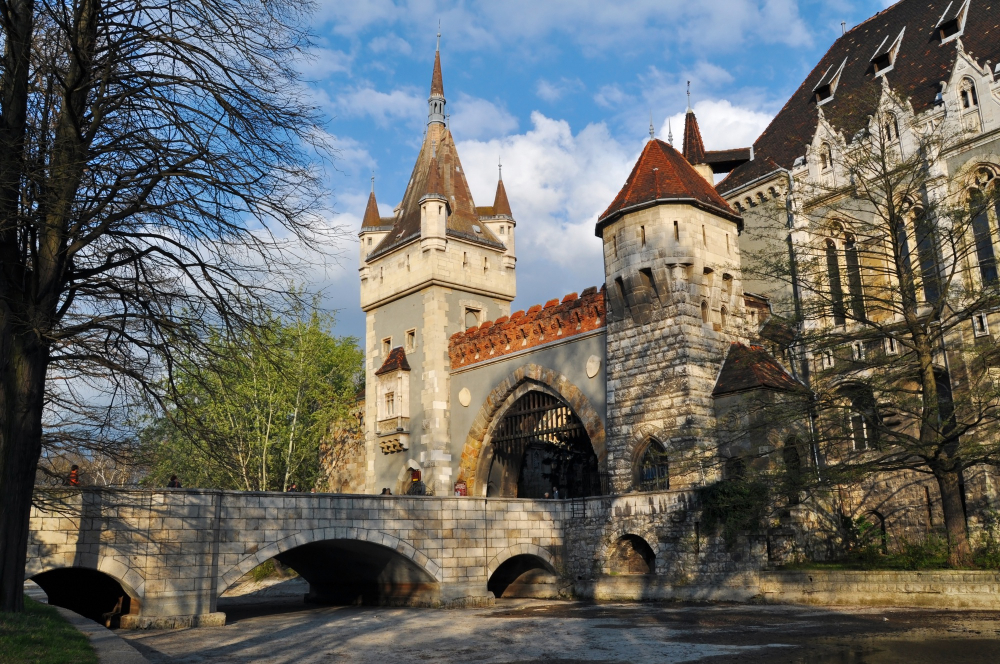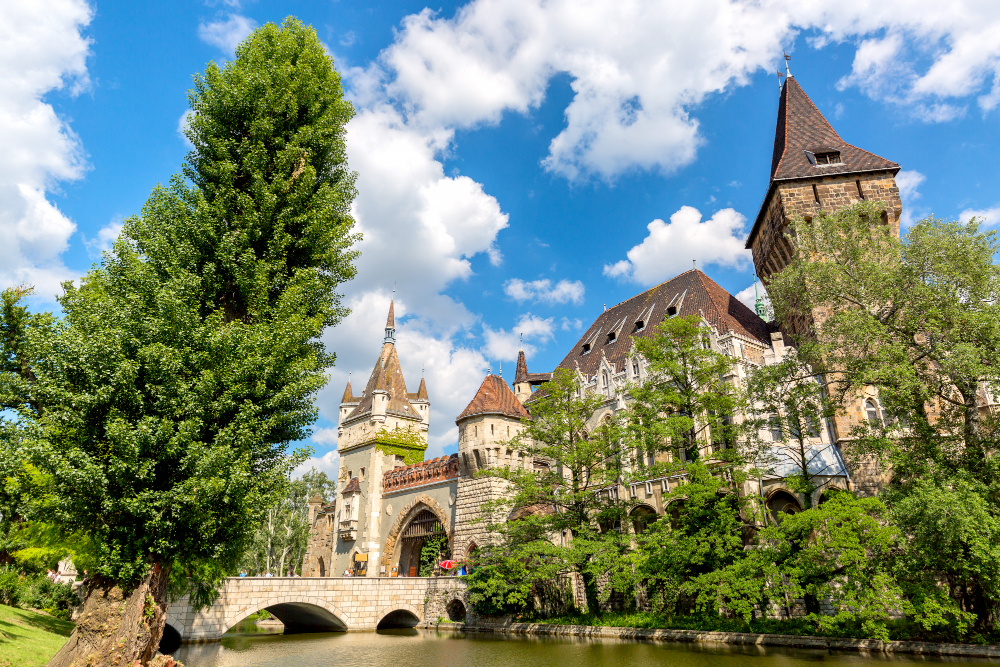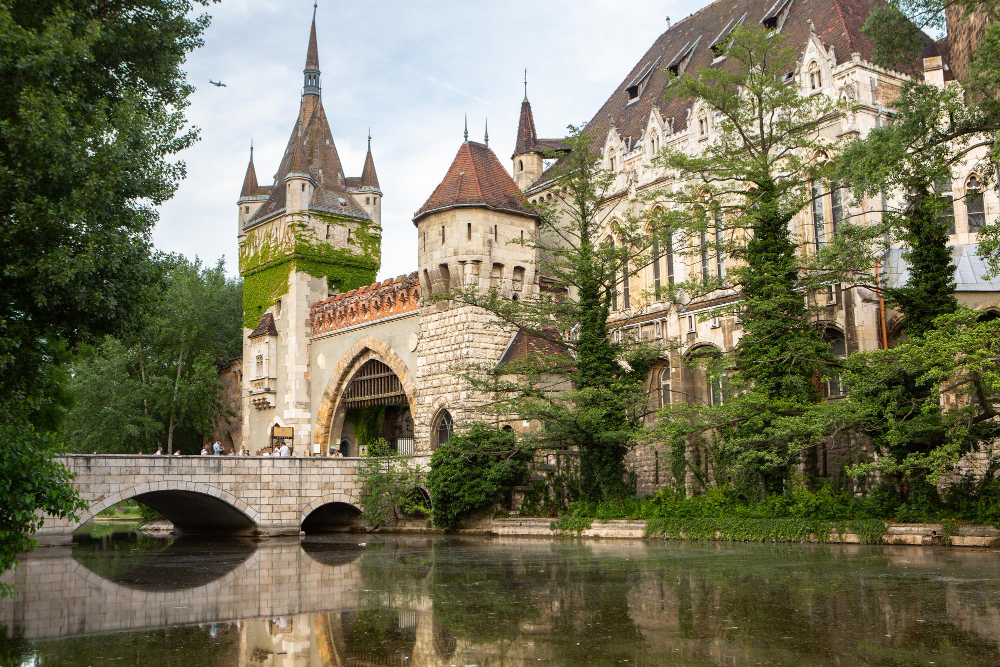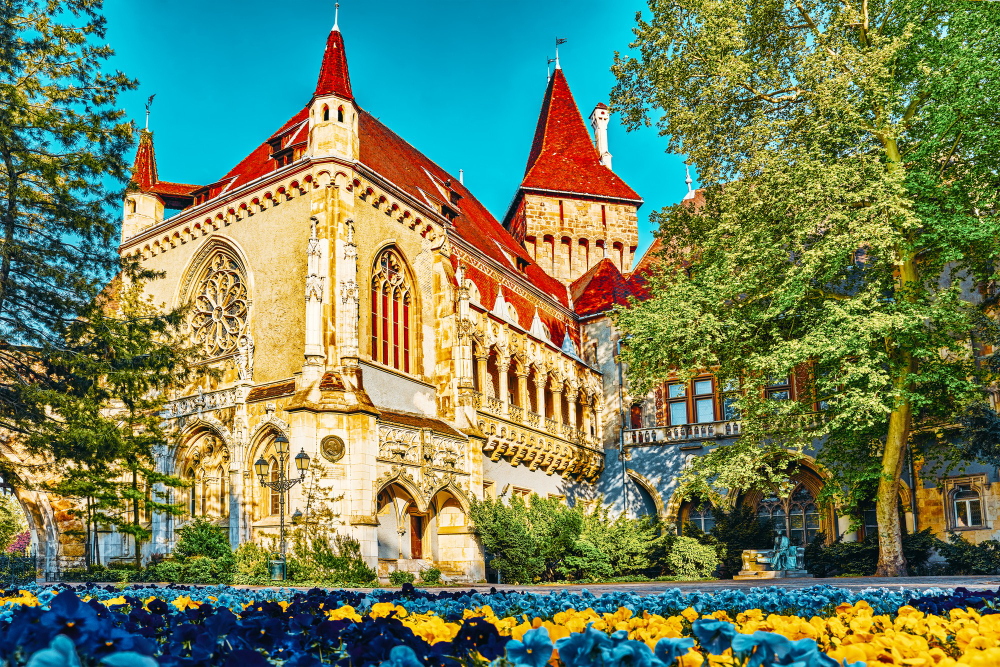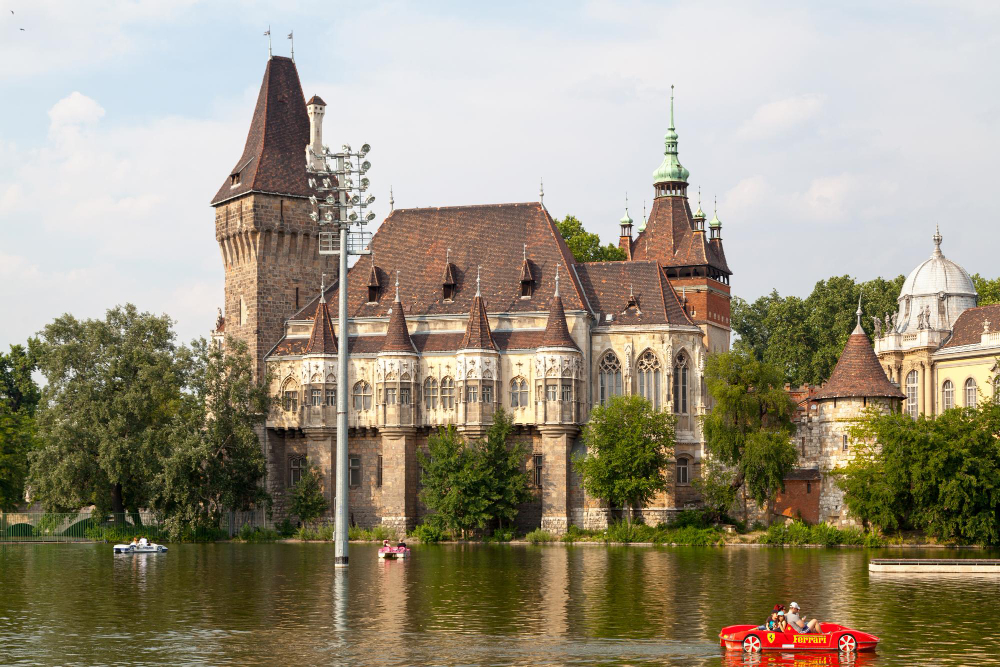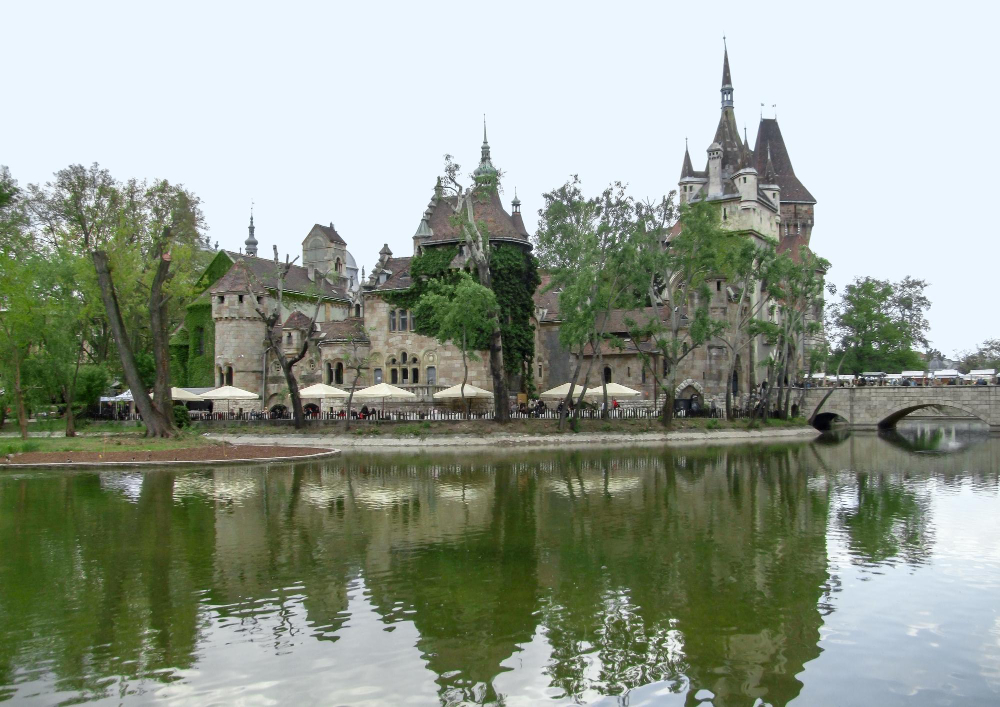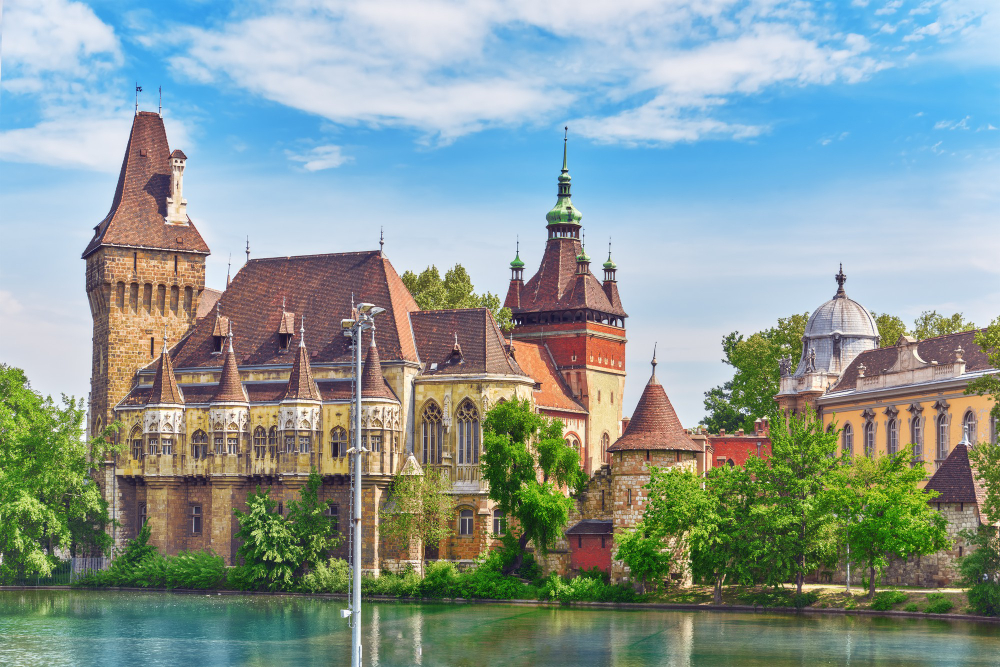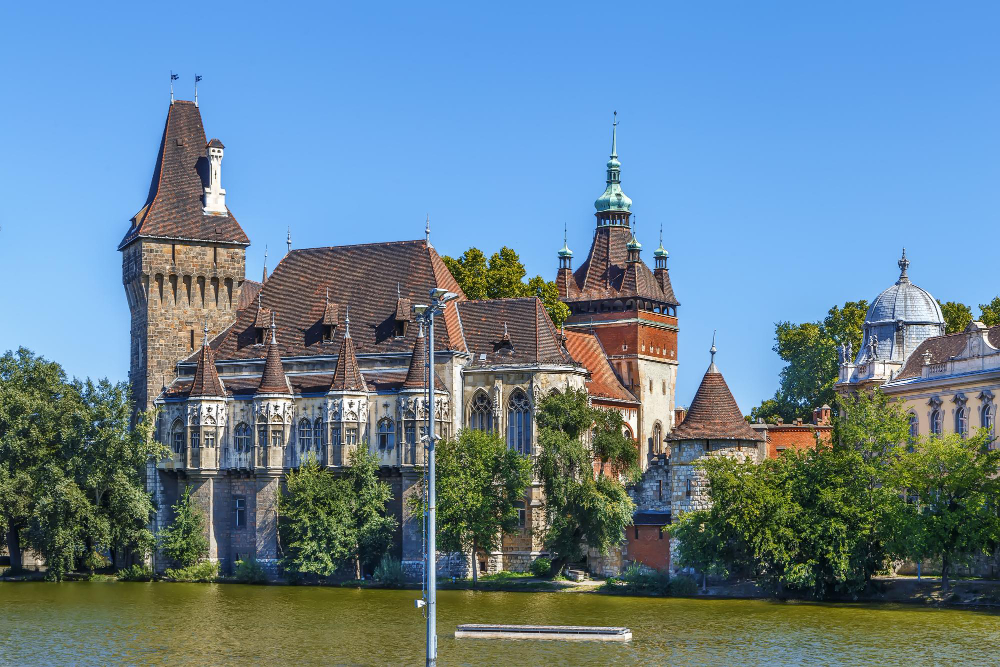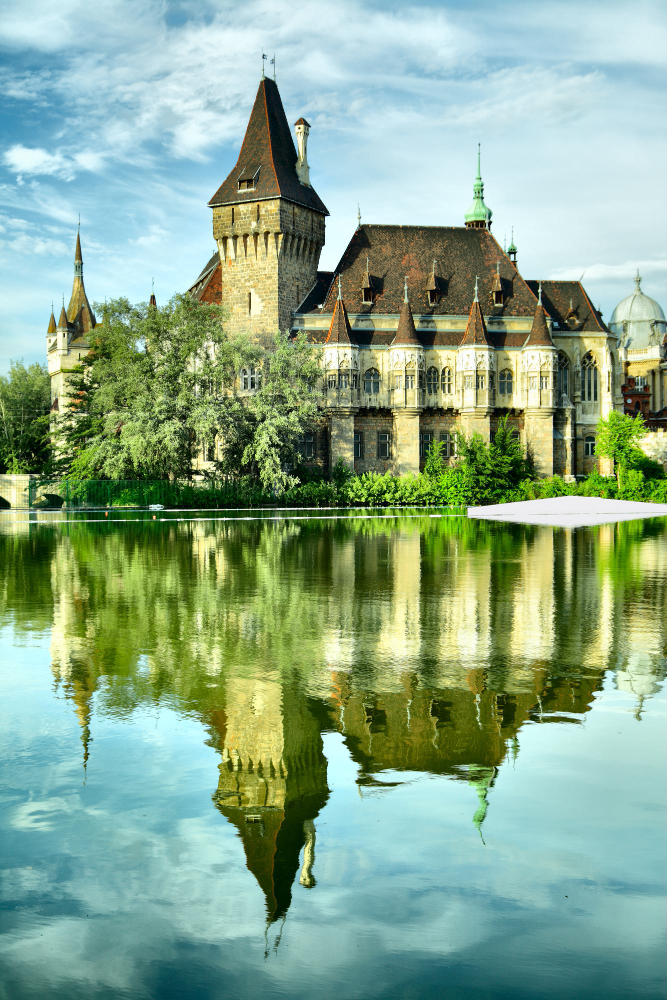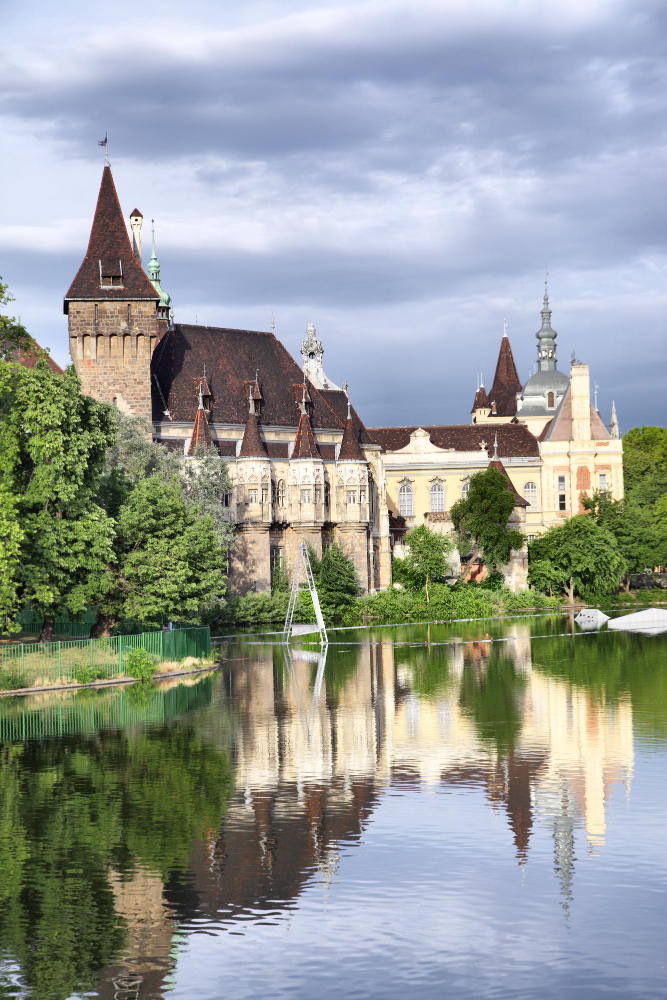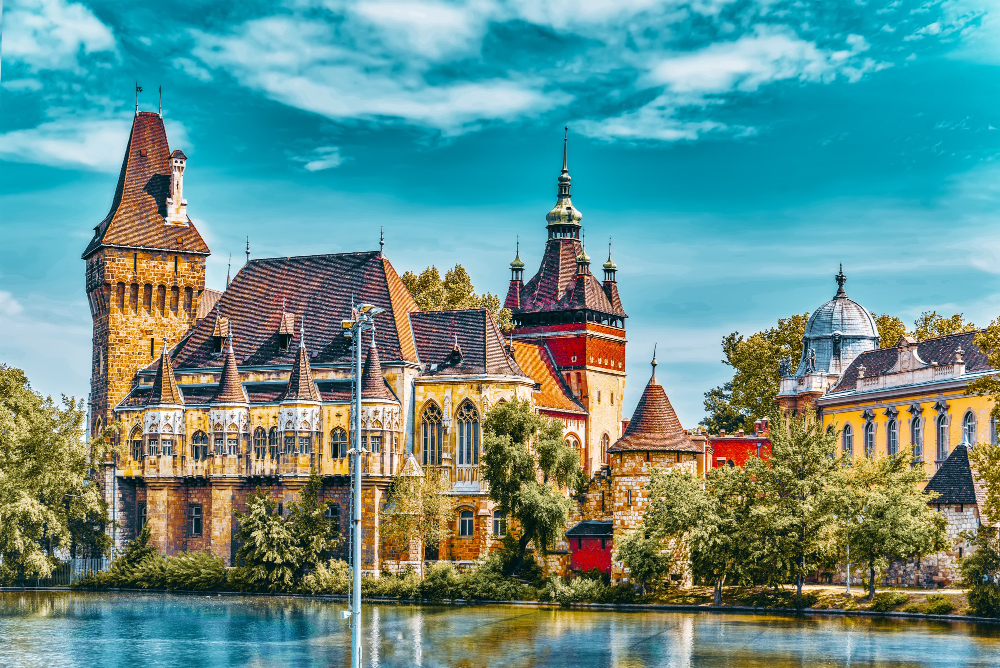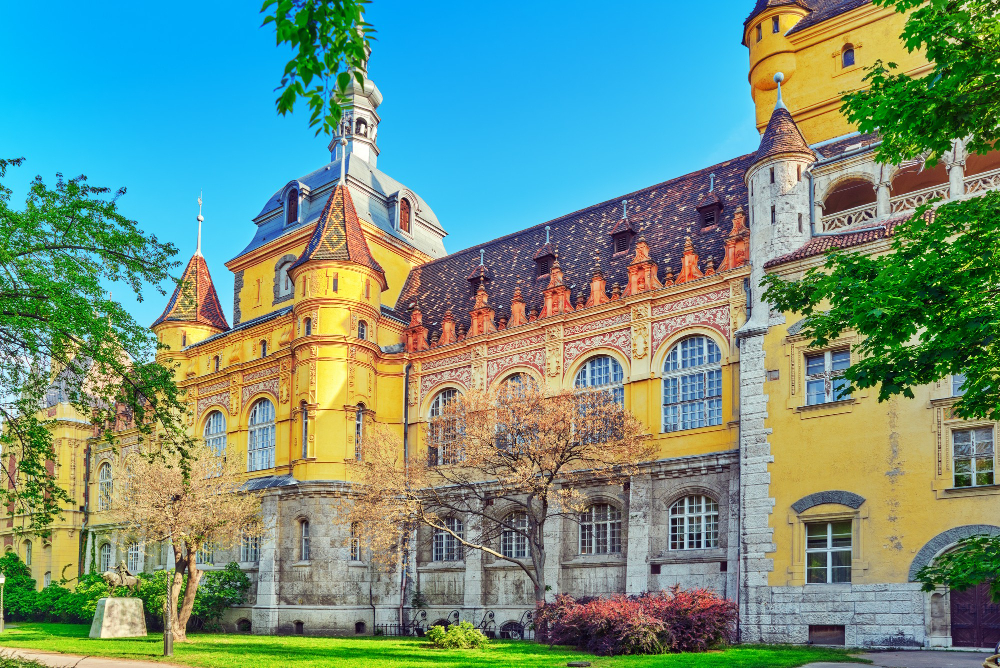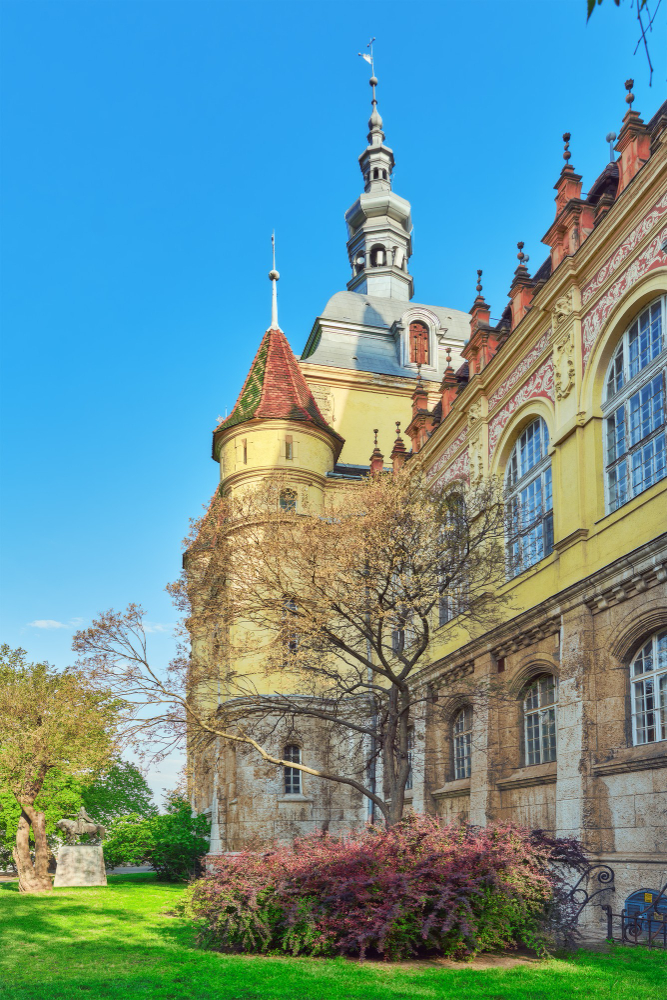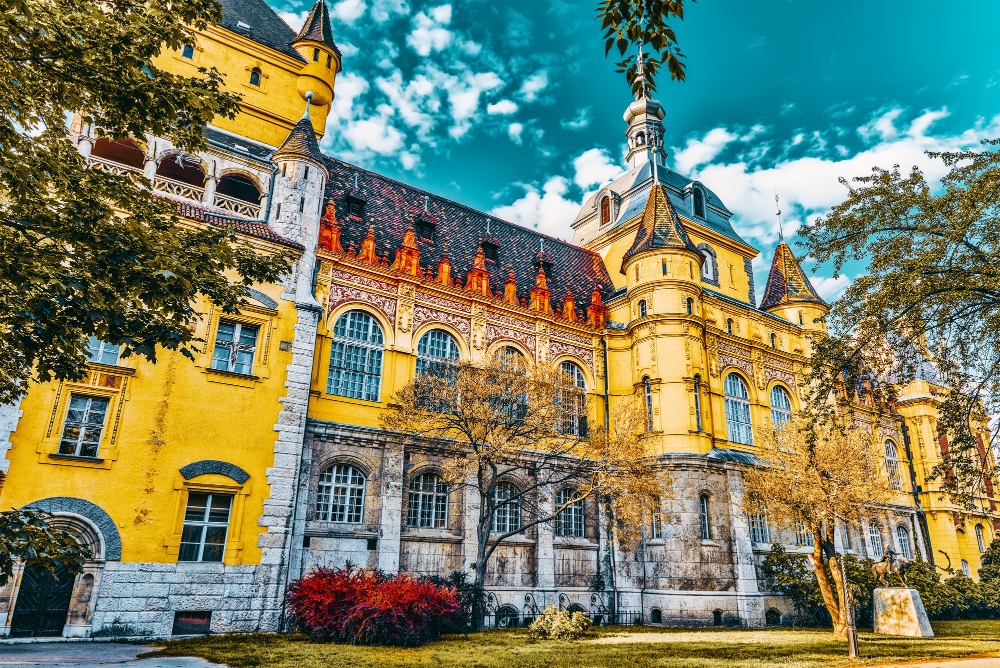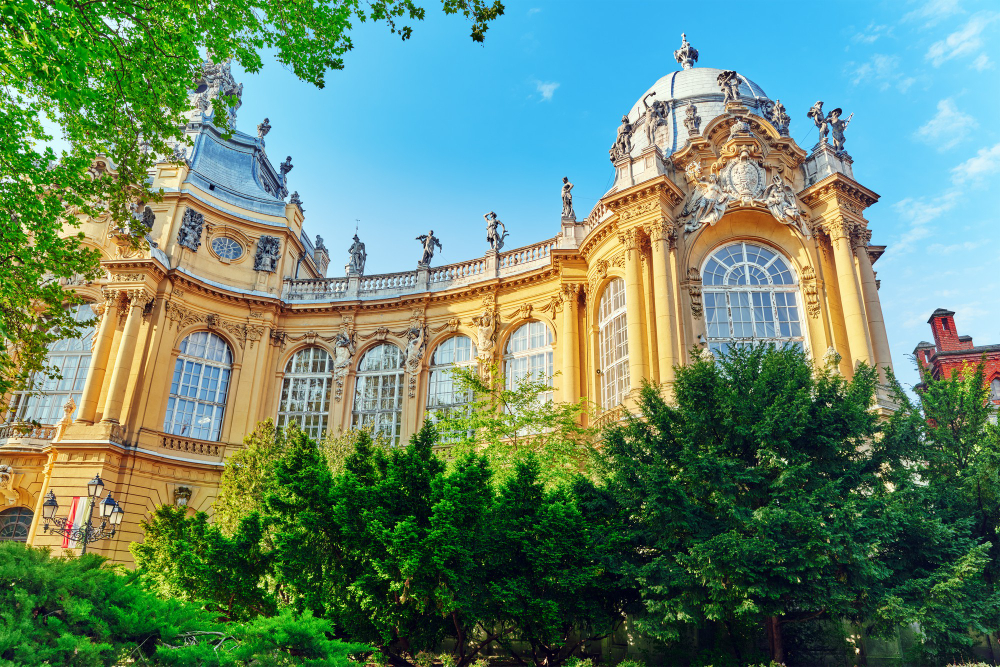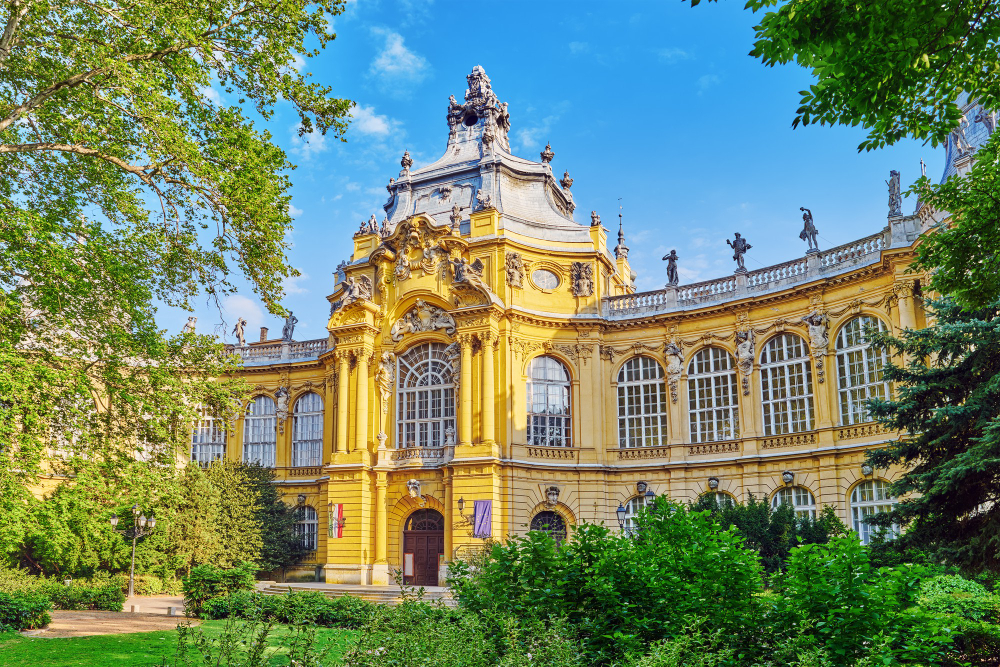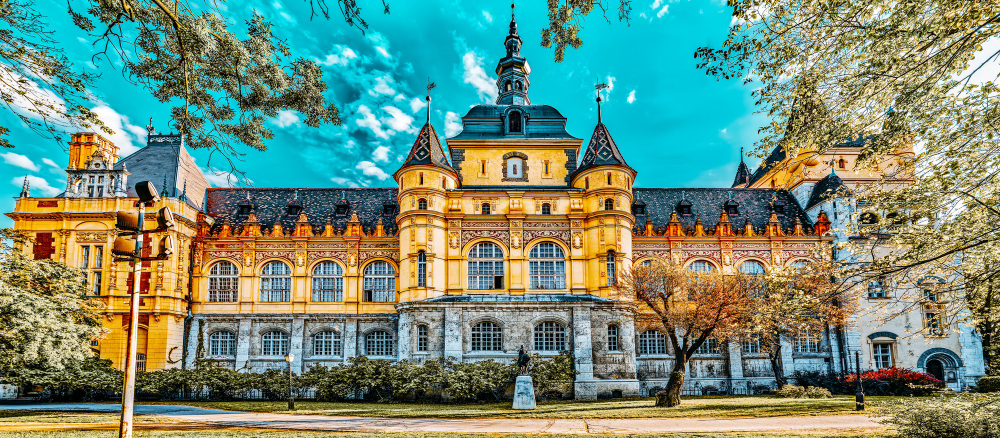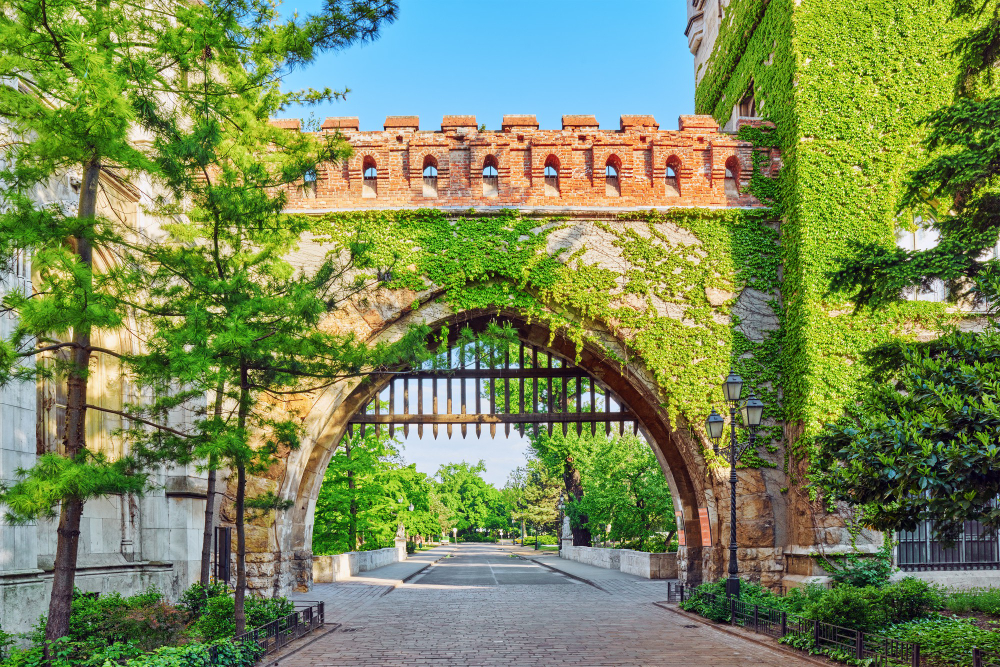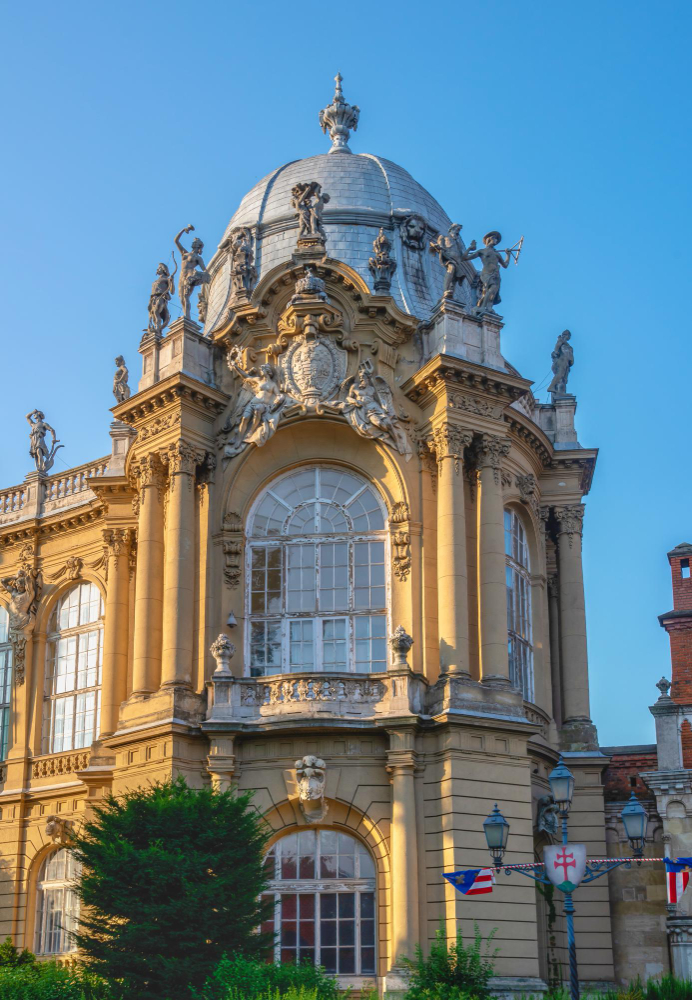

On the shores of the bustling Lake Széchenyi in Budapest’s City Park stands a building that seems to have sprung straight from a fairy tale of days gone by. Vajdahunyad Castle, an architectural masterpiece of Historicism, blends different eras and styles in its design and tells a fascinating story that extends far beyond its majestic walls.
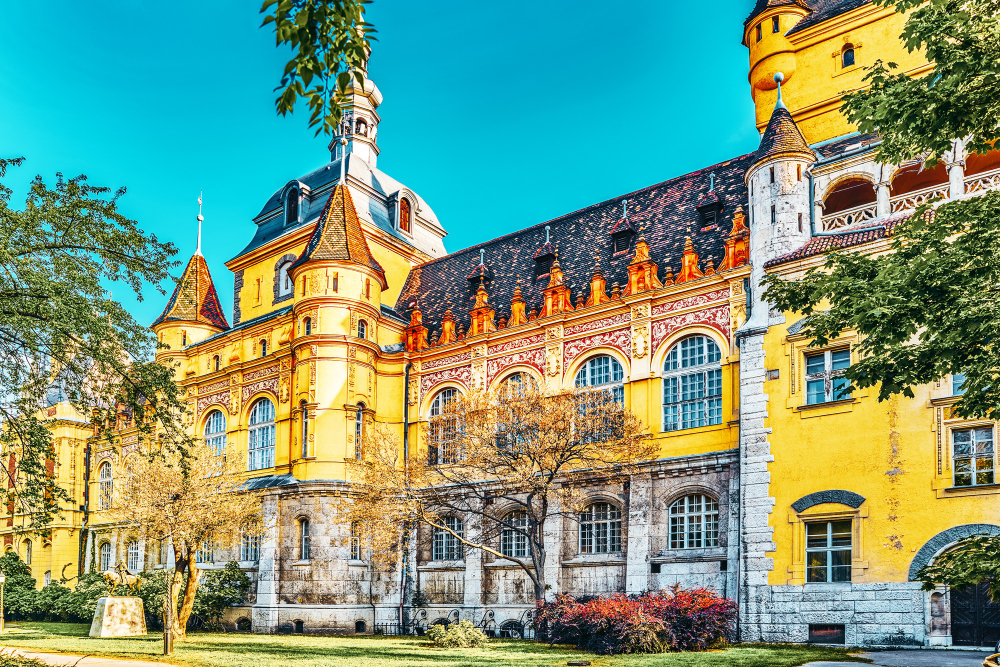
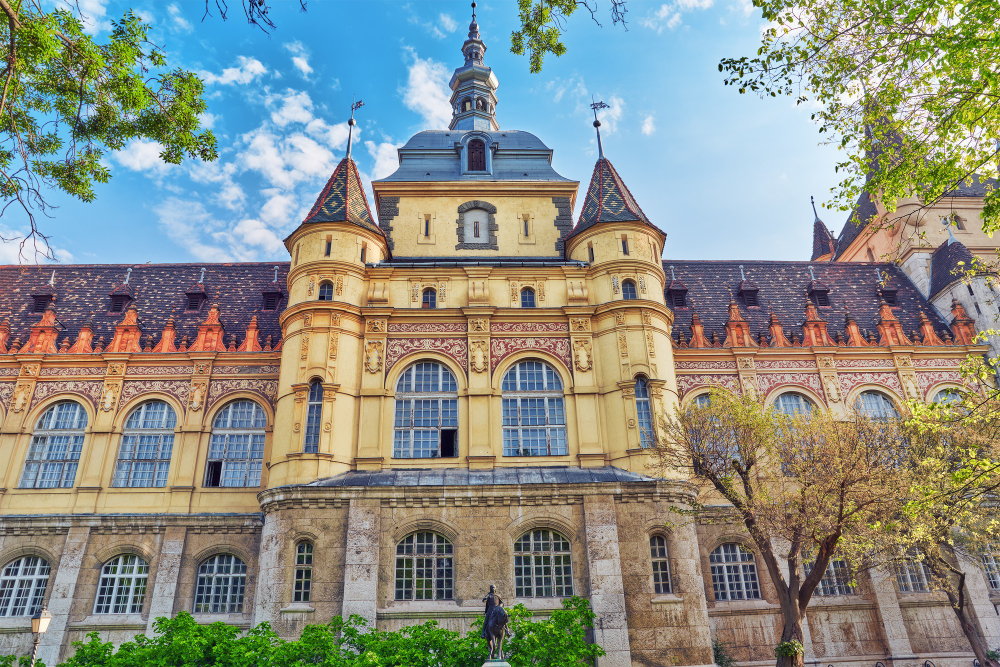
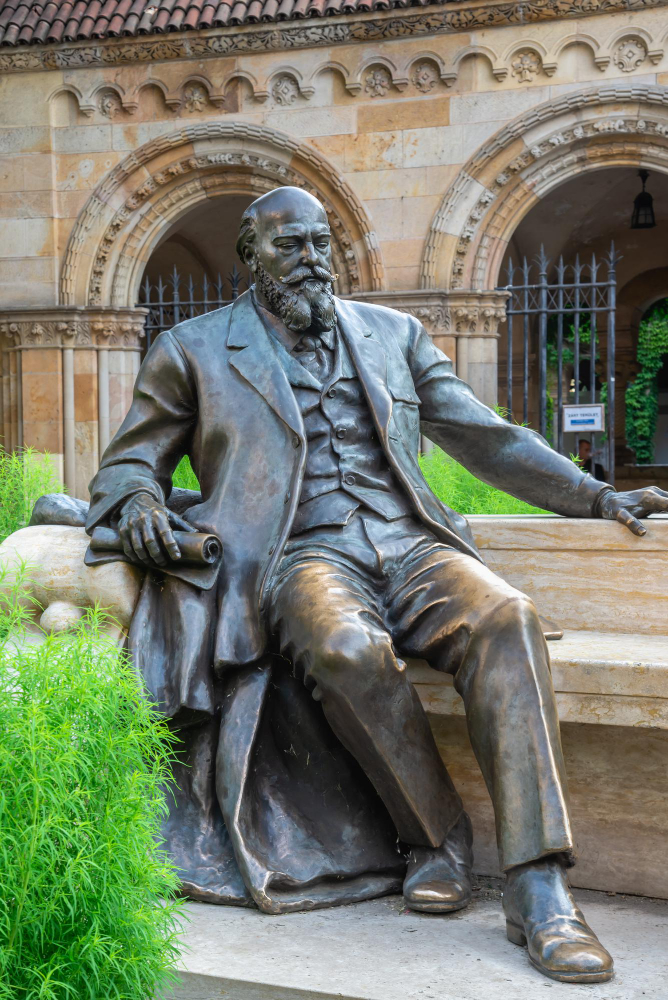
A Monument from the Millennium Era – The origins of Vajdahunyad Castle date back to 1896, when Hungary celebrated the thousandth anniversary of its conquest. As part of these celebrations, the Millennium Exhibition was held, during which the architect Ignác Alpár was commissioned to design a temporary structure intended to represent Hungary’s most important architectural styles. Alpár took an extraordinary approach: he combined elements of the Romanesque, Gothic, Renaissance and Baroque styles, thereby creating a unique ensemble that conveys the impression of a journey through the history of architecture. At the heart of his design was a replica of the medieval Hunedoara Castle (Vajdahunyadi vár) in Transylvania, which ultimately gave the entire project its name. Although the original structure was intended merely as a temporary pavilion, it so captivated exhibition visitors that the Hungarian Parliament decided in 1900 to preserve the building permanently. With a budget of 2.4 million crowns, work began again in 1901 under Alpár’s supervision to construct the castle using durable materials. Six years later, on 9 June 1907, the now-completed building opened its doors – this time no longer as a temporary pavilion, but as the permanent home of the Hungarian Agricultural Museum.
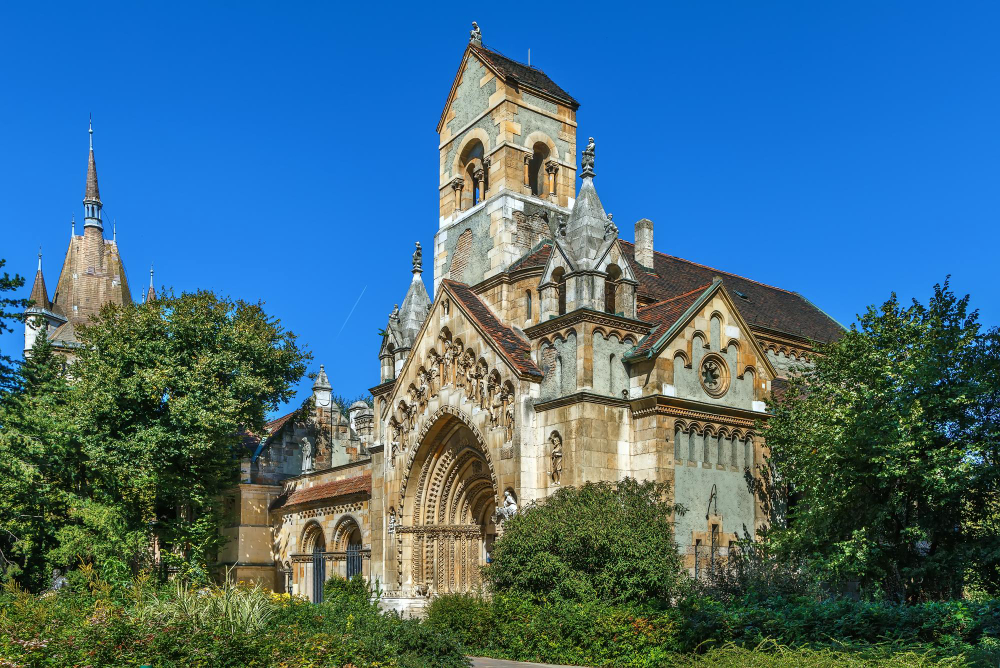
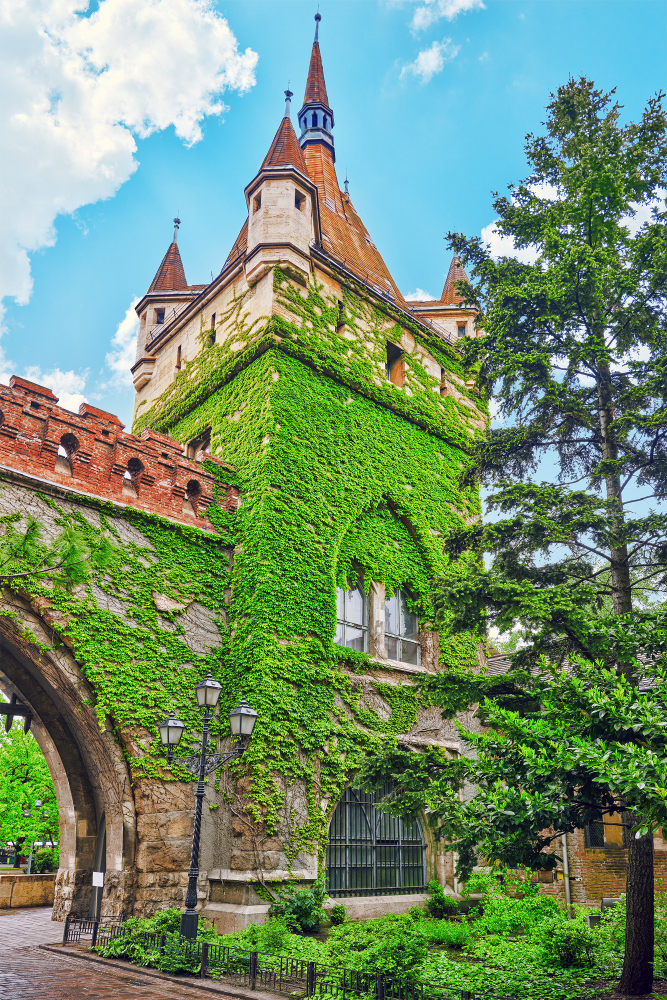
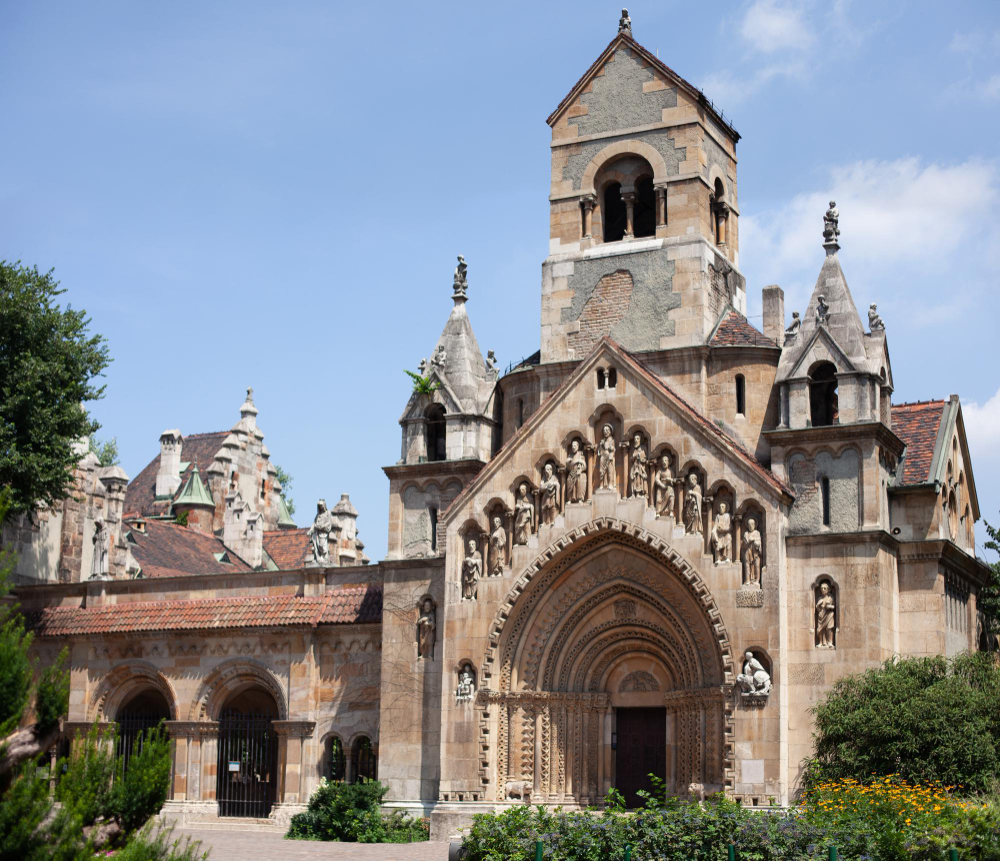
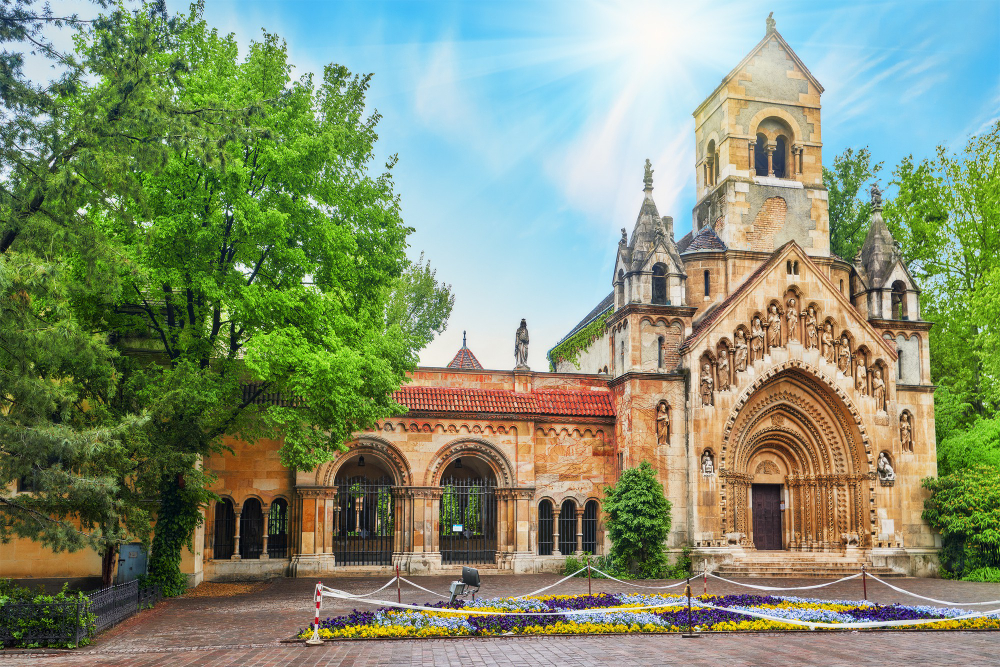
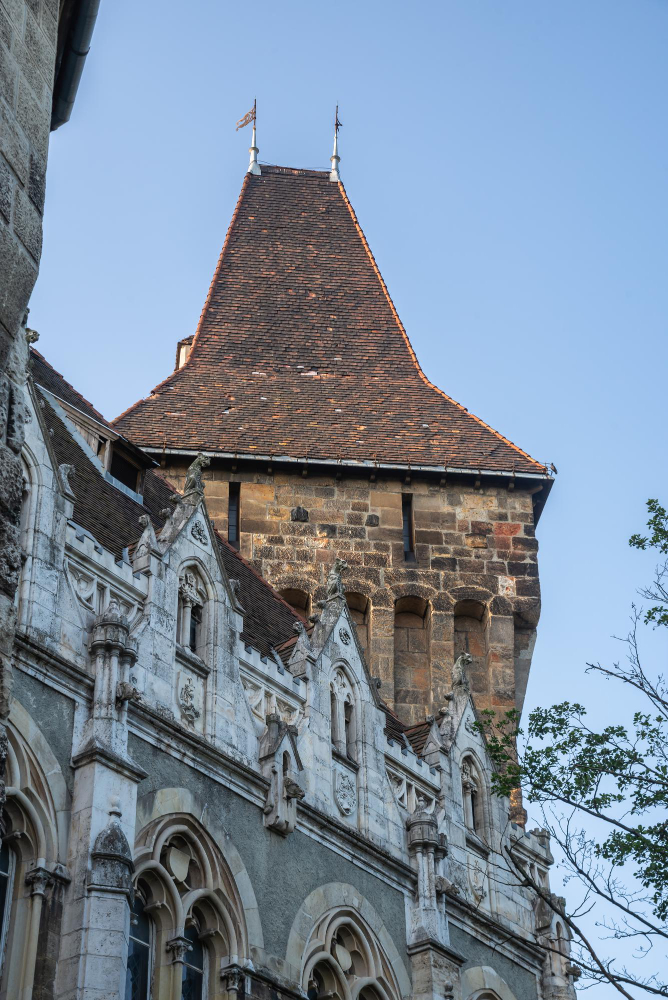
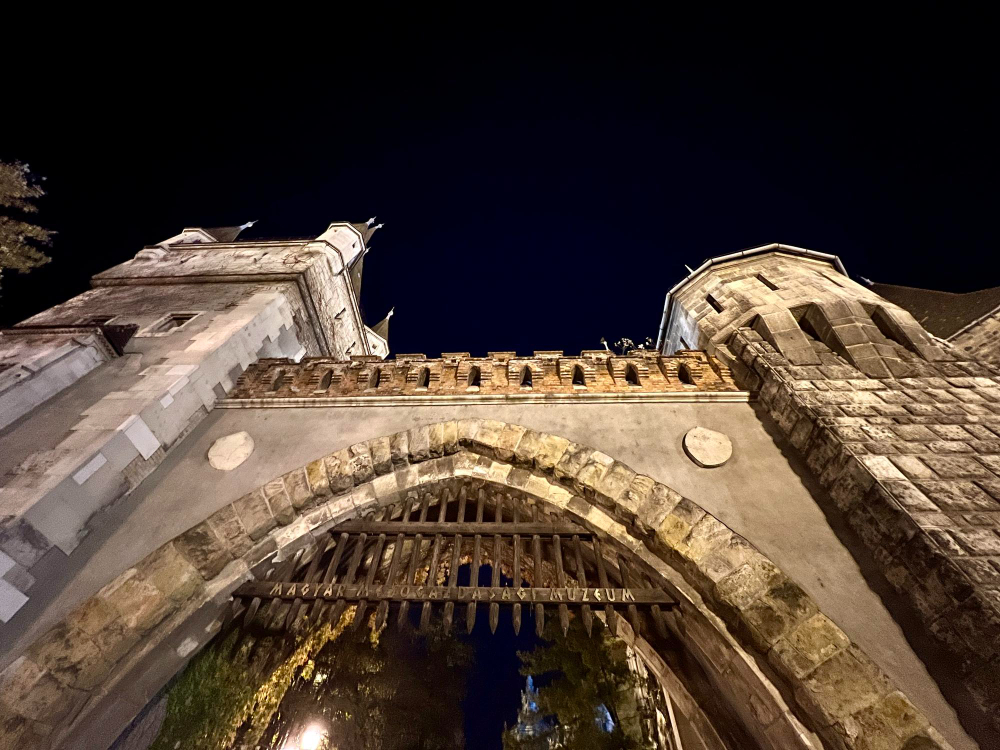
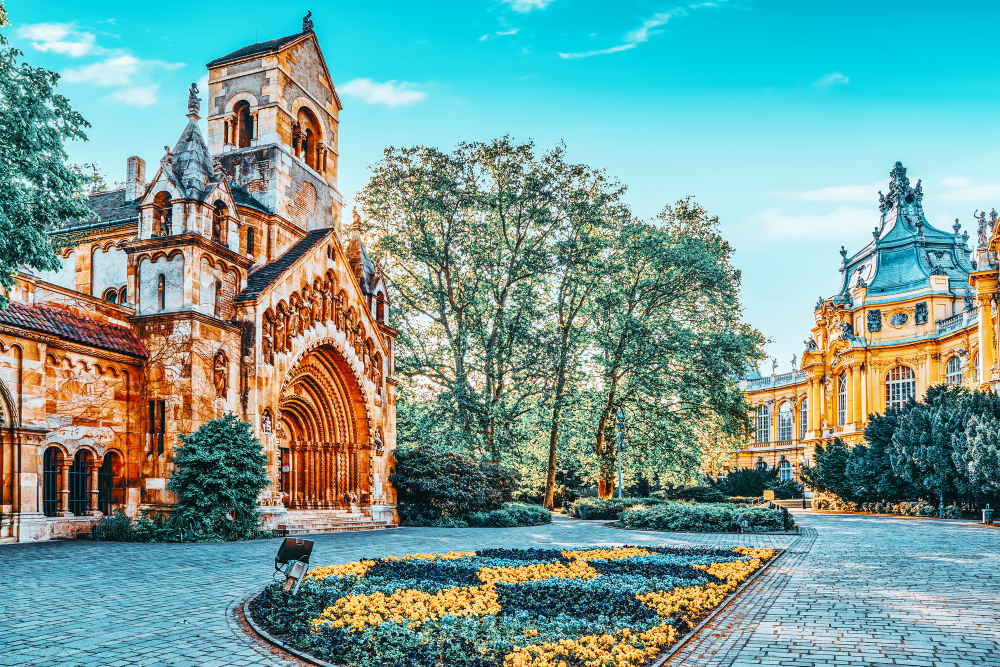
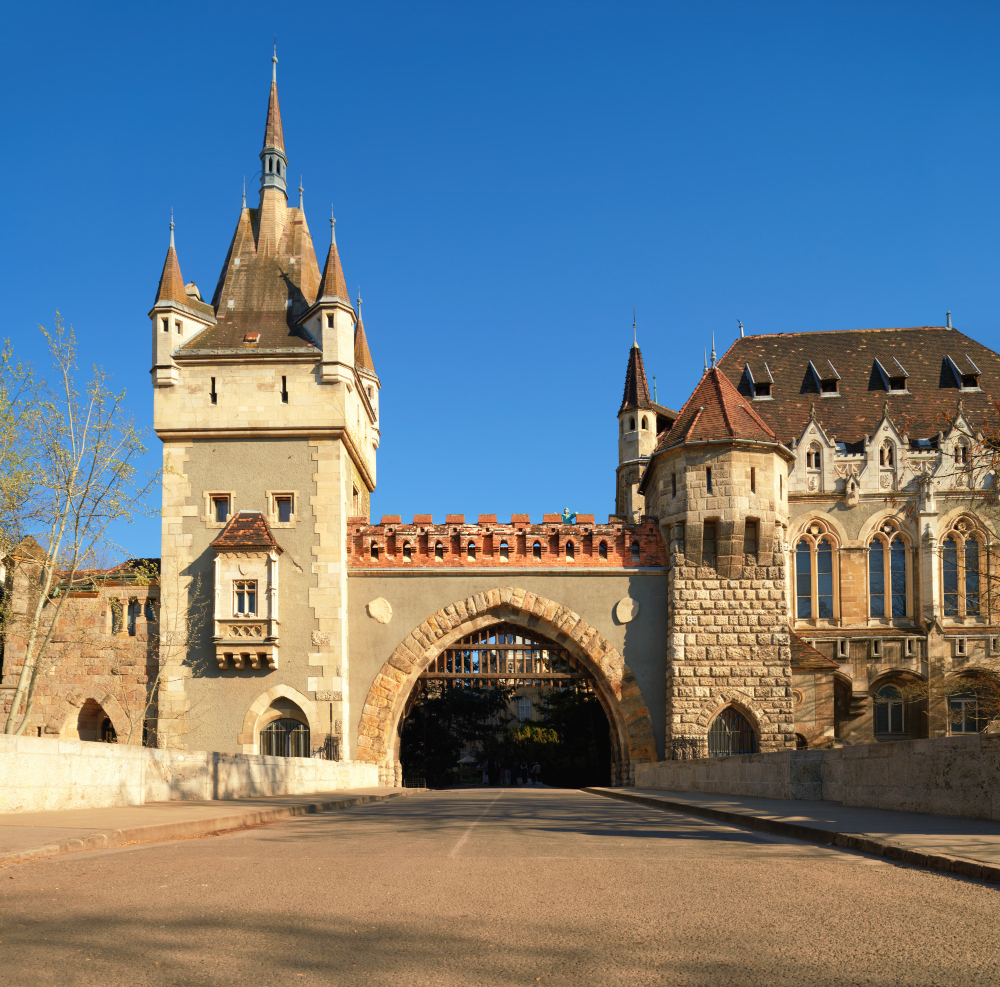
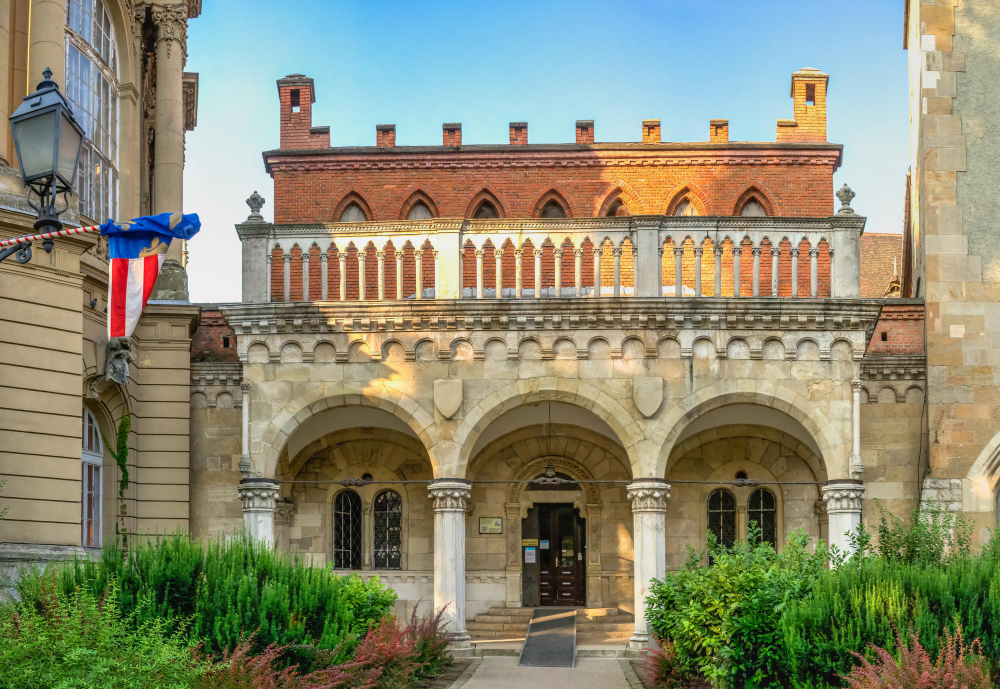
Architecture: A tribute to the diversity of the ages – Vajdahunyad Castle is an architectural gem that leaves every visitor in awe. Its complexity reflects the diversity and richness of Hungarian architecture. The Romanesque part of the complex is inspired by the portal of the famous St George’s Abbey Church in Ják and by the chapel in Csütörtökhely in what is now Slovakia. The Gothic elements are modelled on St Catherine’s Gate in Brassó (Brașov, Romania) and Hunedoara Castle, whilst the Renaissance and Baroque buildings do not follow any direct historical models but are based on the works of the Baroque architects Johann Lucas von Hildebrandt and Johann Bernhard Fischer von Erlach. This combination of different architectural styles not only highlights Alpár’s expertise in art history but also his intention to create a building that represents Hungary’s cultural and historical diversity. Particularly impressive is the integration of these various styles into a harmonious overall complex, which is characteristic of historicism.
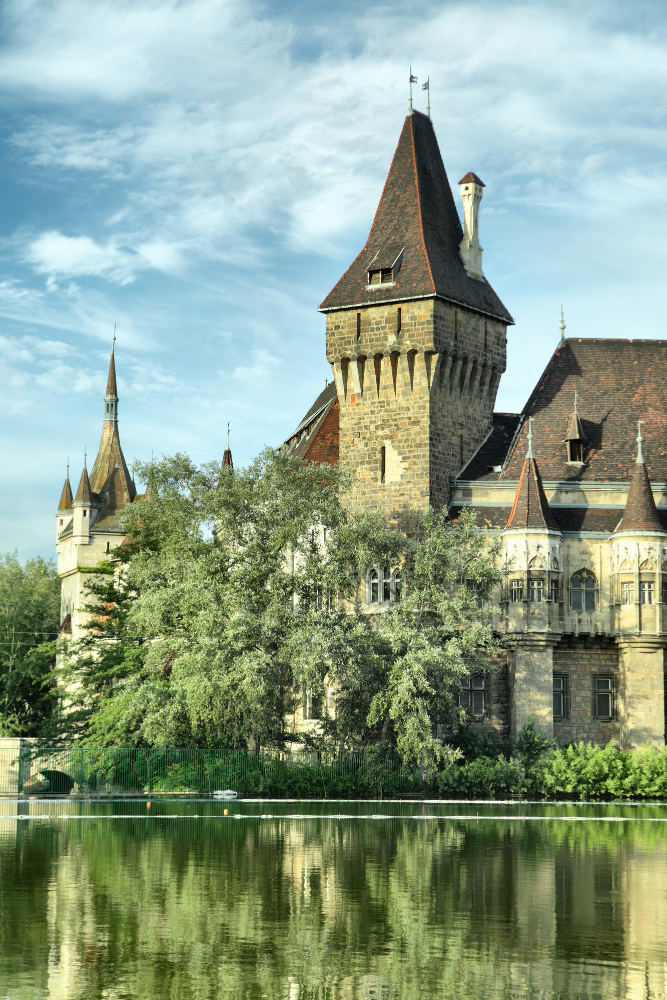
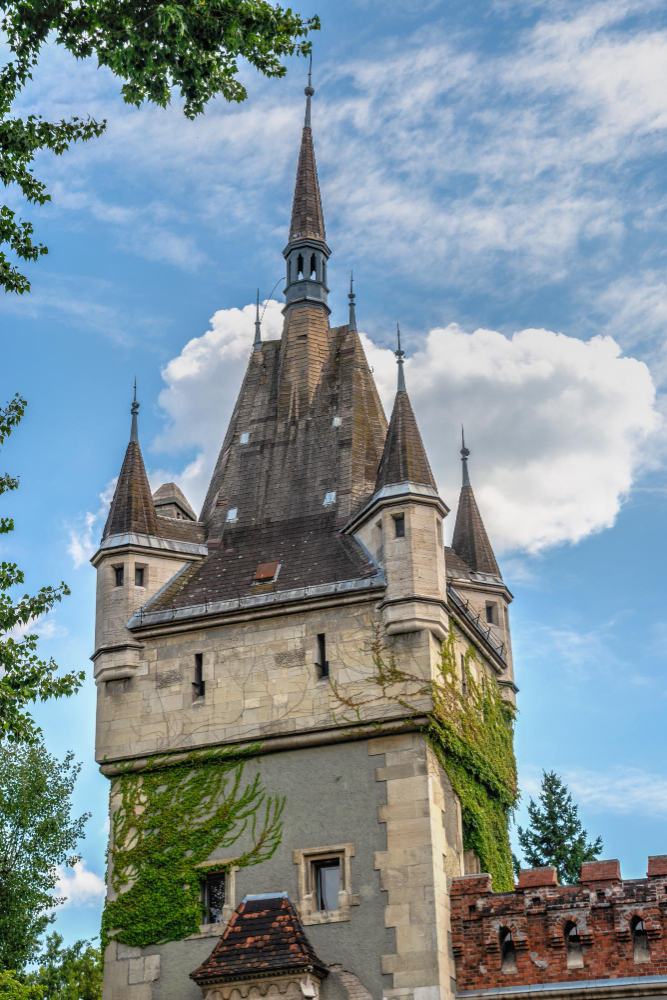
A Place of Myths and Legends – In addition to its impressive architecture, Vajdahunyad Castle exudes an atmosphere that practically cries out for stories and myths. The complex, built in the medieval style, evokes memories of countless Hungarian myths and legends. The Gothic tower in particular – modelled on Hunedoara Castle – conjures up images of mysterious knights and spooky ghost stories for many visitors. Folklore has it that the castle is guarded at night by the ghosts of ancient noble families who once lived in the region’s real castles and palaces. There is also talk of underground tunnels and hidden treasure chambers, although this is more of a romantic embellishment. Nevertheless, this mythical aura helps to ensure that Vajdahunyad Castle is not only an architectural masterpiece, but also invites visitors to let their imaginations run wild and immerse themselves in times gone by.
Turning points: The war years and reconstruction – Like many historic buildings, Vajdahunyad Castle also endured difficult times, particularly during the Second World War and the 1956 Hungarian Uprising. In 1944–45, six bombs struck the complex, causing severe damage, particularly to the Renaissance and Baroque wings. Thanks to the work of dedicated restorers, including the famous architect and Olympic champion Alfréd Hajós, the castle was restored by 1948. In the 1970s, the castle also required extensive renovation, as the damage caused by the 1956 Hungarian Revolution had left further scars. The restoration was not completed until 1985, and the complex has been officially listed as a historic monument since 1991. Despite these adversities, Vajdahunyad Castle has retained its magnificent appearance and historical significance, and remains a symbol of Hungary’s resilience and cultural pride.
The Hungarian Agricultural Museum – Today, Vajdahunyad Castle houses the Hungarian Agricultural Museum, one of the largest museums of its kind in Europe. It is dedicated to the long and multifaceted history of Hungarian agriculture and presents a wide variety of exhibits across an exhibition area of more than 5,000 square metres. These include agricultural tools, historic farm machinery and artefacts tracing the development of viticulture, livestock farming and fishing. The exhibition not only offers insights into technological progress but also highlights the cultural significance of agriculture for Hungary. Visitors can also explore the Neo-Romanesque chapel, whose design was inspired by the abbey church in Ják. Since 2015, the Apostles’ Tower and the Castle Gate Tower have also been open to the public, offering spectacular views of the City Park Lake and the neighbouring Heroes’ Square.
A living piece of history – Today, Vajdahunyad Castle is more than just a historic building or a museum. It has become a popular meeting place for locals and tourists alike. Against its impressive backdrop, cultural events are held regularly, including concerts, exhibitions and even markets that celebrate Hungary’s rich cultural heritage. The castle is particularly enchanting in winter, when the artificial City Park lake is transformed into a glittering ice rink and fairy lights bathe the grounds in a fairy-tale glow. It is a place where the connection between the past and the present becomes tangible, whilst exuding a magic all of its own.
A must-see for every visitor to Budapest – Vajdahunyad Castle is more than just an architectural marvel. It is a symbol of Hungary’s cultural diversity and its eventful history. Its artistic design, the inspiring stories it tells and the cultural microcosm it houses make it an essential part of any trip to Budapest. Whether you’re passionate about architecture, keen to delve into history, or simply looking for an idyllic setting for a leisurely stroll – Vajdahunyad Castle and its surroundings are a true gem in the heart of the Hungarian capital.