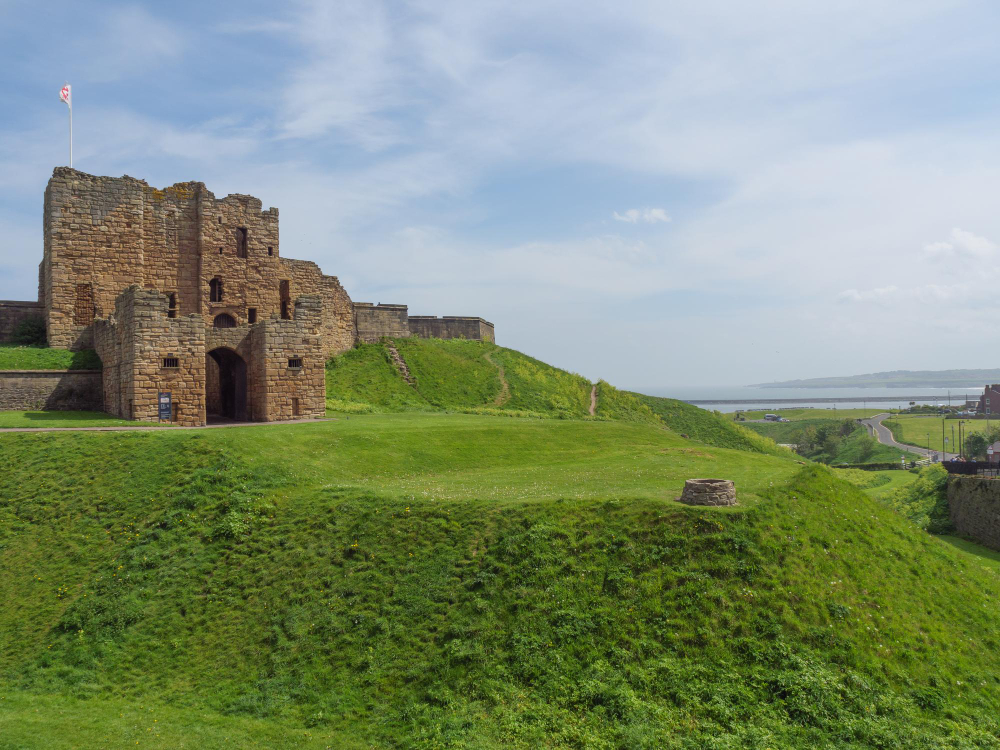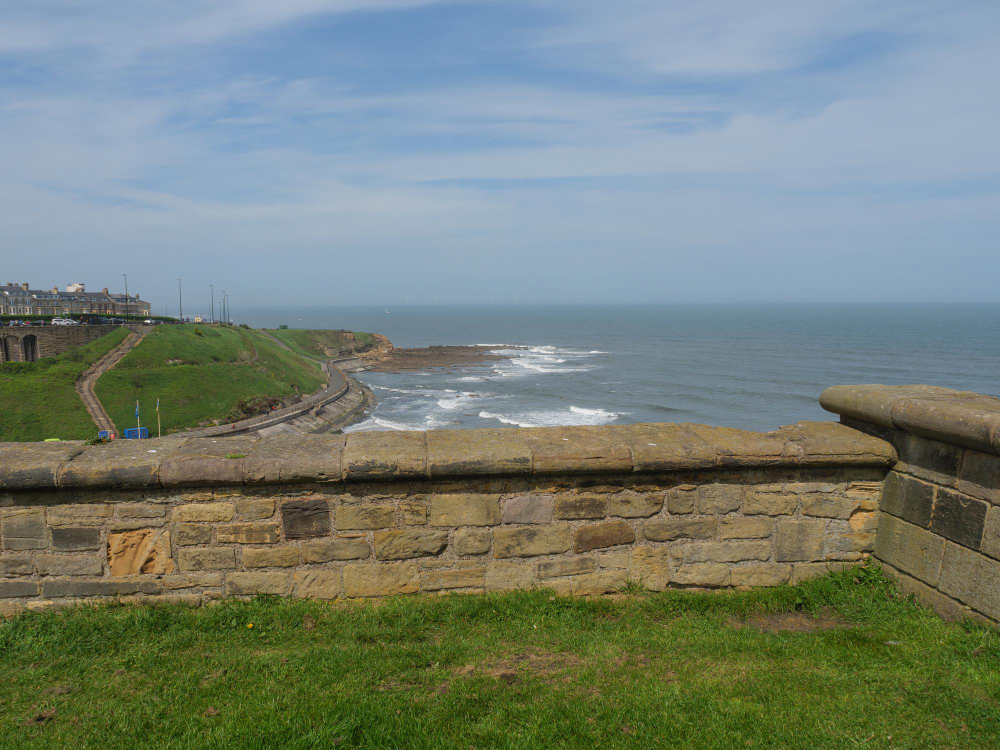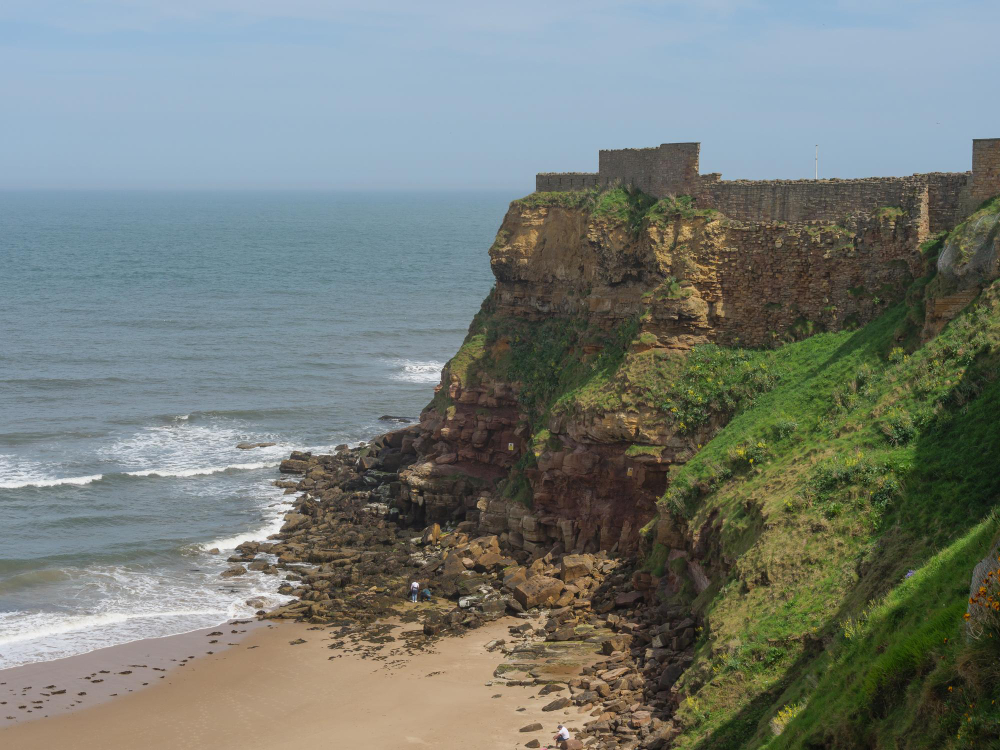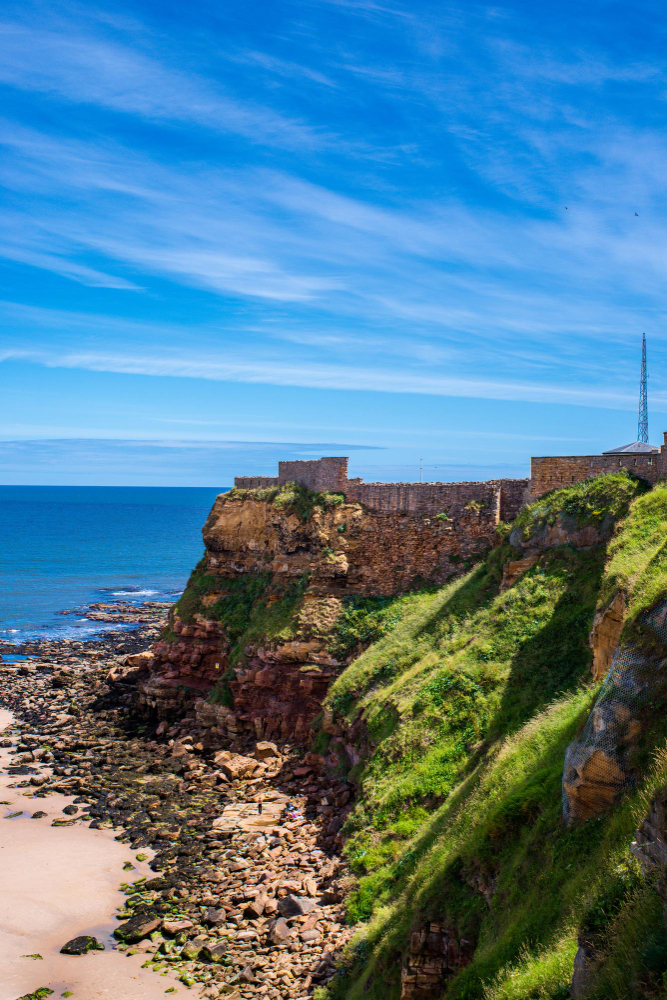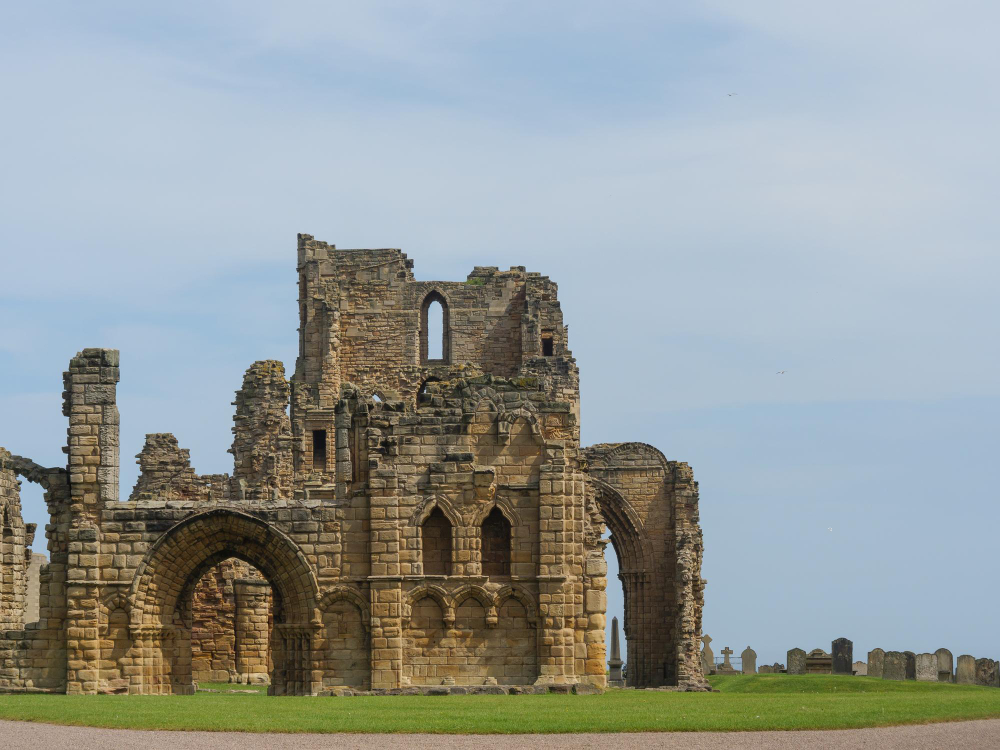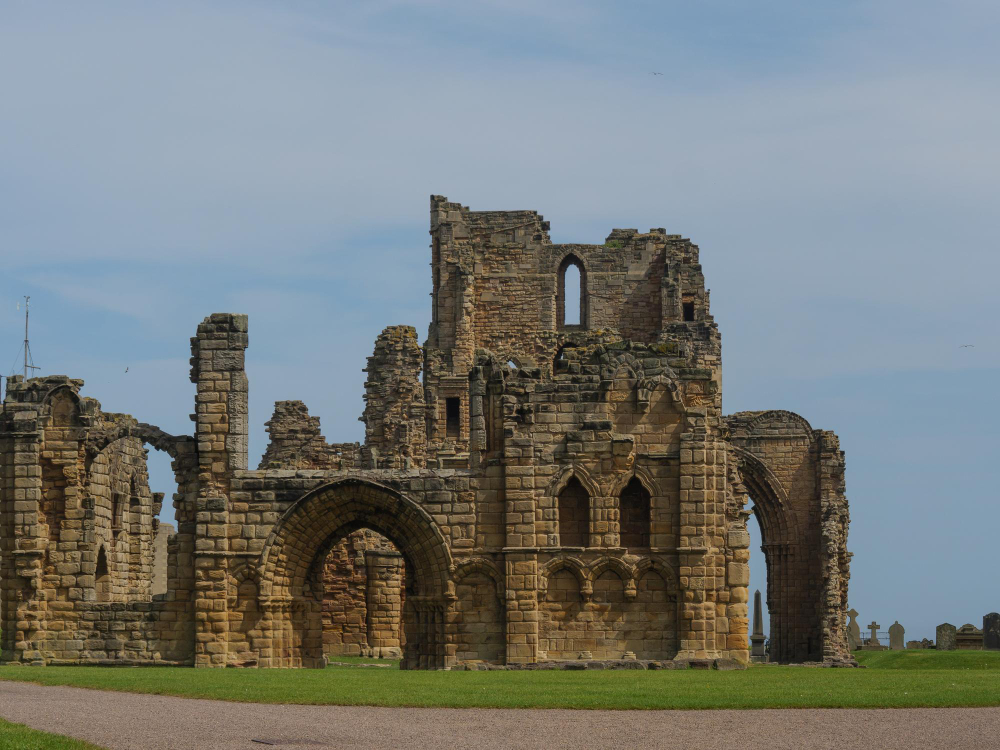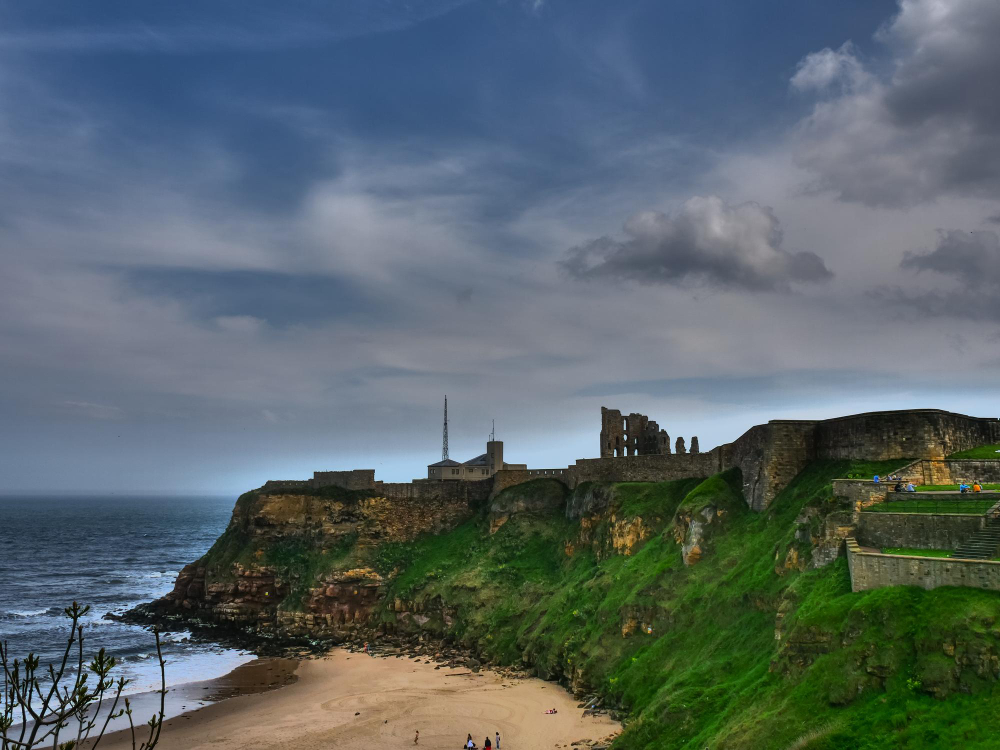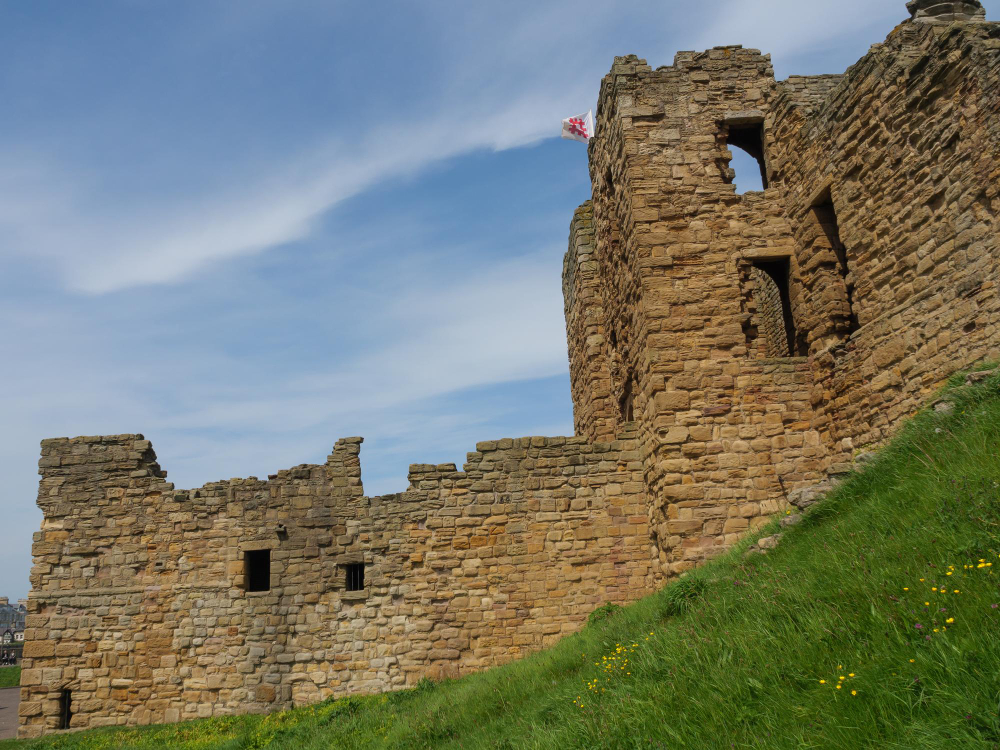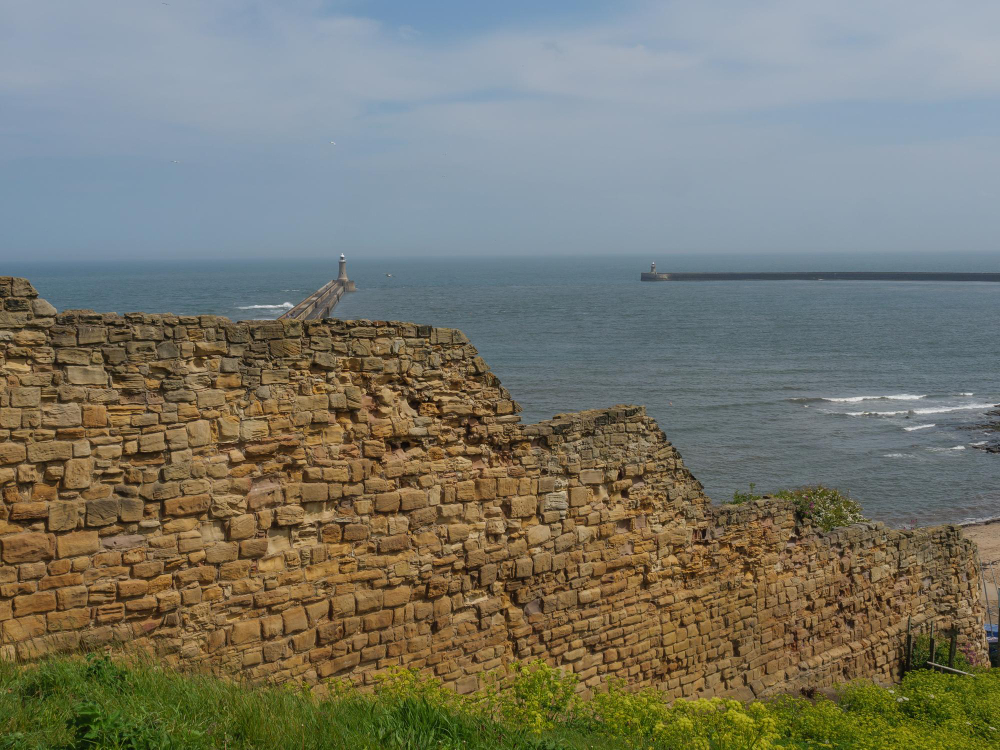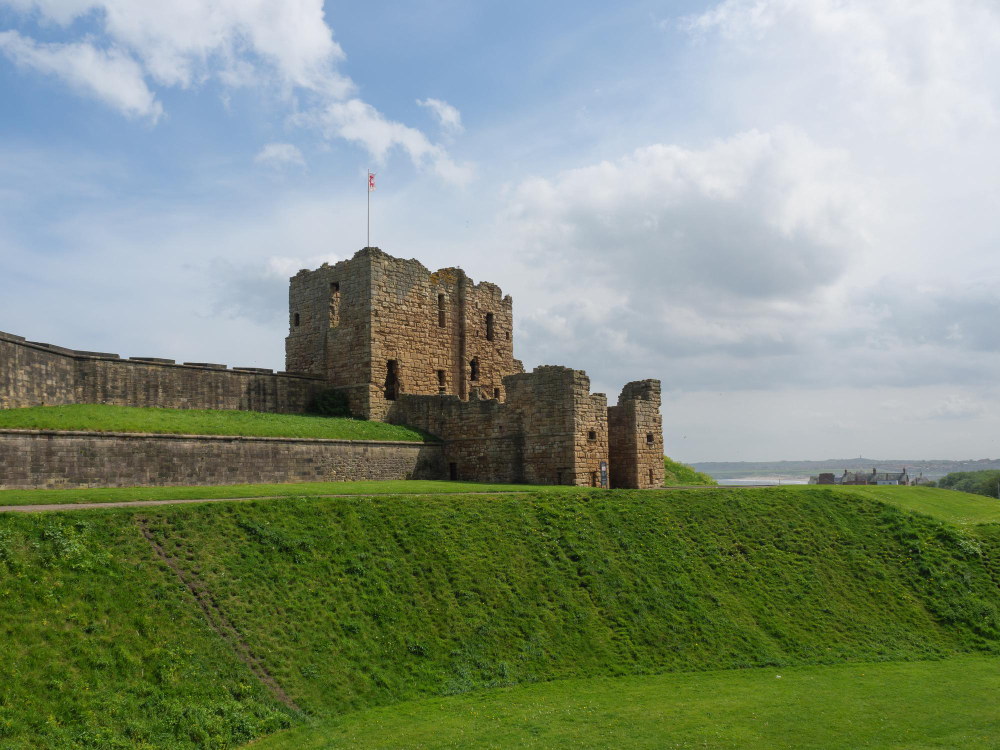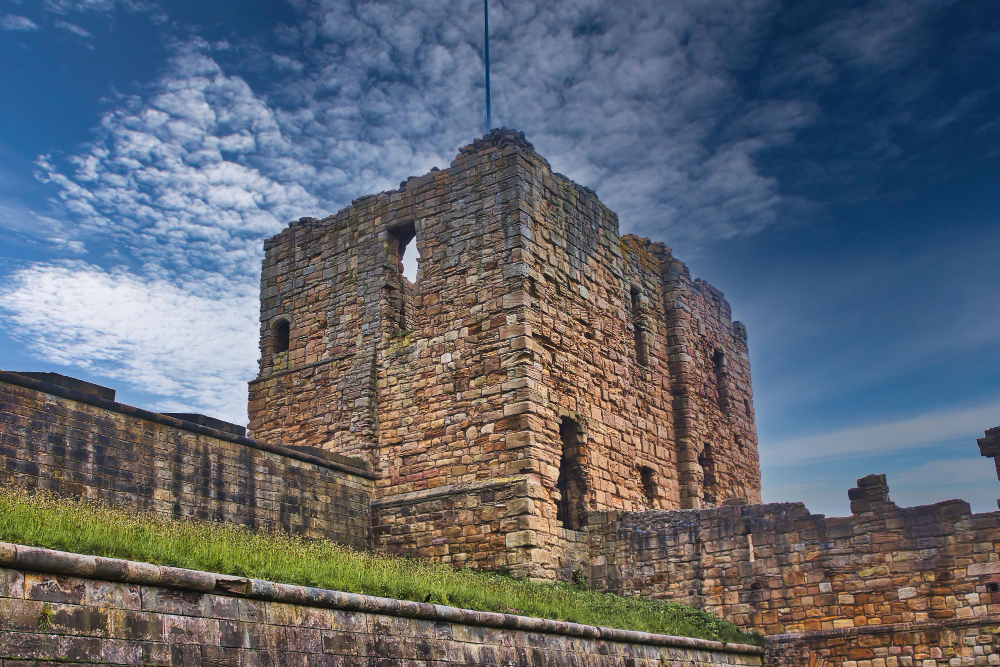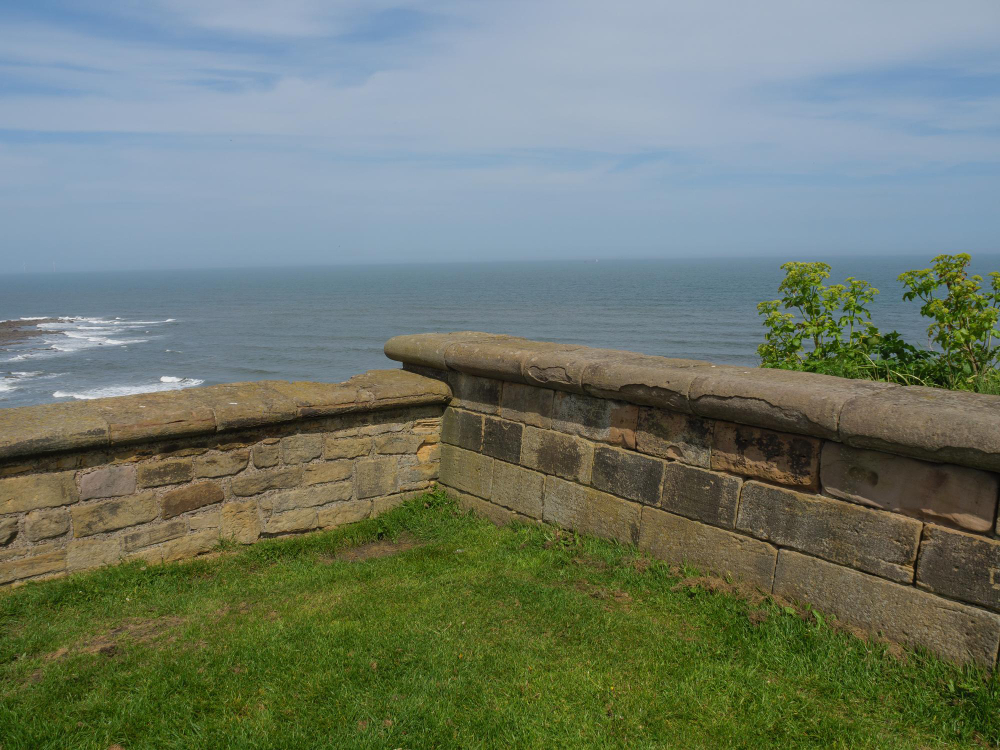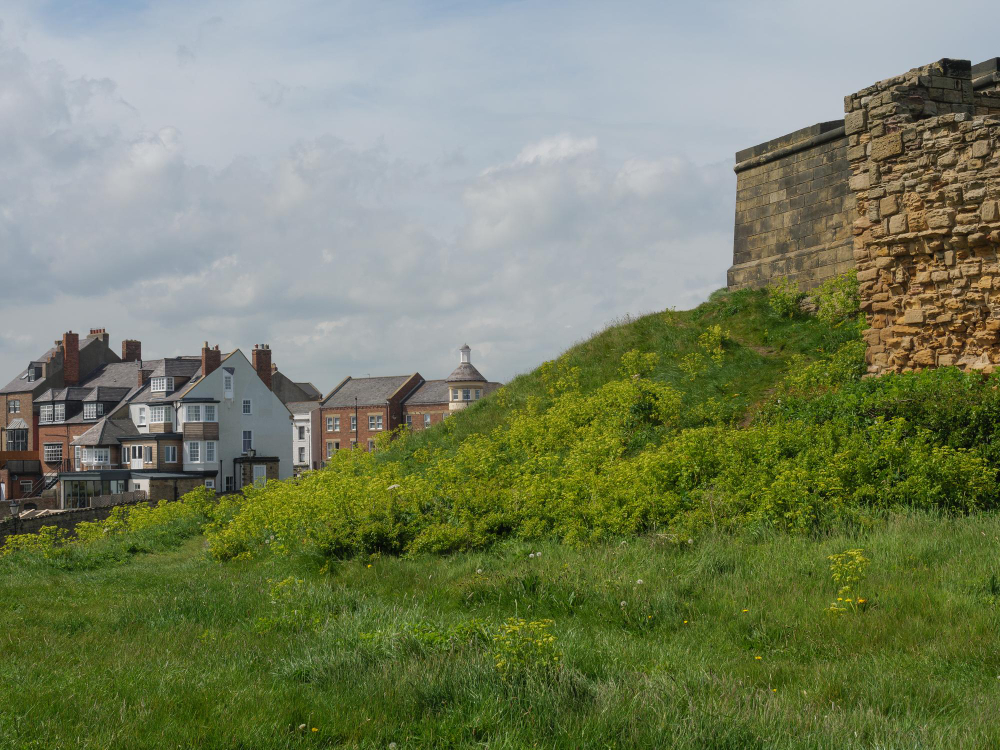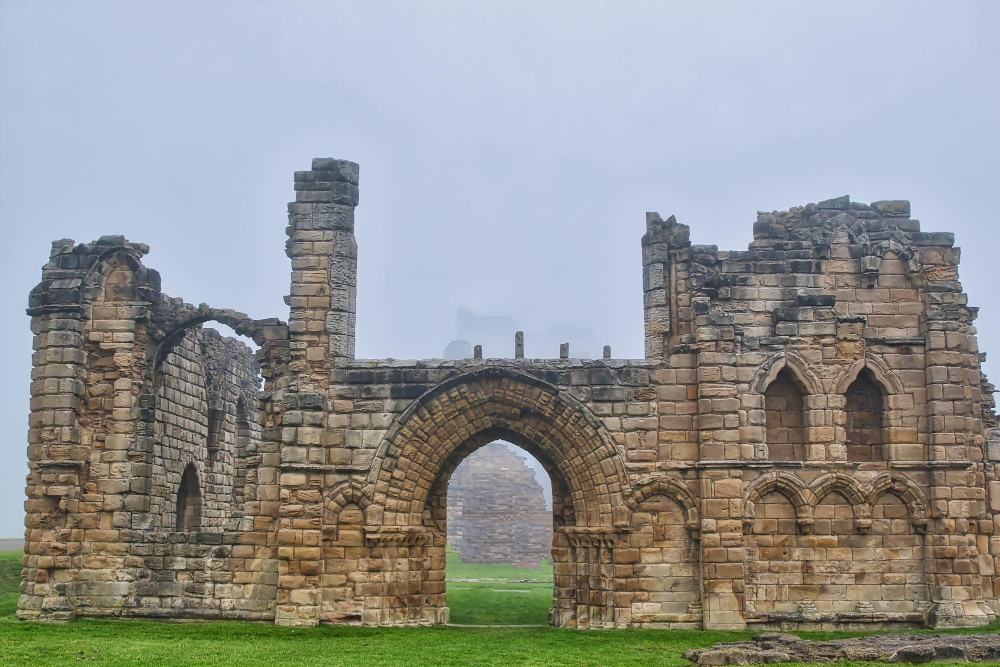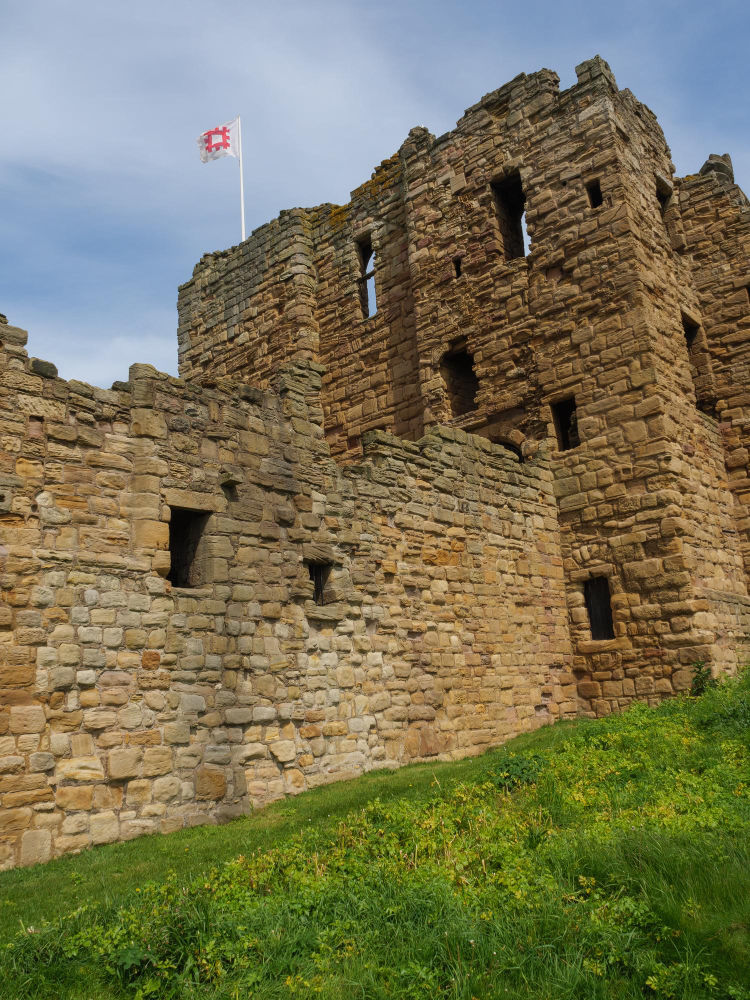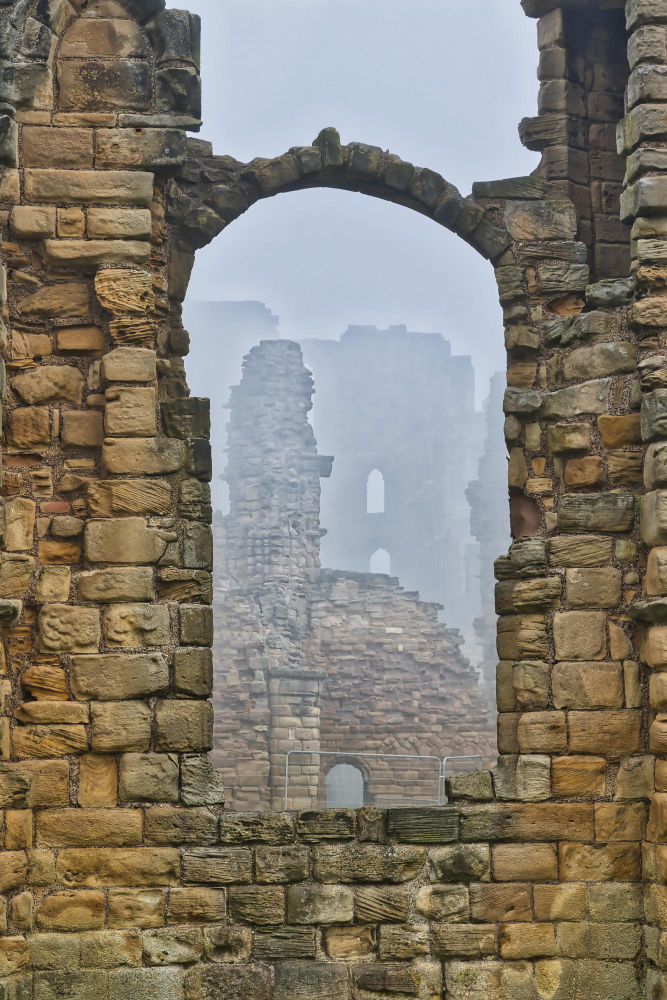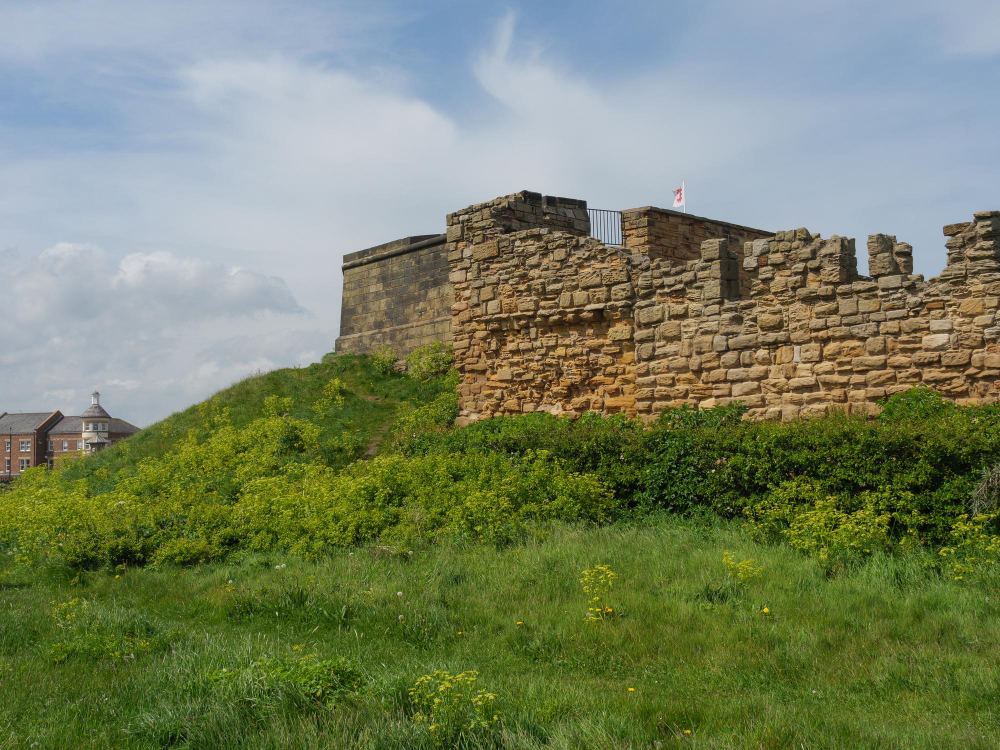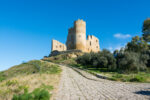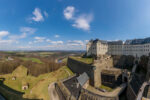

Perched high on the rocky headland of Bel Drag, directly above the pier of the small town of Tynemouth in the county of Tyne and Wear, stands the imposing Tynemouth Castle. Its massive walls and towers bear witness to a rich and eventful past stretching back to the very beginnings of British history. Adjacent to the castle lie the ruins of the Benedictine priory, a place steeped in legends, royal burial sites and tragic events. The history of this place is fascinating and eventful: from its foundation in the 7th century, through the Norman period, to its use as a military base during the Second World War.
The Origins of the Abbey: A Sacred Place for Kings and Pilgrims – The origins of Tynemouth Abbey stretch far back into history. Historical sources date its foundation to the early 7th century, possibly on the initiative of Edwin of Northumbria. A particularly significant event in its early history was the burial of Oswine, King of Deira, in 651, who was canonised after his assassination by soldiers of King Oswiu of Bernicia. His grave became a place of pilgrimage, attracting visitors from across the region. Oswine was the first of three kings to be buried on the monastery grounds. King Osred of Northumbria also found his final resting place here following his assassination in 792. The third and arguably best-known monarch associated with Tynemouth was Malcolm III, King of Scotland. After he was killed at the Battle of Alnwick in 1093, his body was initially buried in the priory before his remains were later transferred to Scotland. The three crowns in the coat of arms of the town of Tynemouth still serve as a reminder of these royal burial sites today.
Devastation by the Danes: A dark chapter – The priory was a favourite target for attackers, particularly Danish Vikings, who raided the complex on several occasions between 800 and 875. Although the monks had previously reinforced their defences, they were unable to repel the final attack, during which the church and the monastery were destroyed. Particularly brutal was the massacre of the nuns of St Hilda, who had sought refuge there. Following this devastation, only the small parish church of ‘St Mary’ remained intact, whilst the priory lay largely in ruins.
The Return of the Normans and the Revival of the Priory – The arrival of the Normans marked the beginning of a new chapter for the priory. Earl Toste used the site as a fortress during the reign of Edward the Confessor. However, it was Robert de Mowbray, Earl of Northumberland, who re-established the priory at the end of the 11th century. This led to a dispute with the Bishop of Durham, as Mowbray placed the priory under the jurisdiction of St Albans Abbey. Despite these conflicts, St Albans sent monks to revive the new priory at Tynemouth. The castle, which at that time presumably still consisted of simple timber and earthworks, played a strategic role on several occasions. Most famous, however, is the siege of the castle by William II in 1095, after Robert de Mowbray had rebelled against the king. The siege lasted two months before Mowbray was finally captured and sentenced to life imprisonment for high treason. Just a few years later, the monks built a new church on this site, heralding the start of the medieval reconstruction.
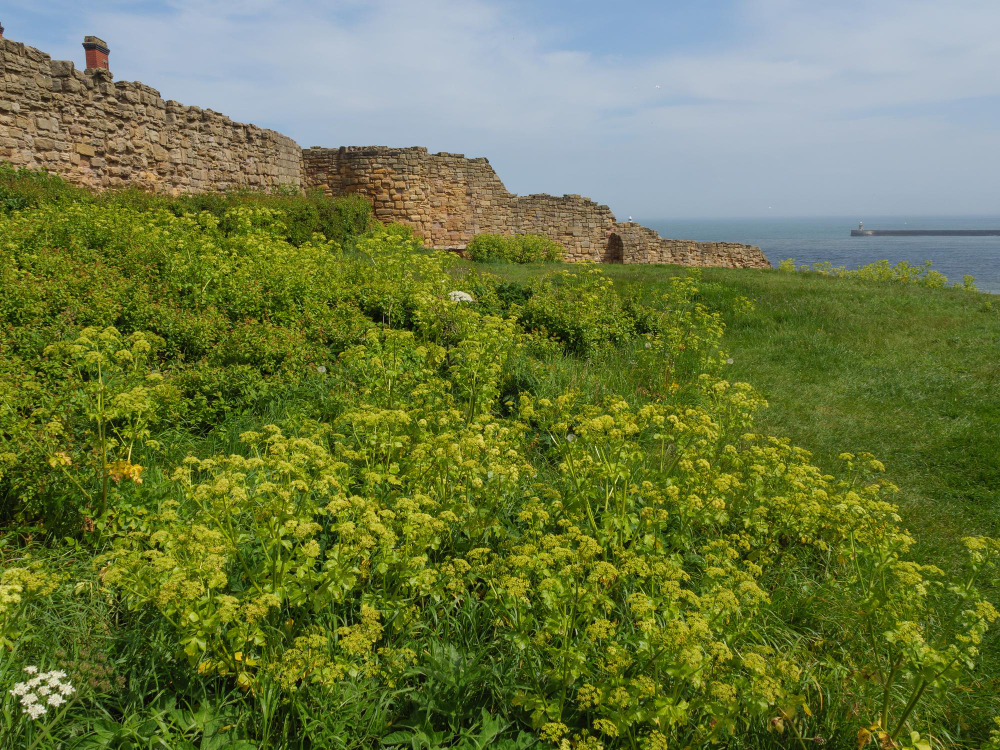
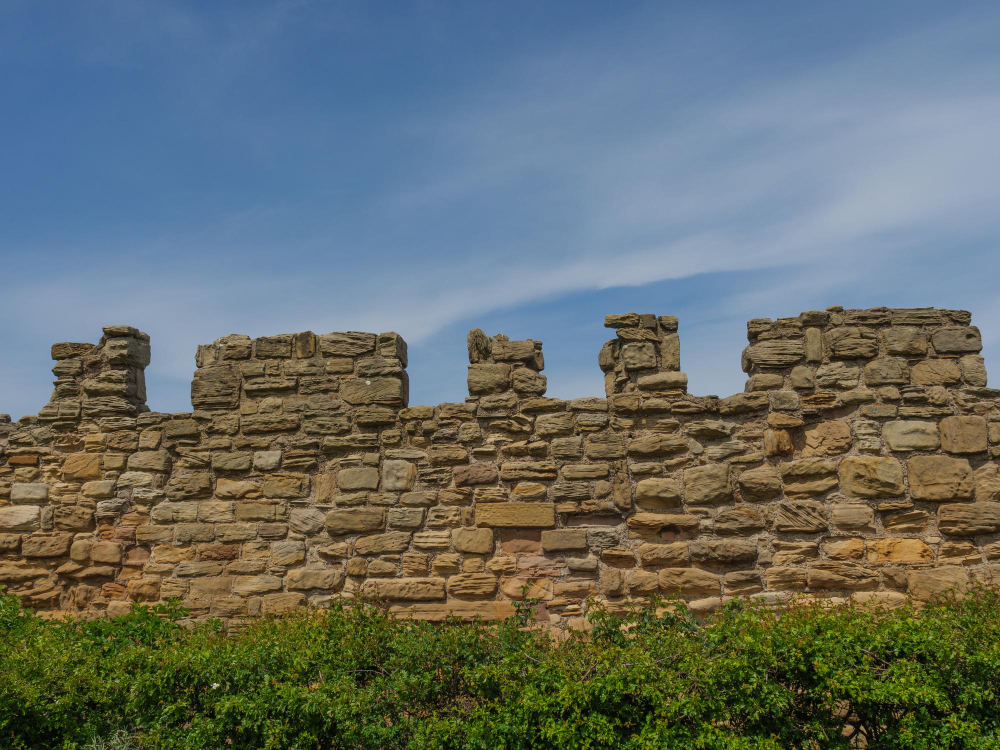
The medieval castle: stone walls and a royal refuge – A milestone in the castle’s history was the royal permission to fortify the site with a stone perimeter wall. From 1296 onwards, a gatehouse and an outer bailey were also constructed, significantly strengthening the complex’s military defences. Parts of these impressive structures, including sections of the 975-metre-long wall and the gatehouse, have survived to this day. Later, Edward II sought refuge at the castle when he was forced to flee from his enemies. This dramatic moment even inspired Christopher Marlowe, who incorporated scenes set around Tynemouth Castle into his play Edward II. Another historical detail is the burial in the priory of his illegitimate son, Adam FitzRoy, who died in 1322 during a military campaign.
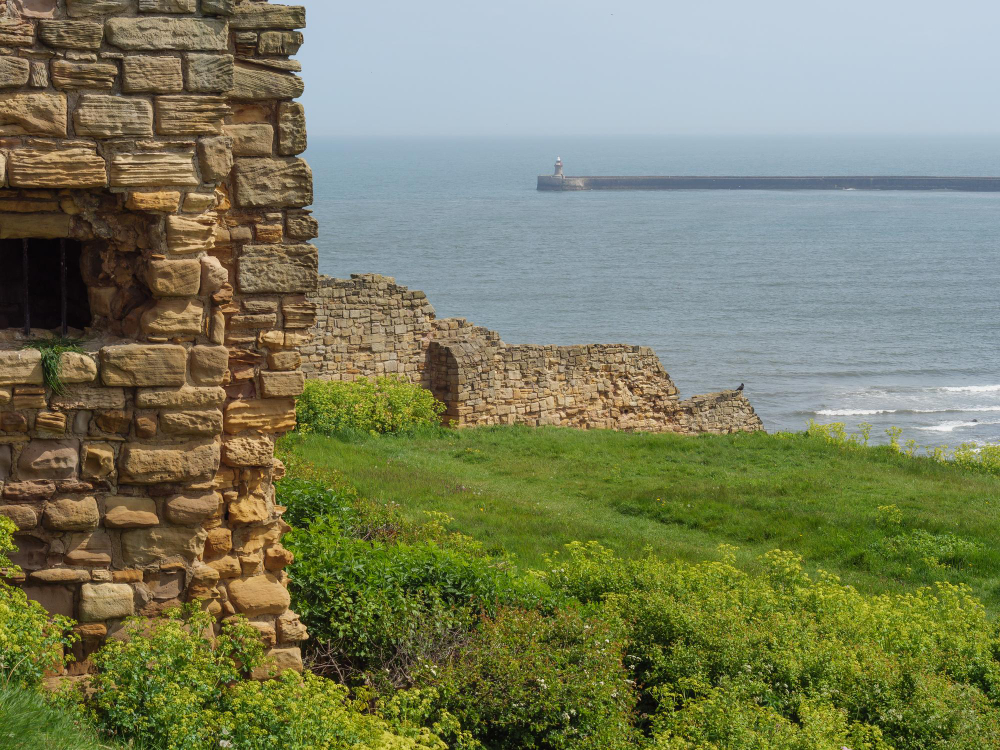
The Reformation and the Decline of the Monastery – The Reformation in the 16th century marked the end of the monastery’s religious use. In 1538, the monastery was dissolved by Henry VIII; most of the buildings were demolished and the lands distributed. The castle, however, remained in royal ownership, and new fortifications were erected to protect the coast. Later, a lighthouse was built on the headland to aid navigation; it was constructed using stones from the monastery.
Modern Use and Conservation – During the Second World War, Tynemouth Castle once again played a significant role. Coastal fortifications were built to protect the mouth of the Tyne from enemy attacks. Today, organisations such as English Heritage are responsible for the conservation of the castle and its historic sites. Visitors can explore the restored coastal fortifications, the main munitions depot and the historic buildings, which vividly illustrate the site’s eventful history.
A place steeped in stories and legends – Tynemouth Castle and the Priory are more than just ruins – they embody a living history spanning centuries. From royal burial sites and Viking raids to military use and modern restoration: this place reflects Britain’s eventful history. Today, the preserved walls and ruins invite visitors to immerse themselves in the past and experience the myths and legends of this special corner of the world at first hand. A visit to the site is a journey through time and history, offering fascinating insights and breathtaking views.