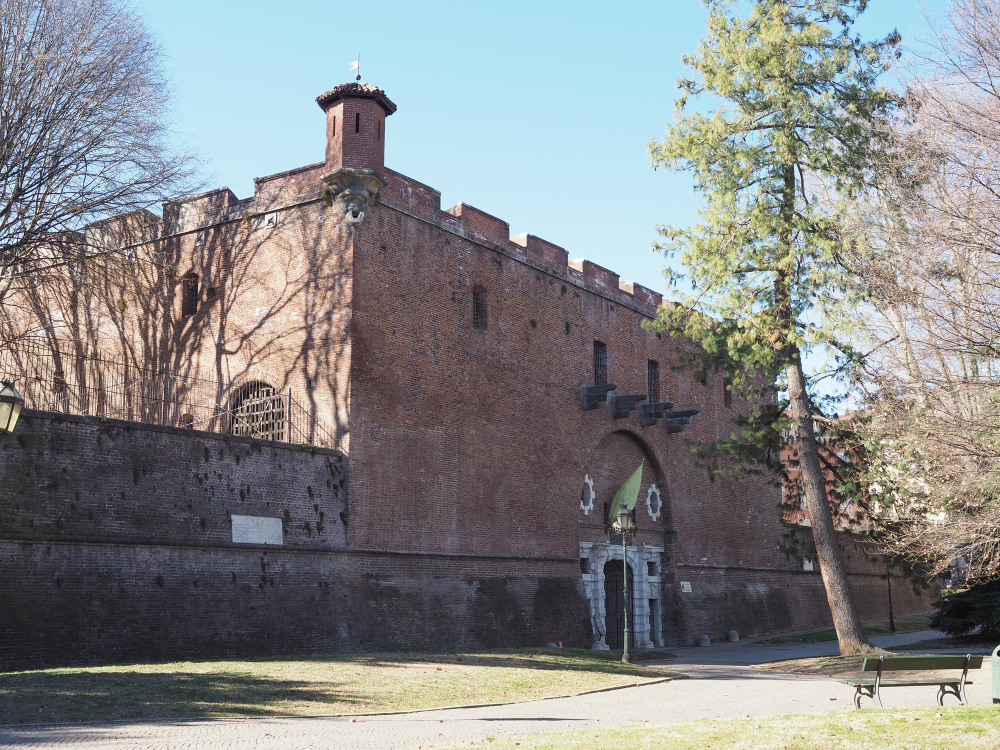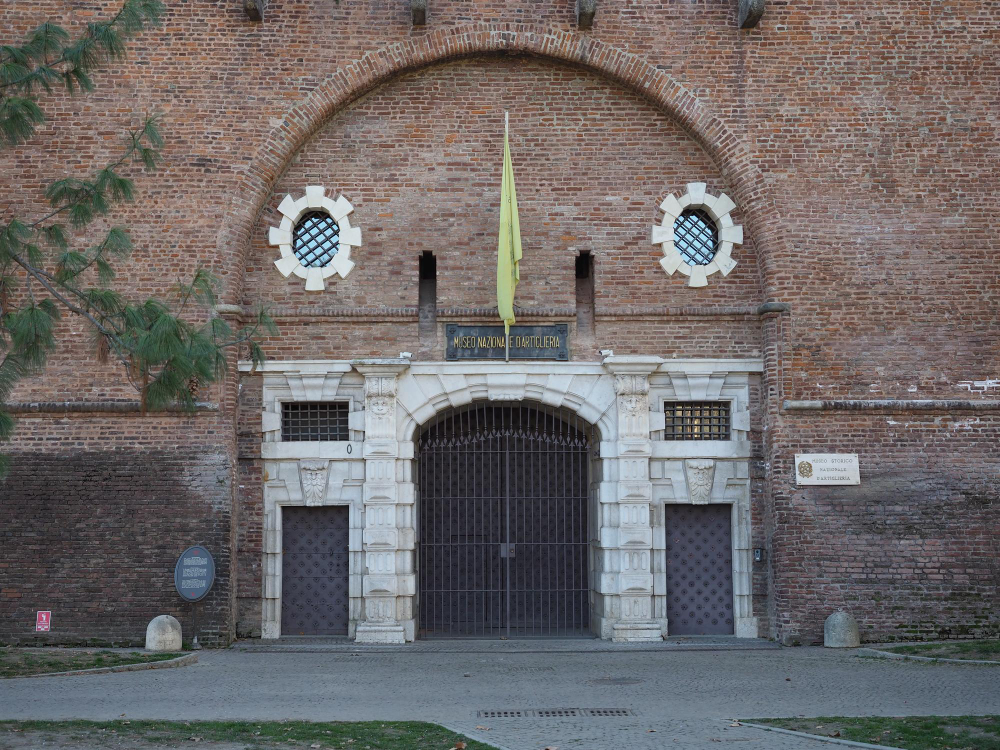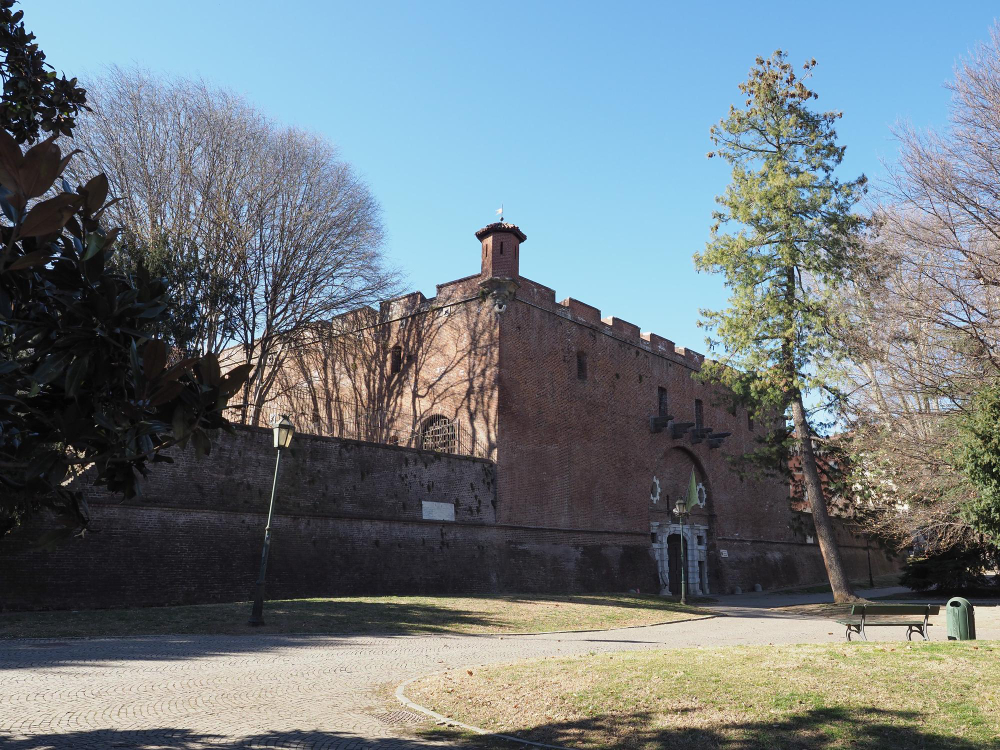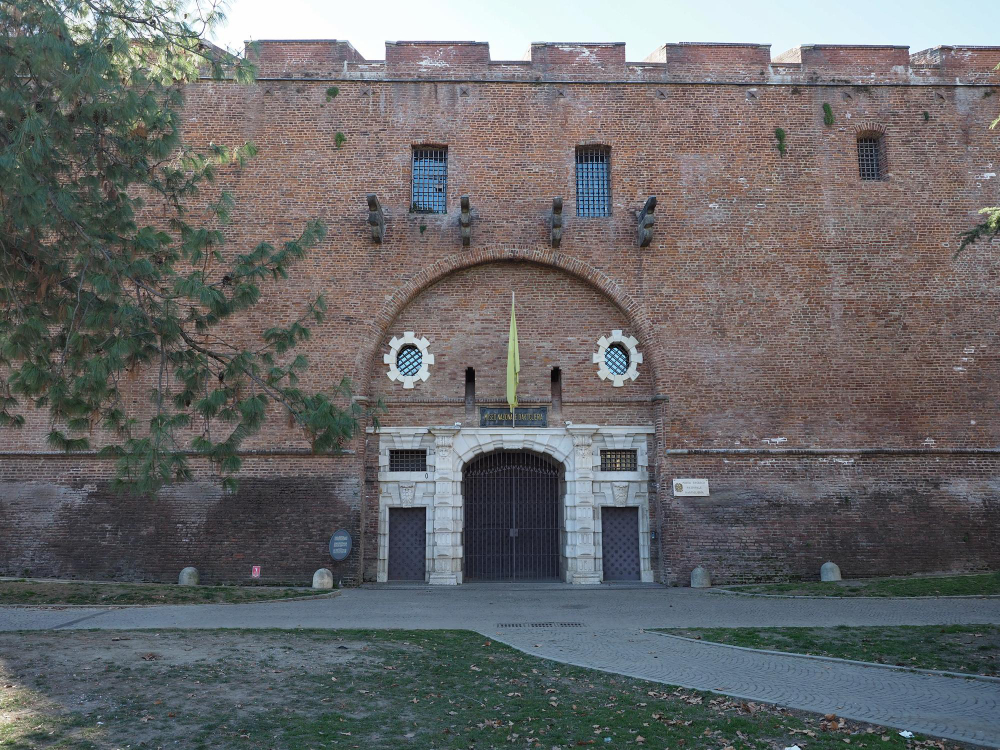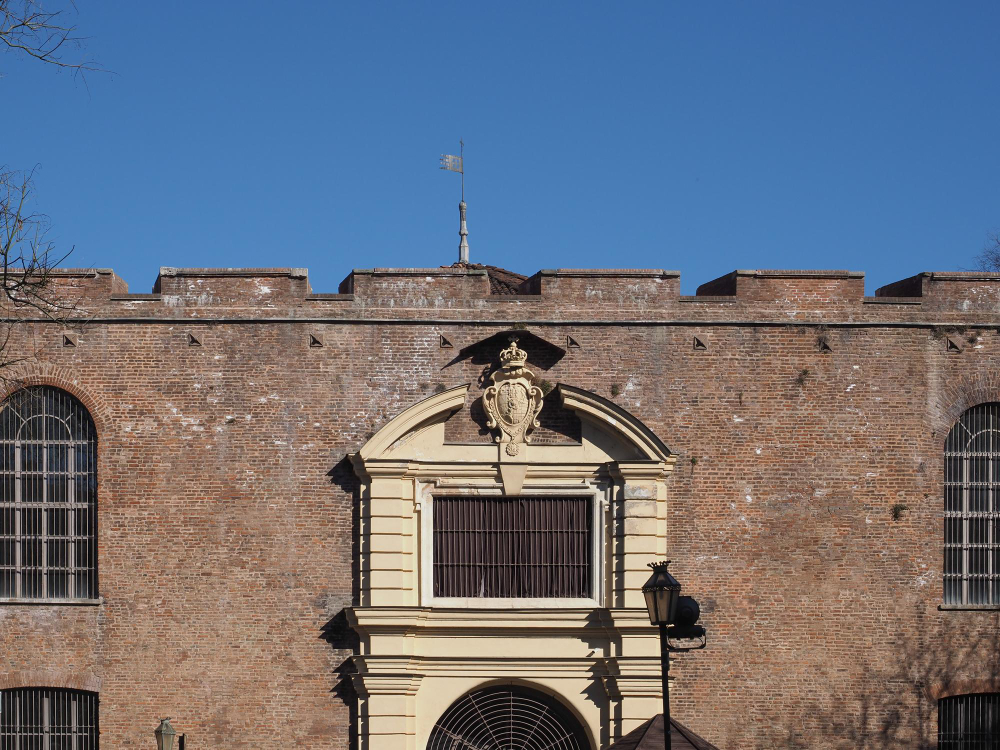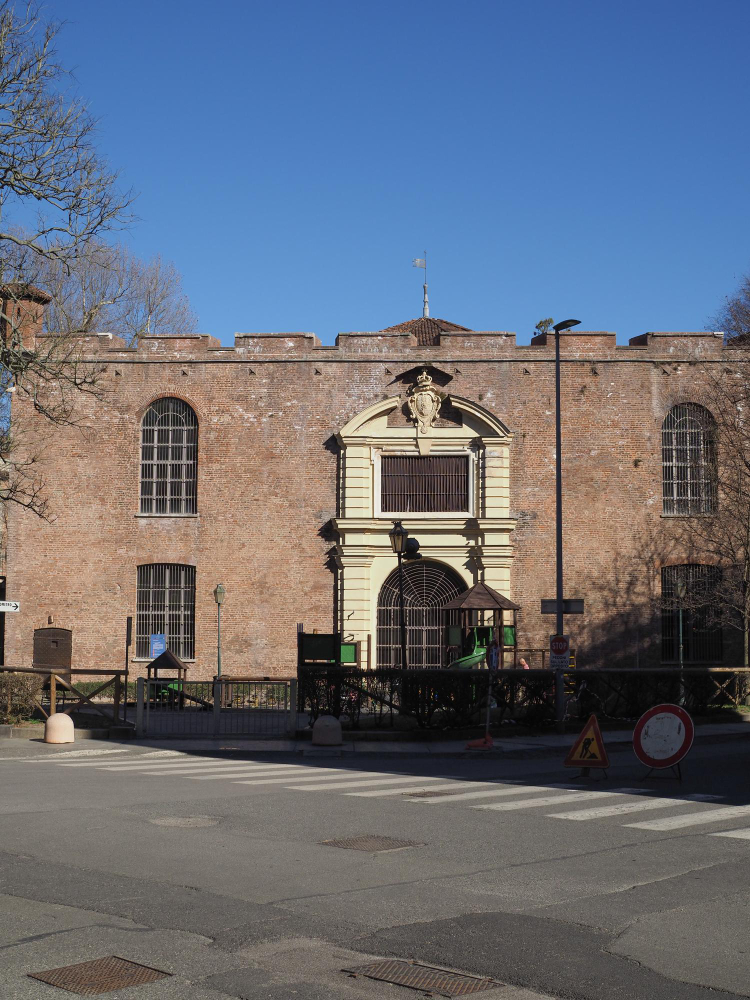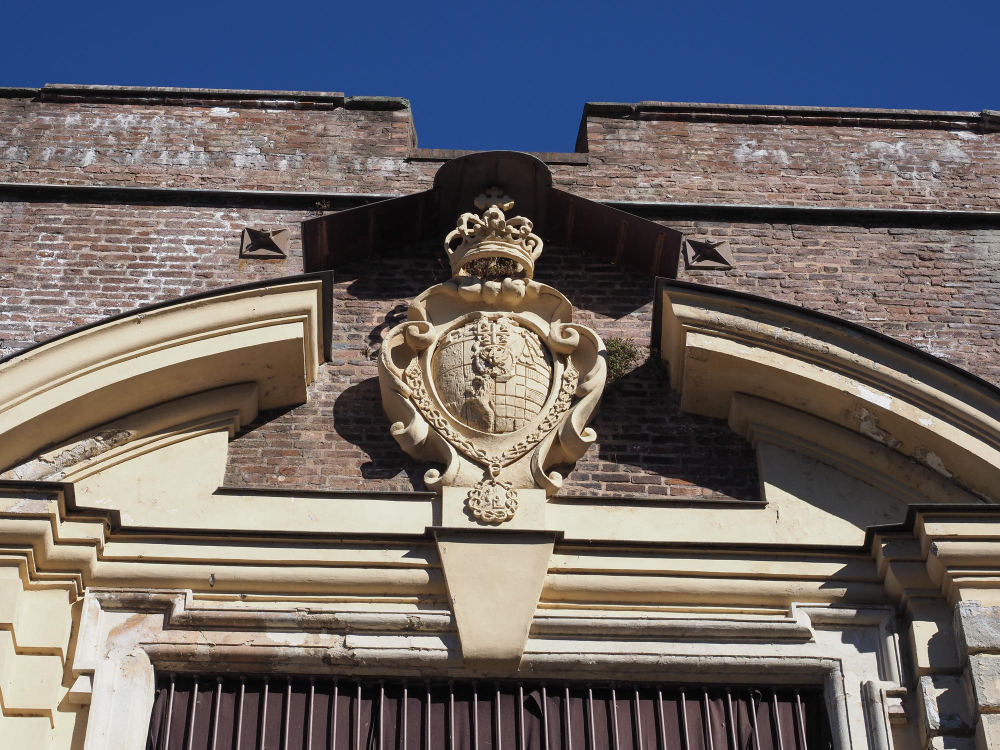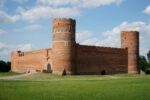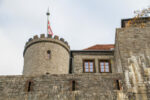

In the heart of Turin stands an impressive structure considered the last stone testament to a bygone era: the Mastio della Cittadella. This imposing structure is the only surviving monumental relic of Turin’s once-mighty citadel—a fortification built in the 17th century to protect the city. Its history, architectural features, and significance within the context of Baroque military architecture make the Mastio della Cittadella a fascinating subject of study.
Historical Context – The Citadel of Turin – In the early 17th century, Turin was under the influence of the Duchy of Savoy, which sought to expand and consolidate its power in the region. In light of the political unrest and military threats of that time, it was decided to protect the city with a modern defensive structure. Between 1629 and 1640, the Turin Citadel was therefore built, a prime example of the so-called “star fortress,” which was considered a state-of-the-art military structure at the time. The citadel’s design was based on the bastion principle, meaning the fortress was laid out in a star shape to cover all sides with artillery and leave no blind spots for attackers. This shape allowed for both effective control over the surrounding area and the repulsion of enemy attacks. With the construction of the Citadel, Turin thus demonstrated its strategic importance as a royal seat and military stronghold.
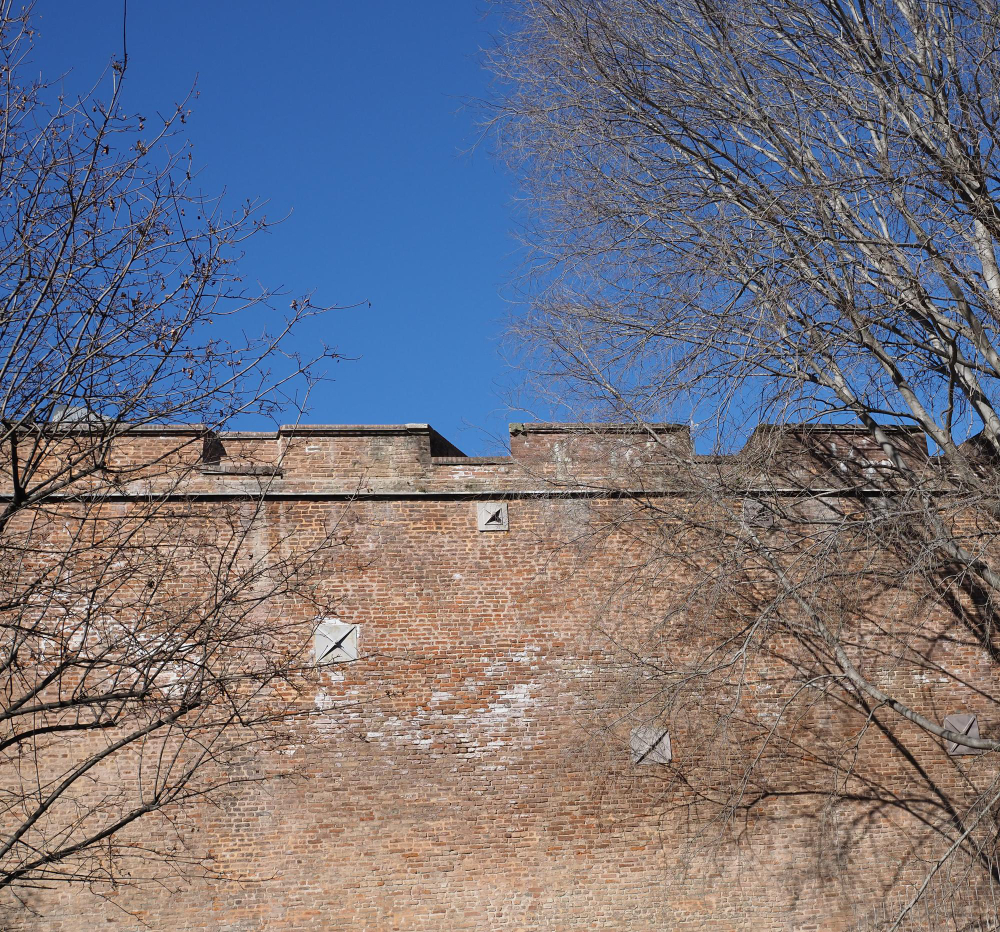
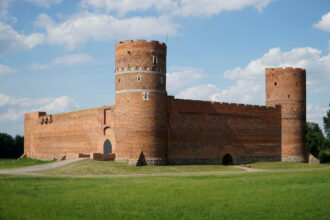
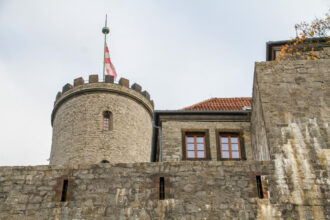
The Mastio della Cittadella – Architecture and Function – The Mastio della Cittadella was the citadel’s central defensive tower, the so-called “donjon” or main mastio. Its purpose was to serve as a place of refuge and a last line of defense should the outer defensive ring be breached. With its massive walls and exposed location, it offered protection and a panoramic view of the entire citadel grounds. Architecturally, the Mastio stands out for its monumental appearance: It has a rectangular floor plan with four distinctive corner towers that served as watchtowers. The thick stone walls are a testament to the architectural style of the time, which ensured both stability and defensive capability. The structure makes use of local materials, particularly tuff—a rock commonly found in the region—which provided resistance to shelling and the elements. Inside the Mastio are several floors with narrow corridors and rooms that were originally intended for soldiers, armories, and command posts. Even today, the preserved structures allow visitors to understand how a fortress designed for maximum defensive readiness functioned.
Decline and Preservation – As warfare became increasingly modernized and the political situation changed, the fortress gradually lost its military relevance. In the 19th century, especially after the unification of Italy, the citadel became increasingly obsolete. Most parts of the complex were demolished as the city expanded to make way for modern infrastructure. Only the Mastio remained largely intact. This preservation is due, among other things, to the building’s architectural and historical significance and the efforts of local preservationists. Today, the Mastio della Cittadella is a protected historic monument and serves as an important venue for cultural events and exhibitions that bring Turin’s eventful history to life for visitors.
The Mastio in the Urban Context – The Mastio’s location today epitomizes the interplay between old and new in Turin. Nestled within a green park, the surrounding area offers space for relaxation, while the structure itself serves as a reminder of the city’s military past. Its close proximity to downtown makes the Mastio easily accessible to both tourists and locals. In addition, archaeologists and historians have conducted extensive research on the citadel over the past few decades. This research has revealed just how seamlessly the complex was integrated into Turin’s urban fabric. The star-shaped fortress—which no longer exists today—not only protected the city but also embodied a new urban order during the Baroque era, symbolizing power and security.
A Monument with Timeless Fascination – The Mastio della Cittadella is far more than just an old defensive tower. It embodies a piece of Turin’s history, reflected in the architecture, urban development, and political thought of the 17th century. As the last remnant of the citadel, it represents the connection between the past and the present and invites visitors to discover the stories behind its walls. Its sturdy construction, historical background, and current use make it a fascinating cultural monument. For visitors, it offers a unique window into Turin’s history—a time when the city fought for its security and, in doing so, created an architectural masterpiece at the heart of which stands the Mastio.