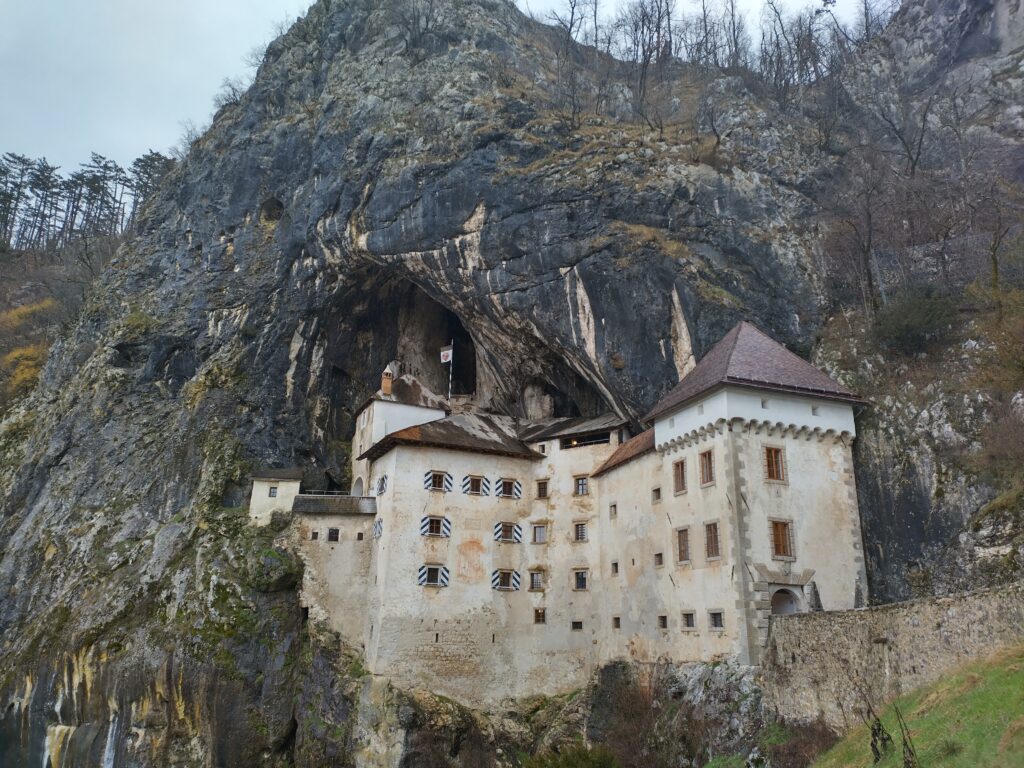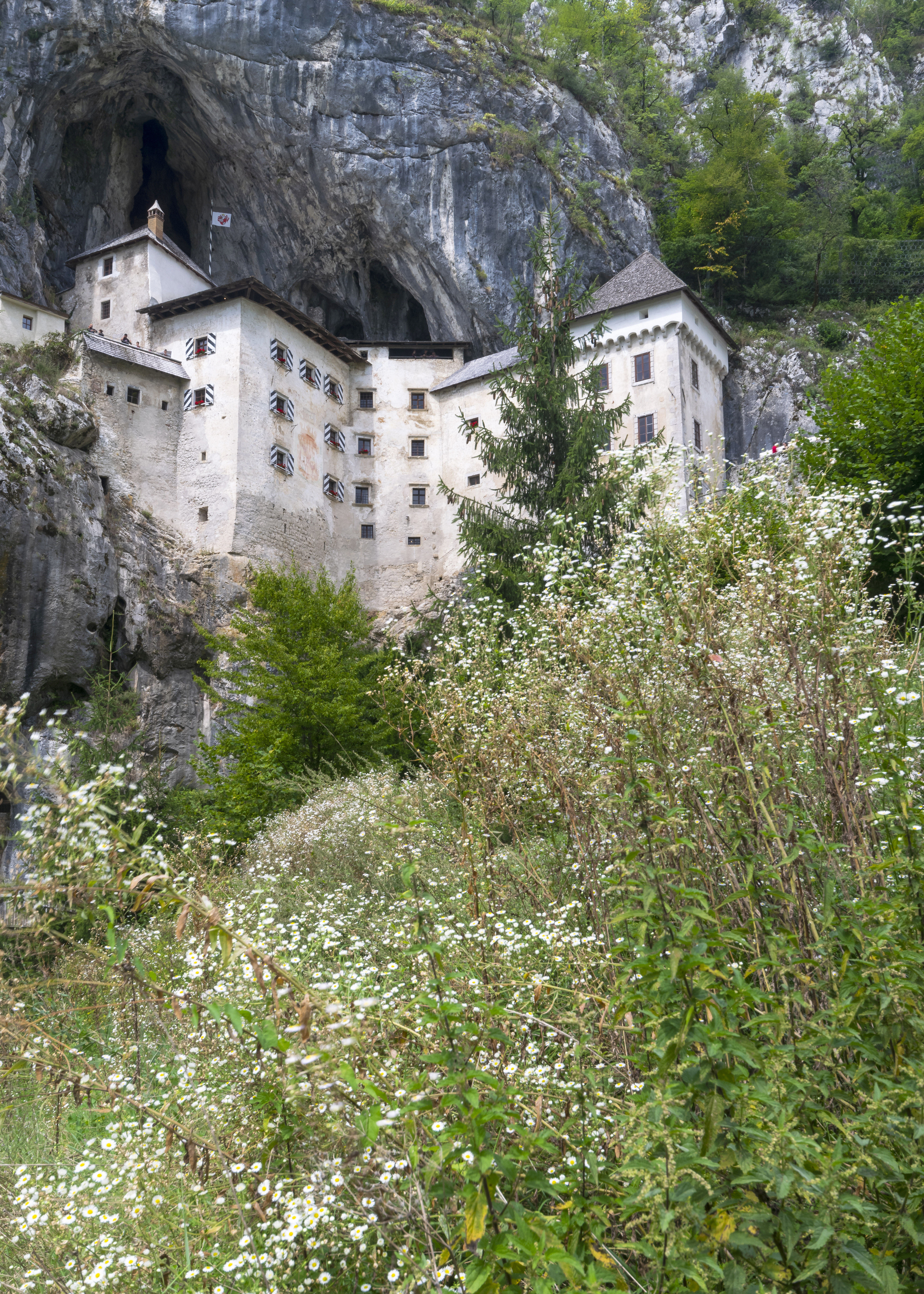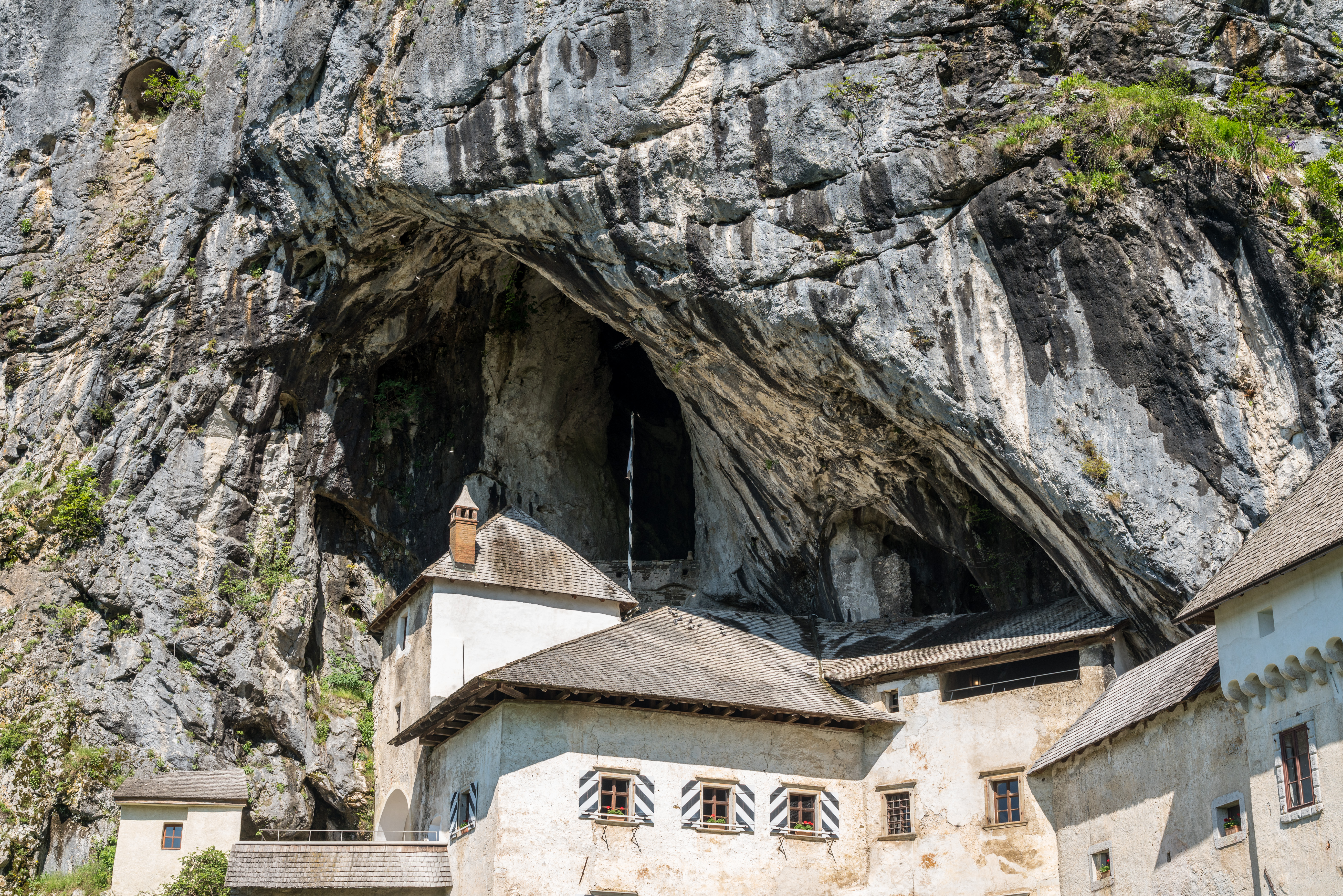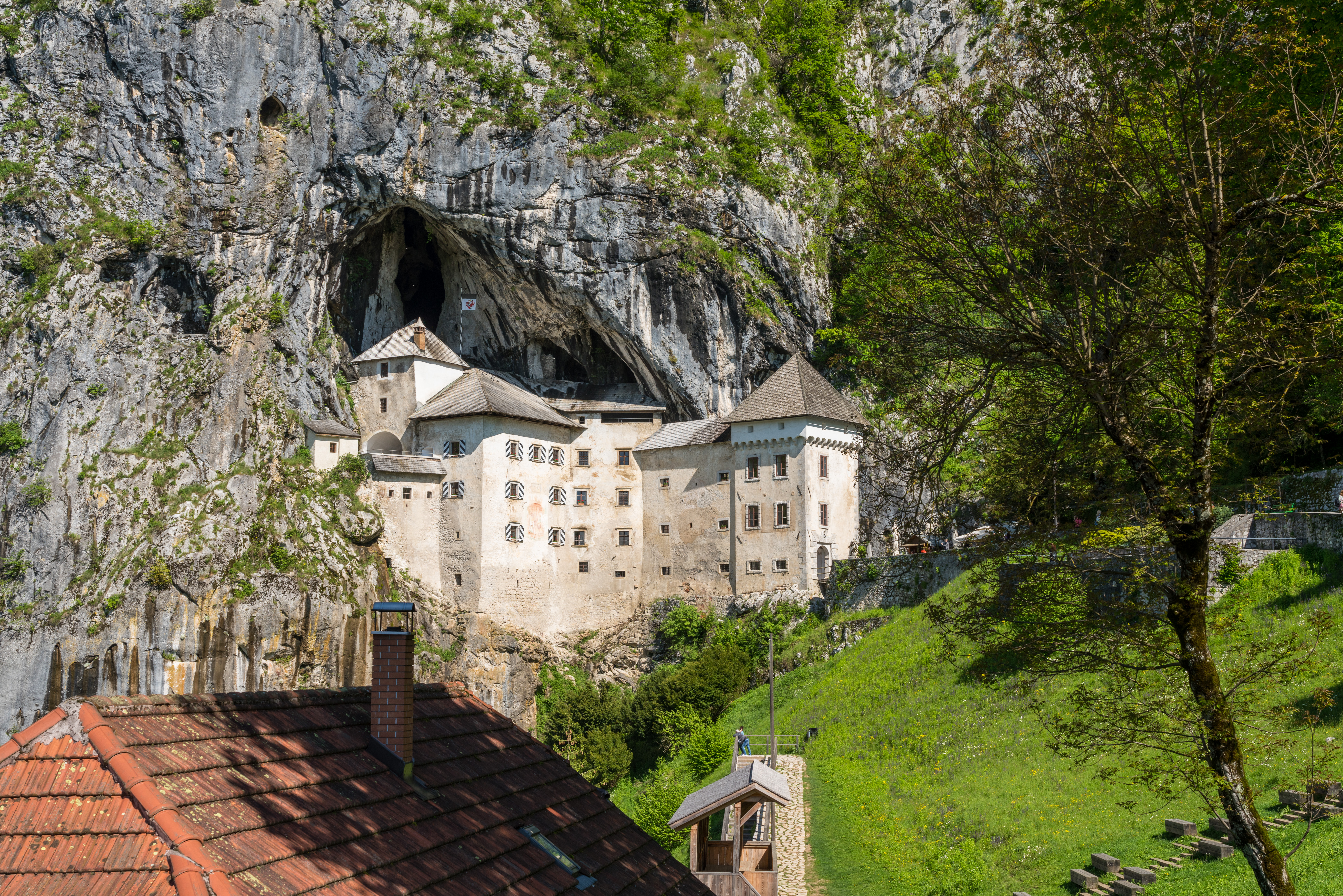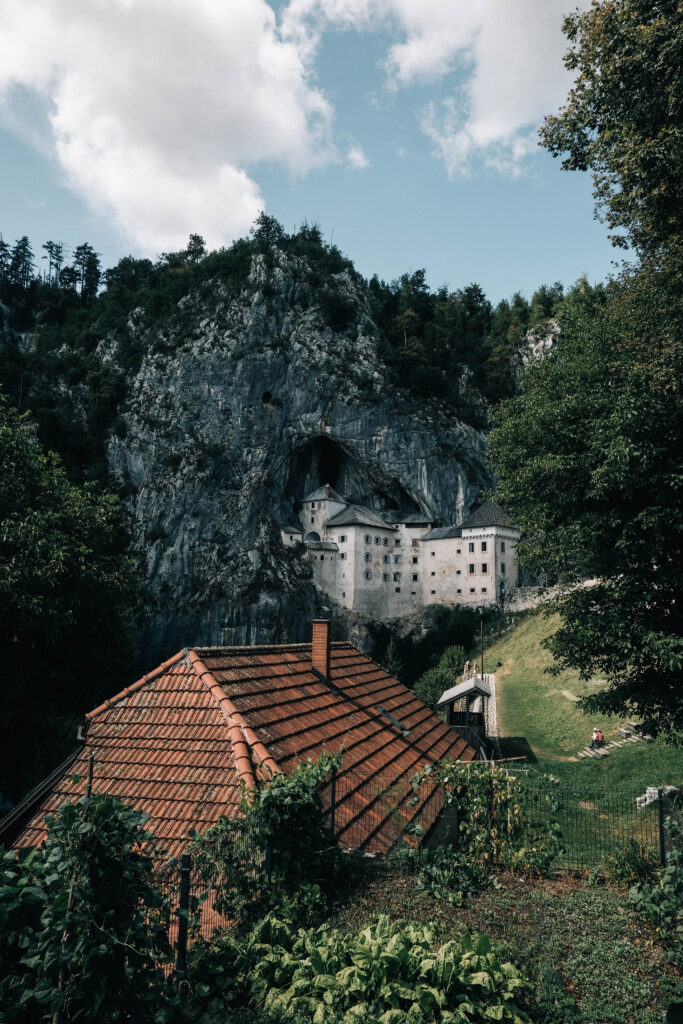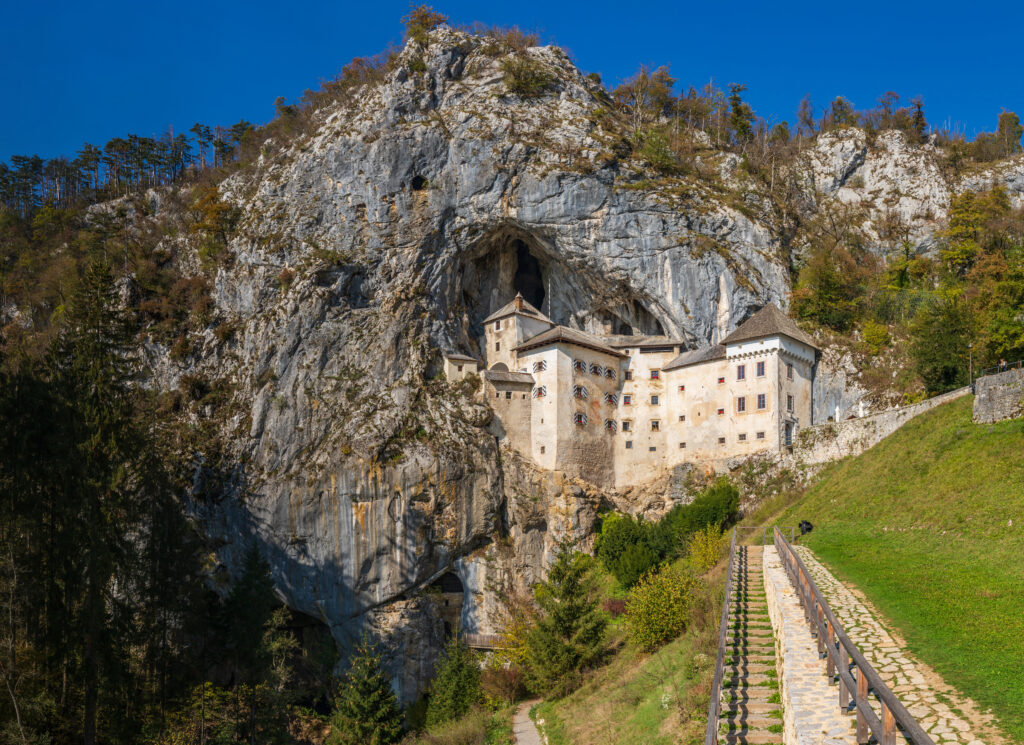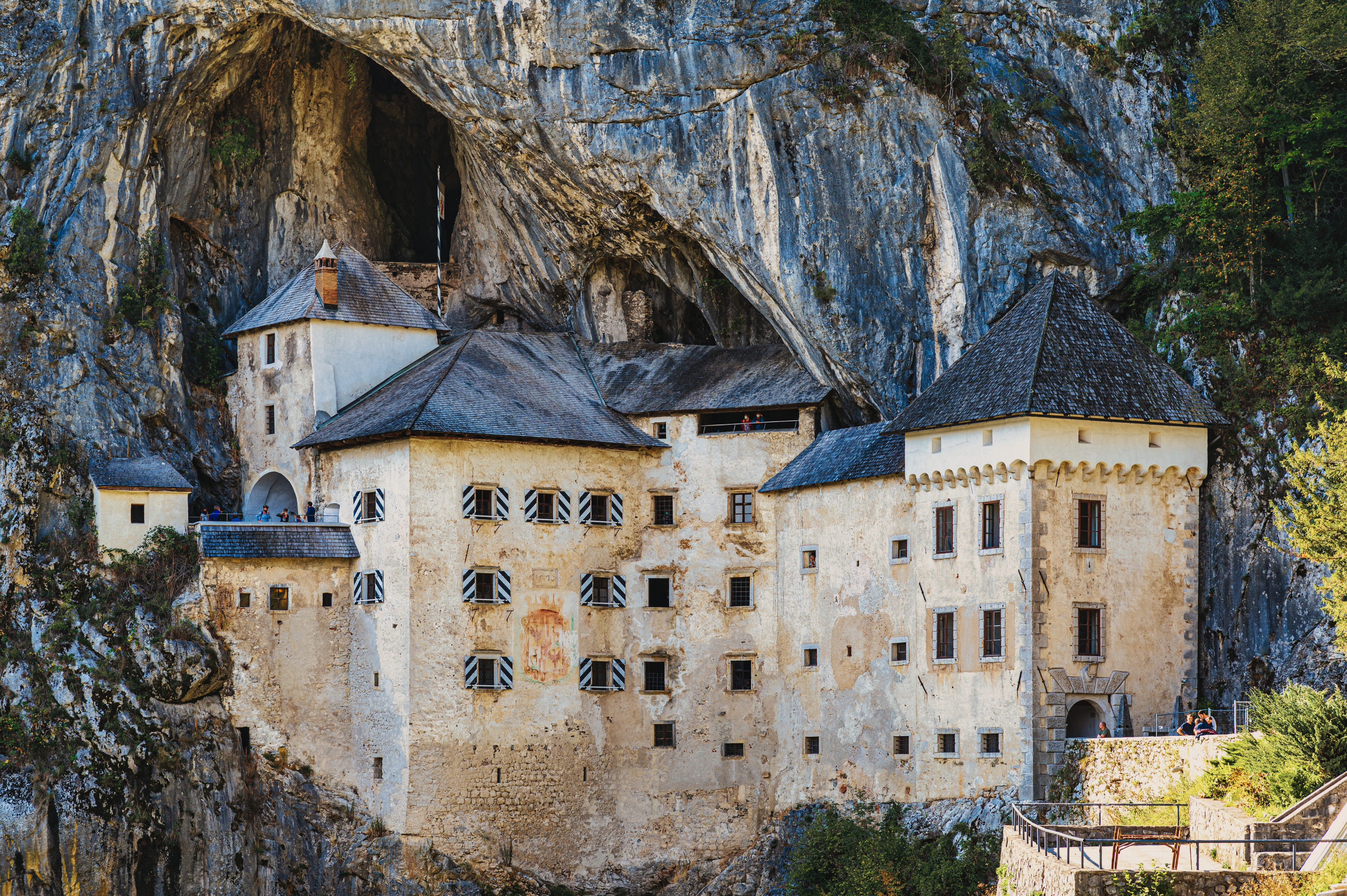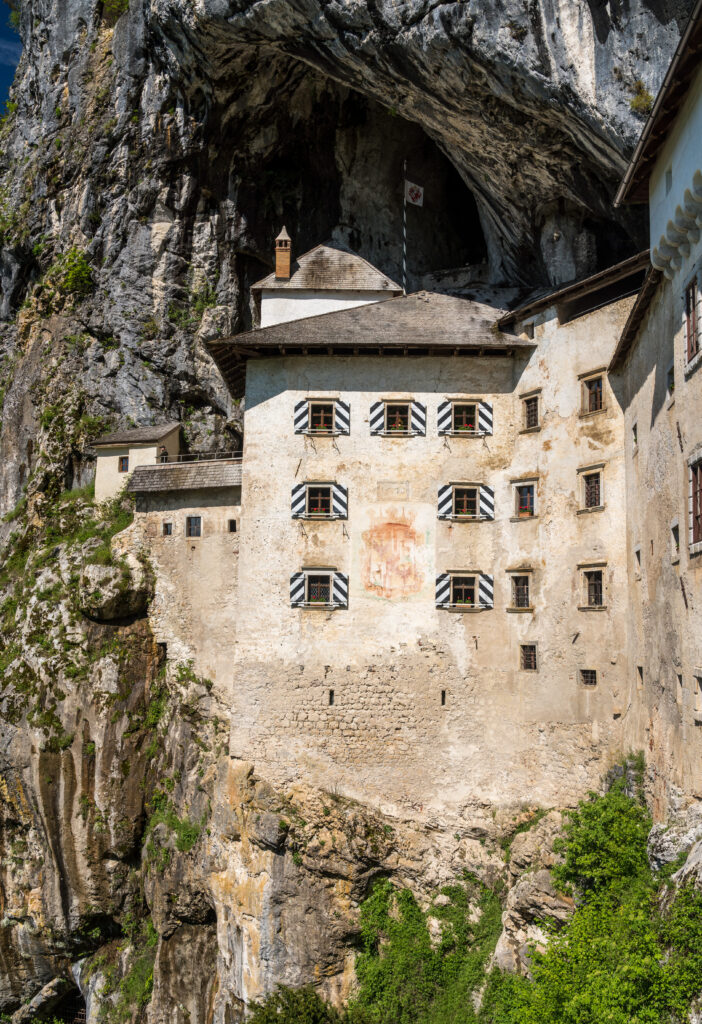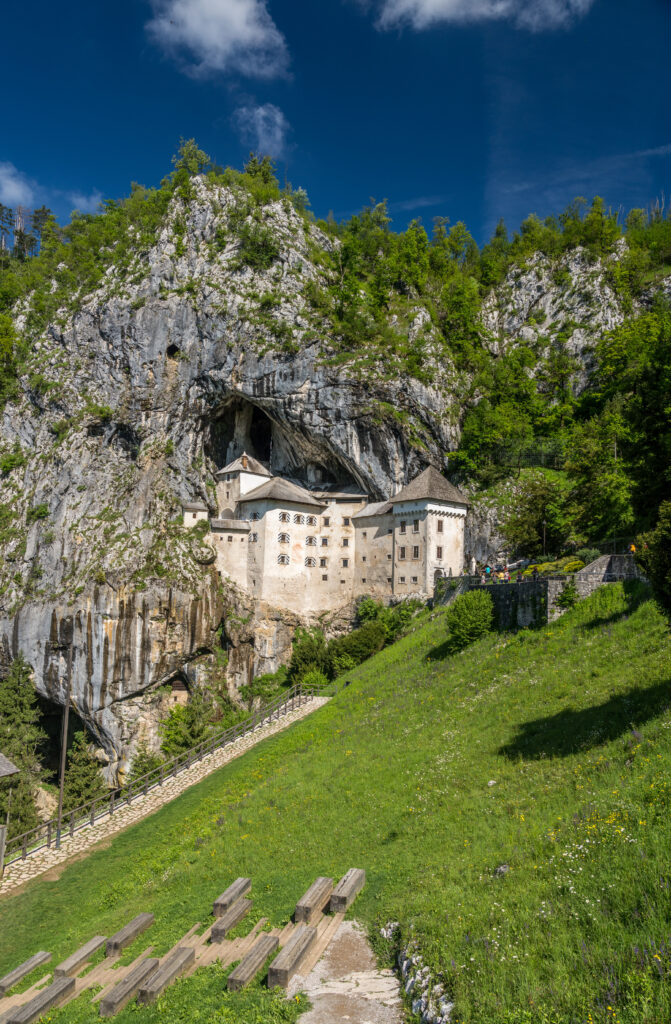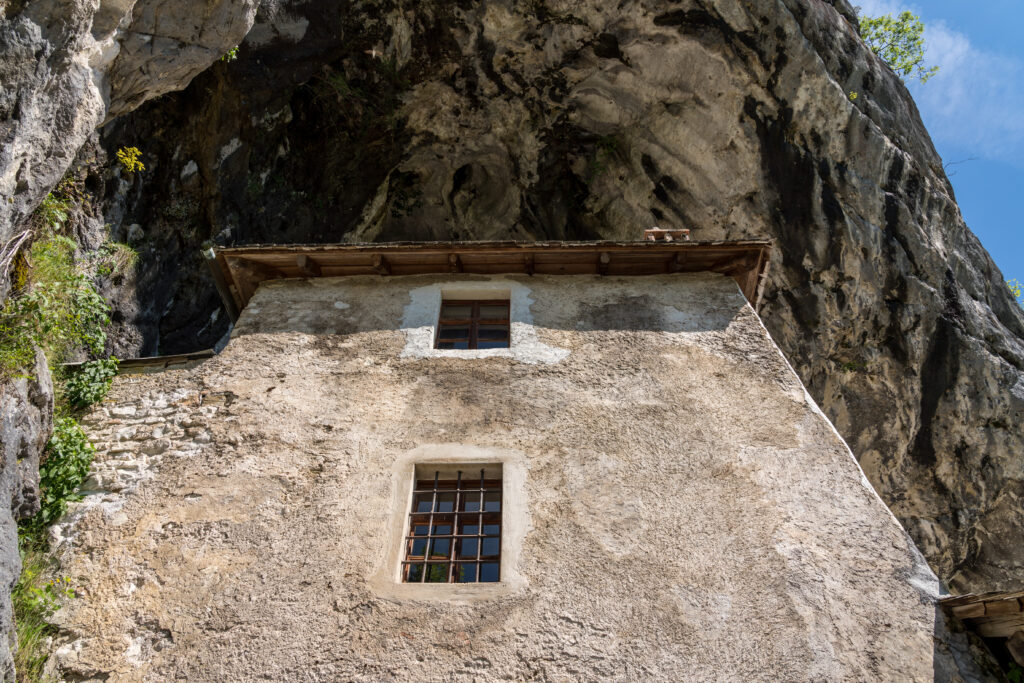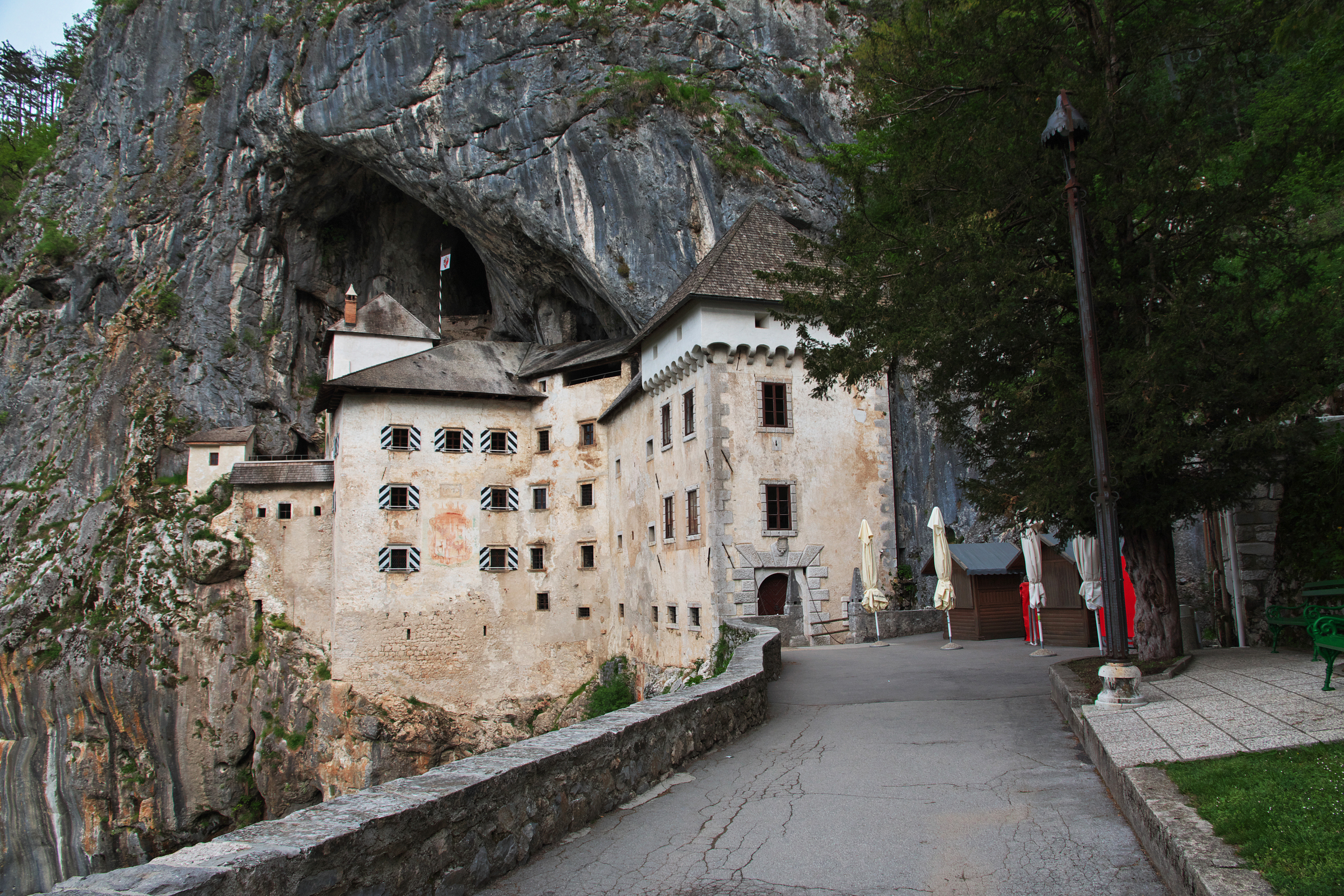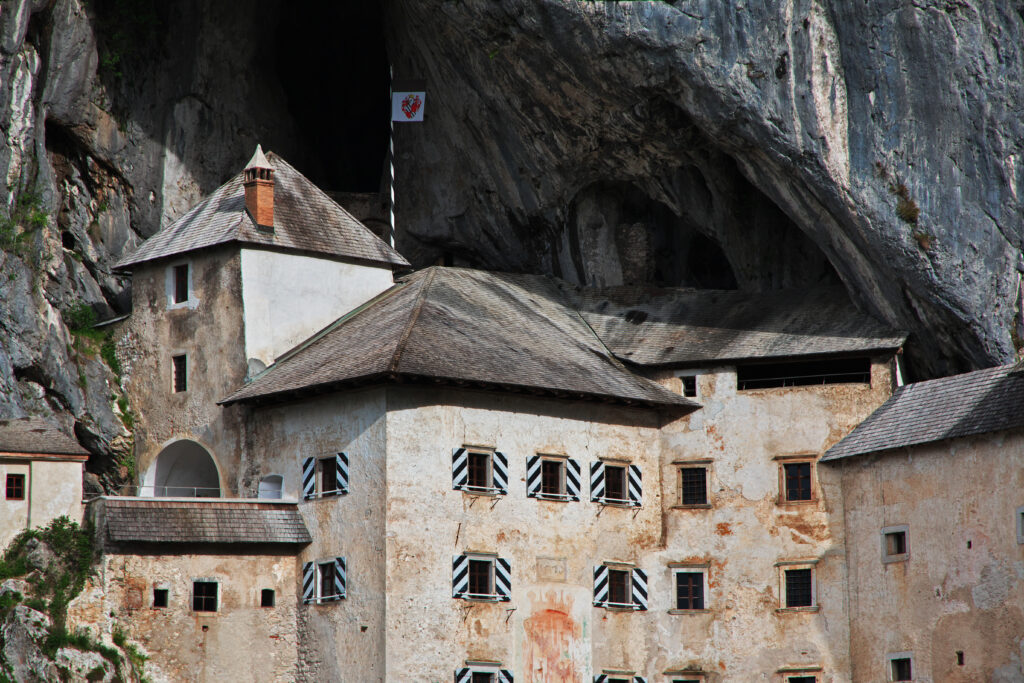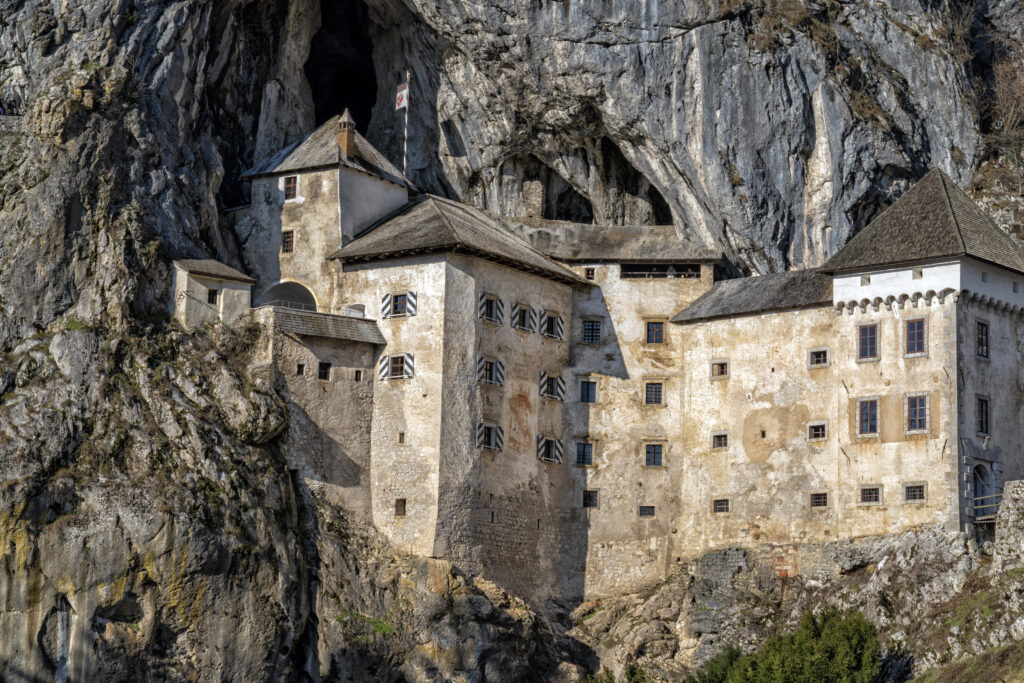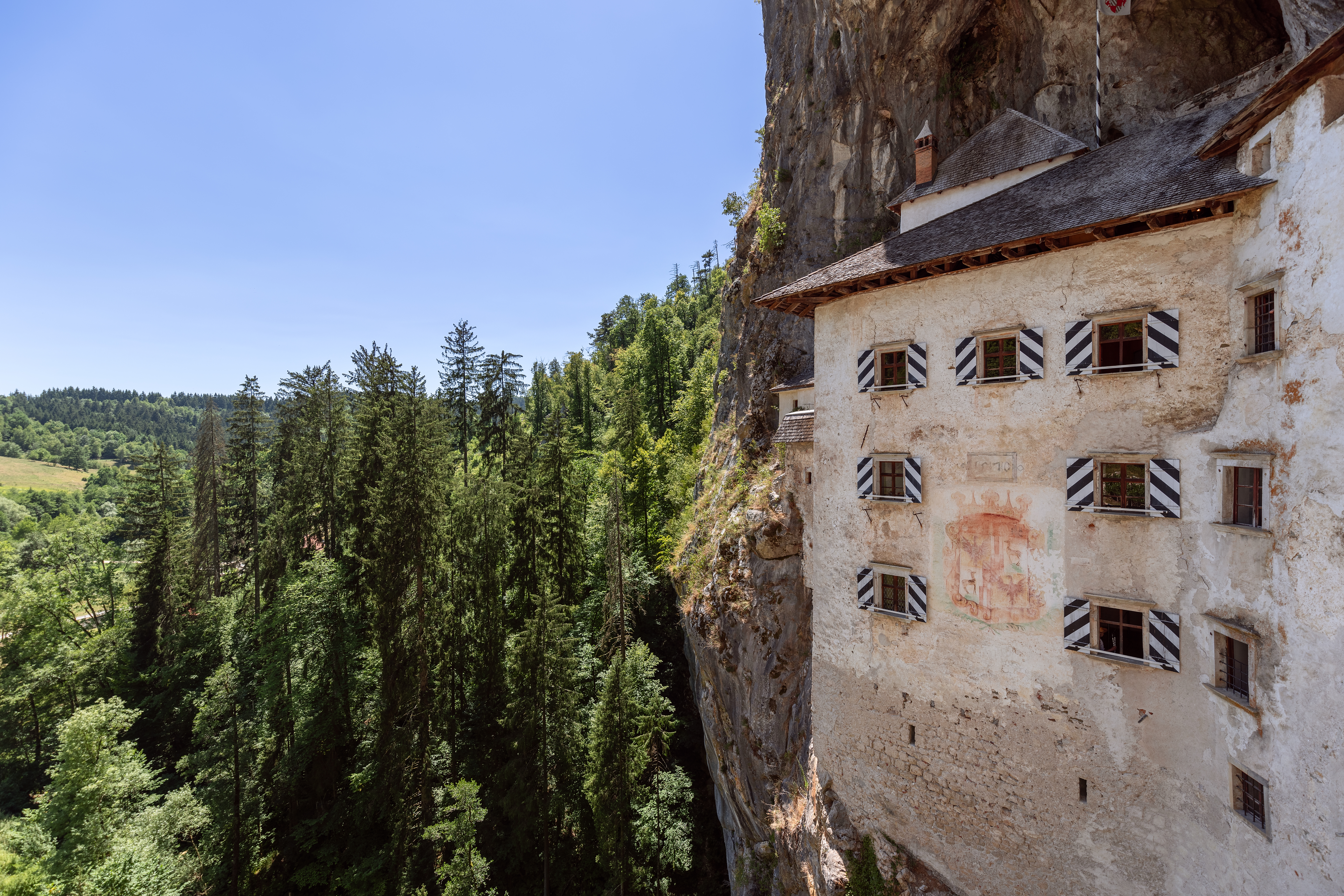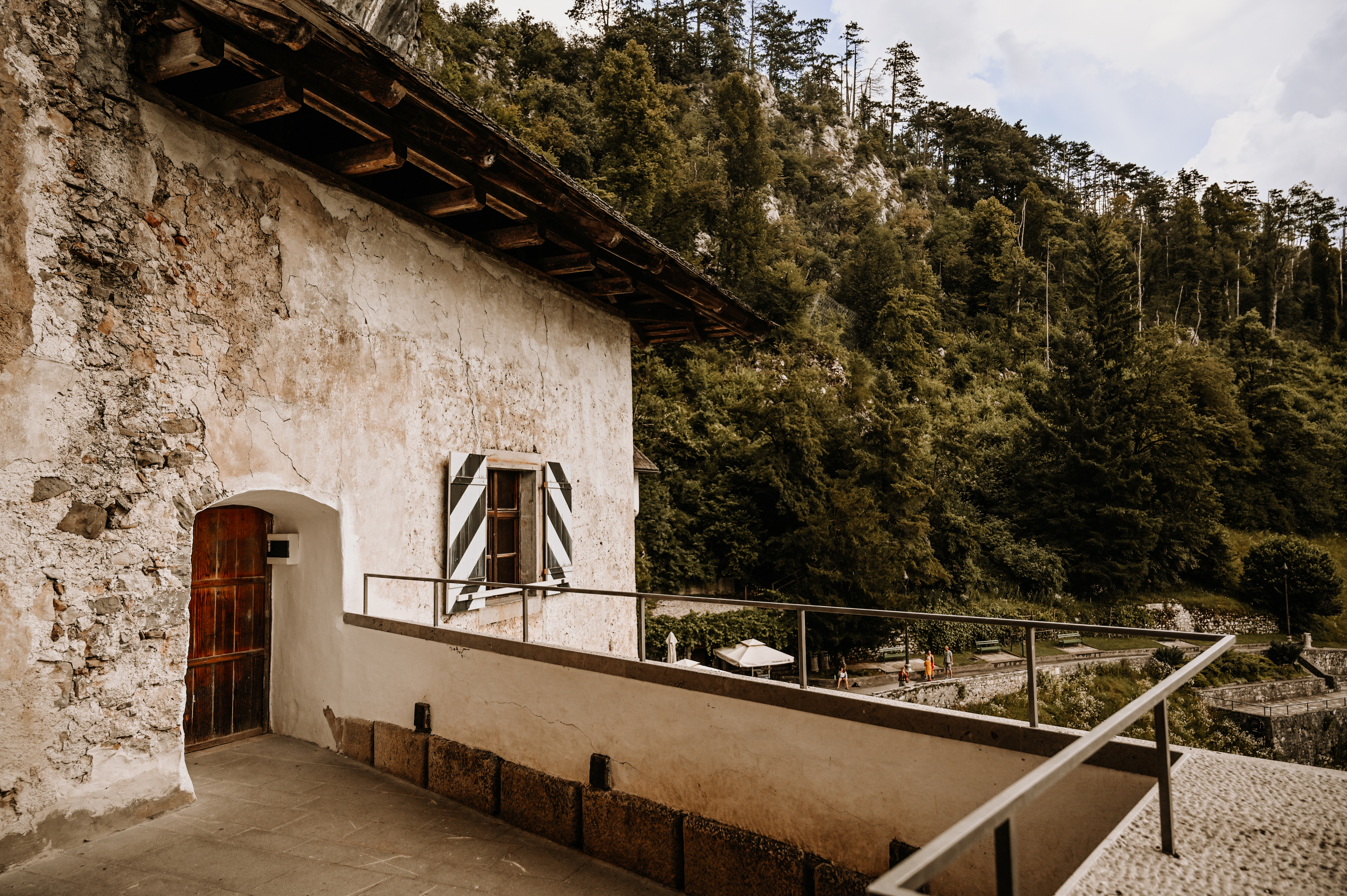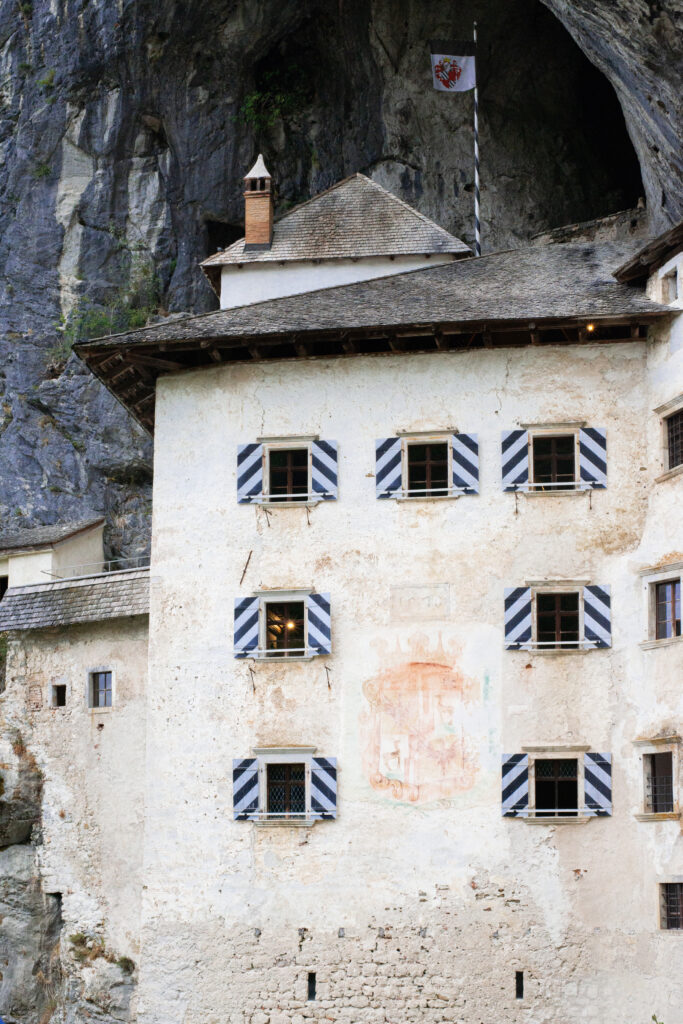

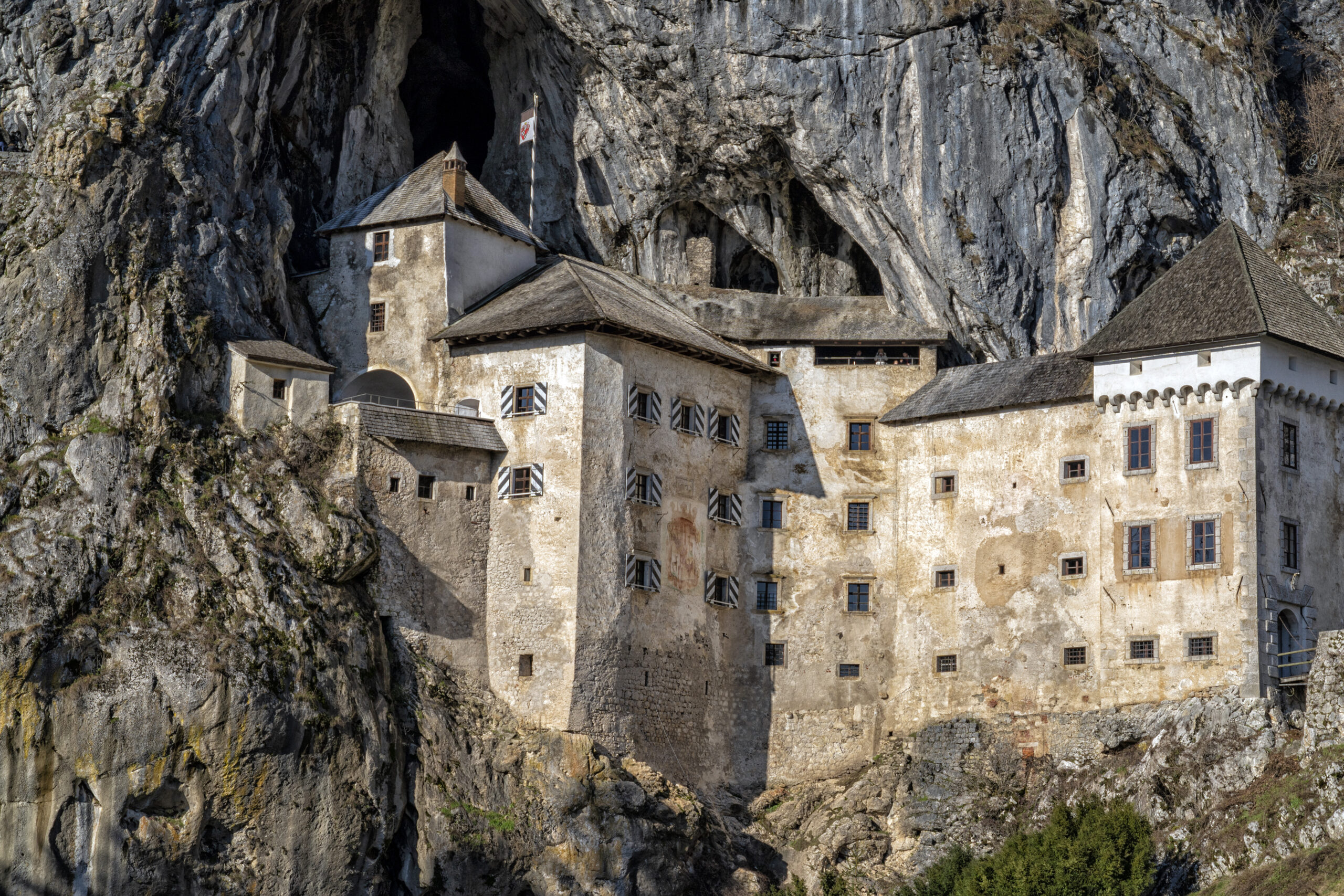
Predjama Castle, a remarkable fortress in a cave opening in Slovenia near the village of Predjama, is not only a relic of the past, but also a mysterious monument steeped in stories of heroism, betrayal and supernatural intrigue. The castle is located nine kilometres from Postojna and rises dramatically in Erazmova Jama at the end of a valley where the Lokva stream disappears under a 123-metre-high cliff. Construction began in a large cave in the rock face, creating one of the most extraordinary architectural masterpieces of the Middle Ages.
The history of Predjama Castle dates back to the Palaeolithic period, as evidenced by archaeological excavations in the 1950s. These excavations revealed that the cave had been inhabited since ancient times. The first major construction on this inaccessible rocky site took place in the 12th century, when the original castle was built. The living quarters of this earliest fortress were located where the current building stands today.
The castle’s strategic location made it a coveted possession, fought over by various rulers, including the Patriarchs of Aquileia and the Habsburgs. However, the most famous resident was the notorious knight Erasmus of Lueg (also spelled Luegg), who enjoys a legendary status similar to that of Robin Hood. During the turbulent period of fighting between Emperor Frederick III and King Matthias Corvinus of Hungary, Erasmus sided with the Hungarian monarch.
After the execution of his friend Andreas Baumkircher on the emperor’s orders, Erasmus killed a relative of the emperor in revenge and fled to Predjama Castle to escape the death penalty. His fame grew when he became the bane of merchants, leading to calls for his arrest. This task fell to Baron Niklas von Rauber, the commander of Trieste, who laid siege to the fortress. Despite the year-long siege, Erasmus taunted Rauber’s troops with surprising ease. According to legend, he taunted them by throwing roasted beef and fresh cherries at them – a feat made possible by a secret network of caves within the grotto that ensured his supplies.
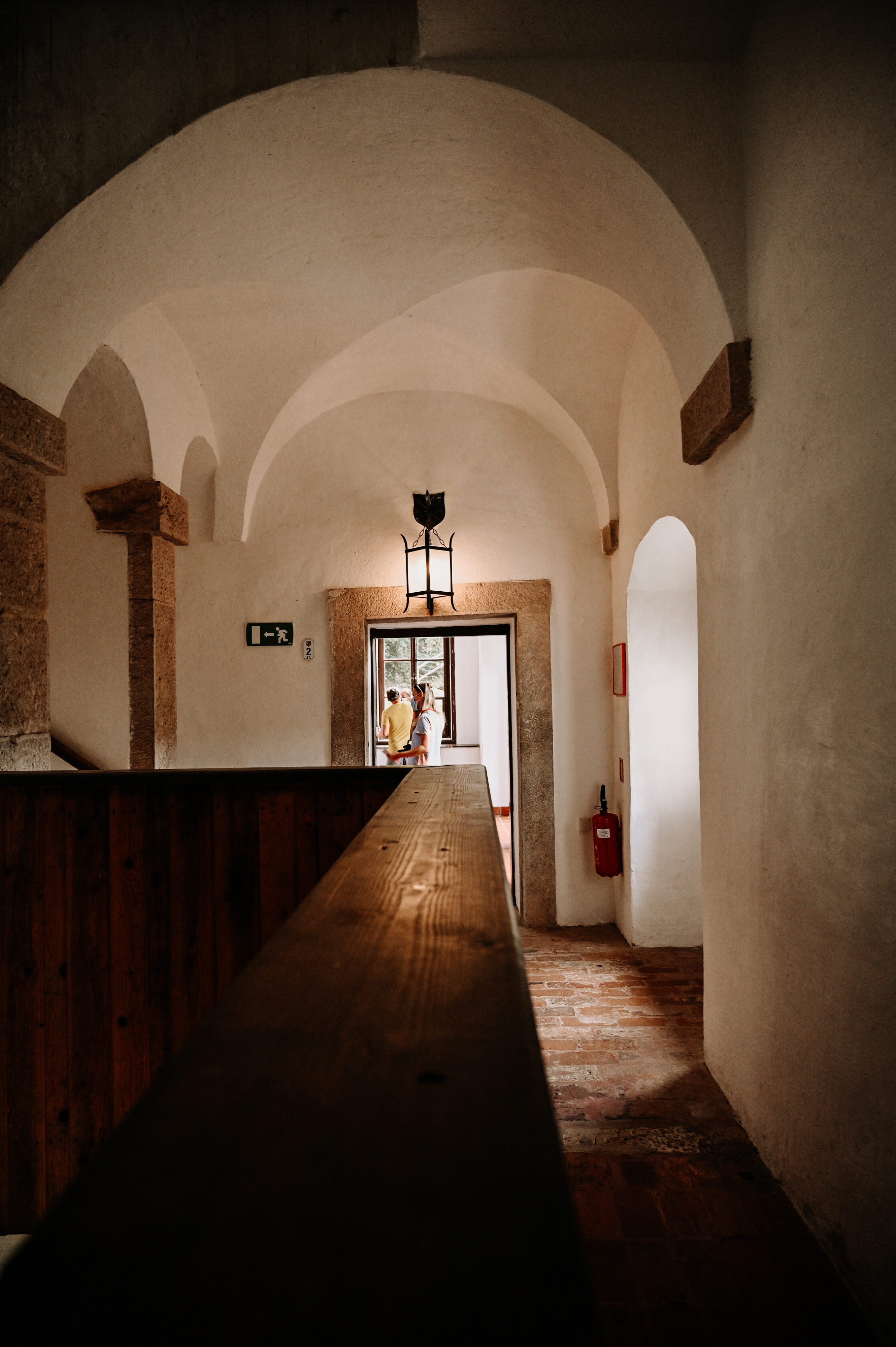
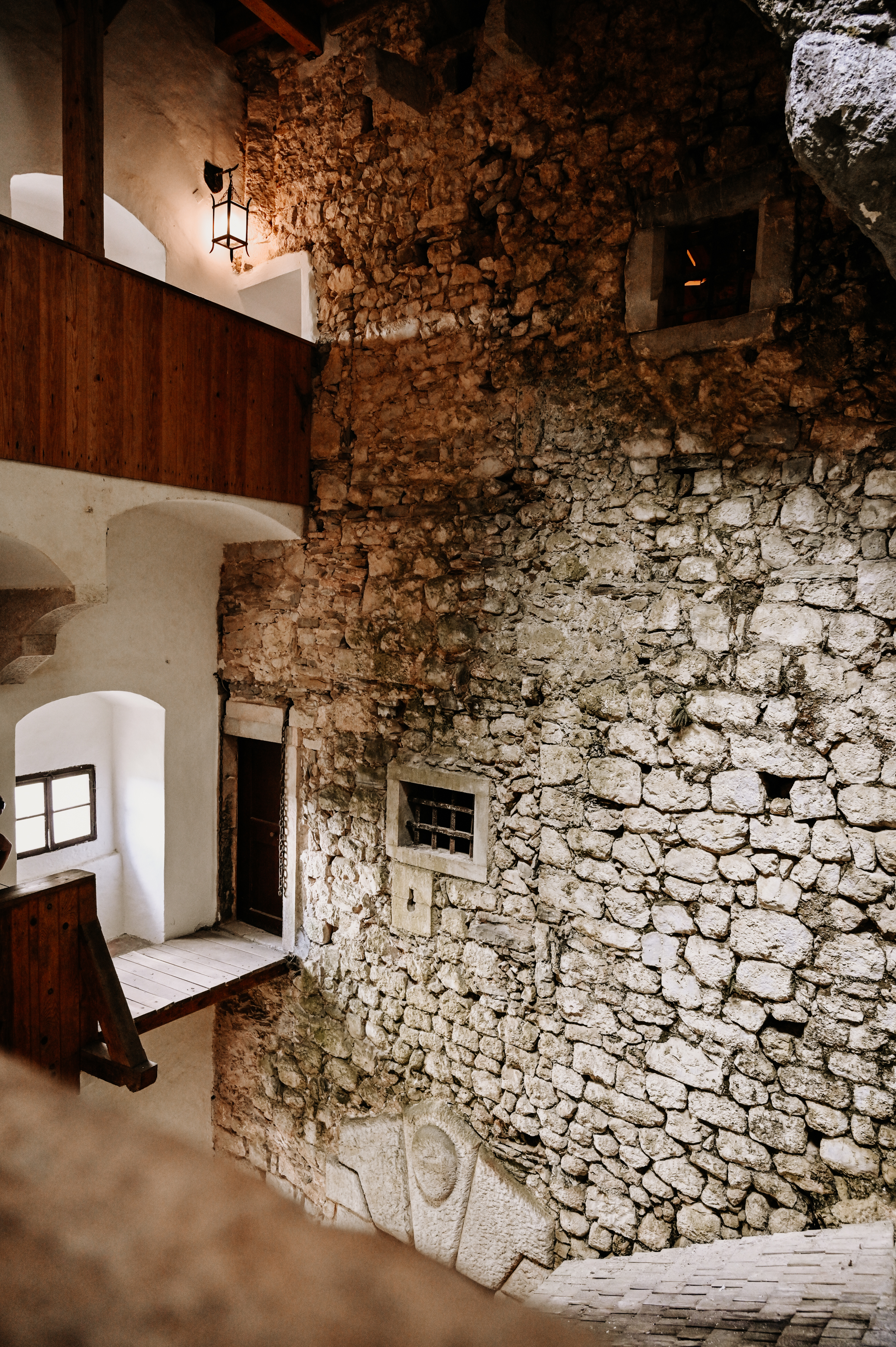
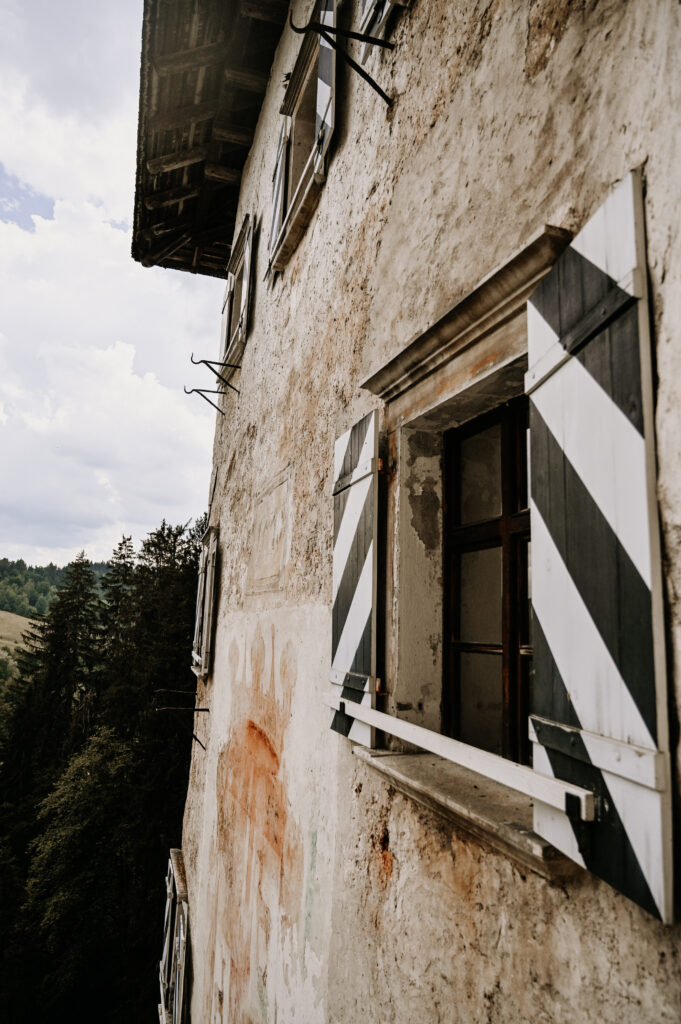
In 1484, Erasmus met a dramatic end; his story is interwoven with legends and myths. It is said that he was killed by stone projectiles while relieving himself, betrayed by a servant who revealed the vulnerability of the outbuilding. Despite its mythical aura, this story remains a tourist attraction and adds to the mystique of the castle. The castle’s current three- to four-storey structure dates back to 1570 and was commissioned by Johann Cobenzl, Baron of Prossegg zu Lueg. Later owners included Count Michael Coronini von Cronberg in 1810 and Prince Windisch-Graetz in 1846.
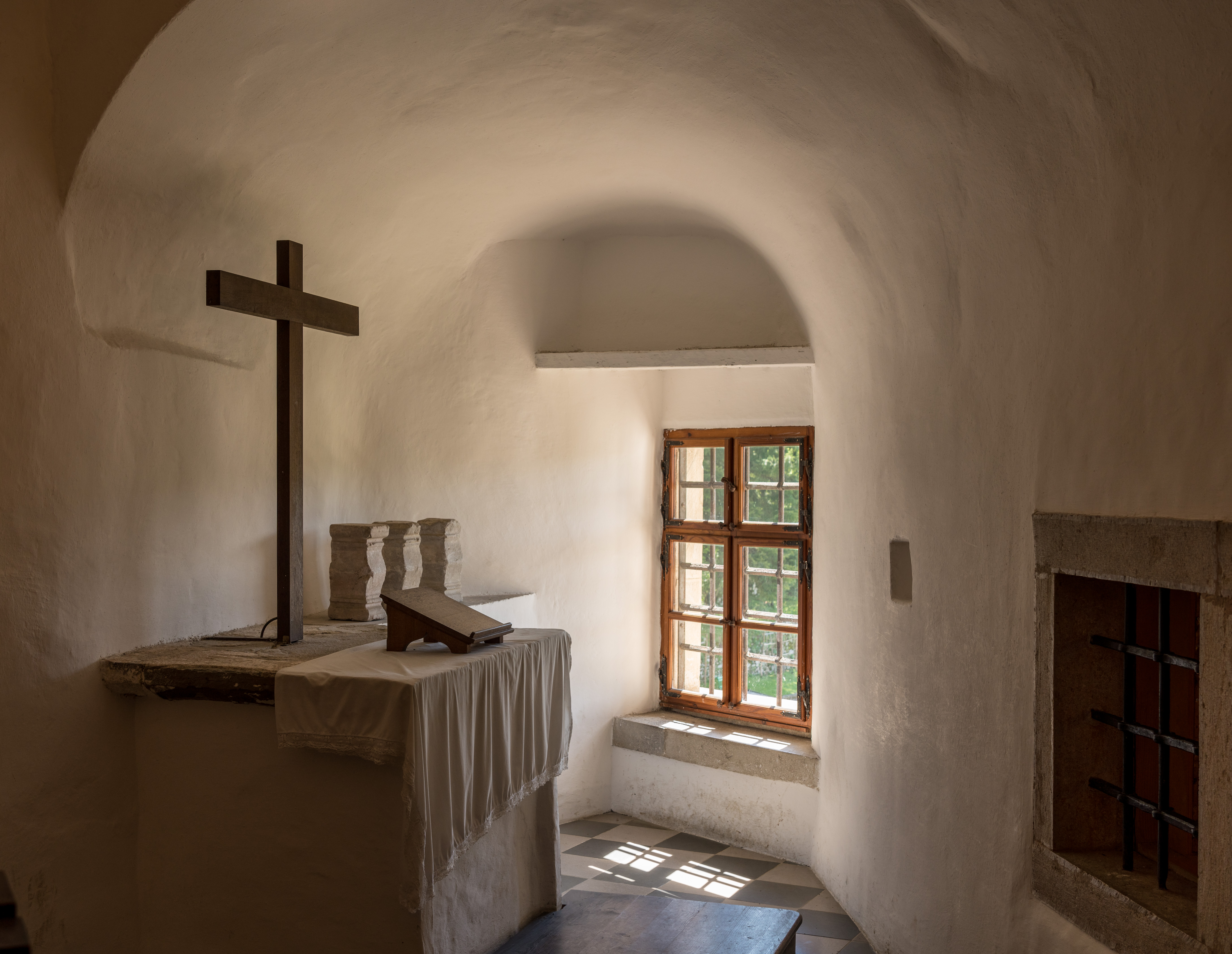
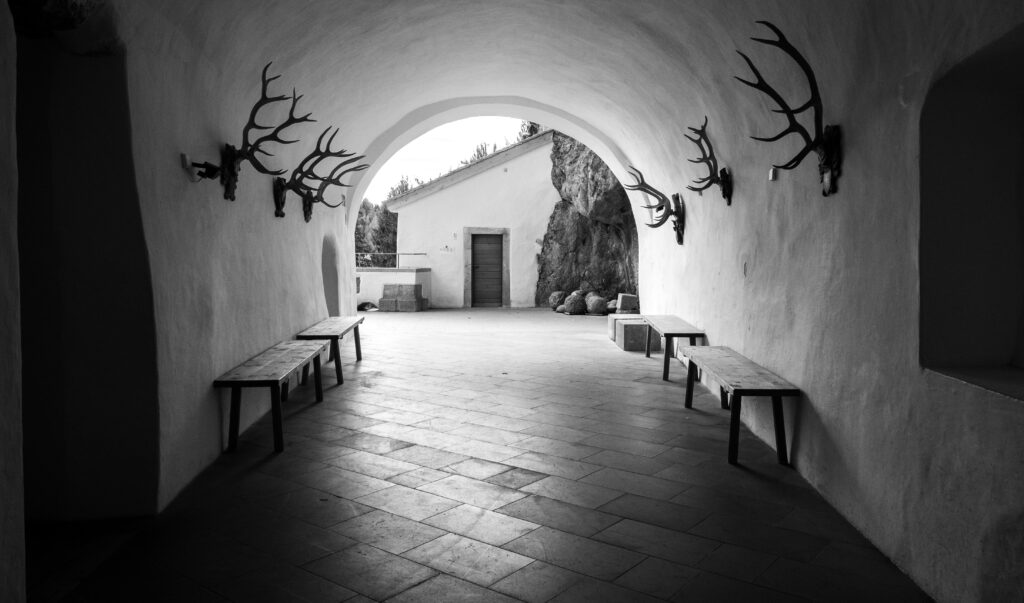
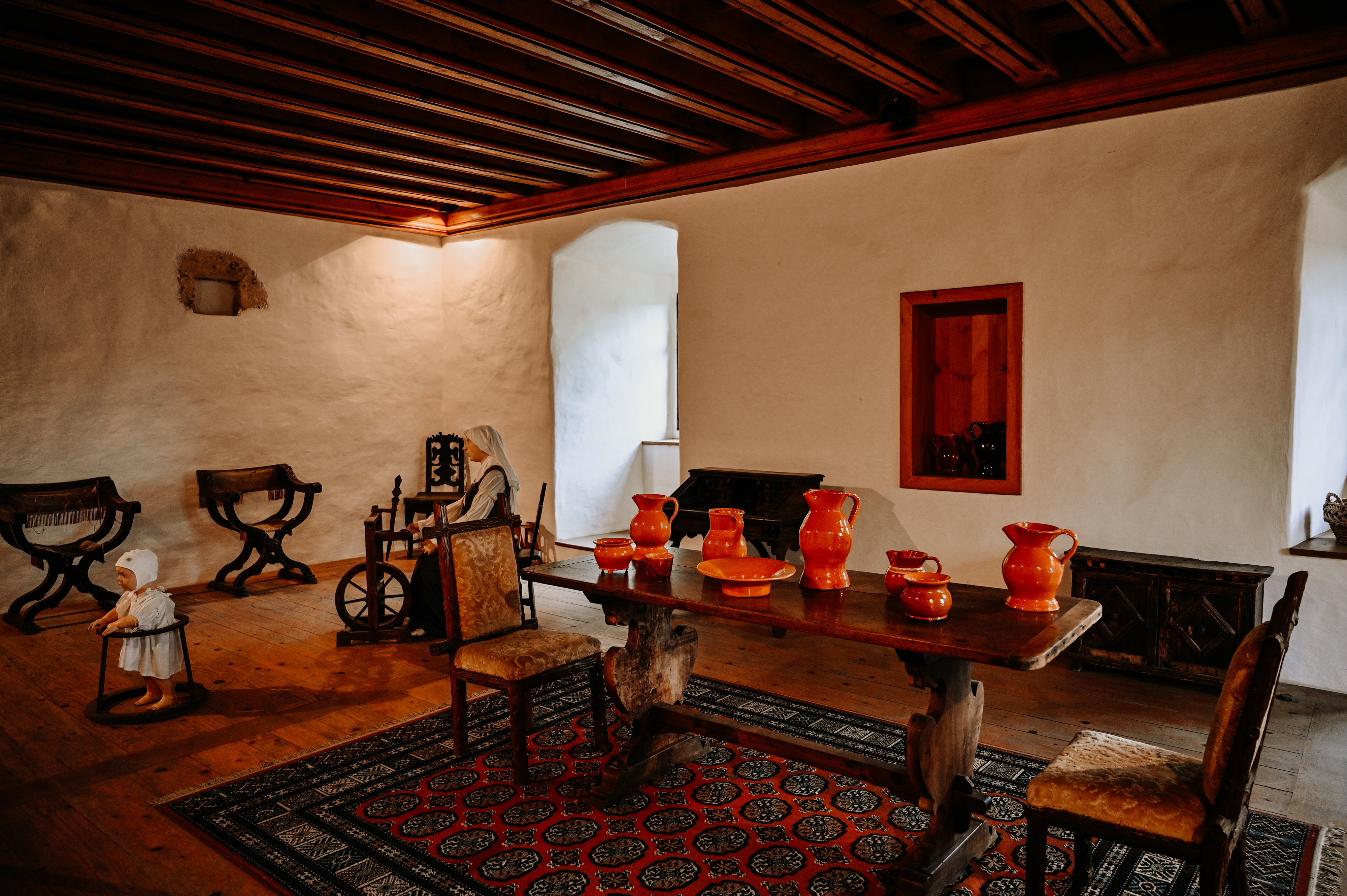
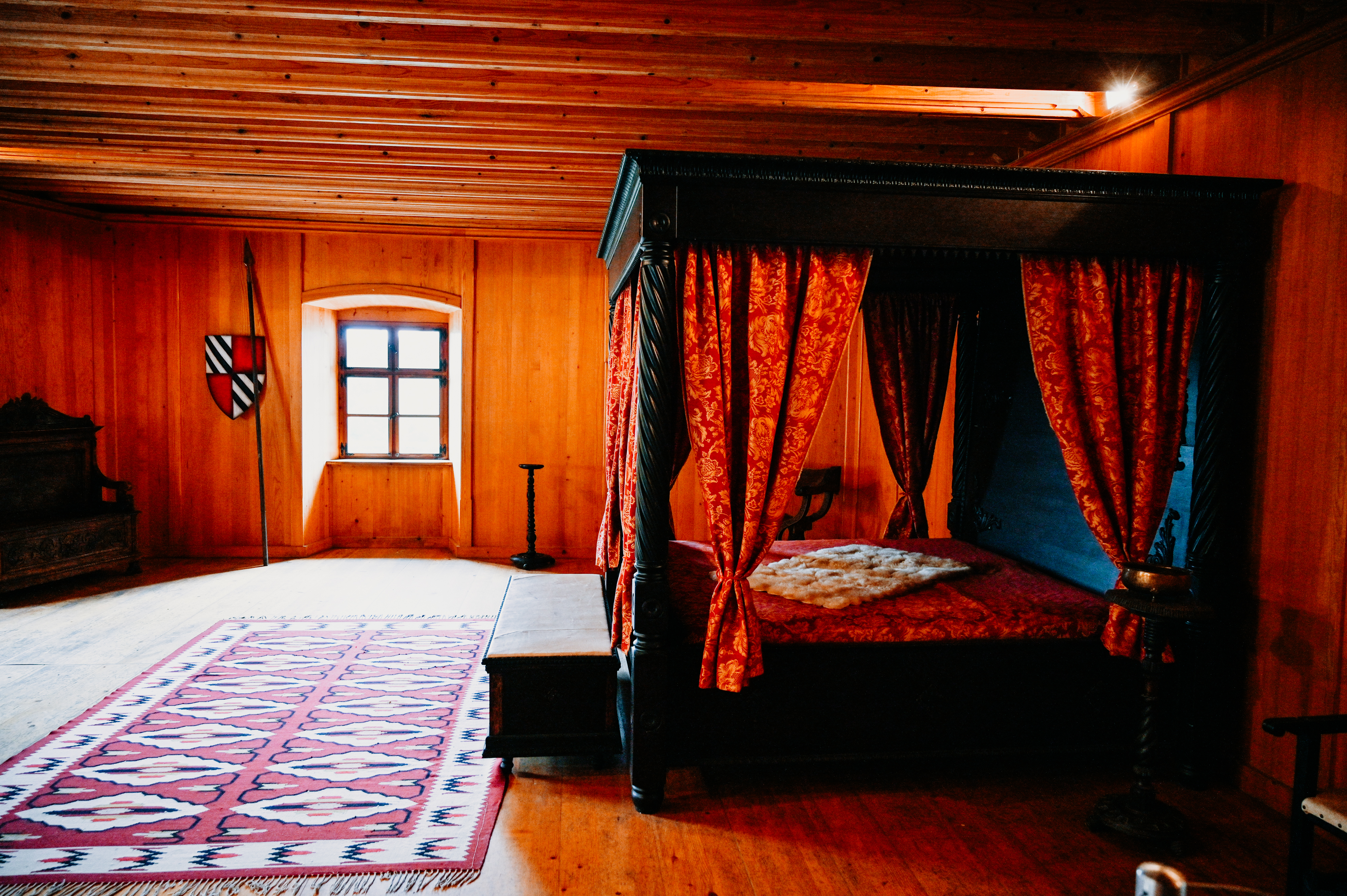
Predjama Castle now houses a museum displaying weapons, household items, paintings and tools, offering a glimpse into former life within its walls. Apart from the museum, adventurers can explore parts of the cave system – an exciting experience that combines history with caving.
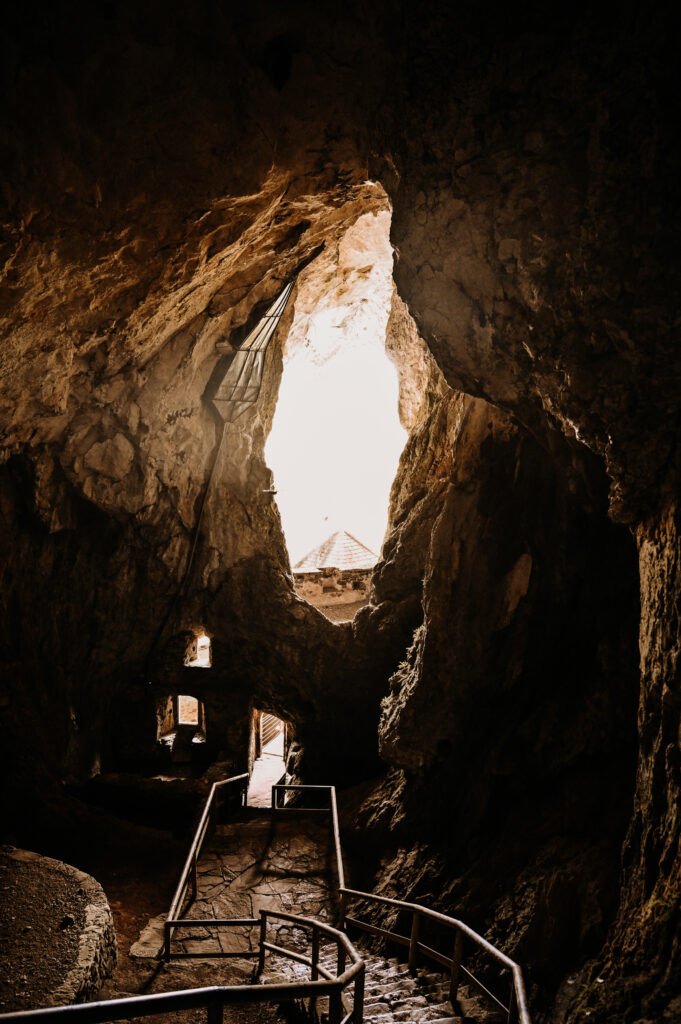
The key to the castle’s legends is Erasmus Cave, which is the third level of a mysteriously complex four-storey cave network. The lowest level is traversed by the Lokva stream and contains siphons that are only accessible to experienced cavers with special equipment. Guided tours allow visitors to explore the second level, located directly beneath the castle, with flashlights. This cave-like passage, once used as a stable, has electric lighting and leads to a minimally developed cave system.
A metal staircase takes explorers to the third level and finally beyond the castle. This underground adventure highlights the ingenuity behind the castle’s construction and the secrets hidden in its rocky depths.
The hidden passages that once gave Erasmus an advantage were sealed after a break-in in the early 17th century and remained closed until cavers reopened them after the Second World War.
Although they were temporarily sealed again, the passages have been accessible since around 2000 and attract both historians and adventurers who want to uncover the secrets hidden within.
Predjama Castle is not only historically significant, but also embodies the spirit of adventure and the allure of myth. Its walls tell stories of bravery and cunning, transporting visitors back to a time when knights ruled and secrecy was paramount. The interplay between documented history and folklore surrounding Erasmus of Lueg ensures that Predjama Castle will continue to captivate future generations.
Whether it’s stories of ghostly apparitions haunting its corridors or the undeniable evidence of medieval engineering, Predjama Castle is not just a monument, but a treasure trove of legends and fascination. The deeper you delve into its historic past and venture through its mysterious cave systems, the more reality merges with fantasy, turning every visit into a journey through time and secrets.