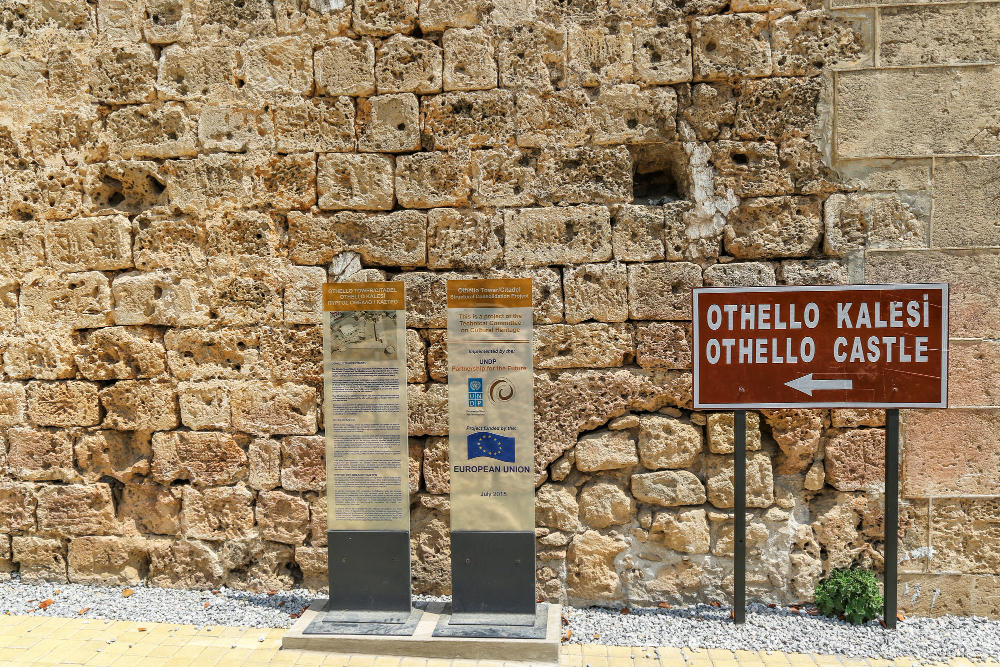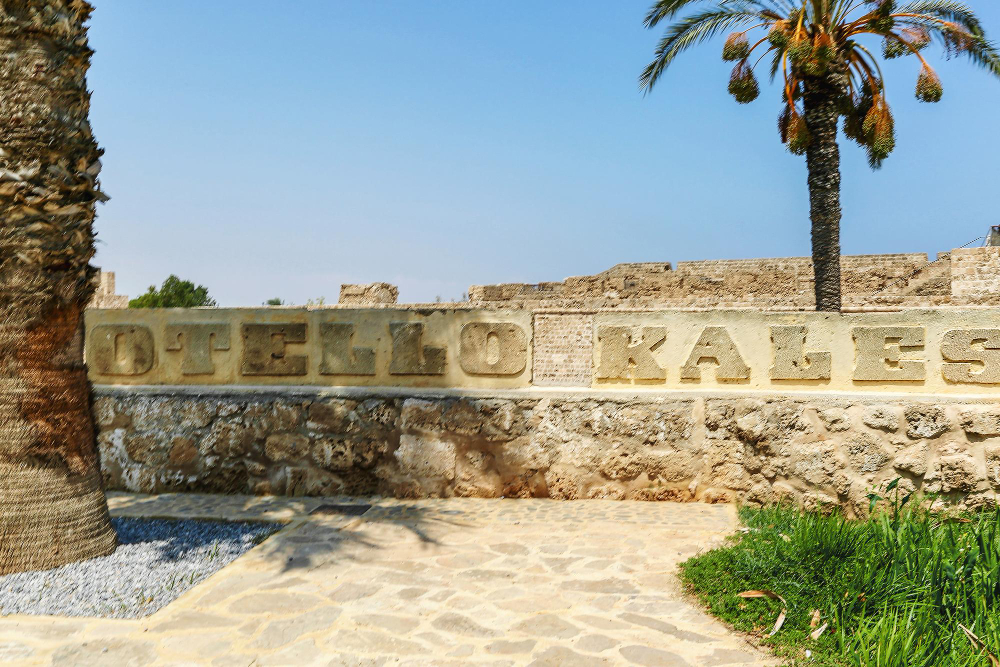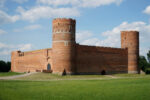

In the picturesque coastal town of Famagusta on Cyprus stands a stone fortress that is more than just a historical structure—Othello’s Castle. The name evokes associations with love, betrayal, and drama, not least thanks to Shakespeare’s famous tragedy “Othello.” Yet behind the fortress’s massive walls lies a fascinating history that dates back to the Middle Ages and is interwoven with myths and political intrigue.
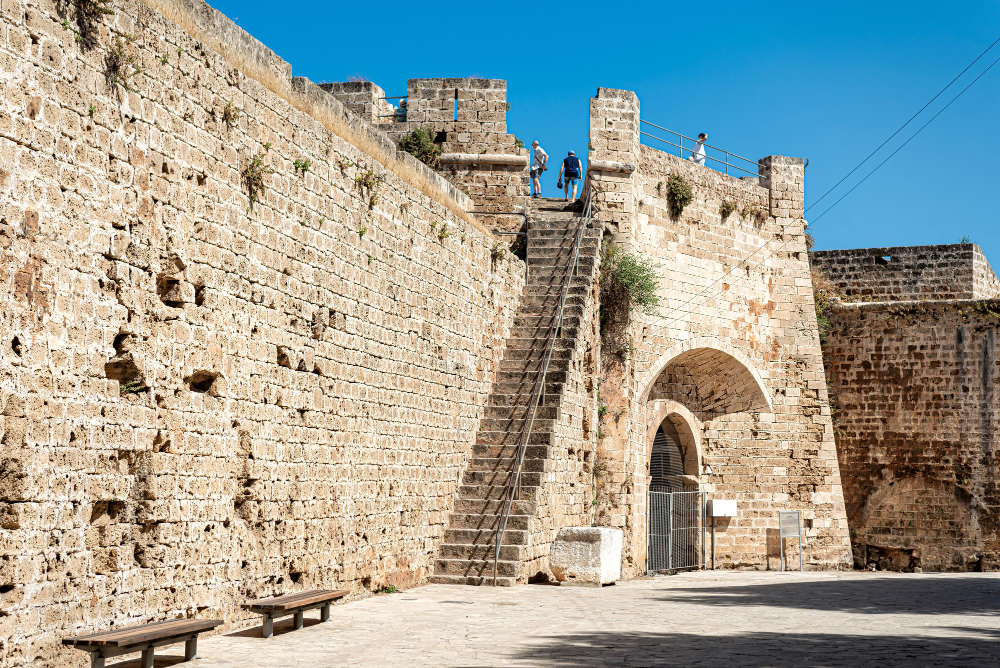
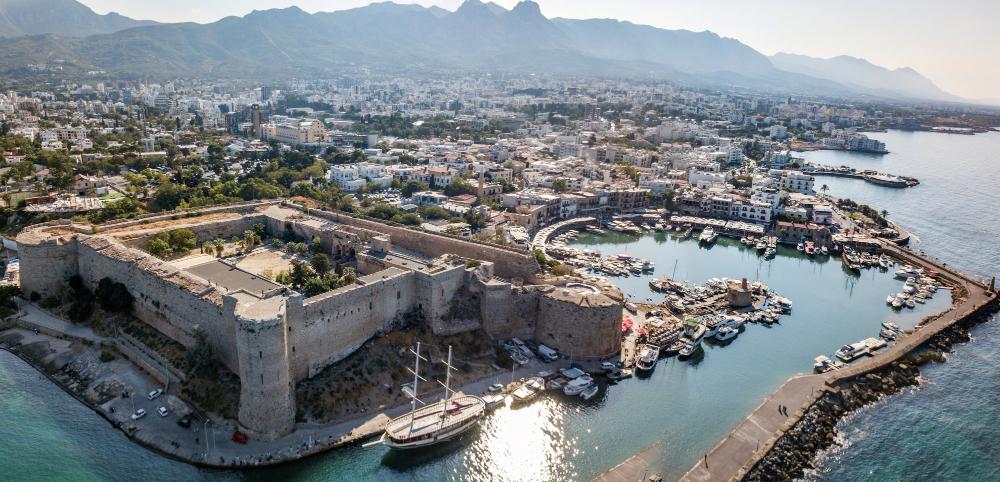
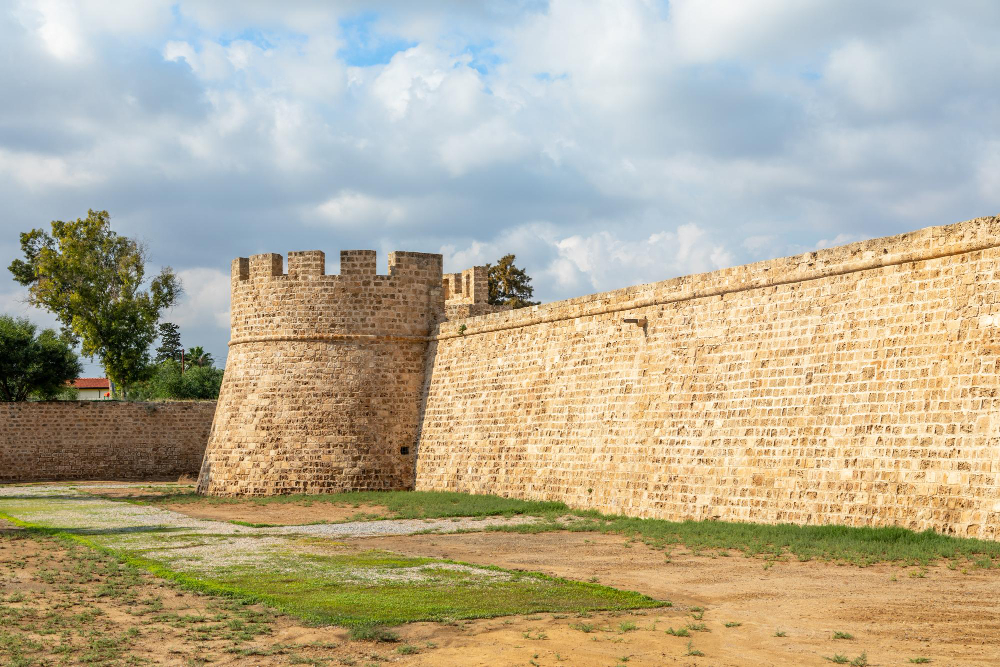
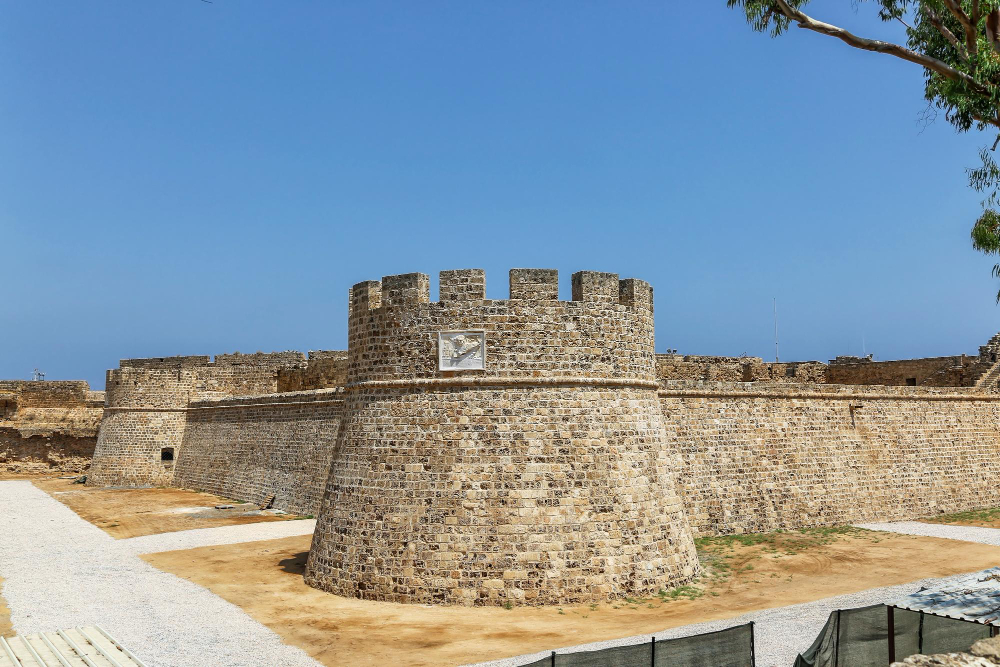
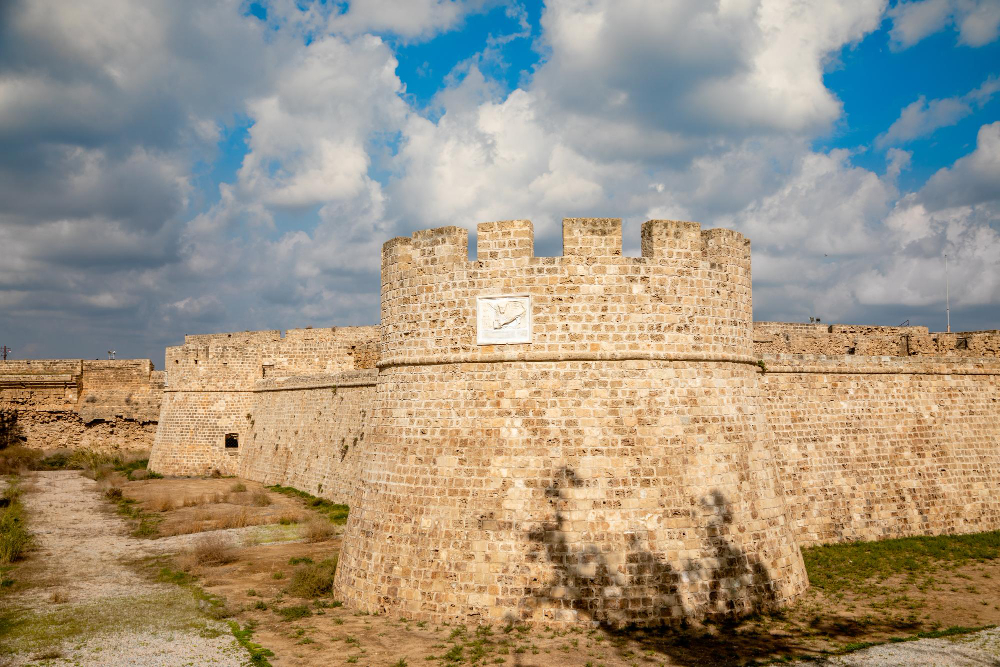
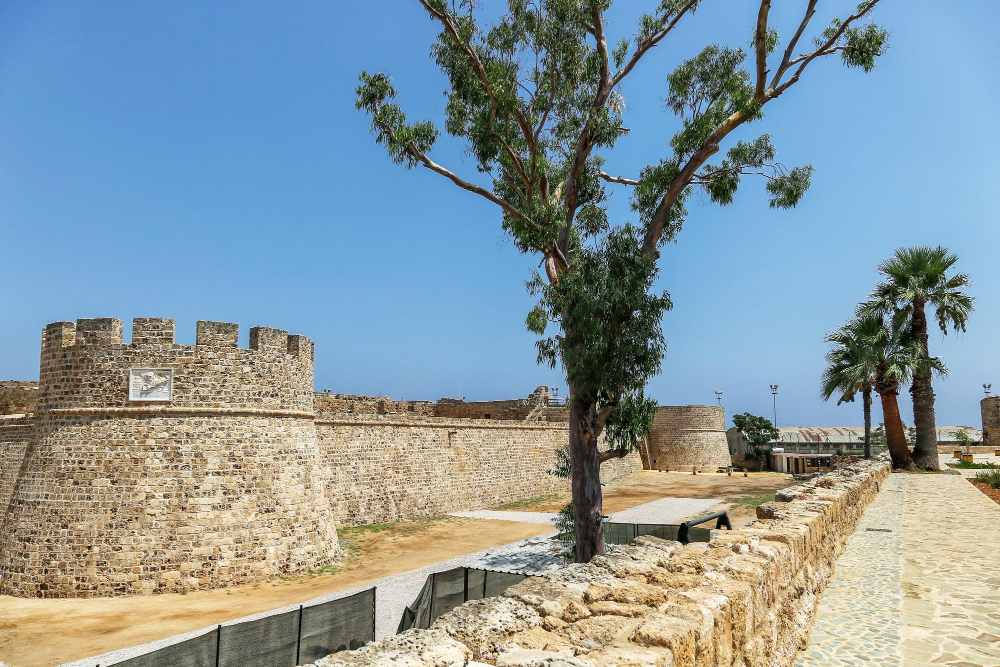
A Fortress with Venetian Heritage – Othello’s Castle, also known as the Citadel of Famagusta, was built in the 14th century by the rulers of the House of Lusignan and originally served as a defensive structure against attacks from the sea. Famagusta’s strategic location made the city a coveted target for trade and conquest. As maritime traffic grew in importance, the castle became a central element in the defense against enemy forces. In the 15th century, Famagusta fell to the Republic of Venice. The Venetians, known for their architectural masterpieces, reinforced the fortress and adapted it to the military requirements of the time. They added thick walls and a moat to the existing structures to better protect the city and its valuable harbors. These additions still define the character of the castle today.
The Myth Behind the Name – It is no coincidence that the fortress bears the name “Othello.” Historians believe that the English governor Sir Stephen Runciman coined the name in the 19th century, inspired by Shakespeare’s play. The play tells the story of Othello, a Moorish general in the Venetian army, who is entangled in a web of lies and jealousy by his subordinate Iago. This drama ends tragically when Othello, in a fit of despair and rage, kills his beloved Desdemona. Although there is no direct evidence that Shakespeare was inspired by Othello’s castle, parallels exist between the play’s plot and the region’s turbulent history. The connection between a literary tragedy and a real historical site lends the castle a special aura and attracts numerous visitors every year.
A Place of Power Struggles and Intrigue – The castle’s history is inextricably linked to that of Famagusta and Cyprus. After the Venetians lost control of the island, it fell to the Ottoman Empire in 1571, which continued to use the fortress as a strategic stronghold. Over the centuries, Cyprus changed hands several times—from the Ottomans to the British and finally to the modern Republic of Cyprus. Each regime left its own mark on the castle’s architecture and use. During the Ottoman era, the complex served primarily as a military camp and defensive stronghold. The British colonial period, however, brought about a civilian use; the fortress walls were regarded as a symbol of colonial power, yet their original function increasingly took a back seat. Today, the castle is one of the most visited historical monuments in Cyprus and serves as a window into the past.
Ghosts and Legends: What the Walls Tell – As with many old castles, numerous legends surround Othello’s Castle. One of the best-known stories is about an unnamed Venetian soldier who is said to haunt the fortress’s vaults. According to tradition, he was betrayed and murdered by an enemy spy during a night patrol. Since then, it is said, his restless spirit has wandered the dark corridors in search of peace. Visitors report strange sensations, noises, and even apparitions they claim to have experienced inside the castle. The legend of Othello himself has also resonated. Although the character of the Moorish general is fictional, there are rumors that Shakespeare was inspired by a real Venetian commander who once ruled over Famagusta. These stories lend the castle a mystical atmosphere and make it an ideal destination for the curious and history buffs alike.
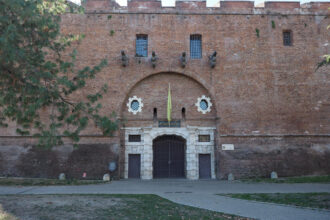
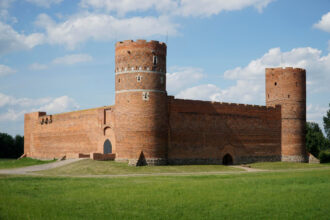
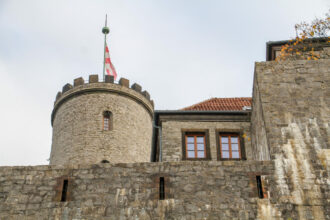
The Unique Architecture – The architecture of Othello’s Castle is impressive and offers insights into the engineering of past centuries. The thick stone walls and massive towers are typical of Venetian fortifications and reflect their focus on defense. Particularly striking is the citadel’s main tower, which once served as a command center and lookout point. From here, one has a spectacular view of the city and the sea—a vista that was surely appreciated by former rulers as well. Inside the castle are numerous rooms, including former powder magazines, prison cells, and living quarters. Some of these rooms are now used for exhibitions and cultural events, demonstrating how history and the present can coexist harmoniously.
Significance for Famagusta and Cyprus – Today, Othello’s Castle stands as a symbol of Cyprus’s rich and complex past. For centuries, the island has been a crossroads of various cultures and powers, and the castle reflects precisely this diversity. Historians and archaeologists regard it as an important testament to medieval architecture and as a key to understanding the political and social developments of the region. For tourists, Othello’s Castle is a journey through time. The combination of impressive architecture, fascinating legends, and its connection to one of the world’s most famous plays makes the castle unique. Events such as guided tours, theatrical performances, and concerts breathe life into the ancient walls and bring history to life.
Othello’s Castle is far more than a historical structure—it is a place where history and myth converge. Its mighty walls tell of political struggles, cultural exchange, and a past filled with intrigue and tragedy. At the same time, it can serve as inspiration for literary works, as may have been the case with Shakespeare. For visitors, it is a must-see on any trip to Cyprus. Whether you explore the castle to admire its architecture or let yourself be enchanted by its mysterious stories and legends—Othello’s Castle offers something for everyone. Thus, the fortress remains a place that sparks the imagination and makes the connection between past and present visible.