
Perched high above the turquoise River Neretva, the majestic Počitelj Citadel stands as a symbol of Bosnia and Herzegovina’s rich and eventful history. With its imposing walls and strategic location, it not only attracts historians and archaeologists but also captivates travellers from all over the world. The history of this structure is closely intertwined with the development of trade routes and the balance of power in medieval Europe and during the Ottoman era. In this article, we shed light on the citadel’s fascinating history and its historical context – a story full of legends, strategic significance and cultural influences.
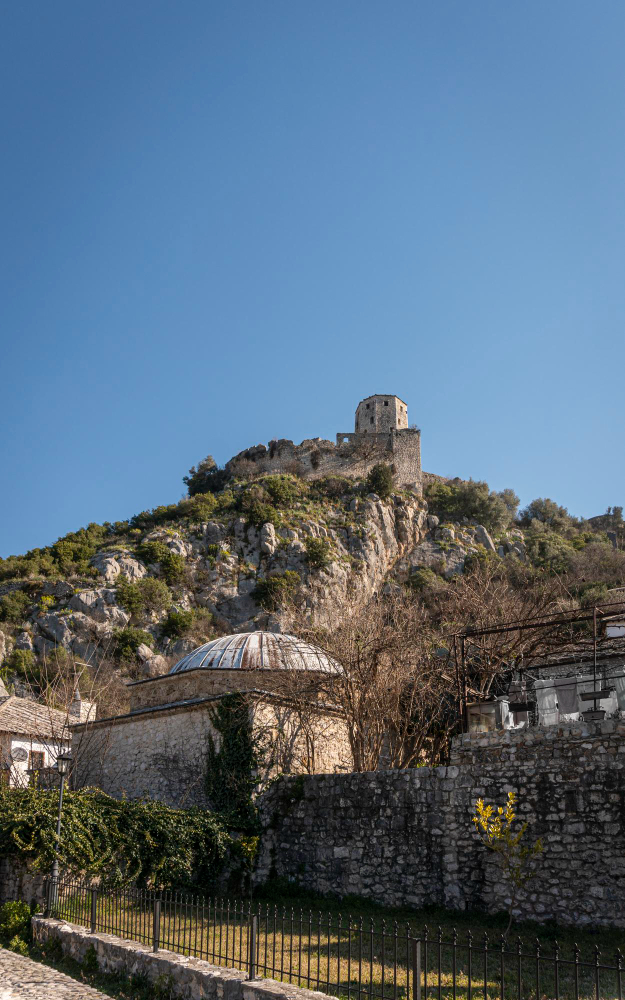
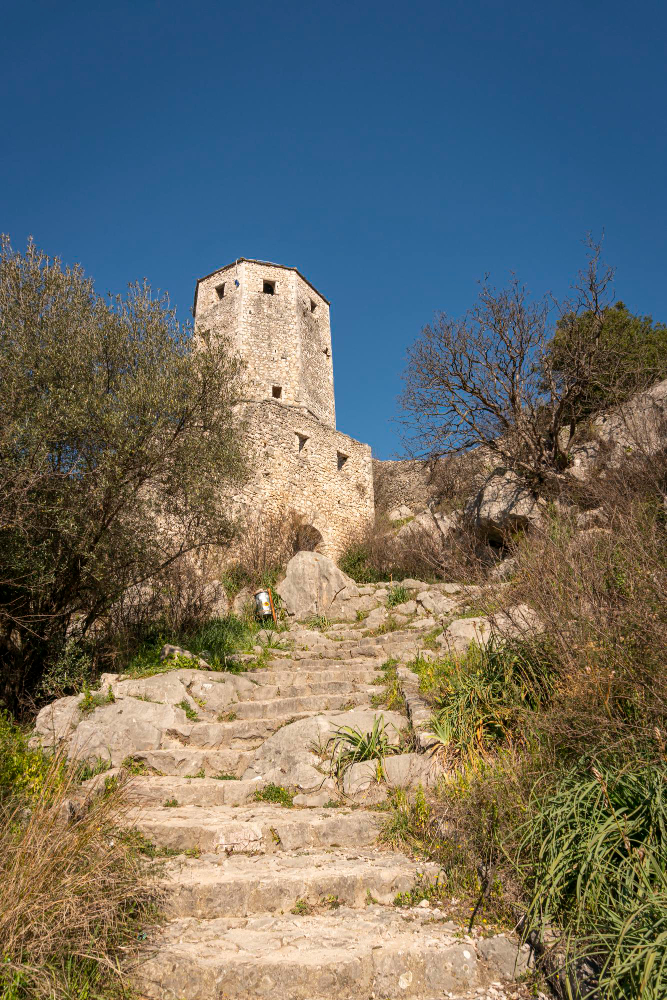
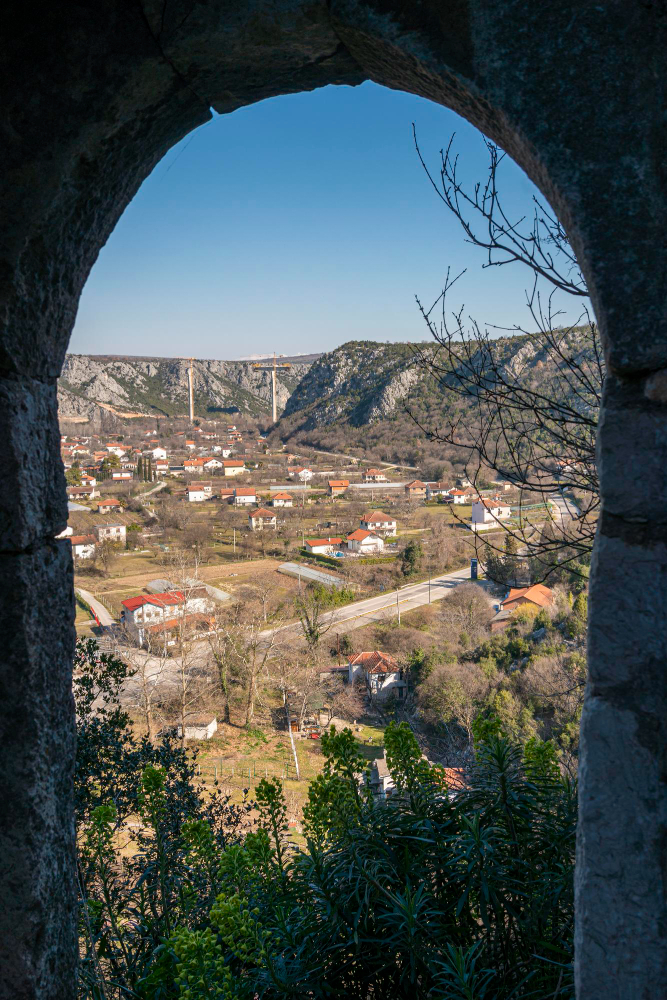
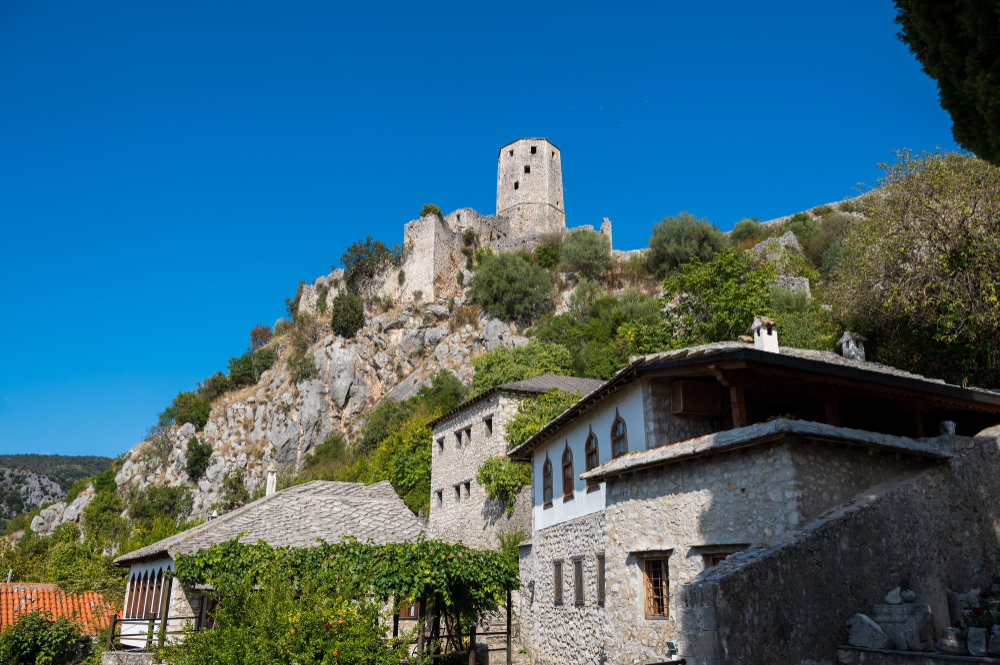
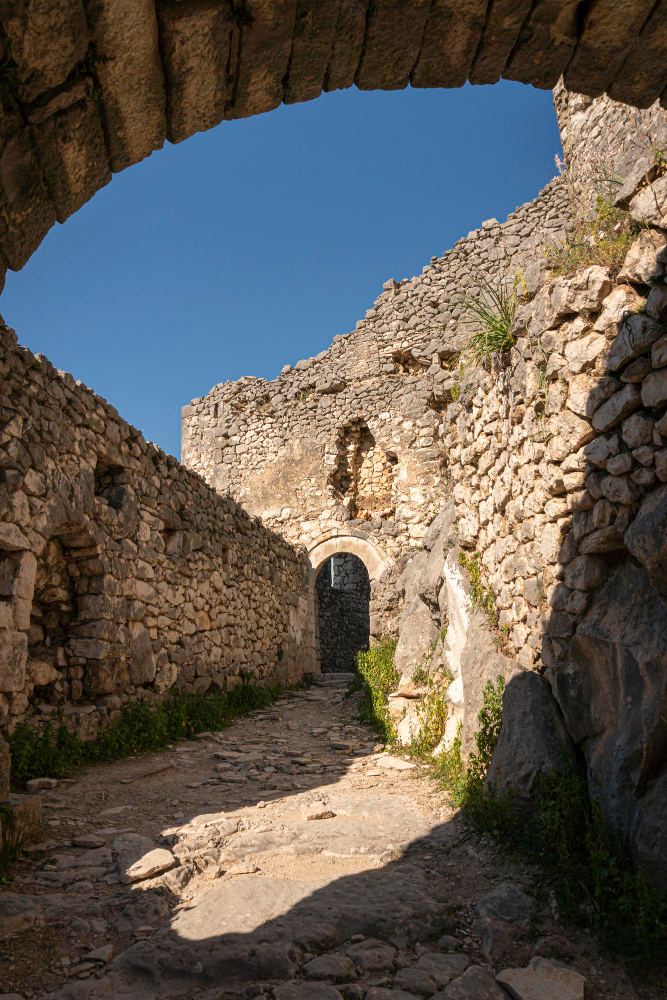
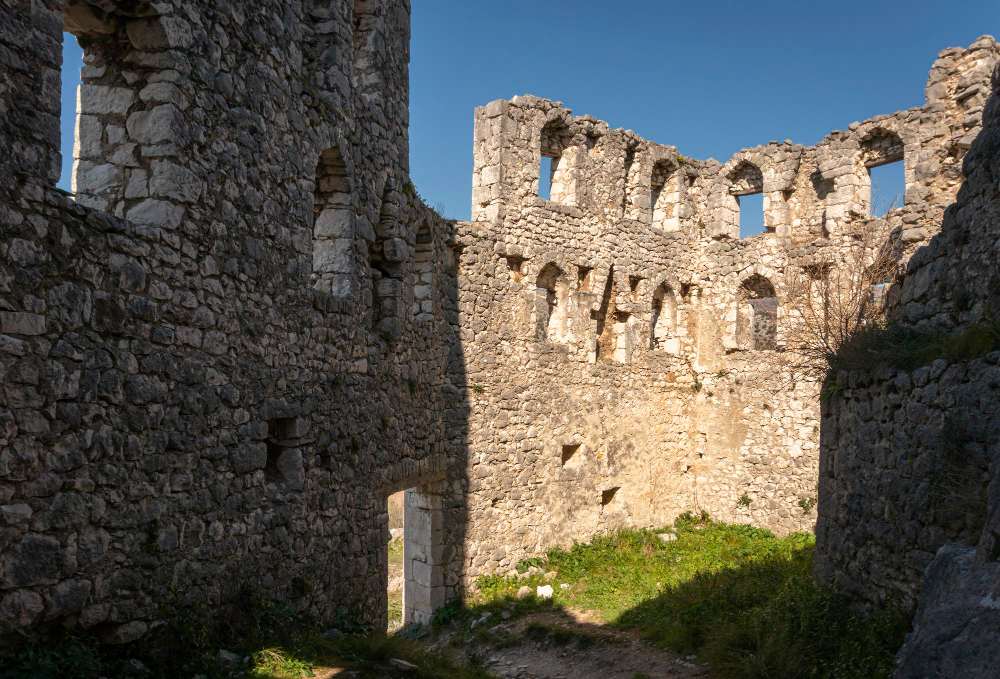
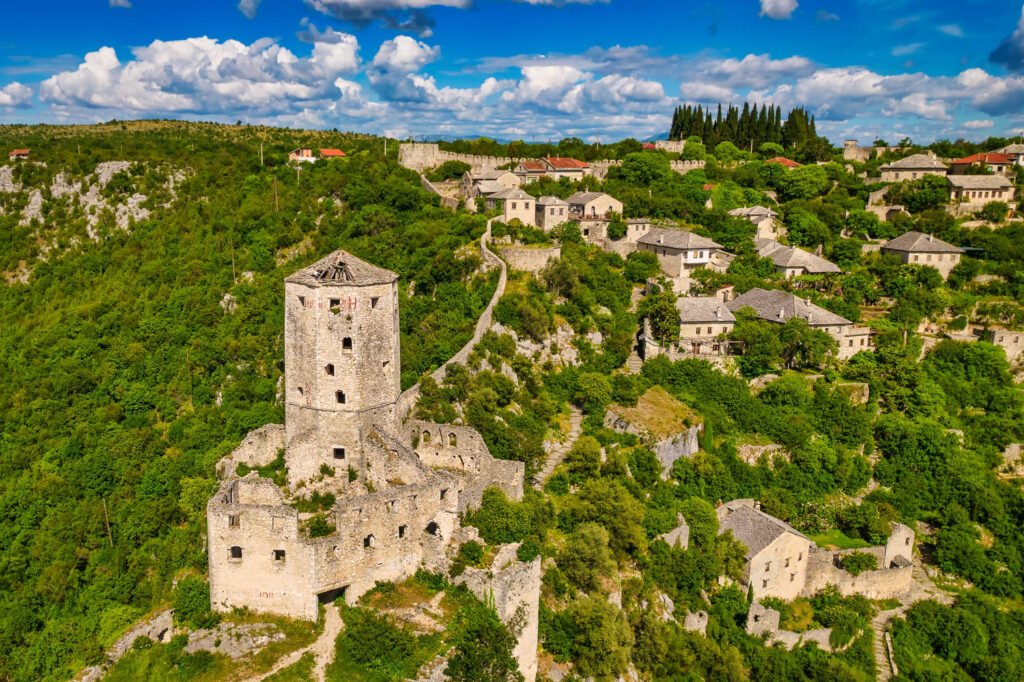
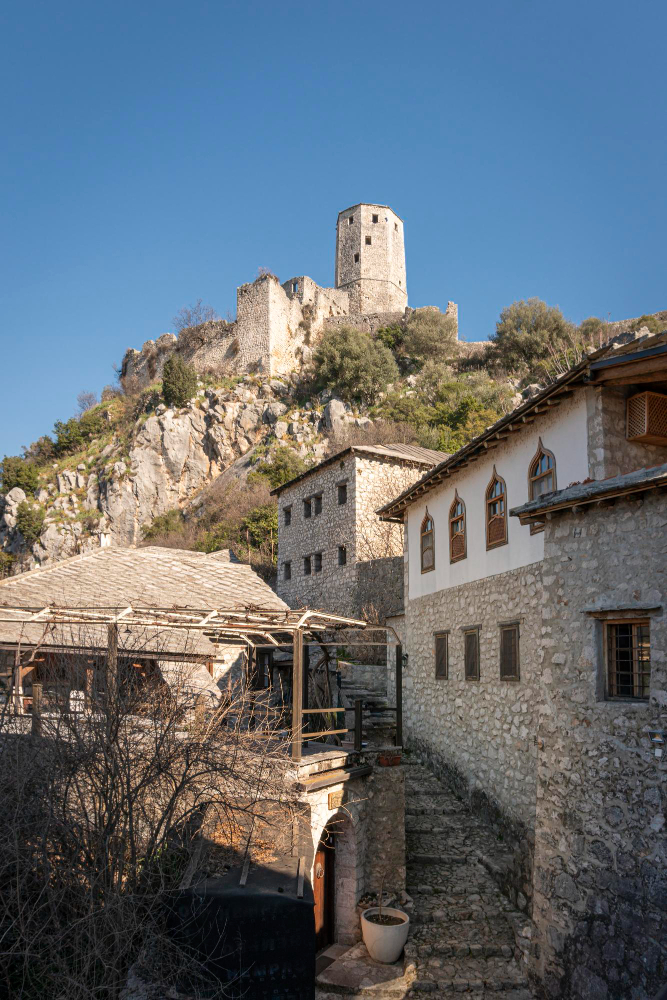
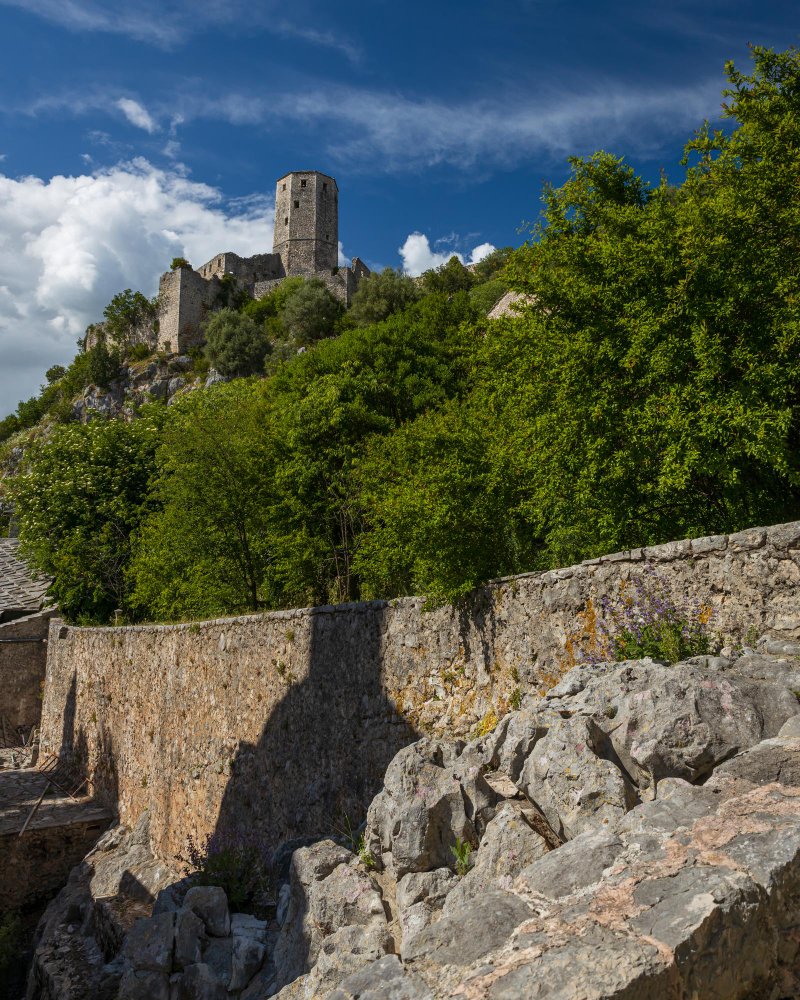
Origins and Strategic Importance – The Počitelj Citadel (Bosnian: Počiteljska tvrđava; Serbian: Почитељска тврђава) was built in 1383 by King Tvrtko I of Bosnia. It served as an important fortress for controlling the trade route between the Bosnian hinterland and the Adriatic coast. This trade route ran through the Neretva Valley and passed through the market town of Drijeva, which played a central role in the movement of goods and the economic integration of the region. The citadel’s location was carefully chosen: it is perched on a steep karst rock and offers a sweeping view over the valley and the River Neretva. This elevated position made it a virtually impregnable fortress whilst also enabling effective surveillance of the trade routes. Počitelj was thus not only a military stronghold but also a key hub that secured the economic stability and influence of the Bosnian Kingdom.
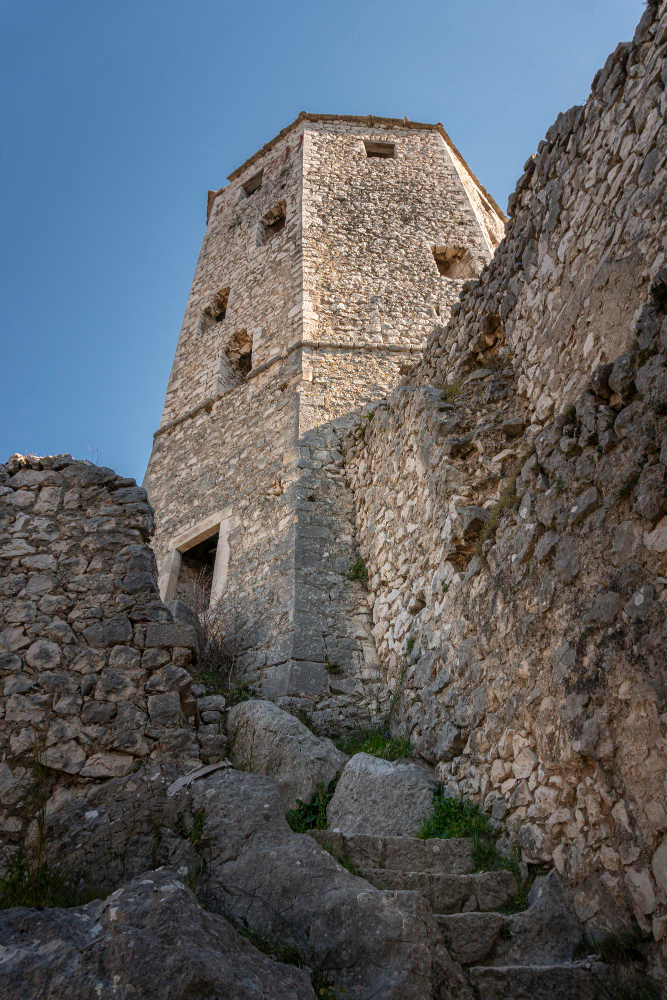
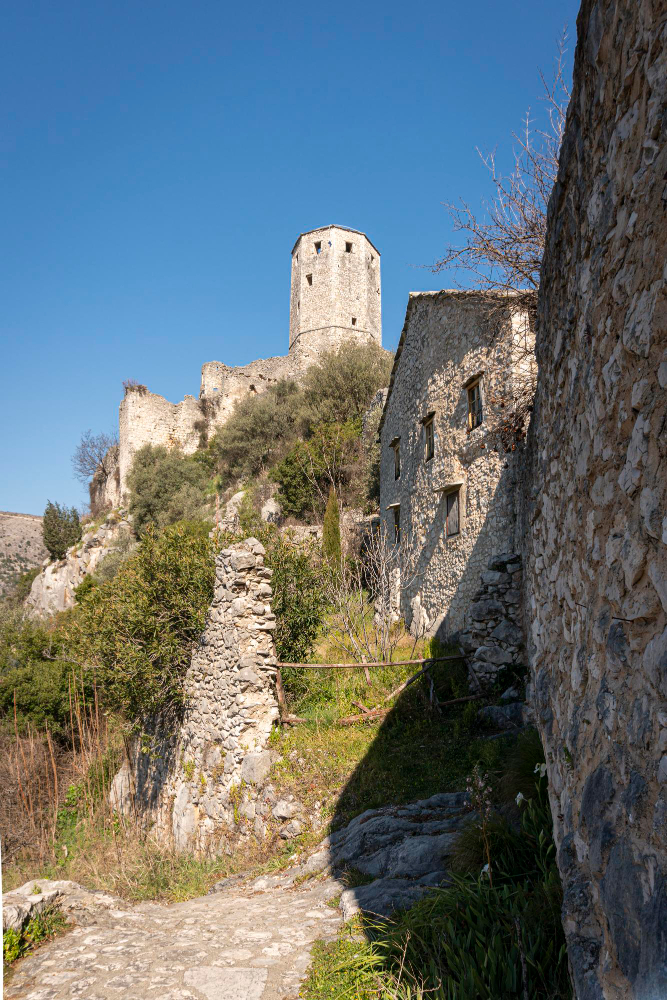
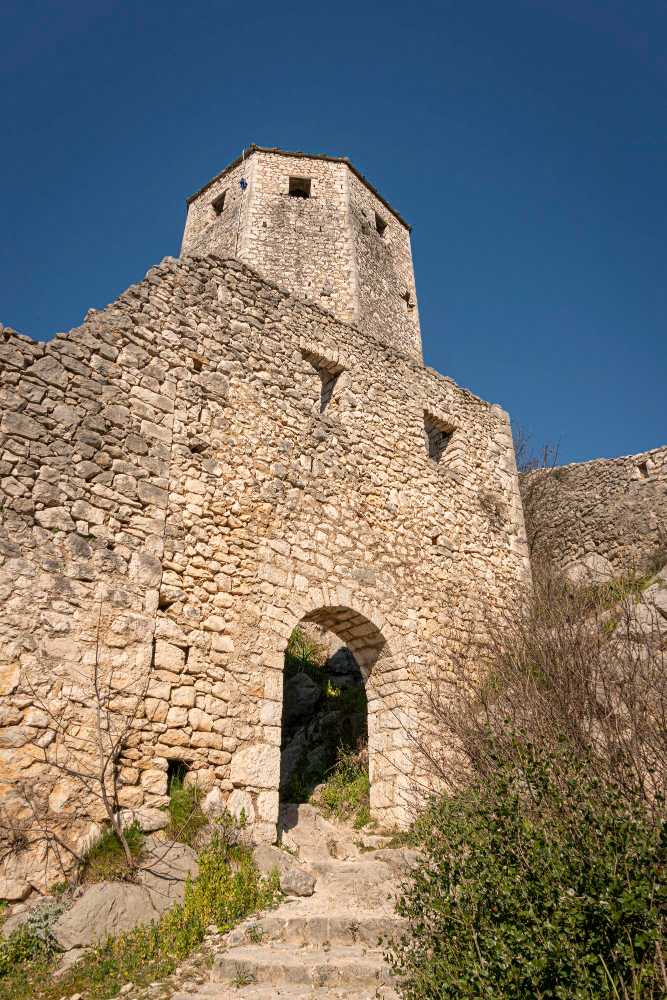
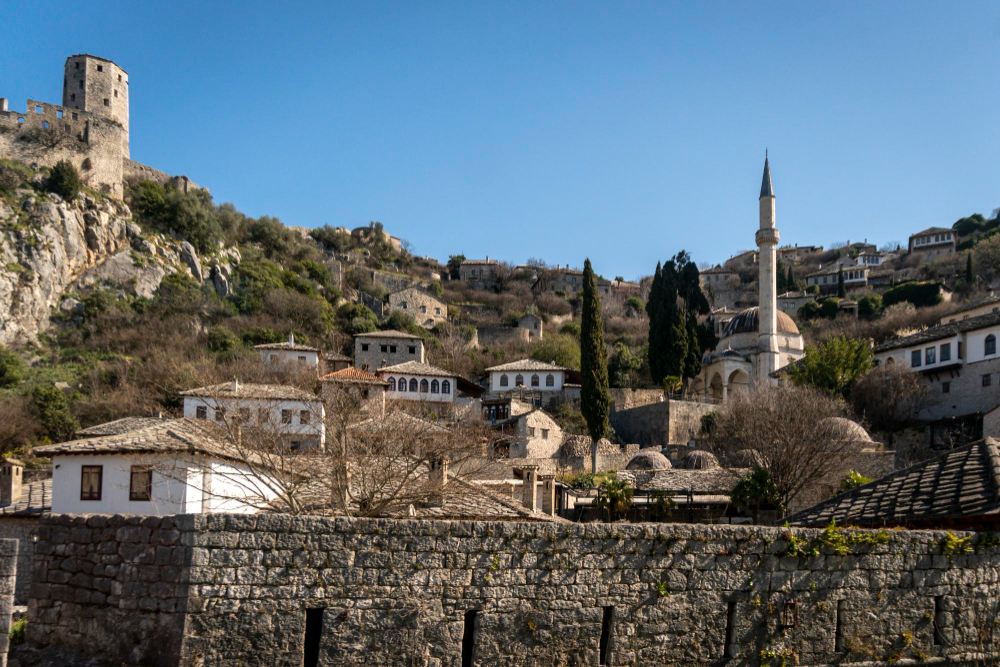
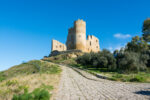
Ottoman Expansion and Cultural Influence – However, with the expansion of the Ottoman Empire, the political landscape of South-Eastern Europe changed dramatically. In 1471, Počitelj was conquered by the Ottomans, who extensively expanded the citadel and developed the surrounding area into a thriving settlement. The influence of the Ottomans is still evident today in the architecture and town planning of Počitelj. Alongside the fortress, the Ottomans erected important public buildings such as a mosque, a bathhouse (hamam) and residential houses. The Hadži Alija Mosque, built in the late 16th century, bears witness to the integration of Islamic elements into the town’s fabric. The harmonious blend of fortress architecture and Ottoman architecture makes Počitelj a unique example of the fusion of two cultures. A particularly striking structure is the so-called Gavran Kapetan Tower (Bosnian: Gavran-kapetanova kula). This main tower rises high above the citadel and offers a spectacular panoramic view of the Neretva Valley. The tower served not only as a military watchtower but was also the residence of an Ottoman commander responsible for the control and security of the region.
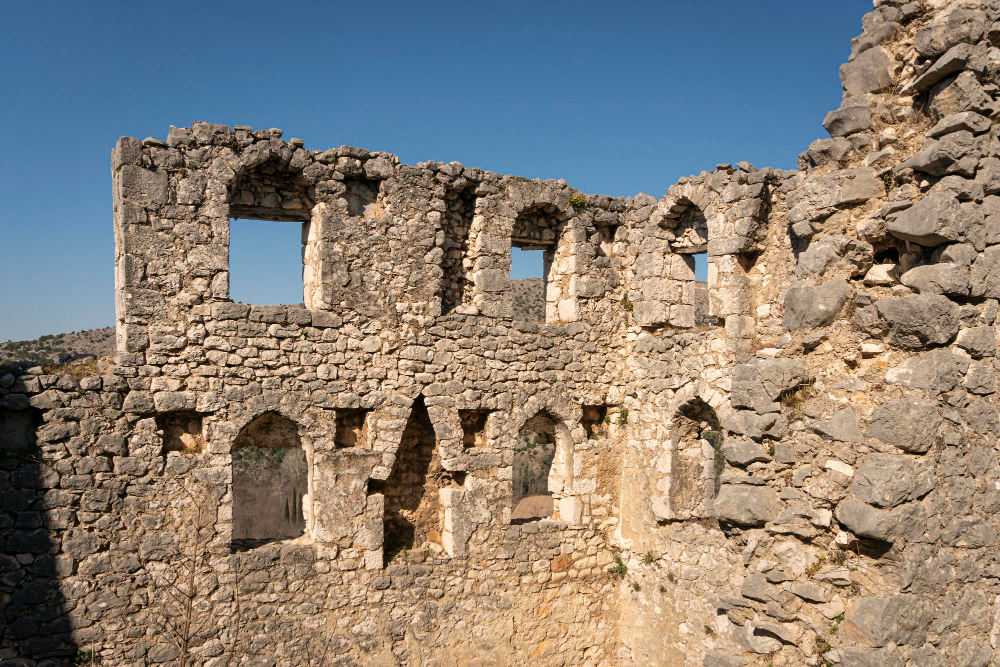
Historical Challenges and Decline – However, the history of Počitelj Citadel is not without conflict and challenges. Over the course of its centuries-long existence, the fortress has been the scene of numerous military conflicts. In particular, the sieges of the fortress during the battles between the Ottomans and the Habsburg Monarchy have left a lasting mark on the historical memory of this place. During the 19th century, Počitelj gradually lost its strategic importance as trade routes and military interests shifted. With the collapse of the Ottoman Empire and the advance of modernisation, the citadel fell into obscurity and began to fall into disrepair. Počitelj suffered considerable damage, particularly during the Croatian-Bosnian War in the 1990s. Many historic buildings were damaged or destroyed, including the Hadži Alija Mosque, which was later rebuilt.
A rebirth as a cultural heritage site – Despite these difficult times, Počitelj has defied the challenges of history and is today a living testament to the cultural and architectural diversity of South-Eastern Europe. After the war ended, the citadel underwent extensive restoration and is now one of the most significant cultural monuments in Bosnia and Herzegovina. Its importance is also reflected in the fact that it has been on the tentative list for inclusion on the UNESCO World Heritage List since 2007. Today, visitors can stroll through the narrow streets of the historic town, lined with stone houses, and explore the impressive buildings. The citadel itself offers breathtaking views and is a popular spot for photographers keen to capture the beauty of the surroundings.
Legends and Mystical Tales – Like many historic sites in Bosnia and Herzegovina, the Počitelj Citadel is steeped in legends and mystical tales. One particularly well-known story concerns the so-called ‘Curse of the Captains’. Some local traditions tell of a group of Ottoman captains who were allegedly imprisoned in the Gavran Kapetan Tower after failing to obey their orders. Since then, the tower is said to be haunted at night by the ghosts of the captains, who to this day cannot find peace. Another legend tells of a hidden treasure said to be buried deep beneath the citadel. Although no archaeological evidence for these claims has yet been found, the story attracts treasure hunters and adventurers – proof of just how closely history and myth are intertwined in Počitelj.
Počitelj: a tourist gem – Today, Počitelj is not only a destination for history buffs, but also a magnet for culture lovers, photographers and nature enthusiasts. The combination of historic buildings, picturesque views over the Neretva Valley and the tranquil atmosphere makes the town a popular destination for day trips. A visit to the citadel offers not only the chance to delve into the past, but also to enjoy the region’s natural beauty. In spring and summer in particular, flowering plants and the shimmering waters of the Neretva transform Počitelj into a veritable oasis.
The Počitelj Citadel is far more than a historical monument – it is living proof of the eventful history and cultural diversity of Bosnia and Herzegovina. From its role as a strategic fortress in the Middle Ages, through the heyday of the Ottoman Empire, to its current status as a cultural heritage site, the citadel tells a story that brings together culture, power and resilience. A visit to Počitelj is not only a journey into the past, but also an opportunity to experience the fascinating beauty and cultural richness of this region at first hand. Whether you’re a history buff, a nature lover or simply curious about the secrets of this extraordinary fortress – Počitelj is sure to captivate you.