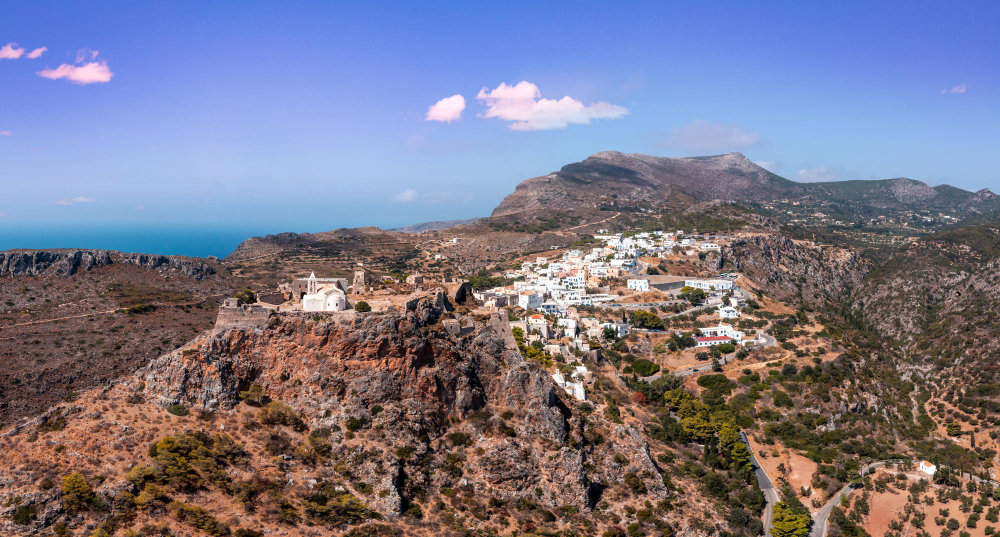

The island of Kythira, situated south of the Peloponnese, is an often-underestimated gem of the Greek archipelago. It captivates visitors not only with its unspoilt nature and idyllic beaches, but also boasts the Chora Castle, a significant historical monument deeply rooted in the region’s eventful history. The castle, which towers above the island’s capital, Chora, captivates visitors with its majestic presence and the stories that surround it.
Historical Background: A Castle Between East and West – Chora Castle was built in the late Middle Ages, more precisely probably in the 13th or 14th century, when the island of Kithira was under Venetian rule. The Venetians had held control over many Ionian and Aegean islands since the 13th century, including Kithira, which was of great strategic importance as an outpost on trade and military routes. The castle served primarily as protection against pirate raids and as the administrative centre of Venetian rule. According to historical documents, such as those found in the National Library of Greece and in archives in Venice, the exact date of the fortress’s construction is difficult to determine. Some sources focus on later alterations in the 15th century, which became necessary to counter the new threats posed by Ottoman expansion. This illustrates a typical pattern seen in medieval castles, which were constantly modernised and extended to meet changing military requirements.
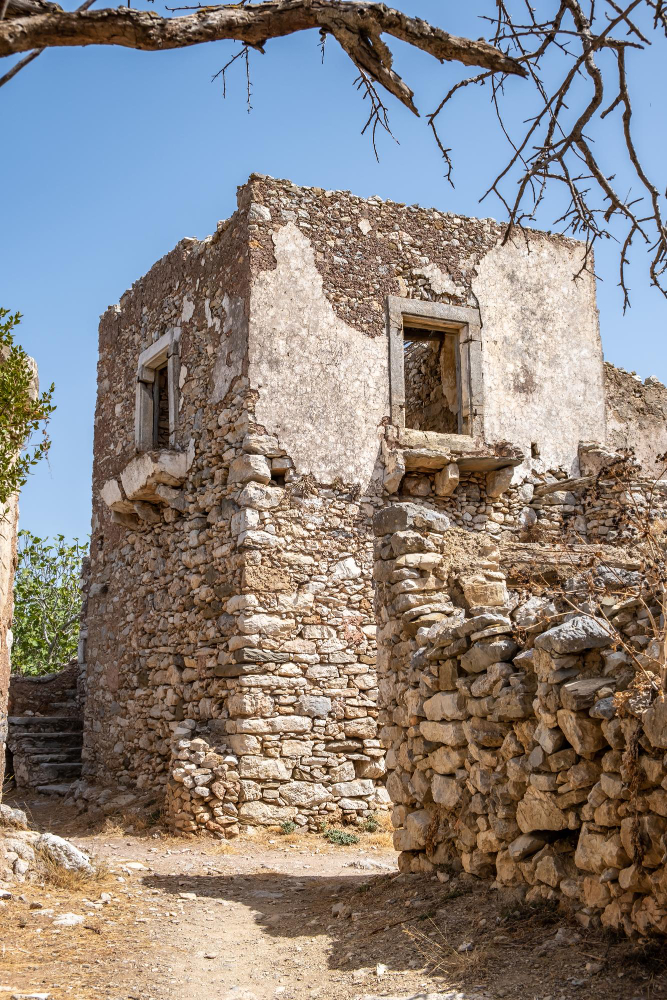
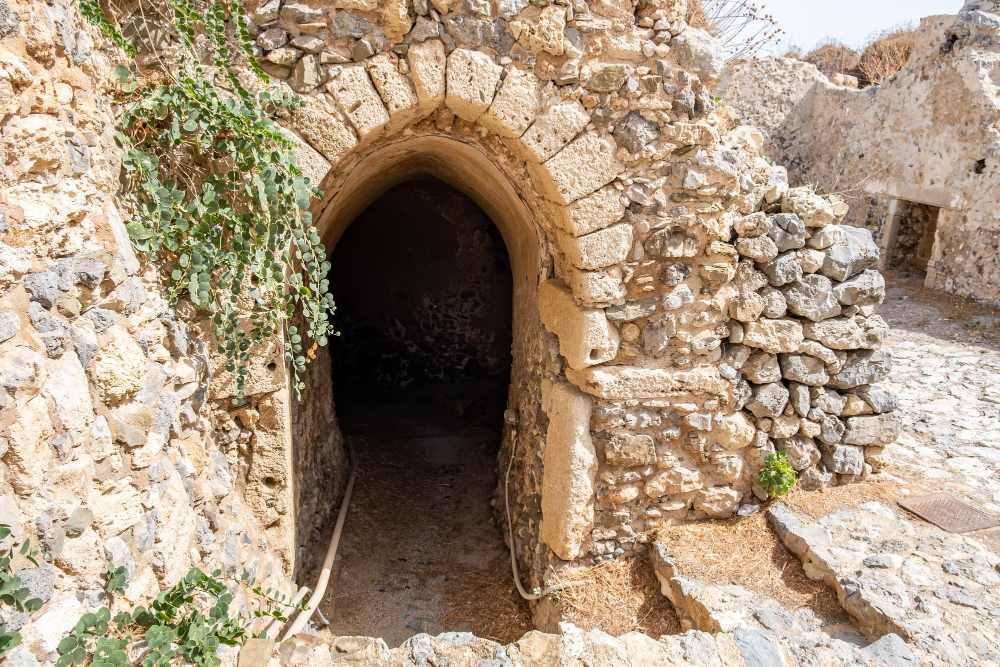
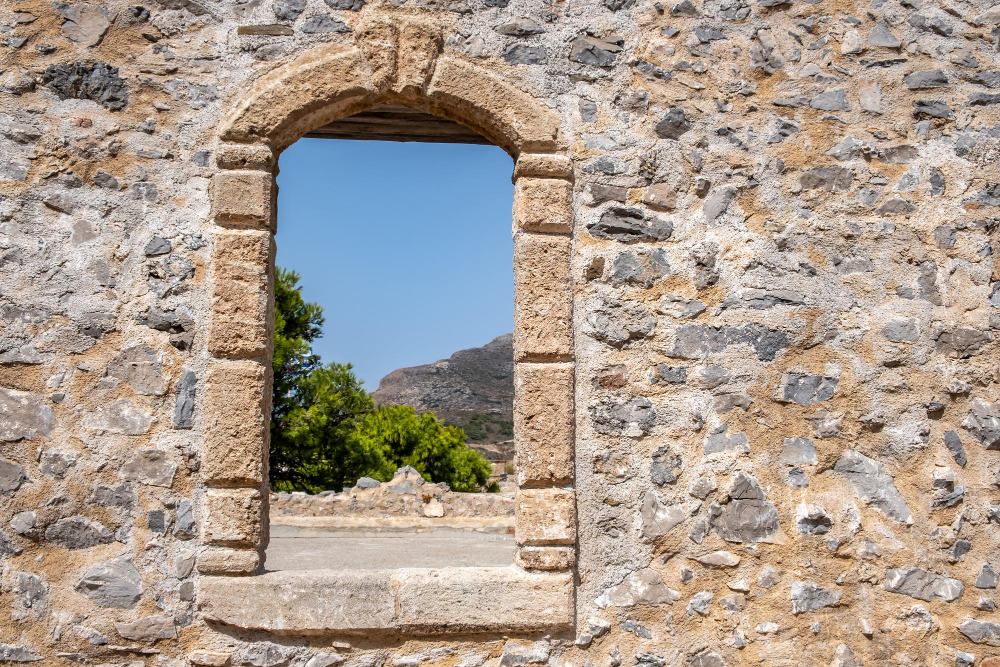
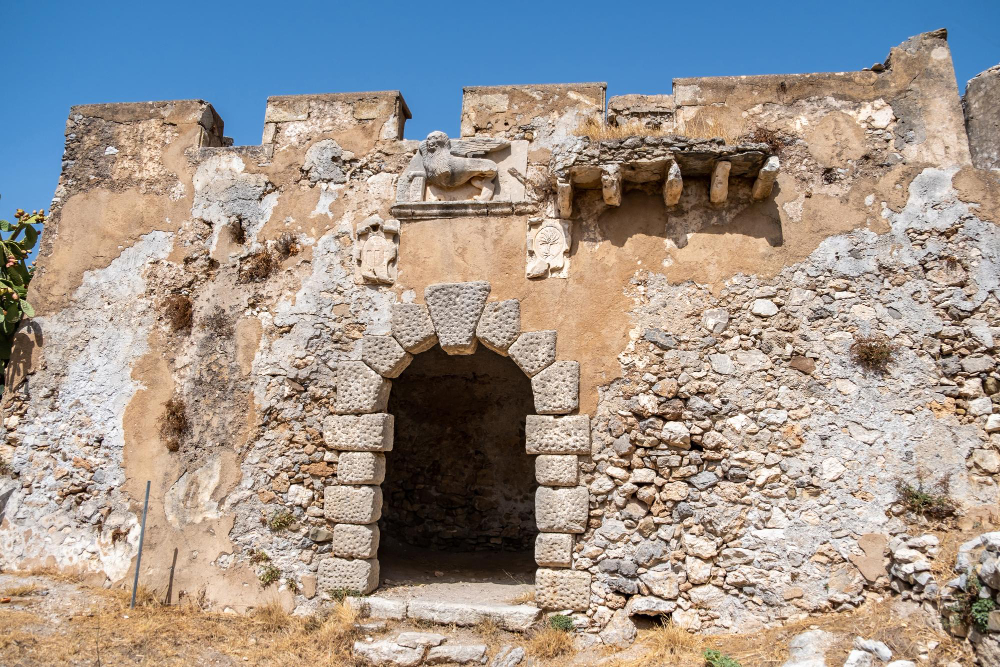
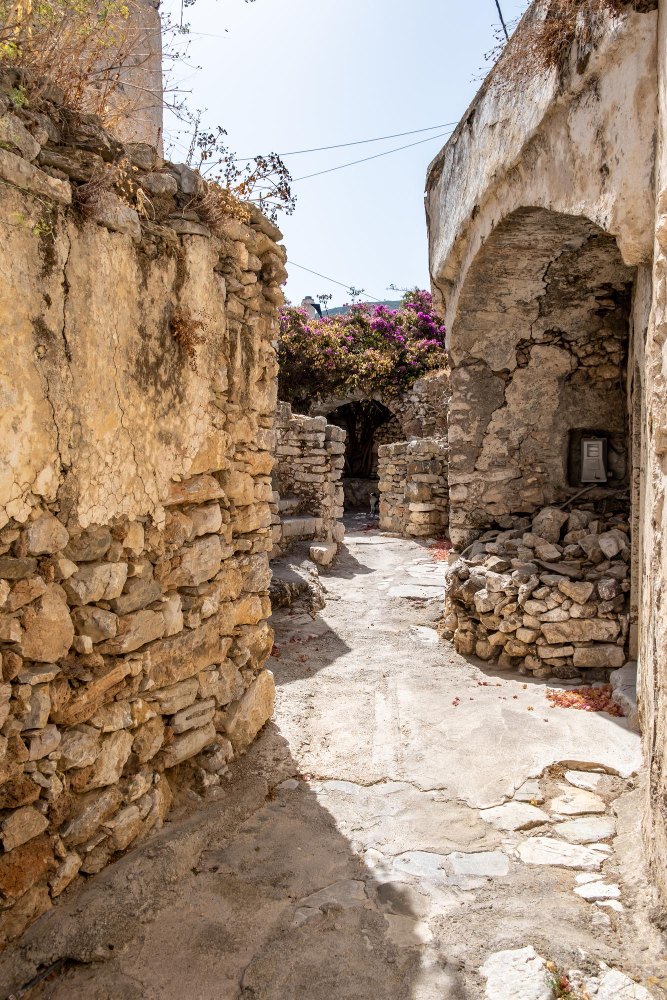
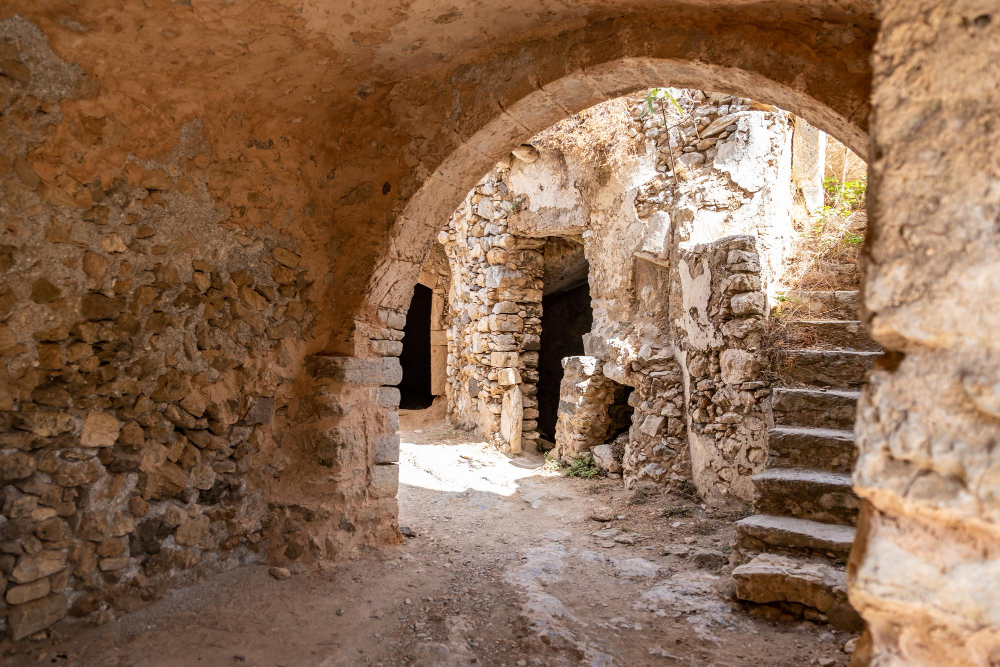
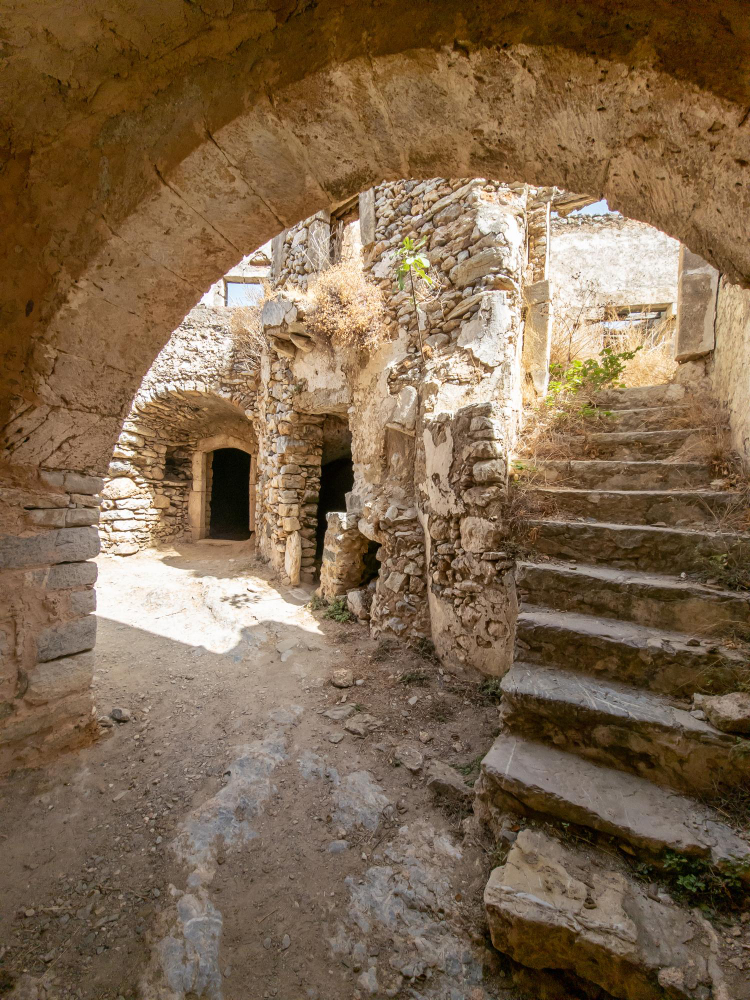
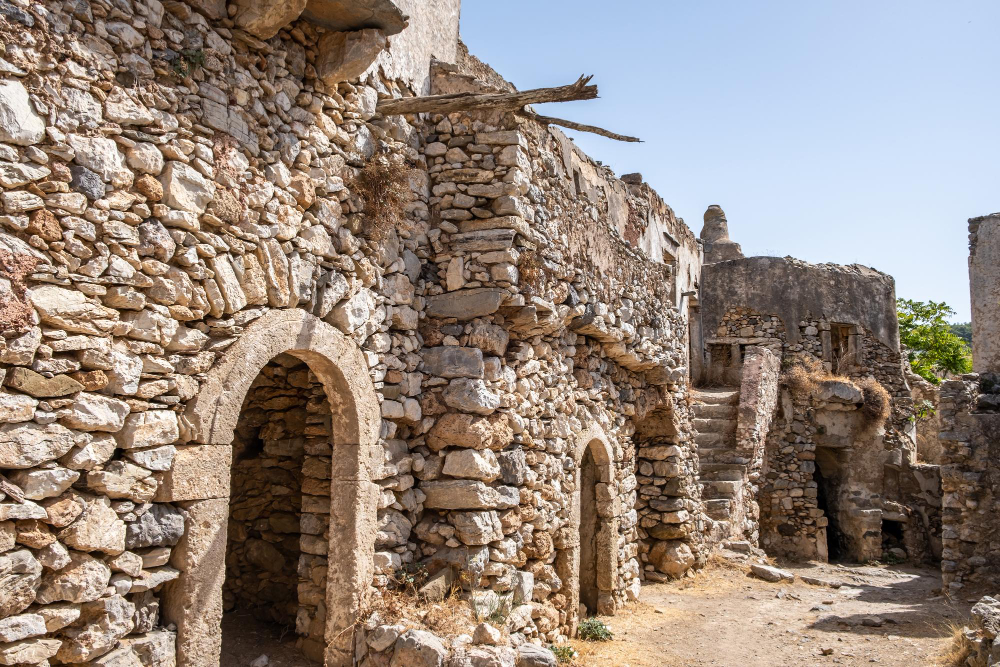
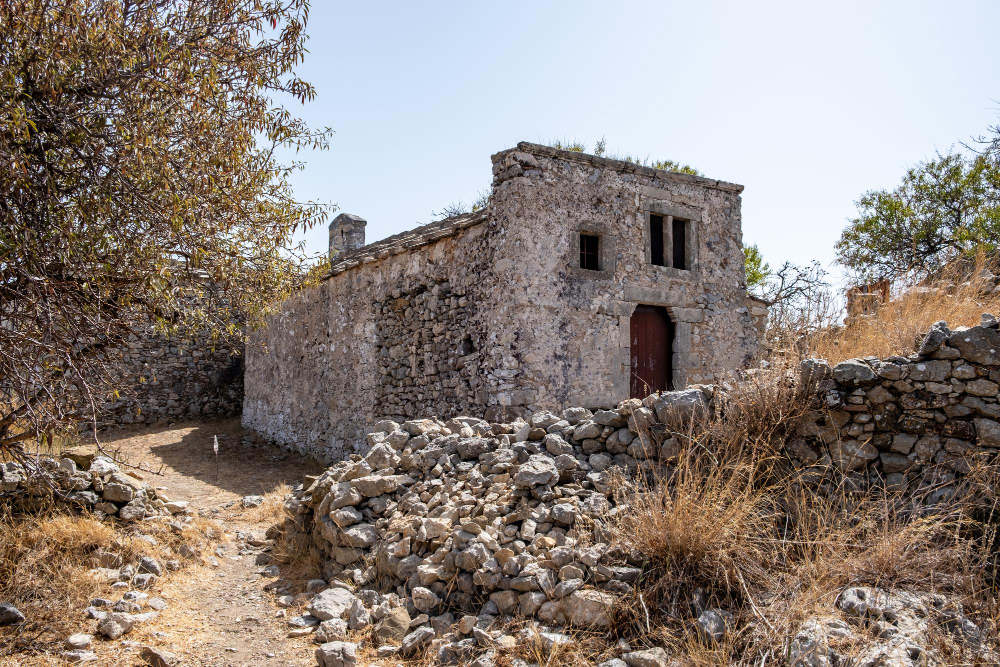
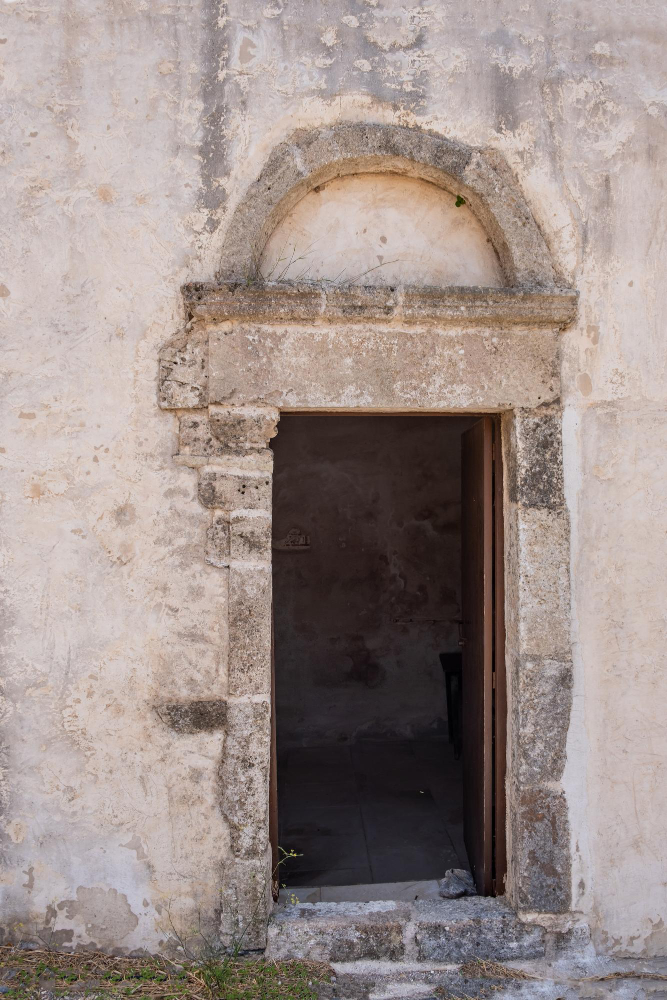
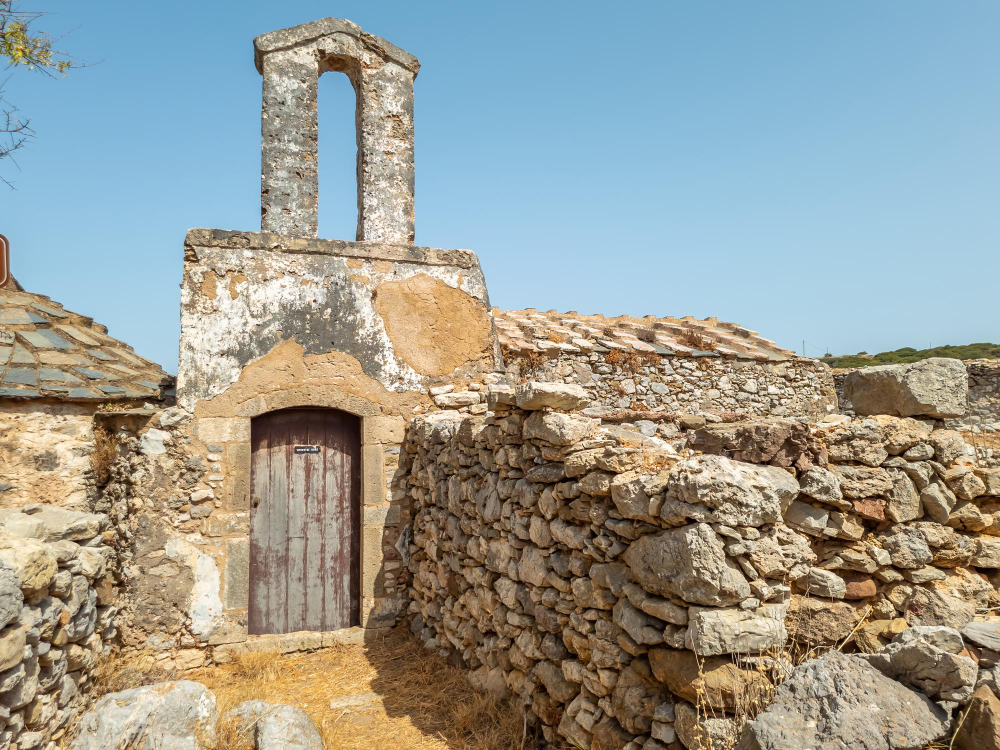
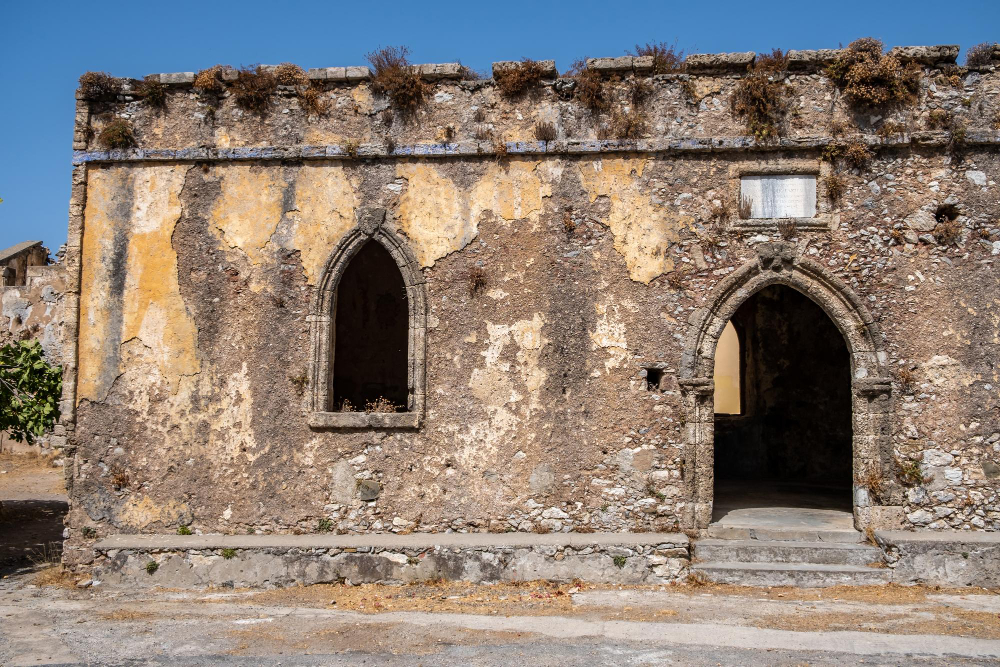
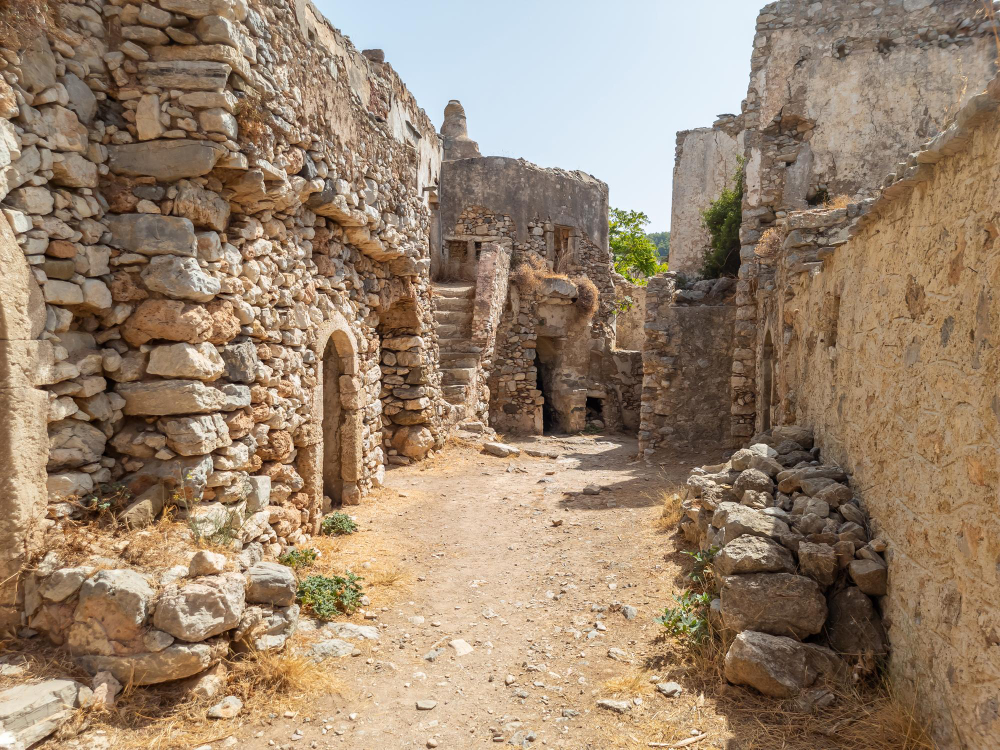
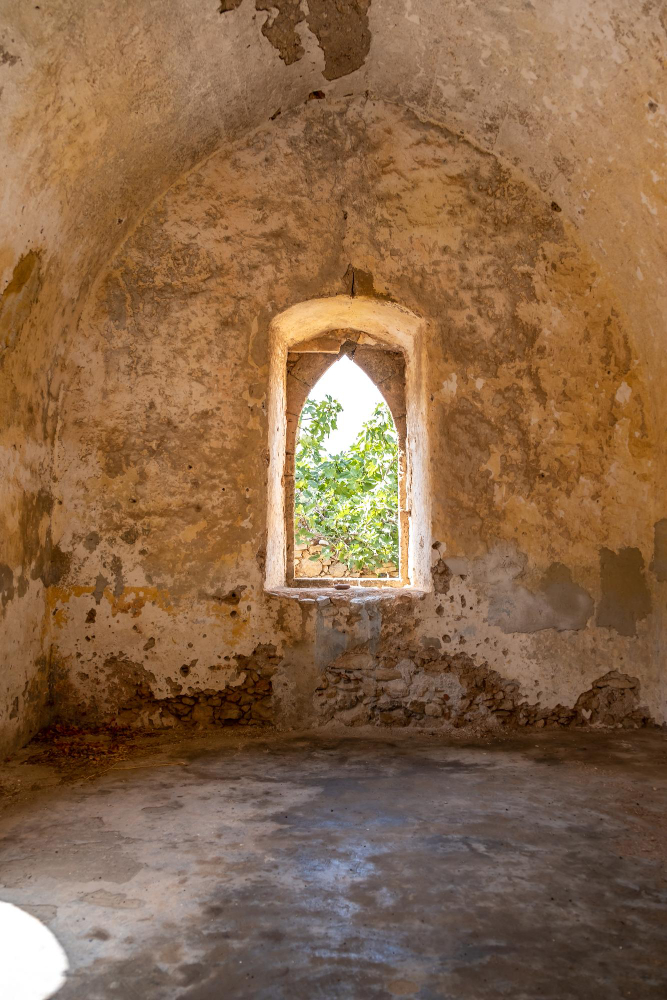
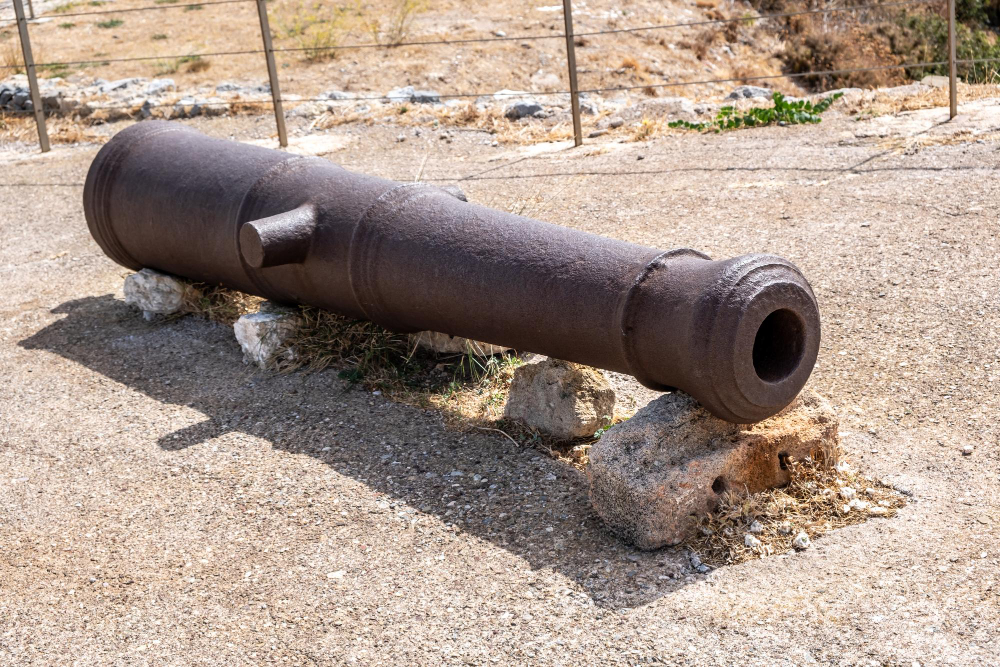
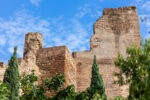
Architecture and structural features – Chora Castle is a typical fortification from the Venetian period, comprising a combination of defensive walls, towers and internal buildings. The complex is situated on a hill offering a sweeping view of the sea and the surrounding countryside – a strategically superior position that allowed enemies to be spotted at an early stage. Architecturally, the castle impresses with its massive stone walls, constructed largely from local limestone. Particularly striking are the tall, square towers, which were once equipped with cannons. The main entrance to the castle is still accessed today via a drawbridge, which formerly provided additional protection. Inside the complex lie the remains of residential buildings, storage areas and a small chapel, which reflect the spirit and daily life of the castle’s former inhabitants. The castle complex is well preserved, largely because it has been used, repaired and, in some cases, rebuilt repeatedly over the centuries. Today, both original architectural features and traces of later repairs can be seen.
The castle’s role in the island’s history – Kithira was a key location in the Mediterranean, significant not only economically but also culturally. The castle of Chora symbolised the power of the Venetian state and its influence over the northern waters of the Mediterranean. During the Ottoman expansion, the fortress played a key role in defending the island’s inhabitants and maintaining control under successive ruling powers. Over the centuries, Kithira was claimed on several occasions by various conquerors. In addition to the Venetians, the Ottomans and, later, the French and British also took an interest in the strategically located island. The castle of Chora was frequently subjected to artillery and siege fire – yet, despite several attacks, it was never completely destroyed or captured, a testament to its robust construction and its importance to the local population.
Legends and myths surrounding the castle – Like many ancient castles, numerous legends surround Chora Castle on Kithira. One particularly well-known tale concerns the ‘Prince’s Treasure’, which is said to be hidden in the castle’s dungeon. This tale has been passed down orally many times and has aroused the interest of treasure hunters; however, there is no documentary evidence for the existence of such a treasure. Another story tells of a mysterious maiden who saved the castle from destruction. According to legend, she appeared on a dark night and warned the defenders of an impending attack. This legend is often interpreted as a symbol of the island’s guardian spirit and forms part of local folklore.
Current Significance and Tourism – Today, Chora Castle on Kythira is one of the main attractions for visitors to the island. The viewing platforms atop the hill offer spectacular panoramic views stretching as far as the Peloponnese, Crete and the open sea. Many tourists appreciate the combination of historical experiences and the picturesque surroundings of the site. Archaeological research is carried out regularly to uncover further details about the castle’s construction phases and its use. The Greek Department of Cultural Heritage is working intensively to preserve the site and safeguard it for the future. Kithira itself is benefiting from the growing interest in cultural and historical attractions and is striving to maintain a balance between tourism and nature conservation. The careful management of the castle helps to keep history alive whilst preserving the atmosphere of an almost forgotten place.
The castle of Chora on Kithira is more than just a ruin on a hill – it is a living monument to an eventful history, surrounded by legends and set within a stunning landscape. Its history reflects the complex interactions between different cultures and powers in the Mediterranean region and offers visitors a fascinating link to the past. The careful conservation and research into the castle ensure that future generations will continue to discover the secrets and beauty of this unique place. Anyone visiting Kithira should definitely plan a detour to Chora Castle – an unforgettable experience for history buffs and romantics alike.