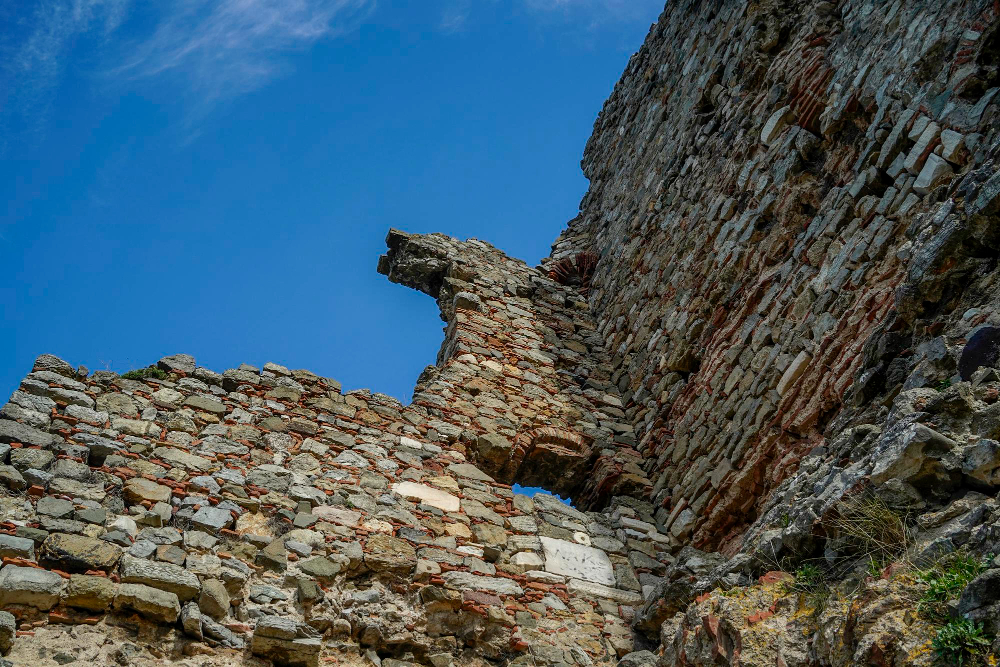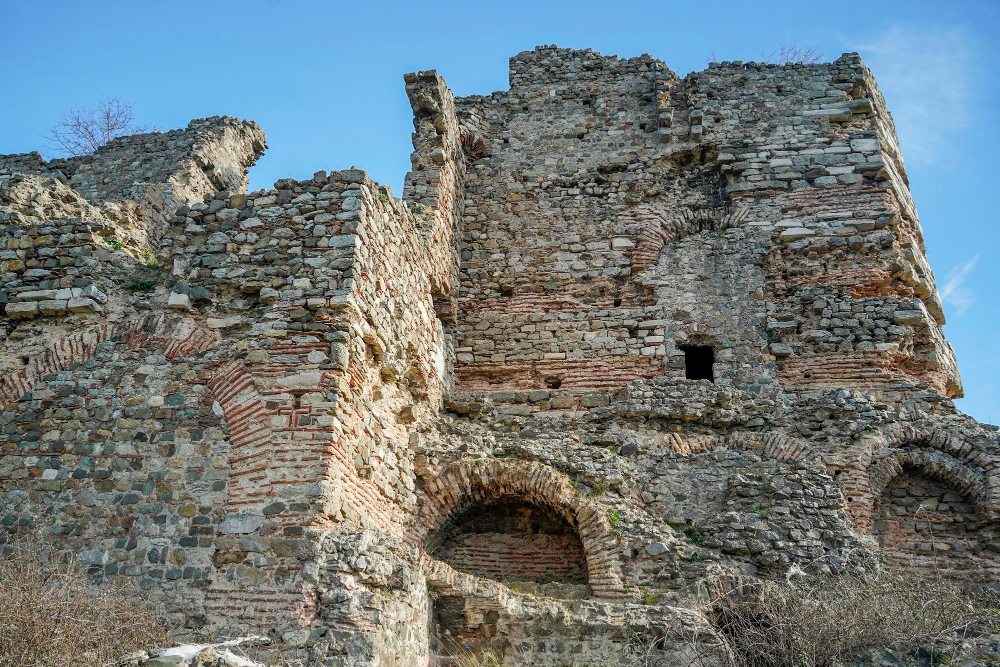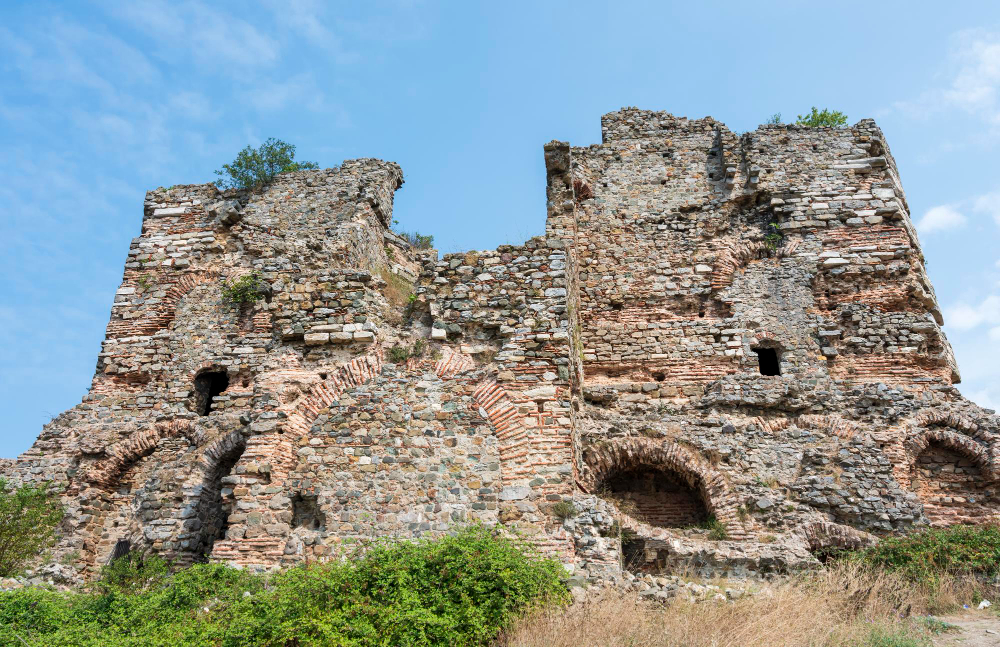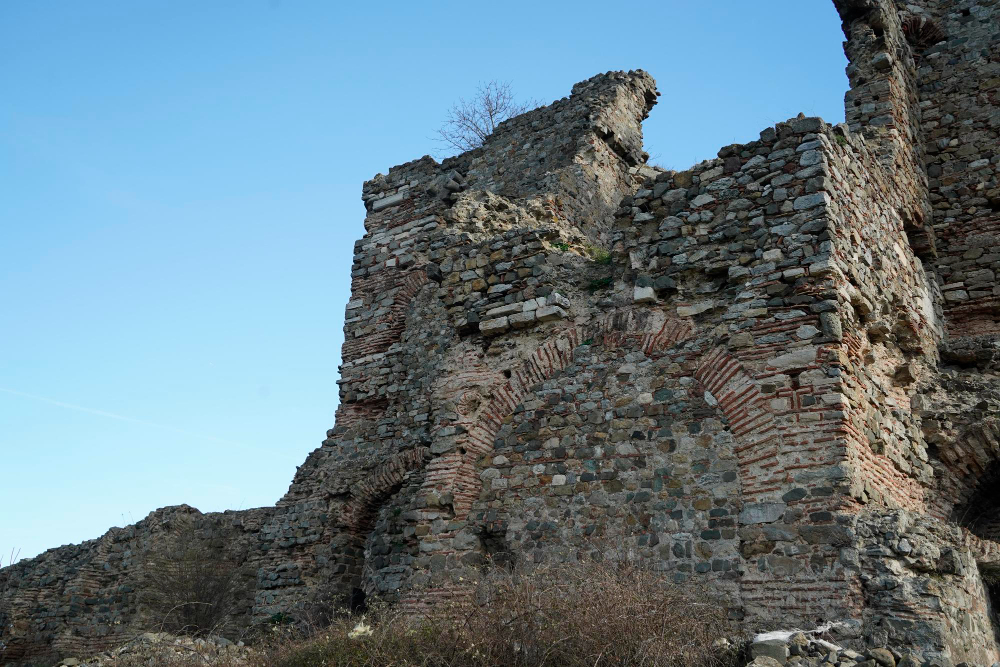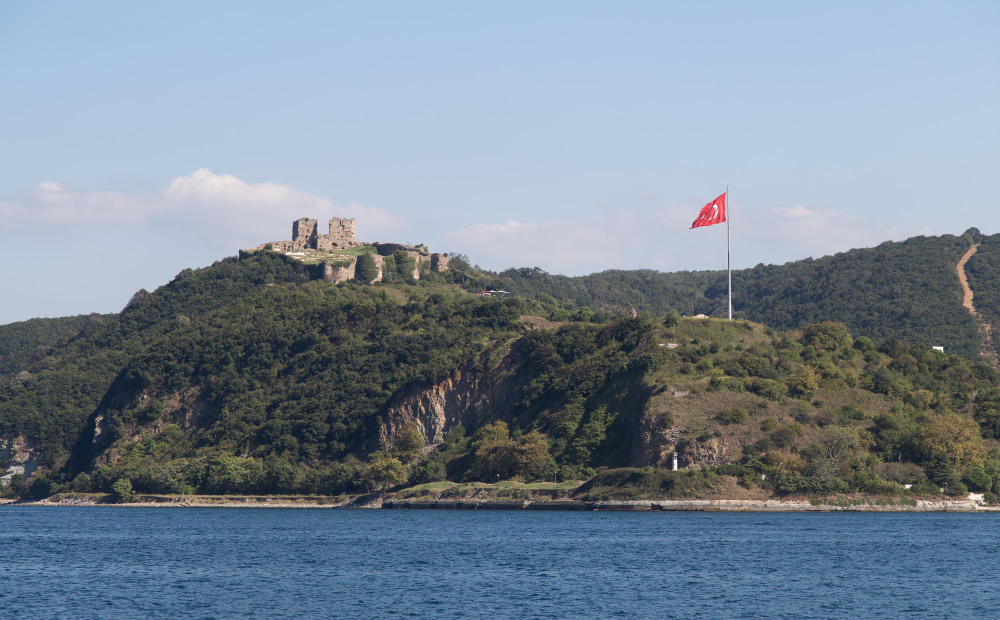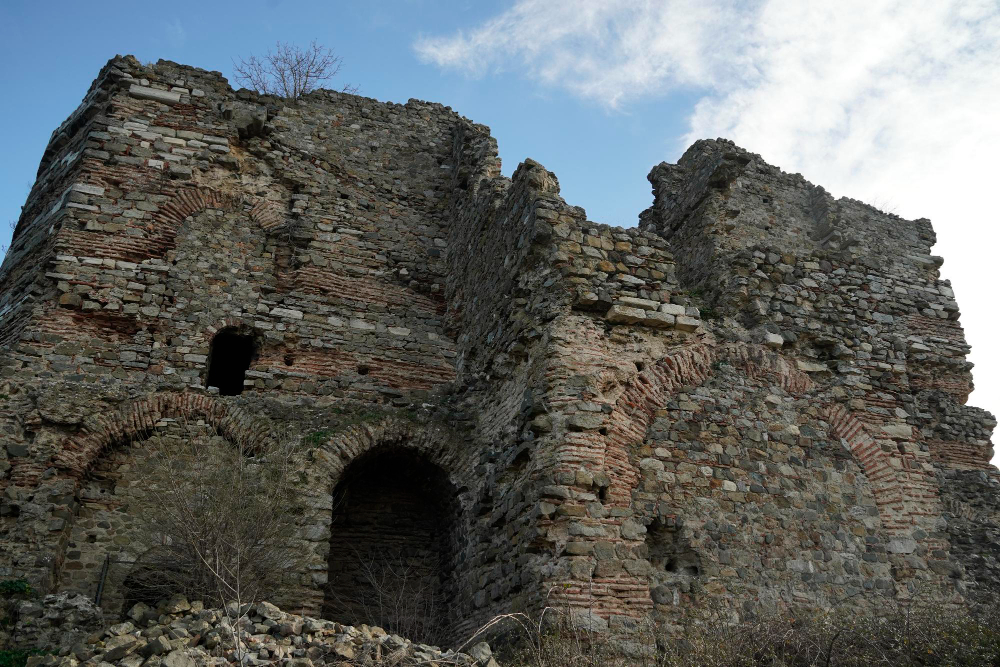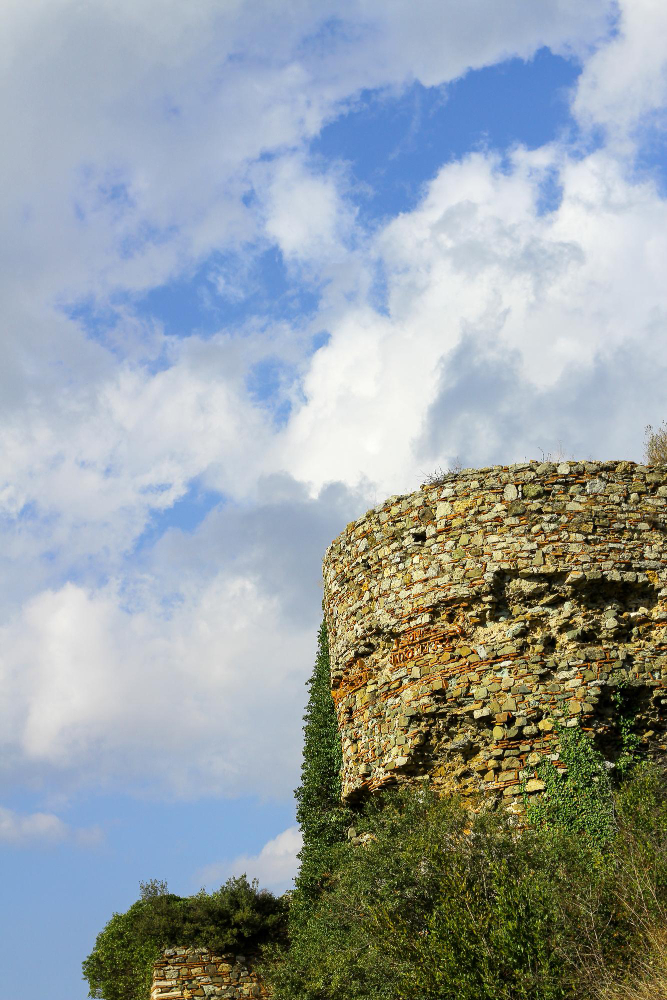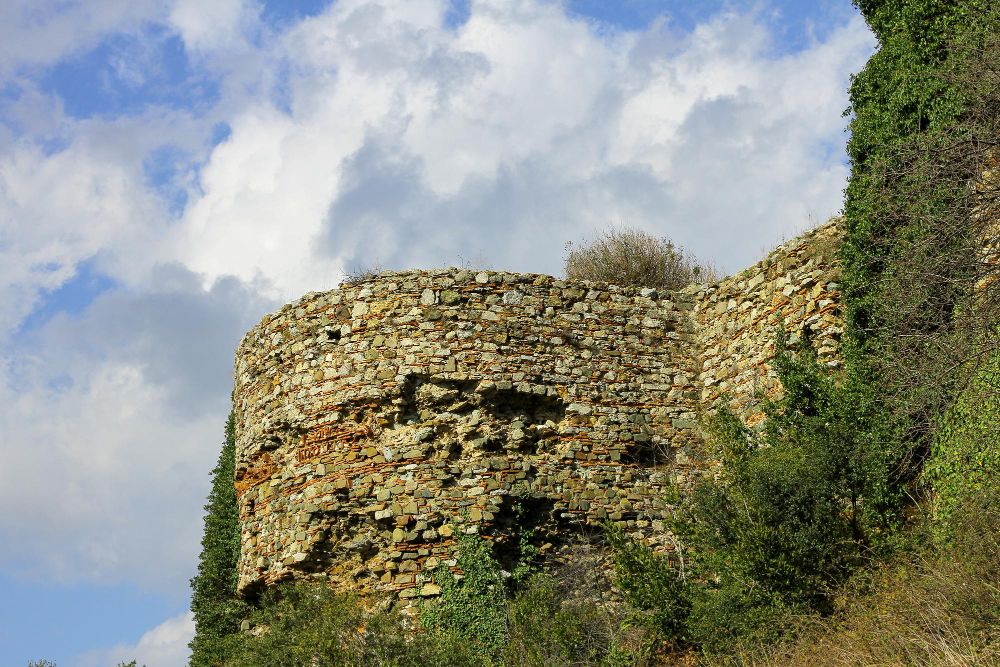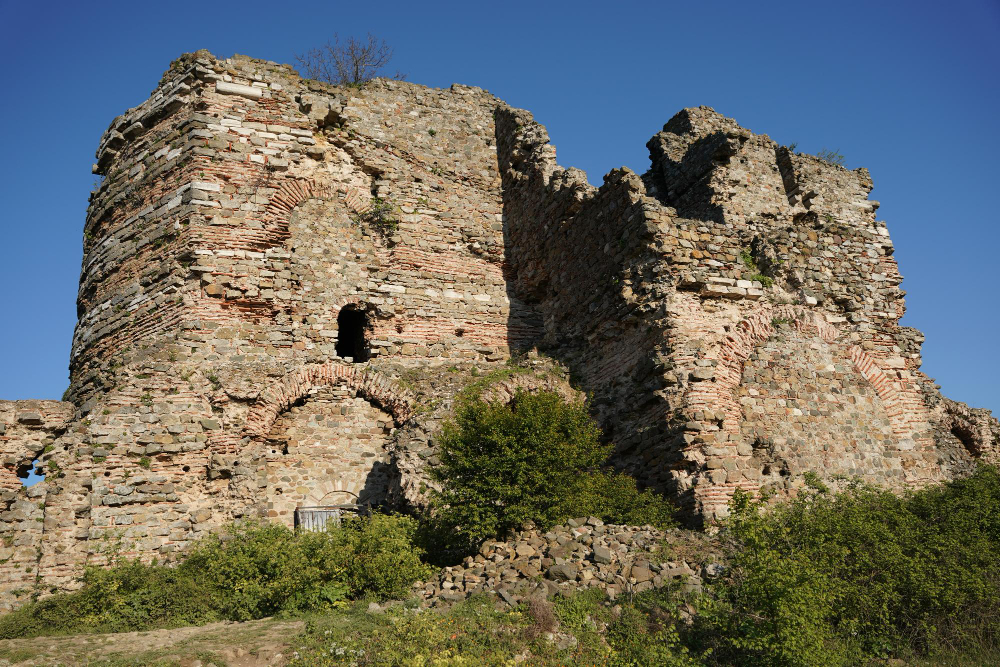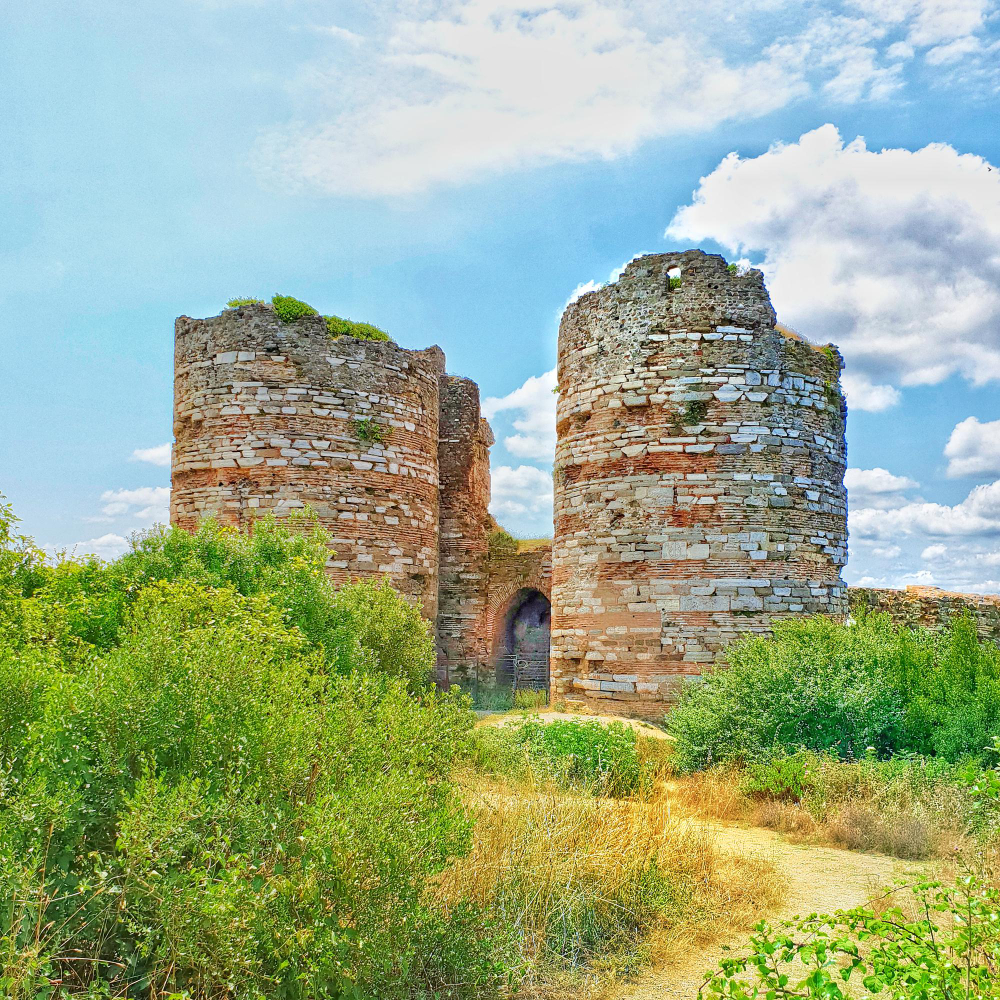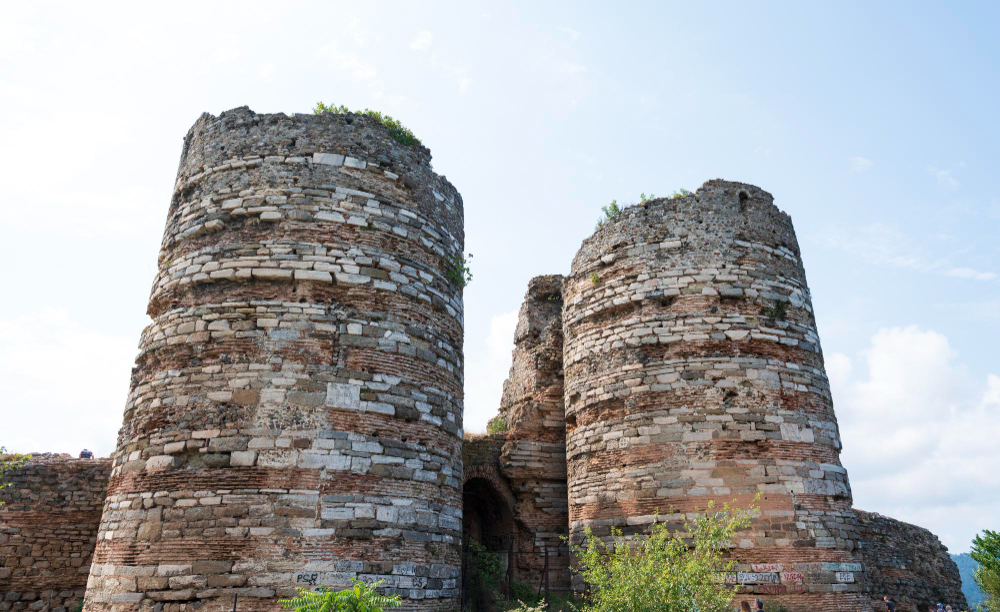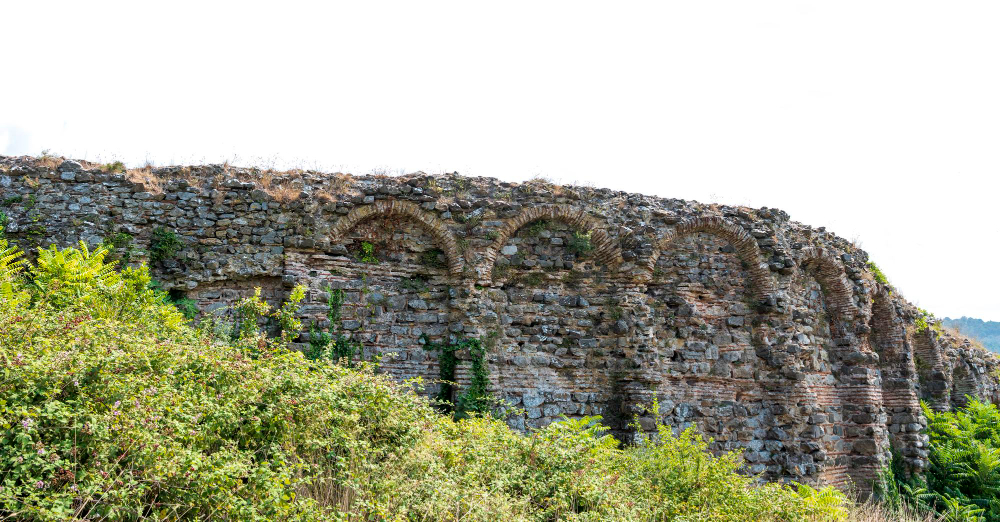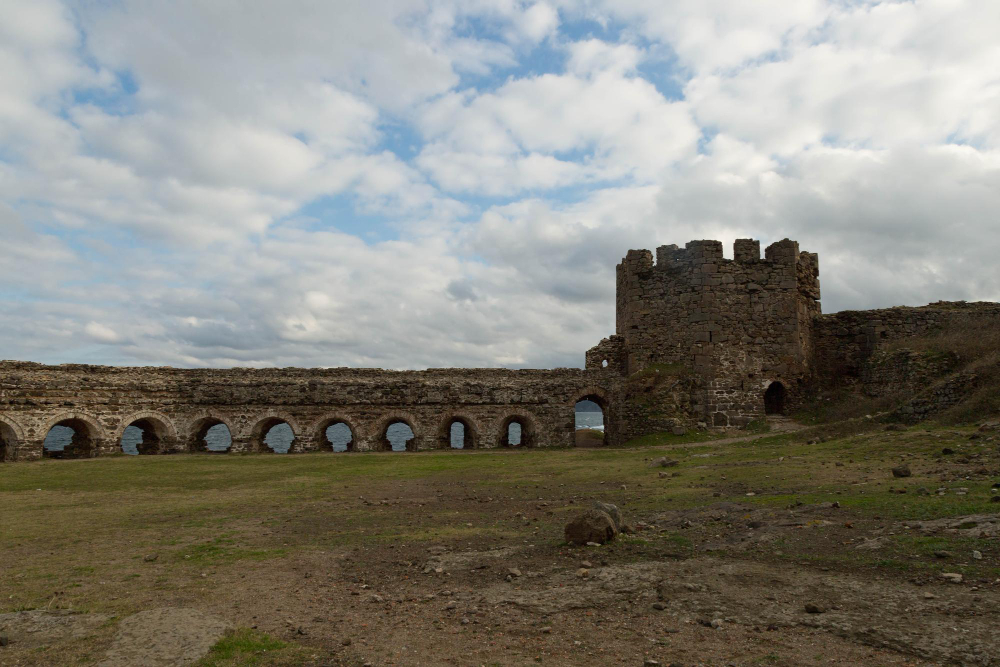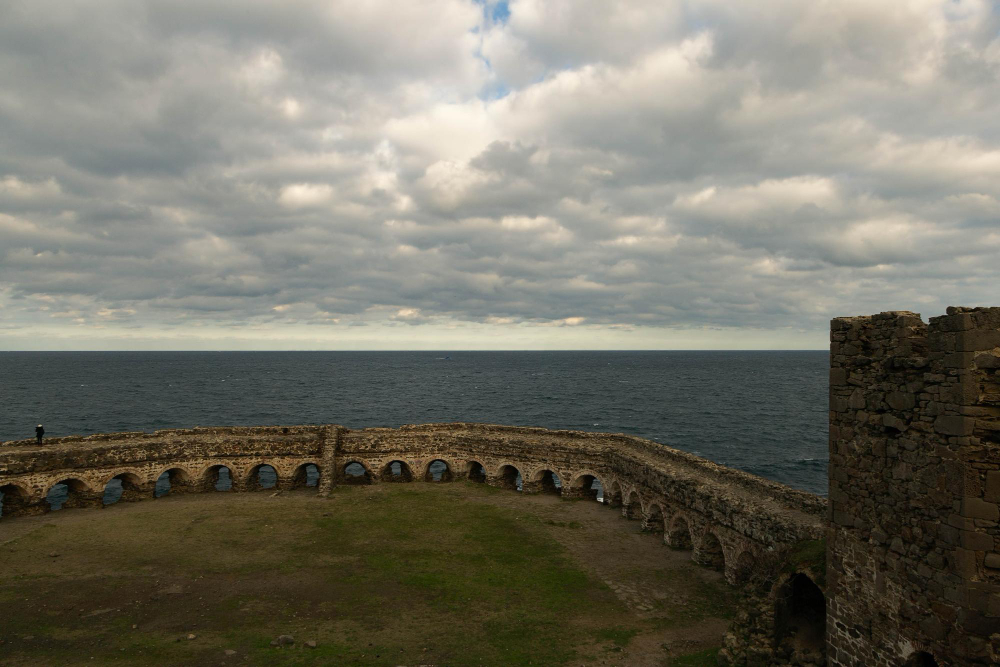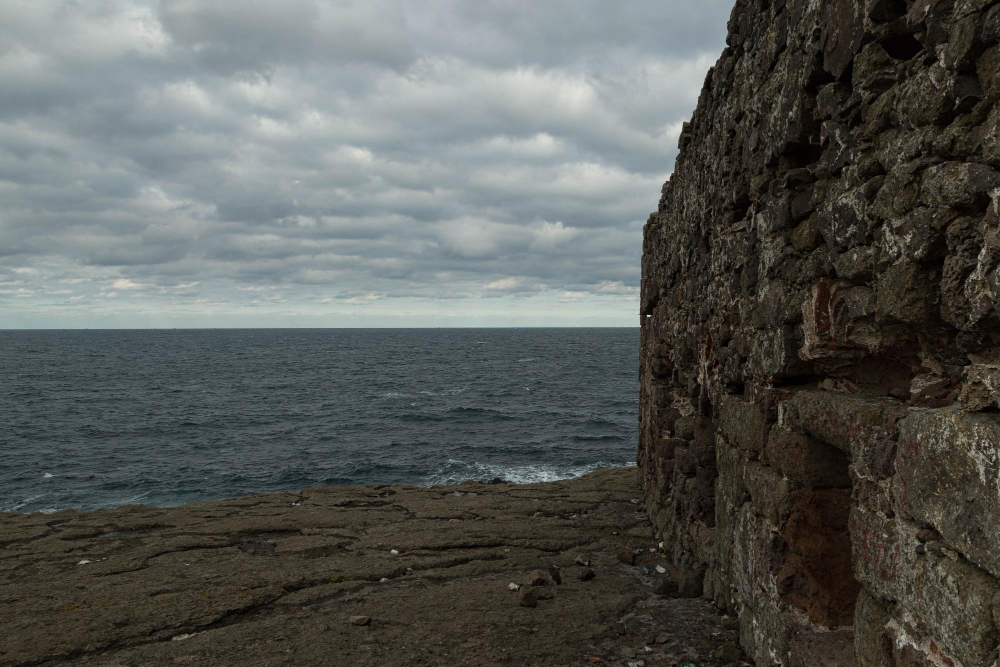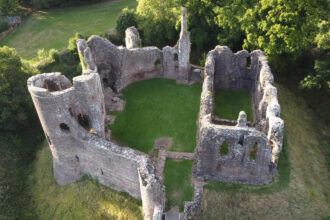

On the northern shore of the Bosphorus, where it meets the Black Sea, the ruins of one of Istanbul’s most fascinating fortresses are perched on steep cliffs: Yoros Kalesi, also known as the ‘Genoese Castle’. Nestled above the small fishing village of Anadolu Kavağı in the Beykoz district, this site tells a story of millennia of strategic power, historical upheavals and cultural diversity. The fascination of Yoros Kalesi lies not only in its imposing location, but also in its eventful history, which spans from ancient Greek settlements to the conflicts between the Byzantines, Genoese and Ottomans.
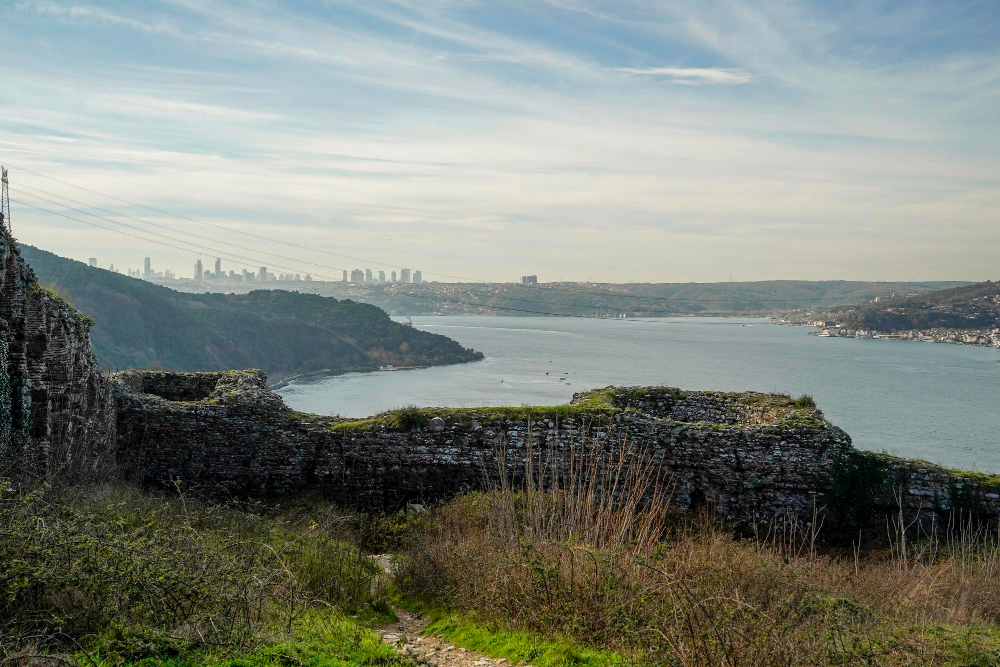
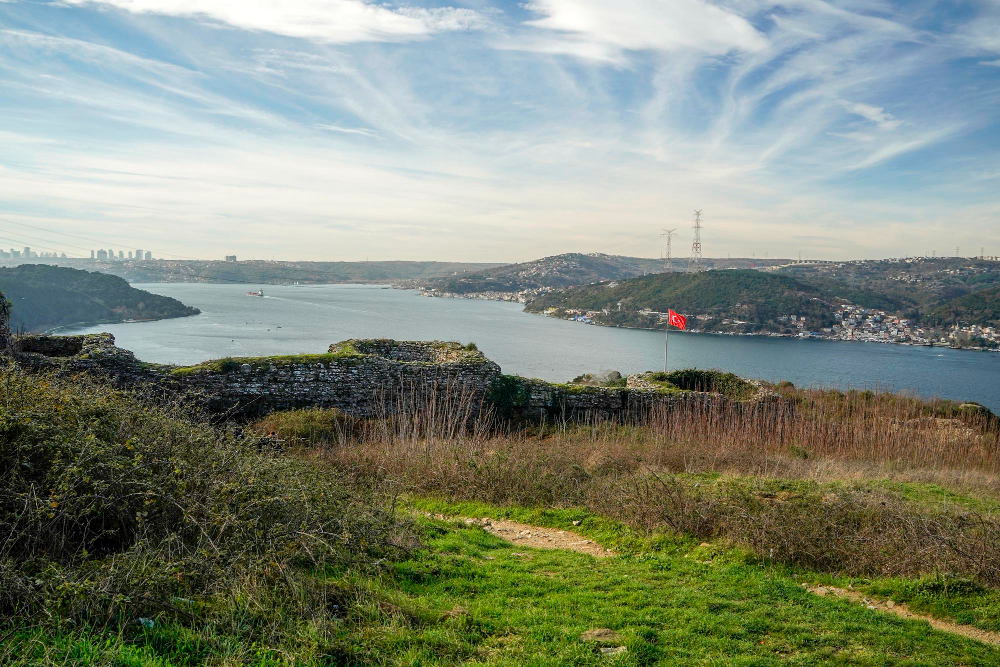
Geographical Features – Guardian of the Sea Lanes – The topographical location of Yoros Kalesi is unique and lends it its great military significance. Perched on a steep hill, the castle overlooks the narrowest point of the Bosphorus, where it flows into the Black Sea. Directly opposite, on the European side, lies Rumeli Kavağı, which was also once fortified. Together, these two castles formed a strategic checkpoint for shipping on this vital waterway linking Europe and Asia. The surrounding landscape is characterised by rugged cliffs and densely wooded slopes, which make access to the coast difficult. Thanks to these natural defences, the fortress was difficult to capture and, at the same time, controlled one of the most important maritime trade and military routes. Today, Yoros Kalesi offers an impressive panoramic view of the Bosphorus, its mouth where it flows into the Black Sea and, since 2016, the majestic Third Bosphorus Bridge, which provides a new link between the continents here.
Ancient Roots: From the Phoenicians and Greeks to the Byzantine Fortress – The origins of the site stretch far back, long before the mighty empires of the Middle Ages emerged here. Archaeological finds show that Phoenician traders and Greek colonists were already making use of this strategically important location. The Greeks called the area ‘Hieron’, meaning ‘sacred place’ – a reference to its religious and cultural significance. Remains of several pre-Roman temples have been discovered here, including sanctuaries dedicated to the god Zeus Ourios, the patron of favourable winds, and the Altar of the Twelve Gods, a central place of worship in ancient Greece. These sites highlight the long spiritual and cultural tradition that preceded the area. As part of the Byzantine Empire, Yoros was fortified and expanded time and again over the centuries. It was during the reign of the Palaiologos, the last Byzantine dynasty, that the castle reached the height of its military significance. A distinctive defensive feature was a massive chain which, in times of danger, could be stretched between the fortresses of Yoros and Rumeli, thereby blocking maritime traffic – a principle also employed at the famous Golden Horn to protect the capital, Constantinople, from enemy fleets.
Medieval Power Struggles: Byzantines, Genoese and Ottomans – The history of Yoros Kalesi is one of changing rulers, sieges and political strife. As early as 1305, the castle fell to the Ottomans for the first time, as they began to expand their empire. However, the Byzantines were soon able to recapture the site. In the late 14th century, Yoros once again became the centre of wars and sieges: Sultan Bayezid I captured the castle in 1391 to use it as a base from which to make preparations for the planned conquest of Constantinople. Interestingly, Yoros played a key role in the construction of Anadolu Hisarı, another heavily fortified complex further downstream, which ultimately made the capture of Constantinople in 1453 possible. In 1399, the Byzantines made another unsuccessful attempt to recapture Yoros; in the process, the neighbouring village of Anadolu Kavağı was completely burnt to the ground. From 1414 to around 1453, the Genoese managed to occupy the castle. This left a lasting impression in popular culture, with the result that Yoros is still frequently referred to as the ‘Genoese Castle’ today. However, following the Ottoman conquest of Constantinople by Sultan Mehmed II, the threat posed by this Genoese presence was swiftly eliminated. The Sultan had the fortifications reinforced, a customs post erected and a mosque built within the walls, which was later extended by Bayezid II.
The Ottoman Era: Defence against Pirates and Decline – In the 17th century, Yoros once again became strategically important when the Cossacks from Ukraine, with their fast boats, carried out regular raids along the Bosphorus. In 1624 in particular, a fleet of 150 Cossack kayaks landed and threatened the coastal villages. Sultan Murad IV responded by further reinforcing Yoros and the surrounding area, which helped to effectively protect the region from future attacks. In the 18th century, it was once again Ottoman rulers such as Osman III and Abdülhamid I who restored the fortress and erected additional watchtowers. However, despite these efforts, Yoros gradually lost its importance as military strategies and centres of political power shifted. By the time the Republic of Turkey was founded in 1923, the castle had already been abandoned and left to fall into disrepair.
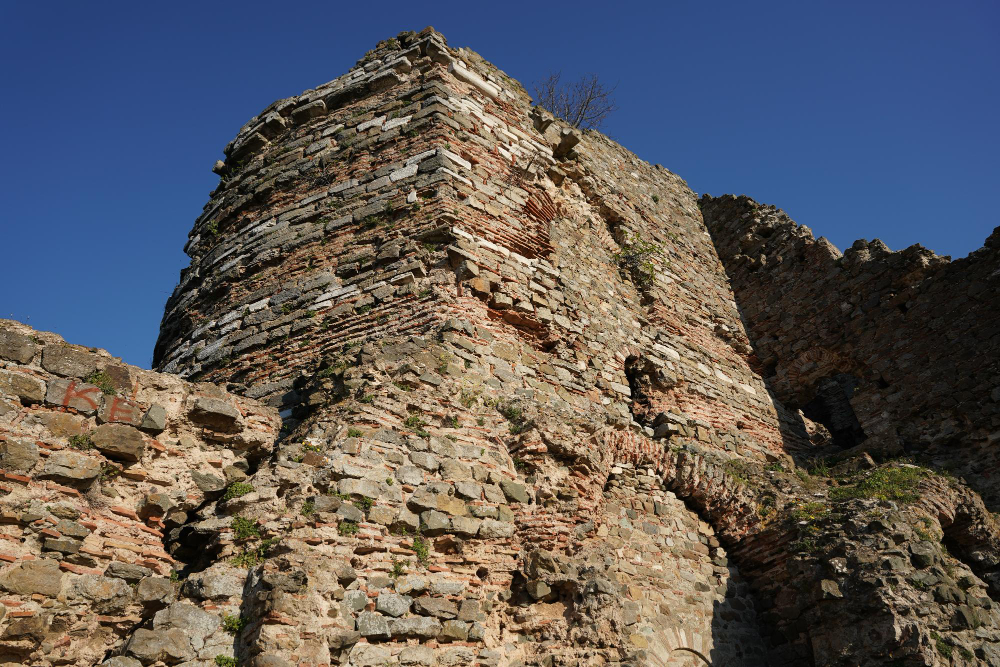
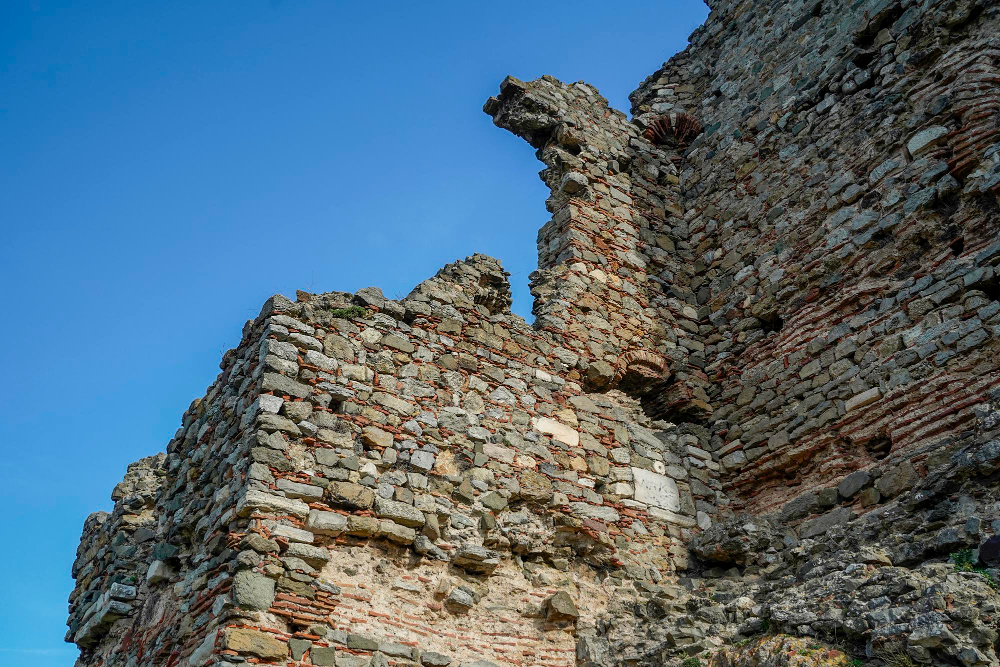
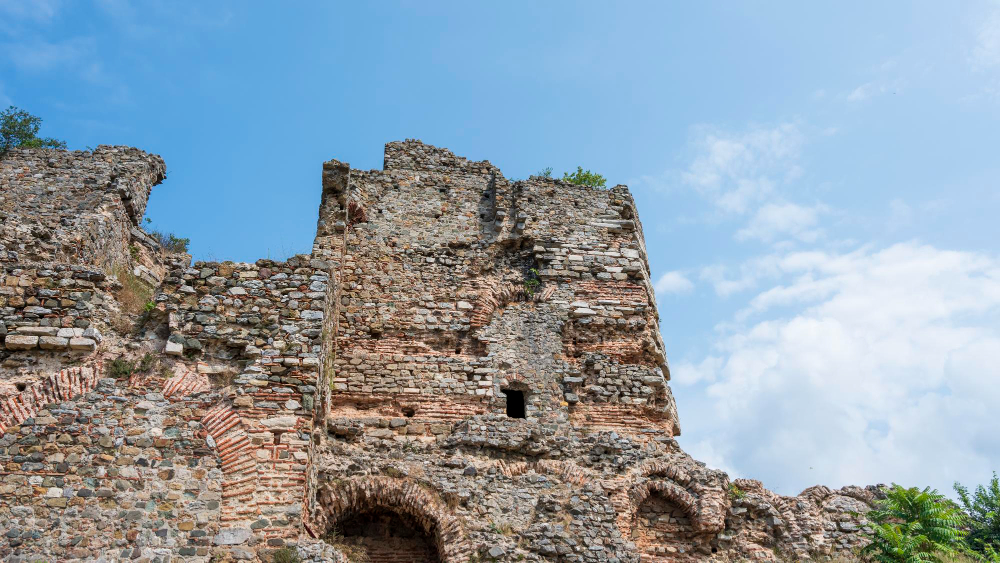
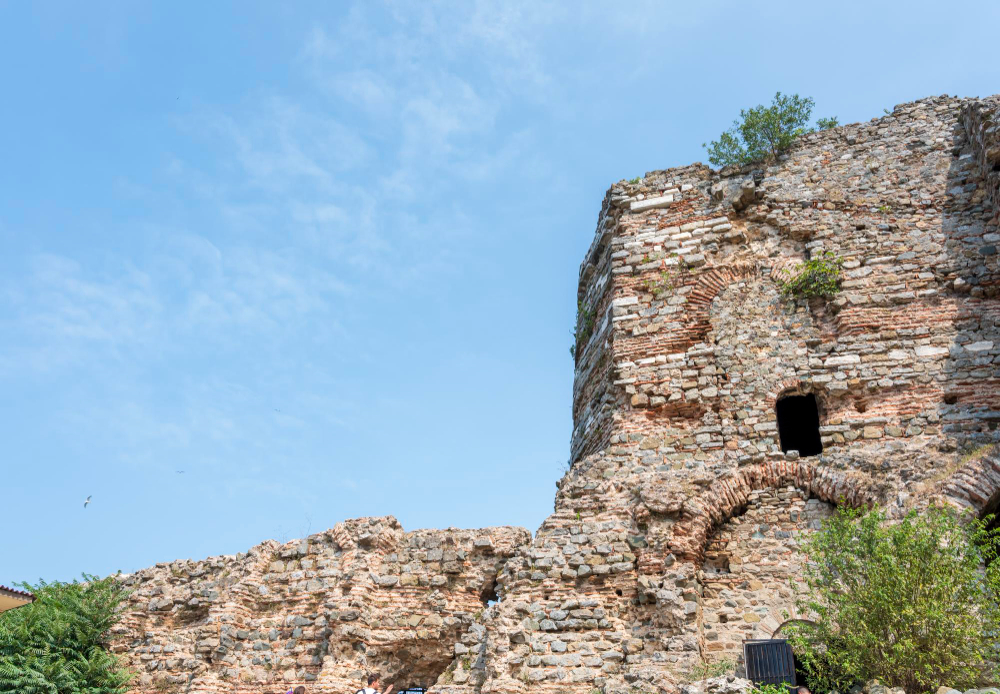
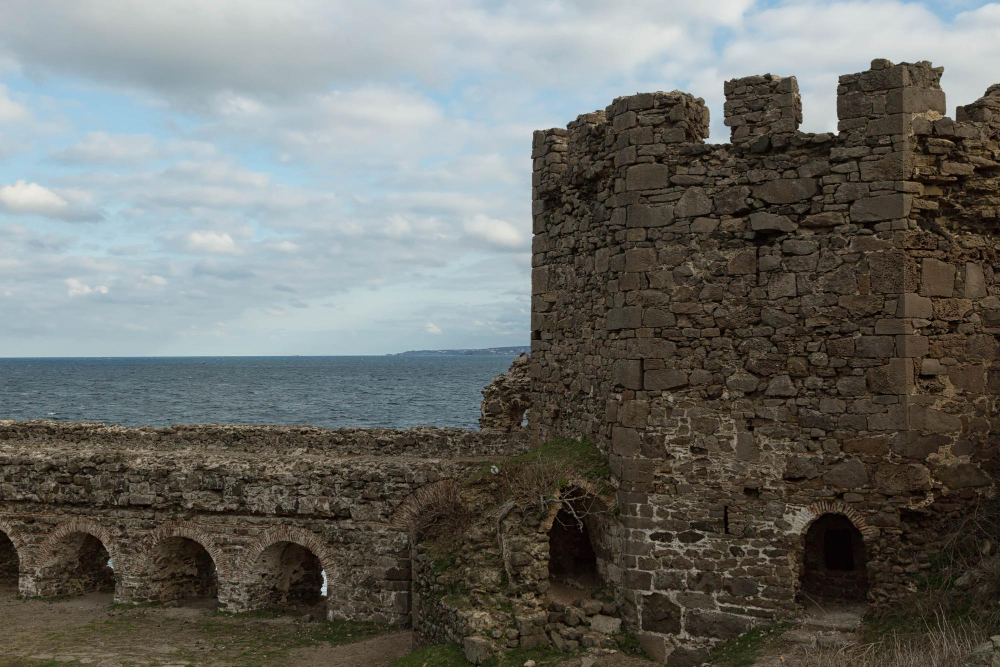
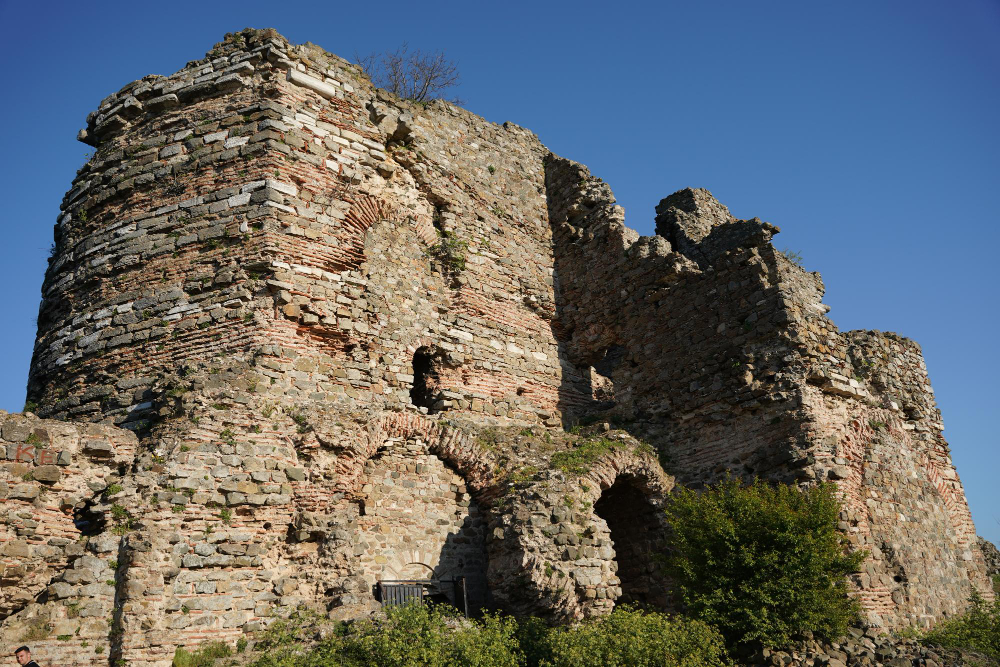
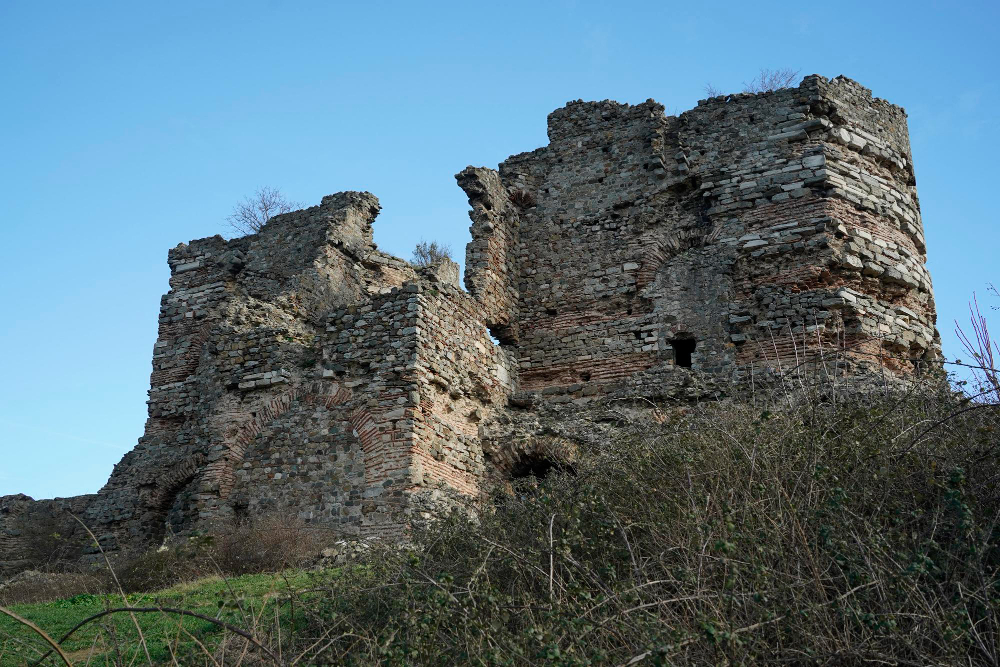
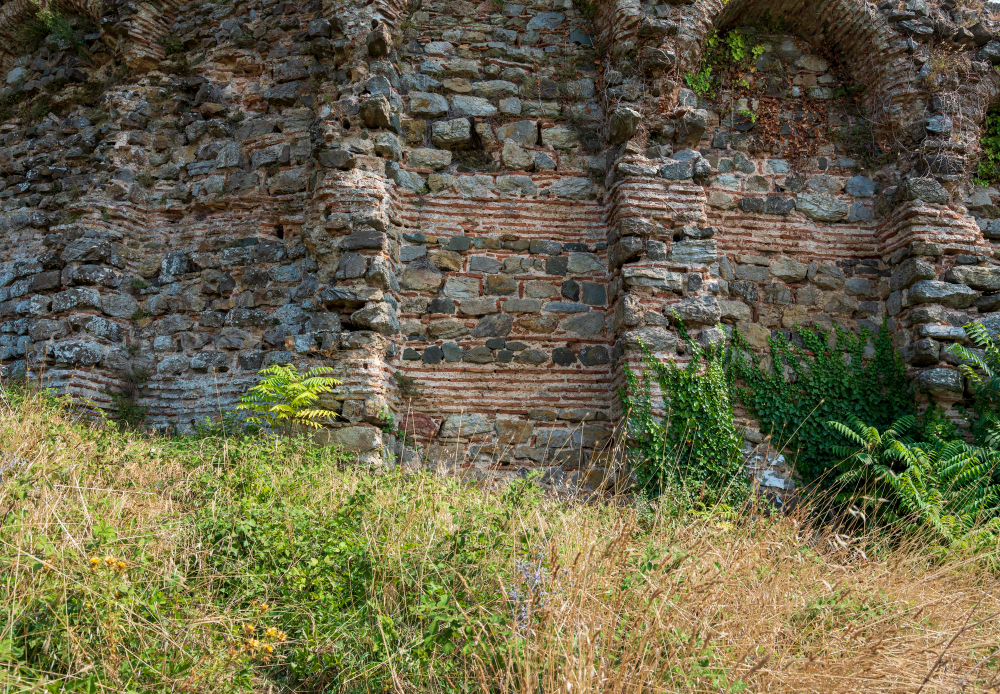
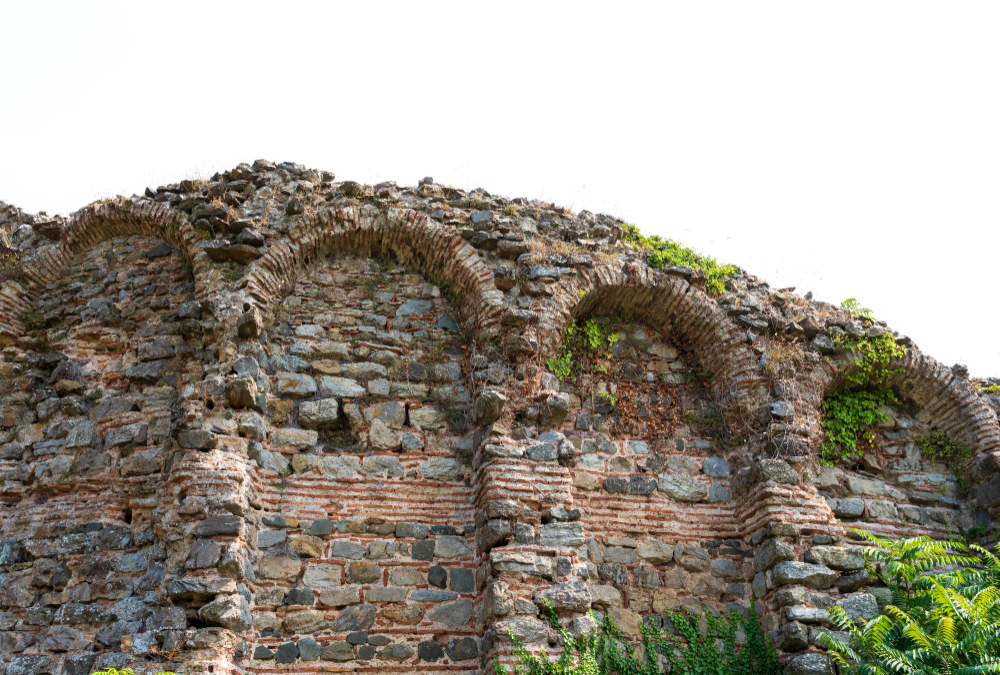
Yoros Castle today: ruins steeped in history and a tourist magnet – Today, Yoros Kalesi is a popular destination for visitors to Istanbul wishing to explore the city’s history. The ruins of the castle walls, gates and cisterns still bear witness to its former splendour and strategic importance. Particularly impressive are the preserved Greek inscriptions on the walls and the coat of arms of the Palaiologos dynasty, which bear witness to the former Byzantine splendour. Extensive archaeological excavations took place between 2018 and 2021, yielding new insights into the construction and use of the site. Today, the castle is open to the public, although some areas are off-limits due to their use by the Turkish military. The small neighbouring village of Anadolu Kavağı, with its traditional fish restaurants and small shops, invites visitors to enjoy the regional cuisine and hospitality after exploring the ruins. From Yoros, there are also spectacular walks along the coast and to other historic sites.
A testament to an eventful history high above the Bosphorus – Yoros Kalesi is more than just a ruin – it is a living testament to the diverse cultures, power struggles and religious beliefs that have shaped the Bosphorus over millennia. From the first Phoenician traders, through the glorious rulers of the Byzantine Empire and the Genoese trading power, to the Ottoman sultanates – every era has left both visible and invisible traces. The castle symbolises the strategic importance of the Bosphorus as a link between two continents, a boundary between two worlds and a stage for great historical events. For today’s visitor, it offers not only an insight into times gone by, but also a breathtaking view across one of the world’s most fascinating waterways.