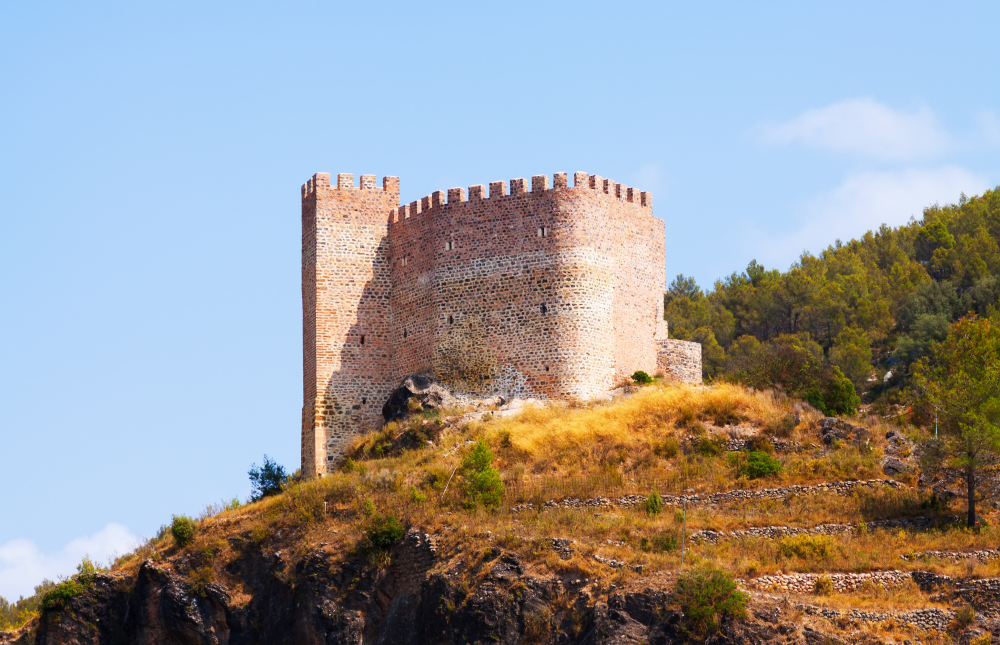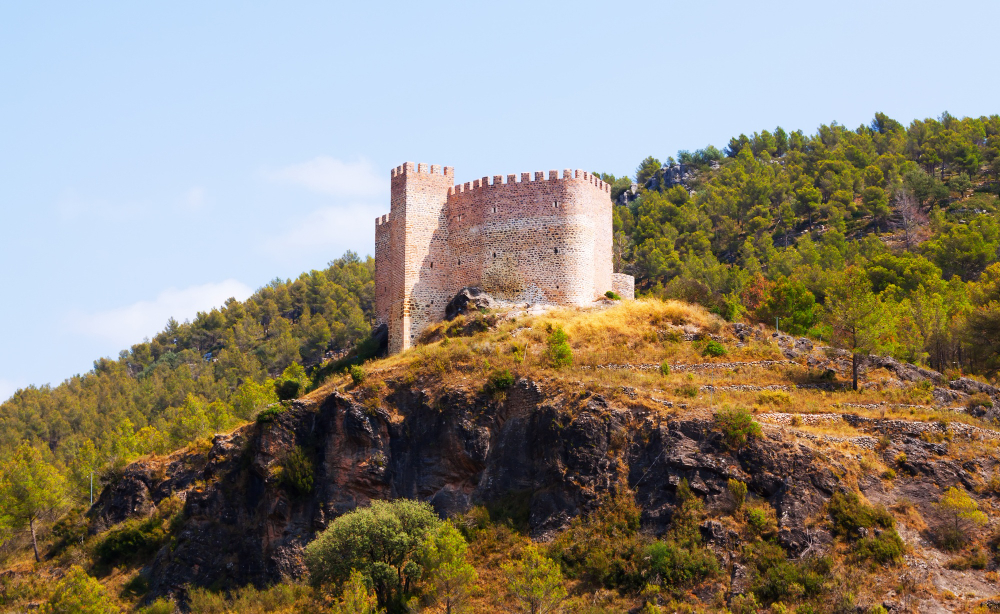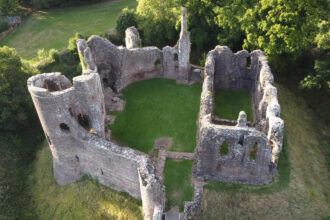

Nestled in the heart of the Valencian Community, the Castle of Gaibiel stands as a silent sentinel over the rolling landscapes of Castellón province. This fortress, steeped in centuries of history, whispers tales of conquest, resilience, and cultural fusion. While stone and mortar form its tangible structure, the castle’s true essence lies in the stories etched into its walls—a mosaic of historical events and local legends that have shaped the identity of Gaibiel and its surroundings.
Origins and Strategic Importance – The Castle of Gaibiel owes its origins to the medieval period when the Iberian Peninsula was a battleground of cultures and kingdoms. Constructed during the era of Islamic rule in Spain, the fortress likely dates back to the 10th or 11th century. Its location is no coincidence; perched strategically atop a hill, it commands expansive views over the surrounding territory, offering both defense and control over vital routes connecting the interior of the Iberian Peninsula with the Mediterranean coast. During the Reconquista — the centuries-long series of campaigns by Christian states to reclaim territories from Muslim rulers — castles such as Gaibiel were instrumental in consolidating power. After the Christian conquest of the region in the 13th century, the castle continued to be a military stronghold, evolving architecturally to meet changing defense needs.
Architectural Features – Though time has weathered much of the Castle of Gaibiel, remnants of its robust construction remain visible, telling tales of its former grandeur. The fortress is characterized by its rectangular layout, typical of Islamic military architecture in the region. The walls, constructed from local limestone, are thick and imposing, designed to withstand sieges and assaults. Notable features include remnants of watchtowers and battlements that once provided vantage points for sentinels safeguarding against invaders. While parts of the castle have succumbed to the ravages of time and human neglect, restoration efforts have been undertaken in recent decades to preserve what remains.
Gaibiel’s Place in Historical Context – To understand the castle’s significance, one must appreciate the broader historical tapestry of the Valencian Community during the Middle Ages. The arrival of the Moors in the 8th century introduced new cultural and technological influences to the Iberian Peninsula. Fortifications like Gaibiel were part of a defensive network protecting the valuable agricultural and trade centers inland. Following the Christian reconquest led by King James I of Aragon in the 13th century, the region underwent significant transformation. The Castle of Gaibiel became an administrative center and a symbol of Christian authority. Over subsequent centuries, it witnessed minor conflicts and served various roles—military outpost, noble residence, and even a refuge for local populations during times of unrest.
Legends and Folklore -Beyond its physical and historical attributes, the Castle of Gaibiel is also enveloped in local lore, enriching its mystique. One pervasive legend speaks of a hidden chamber within the castle walls, rumored to hold treasures left behind by the Moors before their retreat. According to oral tradition, brave souls who ventured near this chamber at night heard ghostly whispers and mysterious sounds, believed to be the restless spirits guarding the riches. Another tale relates to a noblewoman associated with the castle, said to have heroically defended Gaibiel during a surprise attack. Known locally as “La Dama de Gaibiel” (The Lady of Gaibiel), she allegedly rallied the defenders and struck a deal with the invaders, saving the town from destruction. While historical documentation of her existence is scant, her story has become a cherished part of Gaibiel’s cultural heritage, celebrated in festivals and communal storytelling.
The Castle Today: Preservation and Cultural Significance – Despite its partial ruinous state, the Castle of Gaibiel continues to captivate historians, archaeologists, and visitors alike. It embodies a tangible connection to the Valencian Community’s layered past, representing the mingling of Islamic and Christian influences that characterize much of Spain’s history. Local authorities and cultural organizations have recognized the castle’s value, initiating conservation projects to stabilize remaining structures and enhance accessibility. These efforts not only aim to protect the site but also to promote cultural tourism, fostering economic development in the region while educating visitors about the historical narrative encapsulated by the fortress. Moreover, the castle is integrated into broader heritage trails, linking it with other significant monuments in Castellón province. This network offers immersive experiences, allowing tourists to explore the architectural evolution of fortifications, understand military strategies of the medieval period, and appreciate the natural beauty of the surrounding landscape.
A Living Monument to Time and Tradition – The Castle of Gaibiel is more than just relics of stone atop a hill—it is a living monument bearing witness to the tides of history that have shaped the Valencian Community. From its inception under Islamic rule, through the pivotal moments of the Reconquista, to its role in local folklore, the castle encapsulates a rich legacy. Efforts to preserve and promote the site ensure that its stories will continue to inspire future generations. Visitors who climb its rugged paths and peer through ancient battlements are invited not only to admire architectural ingenuity but also to immerse themselves in the myriad tales woven into its fabric. In the broader narrative of Spain’s historical landscape, Gaibiel stands as a testament to resilience, cultural synthesis, and the enduring power of place-based memory. For historians, travelers, and locals alike, the castle remains a beacon illuminating the past from which the present continues to evolve.