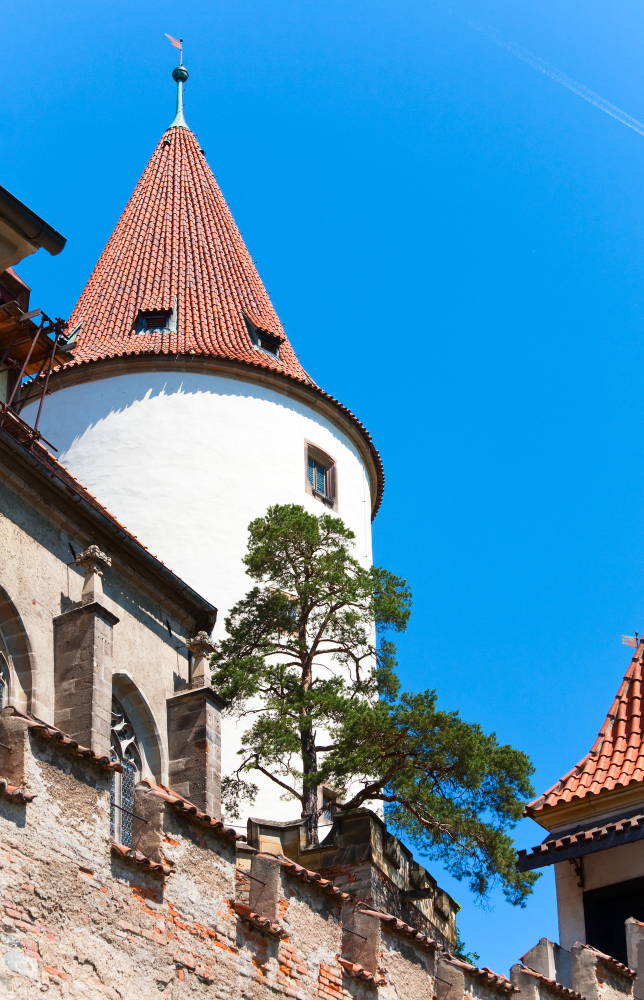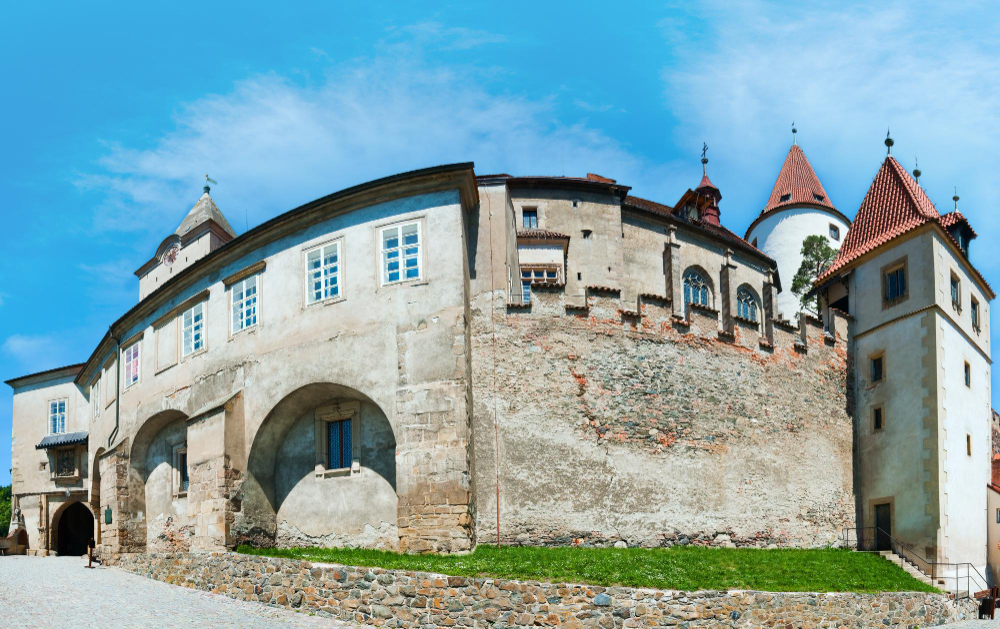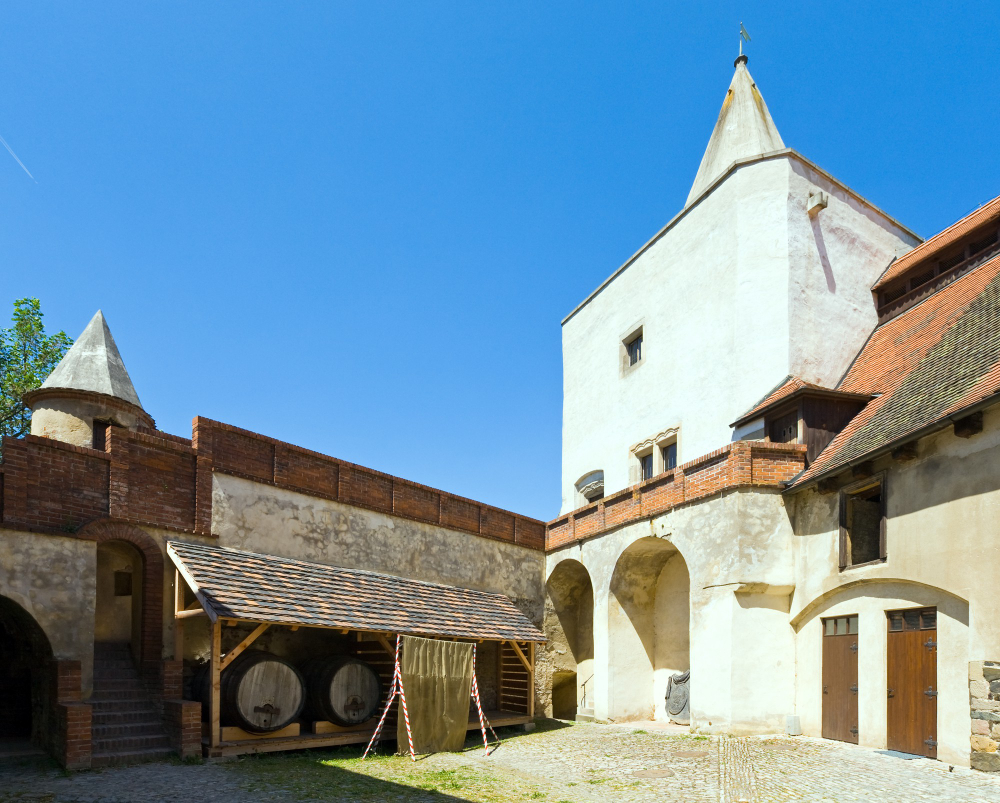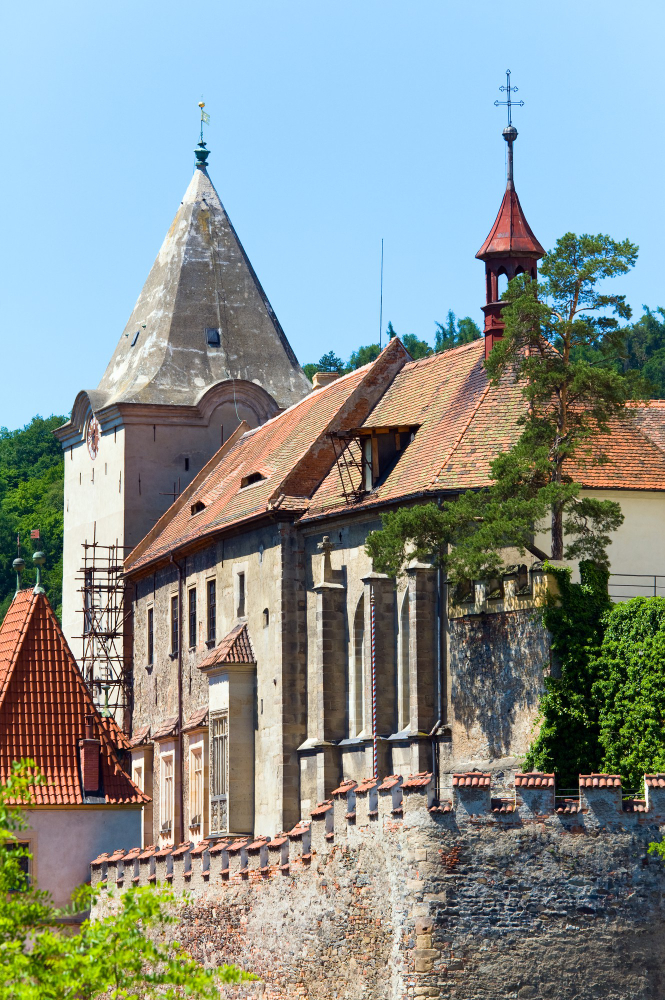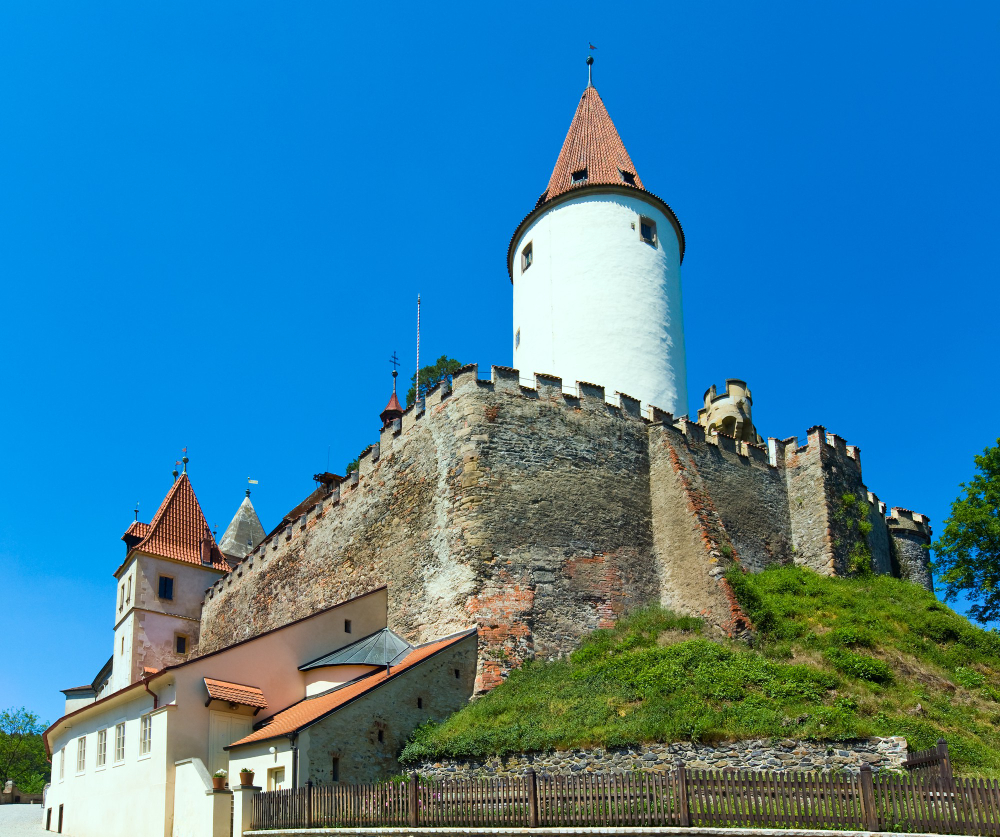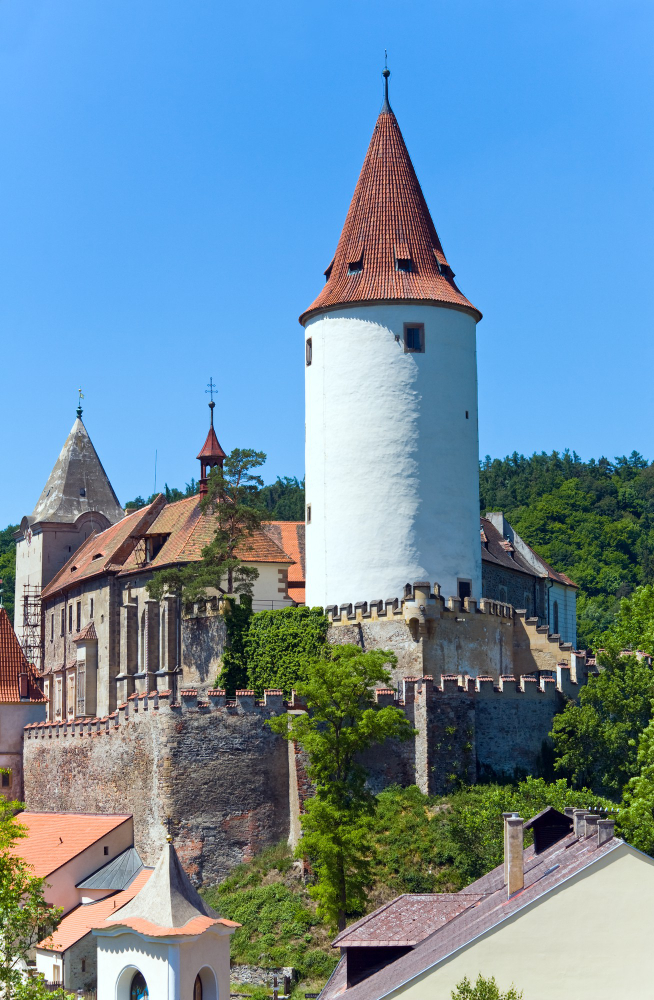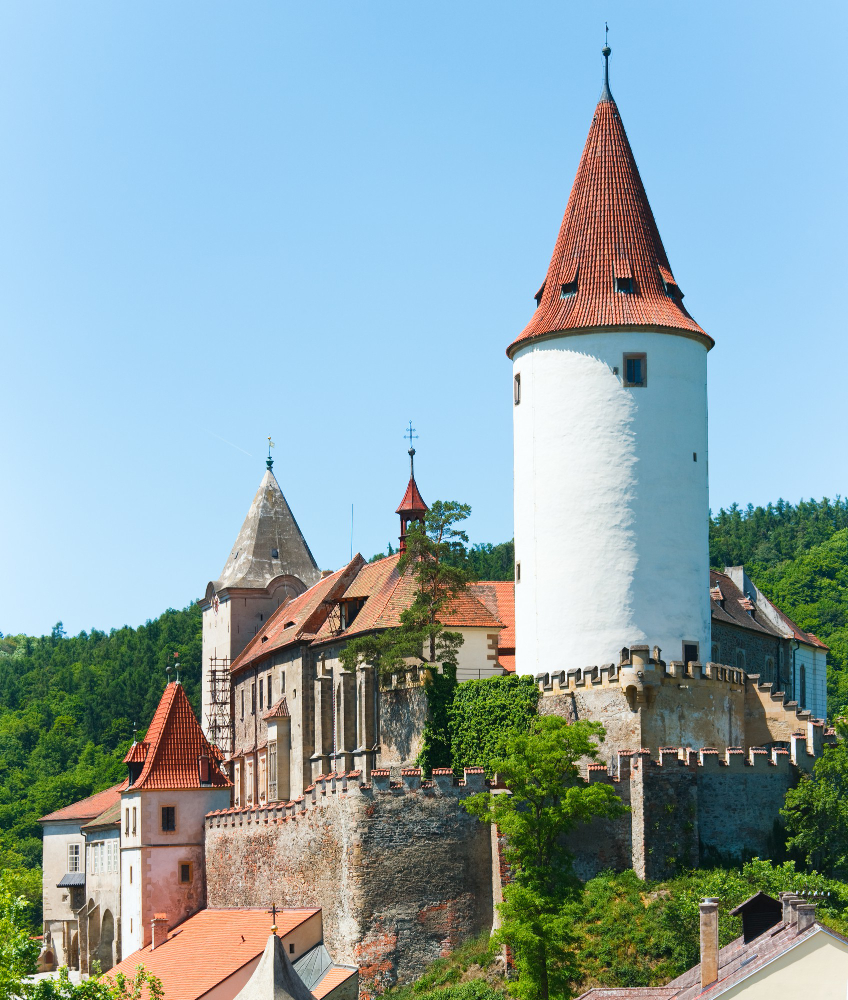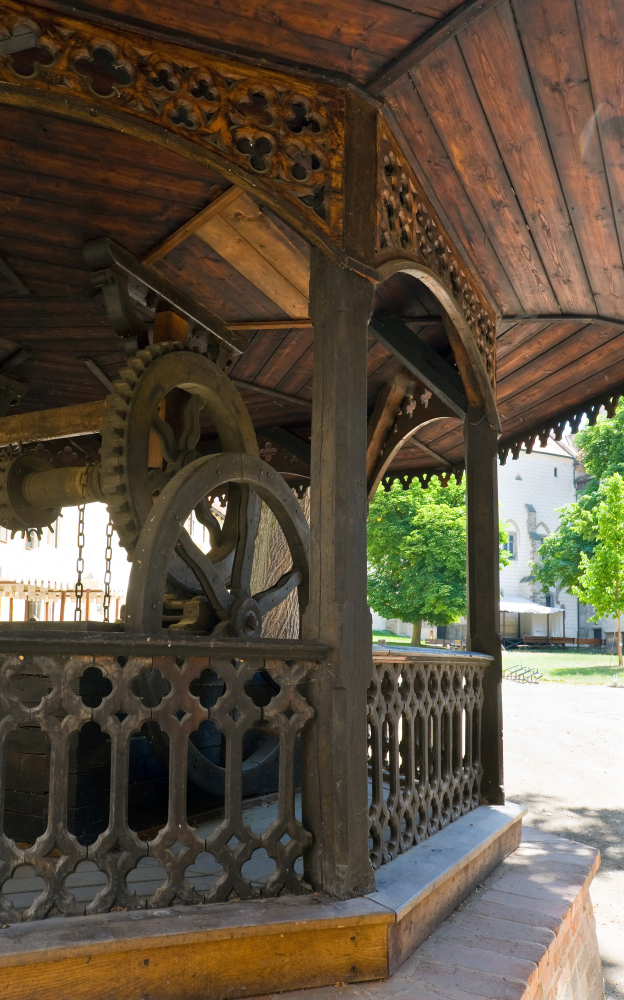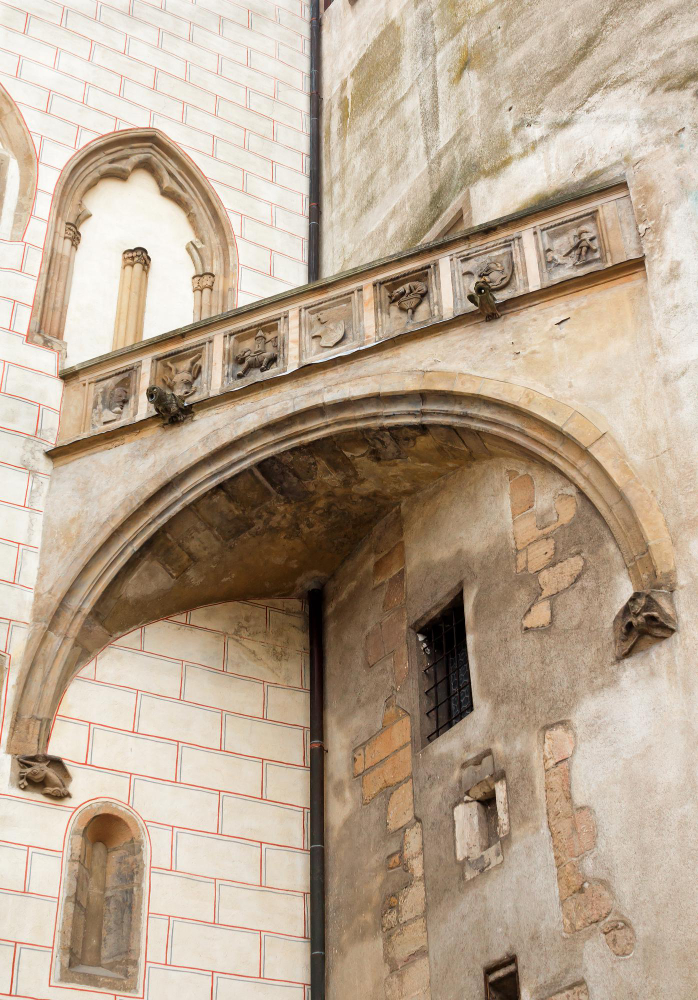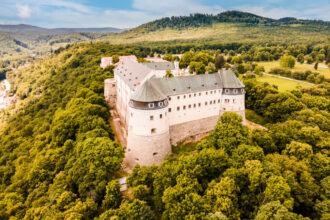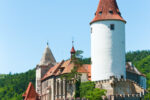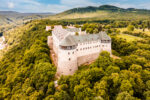

Nestled deep within the wooded hills of the Bohemian Uplands stands Křivoklát Castle, one of the most significant historical sites in the Czech Republic. It ranks among the best-preserved Gothic castles and has long been a symbol of Czech history and culture. As a national cultural monument, Křivoklát preserves not only stone walls but also fascinating stories, legends and artistic treasures that attract visitors from all over the world. In this article, we delve deeply into the castle’s origins, evolution and significance, shedding light on its eventful past as well as its cultural value in the present day.
The Origins of a Royal Fortress – The origins of Křivoklát date back to the 12th century. In what was then Bohemia, a region ruled by kings of great ambition, a strategically important stronghold was built to secure their rule and oversee the surrounding lands. Its location on a rugged cliff above the River Berounka provided the castle with a natural line of defence whilst also offering a sweeping view of the surrounding countryside. Over the course of the 13th century, Křivoklát’s importance grew significantly. The castle underwent a major expansion, particularly under King Ottokar II Přemysl (reigned 1253–1278). Ottokar II, known as ‘the Iron King’, had Křivoklát transformed into a monumental royal residence. His building projects were characterised by a desire to demonstrate power and wealth through impressive architecture. The castle served not only as a military stronghold but also as a prestigious venue for royal festivities and administrative duties.
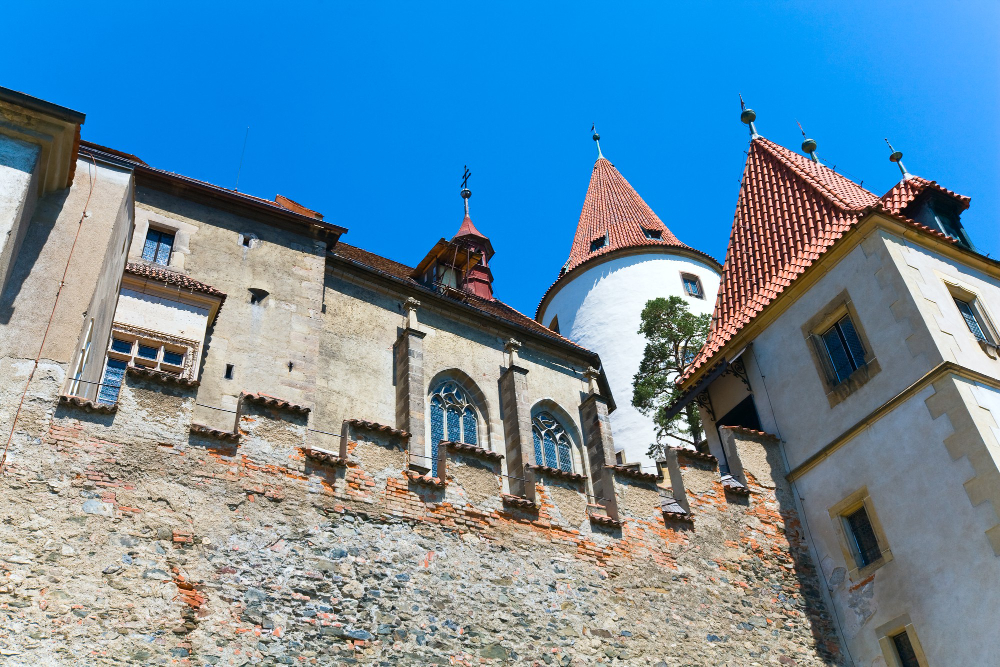
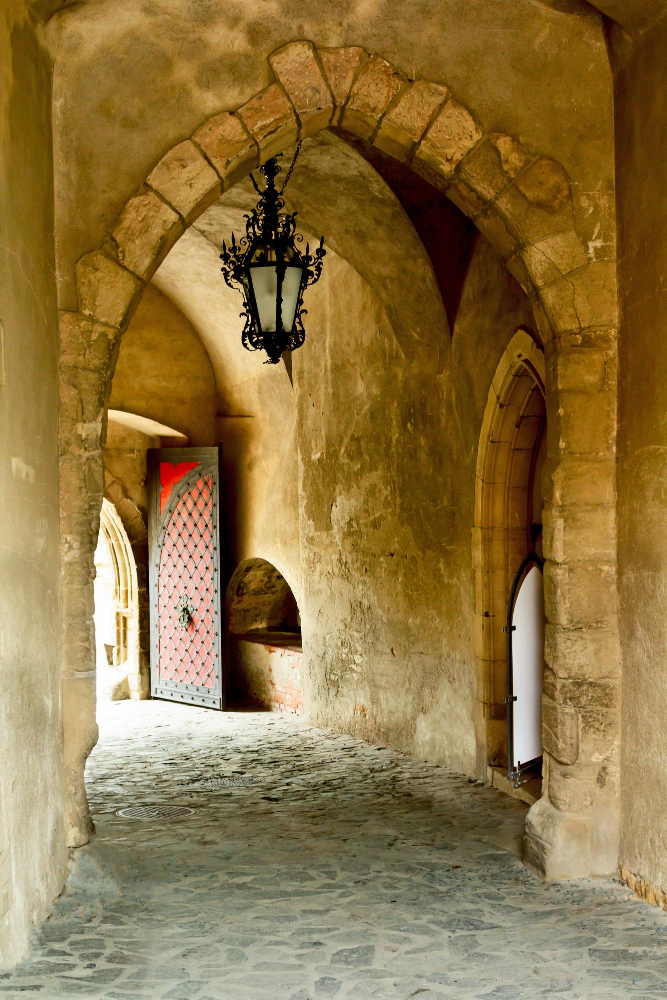
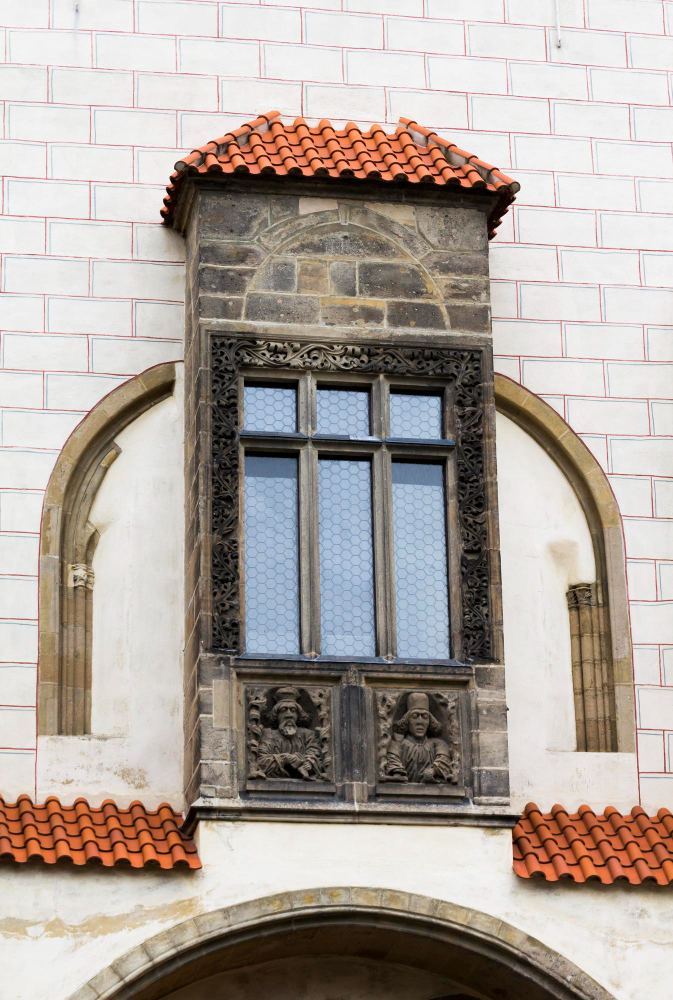
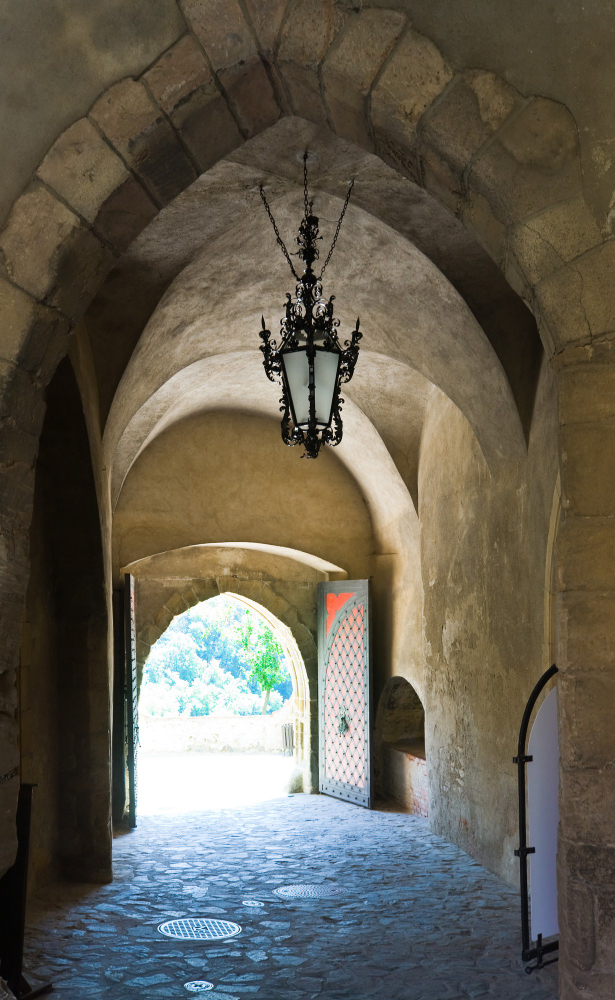
Alterations and Extensions in the Late Middle Ages – The history of Křivoklát is closely intertwined with the Přemyslids and the subsequent ruling dynasties of Bohemia. Under King Wenceslas IV (reigned 1378–1419), son of Charles IV, major restoration work and alterations took place, giving the castle its present-day Gothic appearance. Wenceslas IV was a patron of the arts and culture, which was also reflected in the design of the castle’s interiors and furnishings. King Vladislav II (reigned 1471–1516) also made a decisive contribution to the architectural development of Křivoklát. During his reign, new sections and residential wings were added, designed to enhance comfort and give the castle the character of a royal residence. The diverse architectural styles reflect the eventful eras and make the castle appear today as a living history book.
Destruction, Imprisonment and Decay – Despite its splendour, Křivoklát was not spared misfortune. Time and again, the castle was damaged by fire. Fires in the 16th and 19th centuries were particularly devastating, destroying large parts of the complex. But it was not only natural disasters that took their toll: gradually, the castle’s function changed from that of a royal residence to that of a prison. In the 17th and 18th centuries, Křivoklát was used as a prison for political prisoners and members of the nobility who had rebelled against the authorities. The once stately rooms became spartan cells, and the atmosphere grew darker and more oppressive. This transformation led to the castle falling increasingly into disrepair and losing its splendour. The ravages of time gnawed at the walls, whilst the glory of the past faded.
Rescue by the Fürstenberg family – Křivoklát experienced a significant turning point in the 19th century when the castle came into the possession of the Fürstenberg family, one of Bohemia’s most powerful noble families. Following a devastating fire in 1826, the Fürstenbergs spared no effort in rebuilding and restoring the castle. Wherever possible, this reconstruction was modelled on the original Gothic forms, whilst also incorporating elements of the Romantic style. Thanks to the Fürstenbergs’ dedication, Křivoklát was saved from further decay and once again became a jewel of Bohemian architecture. The family also maintained an extensive collection of hunting weapons, paintings and valuable books, which remain an important part of the castle’s cultural heritage to this day. Křivoklát remained in their possession until 1929, before finally passing into state ownership.
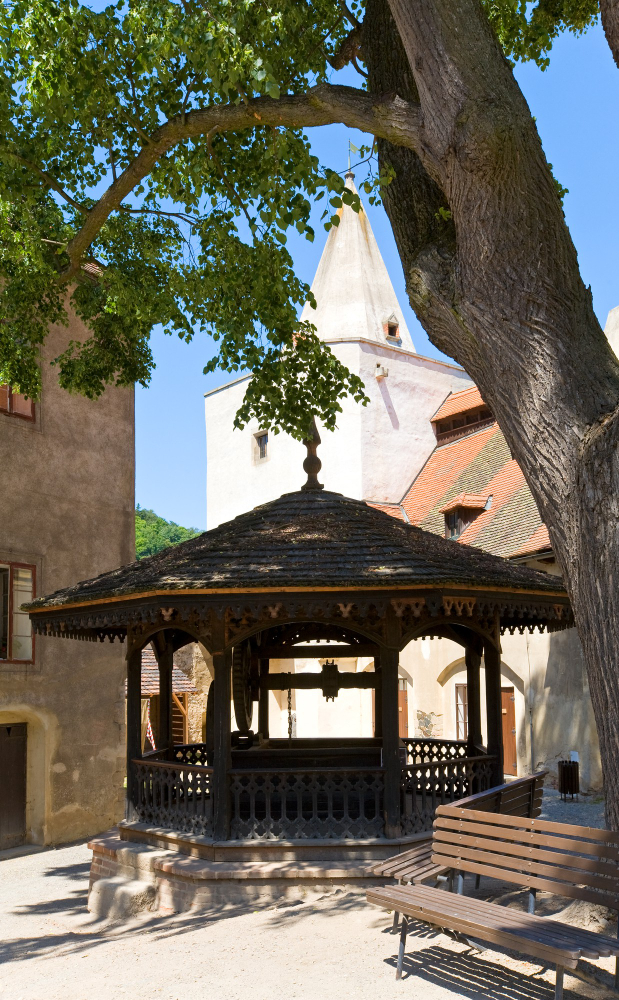
Křivoklát today: museum, cultural site and tourist attraction – Today, Křivoklát is far more than just a historic ruin. The castle serves as a museum with various permanent exhibitions documenting both the architectural development and the cultural significance of the site. Visitors can admire an impressive collection of medieval hunting weapons, Gothic art and historical manuscripts. Furthermore, Křivoklát is a popular venue for cultural events. Theatre performances, concerts and medieval festivals are held regularly in the castle courtyard, allowing visitors to immerse themselves in the atmosphere of centuries past. The castle’s imposing setting makes such events truly special experiences. Another aspect of Křivoklát’s significance today lies in the field of tourism. The castle attracts thousands of visitors every year who appreciate the combination of history, architecture and nature. The surrounding nature reserve offers walking and cycling trails that make a visit a well-rounded experience.
Legends and myths surrounding Křivoklát – Like many ancient castles, Křivoklát is shrouded in legend. One particularly well-known tale tells of a mysterious treasure said to be hidden somewhere in the depths of the castle. Many stories revolve around secret passages, ghostly apparitions and unexplained phenomena – tales that are particularly popular during night-time guided tours. Another legend tells of a wild hunter who roams the surrounding forests and is said to be mysteriously linked to the castle’s history. These tales bear witness to the vibrant folk culture and the fascination that Křivoklát continues to hold to this day.
A living monument to Czech history – Křivoklát is far more than a medieval castle; it is a living testament to Czech history, culture and identity. A fascinating narrative unfolds from its foundation in the 12th century, through its heyday as a royal residence, the dark years as a prison, to its careful restoration and present-day use as a museum and cultural site. Visitors to Křivoklát encounter not only imposing walls, but also the stories of the people who lived, suffered and made their mark here. The castle invites you to immerse yourself in times gone by, to understand historical contexts and to actively experience its cultural heritage – an unrivalled experience in the heart of Europe.