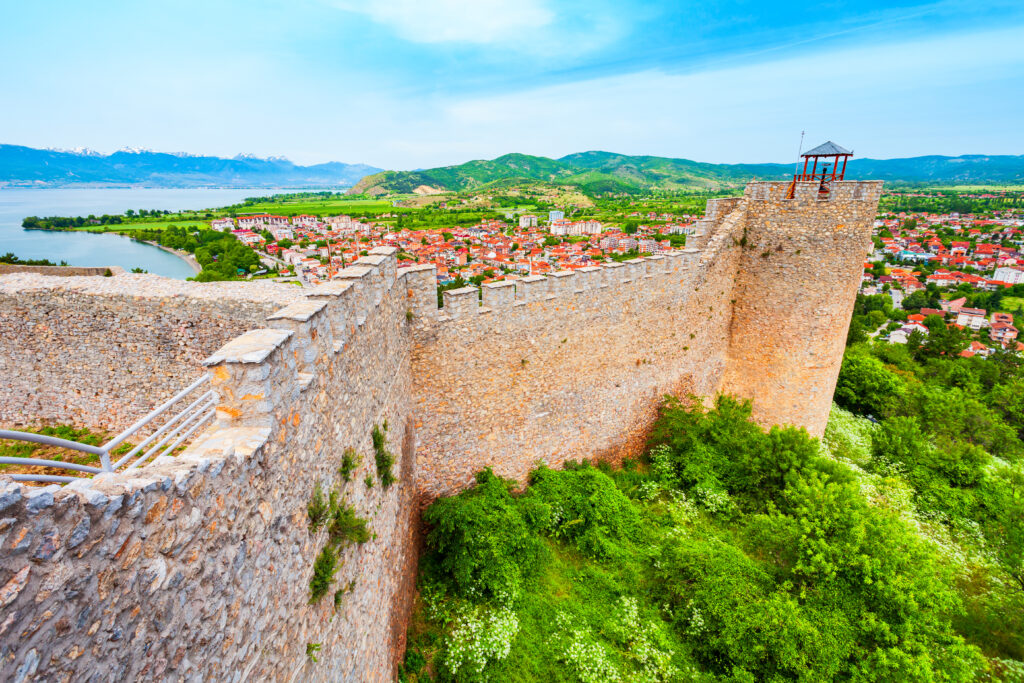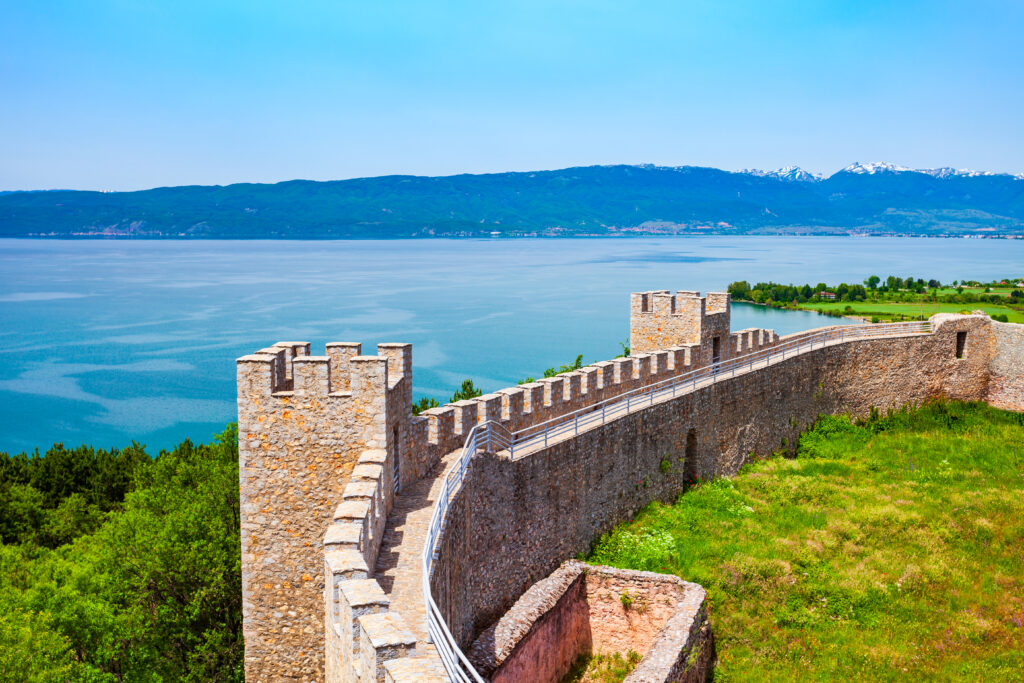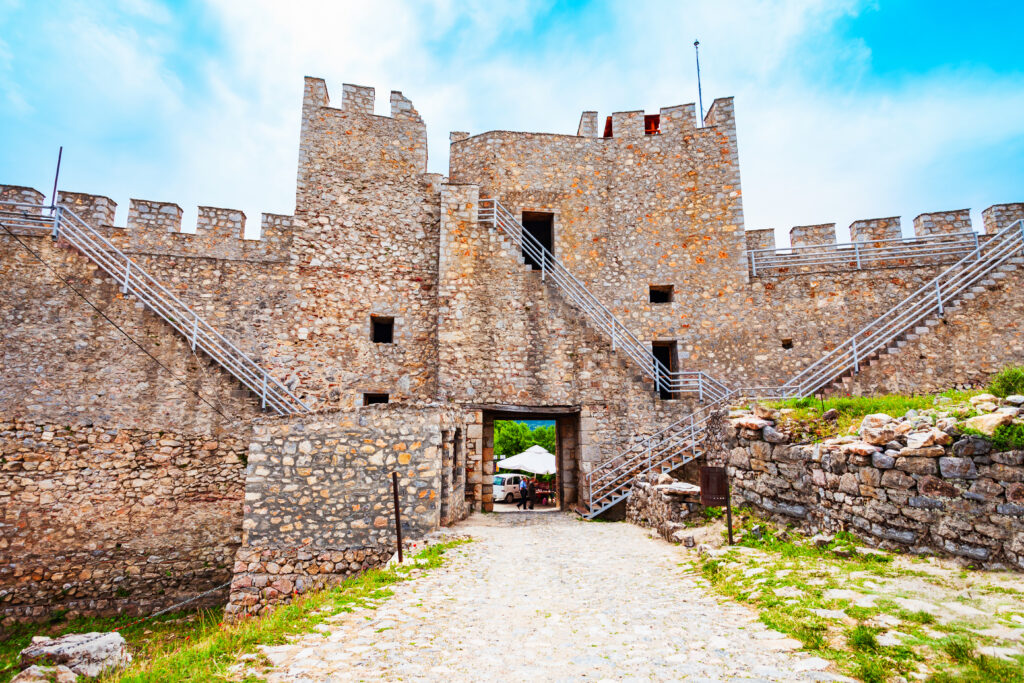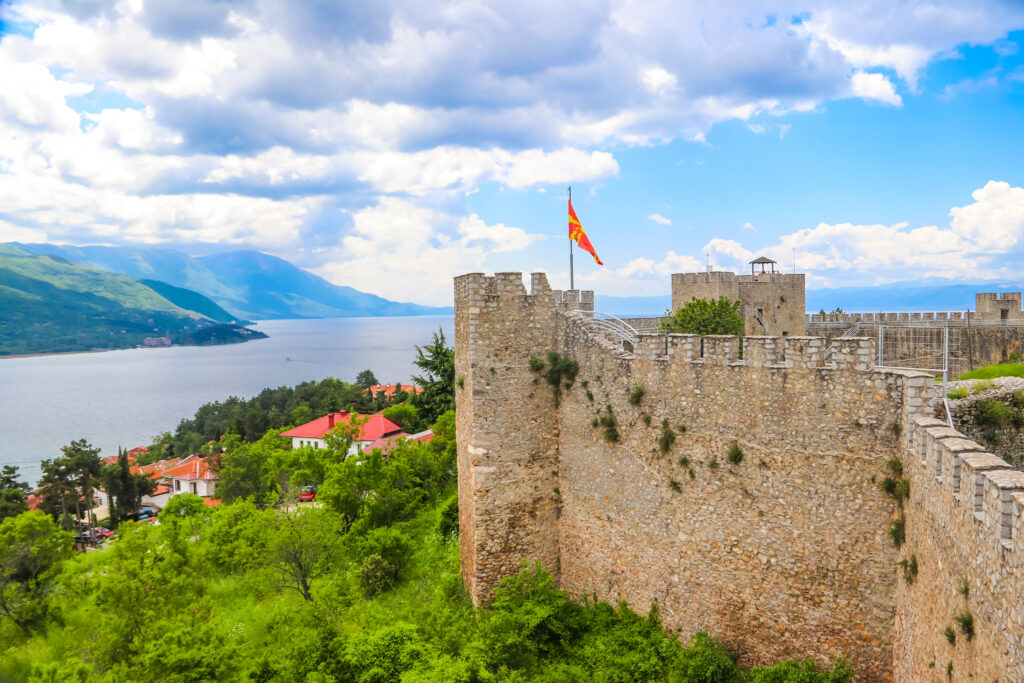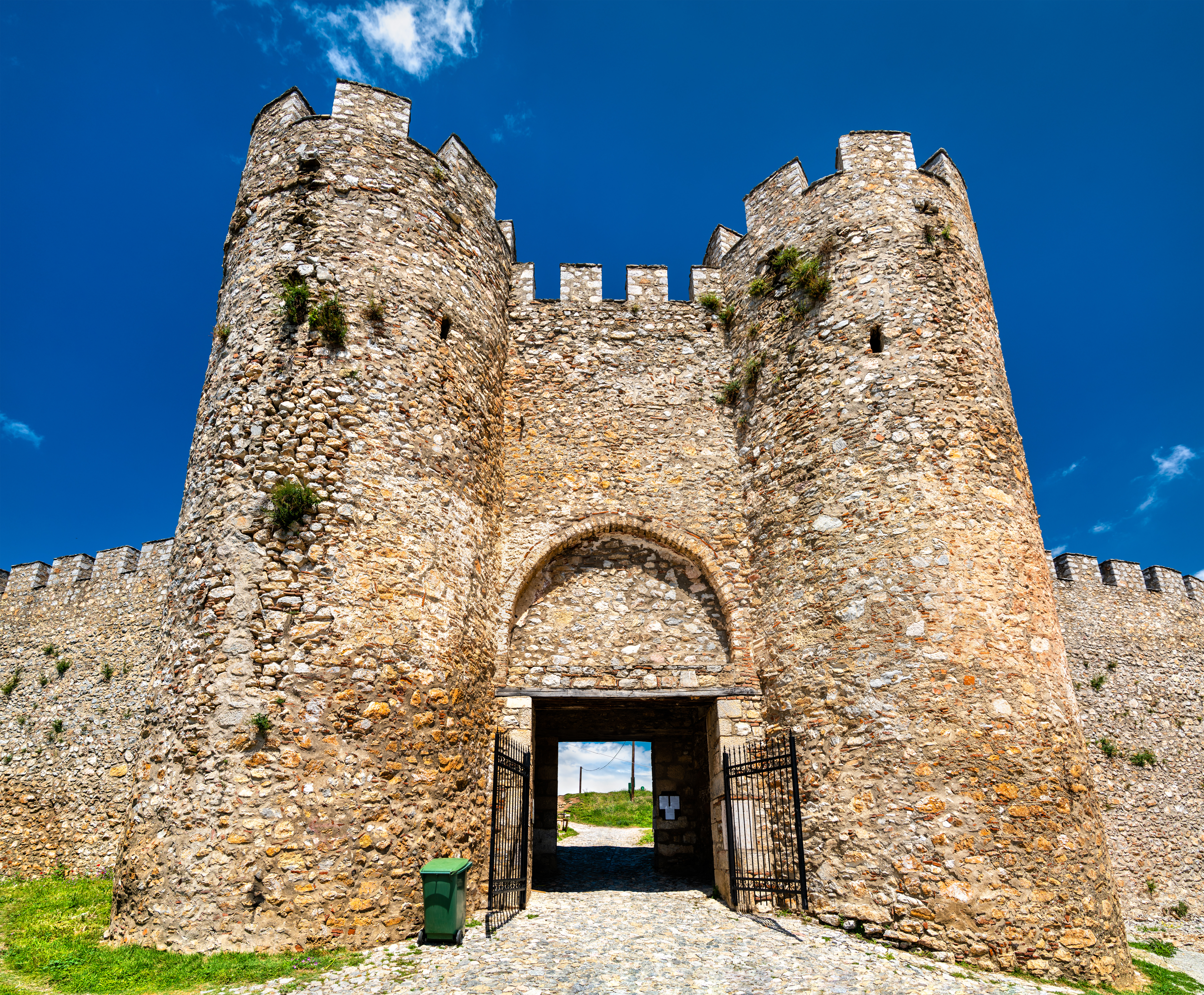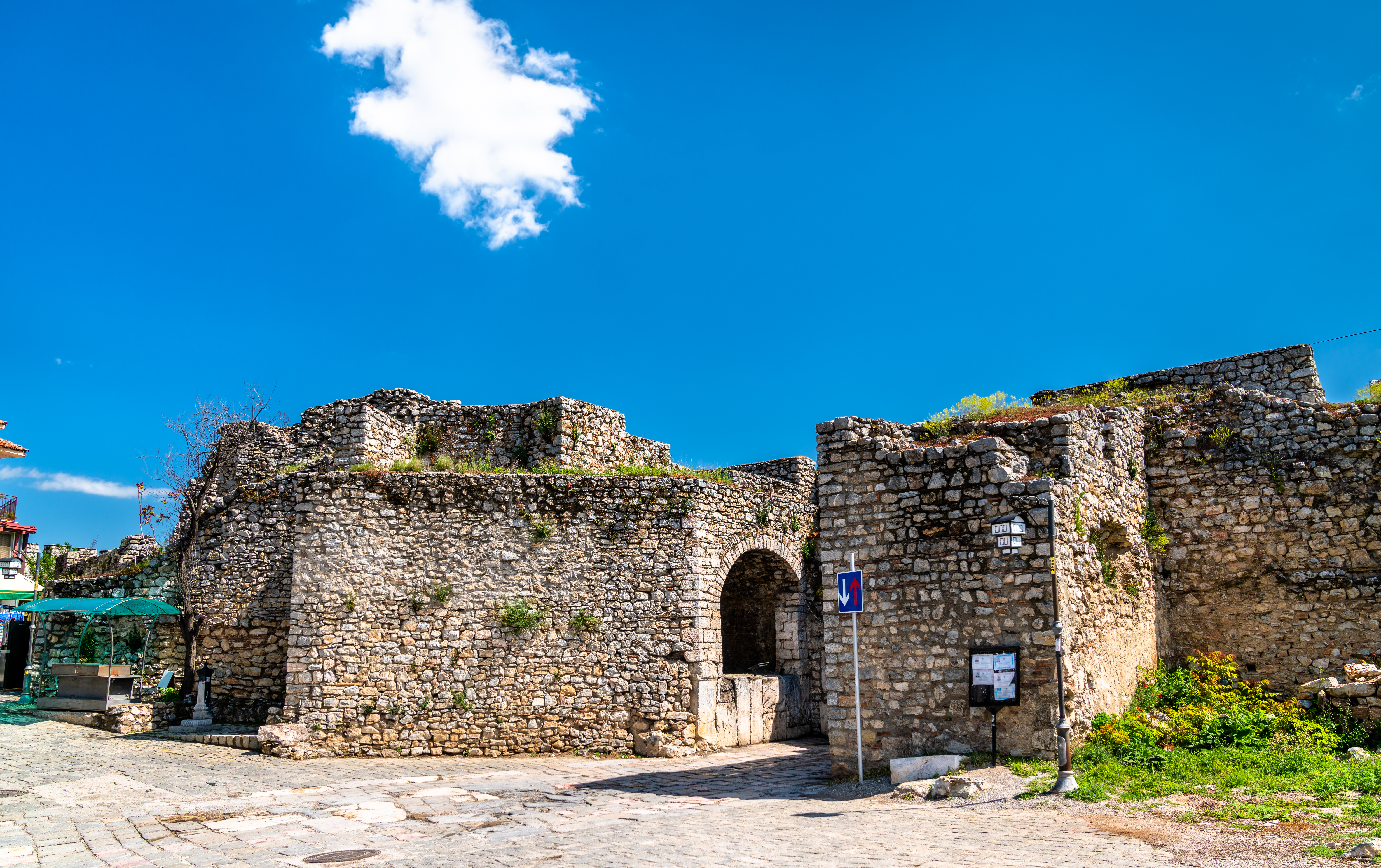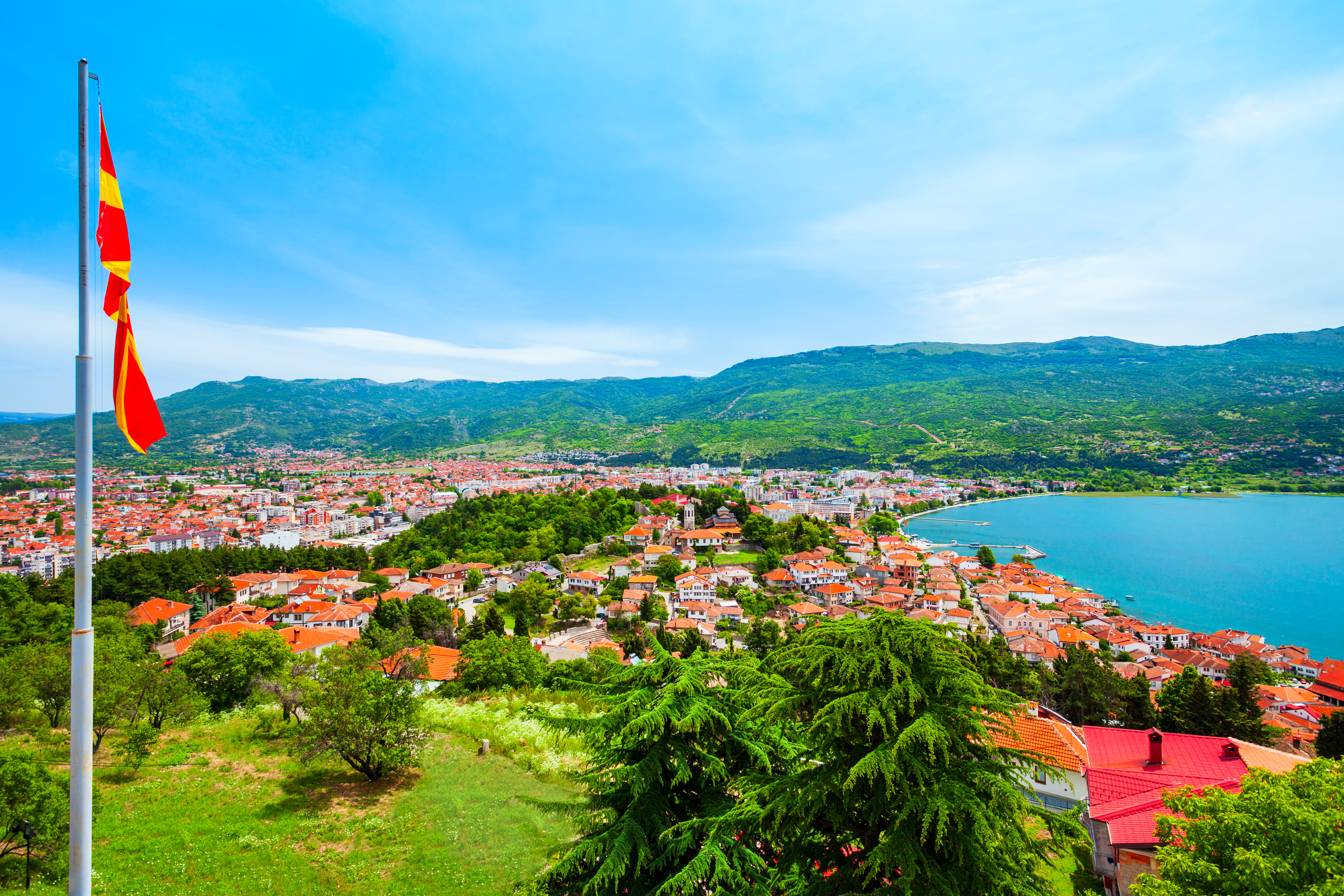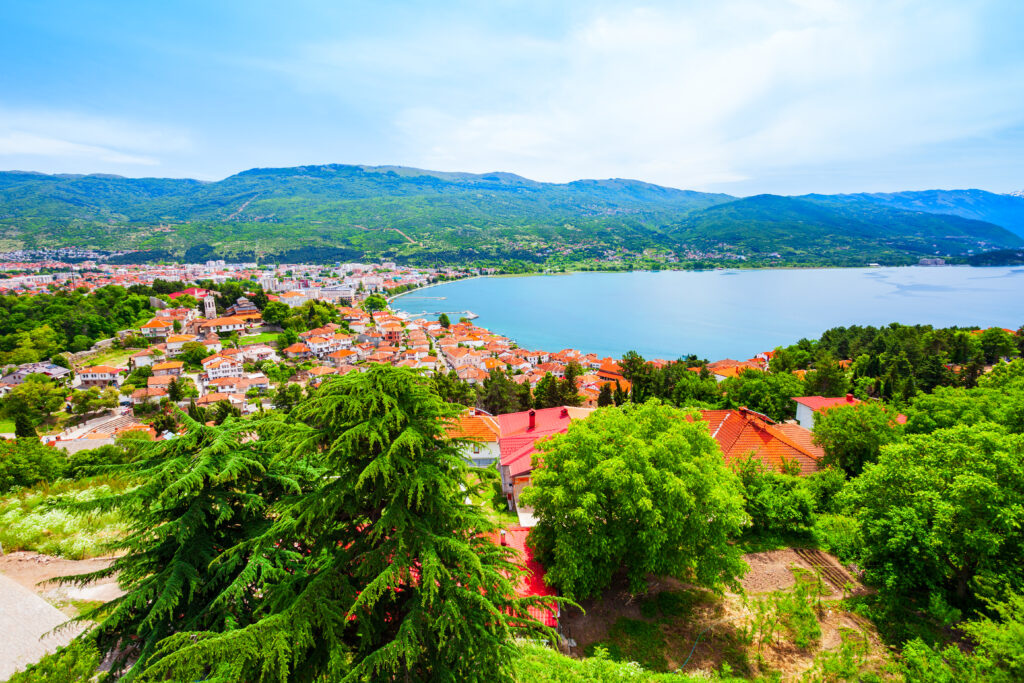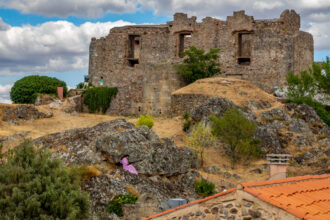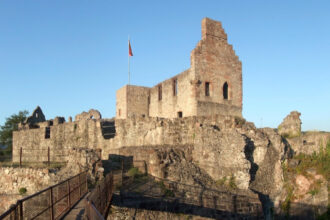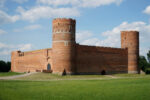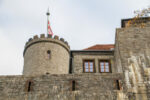

Samuel’s Fortress sits majestically atop the hills of Ohrid in North Macedonia, bearing witness to centuries of architectural mastery and historical significance. With roots dating back to antiquity and many stories hidden behind its stone walls, the fortress offers not only a panoramic view of Lake Ohrid, but also an extraordinary journey through time, encompassing myths, legends, and imperial ambitions.
Ancient origins and philhellenic mysticism – The history of Samuel’s Fortress begins long before the era of Tsar Samuel of Bulgaria, dating back to the 4th century BC. Recent excavations led by Macedonian archaeologists suggest that the fortress stands on the remains of a structure believed to have been commissioned by the famous King Philip II of Macedon. Philip II, the father of Alexander the Great, was known for his military conquests and promotion of Hellenistic culture throughout his empire. The design and construction techniques of the original fortress are testament to the sophisticated architectural standards of the Macedonian kingdom, which was renowned for its strategic innovations.
The connection to Philip II lends the fortress an air of classical heroism and attracts curious visitors eager to tread the same ground once trodden by legendary warriors.
Local tour guides whisper that relics of ancient battles may lie hidden beneath the stones—the echo of clashing shields and the cries of soldiers who dared to defy the course of history.
The medieval resurrection: Tsar Samuel’s vision – In the late 10th century, a new chapter began under the reign of Tsar Samuel of Bulgaria, who had the fortress rebuilt into an impressive stronghold of the First Bulgarian Empire. Samuel’s reign was marked by a resurgence against Byzantine domination, and his decision to rebuild the fortress in Ohrid was both strategic and symbolic. Samuel made it his capital and fortified the walls with medieval improvements, resulting in an impressive citadel that could withstand sieges and signal Bulgarian sovereignty.
The architecture of this era reflected the need for robustness. Massive walls and watchtowers were erected, utilizing the advances in masonry and defensive architecture that were crucial in the Middle Ages. This was not only about protection, but also a statement of power and autonomy.
Within these walls, Samuel orchestrated military campaigns and administered the affairs of government, shaping the course of history in the Balkans against the ambitions of Byzantium.
Restoration and today’s tourist pilgrimage – By the beginning of the 21st century, Samuel’s fortress had weathered the storms of time but needed extensive restoration to regain its former glory. In 2003, the fortress underwent a comprehensive restoration project, during which new battlements were installed, as the old ones had fallen victim to the relentless passage of time. Modern archaeologists and historians meticulously reconstructed parts of the fortress based on historical texts and preserved architectural traces, allowing the past and present to coexist harmoniously.
Today, Samuel’s Fortress is more than just an archaeological site; it is a cultural attraction that draws thousands of tourists every year. Visitors can explore the extensive fortress walls, imagine the defensive strategies of past eras, and enjoy the sweeping views of the surrounding landscape.
The restored parts provide insight into medieval building techniques, while ongoing excavations continue to uncover new finds that contribute to the fortress’s historic heritage.
Timeless: Myths and legends surrounding Samuel’s Fortress – In addition to the historical facts, Samuel’s Fortress is also interwoven with folklore and mythical tales that spark the imagination. It is said that treasures left behind by fleeing rulers are buried in the depths of the fortress. However, these riches are supposedly guarded by the spirits of warriors who were loyal to Tsar Samuel and swore to protect the secrets until they are deemed worthy by the guardians of fate.
Another legend tells of a mysterious tunnel stretching from the fortress to the shores of Lake Ohrid – a hidden passageway used by envoys in times of siege or for secret missions.
According to local lore, this tunnel was enchanted by ancient sorcerers, so that anyone who enters it is lost forever unless guided by a chosen spirit.
There are also stories of enchanted springs within the fortress grounds, believed to impart wisdom or courage to those who drink from them.
Pilgrims from the surrounding villages often came here secretly by moonlight to seek the blessing of the water for their bold and harmless endeavors.
A modern place of historical encounter – Samuel’s Fortress stands for its mythical past, but it is also a hub for contemporary cultural engagement. The fortress regularly hosts festivals, historical reenactments, and educational tours that bring its rich history to life. Scholars and historians gather to discuss newly discovered artifacts and add new chapters to the saga of the fortress.
Furthermore, digital technology has transformed the way the stories of Samuel’s Fortress are told.
Virtual reality experiences allow a global audience to immerse themselves in its splendor and admire this Balkan gem across geographical boundaries.
In summary, Samuel’s Fortress is a remarkable fusion of history and legend, an architectural marvel that connects ancient Macedonia with medieval Bulgaria and the modern world. Its imposing presence above Ohrid is a testament to the resilience and creativity of the people, as well as the timeless fascination of the stories that shape our civilization. As we continue to peel back the layers of time, Samuel’s Fortress remains an eternal guardian, preserving the secrets of the past and inspiring future generations.