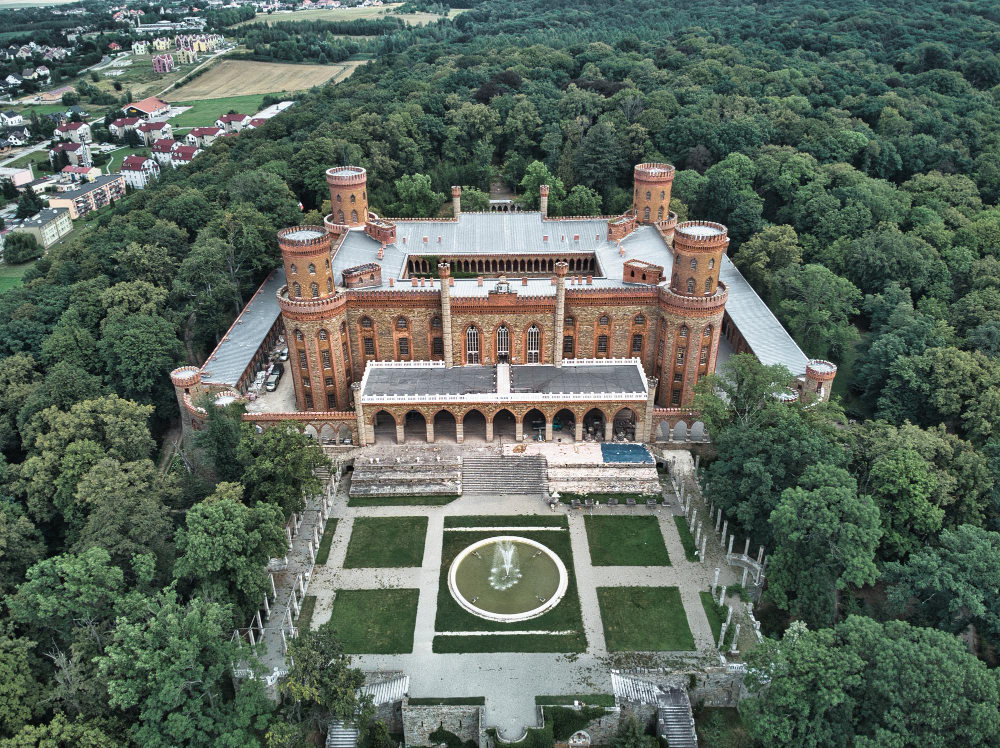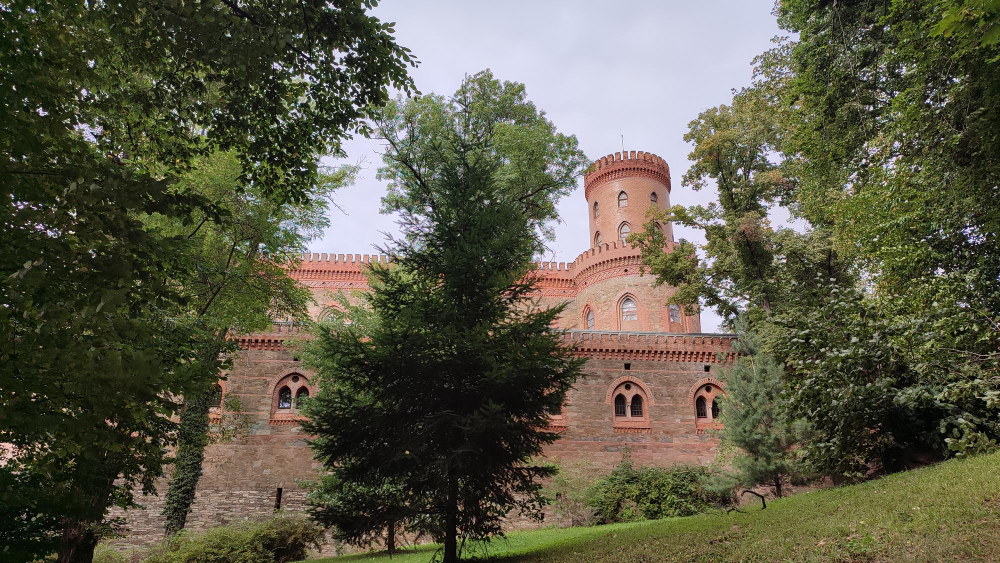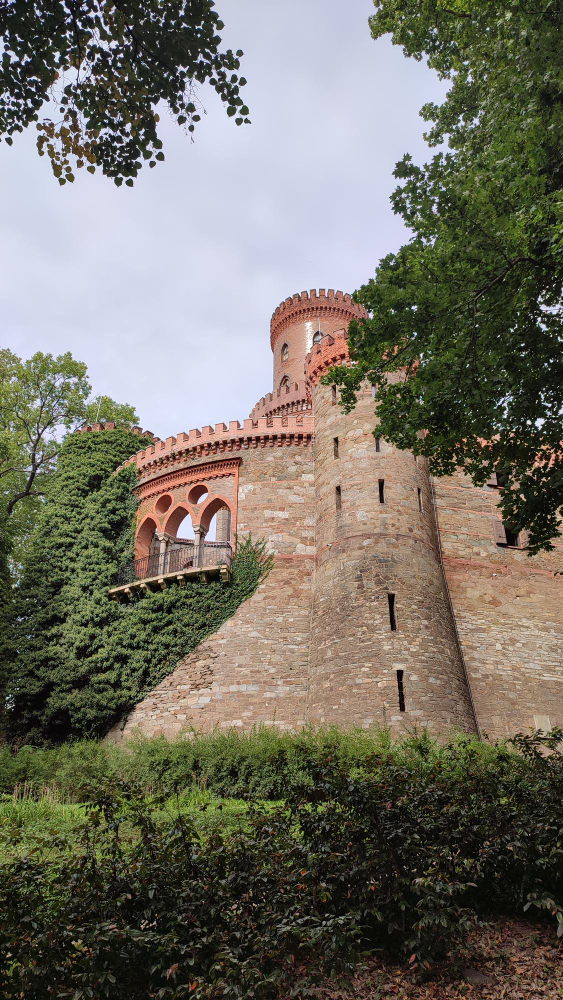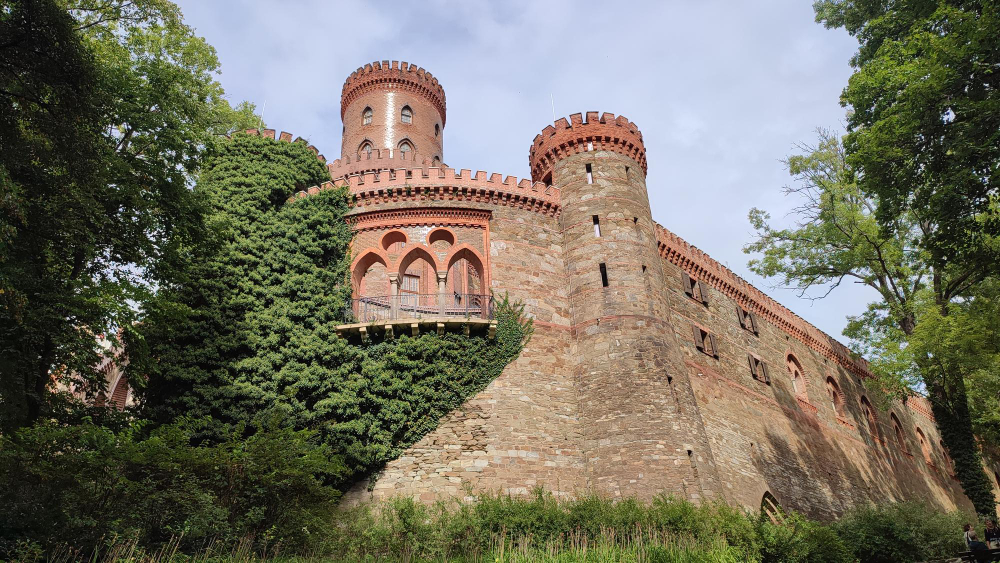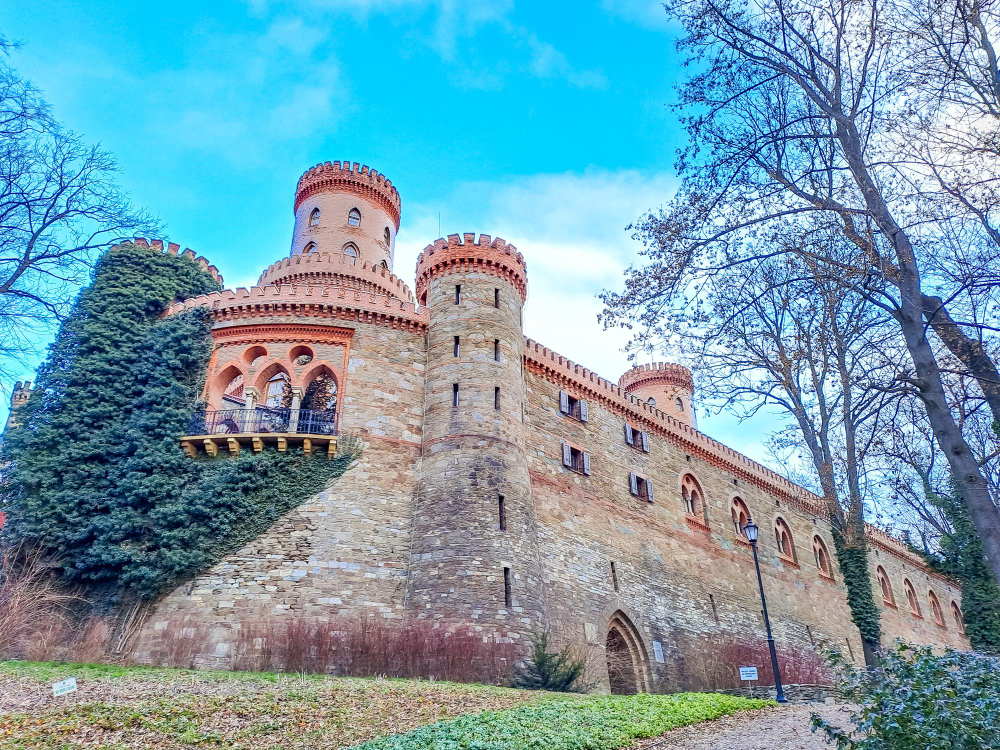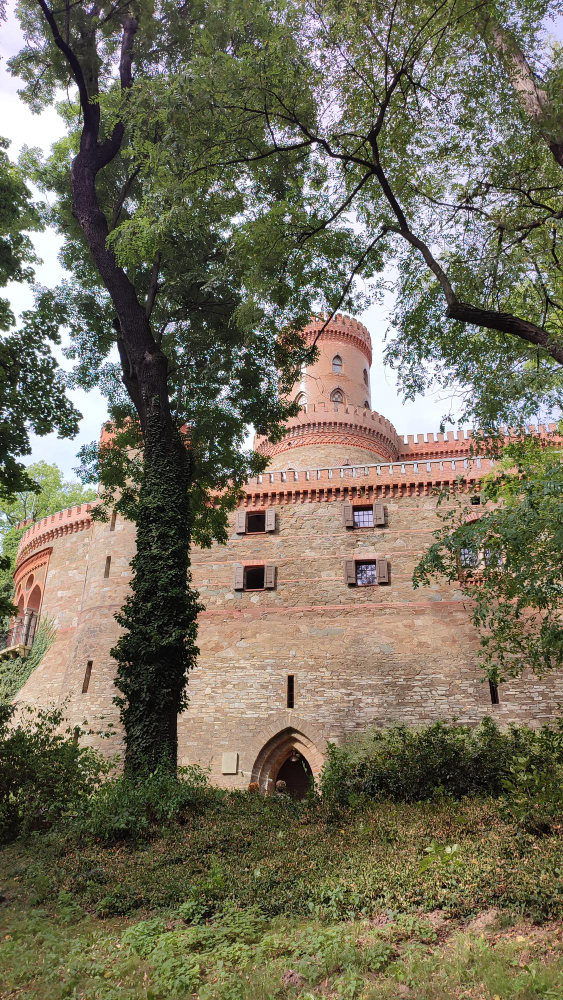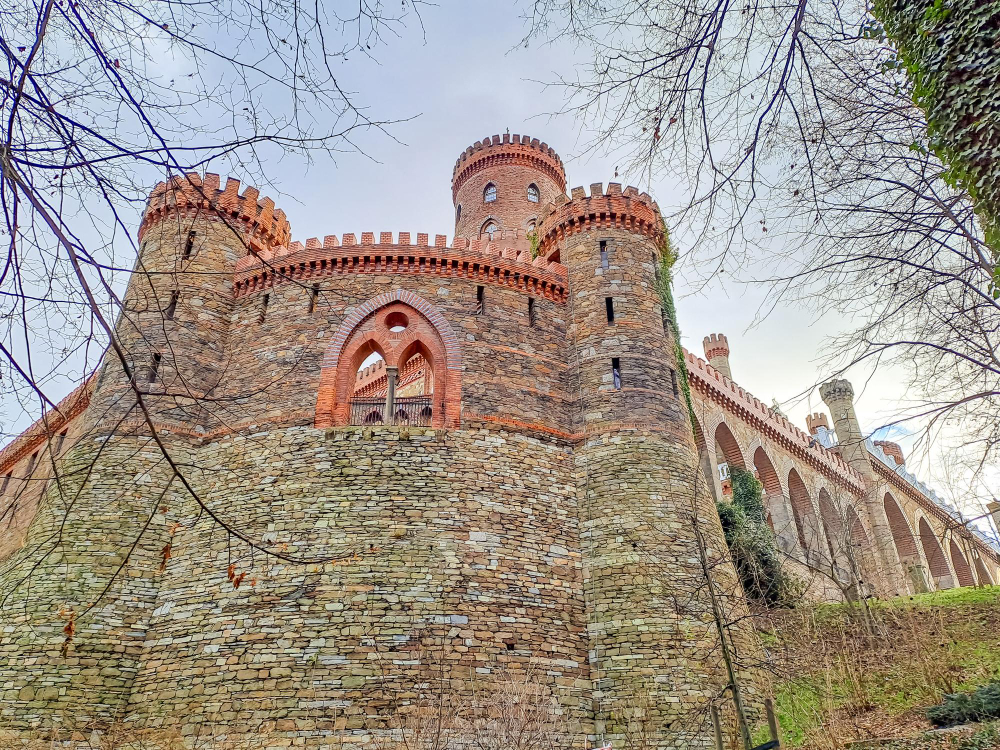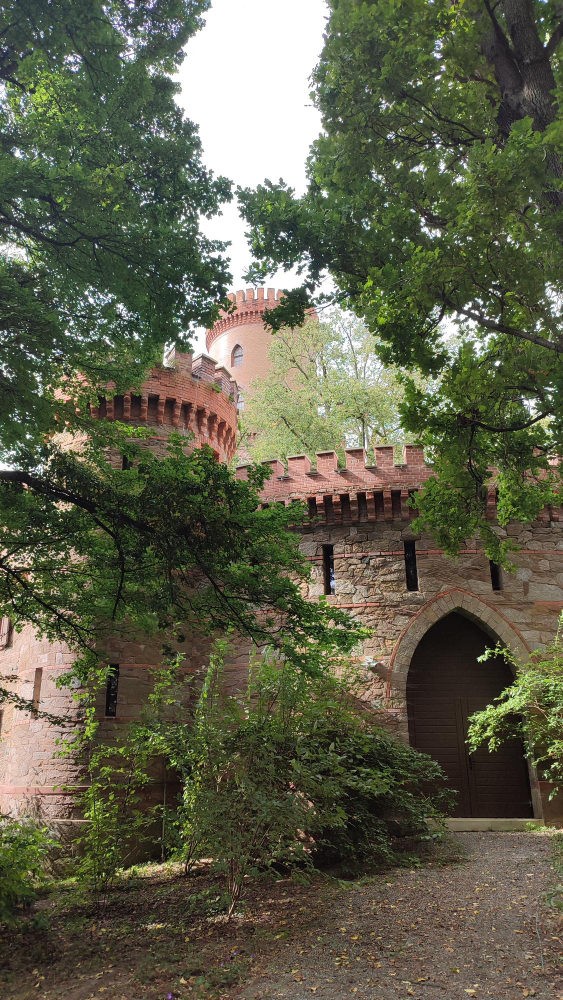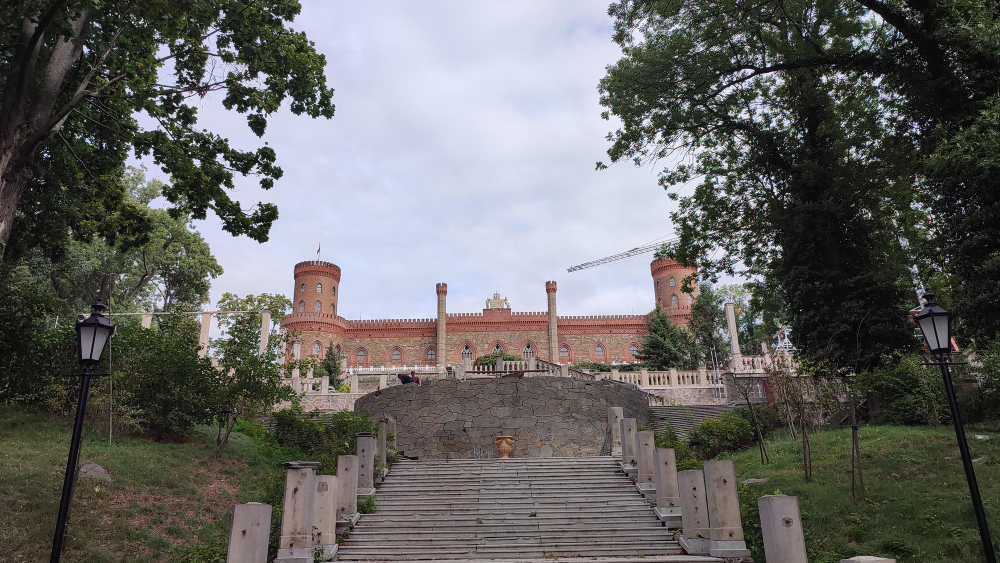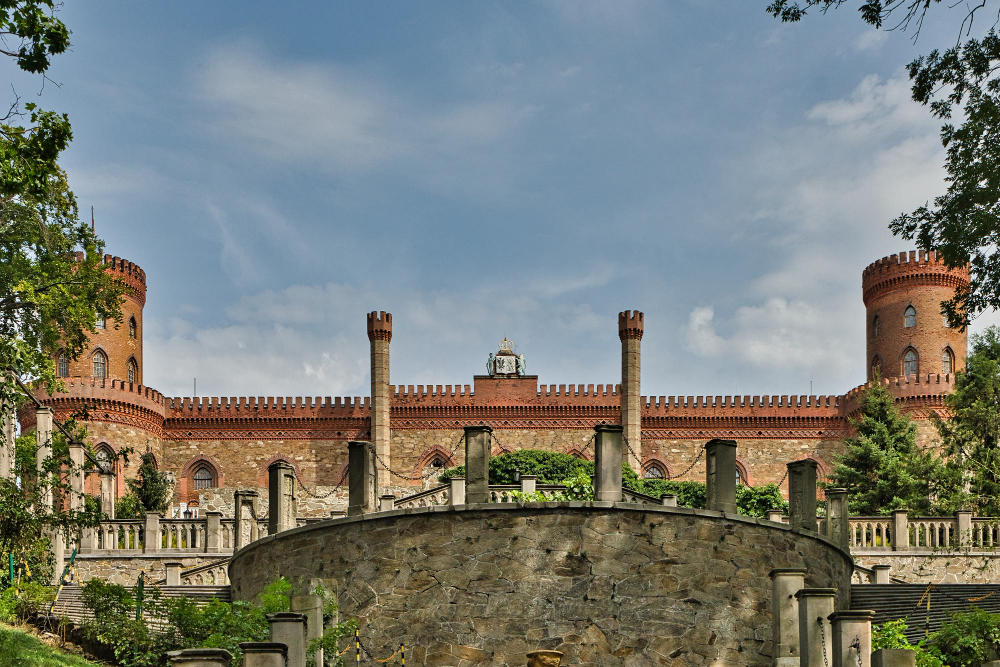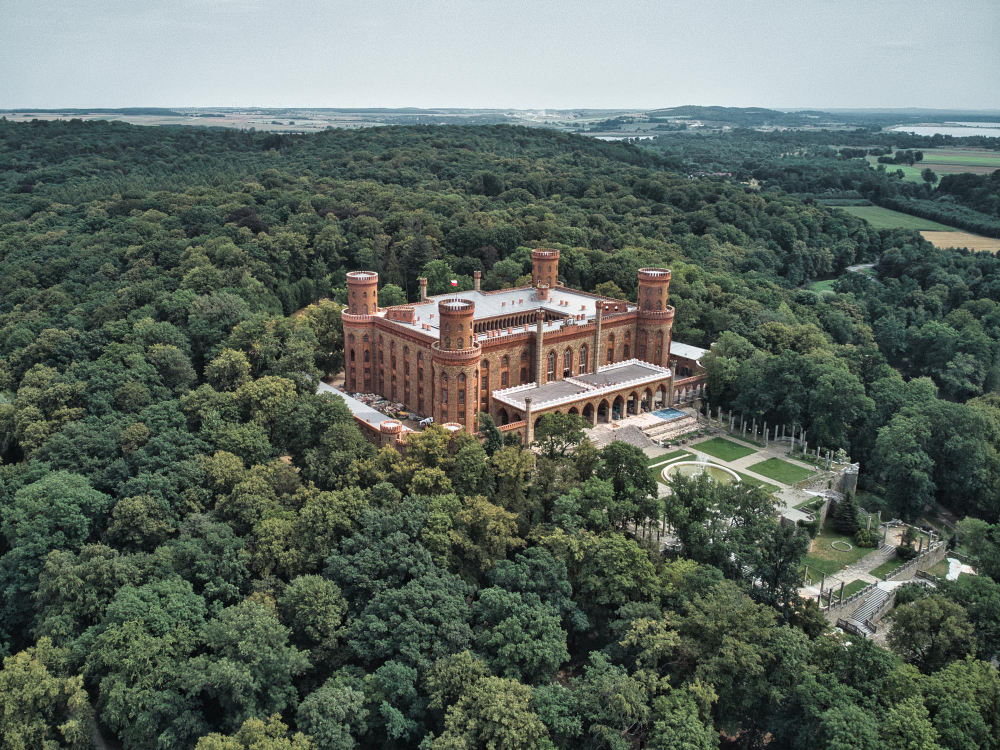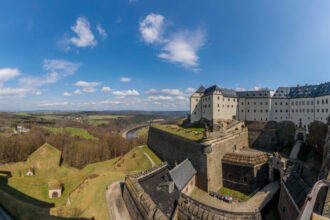

Kamieniec Ząbkowicki Castle, also known as Kamenz Castle, is one of Poland’s most magnificent Neo-Gothic buildings. It towers majestically over the Lower Silesian countryside and tells a fascinating story full of ups and downs that both impresses and inspires its visitors. This historically significant building not only captivates with its masterful architecture, but also harbours numerous secrets that have been preserved over the centuries.
The Beginnings of a Historic Complex – The history of Kamieniec Ząbkowicki dates back to the year 1096, when the Bohemian Duke Brzetysław II had a castle built on this site. The fortress was strategically situated near the River Nysa Kłodzka. However, the castle soon fell into the hands of the Polish King Bolesław III ‘Wrymouth’ and was subsequently abandoned. In the 14th century, the region regained its importance when a monastic complex was built, which remains part of the cultural heritage to this day. The decisive turning point for Kamieniec Ząbkowicki, however, came in the 19th century, when the Dutch Princess Marianna of Orange acquired the estate. Driven by her visionary nature and her desire to create a magnificent residence, she commissioned the famous Prussian architect Karl Friedrich Schinkel to design the castle. In 1838, the foundation stone was laid on the so-called ‘Grodowym Wzgórzem’, a hill offering a breathtaking panoramic view of the surrounding countryside.
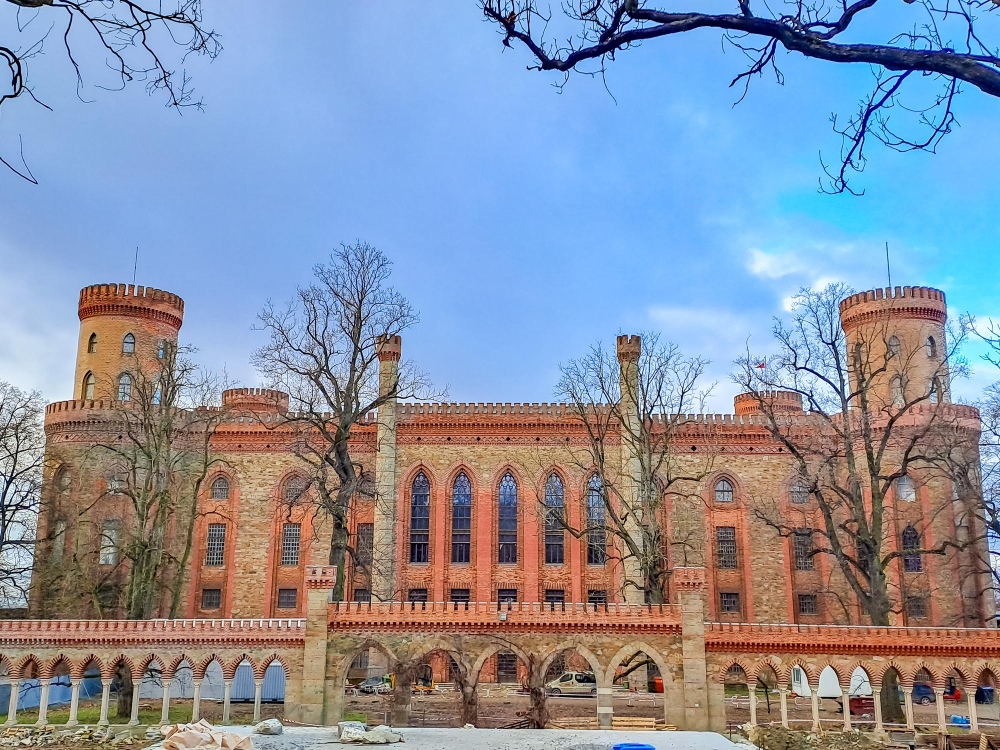
Architectural Splendour and Romantic Gardens – The construction of the castle, built on a rectangular floor plan, took several decades. Following Schinkel’s death, Ferdinand Martius, a promising young architect, took charge of the construction work. The palace, with its four striking corner towers, a total floor area of 20,000 square metres and an impressive internal volume of 90,000 cubic metres, was finally completed in 1872. Particularly striking is the complex’s richly detailed design: arcades, terraces and idyllic gardens reflect the Romantic era, whilst landscape architect Peter Joseph Lenné created magnificent parkland landscapes that emphasised the connection between nature and architecture. These elements made Kamieniec Ząbkowicki one of the most significant examples of Neo-Gothic architecture in Poland. In addition to its architectural perfection, the castle was also, at times, the scene of scientific experiments. In 1865, the castle gardener C. Braun bred the regional variety ‘Prince Albrecht of Prussia’ from a cross between various apple varieties; this variety became known for its adaptability to wooded and cooler regions.
A Place of Tragedy and Rebirth – Despite its magnificent appearance, the castle endured difficult times. During the Second World War, the Nazis used the grounds as a storage facility for art collections from across Lower Silesia, including valuable archive holdings from Wrocław. After the war, however, the castle was looted and set alight by Soviet soldiers in 1946. The destruction left deep scars on the building’s structure and the surrounding area, yet its original beauty remained recognisable. Marble elements from the castle were later used in the construction of the Congress Hall at the Palace of Culture in Warsaw. It was not until the late 1980s that the castle was restored under private management. However, the restoration work was interrupted by the death in 2010 of Włodzimierz Sobiech, who was also the leaseholder of the estate. It was not until 2012 that the municipality of Kamieniec Ząbkowicki succeeded in regaining control of the complex and carrying out extensive renovation work. Since then, significant progress has been made, including the restoration of the ceilings in the ballroom, the refurbishment of the viewing terrace and the comprehensive renovation of the roof area. In 2018, the castle was expanded to include a restored mausoleum. These projects reflect a commitment to preserving the historical heritage whilst creating a modern approach to history.
A living monument and cultural centre – Today, Kamieniec Ząbkowicki Castle is not only an architectural gem but also a vibrant centre for cultural events. Every May, the ‘Spring Tulip Days’ take place, a festival celebrating the splendour of the castle’s blooming gardens. Other events, such as the Science Festival, cycle races and walks, attract visitors from all over Poland. The castle complex is also a significant landmark in the history of Germany and Poland. In 2024, the castle was granted protected status by the President of the Republic of Poland and officially recognised as ‘Kamieniec Ząbkowicki – an architectural and landscape ensemble’. This recognises both the historical and artistic significance of this unique complex.
Architectural details that inspire – The castle is a true architectural marvel. Its four corner towers reach a height of 33.6 metres, and the inner courtyards are connected by elegant arcades. Particularly impressive is the main façade, featuring the coat of arms of Marianna Orańska and her husband Albrecht Hohenzollern, which proudly represents the estate’s rich history. The castle grounds cover an area of 1.15 square kilometres and, in addition to the mausoleum, are home to the ruins of a hunting lodge and several natural monuments. With over a hundred protected tree species, including impressive specimens such as the English oak known as ‘Dąb Jana’, the site forms an important part of Lower Silesia’s natural heritage.
Visitor information and future prospects – Kamieniec Ząbkowicki Castle is open to tourists and offers guided tours of the historic rooms and across the magnificent terraces. The well-preserved mausoleum can also be visited separately. The park grounds, on the other hand, are freely accessible and invite visitors to take leisurely strolls. Thanks to ongoing efforts to restore the complex and revitalise it as a cultural centre, Kamieniec Ząbkowicki Castle remains a symbol of the fusion of history and modernity. It not only serves as a reminder of times gone by, but also inspires future generations to appreciate and preserve the significance of cultural heritage. Whether you are a tourist, a culture lover or someone with an interest in history, a visit to Kamieniec Ząbkowicki Castle is a journey into the past and, at the same time, an experience of the beauty and significance of architecture, nature and history.