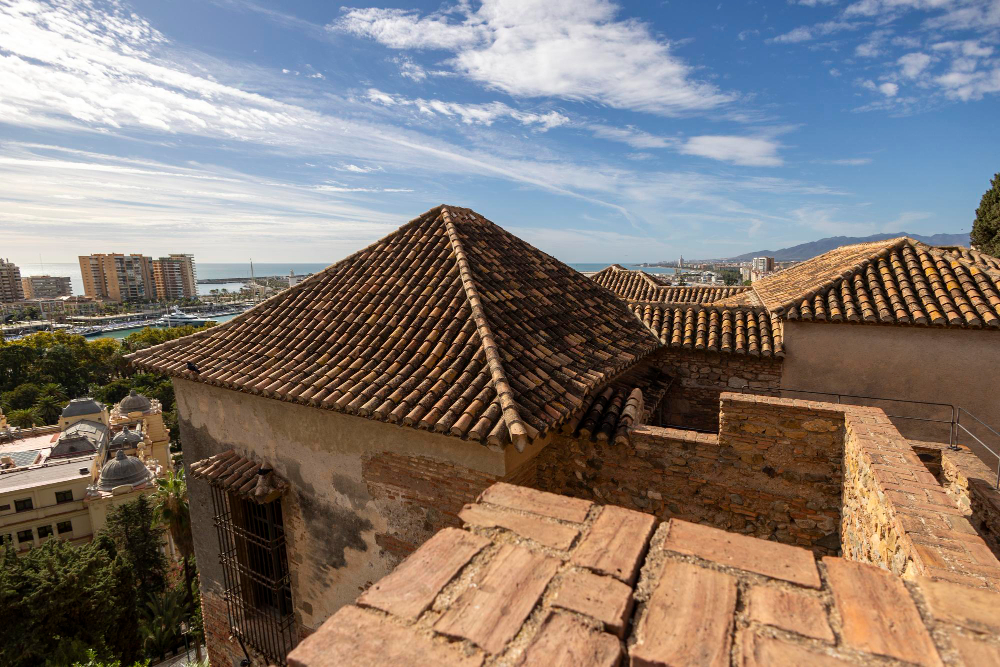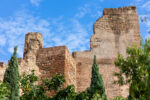

Málaga, one of the most beautiful cities in Andalusia on the Costa del Sol, is home to a particularly impressive example of Moorish architecture and history: the Alcazaba. This imposing fortress and palace complex towers high above the city on a strategically important hill and tells the story of centuries of changing rule, cultural heyday and political conflicts. In this article, the Alcazaba is not only celebrated as an architectural masterpiece, but also examined in its historical context – with fascinating insights into its origins, use and significance.
Strategic Location and Origins -The Alcazaba is situated on the so-called ‘Castle Hill’, which rises to the east above Málaga’s old town. This site was already an important defensive position long before the actual fortress was built. Archaeological finds and historical sources confirm that fortifications existed on the hill as far back as antiquity – including those from the Phoenician period. The Phoenicians, who had already established trading posts along the Mediterranean coast in the first millennium BC, called the hill ‘Gebel Ayros’, which means ‘Castle of the City’. In the 8th century, during the Islamic conquest of the Iberian Peninsula, the first emir of Córdoba, Abd ar-Rahman I, built a simple fortification on this hill. This laid the foundation for what would later become the Alcazaba. At that time, the complex served primarily military purposes and was also used, amongst other things, as a prison.
Construction of the Alcazaba in the 11th century – The basic structure of today’s Alcazaba was built in the 11th century, more precisely under the rule of the Moorish sultan Bādīs of the Zirid dynasty. At that time, this dynasty was among the most important Muslim rulers in the Caliphate of Córdoba and later during the Taifa period, when the Caliphate fragmented and various small kingdoms, the so-called Taifas, emerged. Following Bādīs’ death, his grandson Tamīm ibn Buluggīn took over the administration of Málaga and attempted to establish an independent rule from within the fortress. In doing so, however, he came into conflict with his younger brother ‘Abdallāh ibn Buluggīn, who also laid claim to parts of the last Zirid empire. In the ensuing conflicts, ‘Abdallāh succeeded in driving Tamīm back to the Alcazaba and Málaga, but left him in control of the western territories of his realm in order to protect them from hostile neighbours, particularly the rival ‘Abbādids in the south. In 1092, the complex fell into the hands of the Almoravids, a Berber dynasty from North Africa known for its military strength, which brought further parts of Al-Andalus under its control. In the mid-12th century, the Almohads, another powerful Berber movement, deposed the Almoravids and assumed power. The famous geographer Muhammad al-Idrisi referred to the fortress in his writings as ‘Jbel Faruk’ – the ‘Mountain of the Lighthouse’ – which highlights the Alcazaba’s strategic importance as a lookout post and military stronghold.
The Nasrids and the Decline – With the rise of the Nasrid Empire, which made Granada its centre, the Alcazaba also came under their control. The Nasrid period was characterised by significant architectural extensions and embellishments, which simultaneously lent the fortress a palatial quality. In the 14th century, the Nasrid king Yusuf I commissioned several structural innovations, including the construction of a small mosque within the Alcazaba and the so-called ‘coracha’. This is a fortified passageway connecting the Alcazaba with the nearby Castillo de Gibralfaro. The coracha served to protect the aqueducts and ensure communication between the two defensive structures. The Castillo de Gibralfaro itself is a fortress situated separately on the summit of a neighbouring hill, which, like the Alcazaba, functioned as a defensive and observation post. Together, the two structures formed a sophisticated defence system that protected Málaga against sieges. In 1487, following a long period of the Reconquista by the Christian kingdoms of Spain, Málaga finally fell into the hands of the Catholic Monarchs, Isabella I of Castile and Ferdinand II of Aragon. After a bitter siege lasting more than three months, the walls were stormed and the Moors were driven out of the city. The Alcazaba lost its military significance but continued to be used as a fortress.
The Modern Era and Archaeological Rediscovery – In the early 19th century, during the Napoleonic Wars, the Alcazaba once again became the scene of military action. Troops under Napoleon Bonaparte laid siege to Málaga, destroying parts of the fortifications in the process. Following the hostilities, the Alcazaba gradually lost its importance and was at times abandoned and left to fall into disrepair. It was not until the 20th century that systematic archaeological research and restoration began, a process that continues to this day. Thanks to this work, many areas of the Alcazaba have been preserved or restored to their original Moorish style. Today, the complex is one of Málaga’s most important tourist attractions and offers visitors a vivid insight into the history of Al-Andalus.
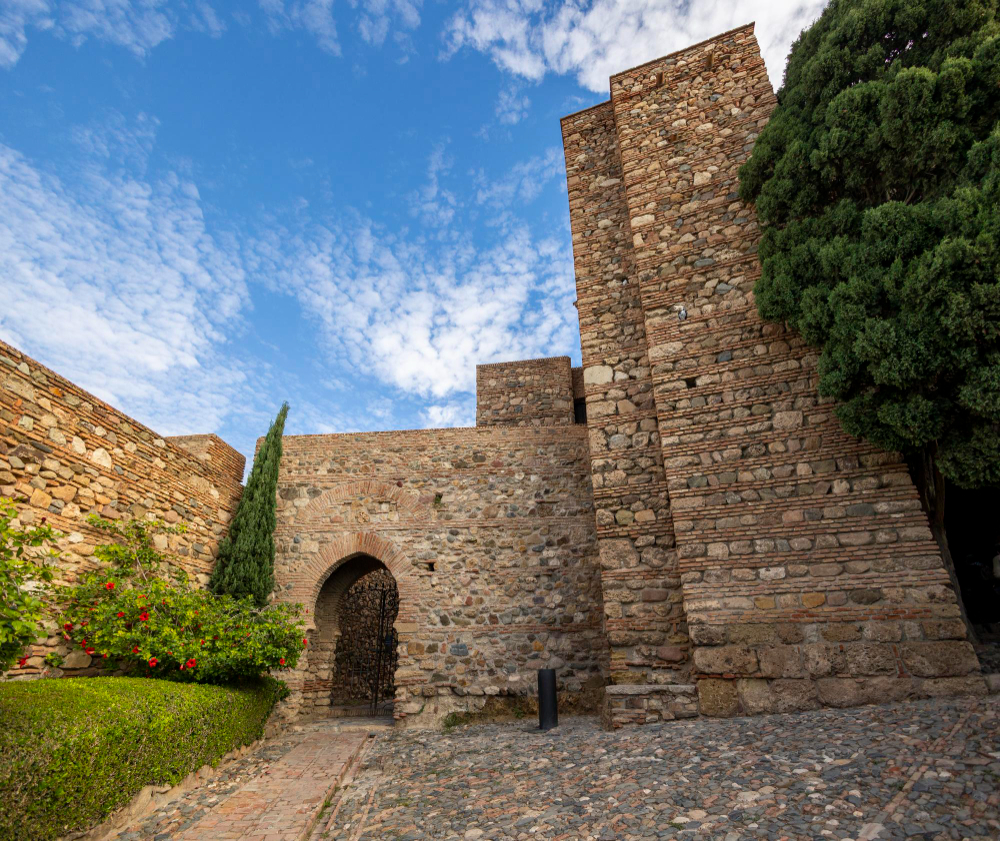
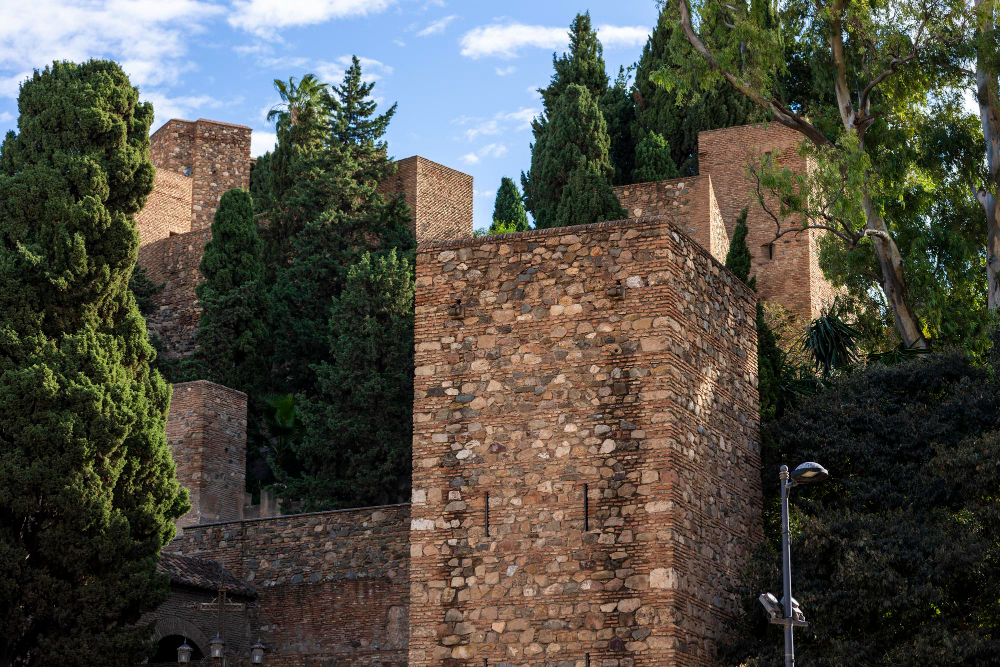
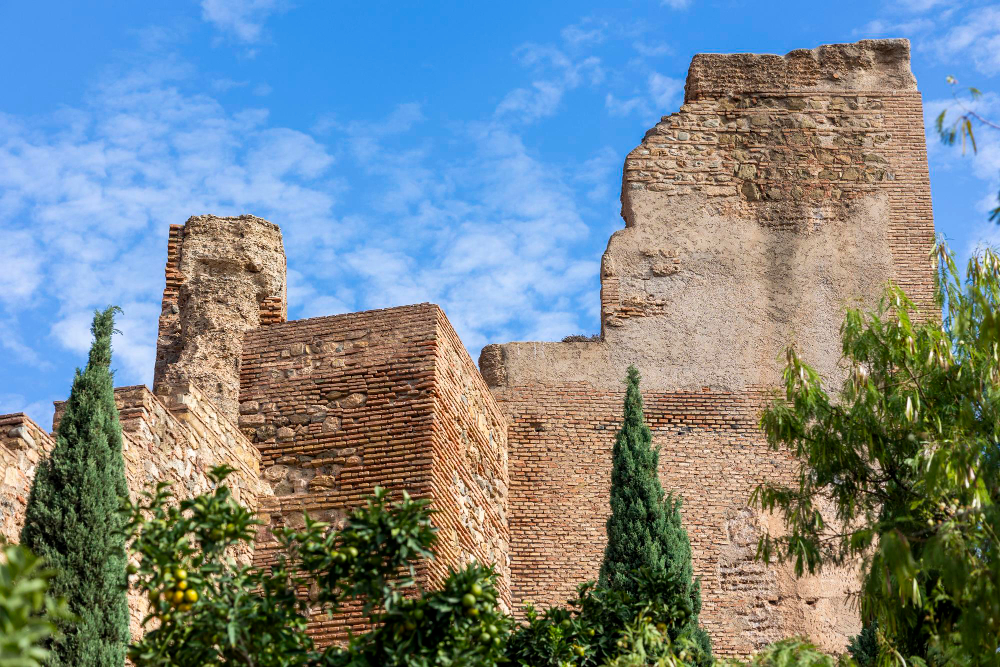
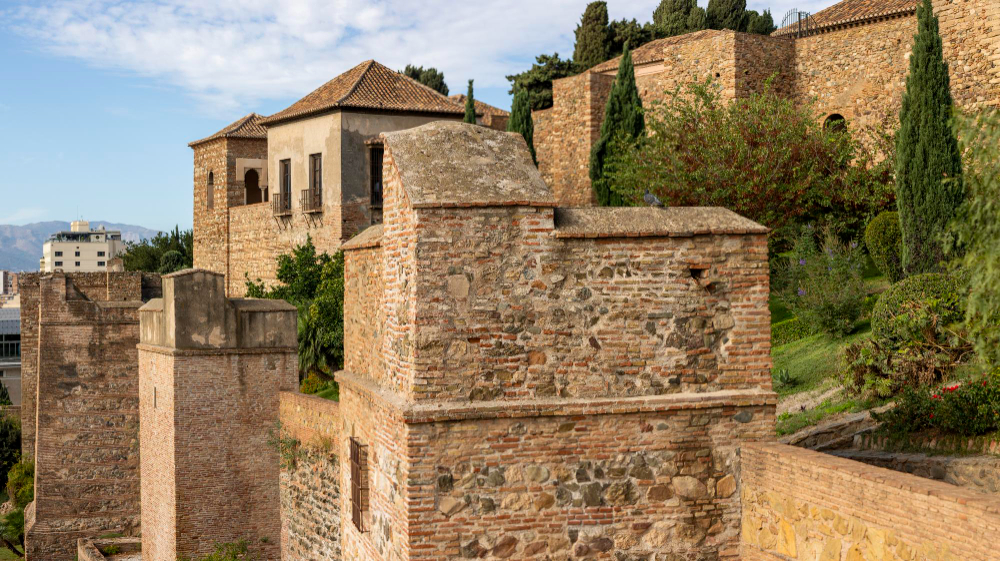
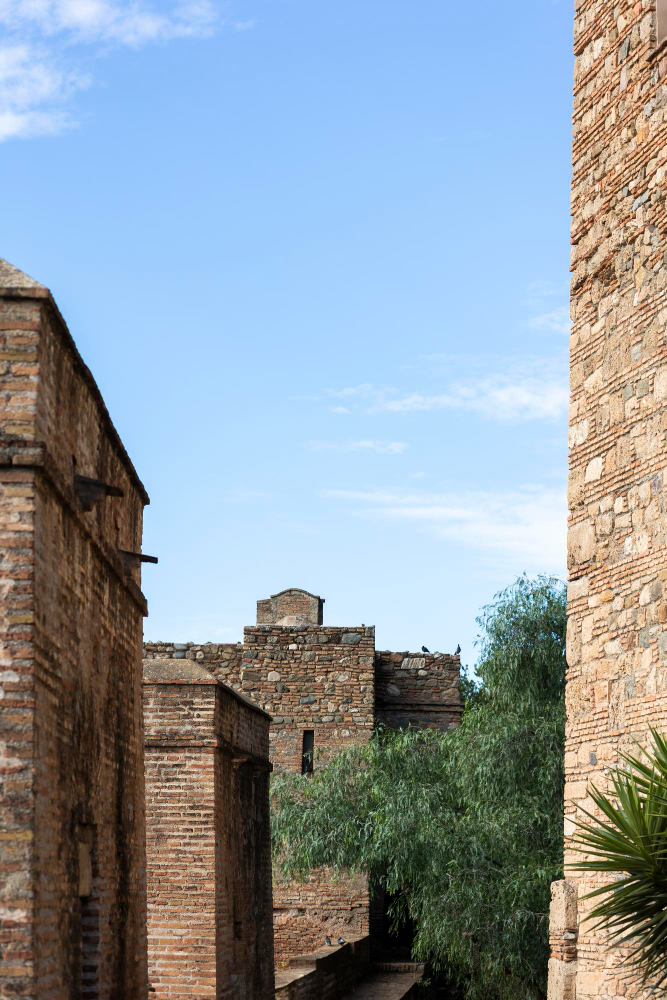
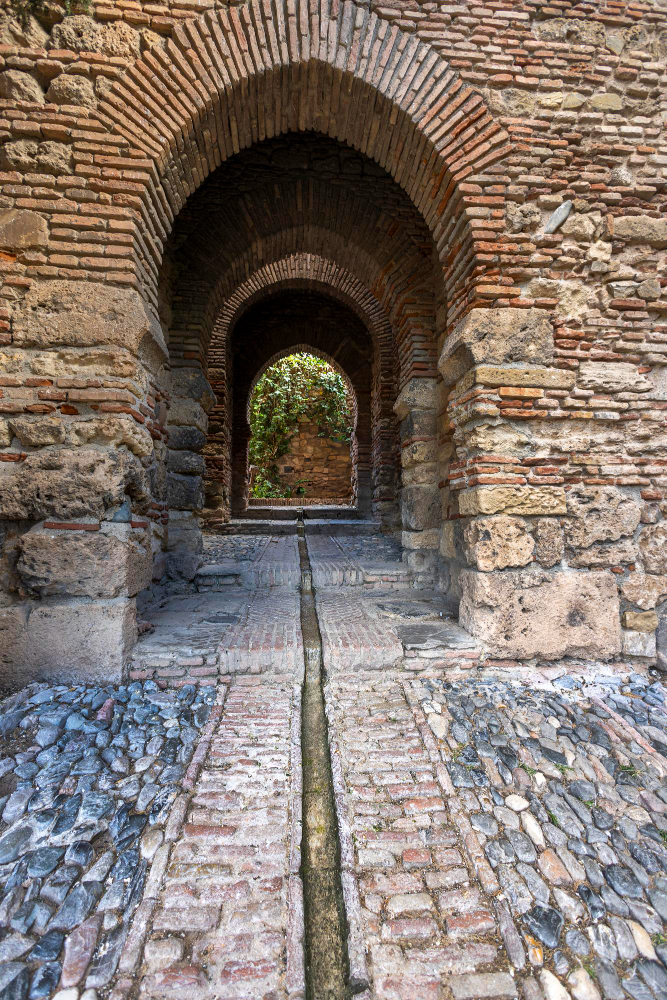
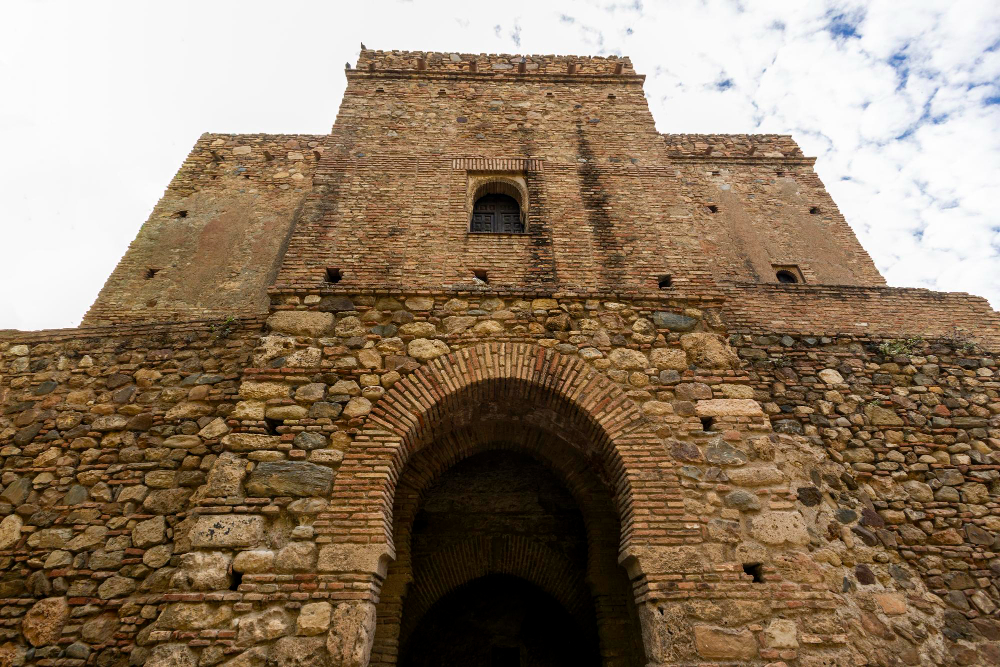
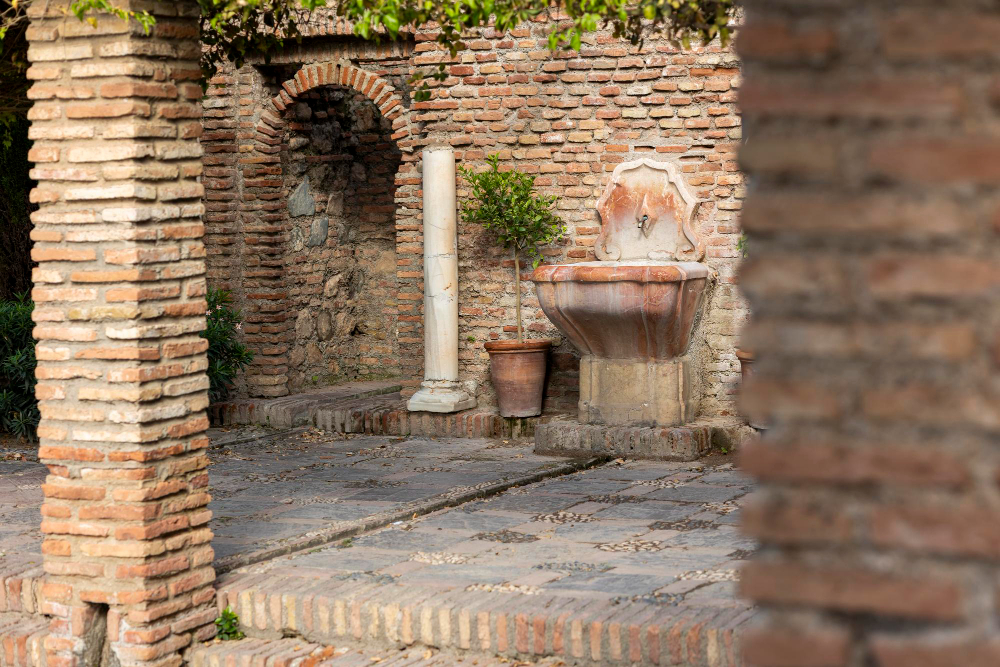
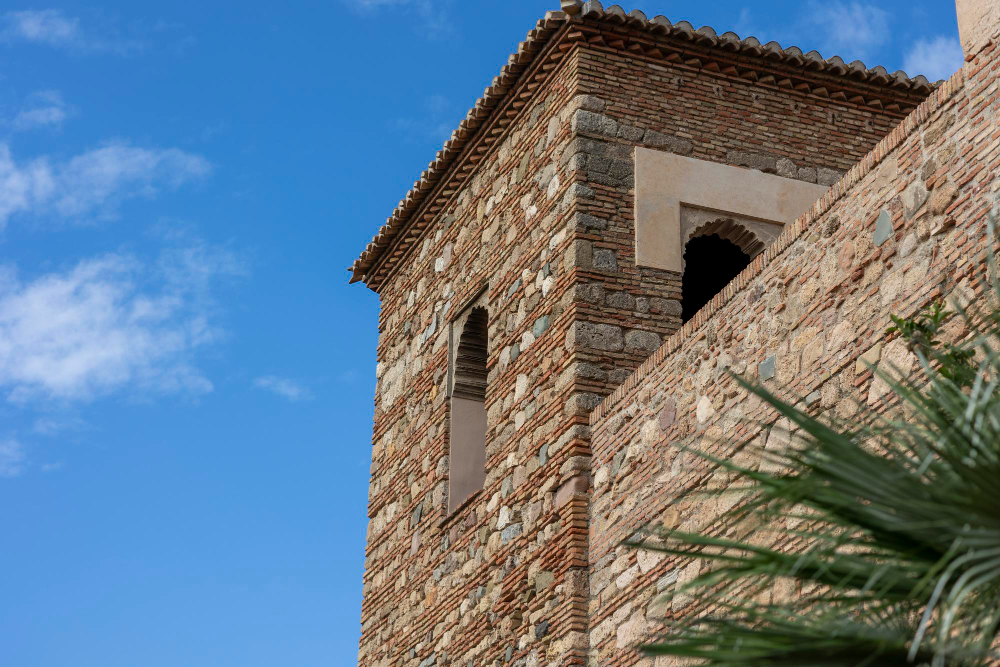
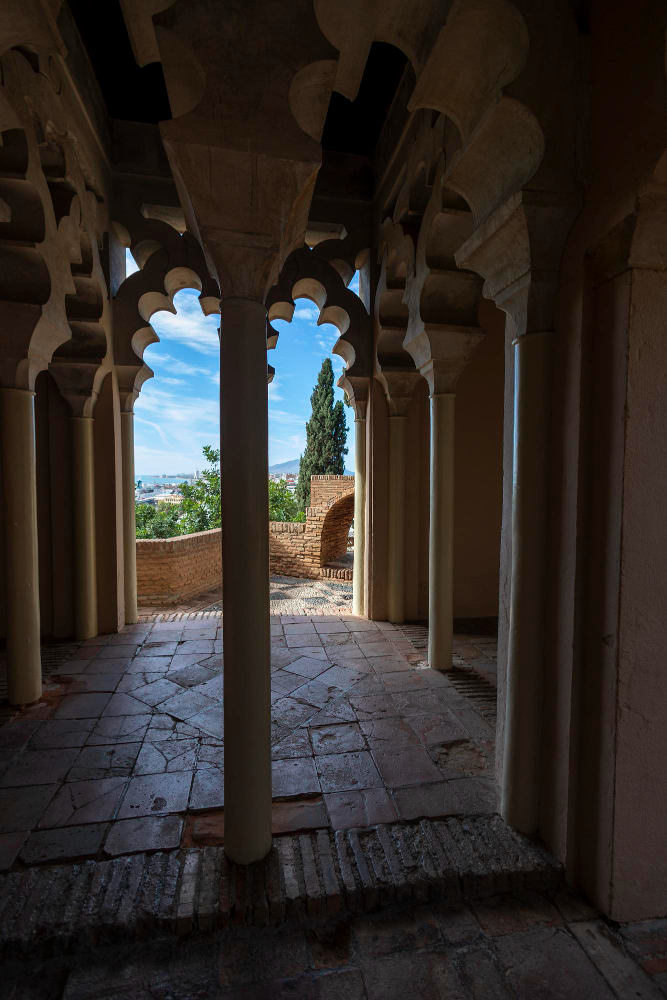
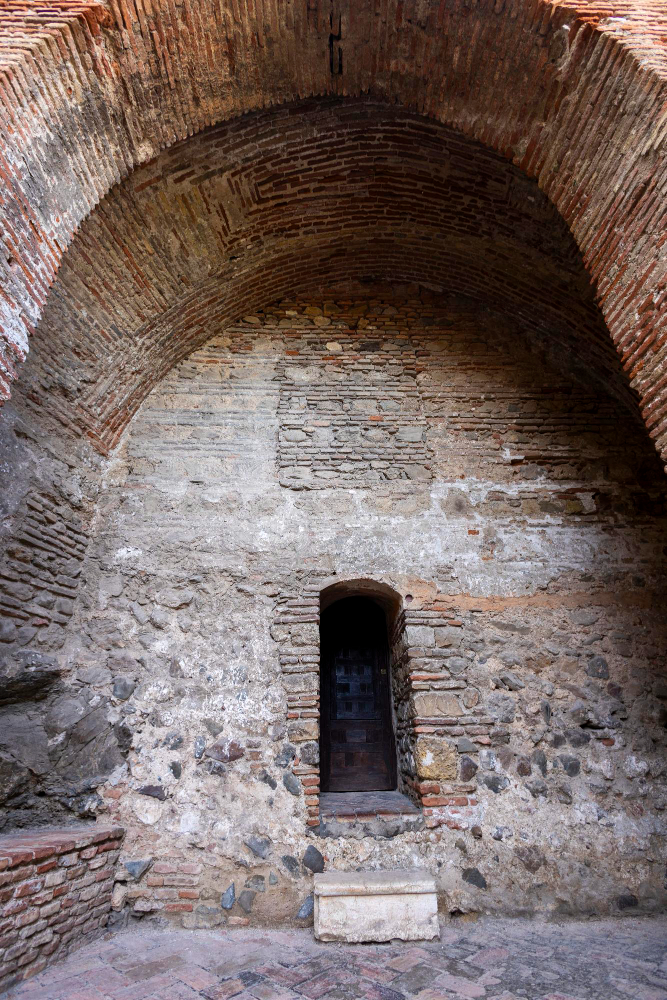
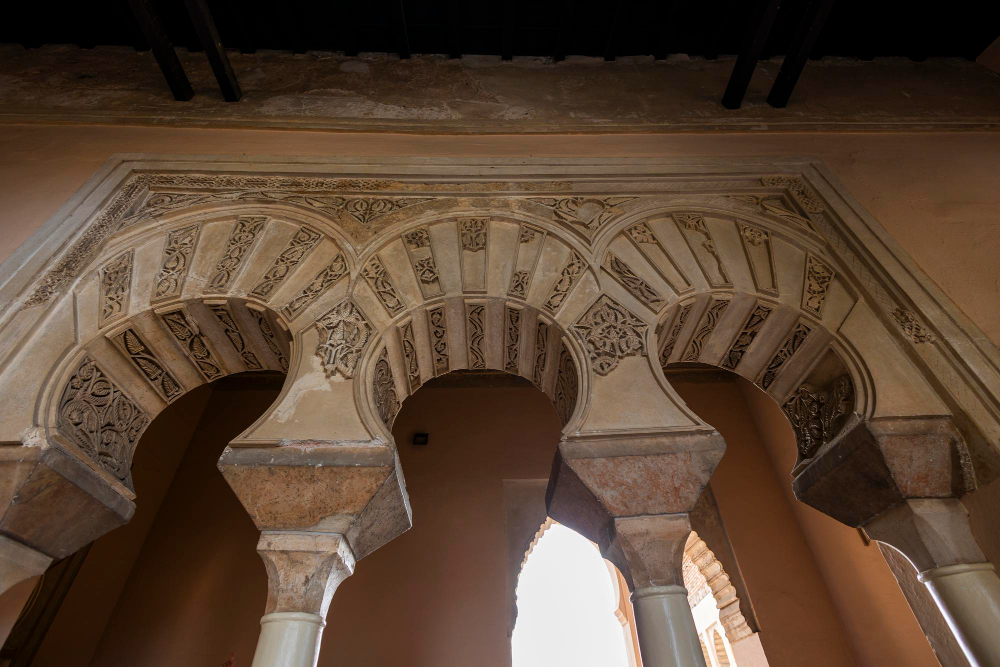
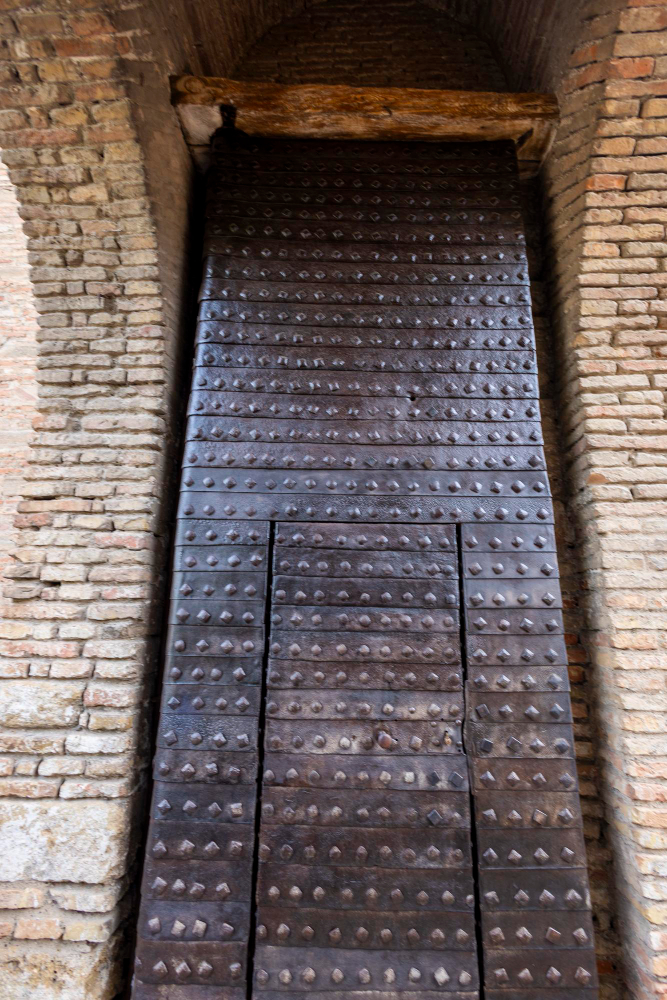
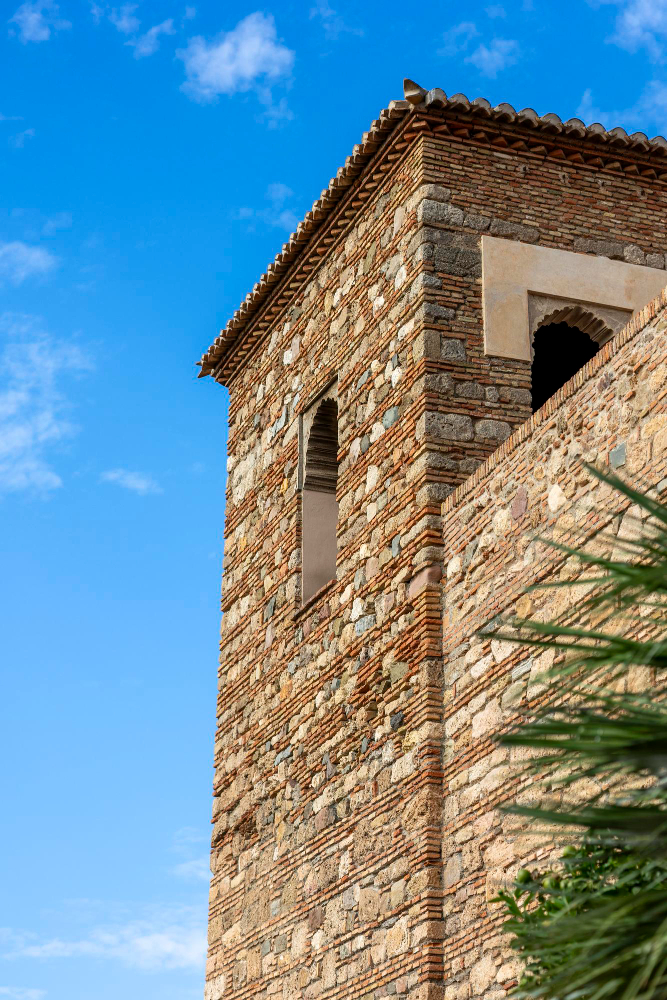
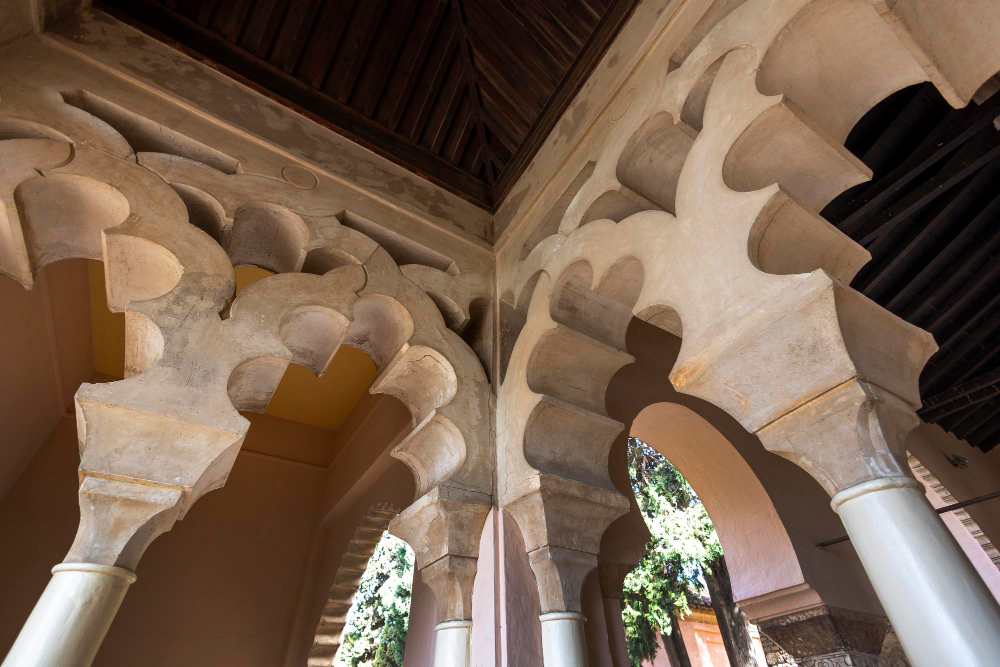
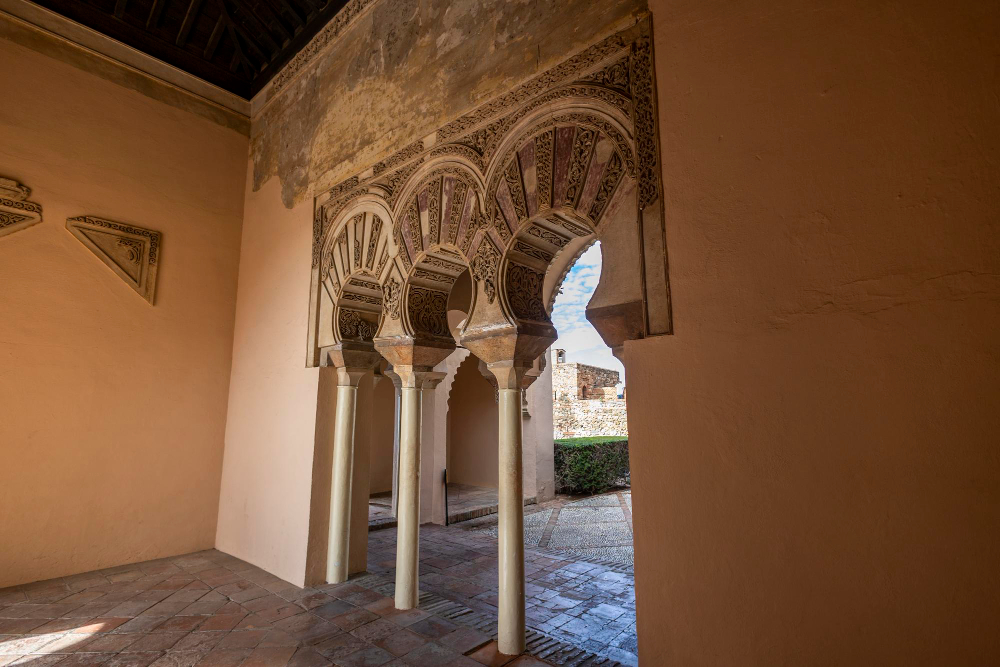
Architecture and Distinctive Features of the Alcazaba – The Alcazaba is characterised by typical features of Moorish military architecture, combined with individual palatial elements. The construction method follows a traditional technique in which bricks and rubble stone are laid in alternating courses, which is both aesthetically pleasing and enhances stability. The entrance areas are secured at several points, consisting of tall gatehouses and massive walls with imposing towers. Inside, several courtyards open up, featuring lovingly landscaped gardens and water features – typical elements of Islamic garden art that symbolise paradise whilst also creating pleasant climatic conditions. Particularly worth seeing are the reconstructions of the living and state rooms, which feature ornate mosaics, woodwork and ornamentally tiled walls. The small mosque inside serves as a reminder of the fortress’s original religious function. It was here that the inhabitants of the Alcazaba received spiritual care, whilst at the same time the proximity to the power of the Nasrids is evident. At the foot of the Alcazaba lies another archaeological highlight: a Roman theatre. This was partly built into the rock and bears witness to the site’s long history of settlement – from antiquity through the Moorish period to the present day.
Legends and cultural significance – Like many ancient castles, the Alcazaba is shrouded in numerous legends and tales. One particularly well-known story recounts the loyalty and love of a Moorish princess who lived inside the fortress and, during the Christian siege, believed unwaveringly in its reconquest by her ancestors. Stories of secret passages and hidden treasures also form part of the complex’s mythology. Culturally, the Alcazaba is seen as a symbol of peaceful coexistence between Christianity and Islam in Andalusia, but also of the conflicts that have shaped this region. Today, it stands as a monumental testament to Spain’s eventful history and attracts numerous visitors every year, who are captivated by its beauty and history.
The Alcazaba of Málaga is far more than just an ancient fortress. It is a complex historical monument that brings together numerous eras – from its Phoenician and Roman origins, through the glorious era of the Moors, to the Christian Reconquista and beyond. Its architecture, strategic location and historical background make it a unique cultural monument that impressively illustrates to visitors the transformation of Andalusia over the centuries. Anyone visiting Málaga should therefore definitely plan a trip to the Alcazaba to experience this treasure trove of Moorish art and medieval military engineering at first hand. The view from the walls over the city and the blue Mediterranean is also an incomparable experience that further enhances the sense of grandeur and history.